
Saudi Arabia has quietly become one of the Middle East’s most compelling adventure destinations. From the towering dunes of the Empty Quarter to the pristine coral reefs of the Red Sea, the Kingdom offers a range of thrills that span every intensity level — whether you want to freefall from 13,000 feet above the desert or simply float through a limestone canyon at dawn. This guide, part of our comprehensive Saudi Arabia travel guide, breaks down the best adventure activities by difficulty, cost, and location so you can plan your trip with confidence.
Best Time to Visit: October to April (cooler temperatures for desert and mountain activities; diving is year-round)
Getting There: Fly into Riyadh (RUH), Jeddah (JED), or NEOM Bay (NUM); domestic flights connect all adventure regions
Visa Required: Yes — tourist e-visa available for 63 nationalities
Budget: $50–$300/day depending on activity level (guided desert safaris from SAR 225; diving from SAR 400/day)
Must-See: Edge of the World escarpment, Rub’ al Khali dune fields, Red Sea coral reefs off Yanbu and Umluj
Avoid: Planning outdoor desert activities during June–August when temperatures regularly exceed 50°C
Extreme Adventures: For the Adrenaline Seekers
Saudi Arabia’s extreme adventure scene has expanded rapidly under Vision 2030’s tourism push. These are the activities that will test your nerve — and reward you with experiences unavailable almost anywhere else on earth.
Skydiving Over the Desert
Tandem skydiving is available near Riyadh and Jeddah, with jumps from approximately 13,000 feet offering panoramic views of the Arabian Peninsula’s desert terrain. Riyadh-based operators typically run jumps from airfields south of the city, where the flat desert landscape makes for an extraordinary freefall backdrop — nothing but sand and escarpment stretching to the horizon. Jeddah jumps offer a split view: the Red Sea coastline on one side, the Hejaz Mountains on the other. Expect to pay SAR 1,200–1,800 for a tandem jump with video. The season runs from October to April, when winds are calmest. If paragliding appeals more, the Asir highlands near Abha offer some of the best thermal conditions in the Gulf region.
Dune Bashing in the Empty Quarter
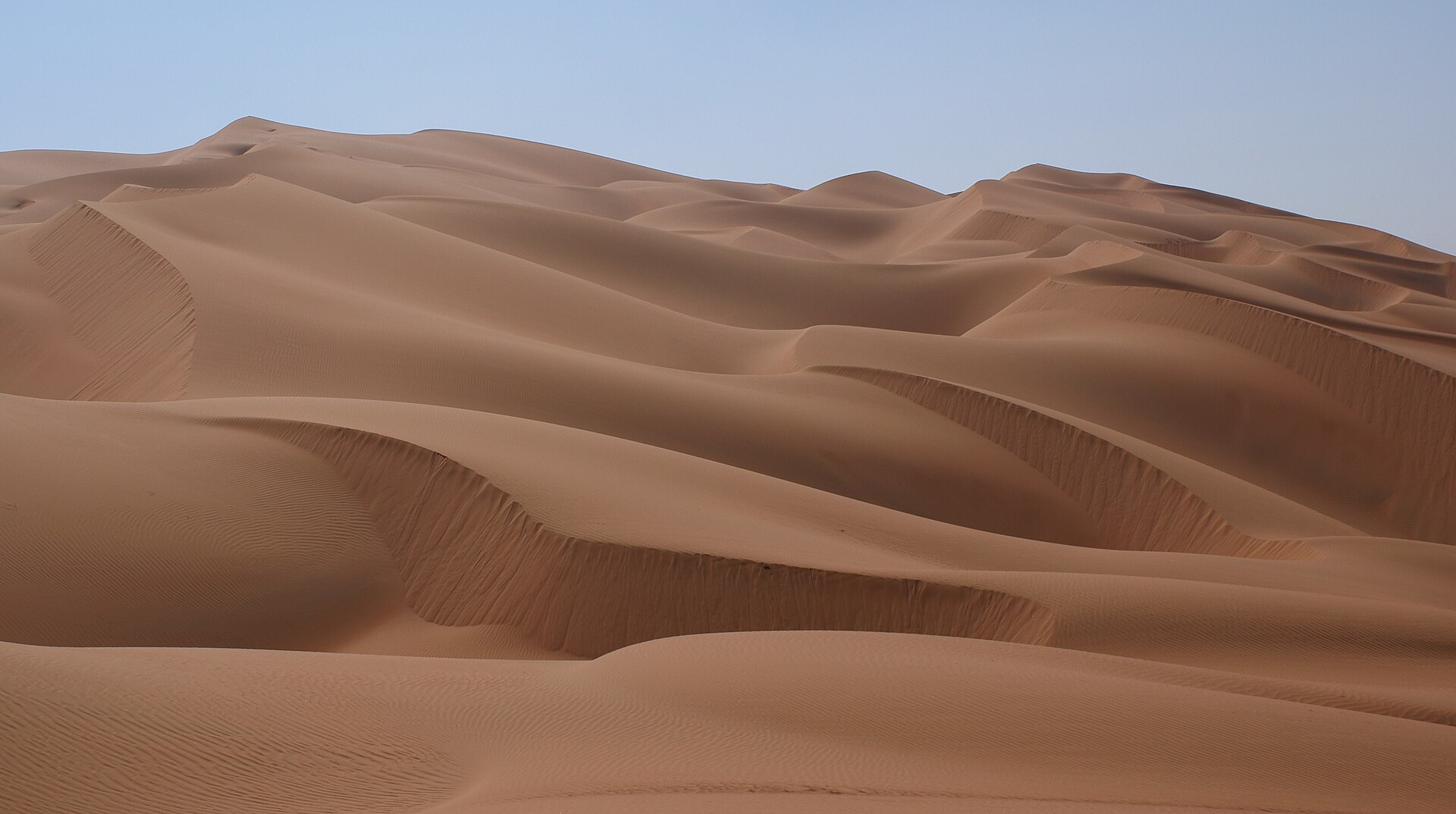
The Rub’ al Khali (Empty Quarter) is the world’s largest contiguous sand desert, covering roughly 650,000 square kilometres across southern Saudi Arabia. Dune bashing here is not the manicured resort experience you find in Dubai — these are raw, unmarked dunes reaching up to 250 metres in height, demanding experienced drivers and properly equipped 4×4 vehicles (typically Toyota Land Cruisers with deflated tyres and roll cages). Riyadh-based operators run half-day and full-day trips to the Red Sands area (about 90 minutes from the city centre), where shared group tours start from SAR 225–350 per person and private packages run SAR 600–900. Full expeditions into the deep Empty Quarter require multi-day planning, satellite phones, and are best arranged through specialist operators such as Saudi Safari Tours.
Rock Climbing on the Tuwaiq Escarpment
The 700-kilometre Tuwaiq Escarpment — sometimes called the “Scar of the Earth” — is Saudi Arabia’s premier rock climbing destination. The limestone cliffs southwest of Riyadh offer multi-pitch routes ranging from beginner-friendly scrambles to serious technical climbs on vertical faces. The rock is predominantly limestone with good grip, though some sections crumble under pressure, so helmets and proper protection are essential. AlUla’s sandstone formations provide a completely different climbing experience: softer rock, dramatic colours, and routes through ancient geological formations. The Hejaz Railway cliff faces near Tabuk are gaining popularity among bouldering enthusiasts. No formal climbing infrastructure (bolted routes, rescue teams) exists in most areas, so bring your own gear and climb with experienced partners.
Canyoning in the Hejaz
Saudi Arabia’s western mountain ranges hide dozens of narrow canyons (locally called wadis) that fill with seasonal rainwater, creating natural waterslides, plunge pools, and rappelling routes. Wadi Lajab in Jizan is the most famous — a deep, narrow gorge with permanent water, surrounded by vertical walls that rise 300 metres on either side. Wadi Disah (also known as the “Grand Canyon of Saudi Arabia”) near Tabuk offers wider canyons with towering sandstone pillars and palm-lined floors. Both require a degree of scrambling and, in some sections, swimming. The best time is November to March, when water levels are manageable and temperatures comfortable. Always check local conditions — flash floods remain a serious risk in narrow wadis after rainfall.
High-Energy Adventures: Active but Accessible
These activities still get the pulse racing but don’t require specialist training or extreme fitness. They’re the sweet spot for travellers who want more than a guided bus tour but aren’t ready to rappel into a canyon.
Sandboarding Across Arabian Dunes
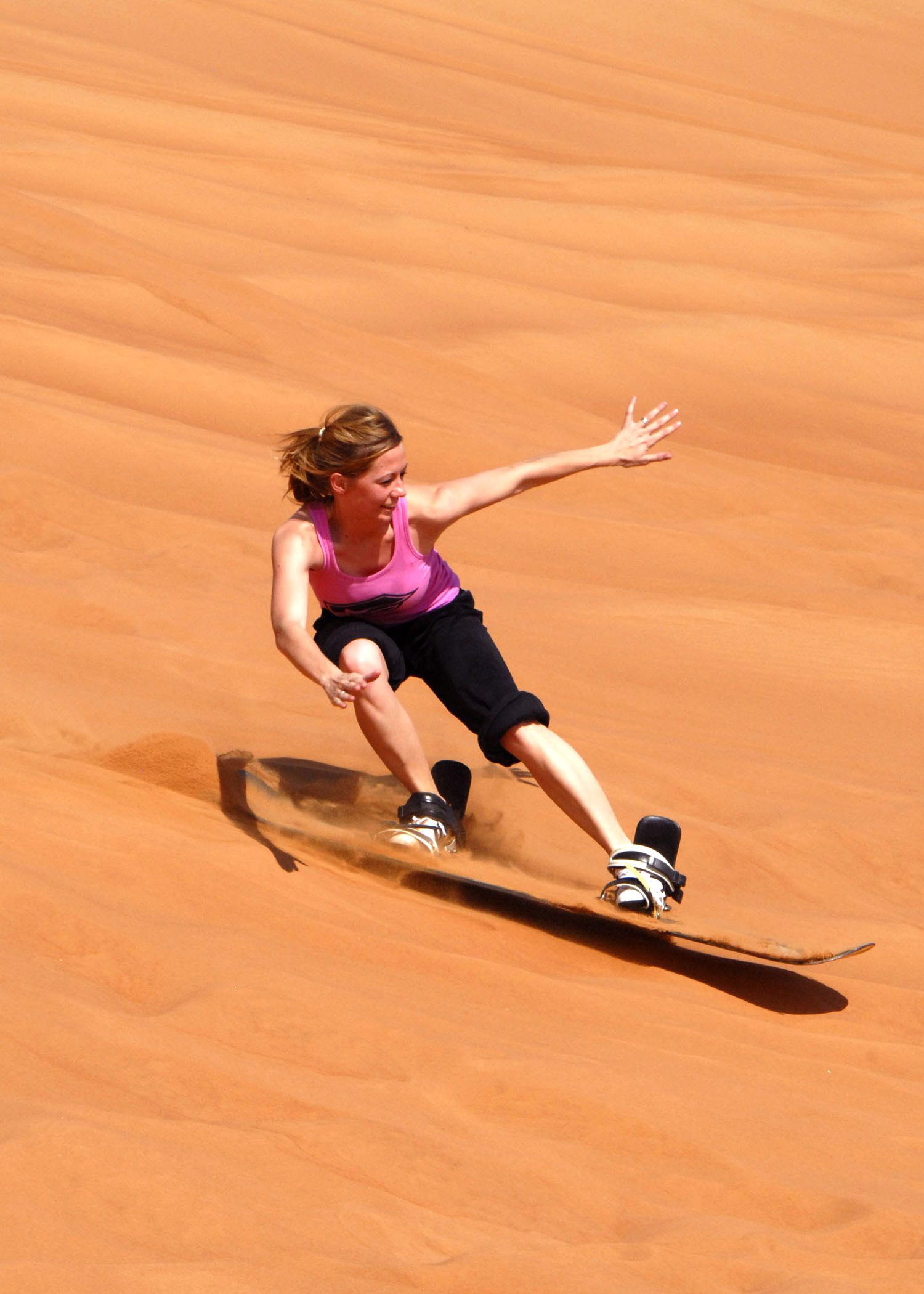
Sandboarding is one of Saudi Arabia’s most accessible adventure activities, and the Kingdom’s terrain for it is arguably the best in the world. The Red Sands (Al Ahsa area) near Riyadh offer steep, compacted dunes ideal for speed runs, while the softer dunes near Half Moon Bay on the Eastern Province coast suit beginners. Most dune-bashing tour operators include sandboard hire in their packages, so you can combine both activities in a single half-day trip. Dedicated sandboarding sessions typically cost SAR 150–250 when bundled with a desert safari. The technique is similar to snowboarding — wax the base of the board before each run, lean back on steep faces, and keep your weight centred. Temperatures on sun-baked dunes can exceed 60°C at the surface in summer, so stick to the October–April season and bring closed-toe shoes.
Quad Biking and Off-Roading
Quad biking is available at desert safari camps around Riyadh, Jeddah, and the Eastern Province. The terrain ranges from flat sabkha (salt flats) to rolling dune fields, and operators typically provide helmets and a brief safety orientation before turning you loose. Expect to pay SAR 150–300 for a one-hour quad bike session. For a more serious off-roading experience, the volcanic harrat (lava fields) near Medina and Tabuk offer extraordinary black-rock landscapes — the Harrat Rahat lava field south of Medina covers over 20,000 square kilometres. These routes require a high-clearance 4×4 and GPS navigation; there are no marked trails.
Zip-Lining at Al Habala
The hanging village of Al Habala, perched on a cliff face in the Asir Mountains near Abha, offers a zip-line experience that ranks among the most scenic in the Gulf. The village itself — historically only accessible by rope — now has a cable car system, and the zip-line runs across a gorge with views dropping hundreds of metres to the valley floor. Al Habala Park and Sky Village also offer shorter zip lines and ropes courses suitable for families. The Abha cable car connecting Green Mountain to the city centre is another way to experience the region’s dramatic vertical terrain. The Asir highlands sit at 2,000–3,000 metres elevation, so temperatures are significantly cooler than the rest of Saudi Arabia — often 15–25°C even in summer, making this one of the few regions suitable for year-round adventure activities.
Moderate Adventures: Thrilling Without the Extreme
Not every adventure requires signing a waiver. These activities offer genuine excitement and extraordinary landscapes while remaining accessible to travellers of most fitness levels and experience backgrounds.
Hiking to the Edge of the World
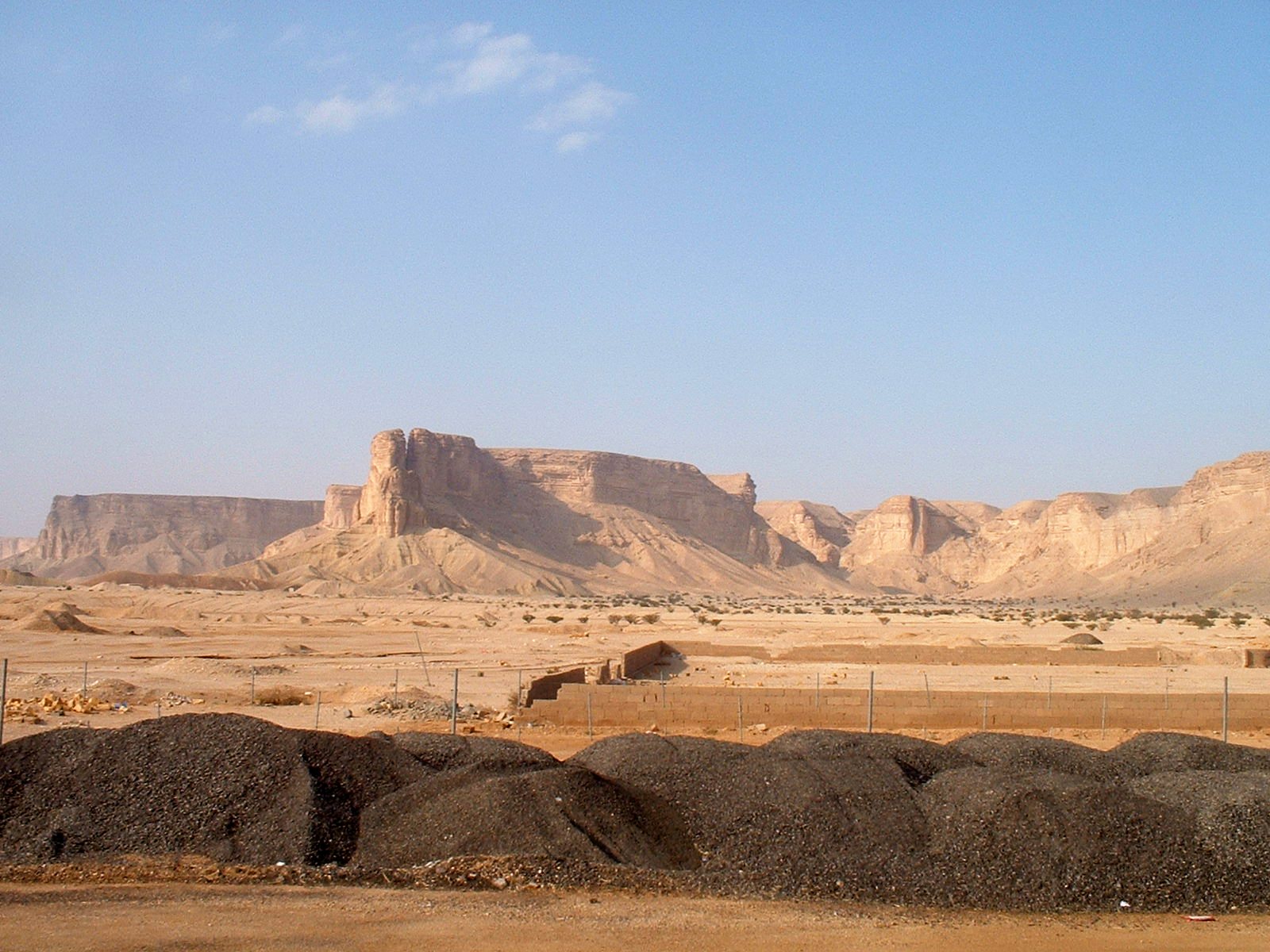
Jebel Fihrayn, universally known as the “Edge of the World,” is Saudi Arabia’s most iconic hiking destination. The site is a dramatic limestone escarpment about 90 kilometres northwest of Riyadh, where 300-metre cliffs drop away to reveal an uninterrupted view of the ancient seabed below — no buildings, no roads, just flat desert stretching to the horizon. The hike itself is moderate: roughly 3–5 kilometres along the cliff edge, with no technical climbing required but some exposed sections that demand caution. The rock contains visible marine fossils from the Jurassic period, when this escarpment formed the coastline of the Tethys Sea. Guided tours from Riyadh (including 4×4 transfer on the unpaved access road) run SAR 250–400 per person and typically include stops at a camel farm in the nearby Acacia Valley. Go at sunrise for the best light and coolest temperatures.
Scuba Diving and Snorkelling the Red Sea
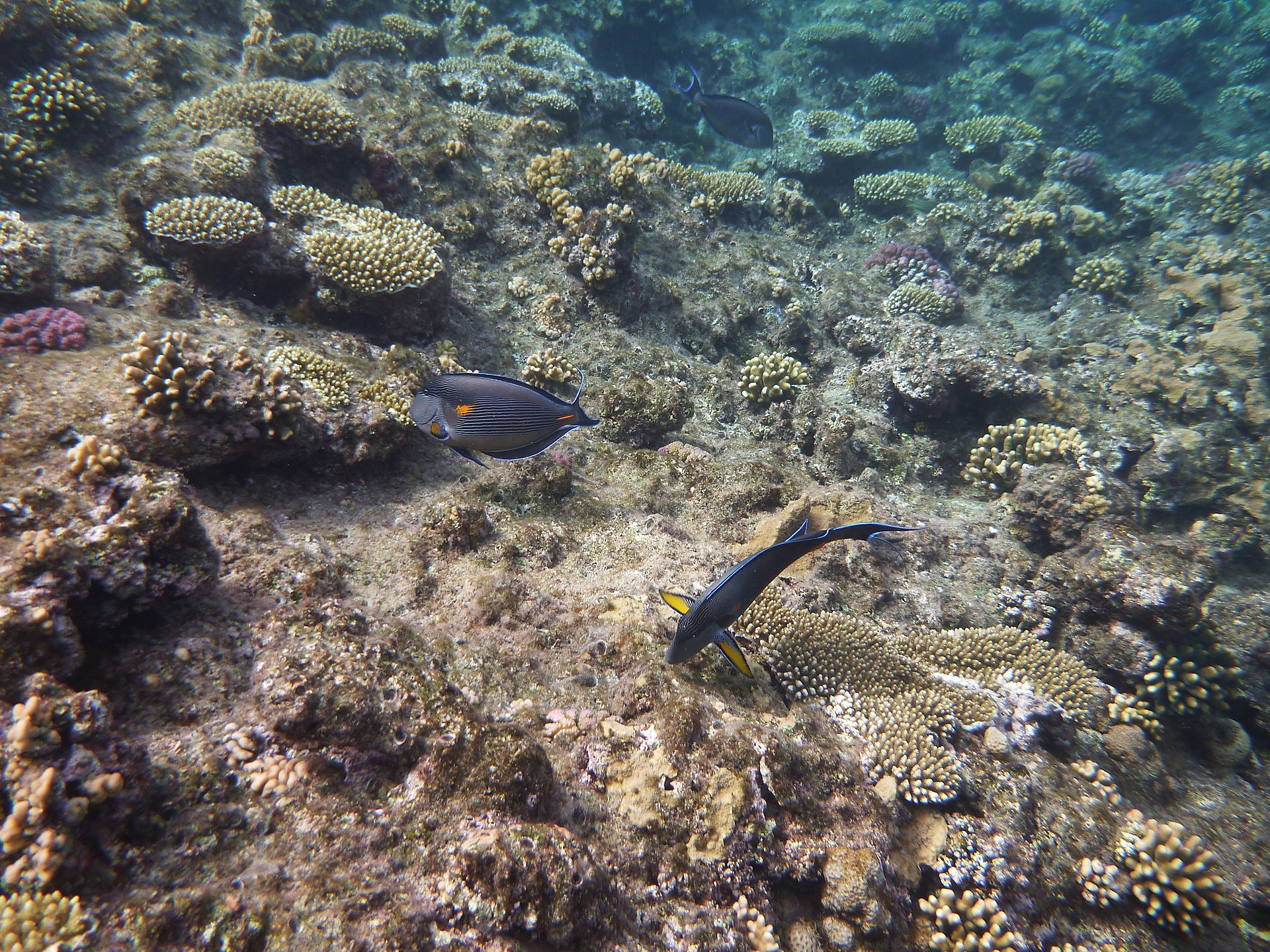
Saudi Arabia’s Red Sea coastline stretches over 1,800 kilometres, and its coral reefs are among the healthiest and least dived in the world — a direct result of decades of restricted tourism access. Scuba diving hubs include Yanbu (wreck dives and wall dives), Umluj (often called “the Maldives of Saudi Arabia” for its white-sand islands and turquoise shallows), Jeddah (accessible reef dives and the famous Ann Ann shipwreck), and the Farasan Islands in the south (manta rays, whale sharks, and pristine hard coral gardens). A two-dive day trip typically costs SAR 400–700 including equipment hire. PADI certification courses are available in Jeddah and Yanbu. For those who prefer to stay on the surface, snorkelling is excellent at Umluj’s offshore islands, where visibility regularly exceeds 25 metres. The full diving and snorkelling guide covers site-by-site details.
Camel Trekking in the Desert
Camel trekking is the original Arabian adventure — and one of the most atmospheric ways to experience the Saudi desert. Multi-day camel treks into the Empty Quarter or along ancient trade routes are available through specialist operators, typically covering 15–25 kilometres per day with overnight camping under the stars. Shorter half-day rides are available at desert camps near Riyadh and in the AlUla region, where you ride through the same sandstone valleys that the Nabataeans once traversed. Expect to pay SAR 200–350 for a half-day experience with guide, SAR 1,500–3,000 for a multi-day expedition. The pace is deliberately slow — this is about immersion, not adrenaline. Bring sunscreen, a headscarf for wind and sand, and a camera with a good zoom lens.
Hot Air Ballooning Over AlUla
Hot air ballooning over AlUla offers a perspective on Saudi Arabia’s landscape that no photograph can capture. Flights launch at dawn, drifting over the sandstone pillars, ancient Nabataean tombs of Hegra (Saudi Arabia’s first UNESCO World Heritage Site), and the palm-filled oasis valley. The experience lasts roughly one hour airborne, with total excursion time of about three hours including inflation and landing. Pricing typically starts from SAR 800–1,200 per person during the AlUla season (October to March). This is a seasonal activity — summer heat makes ballooning impossible. Book well in advance, as slots sell out weeks ahead during peak season.
Water-Based Adventures
Saudi Arabia’s coastline — Red Sea to the west, Arabian Gulf to the east — offers more water-based adventure than most visitors expect.
Kitesurfing and Windsurfing
The Red Sea coast between Jeddah and Yanbu receives consistent thermal winds from October through April, making it increasingly popular for kitesurfing. Umluj and the NEOM coastline are emerging as world-class spots with flat, warm water and offshore winds. The Arabian Gulf side — particularly Half Moon Bay near Dammam — offers shallower conditions better suited to beginners. Equipment hire and lessons are available in Jeddah and through resort operators along the Red Sea Project coastline. A half-day lesson typically costs SAR 400–600.
Freediving and Spearfishing
Saudi Arabia’s freediving scene is small but growing. The Red Sea’s warm water (24–30°C year-round), exceptional visibility, and vertical wall dives make it ideal for depth training. Yanbu and the Farasan Islands offer the best conditions. Spearfishing is permitted in certain areas with a valid licence, though regulations are tightening as marine conservation efforts expand under the Saudi Green Initiative. Always check current rules with local dive operators before heading out.
Yacht Charters and Coastal Exploration
Yacht charters along the Red Sea coast allow access to uninhabited islands, hidden coves, and reef systems that no shore-based tour can reach. Day charters from Jeddah’s Obhur Creek marina start from SAR 2,000–5,000 depending on vessel size. Multi-day liveaboard trips to the Farasan Banks — some of the most remote and biologically rich reef systems in the Red Sea — represent the ultimate marine adventure in Saudi Arabia.
Adventure Activity Comparison Table
| Activity | Intensity Level | Best Location | Approximate Cost (SAR) | Best Season |
|---|---|---|---|---|
| Skydiving | Extreme | Riyadh / Jeddah | 1,200–1,800 | Oct–Apr |
| Dune Bashing (Empty Quarter) | Extreme | Riyadh / Al Ahsa | 225–900 | Oct–Apr |
| Rock Climbing | Extreme | Tuwaiq Escarpment / AlUla | Self-guided or SAR 300–600 guided | Nov–Mar |
| Canyoning | Extreme | Wadi Lajab / Wadi Disah | SAR 400–800 guided | Nov–Mar |
| Sandboarding | Moderate–High | Red Sands / Half Moon Bay | 150–250 (with safari) | Oct–Apr |
| Zip-Lining | Moderate | Al Habala / Asir | 100–200 | Year-round |
| Edge of the World Hike | Moderate | Jebel Fihrayn (Riyadh) | 250–400 (guided tour) | Oct–Apr |
| Scuba Diving | Moderate | Yanbu / Umluj / Farasan | 400–700 (2-dive day) | Year-round |
| Camel Trekking | Easy–Moderate | Empty Quarter / AlUla | 200–3,000 | Oct–Apr |
| Hot Air Ballooning | Easy | AlUla | 800–1,200 | Oct–Mar |
| Kitesurfing | Moderate–High | Umluj / Jeddah / NEOM | 400–600 (lesson) | Oct–Apr |
Practical Tips for Adventure Travellers
What to Pack
- Hydration system: Carry at least 3 litres per person for any desert activity. Dehydration is the single biggest risk for adventure travellers in Saudi Arabia.
- Sun protection: SPF 50+, UV-blocking sunglasses, a wide-brimmed hat or shemagh. The UV index regularly exceeds 11 (extreme) from March through October.
- Footwear: Sturdy hiking boots for mountains and escarpments; closed-toe sandals for wadis; reef shoes for snorkelling.
- Navigation: Download offline maps (Google Maps or Maps.me) — mobile signal disappears quickly outside urban areas. A satellite communicator (Garmin inReach or similar) is recommended for deep desert trips.
- First aid: Carry a basic kit including blister care, electrolyte sachets, and any personal medication. Medical facilities are excellent in cities but hours away from remote adventure sites.
- Saudi Arabia Travel Guide 2026 — The complete guide to visiting the Kingdom
- Saudi Arabia Hiking Guide — Trail-by-trail breakdown of the Kingdom’s best hikes
- Saudi Arabia Diving and Snorkelling Guide — Every dive site along the Red Sea coast
- Sandboarding in Saudi Arabia — Best dunes and operators for 2026
- Dune Bashing in Saudi Arabia — Desert safari routes and tour packages
- Saudi Arabia Visa Guide — Every visa type explained
Safety and Insurance
Adventure tourism infrastructure in Saudi Arabia is still maturing. Unlike New Zealand or Costa Rica, there is no national adventure activity certification scheme, and operator standards vary widely. Always verify that your tour operator carries insurance, has functioning safety equipment, and employs guides with relevant experience. Travel insurance that explicitly covers adventure sports (including scuba diving, rock climbing, and motorised desert activities) is essential — many standard policies exclude these. World Nomads and SafetyWing both offer adventure-sport add-ons that cover Saudi Arabia.
When to Go
The adventure season runs from October to April, when daytime temperatures in the desert sit between 20–30°C. The Asir highlands are the exception — their elevation keeps temperatures comfortable year-round, making Abha and Taif viable summer destinations. Red Sea diving is a year-round activity, with water temperatures ranging from 24°C in January to 30°C in August. Ramadan dates shift annually (in 2026, Ramadan falls in late February to late March) — many outdoor operators reduce hours during this period, and eating or drinking in public during daylight is prohibited. Check the Saudi Arabia weather guide for region-by-region seasonal breakdowns.
Getting Around Between Adventure Regions
Saudi Arabia is vast — roughly the size of Western Europe — and adventure sites are spread across the country. Domestic flights are the fastest way to connect regions: Riyadh to AlUla (1.5 hours), Jeddah to Abha (1 hour), Riyadh to Tabuk (2 hours). Renting a car is essential for reaching most adventure sites, as they sit well outside urban centres. The road network is excellent — Saudi Arabia’s highways are among the best-maintained in the Middle East — but the distances are long: Riyadh to AlUla is 900 kilometres, Jeddah to Umluj is 350 kilometres. Fill up at every petrol station; fuel is cheap (around SAR 2.18/litre) but stations thin out in remote areas.
Budget Planning
Adventure travel in Saudi Arabia costs less than comparable activities in Oman, Jordan, or the UAE, but more than Southeast Asia or South America. Budget travellers can manage SAR 200–400/day by combining budget accommodation, self-catering, and self-guided activities (hiking, snorkelling from shore). Mid-range adventure travellers spending on one or two guided activities per day should budget SAR 500–1,000/day including accommodation, transport, and food. Premium multi-day experiences (Empty Quarter expeditions, liveaboard dive trips, ballooning in AlUla) push costs to SAR 1,500–3,000/day.
Suggested Adventure Itineraries
One-Week Extreme Adventure Circuit
Days 1–2: Riyadh — Edge of the World hike, Red Sands dune bashing and sandboarding, Tuwaiq Escarpment rock climbing.
Day 3: Fly to Tabuk — Wadi Disah canyoning and wadi walks, overnight desert camp.
Days 4–5: AlUla — hot air balloon at dawn, sandstone climbing, stargazing in Sharaan Nature Reserve.
Days 6–7: Fly to Jeddah — Red Sea scuba diving (2-day trip to Yanbu reefs), kitesurfing off Obhur.
Five-Day Moderate Adventure Trip
Day 1: Riyadh — Edge of the World guided tour with camel ride.
Day 2: Fly to Abha — Al Habala zip-line, cable car ride, highland hiking.
Day 3: Drive to Taif — mountain trails, Taif cable car, rose farm visit.
Day 4: Drive to Jeddah — snorkelling day trip to offshore reefs.
Day 5: Jeddah — food tour through Al Balad historic district, corniche walk.