
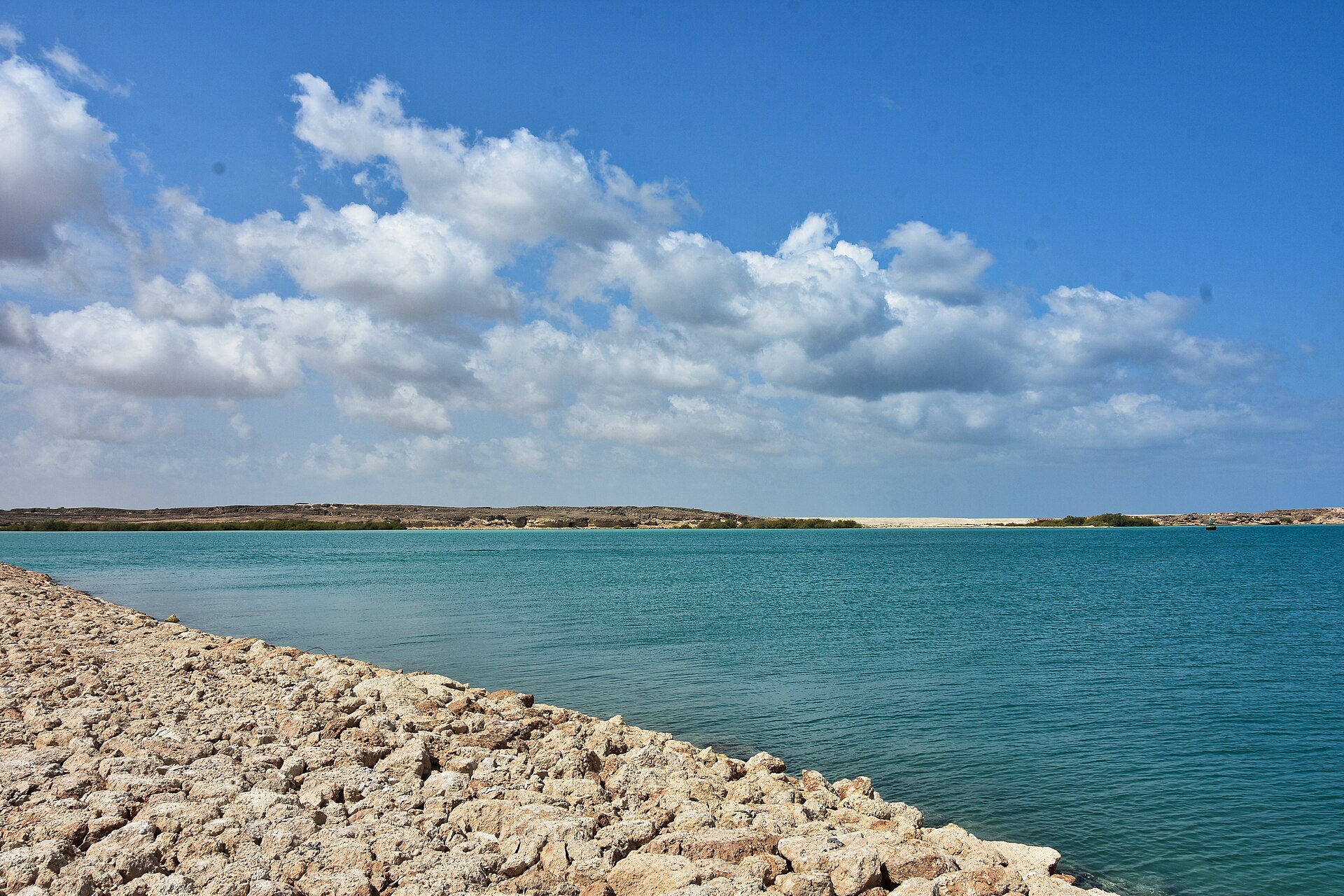
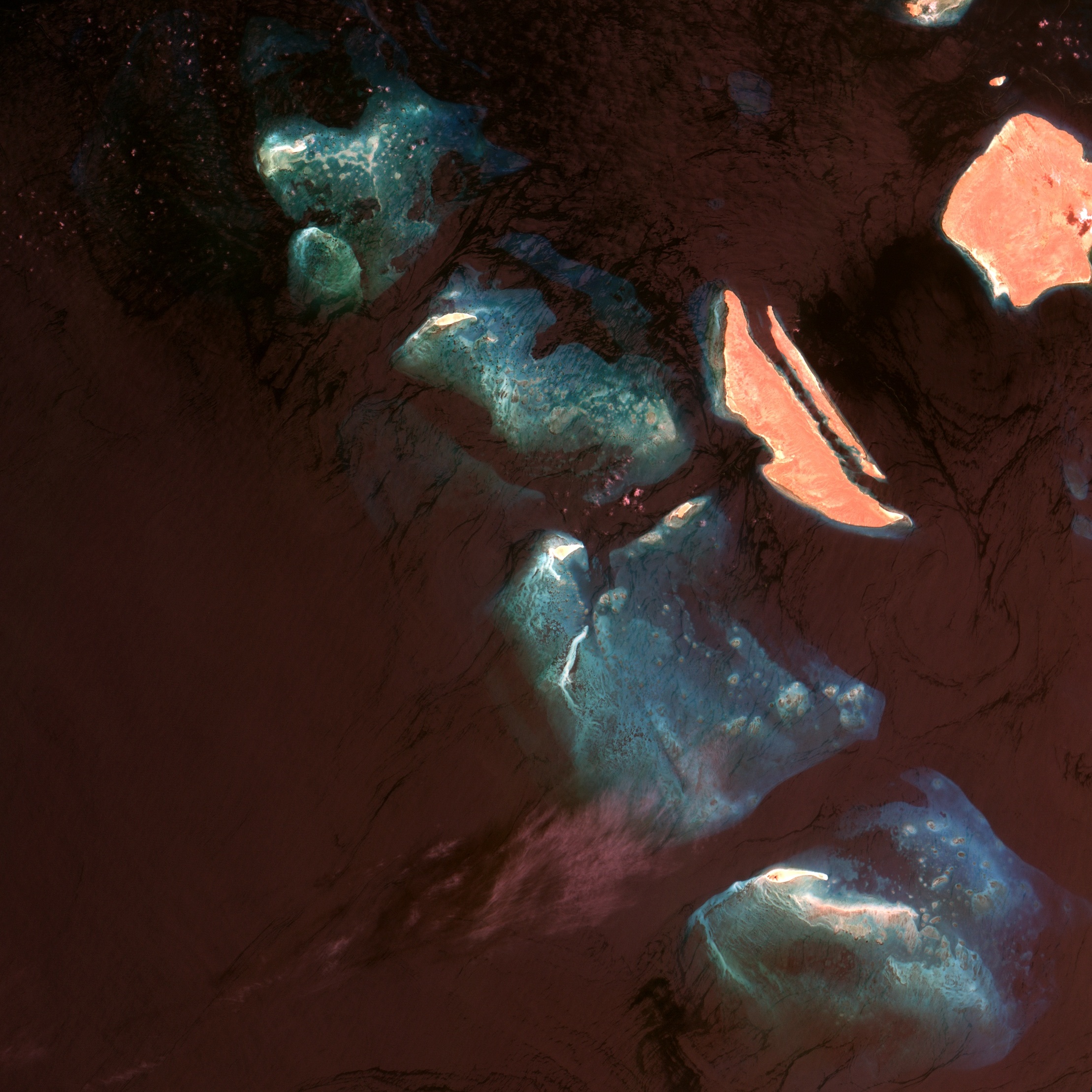
The Farasan Islands are Saudi Arabia’s last truly wild diving frontier. Sitting roughly 40 kilometres off the Jizan coast in the far southern Red Sea, this archipelago of nearly 200 coral islands shelters reefs that marine biologists rank among the healthiest in the entire basin. Designated Saudi Arabia’s first UNESCO Biosphere Reserve in 2021 and added to the IUCN Green List for effective environmental management, the Farasan archipelago offers divers an experience closer to what the Red Sea looked like a century ago than anything found near Hurghada or Sharm el-Sheikh. Whether you reach the islands by government ferry from Jizan or by liveaboard from Al Lith, this guide—part of our comprehensive Saudi Arabia Diving and Snorkelling Guide—covers every practical detail you need to plan a trip to Saudi Arabia’s most pristine reefs.
Best Time to Visit: October to May (peak visibility and whale shark season December–March)
Getting There: Free government ferry from Jizan (1 hour), or liveaboard departing Al Lith / Jeddah
Visa Required: Yes — tourist e-visa
Budget: USD 80–150/day shore-based; USD 195–400/day on a liveaboard
Must-See: Farasan Banks coral atolls, dugong encounters, whale sharks (Dec–Mar)
Avoid: June–September — summer heat exceeds 40 °C, visibility drops, and ferry schedules can be disrupted
Why the Farasan Islands Are Special
The Farasan archipelago spans a protected area of 5,408 square kilometres across 266 islands, making it one of the largest marine reserves in the Middle East. The Living Oceans Foundation recorded the highest live coral cover in the entire Saudi Red Sea survey here—nearly 30 per cent, with 79 identified hard coral species. Beyond the reef, the islands support extensive seagrass meadows, red and black mangrove forests, and saltmarshes that serve as nursery grounds for more than 230 fish species.
What truly sets Farasan apart for divers is the combination of big pelagic encounters and intimate reef biodiversity. The same dive trip can deliver schools of hammerhead sharks cruising a deep plateau, a dugong grazing on seagrass in the shallows, and a macro paradise of nudibranchs and seahorses on a sheltered coral garden. Few places on earth offer this range within a single archipelago—and unlike the northern Red Sea, you are unlikely to see another dive boat.
Marine Life: What You Will See Underwater
The Farasan archipelago sits at the intersection of deep open water and shallow reef systems, creating conditions that support an extraordinary range of marine species. The area has been identified as an Important Marine Mammal Area (IMMA) by the IUCN Marine Mammal Protected Areas Task Force.
Big Pelagics
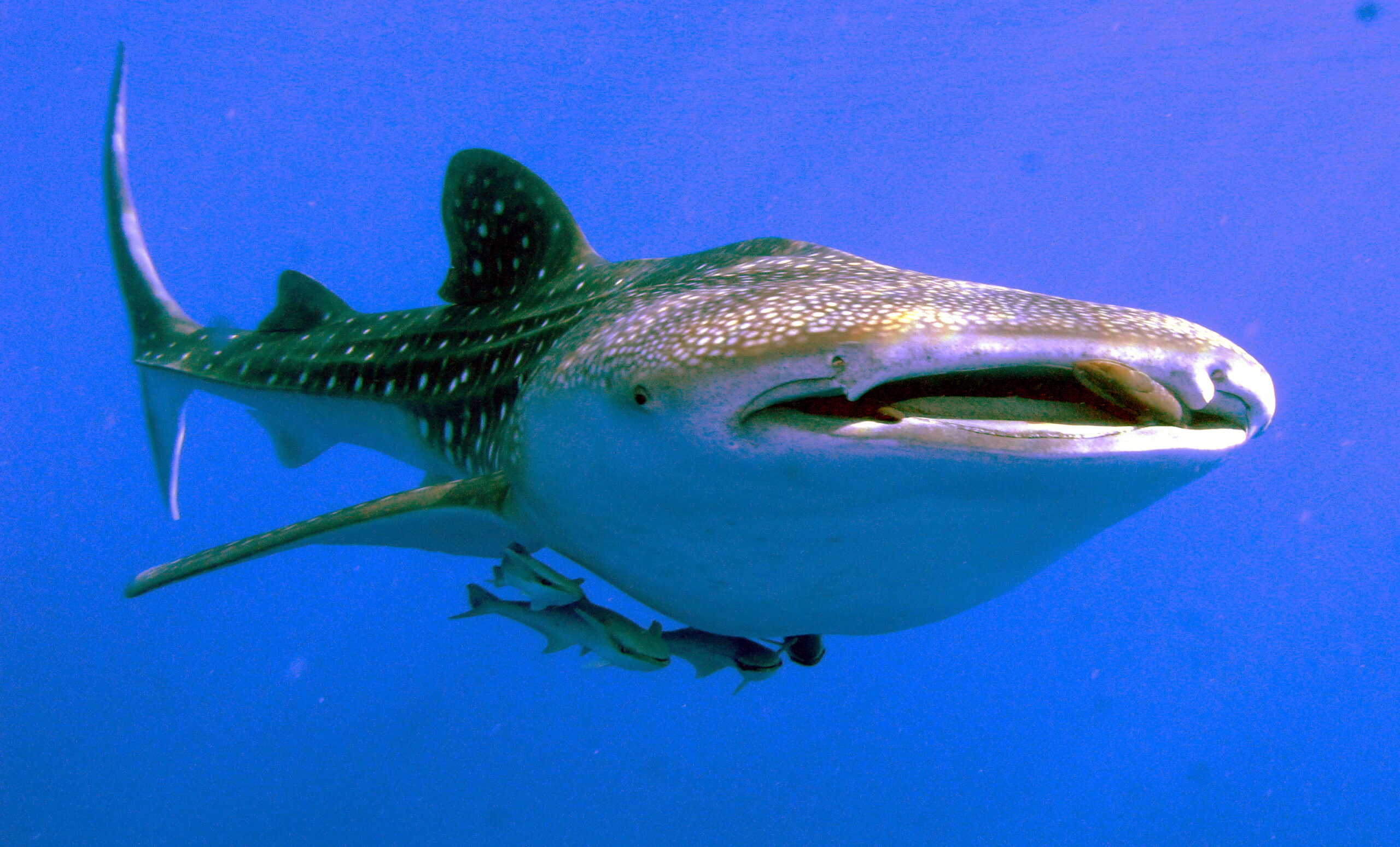
Between December and May, the Farasan Banks attract spectacular pelagic life. Scalloped hammerhead sharks school along the deeper plateaus, particularly at sites like Sha’ab Ammar and Dohra. Whale sharks pass through from December to March, drawn by plankton blooms in the warmer southern Red Sea. Oceanic whitetip sharks are occasionally sighted in open water between dive sites. Whale shark diving in Saudi Arabia is covered in more detail in our dedicated guide, but the Farasan Banks consistently rank among the Kingdom’s top encounter zones.
Reef Sharks and Rays
Whitetip reef sharks, blacktip reef sharks, and grey reef sharks are common residents. Manta rays visit the Banks during the cooler months, and eagle rays are a regular sighting along reef walls. Tiger sharks have been recorded at several southern Farasan dive sites, though encounters are rare and unpredictable.
Dugongs
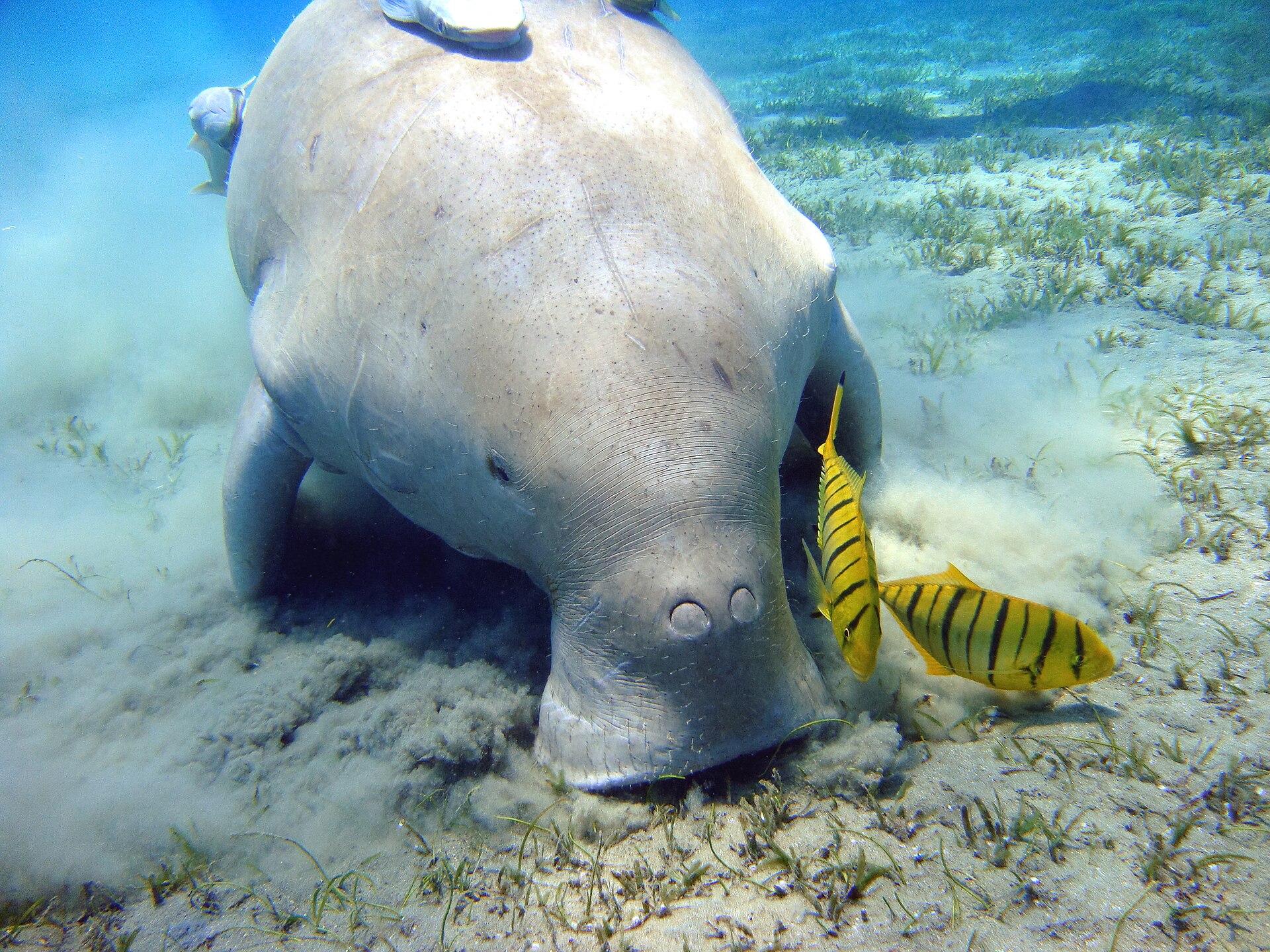
The Farasan Islands are one of the few places in the Red Sea where divers have a realistic chance of encountering a dugong. These gentle, Vulnerable-listed marine mammals feed on the archipelago’s extensive seagrass beds. Sightings are most common in shallow, sheltered bays at depths of 3–8 metres. The Farasan population is considered one of the most important in the western Indian Ocean.
Turtles
Both green turtles and hawksbill turtles nest on the Farasan Islands, and divers regularly encounter them resting under coral overhangs or feeding in seagrass meadows. The marine reserve’s protection since 1996 has helped stabilise nesting populations.
Dolphins and Whales
Endangered Indian Ocean humpback dolphins inhabit the shallow waters around the archipelago. Spinner dolphins are frequently seen from liveaboard boats, and various whale species have been documented passing through the deeper channels between islands.
Reef Fish and Macro Life
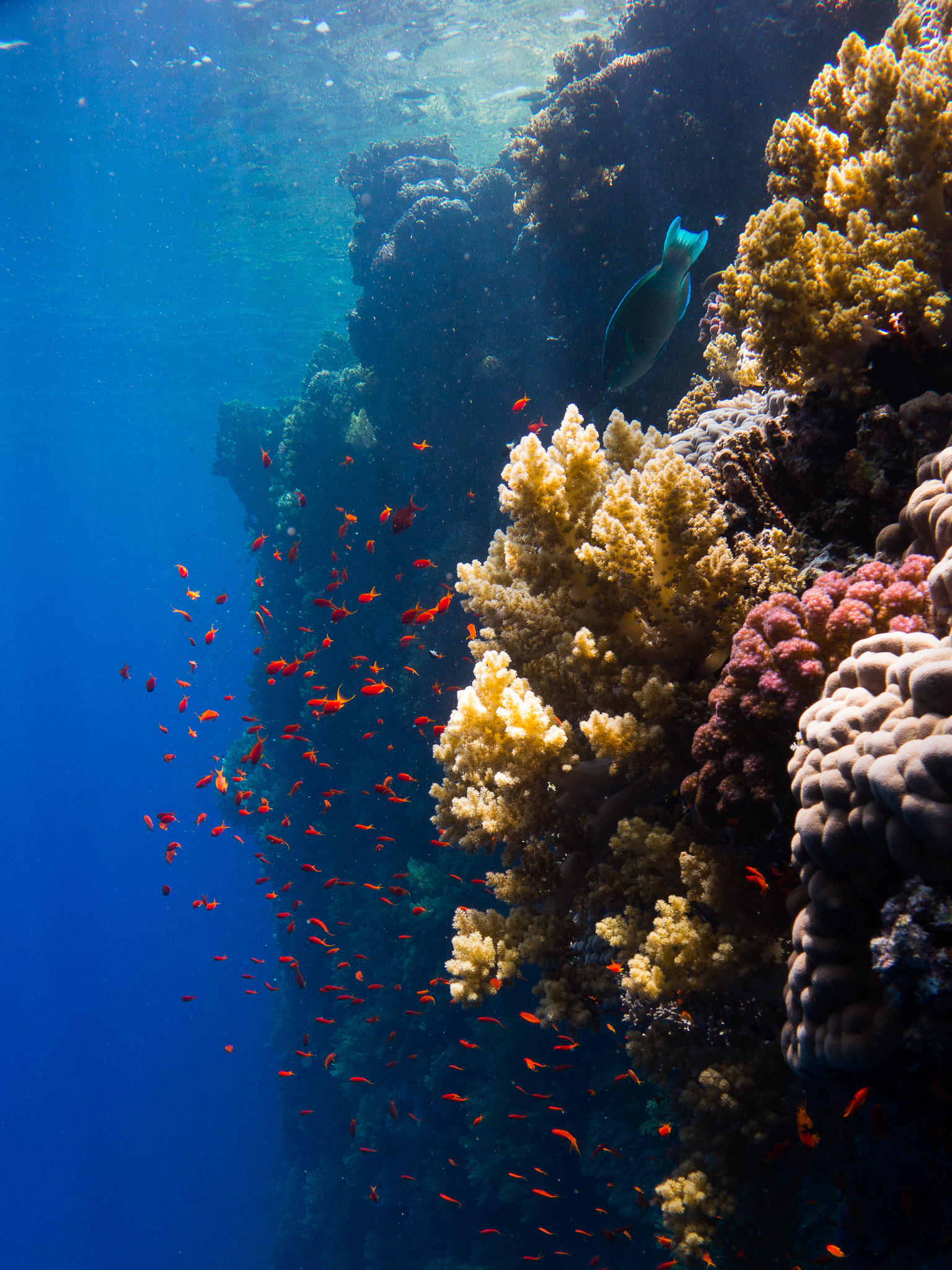
The reefs host more than 230 documented fish species, including clouds of anthias, large groupers, barracuda schools, and jacks. Macro photographers will find colourful nudibranchs, flatworms, moray eels, lionfish, and the occasional well-camouflaged seahorse. The density of reef life on a healthy Farasan wall rivals anything in the northern Red Sea, with the added advantage of virtually no dive traffic.
The Farasan Banks: Saudi Arabia’s Top Liveaboard Dive Region
The term “Farasan Banks” refers to a vast underwater reef system stretching roughly 350 miles along the Saudi Red Sea coast, comprising thousands of small reefs, coral atolls, and submerged islands. This is distinct from the Farasan Islands themselves, though they share the same ecosystem. The Banks are accessible almost exclusively by liveaboard, departing from Al Lith (a three-hour sail) or from ports further north near Jeddah on extended itineraries.
If you are looking for broader coverage of scuba diving across Saudi Arabia, our dedicated guide covers every major dive region from Yanbu to the Farasan Banks.
Seven Sisters
A cluster of seven underwater pinnacles rising from the ocean floor, the Seven Sisters are the Farasan Banks’ signature dive sites. The limestone formations are draped in hard and soft corals and surrounded by dense schools of reef fish. Divers report encounters with reef sharks patrolling the walls and occasional hammerhead sightings in the blue. Abu Galawa Reef, within the Seven Sisters area, is renowned for its vibrant coral gardens and superb visibility.
Sha’ab Ammar
A large horseshoe-shaped atoll used as a sheltered night anchorage by liveaboard boats. The reef features expansive coral plateaus and relaxed reef sharks cruising the edges. The north- and south-facing walls drop into deep water, attracting barracuda schools, carangids, and the occasional tiger shark. Excellent night diving is available inside the lagoon.
Mar Mar Island
Mar Mar is both a stunning dive site and a popular overnight berth. The surrounding reefs include Gorgonia Reef (named for its fan coral concentrations), Bandu Reef, and Long Reef. The topography features steep walls, swim-throughs, and sheltered sandy areas where rays rest during the day.
Dohra
Known for canyon swim-throughs, resting reef sharks, and spectacular reef architecture. Dohra treated early explorer divers to conditions described as “primeval”—the reef formations here have developed with minimal human disturbance.
Danak, Jabbara, and the Southern Atolls
The southernmost dive sites on standard liveaboard itineraries include the islands of Danak and Jabbara, and the coral atolls of Mudarr, Fantasy, and Choppy. These remote sites offer some of the best pelagic encounters on the Banks, with schools of hammerhead sharks documented along the plateau walls.
Shore-Based Diving and Snorkelling from the Farasan Islands
If a multi-day liveaboard is not in your plans or budget, shore-based diving and snorkelling around the Farasan Islands offers its own rewards. The diving infrastructure on the islands remains basic, but the reefs are accessible directly from the coast.
Abu Galawa Soraya
The most talked-about shore-accessible site near Farasan. Features vibrant coral gardens starting at shallow depths, making it suitable for both divers and snorkellers. Visibility regularly exceeds 25 metres, and the diversity of reef fish is outstanding even by Red Sea standards.
The Caves of Farasan
A network of underwater cave formations accessible from the main island’s coast. These are better suited to experienced divers comfortable with overhead environments. Cavern light filters through cracks in the reef, and resident sharks are sometimes spotted resting in the darker recesses.
The Blue Hole
A deep natural sinkhole that draws larger pelagic species into relatively shallow water. The rim of the Blue Hole sits in water shallow enough for snorkellers to observe from above, while divers can descend along the walls to explore the deeper sections.
Snorkelling Options
You do not need to be a certified diver to enjoy the Farasan reefs. The shallow coral gardens on the lee side of many islands are protected from currents and offer snorkelling in 1–4 metres of crystal-clear water. Seagrass beds near the main island provide the best chance of spotting dugongs from the surface. Bring your own mask and snorkel—rental equipment on the islands is extremely limited.
Best Time to Dive the Farasan Islands
The diving season runs from October to May, with conditions peaking between December and March.
| Month | Water Temp (°C) | Visibility (m) | Highlights |
|---|---|---|---|
| Oct–Nov | 28–29 | 20–30 | Season opens; warm water, manta rays begin arriving |
| Dec–Feb | 24–27 | 25–35+ | Peak season: whale sharks, hammerheads, best visibility |
| Mar–May | 26–29 | 20–30 | Whale shark season ending; plankton blooms attract mantas |
| Jun–Sep | 30–33 | 10–15 | Off-season: extreme heat, reduced visibility, rough seas |
Tip: Water temperatures in the southern Red Sea are consistently warmer than the north. A 3mm wetsuit is sufficient from October to May. During the peak December–February window, some divers prefer a 5mm suit for comfort on the third or fourth dive of the day.
Getting to the Farasan Islands
By Air to Jizan
Jizan Regional Airport (GIZ) receives daily flights from Riyadh, Jeddah, and Dammam on Saudia and Flynas. The route from Riyadh averages around 85 departures per week. International connections are available from Cairo and Dubai. A Saudi tourist e-visa is required for most nationalities and can be obtained online before travel.
From the airport, Jizan city and the ferry terminal are roughly 25 kilometres away, reachable by taxi or ride-hailing apps (Uber and Careem both operate in Jizan).
By Ferry to Farasan
The Saudi government operates a free car-and-passenger ferry from Jizan Port to Farasan Port. Crossings run twice daily, typically departing at 07:00 and 15:30, with the journey taking approximately one hour. Each ferry accommodates 650 passengers and 60 vehicles.
Important: Foreign nationals must register at the Jizan Port ticket office at least one day before sailing. Bring your passport. Arrive at the terminal at least one hour before departure. Vehicle tickets should be booked several days in advance, as car spaces sell out faster than foot-passenger spots.
In 2024, the Transport General Authority reported over 250,000 passengers used the Jizan–Farasan ferry service in the first half of the year alone, reflecting growing interest in the islands.
By Liveaboard
For diving the Farasan Banks (the offshore reef system rather than the islands themselves), liveaboard departures are the standard approach. Most boats depart from Al Ahlam Marina in Al Lith, roughly three hours’ sailing from the northern edge of the Banks. Some extended itineraries depart from Jeddah. Key operators include:
- M/Y Almonda (Ocean Breeze Liveaboards) — 7–10 night itineraries covering Seven Sisters, Farasan Banks, and Al Lith. From approximately USD 195/day.
- Saudi Pioneer — 40-metre vessel, 23 guests in 11 cabins, running Farasan Banks and Yanbu itineraries.
- Captain Sparrow (Deco Divers / Sea to Sky Experiences) — 6–7 night trips with 3–4 dives per day.
Liveaboard prices for Farasan Banks itineraries typically range from USD 1,558 to USD 2,849 per trip, depending on the vessel, cabin grade, and duration. Most packages include full board, tanks, weights, and 16–18 dives over the trip. Nitrox is usually available for an additional fee.
Where to Stay on the Farasan Islands
Accommodation on the Farasan Islands is limited but improving. The main options are concentrated around Farasan town, within easy reach of the ferry port.
- Coral Farasan Resort — The island’s most established property, offering air-conditioned rooms, a swimming pool, and a private beach area. A good base for shore-based diving and snorkelling trips.
- Farasan Hotel Gardens (Hadayiq Fursan) — Located about 10 minutes from the port, with a private beach, swimming pool, and indoor and outdoor coffee shops.
- Sasso Hotel Suites — Apartment-style accommodation suited to small groups or families planning a longer stay.
- Rasil Farasan Hotel — A budget-friendly 2-star option with basic rooms and private bathrooms.
For a broader look at accommodation across the Kingdom, our Saudi Arabia Hotels Guide covers every region from luxury Red Sea resorts to budget city stays.
Tip: If you prefer more dining options and reliable air conditioning, consider basing yourself in Jizan and making day trips to the islands by ferry. The Jizan hotel market is significantly larger, with international chains including Radisson and Novotel.
Getting Around the Farasan Islands
Once you land at Farasan Port, your options include:
- Rental car — A car rental desk operates inside the ferry terminal. Rates start from around 110 SAR/day (approximately USD 30). This is the most practical option for reaching remote beaches and dive entry points.
- Shared minivan — Local shared transport runs between the port and Farasan town for about 10 SAR.
- Taxi — Available at the port, though not always in abundance. Agree on a fare before departing.
- Bringing your own car — You can load your vehicle onto the ferry for free from Jizan, but book the vehicle slot well in advance.
Roads on the main island are paved and in reasonable condition. Secondary tracks to beaches and remote snorkelling spots may require a 4×4 or at least a vehicle with decent clearance.
What Certification Do You Need?
Shore-based reef dives around the Farasan Islands are suitable for Open Water certified divers (PADI, SSI, or equivalent). Most sites range from 5 to 25 metres, with gentle currents in sheltered areas.
The Farasan Banks liveaboard itineraries are better suited to Advanced Open Water divers with at least 30–50 logged dives. Conditions at deeper sites include moderate to strong currents, open-water descents, and depths exceeding 30 metres. Night diving is a regular feature.
Cave and cavern sites like the Caves of Farasan require overhead-environment training or, at minimum, careful briefing from a divemaster familiar with the site. If you are new to the Red Sea entirely, our guide to freediving in Saudi Arabia covers breath-hold options for non-certified visitors, while the scuba diving overview explains how to choose the right region for your experience level.
Conservation and Responsible Diving
The Farasan Islands Protected Area has been managed by the National Center for Wildlife (NCW) since 1996. Its 2021 UNESCO Biosphere Reserve designation and subsequent IUCN Green List inclusion reflect three decades of research and active conservation.
As a diver or snorkeller, you are entering a fragile ecosystem that depends on low human impact for its health. Follow these principles:
- Do not touch or stand on coral. Even a brief contact can kill decades of growth.
- Maintain neutral buoyancy. Fin kicks near the reef bottom stir sediment and damage delicate organisms.
- Do not chase or harass marine life. Dugongs, turtles, and whale sharks will often approach calm, patient divers on their own terms.
- Remove all waste. Carry out everything you bring in. There is no waste management infrastructure on most of the smaller islands.
- Respect nesting beaches. Several islands serve as nesting sites for hawksbill and green turtles and for seabird colonies including pink-backed pelicans and white-eyed gulls. Stay off marked nesting areas and avoid nighttime beach visits during nesting season (March–August).
Note: Permits may be required for diving or anchoring in certain parts of the marine reserve. Your liveaboard operator will handle this. If diving independently from shore, check with the NCW office in Jizan before heading out.
Beyond Diving: What Else to Do on the Farasan Islands
If you want to extend your trip beyond the underwater world, the archipelago has more to offer than most visitors expect.
Ottoman Heritage
Farasan Island retains ruins from its period as an Ottoman pearl-trading outpost. The remains of the Ottoman fort and several coral-stone merchant houses in Farasan town are worth a morning’s exploration. The Al-Rifai house, with its carved coral facades, is the standout architectural landmark.
Birdwatching
The archipelago supports more than 150 bird species, including nesting colonies of pink-backed pelicans, Eurasian spoonbills, ospreys, sooty falcons, crab-plovers, and Red Sea brown noddies. The mangrove forests on the western coast are the best birdwatching zones.
Idmi Gazelle
Farasan Island is home to the last remaining wild population of idmi gazelle (also called Farasan gazelle), a subspecies endemic to the islands. These graceful animals are most easily spotted at dawn or dusk in the interior scrubland. The NCW has run a conservation programme for the gazelle population for decades.
Beaches
White sand beaches line the sheltered western and southern coasts. Many are completely empty. The beach access road network is limited, which is part of the charm—and part of the reason a rental car with clearance is useful.
For more on exploring Jizan and the surrounding coast, our Jizan travel guide covers the mainland side of any Farasan trip.
Practical Tips
- Dive gear: Bring your own equipment if possible. There are no dive shops on the Farasan Islands, and rental options in Jizan are very limited. Liveaboard operators provide tanks, weights, and basic rental gear.
- Cash: ATMs exist in Farasan town but are not always reliable. Bring enough Saudi riyals for your stay. Card acceptance outside hotels is inconsistent.
- Food: A handful of small restaurants in Farasan town serve fresh fish, rice, and traditional Jizan cuisine. For liveaboard trips, meals are included. Stock up on snacks and water in Jizan before crossing.
- Phone signal: STC and Mobily coverage reaches the main island but drops off quickly on outer islands. Do not rely on mobile data for navigation to remote sites.
- Medical: The nearest decompression chamber is in Jeddah. Ensure your travel insurance covers diving to the depths you plan and includes emergency evacuation. DAN (Divers Alert Network) membership is strongly recommended.
- Sun protection: The southern Red Sea latitude means intense UV year-round. Reef-safe sunscreen, a rash guard, and a wide-brimmed hat for surface intervals are essential.
How the Farasan Islands Compare to Other Saudi Dive Regions
| Feature | Farasan Banks | Yanbu | Umluj |
|---|---|---|---|
| Access | Liveaboard or ferry + shore diving | Day boats from marina | Day boats or shore entry |
| Reef Health | Highest in Saudi Red Sea | Excellent, well-preserved | Very good, some boat traffic |
| Big Pelagics | Hammerheads, whale sharks, mantas | Whale sharks (seasonal), reef sharks | Occasional reef sharks |
| Dugong Chance | Best in Saudi Arabia | Rare | Very rare |
| Dive Traffic | Virtually none | Low to moderate | Low |
| Best For | Experienced divers, pelagic hunters | All levels, wreck diving | Relaxed reef diving, beginners |
| Budget (per day) | USD 195–400 (liveaboard) | USD 80–150 (day trips) | USD 70–120 (day trips) |
Sample Itineraries
3-Day Shore-Based Trip (Budget-Friendly)
- Day 1: Fly to Jizan, register at ferry terminal, overnight in Jizan.
- Day 2: Morning ferry to Farasan. Rent a car. Afternoon snorkelling at Abu Galawa Soraya. Explore Farasan town and Ottoman ruins. Overnight at Coral Farasan Resort.
- Day 3: Morning dive or snorkel at the Blue Hole. Afternoon birdwatching in the mangroves. Return ferry to Jizan.
7-Day Farasan Banks Liveaboard
- Day 1: Fly to Jeddah, transfer to Al Lith. Board liveaboard, evening briefing and check dive.
- Days 2–3: Seven Sisters area — Abu Galawa Reef, pinnacle dives, night dive. 3–4 dives per day.
- Days 4–5: Mar Mar, Dohra, Gorgonia Reef, Bandu Reef. Canyon swim-throughs and plateau wall dives.
- Day 6: Sha’ab Ammar and southern atolls (Mudarr, Fantasy). Deep reef walls, hammerhead territory.
- Day 7: Final morning dive. Sail back to Al Lith, transfer to Jeddah.
For help planning an extended trip that combines the Farasan Islands with other Saudi destinations, our Saudi Arabia Travel Guide 2026 provides 7-, 10-, and 14-day itinerary templates.
Explore More Saudi Arabia Travel Guides
- Saudi Arabia Diving and Snorkelling Guide — The complete Red Sea diving overview, from Yanbu to the Farasan Banks
- Whale Shark Diving Saudi Arabia — Where and when to find the Red Sea’s gentle giants
- Yanbu Diving Guide — Best sites, operators, and what to see off Saudi Arabia’s dive capital
- Snorkelling in Saudi Arabia — The best Red Sea snorkelling sites for non-divers
- Farasan Islands Travel Guide — The complete above-water guide to Saudi Arabia’s untouched island paradise
- Jizan Travel Guide — Explore Saudi Arabia’s tropical coast, your gateway to the Farasan Islands
- Saudi Arabia Travel Guide 2026 — The complete guide to visiting the Kingdom
- Saudi Arabia Visa Guide — Every visa type explained