
Saudi Arabia has undergone a dramatic transformation for women travellers. A country that barred women from driving until 2018 now ranks as the safest G20 nation for solo female travellers, according to international safety indices. If you are planning a solo trip to the Kingdom as part of your wider Saudi Arabia travel itinerary, this guide covers everything you need to know — from legal rights and dress codes to transport, accommodation, and the cultural realities you will actually encounter on the ground in 2026.
Best Time to Visit: October to March (cooler temperatures, outdoor festival season)
Getting There: Direct flights to Riyadh (RUH) and Jeddah (JED) from most major hubs; Uber and Careem available at all airports
Visa Required: Yes — tourist e-visa available online
Budget: $80–200 USD per day (mid-range); $40–70 budget
Must-See: AlUla’s Hegra tombs, Jeddah’s Al-Balad historic district, Riyadh’s Boulevard entertainment zone
Avoid: Travelling to remote desert areas alone without a guide; assuming dress rules are identical everywhere
The Safety Picture: What the Data Actually Shows
Saudi Arabia was ranked the safest G20 country for solo female travellers in a widely cited 2024 study, and Madinah has received the highest safety rating for female solo travel worldwide from InsureMyTrip for three consecutive years. Street crime targeting tourists is exceptionally rare. Violent crime rates in major Saudi cities are significantly lower than in most Western European capitals.
The Kingdom’s security infrastructure is substantial. CCTV coverage in urban areas is extensive, police response times are fast, and the tourist police presence at heritage sites and entertainment districts has expanded rapidly under Vision 2030. Solo female travel bloggers consistently report feeling physically safer walking alone at night in Riyadh than in London, Paris, or New York — a claim supported by crime statistics.
That said, safety is not just about crime. The bigger adjustment for many solo women travellers is social comfort. In some areas, particularly outside major cities, a woman walking alone may attract stares — not because it is dangerous, but because it remains culturally unusual. This is less noticeable in cosmopolitan areas of Riyadh, Jeddah, and the Eastern Province, where foreign visitors and working women are a routine sight.
Practical tip: If you are reading this guide alongside our broader Saudi Arabia safety guide, note that the general safety advice (low crime, good infrastructure, reliable emergency services) applies equally to solo women. The additional considerations below are specific to the female travel experience.
Legal Rights: What Has Changed for Women
The pace of reform since 2017 has been extraordinary. Understanding these changes is essential context for any woman planning a solo trip.
Guardianship Rules — Abolished for Tourists
Saudi Arabia’s male guardianship (mahram) system historically required women to have a male relative’s permission for travel, work, and basic legal transactions. For foreign tourists, this system does not apply. You do not need a male companion, invitation, or guardian to enter, travel within, or leave Saudi Arabia. Women over 21 can apply for and hold Saudi tourist visas independently.
For Saudi citizens, the 2025 Personal Status Law has also curtailed many guardianship requirements, restricting forced marriage, expanding women’s divorce and custody rights, and enabling women to obtain passports and travel abroad independently from age 21.
Driving
Women have been legally permitted to drive in Saudi Arabia since June 2018. International driving licences are accepted. You can rent a car from any major rental agency at airports and in city centres. This is a practical option for visiting AlUla, the Asir highlands, or driving between cities — though ride-hailing apps are generally more convenient within urban areas.
Accommodation
Women can book and stay in hotels, hostels, and serviced apartments independently, without a male companion. International hotel chains (Marriott, Hilton, Four Seasons, Radisson) are well represented across Saudi cities and operate to global standards. Some hotels offer women-only floors. Budget hostels and guesthouses are increasingly available in Riyadh and Jeddah, though the backpacker infrastructure is less developed than in Southeast Asia or Europe.
Restaurants and Public Spaces
Gender-segregated restaurant entrances were formally abolished in December 2019. You can enter any restaurant, cafe, or public venue alone. In practice, many cafes in Riyadh and Jeddah are popular with solo women — the specialty coffee scene, in particular, has exploded. Entertainment districts like Riyadh’s Boulevard and Jeddah’s waterfront are designed for mixed audiences and feel entirely comfortable for solo visitors.
What to Wear: The Real Dress Code in 2026
This is the question every solo female traveller asks first. The short answer: the abaya is not mandatory for foreign women, but modest dress is expected everywhere. Our detailed Saudi Arabia dress code guide covers this comprehensively, but here is the summary for solo travellers.
The Rules
Saudi Arabia’s Public Decorum Code, which replaced the mandatory abaya requirement in 2019, states that visitors must wear “decent, respectful clothing.” In practice, this means:
- Shoulders, chest, and knees must be covered in all public spaces
- Loose-fitting clothing is more comfortable and more respectful — think maxi dresses, wide-leg trousers, tunic tops, long-sleeve blouses
- Headscarves are not required for foreign women in everyday settings
- An abaya and headscarf are required when entering mosques (Masjid al-Haram in Mecca and the Prophet’s Mosque in Medina require full modest dress including head covering)
City-by-City Realities
| City | Dress Atmosphere | Notes |
|---|---|---|
| Riyadh | Moderately conservative | Many local women still wear abayas; loose Western clothing widely accepted for tourists |
| Jeddah | More relaxed | Historically the most cosmopolitan Saudi city; colourful maxi dresses and loose trousers common |
| AlUla | Tourist-oriented | Heritage sites attract international crowds; modest activewear accepted for hiking |
| Eastern Province (Dammam/Khobar) | Mixed | Corporate expat culture means Western dress is routine in malls and restaurants |
| Mecca/Medina | Strictly conservative | Abaya and headscarf expected at all times in the Haram areas; Hajj guide has details |
Packing tip: Bring a lightweight abaya and a scarf in your bag even if you don’t plan to wear them daily. They are useful for mosque visits, conservative neighbourhoods, and any situation where you want to blend in. You can buy both inexpensively in any Saudi mall.
Getting Around Safely as a Solo Woman
Ride-Hailing Apps: Your Best Friend
Uber and Careem (now owned by Uber) are the most practical transport option for solo women in Saudi Arabia. Both apps operate across all major cities and offer:
- GPS-tracked rides with driver verification
- Trip-sharing features (send your route to a contact in real time)
- In-app emergency buttons connected to local authorities
- Cashless payment options
All ride-hailing drivers in Saudi Arabia are licensed by the Transport General Authority (TGA) and have passed background checks. Our guide to Uber and Careem in Saudi Arabia covers pricing, tipping, and city-specific advice.
Driving Yourself
Renting a car is entirely legal and practical. International rental agencies (Hertz, Avis, Budget, local operator Yelo) operate at all airports. Roads between major cities are modern and well-maintained. GPS navigation works well across the country. The Riyadh–Jeddah and Riyadh–Dammam expressways are comparable to European motorways.
Be aware that driving culture can be aggressive — high speeds and close following are common. If you are an inexperienced driver, stick to ride-hailing apps in urban areas and consider a hire car only for intercity trips or rural destinations like AlUla.
Public Transport
The Riyadh Metro opened in late 2025 and is modern, clean, and has designated women-only sections on every train. Long-distance buses between cities (operated by SAPTCO) are comfortable and affordable, though schedules can be limited. The Haramain High-Speed Railway connecting Jeddah, Mecca, and Medina is an excellent option if you are visiting the western region.
Domestic Flights
Saudi Arabia is vast — roughly the size of Western Europe. For trips between Riyadh, Jeddah, AlUla, Abha, and Tabuk, domestic flights on Saudia, flynas, or flyadeal are the practical choice. Budget airlines offer fares from $30–60 USD one-way when booked in advance.
Accommodation for Solo Women
Finding comfortable, safe accommodation in Saudi Arabia as a solo woman is straightforward in 2026, though options vary by city.
Hotels
International chain hotels are the easiest option. Staff are accustomed to solo female guests, English is widely spoken, and security is excellent. Mid-range options ($80–150/night) include Novotel, Holiday Inn, and Radisson. Budget business hotels ($40–70/night) are available in most cities.
Some hotels offer women-only floors or dedicated women’s facilities — ask when booking if this matters to you. The Park Hyatt Jeddah, for example, has a women-only pool and spa area.
Airbnb and Serviced Apartments
Airbnb operates in Saudi Arabia and is a good option in Riyadh and Jeddah. Serviced apartments offer more space and kitchen facilities, which can be useful for longer stays. Choose listings with multiple reviews from female travellers.
Hostels
The hostel scene is developing but still limited compared to more established backpacker destinations. Riyadh and Jeddah have a handful of mixed-gender hostels with female dorms. AlUla has guesthouse-style accommodation. Outside major cities, options thin out quickly — book ahead.
Cultural Realities: What to Expect on the Ground
Friendliness and Curiosity
Saudi hospitality is genuine and widely reported by solo female travellers. Expect to be offered coffee, invited to meals, and asked about your impressions of the country. Saudi women, in particular, may approach you with curiosity and warmth. This is one of the most rewarding aspects of solo travel in the Kingdom.
Staring
In conservative areas and smaller towns, a foreign woman walking alone may attract prolonged stares. This is not typically threatening — it reflects the novelty of solo female tourism in these areas. It is less common in Riyadh, Jeddah, and tourist hubs. If it makes you uncomfortable, wearing an abaya and headscarf will significantly reduce attention.
Male Interaction
Saudi social norms around male-female interaction are more conservative than in Western countries. In general:
- Some Saudi men may avoid eye contact or direct conversation with an unaccompanied woman out of cultural respect, not hostility
- In customer-facing roles (hotels, restaurants, shops), interaction is entirely normal and professional
- Public displays of affection are not acceptable — this applies to all visitors regardless of gender
- If you receive unwanted attention, a firm but polite response is effective; Saudi social norms strongly discourage harassment, and bystanders will generally intervene
Prayer Times
Saudi Arabia observes five daily prayer times, during which some shops and restaurants close briefly (typically 20–30 minutes). This is less disruptive than it used to be — many malls and international restaurants now remain open — but be prepared for occasional closures, especially in smaller towns. Prayer times vary by season; check a prayer-time app for the current schedule.
Ramadan
If visiting during Ramadan, eating, drinking, and smoking in public during daylight hours is prohibited by law for everyone, including non-Muslim tourists. Restaurants are closed during the day but open for elaborate iftar meals after sunset. The evening atmosphere during Ramadan is festive and social — a unique experience. In 2026, Ramadan is expected to begin around late February.
Best Destinations for Solo Women in 2026
Riyadh
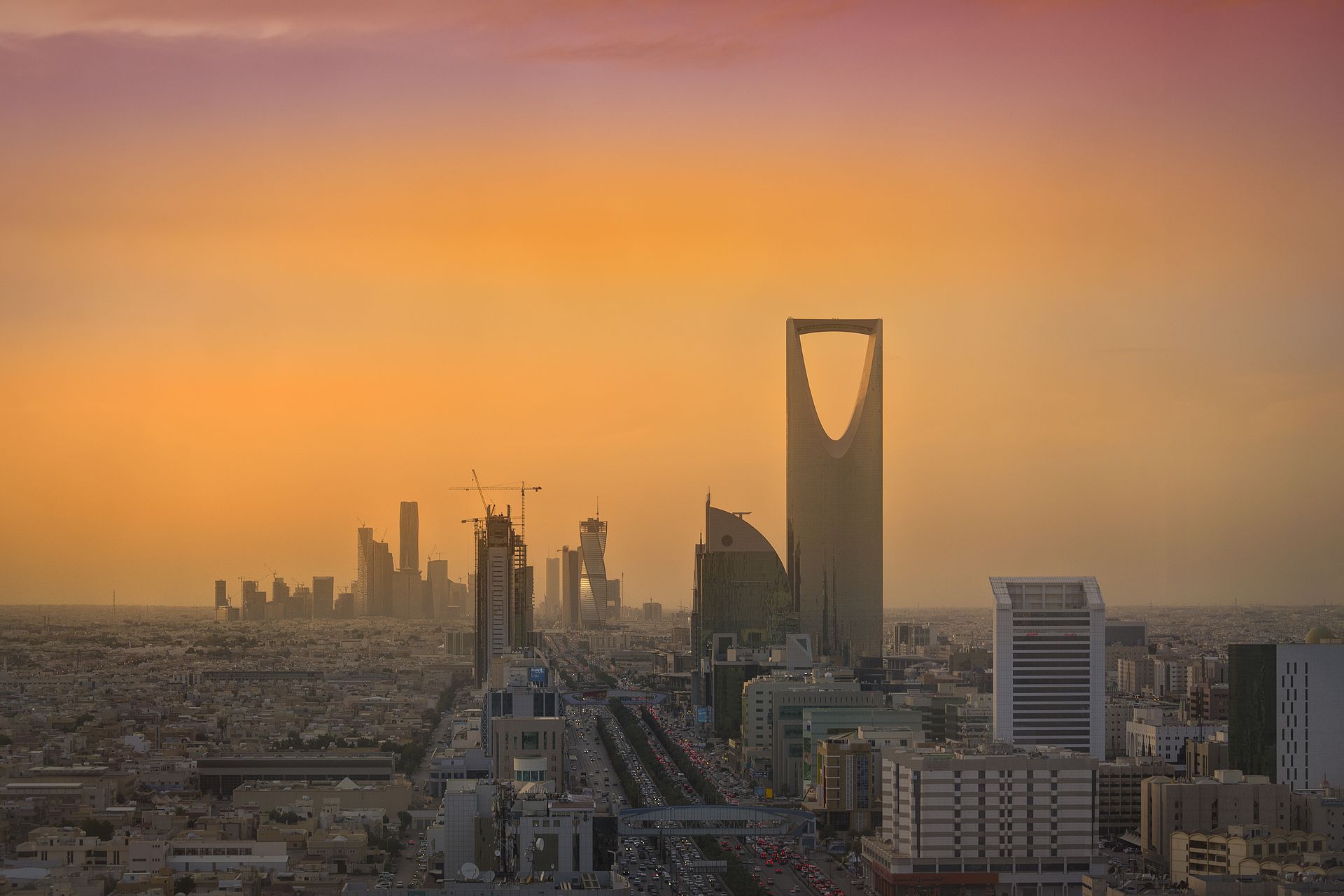
The capital has transformed into a genuine entertainment destination. Boulevard Riyadh City is a massive entertainment district with restaurants, shows, and events designed for mixed audiences. The National Museum, Diriyah (the UNESCO-listed birthplace of the Saudi state), and the Kingdom Tower observation deck are all excellent solo activities. Riyadh’s cafe culture is thriving — neighbourhoods like Al Malqa and Al Nakheel are packed with specialty coffee shops popular with young Saudi women.
Jeddah
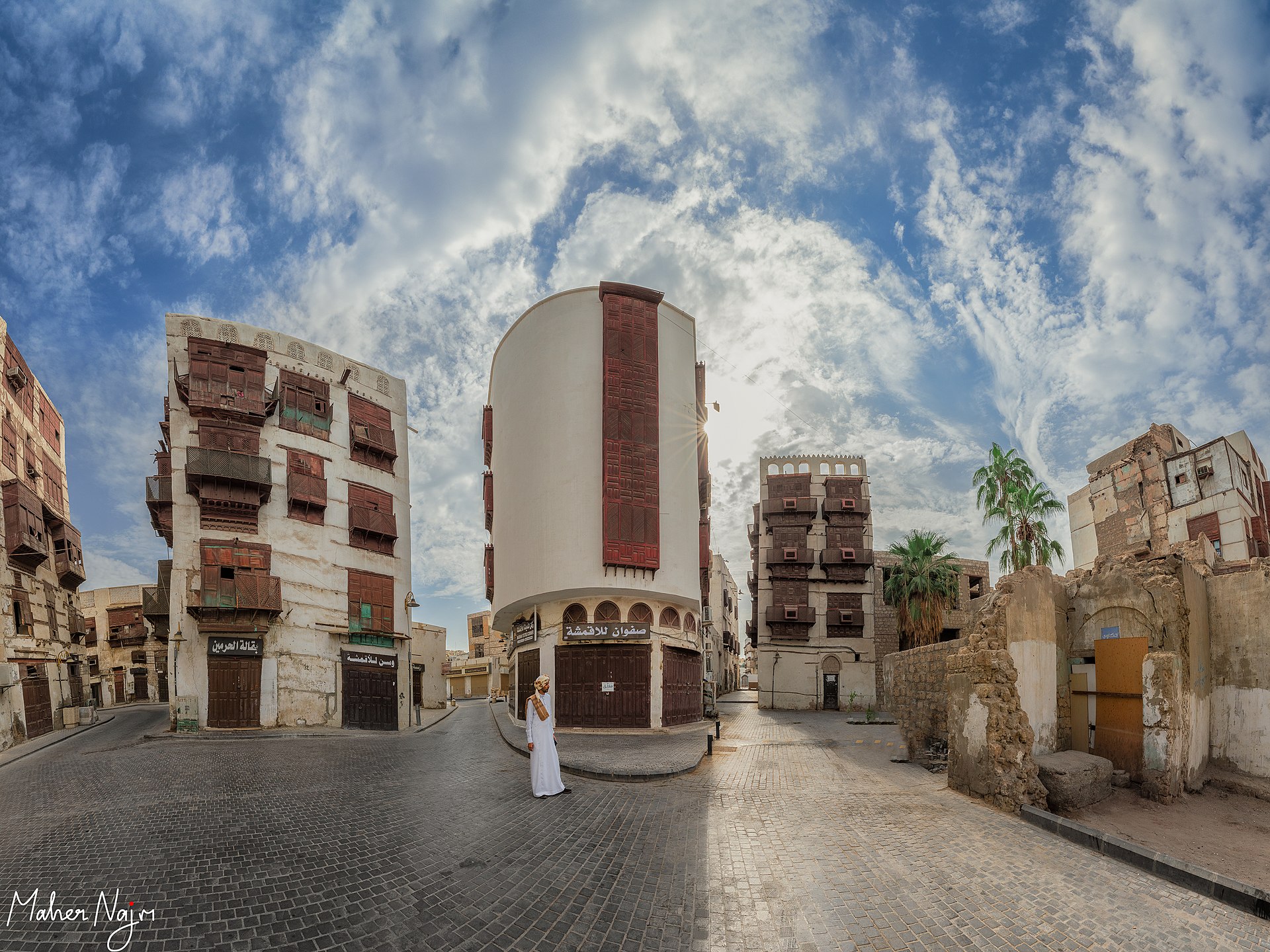
The most cosmopolitan Saudi city and the gateway to the Red Sea. Al-Balad, the UNESCO-listed historic district, is fascinating to explore on foot. The Jeddah Corniche stretches for 30 kilometres along the waterfront. Jeddah’s food scene is the Kingdom’s best — the diversity of its population (drawn from decades of Hajj pilgrimage) means you will find Yemeni, Hijazi, Indonesian, Bukharan, and Indian cuisines within blocks of each other.
AlUla
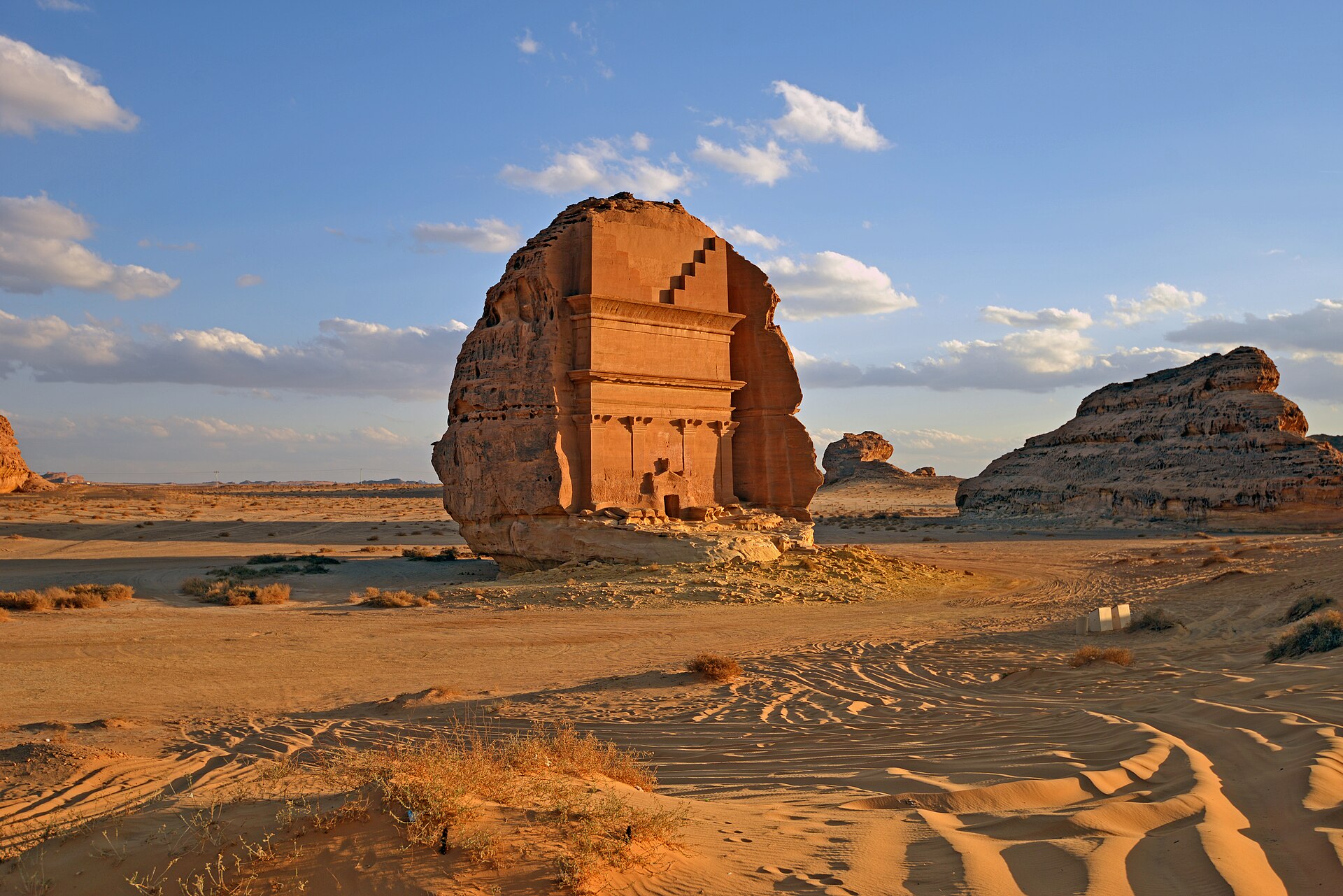
Saudi Arabia’s crown jewel for heritage tourism. Hegra (Madain Saleh), the Nabatean tomb complex and the Kingdom’s first UNESCO World Heritage Site, is extraordinary. The landscape — desert canyons, sandstone formations, date palm oases — is stunning. AlUla is specifically developed for international tourism and feels very welcoming to solo women. Book guided heritage tours through the official Experience AlUla platform.
Abha and the Asir Highlands
The cool, green mountains of southwestern Saudi Arabia are a contrast to the desert. Abha sits at 2,200 metres and rarely exceeds 30°C even in summer. The region is known for traditional Asiri architecture, mountain villages, and misty forest trails — ideal if you enjoy hiking.
The Red Sea Coast
Diving and snorkeling along the Red Sea coast, particularly around Yanbu, Umluj, and the developing AMAALA luxury resort zone, offer world-class marine experiences. Several dive operators specifically cater to solo travellers and small groups.
Practical Safety Tips
These tips are specific to solo female travellers. For general Saudi Arabia safety advice, see our comprehensive safety guide.
- Share your itinerary with someone at home. Use WhatsApp location sharing or Google Maps timeline
- Use ride-hailing apps rather than hailing taxis on the street — the digital trail provides accountability
- Carry a copy of your passport and visa (photo on your phone is fine) at all times
- Download offline maps for areas outside major cities where mobile coverage can be patchy
- Save emergency numbers: 911 (police, fire, ambulance in major cities), 999 (police nationwide). The Saudi tourism helpline is accessible through the Visit Saudi app
- Register with your embassy before travel, especially if visiting for an extended period
- Keep your phone charged — a portable battery bank is essential in a country where distances are large and your phone is your transport, navigation, and communication lifeline
- Travel insurance is mandatory for Saudi tourist visa holders. Ensure your policy covers medical evacuation
Emergency numbers: Dial 911 in Riyadh, Mecca, and the Eastern Province for police, fire, and medical emergencies. Dial 999 for police and 997 for ambulance services elsewhere. The domestic violence helpline is 1919 (primarily Arabic-speaking).
Connectivity and Communication
Staying connected is easy. Tourist SIM cards are available at airports from STC, Mobily, and Zain — all offer 4G/5G data plans. Prices start from around $10–15 for a 30-day tourist SIM with 10–20 GB of data. Wi-Fi is available in almost all hotels, malls, and cafes.
WhatsApp is the dominant communication app in Saudi Arabia — even businesses use it. VoIP calls (WhatsApp, FaceTime, Zoom) are fully legal and functional, following a policy change in 2020. This means staying in touch with family and friends while travelling solo is straightforward.
Money and Budgeting
The Saudi Riyal (SAR) is pegged to the US dollar at a fixed rate of approximately 3.75 SAR to $1 USD. Credit and debit cards (Visa, Mastercard) are accepted almost everywhere. Contactless payment via Apple Pay and Google Pay is widespread. You will rarely need cash outside of small local shops and traditional souks.
| Category | Budget (per day) | Mid-Range (per day) | Comfort (per day) |
|---|---|---|---|
| Accommodation | $25–45 | $80–150 | $200+ |
| Food | $10–20 | $25–50 | $60+ |
| Transport | $5–15 | $15–30 | $40+ |
| Activities | $0–10 | $15–40 | $50+ |
| Total | $40–90 | $135–270 | $350+ |
Health and Wellbeing
Saudi Arabia has a modern healthcare system with excellent private hospitals in all major cities. Pharmacies are widely available and many medications that require prescriptions in other countries are sold over the counter (exceptions include controlled substances and some hormonal medications — check before you travel).
The heat is the primary health concern. From May to September, temperatures in Riyadh regularly exceed 45°C. Hydration is critical — carry water at all times. Sunscreen, a hat, and UV-protective clothing are essential. Schedule outdoor activities for early morning or after sunset during summer months.
Alcohol and Nightlife
Alcohol is completely prohibited in Saudi Arabia. There are no bars, clubs, or licensed venues. This is non-negotiable and applies to everyone. Penalties for possession or consumption are severe.
That said, Saudi Arabia’s non-alcoholic nightlife scene has grown rapidly. Riyadh’s Boulevard district hosts concerts, live entertainment, and themed events. Jeddah’s waterfront restaurants and cafes are open late. The specialty coffee culture is world-class. Many solo female travellers report that the absence of alcohol actually makes nightlife feel safer.
Photography and Social Media
Photography is generally welcome at tourist sites, malls, and public spaces. However:
- Never photograph people (especially women) without explicit permission
- Military and government buildings must not be photographed
- Some heritage sites (particularly in Mecca and Medina) have photography restrictions
- Social media posting is fine — Saudi Arabia has one of the highest social media usage rates in the world — but avoid posting content that could be seen as disrespectful to Islam, the royal family, or Saudi culture
Common Concerns Addressed
“Will I be harassed?”
Street harassment of the type common in some other Middle Eastern and North African countries is rare in Saudi Arabia. The legal penalties are severe, social norms strongly discourage it, and the security camera infrastructure provides a deterrent. Solo female travel bloggers overwhelmingly report fewer incidents of harassment than in Southern Europe or North Africa.
“Can I travel alone between cities?”
Yes. Domestic flights, intercity buses, and the Haramain railway are all used by solo women without issues. Self-driving between cities is also entirely normal.
“What if I need medical help?”
Dial 997 for ambulance services. Private hospitals in Riyadh (such as King Faisal Specialist Hospital) and Jeddah (Dr Soliman Fakeeh Hospital) have English-speaking staff and international-standard facilities. Your travel insurance should cover private hospital visits.
“Is it OK to eat alone in restaurants?”
Absolutely. Solo dining is normal in Saudi restaurants and cafes, especially in urban areas. You will not be refused service or treated differently. Many restaurants have counter seating and cafe-style layouts that are comfortable for solo diners.
Explore More Saudi Arabia Travel Guides
- Saudi Arabia Travel Guide 2026 — The complete guide to visiting the Kingdom
- Is Saudi Arabia Safe? 2026 Travel Safety Guide — Crime rates, health risks, and practical safety advice for all visitors
- Saudi Arabia Dress Code for Tourists — Exactly what to wear in every city and situation
- Uber and Careem in Saudi Arabia — How ride-hailing apps work, pricing, and tips
- Saudi Arabia Hotels Guide — Where to stay in every city and at every budget
- Saudi Arabia Visa Guide — Every visa type explained