
Saudi Arabia has emerged as one of the Middle East’s most exciting cruise destinations, with ports along both the Red Sea and the Arabian Gulf welcoming a growing number of international cruise ships each season. Whether your itinerary includes a single port call at Jeddah or a multi-stop voyage along the Saudi coastline, this guide covers everything cruise passengers need to know — from what to expect at each port to the best shore excursions and practical tips for making the most of your time ashore. For broader trip-planning context, see our complete Saudi Arabia travel guide.
Best Time to Visit: October to April (Red Sea and Gulf cruise season)
Main Cruise Ports: Jeddah Islamic Port (Red Sea), Dammam (Arabian Gulf), Yanbu (Red Sea)
Visa Required: Cruise visa or tourist e-visa — most cruise lines arrange transit visas for passengers
Budget: $50–$150 per person for a day ashore (excursions, meals, shopping)
Must-See: Al-Balad historic district (Jeddah), Jeddah Corniche, Ithra cultural centre (Dammam)
Avoid: Underestimating the heat — always carry water, even in winter months
Saudi Arabia’s Cruise Ports
Saudi Arabia operates cruise terminals on two coasts. The Red Sea side, anchored by Jeddah, handles the bulk of international cruise traffic. The Arabian Gulf coast, centred on Dammam, features in regional Gulf itineraries. A third port at Yanbu serves as an occasional stop on Red Sea voyages, while the luxury island of Sindalah — part of the NEOM megaproject in the Gulf of Aqaba — is being developed as a purpose-built yacht and cruise destination.
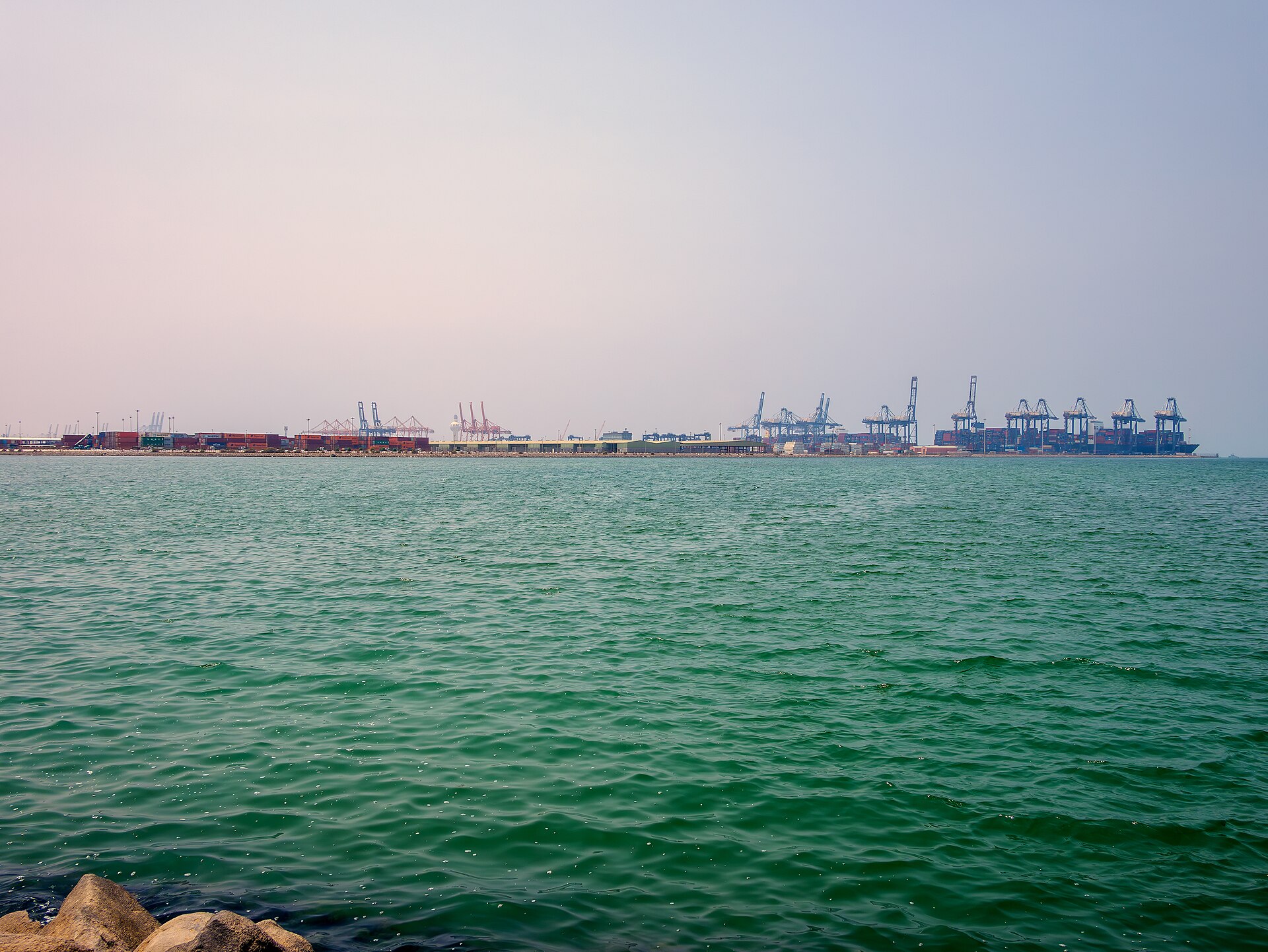
Jeddah Islamic Port
Jeddah is Saudi Arabia’s premier cruise port and the gateway most international passengers will encounter. Located on the central Red Sea coast, Jeddah Islamic Port has received significant investment under the Kingdom’s Vision 2030 tourism strategy. Cruise ships dock at a dedicated terminal within walking distance of transfer points for city tours. Major lines calling at Jeddah include MSC Cruises, Costa Cruises, AIDA Cruises, and Saudi Arabia’s own Aroya Cruises.
The port sits roughly 10 kilometres north of the historic Al-Balad district, making Jeddah’s UNESCO-listed old quarter the most popular shore excursion. Taxis, organised tours, and ride-hailing apps (Uber and the local Careem service both operate in Jeddah) connect the port to all major attractions.
Dammam — King Abdul Aziz Port
On the Arabian Gulf coast, Dammam’s King Abdul Aziz Port receives cruise ships on Gulf itineraries — typically vessels sailing round-trip from Dubai or Abu Dhabi. The port serves Saudi Arabia’s Eastern Province, a region best known for its oil industry but increasingly developing its tourism infrastructure. From Dammam, passengers can reach Al Khobar (20 minutes south) and Dhahran (15 minutes), where the standout attraction is Ithra, the King Abdulaziz Center for World Culture. For a deeper look at the area, see our Dammam and Al Khobar travel guide.
Yanbu
Yanbu, located roughly 300 kilometres north of Jeddah on the Red Sea, appears on some cruise itineraries as a secondary port call. The city has a restored historic quarter with Ottoman-era architecture and a pleasant corniche. Yanbu is sometimes marketed as a gateway to Hegra and AlUla — Saudi Arabia’s first UNESCO World Heritage Site — though the 350-kilometre drive means this excursion is only feasible on extended port calls or overnight stays.
Sindalah Island (NEOM)
In the Gulf of Aqaba, the 840,000-square-metre Sindalah Island is being built as NEOM’s first operational tourism destination. Plans include an 86-berth superyacht marina, three luxury hotels, a yacht club, beach clubs, and retail dining. Positioned to attract Red Sea and Eastern Mediterranean itineraries, Sindalah aims to offer a different kind of Saudi port call — one focused on resort-style leisure rather than cultural sightseeing. Development is ongoing as part of NEOM’s phased rollout.
Cruise Lines Serving Saudi Arabia
Saudi Arabia’s cruise industry has grown rapidly since the Kingdom opened to tourism in 2019. Cruise Saudi, a government-backed initiative under the Public Investment Fund, coordinates port development and has partnerships with multiple international lines.
Aroya Cruises
Saudi Arabia’s homegrown cruise line launched operations in 2023–2024, homeporting from Jeddah. Aroya Cruises operates Red Sea itineraries that may include stops in Egypt (Safaga) and Jordan (Aqaba) alongside Saudi ports. As a Saudi-flagged line, Aroya reflects local cultural norms — notably, alcohol is not served on board. The experience is tailored to both the Saudi domestic market and international guests seeking an alcohol-free cruise environment.
MSC Cruises
One of the first major international lines to commit to Saudi Arabia, MSC has deployed ships including MSC Bellissima and MSC Virtuosa on winter Red Sea and Arabian Gulf itineraries. MSC signed a strategic agreement with Cruise Saudi and has been a consistent presence in Jeddah since the port’s cruise expansion began.
Costa Cruises
The Italian line, part of the Carnival Corporation, runs winter-season Red Sea and Gulf routes with ships such as Costa Toscana. Costa itineraries typically combine Saudi stops with calls in Oman, the UAE, and occasionally Egypt.
AIDA Cruises
Popular with the German market, AIDA has included Jeddah in Red Sea and Suez Canal repositioning voyages. Ships like AIDAcosma have called at Jeddah as part of longer Mediterranean-to-Gulf itineraries.
Other Lines
Celebrity Cruises, Silversea, Seabourn, and Ponant have each included Saudi ports on select itineraries, particularly repositioning cruises and luxury expedition voyages through the Red Sea.
Shore Excursions from Jeddah
Jeddah is where most cruise passengers will spend their Saudi shore day. The city offers a compelling mix of history, waterfront promenades, and modern attractions — all accessible within a typical 8–12-hour port call.
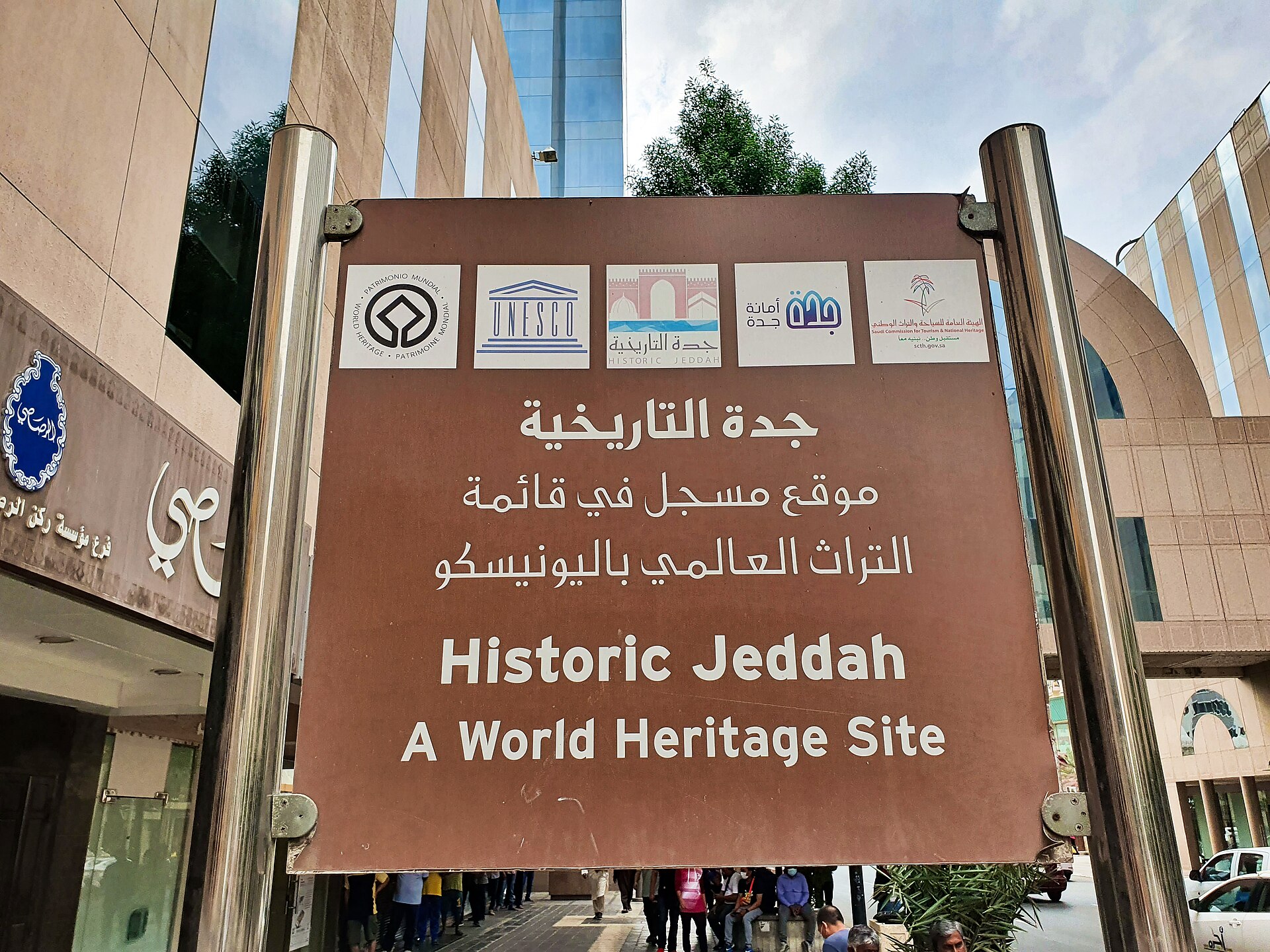
Al-Balad Historic District
The undisputed highlight of any Jeddah port call. Al-Balad is the city’s ancient commercial core, inscribed as a UNESCO World Heritage Site in 2014. Its narrow lanes are lined with coral-stone tower houses featuring the distinctive rawasheen — ornate wooden balconies that served as both ventilation and privacy screens. Walking through Al-Balad, you’ll encounter traditional souks selling spices, perfumes, textiles, and gold. Key stops include Naseef House (a restored 19th-century merchant mansion, now a museum), the Al-Shafi’i Mosque (one of Saudi Arabia’s oldest), and Bab Makkah, the historic gate marking the start of the pilgrimage road to Mecca. Budget 2–3 hours for a proper exploration.
Tip: Al-Balad is best visited in the morning before the heat builds. If your ship docks early, make this your first stop. Wear comfortable shoes — the streets are uneven stone and can be slippery.
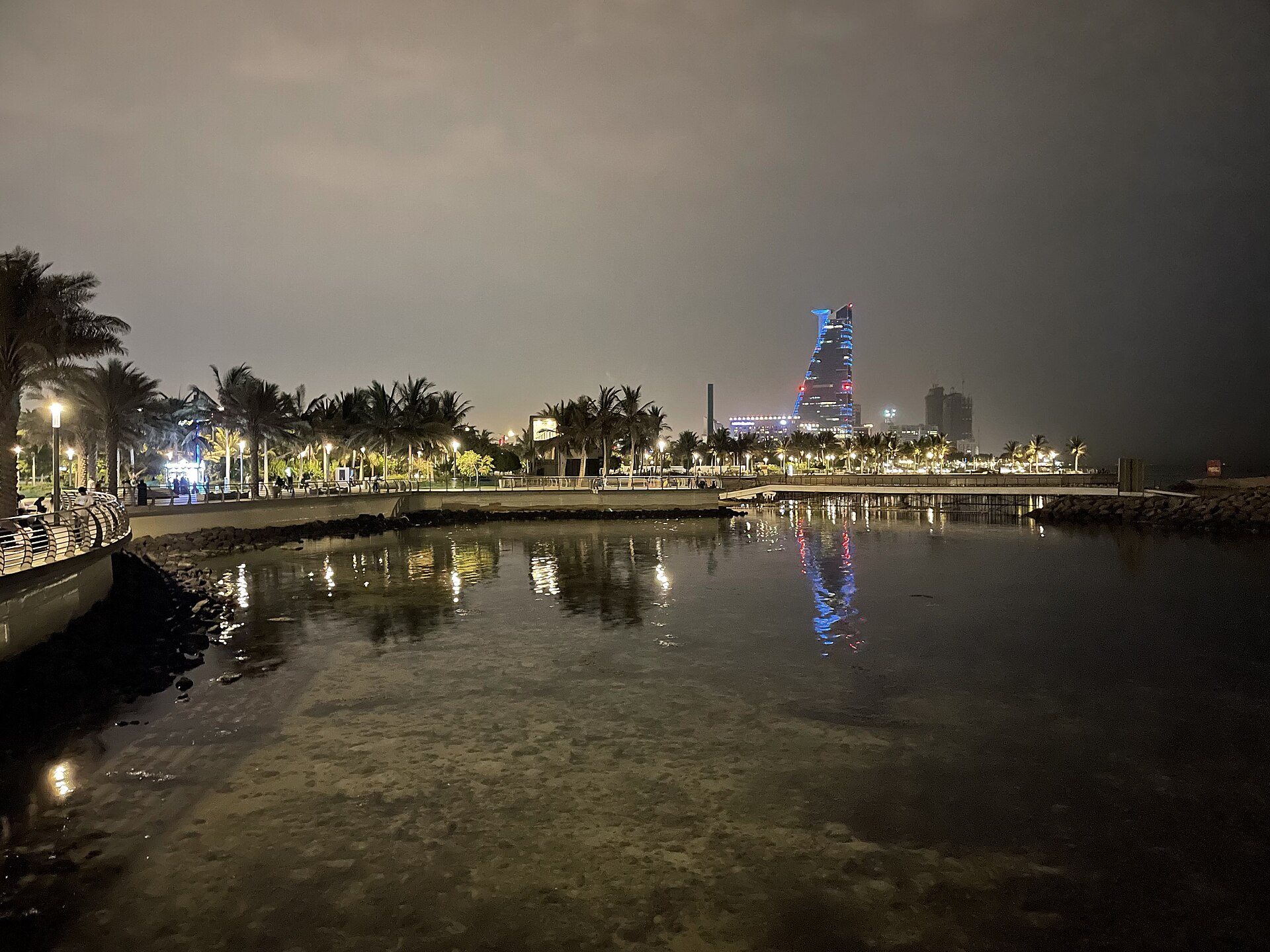
Jeddah Corniche
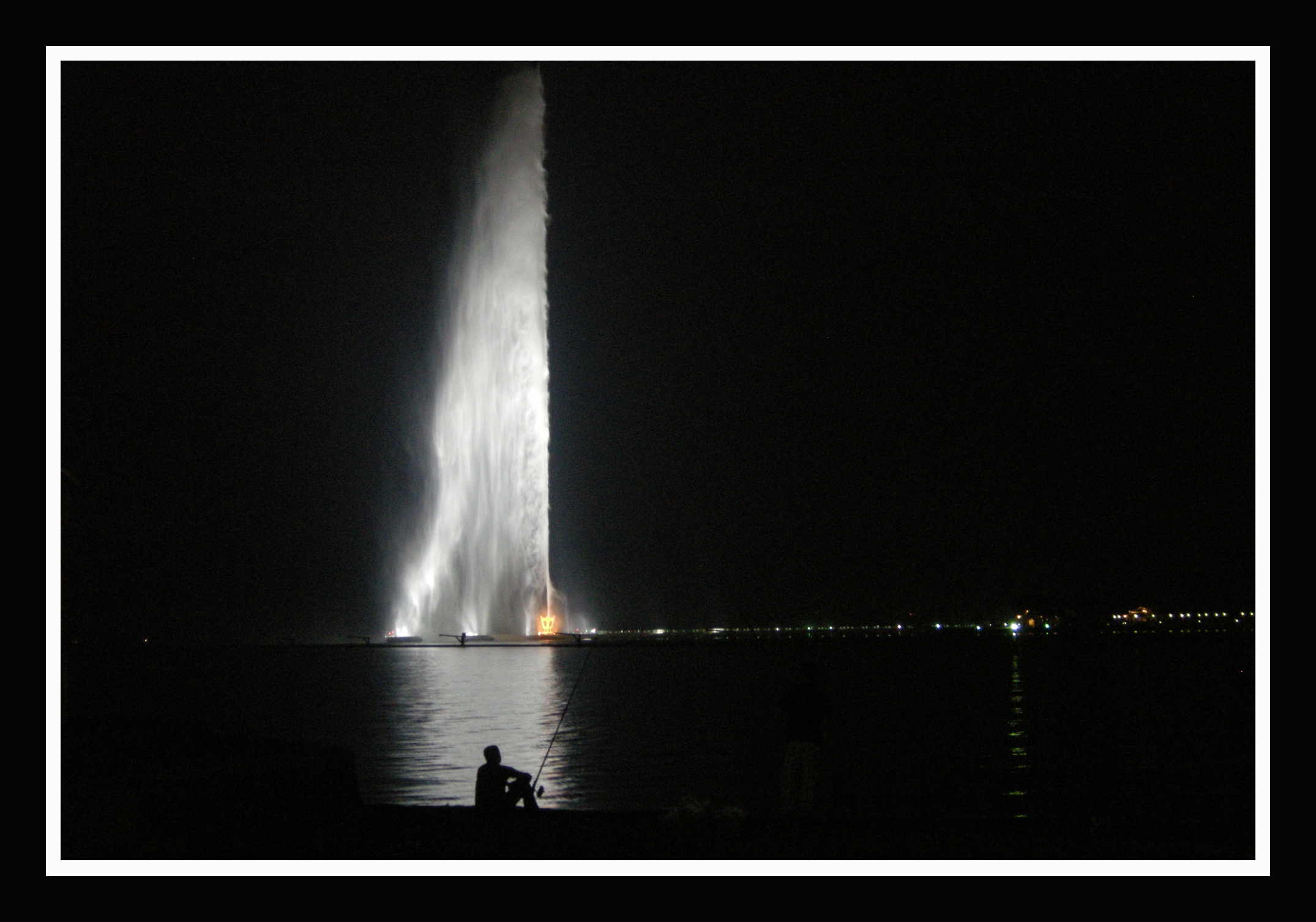
The Jeddah Corniche stretches for 30 kilometres along the Red Sea waterfront, offering a pleasant promenade with public art installations, parks, and sea views. The northern section features the King Fahd Fountain — shooting water 312 metres into the air, it is one of the tallest fountains in the world and visible from cruise ships approaching port. The corniche is ideal for an evening stroll if your ship departs late, and several waterfront restaurants serve fresh seafood.
Al-Rahma Mosque (The Floating Mosque)
Built over the Red Sea on the Jeddah Corniche, Al-Rahma Mosque appears to float on the water at high tide. It is one of Jeddah’s most photographed landmarks. Non-Muslims may view the exterior and photograph it from the corniche; entry is typically reserved for worshippers.
Tayebat City Museum
This privately run museum occupies a large traditional-style building near Al-Balad and houses collections of regional artefacts, Islamic art, and cultural exhibits spanning Saudi Arabia’s diverse heritage. It offers good context for understanding the Kingdom’s history and is a useful complement to the Al-Balad walking tour.
Shopping
For air-conditioned retail, Red Sea Mall and Mall of Arabia are Jeddah’s largest shopping centres, with international brands, food courts, and entertainment zones. For a more authentic experience, the gold and spice souks in and around Al-Balad offer traditional goods at negotiable prices. See our Saudi Arabia shopping guide for more detail on what to buy and where.
Shore Excursions from Dammam
Dammam port calls are less common than Jeddah but reward curious passengers with a different side of Saudi Arabia — the oil-rich Eastern Province with its Gulf-coast culture and modern cultural institutions.
Ithra (King Abdulaziz Center for World Culture)
Located in Dhahran, 15 minutes from the port, Ithra is Saudi Arabia’s most architecturally ambitious cultural centre. Built by Saudi Aramco, the complex houses a museum, library, cinema, exhibition halls, and a performing arts theatre beneath a striking pebble-shaped exterior. Exhibitions rotate regularly, covering everything from contemporary art to Saudi heritage. Ithra alone justifies a Dammam port call.
Al Khobar Corniche and King Fahd Causeway
The Al Khobar waterfront offers restaurants, cafes, and views across the Gulf toward Bahrain. The King Fahd Causeway — a 25-kilometre bridge connecting Saudi Arabia to Bahrain — is visible from the corniche, though cruise passengers on a day pass cannot cross it without appropriate visas for both countries.
Tarout Island
One of the oldest inhabited sites in the Arabian Gulf, Tarout Island has a historic fort and archaeological evidence of civilisation stretching back over 5,000 years. It is connected to the mainland by a causeway and makes for a short, off-the-beaten-path excursion.
The Saudi Cruise Season
The cruise season in Saudi waters runs from October through April, with peak sailings between December and March when temperatures are most comfortable for shore excursions (typically 22–30°C / 72–86°F). Summer heat — regularly exceeding 45°C (113°F) in Jeddah and Dammam — makes May through September impractical for cruise tourism.
| Month | Jeddah Temp (°C) | Dammam Temp (°C) | Cruise Activity |
|---|---|---|---|
| Oct–Nov | 28–33 | 25–32 | Season opening; repositioning voyages |
| Dec–Feb | 22–28 | 15–22 | Peak season; best weather for excursions |
| Mar–Apr | 26–32 | 22–30 | Late season; warming quickly |
| May–Sep | 33–42 | 35–45 | No cruise calls; extreme heat |
Red Sea itineraries from Jeddah often combine Saudi stops with calls in Egypt (Safaga/Hurghada, Ain Sokhna), Jordan (Aqaba), and occasionally Eritrea or Sudan. Arabian Gulf itineraries from Dammam link to the UAE (Dubai, Abu Dhabi), Oman (Muscat), Qatar (Doha), and Bahrain.
Visas and Entry for Cruise Passengers
Visa arrangements for cruise passengers in Saudi Arabia depend on your nationality and cruise line. There are three main scenarios:
- Cruise transit visa: Many cruise lines arrange a group transit visa for passengers on organised shore excursions. This is the simplest option — the cruise line handles paperwork and you go ashore with your group. Check with your line before sailing.
- Saudi e-visa: Citizens of approximately 49 eligible countries (including the US, UK, EU nations, Australia, and others) can apply for a Saudi tourist e-visa online before departure. This gives you independent access ashore — you are not tied to a ship-organised excursion. The e-visa costs approximately SAR 480 (around $128) and is valid for one year with multiple entries.
- GCC nationals: Citizens of the UAE, Bahrain, Kuwait, Oman, and Qatar do not require a visa.
- Kabsa — Saudi Arabia’s national dish: spiced rice with slow-cooked lamb or chicken, often served on a communal platter.
- Saleeg — a Hejazi speciality of creamy white rice topped with roast chicken, sometimes called Saudi risotto.
- Fresh seafood — Jeddah’s Red Sea coast means excellent grilled fish, shrimp, and hammour (grouper). The fish market near the corniche offers the freshest options.
- Mutabbaq — a stuffed pastry filled with spiced meat or egg, popular as street food.
- Arabic coffee and dates — the traditional Saudi welcome; widely available and the perfect light refreshment during a walking tour.
- Red Sea itineraries offer the best Saudi content, with Jeddah as the primary port and possible stops at Yanbu. These routes combine well with Egypt and Jordan.
- Arabian Gulf itineraries typically feature Dammam alongside Dubai, Abu Dhabi, Muscat, and Doha. Saudi Arabia is one stop among several Gulf states.
- Overnight port calls in Jeddah — available on some itineraries — give you enough time for both Al-Balad and the Corniche, plus an evening ashore.
- Pre/post-cruise extensions: If your voyage starts or ends in Jeddah, consider adding days to visit AlUla (a 90-minute flight), the highland city of Abha, or the capital Riyadh.
- Hajj season: If you are a Muslim traveller, note that Hajj 2026 falls in late May/early June. The Hajj season does not overlap with the main cruise season, but Umrah pilgrimages run year-round and Jeddah serves as the gateway city for Mecca and Medina.
- Saudi Arabia Travel Guide 2026 — The complete guide to visiting the Kingdom
- Jeddah Travel Guide — Full city guide to Saudi Arabia’s Red Sea gateway
- Dammam and Al Khobar Travel Guide — Explore Saudi Arabia’s Eastern Province
- Saudi Arabia Hotels Guide — Where to stay across the Kingdom
- Saudi Arabia Food Guide — What to eat and where to find it
- Saudi Arabia Visa Guide — Every visa type explained
Important: Always carry your passport during shore excursions. Saudi immigration authorities may conduct spot checks, and you will need identification to re-board your ship. Make a note of the ship’s all-aboard time — Saudi traffic, especially in Jeddah, can cause unexpected delays.
Practical Tips for Going Ashore
Dress Code
Saudi Arabia has relaxed its dress requirements significantly since 2019, and foreign women are no longer required to wear an abaya in public. However, conservative dress remains expected and appreciated. Both men and women should keep shoulders and knees covered when ashore. Swimwear is appropriate only at designated beaches and hotel pools. If visiting a mosque (exterior only for non-Muslims), women should cover their hair with a scarf.
Currency and Payments
The Saudi Riyal (SAR) is pegged to the US dollar at approximately 3.75 SAR = $1 USD. Credit and debit cards are widely accepted at malls, restaurants, and tourist venues. Cash is useful for souk purchases and smaller vendors. ATMs are readily available in all port cities. US dollars are not generally accepted in shops.
Getting Around
Ride-hailing apps Uber and Careem (a regional competitor acquired by Uber) operate in Jeddah and Dammam and are the most convenient way to explore independently. Taxis are available at cruise terminals but agree on a fare before departure — meters are not always used. Ship-organised excursion buses offer the most structured option.
Heat and Hydration
Even during the cruise season (October–April), daytime temperatures can reach 30–35°C. Carry water at all times — bottled water is inexpensive and available everywhere. Wear a hat, sunglasses, and high-SPF sunscreen. Pace yourself during walking tours in Al-Balad, where narrow streets can trap heat.
Alcohol
Saudi Arabia prohibits the sale and consumption of alcohol. You will not find it in any restaurant, shop, or hotel ashore. Most international cruise lines maintain normal bar service on board while in Saudi waters, though policies vary — check with your line. Aroya Cruises, the Saudi national line, does not serve alcohol at all.
Ramadan
During the holy month of Ramadan, eating, drinking, and smoking in public during daylight hours is prohibited by law — this applies to non-Muslims as well. Many restaurants close during the day, and the general pace of life slows. Cruise ships themselves are unaffected (onboard dining continues normally). Most cruise lines schedule port calls to avoid the peak of Ramadan, but if your visit coincides with it, respect local customs and eat on the ship before going ashore.
Photography
Saudi Arabia is photogenic, but exercise courtesy. Always ask permission before photographing people, particularly women. Do not photograph military installations, government buildings, or security personnel. Historic sites, landscapes, and street scenes are generally fine.
Bargaining
Bargaining is expected and normal in traditional souks. In Al-Balad, start at roughly 50–60% of the asking price and negotiate from there. Bargaining is not appropriate in malls or fixed-price shops.
What to Eat Ashore
A port call is a chance to sample Saudi and wider Middle Eastern cuisine. In Jeddah, seek out:
For more on Saudi cuisine and where to find it, see our Saudi Arabia food guide.
Saudi Arabia’s Cruise Tourism Vision
Cruise tourism is a strategic priority under Saudi Arabia’s Vision 2030 economic diversification plan. Cruise Saudi, a government-backed initiative under the Public Investment Fund, is the central coordinating body, responsible for port development, cruise line partnerships, and the launch of Aroya Cruises as the Kingdom’s national cruise brand.
The ambition is to position Saudi Arabia as a year-round cruise destination bridging the Red Sea and Arabian Gulf. Key developments include the expansion of Jeddah’s cruise terminal, the construction of Sindalah Island in the Gulf of Aqaba as a luxury yacht and cruise stop, and partnerships with MSC, Costa, and other major international lines. Saudi Arabia aims to attract millions of cruise passengers annually as part of its broader target of 100 million tourism visits by 2030.
For an overview of where to stay during pre- or post-cruise nights, see our Saudi Arabia hotels guide.
Planning Your Saudi Cruise Itinerary
If you are choosing a cruise that includes Saudi Arabia, here are some considerations:
Tip: Book ship-organised excursions if you want guaranteed return to the vessel. If exploring independently, set a phone alarm for 90 minutes before all-aboard time — Jeddah traffic can add 30–45 minutes to your return journey.