
Two Gulf powerhouses, one big question: should your first trip to the Arabian Peninsula be to Saudi Arabia or the United Arab Emirates? Both countries share a desert climate, Islamic heritage, and rapidly modernising economies — but the travel experience in each is remarkably different. This head-to-head comparison, part of our comprehensive Saudi Arabia travel guide, breaks down everything from costs and culture to visas and nightlife so you can decide which destination fits your travel style, budget, and curiosity.
Best Time to Visit (Saudi): October–March (cooler, comfortable)
Best Time to Visit (UAE): November–April (pleasant temperatures)
Visa Required: Saudi e-visa for 66+ nationalities; UAE visa-on-arrival or e-visa for 100+ nationalities
Budget (Saudi): $55–$200/day mid-range
Budget (UAE): $115–$290/day mid-range
Must-See (Saudi): AlUla & Hegra, Diriyah, Red Sea coast
Must-See (UAE): Burj Khalifa, Sheikh Zayed Mosque, Louvre Abu Dhabi
Avoid: Assuming both countries offer the same experience — they are dramatically different
The Headline Verdict
If you want a polished, predictable, nightlife-friendly introduction to the Gulf with world-class malls, beach resorts, and international dining, the UAE (specifically Dubai and Abu Dhabi) is the easier first visit. If you are a more adventurous traveller drawn to ancient heritage sites, vast desert landscapes, authentic local culture, and significantly lower prices, Saudi Arabia rewards the curious with experiences you simply cannot replicate anywhere else.
Neither answer is wrong. The right choice depends on what kind of traveller you are. Read on for the full breakdown.
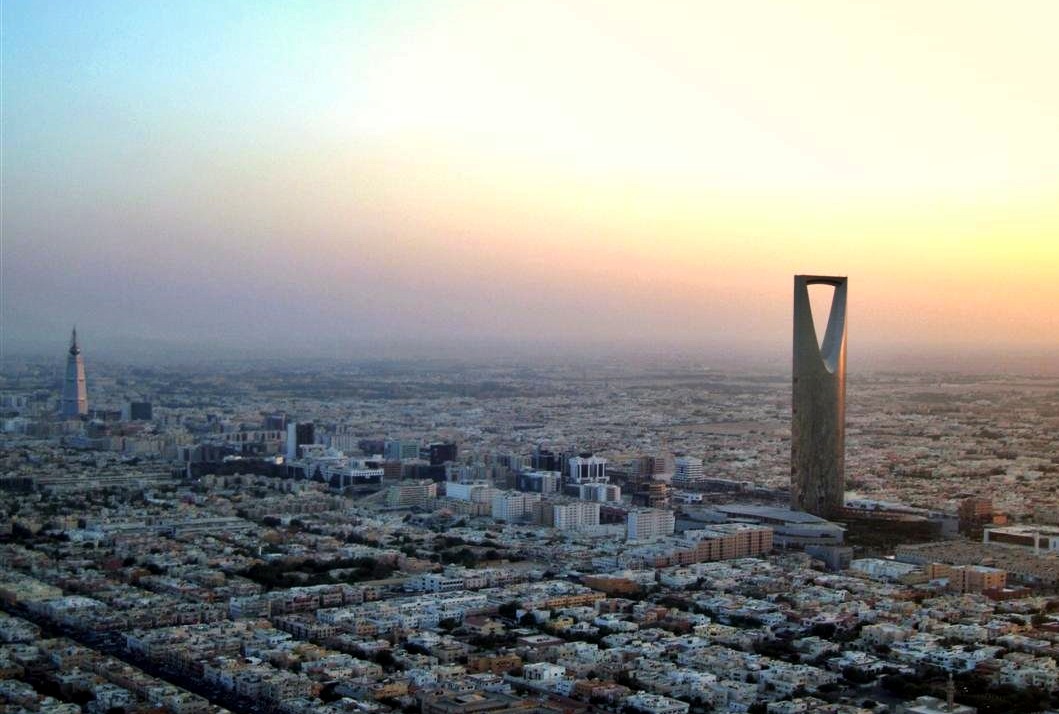
Cost Comparison: Saudi Arabia Is Significantly Cheaper
This is the single biggest practical difference between the two destinations. Saudi Arabia offers dramatically better value for money at every budget level.
| Category | Saudi Arabia (daily avg) | UAE / Dubai (daily avg) |
|---|---|---|
| Budget traveller | $40–$90 | $100–$150 |
| Mid-range traveller | $130–$200 | $200–$300 |
| Luxury traveller | $300–$500+ | $500–$750+ |
| Street food meal | $3–$7 (SAR 10–25) | $7–$15 (AED 25–55) |
| Mid-range restaurant | $12–$25 | $25–$50 |
| 3-star hotel | $40–$80/night | $80–$150/night |
| Local transport | $1–$10 (buses from SAR 3) | $3–$15 (Dubai Metro from AED 6) |
Budget tip: Riyadh is the most affordable major Saudi city for accommodation, with average nightly rates roughly 26% below the national average. In the UAE, Sharjah and Ajman offer cheaper alternatives to Dubai and Abu Dhabi.
For a week-long trip, a mid-range traveller can expect to spend roughly $900–$1,400 in Saudi Arabia versus $1,400–$2,100 in the UAE. That gap is even wider for budget backpackers. If your budget is the deciding factor, Saudi Arabia wins comfortably. Explore our full Saudi Arabia cost breakdown for detailed price data.
Visas and Entry: Both Are Easy, But the UAE Is Slightly Simpler
Both countries have modernised their visa systems dramatically in recent years.
Saudi Arabia
- Tourist e-visa: available to 66+ nationalities, processed online in under 24 hours
- Cost: approximately SAR 535 (~$142), including mandatory medical insurance
- Validity: one-year multiple entry, up to 90 days per visit
- Bonus: holders of valid US, UK, or Schengen visas can also apply
- Full details in our Saudi Arabia visa guide
UAE
- Visa-on-arrival: available to 100+ nationalities (no pre-approval needed)
- Cost: free for most Western passport holders (30–90 day stamp)
- Validity: varies by nationality — most get 30 or 90 days
The UAE has a slight edge here: more nationalities qualify, it is often free, and you do not need to apply in advance. Saudi Arabia’s e-visa system is efficient but requires a small fee and online application. For most Western travellers, neither process is difficult.
Coming soon: A Schengen-style unified GCC visa has been announced for phased rollout from late 2025 into 2026, which could allow travel across all six Gulf states — Saudi Arabia, UAE, Oman, Kuwait, Bahrain, and Qatar — on a single visa.
Attractions: Ancient Heritage vs Futuristic Skylines
This is where the two countries diverge most sharply. The UAE has built its tourism brand on modern spectacle — towering skyscrapers, luxury shopping, theme parks, and man-made islands. Saudi Arabia’s appeal is rooted in deep heritage, natural landscapes, and cultural discovery.
Saudi Arabia’s Top Attractions
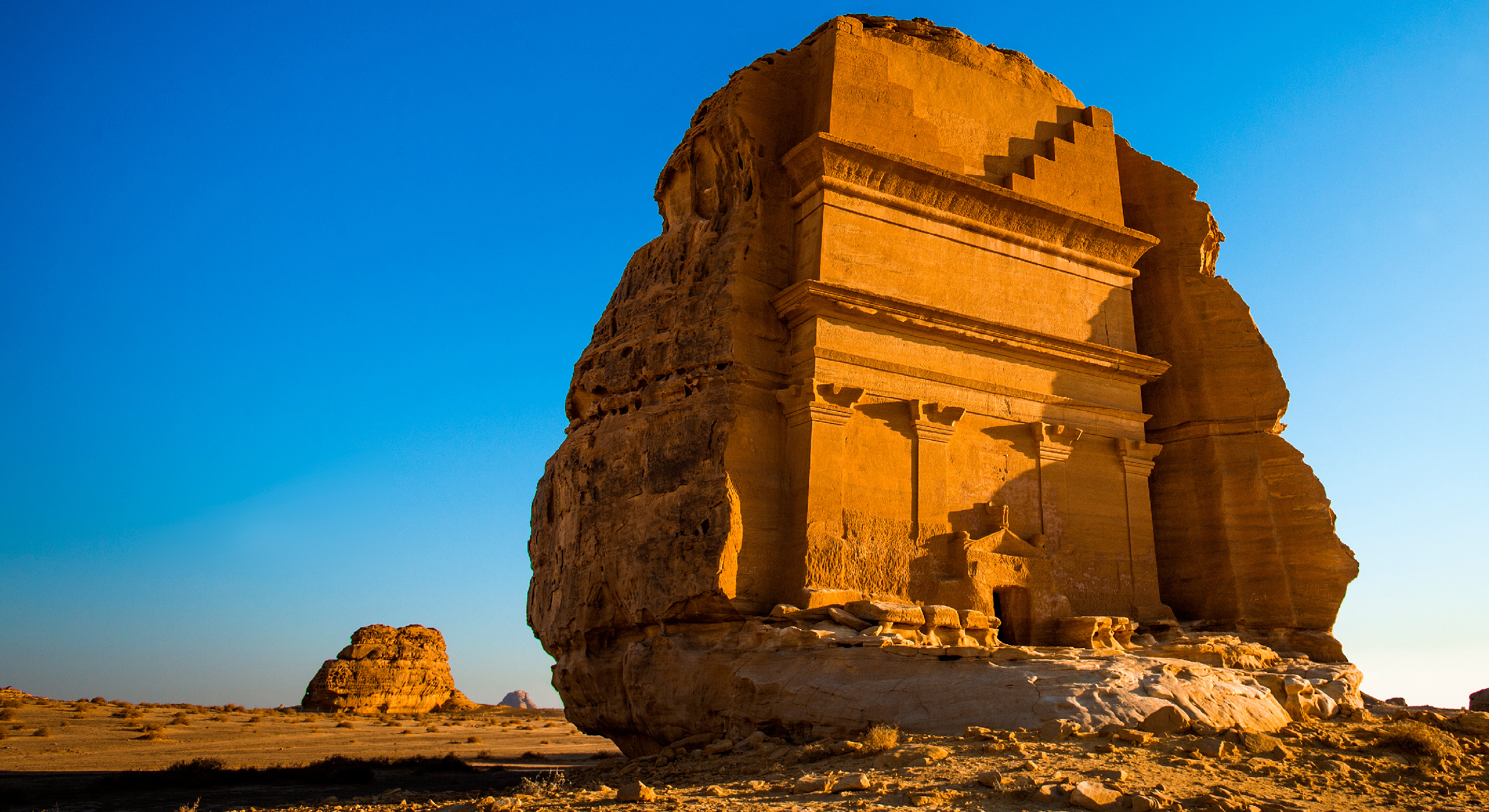
- AlUla and Hegra — Saudi Arabia’s first UNESCO World Heritage Site, featuring 2,000-year-old Nabataean tombs carved into sandstone cliffs. Often called “Saudi Arabia’s Petra”
- Riyadh — the capital city blending ultra-modern development with historic districts like Diriyah (UNESCO) and the Masmak Fortress
- Jeddah — the Red Sea gateway with the UNESCO-listed Al-Balad old town, vibrant corniche, and world-class diving
- Red Sea coast — one of the world’s last untouched reef systems, now opening with luxury eco-resorts under the Red Sea Global project
- Abha and the Asir Highlands — cool mountain air, terraced villages, and dramatic escarpments — Saudi Arabia’s most underrated region
- Edge of the World (Jebel Fihrayn) — a jaw-dropping cliff overlooking an ancient seabed, a short drive from Riyadh
- Mecca and Medina — the holiest cities in Islam, open to Muslim visitors (see our Hajj 2026 guide)
UAE’s Top Attractions
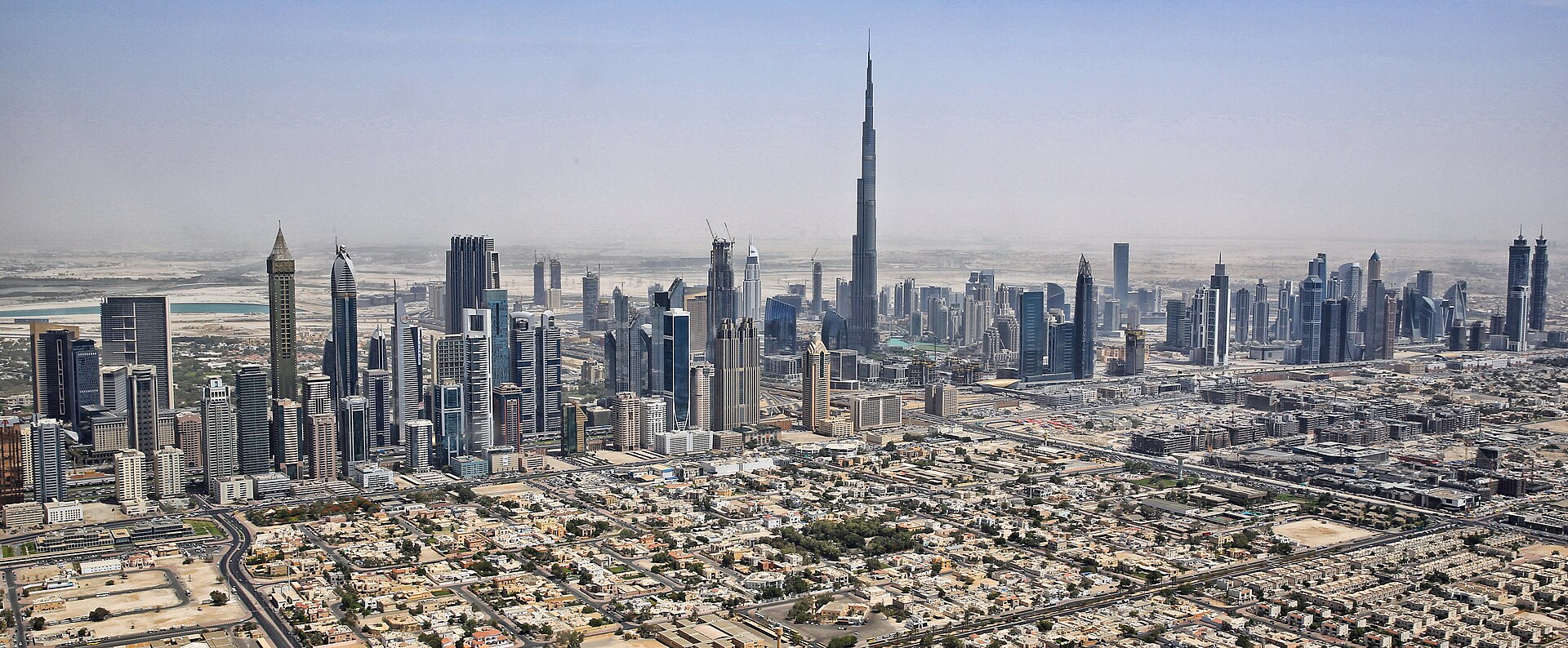
- Burj Khalifa — the world’s tallest building at 828 metres, with observation decks on the 124th, 125th, and 148th floors
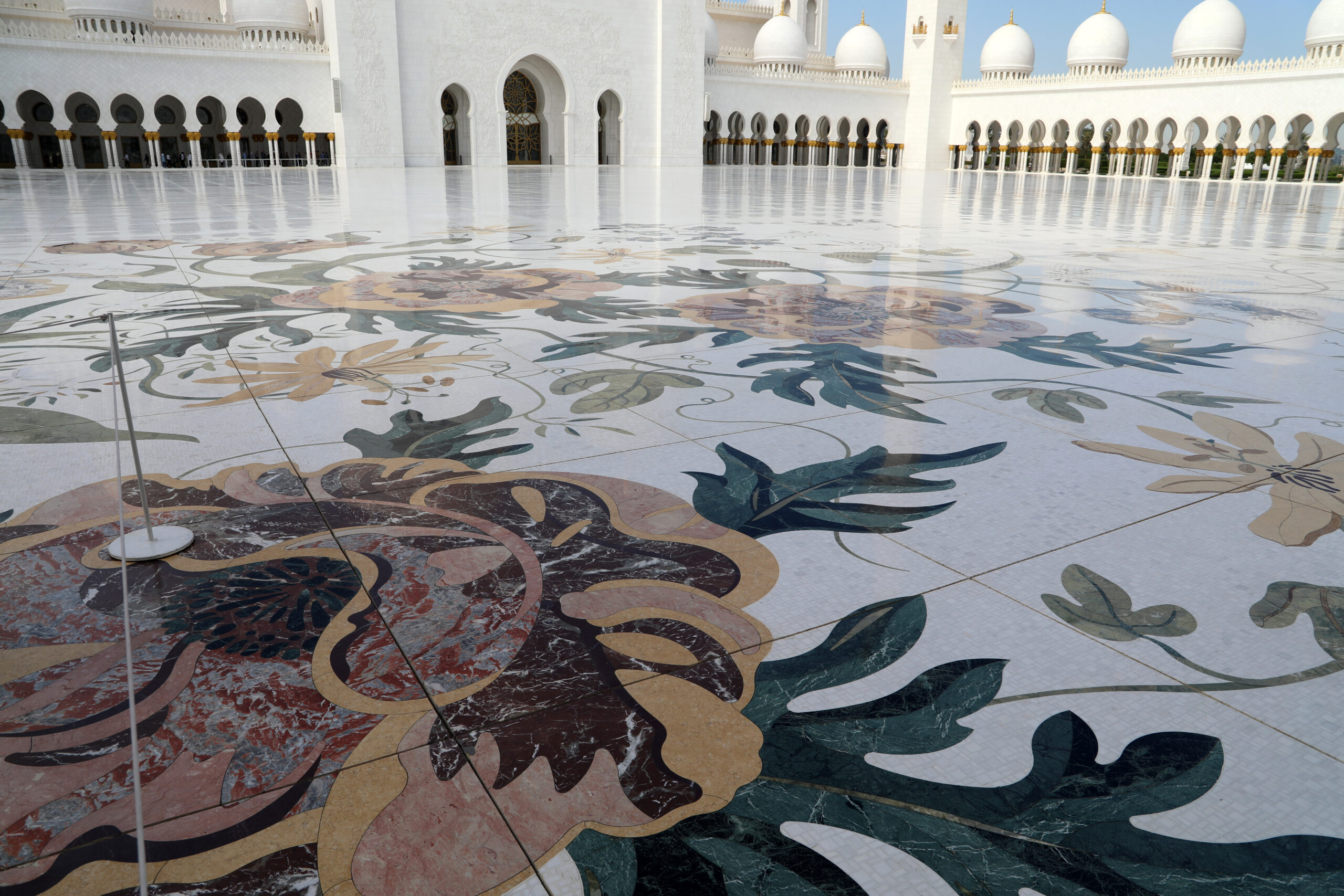
- Sheikh Zayed Grand Mosque — Abu Dhabi’s stunning white marble mosque accommodating over 40,000 worshippers, with Swarovski chandeliers and reflecting pools
- Louvre Abu Dhabi — designed by Jean Nouvel, featuring over 700 artworks including da Vinci, van Gogh, and Picasso under a spectacular perforated dome
- Palm Jumeirah — the iconic palm-shaped artificial island lined with luxury hotels, beach clubs, and restaurants
- Museum of the Future — Dubai’s landmark museum exploring innovation and technology inside one of the world’s most photographed buildings
- Dubai Desert Safari — dune-bashing, camel rides, and Bedouin-style camp dinners in the Arabian Desert
- Ras Al Khaimah — the UAE’s adventure capital, offering the world’s longest zipline and mountain trekking
The key difference: UAE attractions tend to be modern, built, and curated. Saudi attractions tend to be ancient, natural, and raw. If you have already visited Petra in Jordan, Luxor in Egypt, or Cappadocia in Turkey, AlUla belongs on that same list. If you love the energy of Singapore, Hong Kong, or Las Vegas, Dubai will feel familiar in the best way.
Culture and Social Norms: Conservative vs Cosmopolitan
Both countries are Muslim-majority and share broad cultural roots, but the day-to-day experience for tourists differs significantly.
| Factor | Saudi Arabia | UAE |
|---|---|---|
| Dress code | Conservative: shoulders and knees covered recommended for both sexes; women do not need to wear an abaya but should dress modestly | Relaxed in tourist areas (shorts, sleeveless tops acceptable in malls, beaches); modest dress at mosques and government buildings |
| Alcohol | Completely prohibited — no bars, no restaurants serving alcohol, no duty-free alcohol | Widely available in licensed hotels, bars, and restaurants; can purchase for home consumption with a licence |
| Nightlife | Growing entertainment scene (concerts, events, Riyadh Season) but no conventional nightlife | Vibrant bar and club scene, especially in Dubai; world-class DJs and beach clubs |
| Prayer times | Some businesses still close during prayer (5 times daily), though enforcement has relaxed significantly under Vision 2030 | Minimal disruption — most businesses remain open |
| Language | Arabic dominant; English widely understood in cities but less so outside | English is the de facto common language (majority expatriate population) |
| Photography | Avoid photographing military sites, government buildings, and people (especially women) without permission | Generally relaxed, but same restrictions on government/military sites apply |
Important note: Saudi Arabia’s social norms have changed dramatically since tourism opened in 2019. Women can travel independently, drive, and attend mixed-gender entertainment events. The country is far more welcoming to tourists than many outdated guides suggest — but it remains more conservative than the UAE.
Food: Saudi Arabia Wins on Authenticity, the UAE Wins on Variety
Both countries offer outstanding dining, but with different strengths.
Saudi Arabia
Saudi cuisine is one of the most underrated in the Middle East. You will find exceptional kabsa (spiced rice with lamb or chicken), mandi (slow-cooked meat over rice), jareesh (crushed wheat porridge), fresh-baked khubz, and dates in every variety imaginable. Street food is cheap, generous, and authentic. Riyadh’s dining scene is exploding with new restaurants, while Jeddah’s seafood is among the best in the Gulf. International options are growing but Saudi restaurants dominate the scene.
UAE
The UAE, especially Dubai, is a global food capital. You can eat Japanese, Peruvian, Indian, Italian, Ethiopian, and dozens of other cuisines at world-class level — many run by celebrity chefs. Emirati cuisine (harees, machboos, luqaimat) exists but is harder to find amid the international options. The UAE is better for foodies who want global diversity; Saudi Arabia is better for those who want to eat deeply within one culinary tradition.
Weather and Best Time to Visit
Both countries share a hot desert climate, but Saudi Arabia’s greater size means more variation.
| Season | Saudi Arabia | UAE |
|---|---|---|
| Oct–Mar (peak) | 20–30°C in most regions; ideal for sightseeing, desert camping, and outdoor activities | 22–32°C; perfect beach and outdoor weather |
| Apr–May | Heating up (30–40°C); still manageable in highlands (Abha stays below 25°C) | Getting hot (32–40°C); outdoor activities become uncomfortable |
| Jun–Sep | Extreme heat in Riyadh/Eastern Province (45–50°C); Abha and Asir remain pleasant (18–28°C) | Extreme heat and humidity (40–48°C, 80%+ humidity); indoor-only activities |
Key difference: The UAE has no cool highland escape — when it is hot, everywhere is hot. Saudi Arabia’s Asir highlands and Tabuk region offer genuine relief even in summer. For winter visits, both destinations are excellent.
Getting Around: The UAE Has Better Public Transport
The UAE, particularly Dubai, has invested heavily in public transport. The Dubai Metro is modern, clean, and covers major tourist areas. Taxis are metered and reasonably priced. Abu Dhabi has a reliable bus network and taxis.
Saudi Arabia is primarily a car-dependent country. While Riyadh’s Metro system opened in late 2024 with six lines and 85 stations, most travel between cities requires either domestic flights or long drives. Ride-hailing apps (Uber, Careem) work well in major cities. Car rental is recommended for exploring regions like AlUla, the Red Sea coast, or the Asir highlands.
Practical tip: Domestic flights within Saudi Arabia are affordable (Riyadh to Jeddah from $40–$60 one-way on flynas or Saudia). The country is vast — roughly 8 times the size of the UK — so flying between regions saves days of driving.
Accommodation: Both Offer Every Price Point
The UAE has decades of hotel infrastructure built for international tourism, with a particularly dense concentration of luxury brands in Dubai (Burj Al Arab, Atlantis, Four Seasons, Mandarin Oriental). Budget options exist in Deira, Bur Dubai, and Sharjah.
Saudi Arabia’s hotel landscape is expanding rapidly. Riyadh and Jeddah have world-class hotels (Ritz-Carlton, Four Seasons, Rosewood), while AlUla is developing luxury desert camps and boutique resorts. Budget travellers can find clean, comfortable hotel rooms from $30–$50 per night in most cities. The Red Sea Global project will add dozens of luxury eco-resorts along the coast by 2030.
Safety: Both Countries Are Very Safe
Saudi Arabia and the UAE are both among the safest countries in the world for tourists. Violent crime against visitors is extremely rare in both. Petty theft is uncommon. Women can travel safely in both countries, though Saudi Arabia requires more cultural awareness around dress and behaviour.
The most common safety issues in both countries are related to road driving — aggressive driving is a regional challenge. Use ride-hailing or reputable taxi services if you are uncomfortable driving.
Which Country Is Better for Families?
The UAE is the more established family destination. Dubai alone offers Legoland, Motiongate, IMG Worlds of Adventure, Ski Dubai, Dubai Aquarium, and dozens of water parks. Abu Dhabi has Yas Island (Ferrari World, Warner Bros. World, SeaWorld). Infrastructure is polished and child-friendly.
Saudi Arabia is catching up fast. Riyadh Season (October–March) features enormous family entertainment zones, while the upcoming Qiddiya mega-project near Riyadh will include a Six Flags theme park, water parks, and sports facilities. For now, the UAE has the edge for families with young children, while Saudi Arabia is better suited to families with older children who enjoy outdoor adventure and historical sites.
Which Country Is Better for Solo Travellers and Backpackers?
Saudi Arabia is the clear winner for budget-conscious solo travellers and backpackers. Costs are dramatically lower, the local population is genuinely curious about and welcoming to foreign visitors, and the country’s relative newness to tourism means you will encounter far fewer crowds at major sites. Hostels and budget accommodation are growing, and ride-sharing between cities is increasingly common.
The UAE is more convenient for solo travellers who prioritise easy logistics, nightlife, and a large expatriate social scene. Dubai’s hostel scene is well-established, and meeting other travellers is effortless.
Which Country Is Better for Couples?
For romantic trips, the UAE — particularly Dubai — offers beach resorts, rooftop dining, desert glamping, and a cosmopolitan atmosphere that caters explicitly to couples. Unmarried couples can share hotel rooms without issue.
Saudi Arabia has relaxed significantly since 2019, and unmarried foreign couples can now book shared hotel rooms in most major hotels. The Red Sea coast resorts and AlUla’s desert camps offer genuinely romantic settings — often with far more privacy and exclusivity than equivalent UAE options.
Can You Visit Both on One Trip?
Absolutely. Direct flights between Riyadh/Jeddah and Dubai/Abu Dhabi take just 2–2.5 hours and cost as little as $50–$100 one-way. A popular combination is:
- 4–5 days in the UAE (Dubai + Abu Dhabi day trip)
- 5–7 days in Saudi Arabia (Riyadh + AlUla or Jeddah + Red Sea)
This gives you the best of both worlds — the UAE’s polish and spectacle paired with Saudi Arabia’s depth and discovery. Check our visa guide for requirements when entering Saudi Arabia from the UAE.
Multi-country tip: A unified GCC visa is expected to roll out in phases from 2026, which may simplify multi-country itineraries across the entire Gulf region.
The Bottom Line: Saudi Arabia vs UAE
| Factor | Winner | Why |
|---|---|---|
| Budget travel | Saudi Arabia | 30–50% cheaper at every level |
| Ease of entry | UAE | More nationalities, often visa-free |
| Heritage & history | Saudi Arabia | UNESCO sites, ancient tombs, deep Islamic history |
| Modern attractions | UAE | Burj Khalifa, Louvre, theme parks |
| Nightlife & alcohol | UAE | Saudi Arabia prohibits alcohol entirely |
| Authentic culture | Saudi Arabia | Less globalised, more locally rooted experience |
| Food variety | UAE | Global cuisines at the highest level |
| Food authenticity | Saudi Arabia | Outstanding local cuisine at low prices |
| Family-friendly | UAE | More theme parks and established family infrastructure |
| Solo/backpacker | Saudi Arabia | Cheaper, more adventurous, fewer crowds |
| Natural landscapes | Saudi Arabia | Mountains, deserts, reefs, canyons — vastly more geographic variety |
| Public transport | UAE | Dubai Metro, reliable taxis, compact geography |
| English-friendliness | UAE | English is the de facto common language |
| Off-the-beaten-path | Saudi Arabia | Tourism is new — you will have places to yourself |
Our Recommendation
Choose the UAE if: this is your first time in the Middle East and you want an easy, comfortable, cosmopolitan introduction. You value nightlife, international dining, luxury hotels, and theme parks. You want everything in English with minimal cultural adjustment.
Choose Saudi Arabia if: you are a curious traveller who wants something genuinely new. You are comfortable with conservative norms, willing to rent a car, and excited by ancient ruins, vast desert landscapes, mountain villages, and a country in the middle of the most dramatic social transformation on Earth. You will spend less and remember more.
Choose both if: you have 10+ days and want the complete Gulf picture. Start in the UAE for the easy landing, then fly to Saudi Arabia for the deeper experience. It is the ideal sequence for a first Gulf visit.
Explore More Saudi Arabia Travel Guides
- Saudi Arabia Travel Guide 2026 — The complete guide to visiting the Kingdom
- Riyadh Travel Guide — Everything to see, do, and eat in the Saudi capital
- Jeddah Travel Guide — Red Sea gateway with UNESCO old town and world-class diving
- AlUla Travel Guide — Hegra, Elephant Rock, and 7,000 years of heritage
- Saudi Arabia Visa Guide — Every visa type explained
- Saudi Arabia Cost Guide — Full budget breakdown for every travel style