
Saudi Arabia is one of the Middle East’s most unexpected camping destinations. From the towering dunes of the Empty Quarter to the cool highland forests of Asir, the Kingdom offers wild camping freedoms that would be unthinkable in much of Europe or North America. Camping is deeply woven into Saudi Bedouin culture — on any winter evening outside a major city, you will see families spread across the desert with carpets, fire pits, and string lights. Whether you are planning a budget adventure under the stars or a luxury glamping retreat among ancient sandstone formations, this guide — part of our Saudi Arabia accommodation guide — covers everything you need to know: where to camp, what permits you need, what to pack, and how to stay safe in the desert.
Best Time to Visit: November to March (October–April for coastal areas; year-round in Asir highlands)
Getting There: Fly into Riyadh (RUH), Jeddah (JED), or Tabuk (TBU); 4×4 vehicle essential for most desert campsites
Visa Required: Yes — tourist e-visa available for 49+ nationalities
Budget: Free (wild camping) to SAR 2,000+/night (luxury glamping); organised desert safaris from SAR 225/person
Must-See: Edge of the World, Empty Quarter, Hisma Desert (Tabuk), Al Wahbah Crater
Avoid: Camping June–September in lowland desert (temperatures exceed 45°C); never camp inside a wadi
Why Camp in Saudi Arabia?
Few countries offer the sheer variety of camping terrain that Saudi Arabia does. Within a single trip, you can pitch a tent beside Red Sea coral reefs, sleep on the rim of a volcanic crater, explore a sandstone canyon reminiscent of Wadi Rum, or spend the night in the world’s largest sand desert. Wild camping is legal in most public desert and mountainous areas, and the Saudi government has invested heavily in organised camping infrastructure through the National Center for Vegetation Cover Development and Combating Desertification (NCVC), which now manages 51 designated camping sites across eight regions.
For adventurous travellers considering backpacking through Saudi Arabia, camping slashes accommodation costs to near zero. For luxury travellers, the Kingdom’s glamping scene — from AlUla’s Habitas eco-resort to Hisma Desert Camp near Tabuk — rivals anything in Africa or Australia. And for anyone chasing stargazing in Saudi Arabia, the desert’s near-total absence of light pollution delivers some of the darkest skies on Earth.
Best Camping Spots in Saudi Arabia
Edge of the World (Jebel Fihrayn) — Near Riyadh
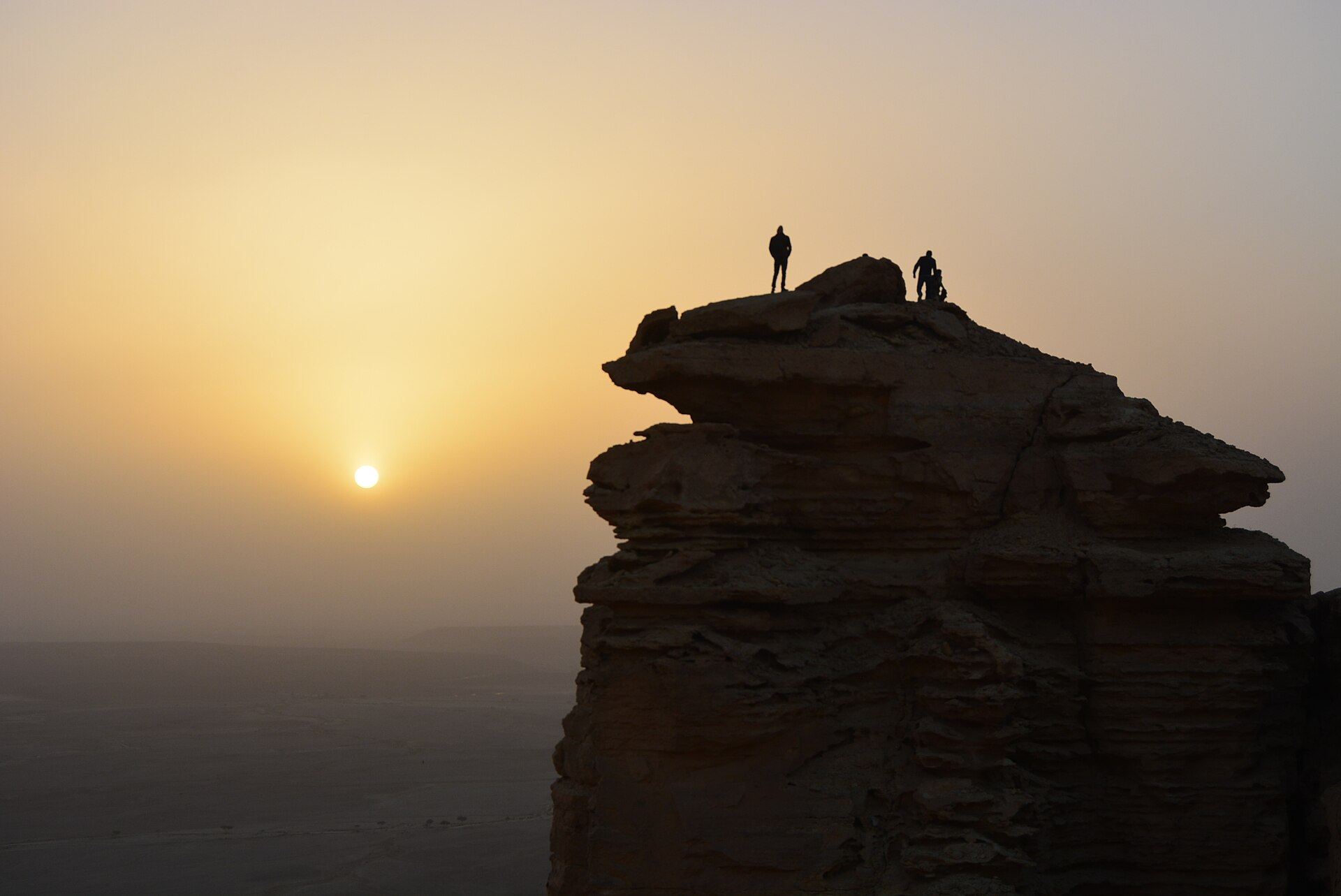
The Edge of the World is Saudi Arabia’s most iconic overnight camping destination. Located roughly 120 km northwest of Riyadh along the Tuwaiq Escarpment, this 1,000-foot limestone cliff drops away to an endless desert plain below. The final stretch requires a 4×4 vehicle over unpaved terrain. Most campers arrive in the late afternoon, pitch tents along the escarpment rim, watch the sunset paint the cliff face, and wake for sunrise over the vast expanse. There is no entry fee, though organised overnight tours from Riyadh typically cost SAR 600–900 per person (private) or SAR 225–350 (shared group). The site pairs well with a day trip to Acacia Valley, just 40 km from Riyadh, where acacia trees and occasional camel sightings create a gentler landscape beneath the escarpment.
Empty Quarter (Rub’ al Khali)
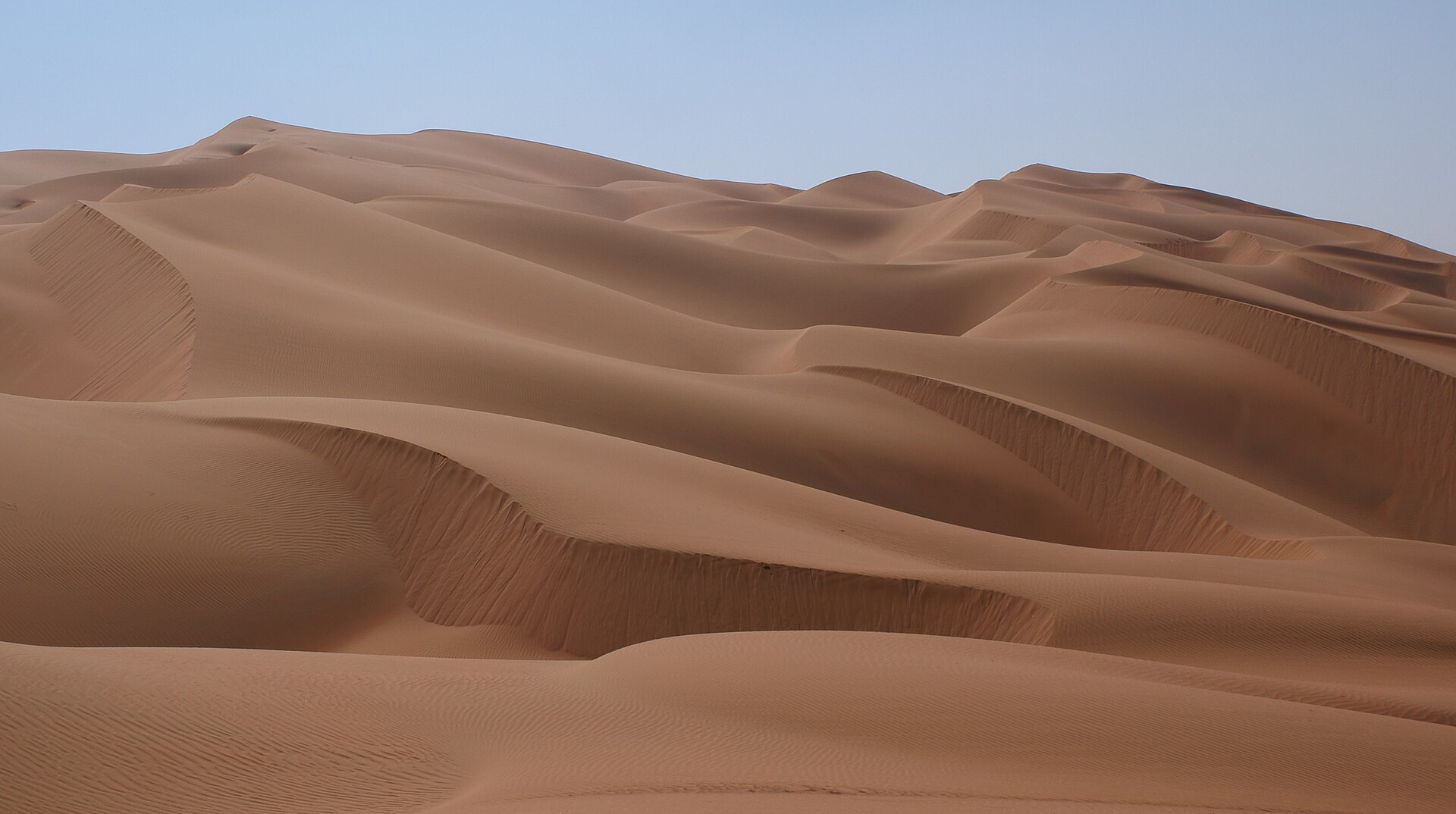
The Rub’ al Khali is the largest sand desert on Earth, covering roughly 650,000 square kilometres across Saudi Arabia, Oman, Yemen, and the UAE. Its Saudi section — the vast majority — offers the ultimate desert camping experience: massive star dunes rising hundreds of metres, total silence, and night skies so dark you can see the Milky Way’s dust lanes with the naked eye. Access is typically through Sharurah in the south or via organised expeditions from Riyadh. This is not a beginner destination: you need an experienced guide, at least two 4×4 vehicles travelling together, satellite communication equipment, and enough water for a minimum of six litres per person per day. The reward is one of the most remote camping experiences available anywhere on the planet. If you enjoy dune bashing, the Empty Quarter’s towering ridgelines are unmatched.
Hisma Desert — Tabuk Province
The Hisma Desert in northwest Saudi Arabia rivals Jordan’s Wadi Rum for dramatic sandstone formations, but without the crowds. The region is home to the Hisma Desert Camp, which offers 15 modern “moon tents” (SAR 450–550 per night) and 5 authentic Bedouin-style tents (SAR 700–850 per night), with breakfast included. Multi-day trekking adventures pass through sandstone valleys, ancient caravan routes, and pre-Islamic petroglyphs. Independent wild camping is also possible throughout the region with a 4×4 vehicle. The area falls within the Tabuk travel region, which is rapidly developing as a major adventure tourism hub under Vision 2030.
Wadi Al Disah (Valley of Palms) — Tabuk Province
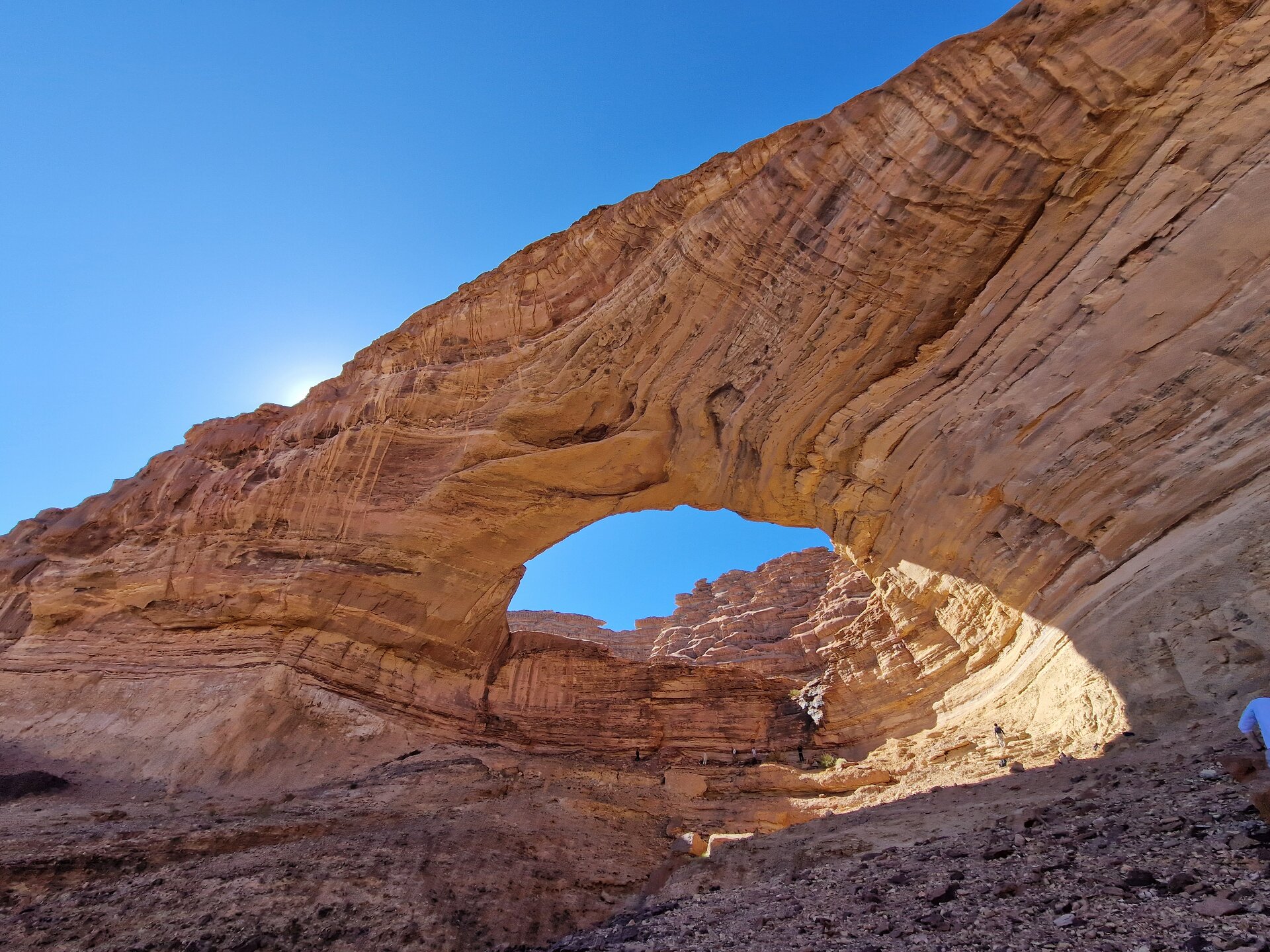
Wadi Al Disah is one of Saudi Arabia’s most beautiful natural landscapes: a narrow valley flanked by towering sandstone cliffs, fed by freshwater springs, and lined with date palms. The wadi floor is accessible by 4×4 and makes an excellent beginner-friendly camping destination thanks to available water, shade, and relatively flat terrain. Swimming in the natural rock pools is a highlight. The valley is roughly 180 km south of Tabuk city and forms part of the Prince Mohammed bin Salman Nature Reserve. Camping is permitted, though visitors should check current access rules as the reserve occasionally restricts entry for conservation management.
Al Wahbah Crater — Near Taif
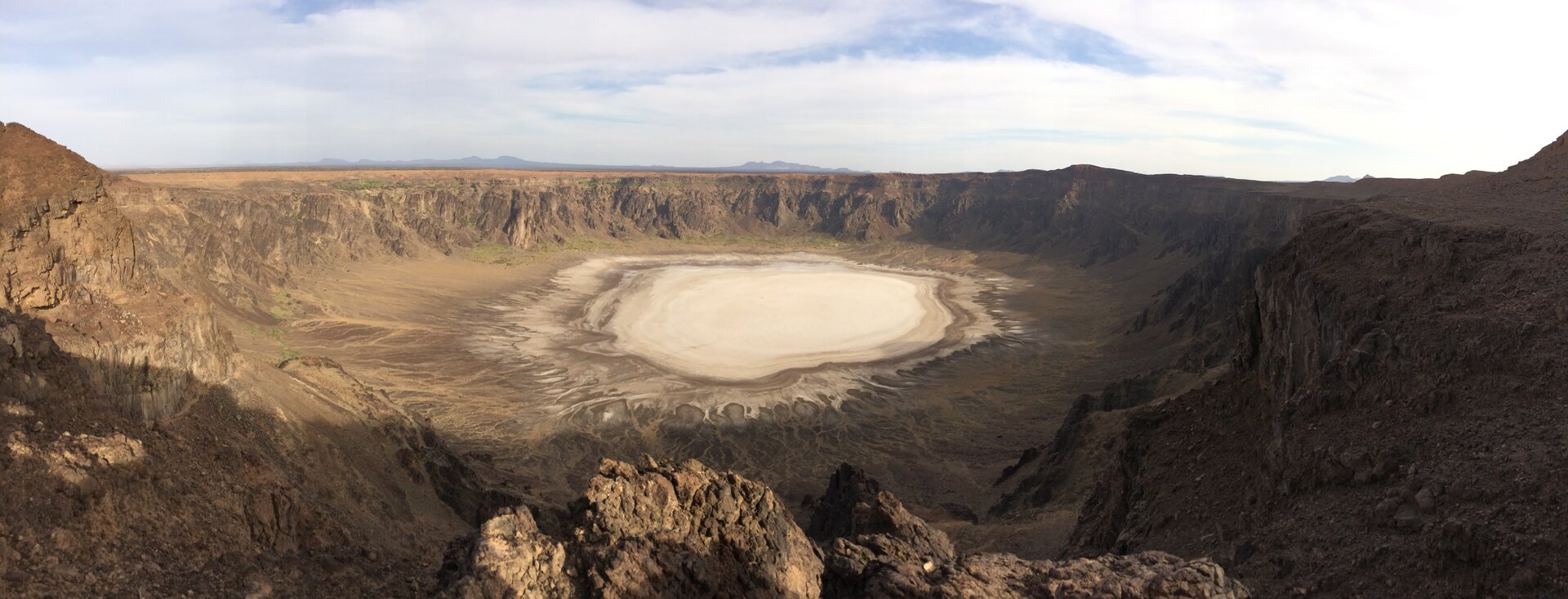
Al Wahbah is a volcanic crater roughly 3 km wide and 250 metres deep, with a striking white sodium phosphate floor that shimmers in sunlight. Located about 260 km north of Taif, the crater rim offers some of the most unusual camping in the Kingdom. The best pitches are roughly 300 metres north of the viewpoint, among lava flows that provide natural windbreaks on sandy beds. The terrain is hard and stony — bring extra-strong tent stakes and a spare tyre. A steep hiking trail leads down to the crater floor (roughly 45 minutes down, longer climbing back up). The crater is part of the Harrat Kishb volcanic field, where surrounding lava formations create an otherworldly landscape that is also exceptional for stargazing.
Umluj — Red Sea Coast
Known locally as the “Maldives of Saudi Arabia,” Umluj is a Red Sea coastal town in Tabuk Province with pristine white-sand beaches, turquoise water, and accessible coral reefs. Beach camping is popular at Ras Al Shaban, which offers safe swimming for families and proximity to offshore diving spots. Jabal Hassan island, reachable by boat, also permits tent camping. The area has minimal light pollution, making it outstanding for night-sky photography. The best months are October through April, when temperatures are comfortable and the sea is calm enough for snorkelling. Umluj pairs naturally with a broader Red Sea itinerary — see our adventure travel guide for more coastal options.
Asir Mountains — Abha and Tanomah
The Asir highlands around Abha (2,200 m elevation) and Tanomah (2,000 m) are Saudi Arabia’s only year-round camping destination. Summer nights rarely exceed 24°C, making this region the go-to escape when the rest of the country bakes. Asir National Park offers juniper forests, terraced farmland, and mountain viewpoints with camping permitted in designated areas. Tanomah adds waterfalls and misty valleys. The village of Rijal Almaa, with its colourful multi-storey stone towers, makes a striking day trip from a highland campsite. Check with local park authorities for current access rules in protected sections of the park. For more on this region, see our Abha and Asir travel guide.
Red Sand Dunes — Near Riyadh
For travellers who want a quick desert camping experience without a long drive, the Red Sand Dunes sit roughly 90 km west of Riyadh. The area is popular for sandboarding, quad biking (SAR 50–300 depending on engine size), and dune bashing in rented 4x4s. Organised overnight desert safaris — including dune bashing, camel rides, campfire dinner, and tent accommodation — run from approximately SAR 649 per person. Wild camping is free, though weekend crowds (Thursday–Friday nights) can be substantial during the winter season.
AlUla — Glamping Capital
AlUla offers Saudi Arabia’s most refined glamping scene. Habitas AlUla provides eco-luxury tents from SAR 2,000+ per night set among Nabataean sandstone formations. Ashar Tented Resort raises the bar further with silk-draped tents, marble bathrooms, a spa, and personal butler service. Sahary AlUla Resort offers a mid-range option with spacious tents and cabins. The region’s dramatic landscape — the same geology that attracted the ancient Nabataeans to build Hegra — makes even basic wild camping here feel cinematic. For a full itinerary, see our AlUla hotel and resort guide.
Camping Permits and Regulations
Do You Need a Permit?
For informal wild camping on public desert or mountain land, no formal permit is required. Saudi families camp freely across the country every winter weekend without paperwork. However, if you want to camp in one of the 51 NCVC-designated camping sites spread across eight regions — which offer better facilities, safety, and environmental management — you should register through the Nabati platform (nabati.ncvc.gov.sa), the NCVC’s electronic permit system. Permits are issued instantly and are free or carry a nominal fee. An alternative platform called Fitri also provides campsite access and booking.
Restricted Areas
Military zones, private property, and protected wildlife reserves are off-limits unless specifically designated for camping. Certain public beaches — particularly near industrial ports — also prohibit overnight stays. National parks managed by the Saudi Wildlife Authority may require registration or restrict access during conservation periods. When in doubt, ask at the nearest visitor centre or check the NCVC website.
Environmental Rules
Saudi environmental law carries real penalties for the following violations:
- Firewood: Using locally gathered charcoal or firewood is strictly prohibited. Bring purchased firewood or use a portable gas stove.
- Off-road driving: Driving off designated roads within protected areas is prohibited and penalised.
- Vegetation damage: Damaging native plants carries fines under the Environment Law.
- Waste: Leave No Trace is mandated by the NCVC. Pack out everything you bring in — including food waste and cigarette butts.
- Water: Minimum 6 litres per person per day for drinking, plus extra for cooking and cleaning. Carry at least 20 litres total per person for overnight trips. There is no reliable water at most camping locations.
- Portable stove: A gas camping stove is the most practical cooking solution. Portable stoves and gas canisters are widely available at outdoor shops in Riyadh, Jeddah, and Tabuk.
- Non-perishable food: Tinned goods, dried fruit, nuts, flatbread, and instant coffee. Ice chests keep perishables viable for 24–48 hours.
- Tent: A sturdy 3-season tent rated for wind. Sand pegs or wide-blade desert stakes are essential — standard thin wire pegs will pull straight out of loose sand.
- Sleeping bag: Rated to at least 5°C for winter desert camping. For Tabuk or highland locations where temperatures can drop below freezing, a 0°C or -5°C bag is safer.
- Insulated sleeping pad: The ground pulls heat from your body overnight, even if the sand felt warm at sunset. A foam or inflatable pad with an R-value of 3+ is recommended.
- Ground tarp: Protects your tent floor from thorns and rocks.
- Loose, long-sleeved shirts and trousers for sun and insect protection during the day
- Warm jacket, fleece, gloves, and beanie for evenings (desert temperatures drop dramatically after sunset)
- Hiking boots — ankle-height minimum to protect against scorpions and snakes
- Shemagh or dust scarf for wind and sandstorm protection
- Quick-dry fabrics; avoid cotton, which stays wet and chills you
- GPS device or offline maps: Mobile coverage is absent at most desert camping locations. Download offline maps before leaving the city.
- Compass: Backup navigation for featureless terrain.
- Satellite communicator: Recommended for Empty Quarter, deep Hisma, or any location more than 100 km from a paved road.
- 4×4 vehicle: Essential for the Edge of the World, Empty Quarter, Al Wahbah Crater, and most wild camping locations. Sedan-accessible spots exist near highways.
- Spare tyre(s): At least one; two for remote locations. The stony terrain around Al Wahbah Crater and volcanic areas is particularly harsh on tyres.
- Recovery gear: Tow rope, shovel, traction boards for soft sand. Air compressor to deflate and re-inflate tyres for dune driving.
- Extra fuel: Carry a jerry can for trips beyond 200 km from the nearest petrol station.
- Comprehensive first aid kit including antihistamines (for scorpion sting allergic reactions)
- Fire extinguisher
- Sunblock (SPF 50+) and UV-protection sunglasses
- LED headlamp and lantern with spare batteries
- Power bank for phone charging
- Scorpions: The deathstalker scorpion (Leiurus quinquestriatus) and fat-tailed scorpion (Androctonus crassicauda) are both present. Stings cause severe pain, and in rare cases, can be life-threatening. Always use a tent — never sleep directly on the ground in the open. Store shoes inside your tent and shake them out before putting them on in the morning.
- Snakes: The carpet viper (saw-scaled viper) is the most medically significant snake in the region. Bites cause pain, haemorrhaging, and potential kidney damage. Wear ankle-height boots, use a torch when walking at night, and never reach into rock crevices.
- Camel spiders: Large, fast, and alarming, but not venomous. They seek shade — including under tents and in shoes — so keep your camp tidy.
- Temperature drops: Desert temperatures can plummet 20°C or more after sunset. In Tabuk Province, winter nights frequently drop below freezing. Even in the central desert near Riyadh, nights can reach 5–8°C in January.
- Flash floods: Wadis (dry riverbeds) can flood suddenly and violently, even when no rain is visible in your immediate area. Rainfall upstream can send a wall of water through a wadi with only minutes of warning. Never camp in or directly adjacent to a wadi bed.
- Sandstorms: Can arrive rapidly, reducing visibility to near zero. If caught in a sandstorm, get inside your vehicle, close all windows, cover your nose and mouth, and wait. Storms typically pass within 30–90 minutes.
- Saudi Arabia Hotels Guide — Complete accommodation options from budget to luxury
- Desert Camping Guide — Focused guide to desert-specific camping techniques and locations
- Saudi Arabia Hiking Trails — The best trails for trekkers across the Kingdom
- Stargazing in Saudi Arabia — Dark-sky locations and what you can see
- Dune Bashing Guide — Where to go and what to expect
- Best Hotels in Riyadh — Top-rated stays in the capital
- Saudi Arabia Travel Guide 2026 — The complete guide to visiting the Kingdom
- Saudi Arabia Visa Guide — Every visa type explained
Tip: The Saudi Civil Defence recommends carrying one fire extinguisher per tent. This is not a legal requirement for tourists, but it reflects how seriously Saudi authorities take campfire safety in arid environments.
Types of Camping Available
Wild Camping (Free)
The most common form. Drive out of any city, find an open patch of desert, and set up. No booking, no fee, no infrastructure. This is how most Saudi families camp — with a car, a carpet, a portable stove, and a tent or simple shelter. Wild camping works best with a 4×4 vehicle, though sedan-accessible spots exist alongside paved roads in many areas. The freedom is remarkable, but so is the responsibility: you must be entirely self-sufficient for water, food, shelter, and waste removal.
Organised Desert Camps
Pre-set camps with dinner, campfire, and activities such as dune bashing, sandboarding, and camel rides. These typically run SAR 225–650 per person depending on group size, duration, and whether the experience is shared or private. Common near Riyadh’s Red Sand Dunes and Edge of the World.
Glamping
Saudi Arabia’s glamping sector has expanded rapidly under Vision 2030. Options range from SAR 450 per night at Hisma Desert Camp to SAR 2,000+ at Habitas AlUla. The Red Sea Project’s coastal resorts start from SAR 3,000+ per night. Fursan Escapes near Riyadh offers eco-glamping with buggy tours and dune picnics. For a full comparison, see our Saudi Arabia hotels guide.
Beach Camping
The Red Sea coast — particularly Umluj, Farasan Islands, and stretches near Yanbu — offers beach camping with swimming, snorkelling, and reef access. Some beaches require local permissions; always check before pitching a tent. Coastal camping is best from October to April.
Bedouin-Style Cultural Camps
Several operators offer immersive experiences in traditional black-and-white striped Bedouin tents with colourful interior rugs and cushions. Activities include camel tending, traditional meal preparation (slow-cooked stews, flatbreads, Arabic coffee), and campfire storytelling. These are particularly popular in the Empty Quarter and AlUla regions.
Best Time for Camping
| Region | Best Months | Daytime Temp | Night Temp | Notes |
|---|---|---|---|---|
| Riyadh / Central | Nov–Mar | 20–28°C | 8–15°C | Can freeze in Jan in open desert |
| Tabuk / Northwest | Oct–Apr | 15–25°C | 0–10°C | Snow possible at Jabal Al Lawz (2,580 m) |
| Empty Quarter | Dec–Feb | 22–30°C | 10–18°C | Extreme heat rest of year |
| Red Sea Coast | Oct–Apr | 25–32°C | 18–24°C | Humidity higher than inland |
| Asir Highlands | Year-round | 18–28°C | 10–20°C | Coolest in summer; monsoon Jul–Sep |
The official camping season is announced annually by the NCVC, typically running from October through March. Outside these months, lowland desert temperatures regularly exceed 45°C, making camping dangerous without specialised equipment.
What to Bring: Complete Camping Gear Checklist
Water and Food
Shelter and Sleep
Clothing
Navigation and Communication
Vehicle and Recovery
Safety and First Aid
Safety Considerations
Wildlife Hazards
Saudi Arabia is home to several venomous species that campers should be aware of:
Weather Hazards
Safety rule: Always inform someone of your planned camping location and expected return time. In remote areas, travel with at least two vehicles. Carry a satellite communicator if venturing beyond mobile coverage.
Hydration
Desert air is extremely dry, and you can become seriously dehydrated before you notice you are sweating. Begin drinking water well before you feel thirsty. Early signs of dehydration — headache, dizziness, dark urine — should be treated immediately by resting in shade and drinking steadily. Heat exhaustion and heatstroke are genuine medical emergencies in the Saudi desert.
Saudi Camping Culture
Camping is not just a tourist activity in Saudi Arabia — it is a living expression of Bedouin heritage. Between November and March, the desert comes alive with family camps, many of them elaborate multi-day setups with traditional tents, carpets spread across the sand, string lights, portable generators, and outdoor kitchens serving slow-cooked stews, flatbreads, and Arabic coffee (qahwa).
The traditional Bedouin tent features a striped black-and-white exterior woven from goat hair, with richly coloured rugs, cushions, and wall hangings inside. Many modern Saudi families place nylon camping tents inside a larger traditional tent structure, combining heritage aesthetics with practical weatherproofing.
Social gatherings around the campfire — the majlis — are central to Saudi camping culture. If a neighbouring Saudi family invites you for coffee and dates, accepting is considered respectful and will often lead to one of the most memorable cultural exchanges of your trip. Saudi hospitality in the desert is legendary: you may find yourself served an entire meal by people you met twenty minutes ago.
Costs and Budget Planning
| Experience | Cost (SAR) | Cost (USD approx.) |
|---|---|---|
| Wild camping (free, self-sufficient) | Free | Free |
| Shared half-day desert tour (Riyadh) | 225–350/person | $60–95 |
| Private desert tour | 600–900/person | $160–240 |
| Overnight desert safari with dinner | ~649/person | ~$175 |
| Quad bike rental | 50–300 | $15–80 |
| Hisma Desert Camp (moon tent, 2 pax) | 550/night | $145/night |
| Hisma Desert Camp (authentic tent, 2 pax) | 850/night | $225/night |
| Glamping near Riyadh | ~840/night | ~$225/night |
| Habitas AlUla | 2,000+/night | $535+/night |
| Red Sea Project resorts | 3,000+/night | $800+/night |
Budget tip: Wild camping in the desert is entirely free. A week of camping with purchased groceries and petrol for a 4×4 rental can cost under SAR 2,000 ($535) total — less than two nights in a mid-range Riyadh hotel. For backpackers, this makes camping the most cost-effective way to experience Saudi Arabia’s landscapes.
Getting There and Getting Around
Most international visitors fly into Riyadh (RUH), Jeddah (JED), or Tabuk (TBU). From Riyadh, the Edge of the World and Red Sand Dunes are day-trip distance. From Tabuk, Wadi Al Disah and the Hisma Desert are within a 2–3 hour drive. AlUla has its own airport (ULH) with domestic flights from Riyadh and Jeddah.
A 4×4 rental is essential for serious camping. Major agencies (Hertz, Budget, Lumi) operate at all airports and city centres. Expect to pay SAR 300–600 per day for a Toyota Fortuner, Nissan Patrol, or equivalent. Confirm that the rental agreement permits off-road driving — not all contracts do.
Before entering the Kingdom, check that your tourist e-visa is in order. Citizens of 49+ countries can apply online, with approval typically granted within minutes.
Camping with Families
Saudi Arabia is one of the most family-friendly camping destinations in the Middle East. Organised camps near Riyadh’s Red Sand Dunes and Edge of the World cater specifically to families with children, offering supervised activities, pre-set tents, and catered meals. The Asir highlands — with their cooler temperatures, accessible terrain, and proximity to towns — are particularly suitable for families with young children who want a gentler camping experience. Al Kharrarah National Park south of Riyadh offers dunes, wildlife, and adventure tracks in a managed environment. Beach camping at Umluj provides safe swimming at Ras Al Shaban alongside coral reef snorkelling.
Vision 2030 and the Future of Saudi Camping
Camping sits at the intersection of Saudi Arabia’s heritage tourism and ecotourism ambitions under Vision 2030. The NCVC has expanded its Nabati permit platform to cover 51 sites with a combined capacity of over 13,650 camps. NEOM’s three planned nature reserves will offer glamping, sandboarding, and wellness retreats alongside rewilding programmes. AlUla is developing solar-powered tents and AI-enhanced stargazing experiences. The broader Saudi glamping market is valued at approximately USD 1.2 billion, driven by domestic demand and government investment. For travellers, this means improving infrastructure — better road access, more designated sites, higher-quality glamping options — without sacrificing the wild freedom that makes Saudi camping special.