
Saudi Arabia has transformed into one of the Middle East’s premier luxury shopping destinations. From the glittering malls of Riyadh to the seaside boutiques of Jeddah and the emerging retail scene of the Eastern Province, the Kingdom now hosts virtually every major international fashion house and jewelry maison. Whether you are planning a dedicated shopping trip across Saudi Arabia or adding a retail day to a broader Saudi Arabia travel itinerary, this guide maps every designer boutique, luxury mall, and gold souk worth visiting — city by city.
Best Time to Visit: October–March (cooler weather, peak retail season, Riyadh Season events)
Getting There: International flights to Riyadh (RUH), Jeddah (JED), or Dammam (DMM); domestic flights between cities
Visa Required: Yes — tourist e-visa available for 63 nationalities
Budget: $500–$5,000+ per day depending on purchases; dining and transport from $100/day
Must-See: Kingdom Centre and Solitaire Mall (Riyadh), Tahlia Street and Red Sea Mall (Jeddah)
Avoid: Shopping during prayer times (stores close 20–30 minutes); carrying large cash amounts when gold souk browsing
Why Saudi Arabia for Luxury Shopping
The GCC luxury goods market is projected to grow from USD 15 billion in 2025 to over USD 26 billion by 2031, with Saudi Arabia as its largest single driver. Bain & Company has identified the Kingdom as the Gulf’s engine of luxury growth for the foreseeable future, and the numbers bear that out: luxury sales in Saudi Arabia have recorded double-digit annual growth since 2023.
Several factors make the Kingdom uniquely attractive. Vision 2030 has opened the country to international tourism, bringing with it a wave of flagship store openings from houses like Chanel, Dior, Prada, and Louis Vuitton. A tourist VAT refund scheme launched in 2025 allows international visitors to reclaim the 15 per cent value-added tax on qualifying purchases — a significant incentive for high-value items. The Kingdom’s retail footprint is also expanding at pace: lifestyle retail space across Riyadh and Jeddah alone is set to increase by nearly 600,000 square metres by 2027, reaching 1.31 million square metres.
For travellers combining shopping with sightseeing, Saudi Arabia offers something Dubai and Doha do not — historical depth. You can browse Cartier in a Riyadh mall, then walk through the 19th-century Dirah Souq the same afternoon. In Jeddah, Chanel sits minutes from the UNESCO-listed Al-Balad old quarter, where gold souks have traded for centuries.
Luxury Shopping in Riyadh
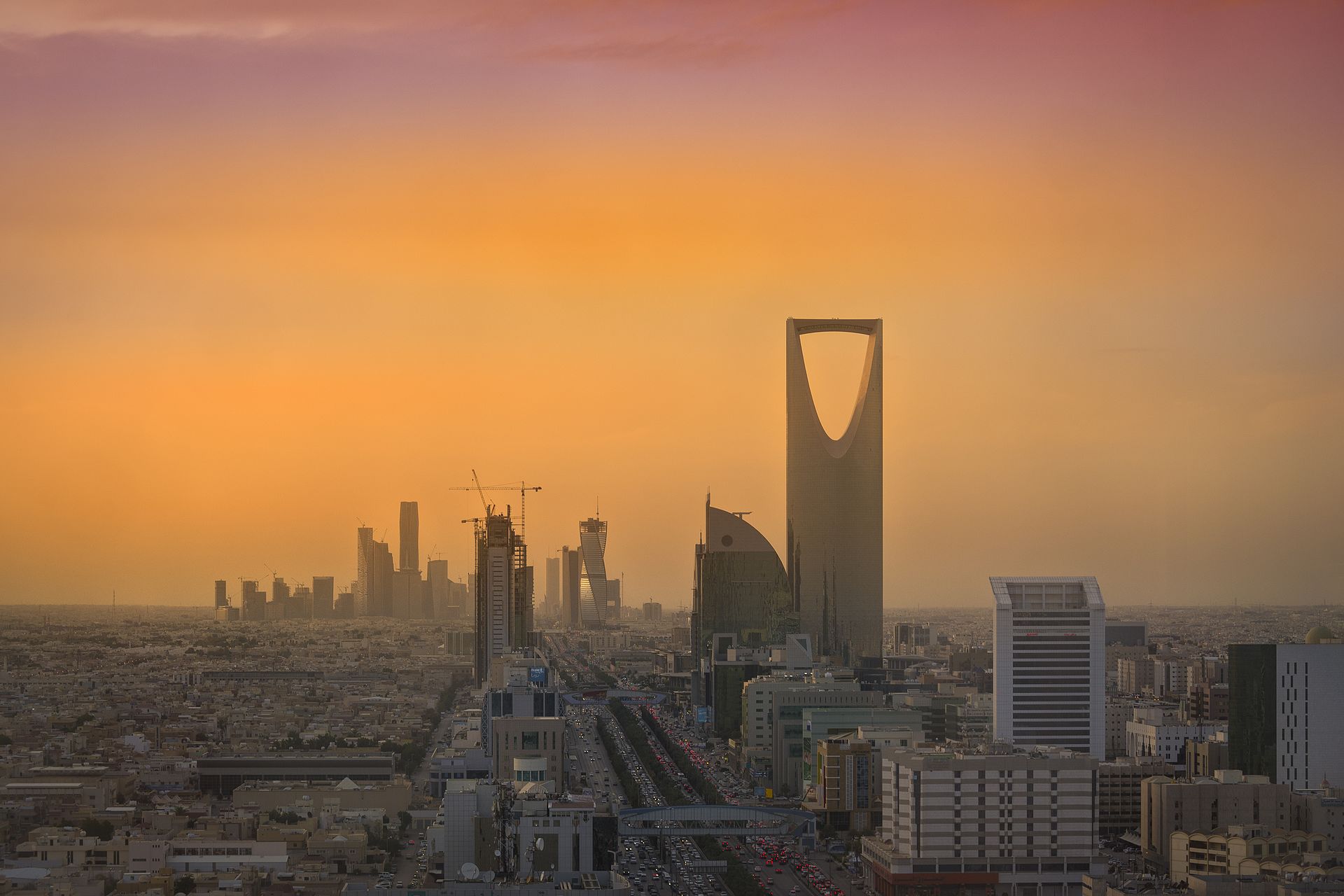
Riyadh is Saudi Arabia’s undisputed luxury capital. The city’s Olaya Street corridor — running from Kingdom Centre north through the King Abdullah Financial District — contains more high-end retail per square kilometre than any other address in the Gulf outside Dubai. For visitors basing themselves in the capital, a Riyadh travel guide will help you navigate between shopping districts and the city’s cultural attractions.
Kingdom Centre
The 302-metre Kingdom Tower is Riyadh’s most recognisable building, and the Kingdom Centre mall at its base remains the city’s prestige retail address. Housing more than 150 brands across multiple floors, Kingdom Centre is where Saudi high society has shopped since 2002. Current tenants include Chanel, Gucci, Fendi, Boucheron, Chopard, Hublot, Graff, Richard Mille, Mont Blanc, Chaumet, and Messika.
The mall also features an exclusive three-level Ladies Kingdom section — a dedicated women-only shopping floor unique to Saudi retail culture. After browsing, visitors can ascend to the Sky Bridge observation deck at the top of the tower for panoramic views of the city.
Practical tip: Kingdom Centre opens daily 9 AM–midnight. The Four Seasons Hotel occupies the upper floors of the same building, making it the most convenient luxury base in Riyadh.
Solitaire Mall
Opened in April 2025, Solitaire is Riyadh’s newest and most ambitious luxury destination. Spanning over 60,000 square metres near the intersection of King Abdulaziz Road and Al Thumamah Road, the mall was designed around a geode-inspired interior featuring water features, living greenery, and a centrepiece chandelier crafted by 17 Bohemian glassmakers with over 44,000 crystals.
Solitaire has attracted first-to-Saudi-Arabia openings from several major houses. Prada operates a 500-square-metre flagship housing both women’s and men’s collections. Other confirmed tenants include Dior, Louis Vuitton, Loewe, Celine, Fendi, Balenciaga, Bvlgari, Cartier, Van Cleef & Arpels, Tiffany & Co., Buccellati (its first Saudi boutique), Amiri, A.P.C., Paul Smith, RIMOWA, Sephora, Guerlain, and Chaumet.
The Chalhoub Group — the Middle East’s leading luxury retail partner — anchors much of Solitaire’s tenant roster, reinforcing its positioning as the Kingdom’s answer to Paris’s Avenue Montaigne.
VIA Riyadh
VIA Riyadh is an ultra-luxury mixed-use compound in the Al-Hada district that opened in 2023. Unlike a conventional mall, VIA operates as a curated lifestyle village combining 25 boutiques, 17 restaurants, and seven premium cinema screens alongside a St. Regis hotel.
The retail lineup is deliberately selective: Dolce & Gabbana opened its first Riyadh flagship here, joined by Tom Ford, Elie Saab, Aquazzura, Aesop, and Zimmermann. Saudi-exclusive labels like Mohammed Ashi and fine jeweller L’Atelier Nawbar share the precinct with international names. CLÉ offers a luxury consultancy service for fine jewellery and watches — the first omni-channel experience of its kind in the region.
Dining at VIA is equally elevated. London imports Gymkhana, Sexy Fish, and Scott’s sit alongside Wolfgang Puck’s Spago and Bianca — making VIA as much a culinary destination as a retail one.
Al Faisaliah Mall
Attached to the landmark Al Faisaliah Tower — recognisable by its glass globe perched atop a tapering spire — Al Faisaliah Mall is Riyadh’s longest-established luxury shopping address. It houses a carefully edited mix of international fashion, fine jewellery, and premium dining. The adjacent Al Faisaliah Hotel (managed by Mandarin Oriental) adds convenience for visiting shoppers.
Riyadh Park
At 132,000 square metres, Riyadh Park is a full-scale luxury-to-lifestyle mall that balances high-end brands with mainstream retail. The luxury wing features Balenciaga, Chanel, Armani, Versace, and Coach, alongside Apple and Samsung flagship stores. Its location in the heart of the city and extensive dining options make it a practical choice for shoppers who want variety under one roof.
Luxury Shopping in Jeddah
Jeddah’s retail personality is distinct from Riyadh’s. As Saudi Arabia’s commercial gateway and Red Sea port city, Jeddah blends cosmopolitan mall culture with one of the oldest trading traditions in the Arab world. The city’s travel attractions — from the Corniche to Al-Balad — sit within easy reach of its major shopping districts.
Tahlia Street — Jeddah’s Champs-Élysées
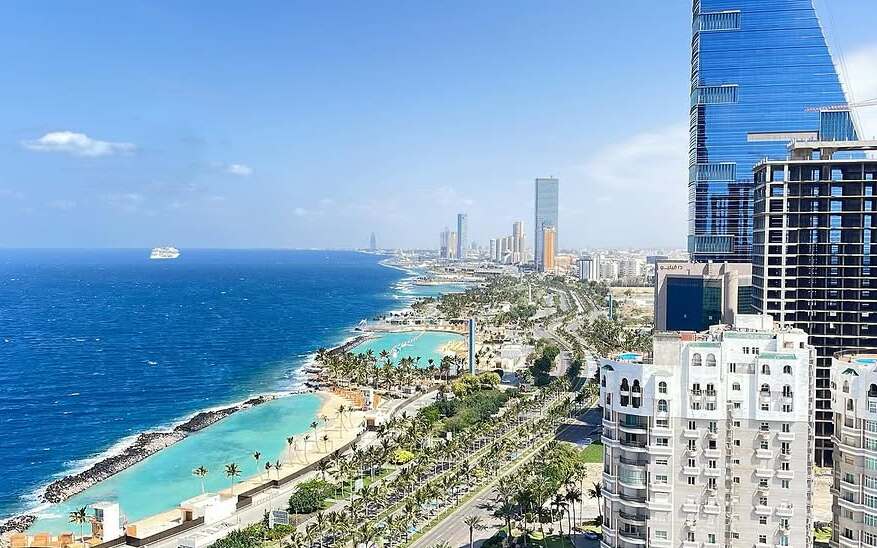
Tahlia Street (officially Prince Mohammed bin Abdulaziz Street) is Jeddah’s premier luxury boulevard and is often compared to the Champs-Élysées. Unlike Riyadh’s mall-centric model, Tahlia operates as a linear shopping district where standalone boutiques, upscale restaurants, and designer cafés line both sides of the street for several kilometres.
Designer boutiques on Tahlia include Prada, Gucci, Versace, Cartier, Chanel, Louis Vuitton, Dolce & Gabbana, Ralph Lauren, and Giorgio Armani. The street is also the centre of Saudi Arabia’s abaya design scene, with numerous high-end ateliers offering custom and couture abayas embellished with Swarovski crystals, French lace, and hand embroidery.
Al Khayyat Center
Located on Tahlia Street, the Al Khayyat Commercial Center is a concentrated luxury retail space housing Chanel, Gucci, Dior, Prada, Emporio Armani, Fendi, Burberry, Tod’s, and Tory Burch. It functions as Jeddah’s closest equivalent to a multi-brand luxury department store, with tenants curated toward fashion-forward shoppers.
Red Sea Mall
Spanning over 242,000 square metres in Jeddah’s northern suburbs near King Abdulaziz Road, Red Sea Mall is one of the largest shopping complexes in the Kingdom. Its 300+ stores range from luxury boutiques — Louis Vuitton, Gucci, Chanel, Michael Kors, Rolex Boutique — to mainstream international brands. The mall also incorporates the five-star Elaf Jeddah Hotel, an indoor amusement park, an ice-skating rink, and VOX Cinemas.
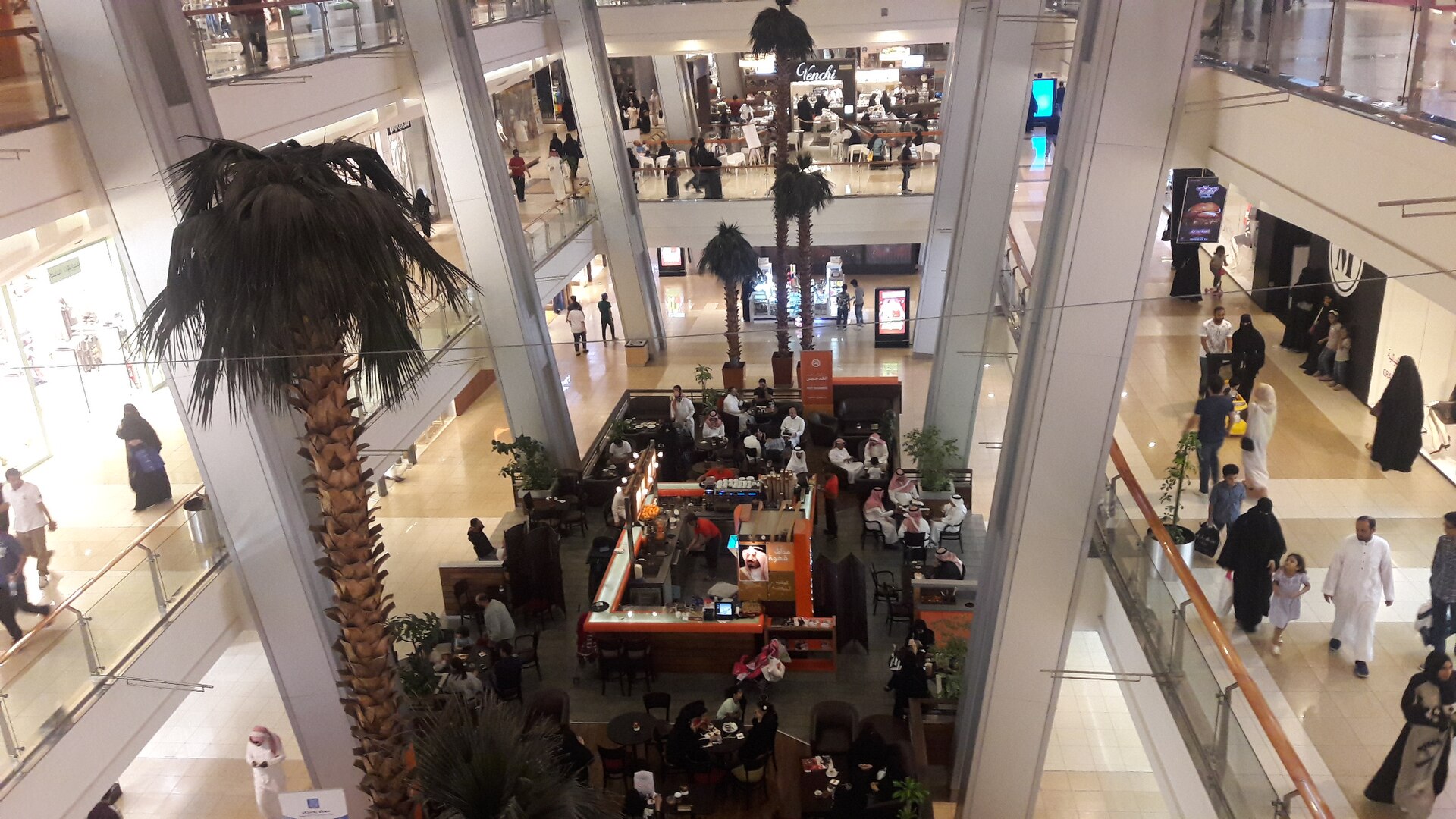
Practical tip: Red Sea Mall opens daily 10 AM–11 PM, extending to midnight on weekends (Thursday–Friday). Arrive early for luxury boutiques — many hold new-arrival viewings for regular clients in the first hours.
Mall of Arabia
Mall of Arabia in Jeddah offers a curated mix of high-end fashion, home furnishings, and dining across a spacious single-level layout. While not as brand-dense as Tahlia Street, it provides a more relaxed luxury shopping environment with strong selections in jewellery, watches, and designer homewares.
The Visitor — King Abdulaziz International Airport
Jeddah’s airport has emerged as a luxury retail destination in its own right. The Visitor travel retail concept showcases over 200 luxury brands including Dior, Gucci, Jo Malone, La Mer, Carolina Herrera, and Swarovski — making it one of the most comprehensive airport luxury offerings in the Middle East. The VAT refund scheme applies here, too, making last-minute purchases particularly attractive.
Luxury Shopping in the Eastern Province
The Dammam–Khobar–Dhahran metropolitan area serves Saudi Arabia’s oil-wealth heartland and has developed its own luxury retail ecosystem. Visitors exploring the Eastern Province will find a growing designer presence alongside well-established malls.
Venicia Mall (Dhahran)
The Eastern Province’s most focused luxury destination, Venicia Mall offers a curated selection of high-end brands including Gucci, Prada, and Dolce & Gabbana in a relatively intimate setting. Its clientele includes Aramco professionals and the region’s established business families.
Al Rashid Mall (Khobar)
Covering approximately 150,000 square metres with over 350 stores, Al Rashid Mall is the Eastern Province’s largest retail complex. The luxury segment features Cartier, Tiffany & Co., Rolex, and Apple alongside a broad mix of international fashion brands. Its location in central Khobar makes it the default shopping destination for visitors staying in the area.
Mall of Dhahran
One of the largest malls in the Middle East with over 300 stores, the Mall of Dhahran sits at the geographic intersection of Dammam, Khobar, and Dhahran. While its tenant mix leans more mainstream than Venicia, it offers the widest variety of shopping, dining, and entertainment options in the region.
Gold Souks and Traditional Luxury
No guide to luxury shopping in Saudi Arabia is complete without the gold souks — traditional markets where Saudi families have purchased wedding jewellery, investment gold, and fine accessories for generations. Gold souk prices are typically 15–25 per cent lower than mall jewellers due to lower overhead.
Dirah Gold Souk, Riyadh
Located in central Riyadh near the historic Al Masmak Fort, the Dirah Gold Souk (also known as Deira Souq) is the capital’s oldest and most atmospheric gold market. The surrounding Batha district encompasses three interconnected gold markets — Hilla Gold Market, Dirah Gold Market, and the main Gold Souk — with hundreds of shops offering everything from 18-karat fashion pieces to 24-karat investment bars. Bargaining is expected and welcomed.
Souq Al-Dahab, Jeddah
Jeddah’s Gold Market (Souq Al-Dahab) sits near the UNESCO-listed Al-Balad historic district. The market specialises in ornate bridal sets, traditional Hejazi designs, and fine gold work that reflects centuries of Red Sea trading influence. Shops like Malabar Gold & Diamonds and L’azurde anchor the market, but the smaller independent jewellers often carry the most distinctive pieces.
Shopping tip: Gold in Saudi souks is priced by weight according to the daily international gold price, plus a making charge (workmanship fee). The making charge is negotiable — typically 7–15 per cent for machine-made pieces and higher for hand-crafted work. Always confirm the karat stamp and request a receipt with weight and purity details.
Designer Brands Available in Saudi Arabia
The following table summarises where major luxury brands operate standalone boutiques across the Kingdom’s three main cities:
| Brand | Riyadh | Jeddah | Eastern Province |
|---|---|---|---|
| Louis Vuitton | Kingdom Centre, Solitaire | Tahlia Street, Red Sea Mall | — |
| Chanel | Kingdom Centre, Riyadh Park | Tahlia Street, Al Khayyat | — |
| Dior | Solitaire | Al Khayyat, JED Airport | — |
| Gucci | Kingdom Centre | Tahlia Street, Red Sea Mall | Venicia Mall |
| Prada | Solitaire (flagship) | Tahlia Street | Venicia Mall |
| Cartier | Solitaire, Kingdom Centre | Tahlia Street | Al Rashid Mall |
| Dolce & Gabbana | VIA Riyadh | Tahlia Street | Venicia Mall |
| Fendi | Solitaire, Kingdom Centre | Al Khayyat | — |
| Versace | Riyadh Park | Tahlia Street | — |
| Tiffany & Co. | Solitaire | Red Sea Mall | Al Rashid Mall |
| Van Cleef & Arpels | Solitaire | — | — |
| Bvlgari | Solitaire | — | — |
Practical Tips for Luxury Shopping in Saudi Arabia
VAT Refund for Tourists
Since 2025, international visitors holding a tourist visa can reclaim the 15 per cent VAT on qualifying purchases. Participating stores display a “Tax Free Shopping” sticker. To claim, present your passport at the point of sale, collect a tax-free form, and process the refund at designated counters in international airports before departure. Minimum purchase thresholds apply.
Payment and Currency
The Saudi Riyal (SAR) is pegged to the US dollar at 3.75 SAR = 1 USD. Credit cards (Visa, Mastercard, Amex) are universally accepted in malls and designer boutiques. Gold souks may prefer cash for negotiated prices, and ATMs are widely available. Apple Pay and mada (the Saudi debit network) work in most retail environments.
Shopping Hours
Most luxury malls open from 10 AM to 11 PM (some to midnight), seven days a week. During Ramadan, hours shift: many malls close in the afternoon and reopen after Iftar, staying open until 1–2 AM. Friday prayer time (approximately 12:15–1:30 PM) sees most stores close briefly. During Riyadh Season (October–March), extended hours and special retail events are common.
Dress Code
Saudi Arabia’s dress code has relaxed considerably since 2019, but modesty remains expected. In malls and shopping districts, women are not required to wear an abaya but should dress conservatively (covering shoulders and knees). Men should avoid sleeveless tops and very short shorts. Luxury boutiques enforce no additional dress code beyond general Saudi norms.
Bargaining Etiquette
Prices in malls and brand boutiques are fixed — do not attempt to negotiate. In gold souks and traditional markets, bargaining is expected and part of the experience. Start at roughly 70 per cent of the asking price and negotiate upward. Shopkeepers appreciate respectful haggling and will often offer tea during extended negotiations.
Getting Between Cities
Saudi Arabian Airlines (Saudia) and flynas operate frequent domestic flights between Riyadh, Jeddah, and Dammam — flight times range from 1.5 to 2 hours. The tourist e-visa covers all three cities. For a comprehensive overview of getting around and what to expect, see the main Saudi Arabia travel guide.
What to Buy: Saudi Luxury Specialities
Abayas and Modest Fashion
Saudi Arabia is the global capital of luxury abaya design. Jeddah’s Tahlia Street and Riyadh’s Olaya district host dozens of high-end ateliers where abayas are crafted from Italian silks, French lace, and Japanese crepe, often embellished with Swarovski crystals or hand-painted motifs. Prices range from SAR 500 for ready-to-wear to SAR 15,000+ for couture pieces. Notable Saudi designers include Arwa Al Banawi, Honayda, and Mashael Alrajhi.
Oud and Perfume
Arabian oud (agarwood) perfume is a luxury category where Saudi Arabia genuinely leads the world. Houses like Abdul Samad Al Qurashi — founded in Mecca in 1852 — sell oud oils that can cost SAR 5,000–50,000 per tola (12ml). Modern Saudi perfumeries like Arabian Oud and Ajmal also operate in most malls, offering more accessible entry points from SAR 200. Oud is sold as concentrated oil (dehn al oud), incense chips (bakhoor), and blended eau de parfums.
Gold and Jewellery
Saudi gold souks offer consistently competitive pricing due to low retail margins and no import duty on raw gold. The Kingdom trades primarily in 21-karat and 22-karat gold — higher purity than the 14-karat and 18-karat standard in Western markets. Traditional Gulf designs feature intricate filigree work, while contemporary Saudi jewellers increasingly blend Gulf motifs with European minimalism.
Dates and Premium Food
Luxury date brands — particularly Bateel, which operates boutiques in most premium malls — offer gift-boxed Medjool, Khidri, and Ajwa dates filled with candied orange, almond praline, or gold leaf. A premium gift box runs SAR 200–800. Bateel also sells date-infused chocolates, vinegars, and sparkling date drinks that make distinctive luxury souvenirs.
The Retail Landscape Ahead
Saudi Arabia’s luxury retail sector is evolving rapidly. The Avenues Riyadh, currently under construction, will add significant new luxury retail capacity to the capital. Jeddah’s waterfront redevelopment continues to attract international brands. The NEOM mega-project in the northwest has announced plans for bespoke luxury retail environments within The Line.
Events like Riyadh Season and the annual “Christian Dior: Designer of Dreams” exhibition (which ran in Riyadh in late 2024) signal the Kingdom’s ambition to position itself not just as a retail market but as a cultural destination for global luxury houses — a strategy that is drawing brands to invest in flagship stores rather than franchised outposts.
For travellers, the trajectory is clear: Saudi Arabia’s luxury shopping scene is maturing quickly, and visiting now means experiencing a market that is still growing — with new openings, exclusive collections, and regional-first launches arriving monthly. Combined with the Kingdom’s world-class hotels and expanding tourism infrastructure, a dedicated luxury shopping trip to Saudi Arabia is increasingly comparable to its established rivals in Dubai, Paris, or Milan.
Explore More Saudi Arabia Travel Guides
- Saudi Arabia Shopping Guide — Best malls, souks, and what to buy across the Kingdom
- Riyadh Travel Guide 2026 — The complete guide to Saudi Arabia’s capital
- Jeddah Travel Guide 2026 — Red Sea coast, Al-Balad, food, and culture
- Dammam & Al Khobar Travel Guide — Exploring Saudi Arabia’s Eastern Province
- Saudi Arabia Travel Guide 2026 — The complete guide to visiting the Kingdom
- Saudi Arabia Visa Guide — Every visa type explained