
The hammam — the traditional steam bath that has anchored cleansing rituals across the Islamic world for over a thousand years — is experiencing a striking revival in Saudi Arabia. Once confined to the Ottoman-era bathhouses of the Hejaz, the hammam now occupies pride of place in the Kingdom’s luxury hotel spas, standalone wellness centres, and ambitious giga-project resorts. Whether you are planning a broader Saudi Arabia travel itinerary or seeking a single afternoon of deep relaxation, a hammam session ranks among the most rewarding wellness experiences available in the Kingdom today. This guide covers what actually happens inside a hammam, what it costs, how Saudi cultural norms shape the experience, and the best venues in Riyadh, Jeddah, AlUla, and the Red Sea coast.
Best Time to Visit: Year-round (indoor experience); October–March for combining with outdoor sightseeing
Getting There: Major hammam venues are in Riyadh, Jeddah, and AlUla — all served by direct international flights
Visa Required: Yes — tourist e-visa available online
Budget: SAR 105–2,500 per session ($28–$670 USD) depending on venue tier
Must-Try: Al Faisaliah Spa by ESPA (Riyadh), Banyan Tree Spa (AlUla), Park Hyatt Evania Spa (Jeddah)
Avoid: Arriving without a booking — most luxury hammams require advance reservations
What Is a Hammam?
A hammam (Arabic: حمّام, literally “bath”) is a steam-based bathing ritual that traces its lineage from Roman thermae through early Islamic civilisation. When Muslim armies encountered the bathhouses of the Eastern Roman Empire in the 7th century, they adopted and refined the practice, aligning it with the Islamic emphasis on physical cleanliness and ritual purification. By the medieval period, the hammam was an essential civic institution: the historian al-Maqrizi counted 47 public baths in 15th-century Cairo alone, and every major city from Baghdad to Fez maintained dozens.
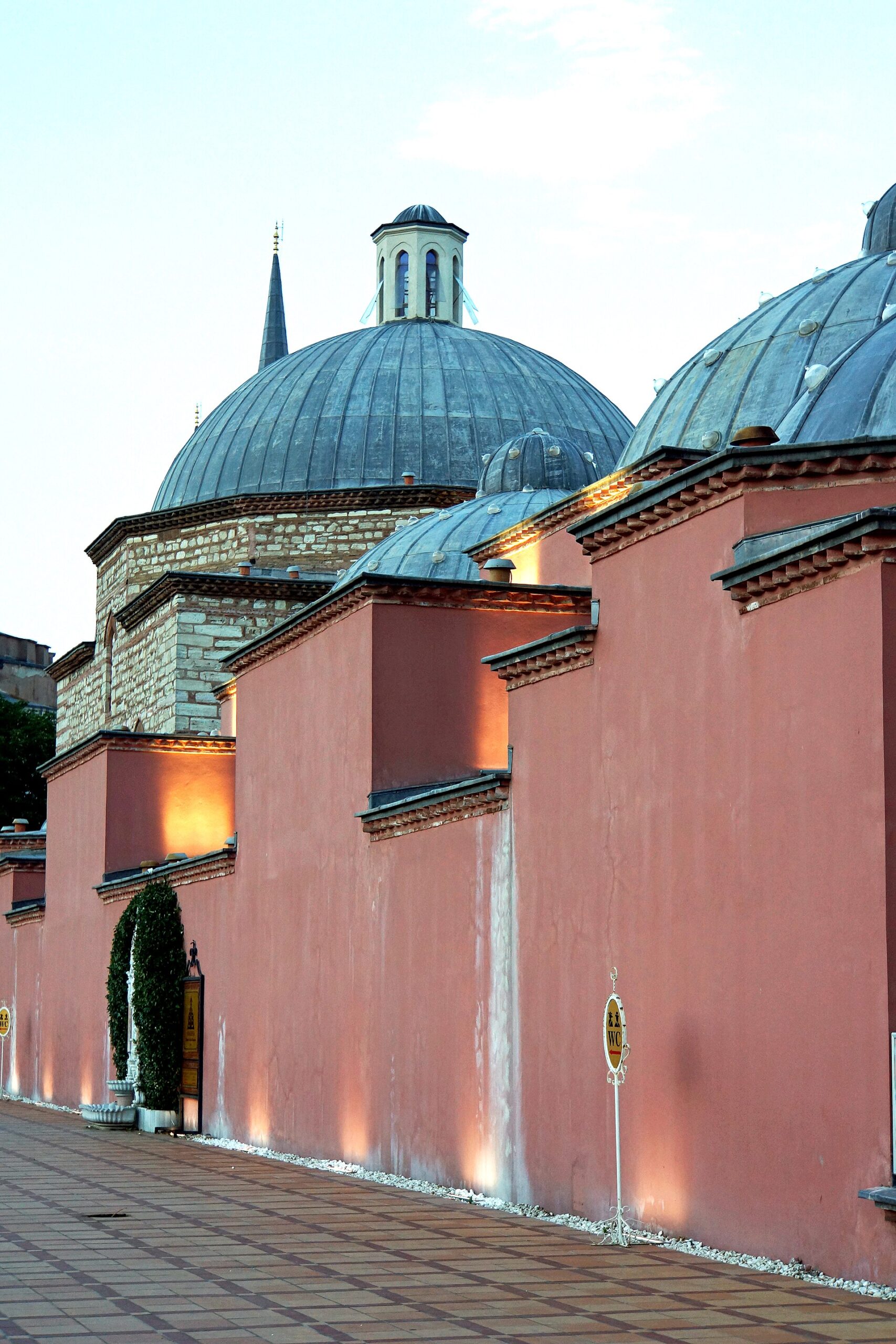
The Ottomans elevated hammam culture into an architectural art form, building the monumental bathhouses of Istanbul, Damascus, and Aleppo that still operate today. In the Arabian Peninsula, the Hejaz region — with its Ottoman-era governance of Makkah, Madinah, and Jeddah — absorbed this tradition most directly. The interior Najd heartland, historically more nomadic, had less bathhouse infrastructure, but the modern Saudi state has embraced the hammam as part of a broader wellness tourism strategy under Vision 2030.
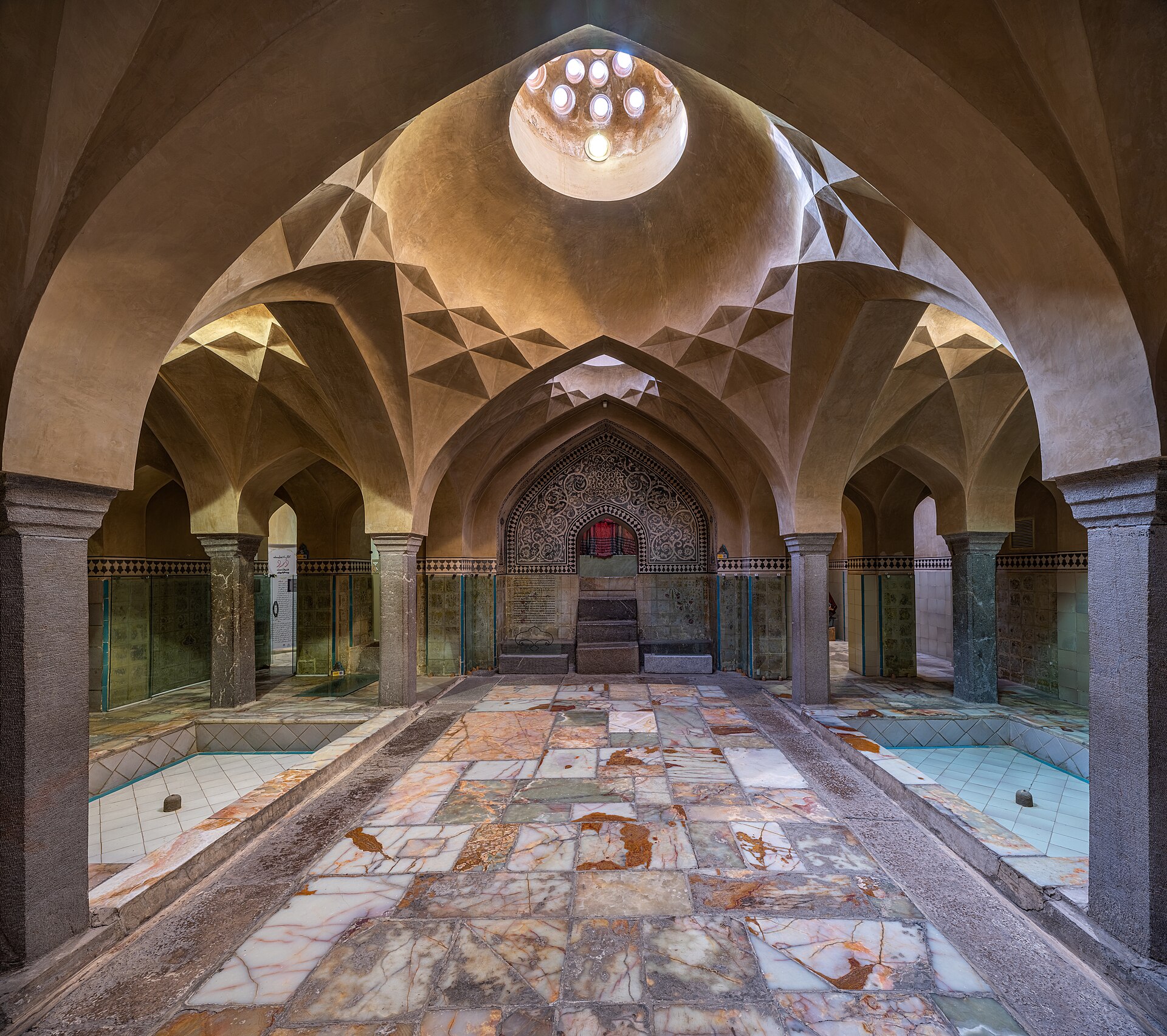
What Happens During a Hammam Session
If you have never been to a hammam, the experience can feel unfamiliar. Knowing the sequence removes the anxiety. A typical session lasts 60 to 120 minutes and follows a centuries-old progression designed to open the pores, strip dead skin, and leave you genuinely cleaner than any shower can manage.
Step 1: Changing and Preparation
You arrive, leave your belongings in a locker, and change into swimwear or a pestemal — a thin cotton wrap provided by the venue. Men wrap it at the waist; women at the chest. In Saudi Arabia, modesty is expected, so keep swimwear or the wrap on at all times in any shared area. Most venues provide towels, slippers, and a disposable kese mitt.
Step 2: The Warm Room
A transitional space where your body adjusts to rising temperatures. Some modern Saudi spas skip this step and move you directly to the steam room, but traditional hammams use it to prevent thermal shock.
Step 3: The Hot Room (Hararet)
The centrepiece of the hammam. You sit or lie on a heated marble slab (the gobek tasi) in a room filled with dense steam, typically at 40–50°C with high humidity. Spend 10–20 minutes here. The heat dilates blood vessels, opens pores, and begins to loosen dead skin cells. In hotel hammams across Riyadh and Jeddah, this room is often finished in Italian marble with recessed lighting — a long way from its medieval stone forebears, but the thermal principle is identical.
Step 4: Exfoliation (Kese Scrub)
An attendant scrubs your entire body with a kese mitt — a coarse-textured exfoliation glove. This is the signature moment. Visible rolls of dead skin come away, which is normal and satisfying. The scrub is firm but should not be painful; if it is, say so. In Moroccan-style hammams (popular in Saudi Arabia), this stage often uses traditional savon noir (black olive oil soap).
Step 5: Soap, Clay, and Foam
After exfoliation, the attendant applies black soap or rhassoul clay — a mineral-rich clay from the Atlas Mountains containing magnesium and silica. Some venues follow this with a foam massage: voluminous soap lather is worked across the body with a cloth pouch. This is deeply relaxing and uniquely pleasant.
Step 6: Rinse and Cool-Down
Warm water is poured over you, followed by progressively cooler water. You move to a rest area, wrap in fresh towels, and drink water or mint tea. The entire process leaves your skin noticeably softer and your muscles genuinely relaxed — not the vague sense of calm you get from a regular massage, but a physical transformation you can feel for days.
Health Benefits
The hammam is not merely indulgent. The combination of sustained heat, exfoliation, and temperature contrast produces measurable physiological effects:
- Skin: Deep pore cleansing, removal of dead cells, improved texture and radiance. Rhassoul clay delivers magnesium and silica directly to the skin. Particularly beneficial for dry, flaky skin, acne, and ingrown hairs.
- Circulation: Heat causes vasodilation, increasing blood flow. Temperature contrast (hot room to cool rinse) stimulates the cardiovascular system.
- Muscle and joint relief: Sustained heat relaxes tight muscles and can ease chronic joint stiffness — valuable after a day of hiking in Saudi Arabia’s highlands or desert trekking.
- Respiratory: Steam inhalation clears nasal passages and sinuses.
- Stress reduction: The ritual pace — slow, sequential, phone-free — forces genuine disconnection in a way that few other experiences can replicate.
- Swimwear or underwear you do not mind getting wet
- A change of underwear for after
- Flip-flops (usually provided, but bring your own if you prefer)
- Your own hair tie if you have long hair
- Nothing else — most venues provide towels, kese mitt, soap, shampoo, and a robe
- October–March (peak season): Ideal for combining a hammam day with outdoor exploration. Temperatures in Riyadh sit at 15–28°C. AlUla is at its most pleasant. Book hammam appointments well in advance during this period — demand is high.
- April–September (off-season): Outdoor temperatures reach 43–50°C in Riyadh. A hammam becomes a sensible way to spend an afternoon in air-conditioned comfort. Hotel rates drop, and luxury spa packages become more accessible.
- Ramadan: Many spas adjust their hours or close during fasting hours. Check with your chosen venue before booking.
- Hajj season: Hotels in Makkah and Madinah are fully committed to pilgrims. Jeddah accommodation may be limited. Hammam availability in these cities is unpredictable during peak pilgrimage weeks. Consider the Hajj 2026 guide for timing.
- After a desert day trip: If you have spent a day at Wadi Disah, the Empty Quarter, or an AlUla excursion, a late-afternoon hammam removes the desert dust and resets your body for evening dining.
- On a rest day: Mid-trip recovery. After three or four days of intensive sightseeing, a hammam day lets your body catch up. Pair it with a luxury hotel stay for maximum effect.
- As a honeymoon centrepiece: Several venues offer couples’ packages (in separate facilities). The Al Faisaliah and Four Seasons Riyadh both market honeymoon hammam rituals.
- Pre-flight wind-down: A hammam on your last full day is a remarkably effective way to end a Saudi trip. You board the plane relaxed, with genuinely better skin than when you arrived.
- Saudi Arabia Travel Guide 2026 — The complete guide to visiting the Kingdom
- Best Spa Resorts in Saudi Arabia — Top wellness retreats and resort spas across the Kingdom
- Best Luxury Spas in Riyadh — Hotel spa reviews and booking tips for the capital
- Jeddah Luxury Spa Guide — Red Sea hotel treatments and wellness experiences
- Most Exclusive Experiences in Saudi Arabia — The finest things money can buy in the Kingdom
- Saudi Arabia Visa Guide — Every visa type explained
Tip: Drink plenty of water before and after your hammam session. The sustained heat causes significant sweating, and dehydration can cause headaches or dizziness. Avoid eating a heavy meal within two hours of your appointment.
Best Hammam Venues in Riyadh
The capital has the densest concentration of luxury hammam options in the Kingdom. Whether you are staying at a five-star Riyadh hotel or visiting for the day, these are the standout venues.
Al Faisaliah Spa by ESPA
Located in the Al Faisaliah Hotel on King Fahd Road, this is Saudi Arabia’s most acclaimed hammam destination. The spa spans four floors and 1,700 square metres, with a dedicated hammam suite offering five distinct treatments: Traditional Hammam, Moroccan Hammam, Rhassoul Hammam, Gold Hammam, and Pearl Hammam. The flagship Royal Hammam Experience (120 minutes, from SAR 2,450) includes steam, full-body kese scrub, mud wrap, scalp massage, foam massage, and aromatherapy — an exhaustive ritual that justifies every riyal. The spa also features a 16-metre pool and uses ESPA’s own product line. Women only; head covering required in communal areas.
Mandarin Oriental Spa, Al Faisaliah
Winner of Saudi Arabia’s Best Hotel Spa 2025 at the World Spa Awards, the Mandarin Oriental spa offers nine treatment rooms including two suites and a dedicated hammam-style suite. The recognition reflects rising international standards in the Kingdom’s wellness sector. Women only.
Sokoun Spa at Hyatt Regency Riyadh Olaya
A strong mid-range option. The Rhassoul Hammam treatment includes black soap cleansing, kese exfoliation, and a body and facial mask, followed by access to the Jacuzzi, ice fountain, and dry and wet saunas. A 45-minute traditional hammam starts from SAR 400. Separate facilities for men and women.
Four Seasons Spa, Kingdom Tower
The Four Seasons in Riyadh’s Kingdom Tower offers Moroccan hammam packages alongside honeymoon and harmony spa rituals. The setting — inside one of Riyadh’s most iconic buildings — adds to the occasion. Separate facilities.
The Ritz-Carlton Riyadh Spa
One of the few venues in Riyadh with a dedicated gentlemen’s spa, featuring three treatment rooms and a hammam-adjacent healing programme. If you are a male traveller looking for a luxury spa experience, this is one of your best options in the capital.
Independent Moroccan Bath Venues
Beyond the luxury hotels, Riyadh has dozens of standalone spas offering Moroccan bath packages from SAR 105–250, bookable through platforms like Fresha and Cobone. These deliver the core hammam experience — steam, black soap, kese scrub — without the marble and mint tea ceremony. A practical option if you want the treatment without the hotel price tag.
Best Hammam Venues in Jeddah
Jeddah’s Red Sea setting and cosmopolitan character make it a natural home for hammam culture. The city’s top luxury spa venues cluster along the Corniche and in the major hotel district.
Park Hyatt Jeddah — Evania and Seba Spas
The Park Hyatt splits its wellness offering into two distinct brands: Evania Ladies’ Spa (indoor and outdoor pools, seven treatment rooms with private terraces, beauty salon) and Seba Gentlemen’s Sports & Wellness Center with a full hammam for men. This is one of the few Saudi venues where male guests can access a genuine hotel hammam. Both are excellent.
Shangri-La Jeddah Spa
A bespoke menu by Natura Bissé with sauna, Jacuzzi, and hammam across separate male and female facilities. The Shangri-La brand is known for understated luxury, and the Jeddah spa delivers accordingly.
Waldorf Astoria Jeddah — Qasr Al Sharq
Holistic massage, bodywork, and energy work alongside a hammam and pool. The Qasr Al Sharq (“Palace of the East”) setting gives this venue an Arabian grandeur that complements the bathing tradition. Separate facilities.
Budget Options in Jeddah
Independent Moroccan bath spas in Jeddah average around SAR 215 for a full session. H Care Spa offers a women’s Moroccan Hammam with facial and body mud masks from SAR 105. These neighbourhood spas are where local residents actually go — less polished than the hotels, but authentic and affordable.
Best Hammam Venues in AlUla and the Red Sea
If you are visiting AlUla for the archaeological sites, the wellness options in the Ashar Valley deserve a full day on your itinerary.
Banyan Tree Spa AlUla
Set among 47 tented villas in the Ashar Valley, the Banyan Tree spa harnesses AlUla’s geothermal energy for a thermal circuit that includes hot springs pools, cold plunge pools, mud therapy, mineral baths, a Finnish sauna, and a full Turkish hammam. This is arguably the most distinctive spa setting in Saudi Arabia — desert sandstone formations rising around an outdoor thermal pool, with the hammam suite carved into the landscape. The combination of geothermal heat and desert silence creates something no urban hotel can replicate.
Thuraya Wellness at Our Habitas AlUla
Named after the star constellation Bedouins used for desert navigation, Thuraya takes a holistic approach: restoration rather than pampering. The desert-integrated wellness experience complements a hammam visit at the Banyan Tree, offering yoga, breathwork, and nature-based treatments. A good option if you prefer a less structured wellness day.
The Chedi Hegra
GHM Hotels opened this 35-room resort at the UNESCO World Heritage Hegra site. The 1,200-square-metre spa occupies a restored mud-brick villa and features saunas, steam rooms, and post-treatment relaxation areas. Treatments use local ingredients — dates, rosemary, moringa — for a distinctly Saudi Arabian spa experience. A natural complement to a day exploring AlUla’s Nabataean archaeology.
AMAALA — Opening 2026
The Red Sea mega-project AMAALA is set to transform Saudi wellness tourism when its first hotels open in 2026. The pipeline includes Six Senses (3,000 sqm spa), Clinique La Prairie (science-led longevity medicine), Jayasom (7,000+ sqm wellness centre integrating Traditional Arab and Islamic Medicine), and Equinox (hyperbaric chambers and a subterranean spa grotto). Jayasom’s integration of TAIM — Traditional Arab and Islamic Medicine — into a luxury resort is a first for the region, drawing on herbal and thermal treatments documented in Arabic medical texts from the 10th century onward. These spa resorts will operate on 100% renewable energy.
What to Expect as a First-Timer
A few practical realities that guidebooks rarely mention:
Gender Segregation Is Absolute
Every hammam and spa in Saudi Arabia operates with strict gender separation. Many luxury hotel spas are women-only (Al Faisaliah Spa by ESPA, Mandarin Oriental Al Faisaliah). Others have physically separate men’s and women’s facilities (Park Hyatt Jeddah, Shangri-La Jeddah, Hyatt Regency Riyadh). A few, like the Ritz-Carlton Riyadh, run a gentlemen’s-only spa. Always confirm arrangements when booking. Couples cannot share a hammam session.
Modesty Standards
Nudity is not acceptable in any shared area. Wear swimwear or the provided wrap at all times. At Al Faisaliah Spa, women must wear a swimming costume and cover their head. Full-coverage swimwear (burkini-style) is widely accepted and common. Photography is prohibited in all wet areas and changing rooms.
Booking and Arrival
Luxury hotel hammams require advance booking — walk-ins are rarely possible. Arrive 15 minutes early to complete any forms and settle in. Keep your phone on silent and stowed. The hammam is a quiet space; keep your voice low.
Tipping
Tipping is appreciated but not mandatory. Check whether a service charge is already included. If not, 10–20% is appropriate for good service, given directly to the attendant in cash.
What to Bring
How Much Does a Hammam Cost in Saudi Arabia?
Prices vary enormously depending on the venue tier. Here is a realistic breakdown:
| Tier | Price Range (SAR) | Price Range (USD) | What You Get |
|---|---|---|---|
| Budget | SAR 105–200 | $28–53 | Basic Moroccan bath at standalone spas: steam, black soap, kese scrub. 45–60 minutes. |
| Mid-range | SAR 200–500 | $53–133 | Hotel spa hammam: full traditional hammam with rhassoul clay, foam massage, relaxation area. 60–90 minutes. |
| Luxury | SAR 500–1,500 | $133–400 | Premium hotel spa: extended hammam with add-ons (aromatherapy massage, facial, body wrap). 90–120 minutes. |
| Ultra-luxury | SAR 1,500–2,500+ | $400–670+ | Royal Hammam experiences at five-star hotels: steam, scrub, mud wrap, scalp massage, foam massage, aromatherapy. 120 minutes. |
Budget tip: Platforms like Fresha and Cobone regularly list discounted Moroccan bath packages in Riyadh and Jeddah. You can find a quality 90-minute session for SAR 150–200 if you book through these aggregators rather than walking in.
When to Go
A hammam is an indoor experience, so it works year-round. That said, the context matters:
The Hammam and Vision 2030
Saudi Arabia’s wellness tourism market reached USD 9.0 billion in 2024 and is projected to hit USD 15.2 billion by 2033, according to IMARC Group. The hammam sits at the intersection of several Vision 2030 priorities: luxury tourism, cultural heritage, and health infrastructure.
The most significant near-term development is AMAALA, the Red Sea giga-project that will bring Six Senses, Clinique La Prairie, Jayasom, Equinox, and Four Seasons to a single coastal destination. Jayasom’s 7,000+ square-metre wellness centre — the first to formally integrate Traditional Arab and Islamic Medicine into a luxury resort — represents a deliberate effort to create a distinctly Saudi wellness identity rather than importing wholesale from Bali or Switzerland.
Meanwhile, smaller developments are filling the mid-market. Bayn, Saudi Arabia’s first women-only beach wellness retreat, opened in 2025 at AlUqair Beach in the Eastern Province, offering two-day mindful restoration programmes. The government cancelled fees for hotel and resort commercial activity licences in September 2024, lowering barriers for new spa ventures. The Mandarin Oriental Al Faisaliah’s recognition as Saudi Arabia’s Best Hotel Spa 2025 signals that the Kingdom’s wellness offerings now compete at international standards.
For travellers, this means the hammam landscape in Saudi Arabia is expanding rapidly. Venues that did not exist two years ago are now open. Properties announced for 2026–2027 will add hundreds more treatment rooms. The best time to experience a Saudi hammam is now — before the giga-projects bring mass-market scale.
Moroccan Hammam vs Turkish Hammam: What Is the Difference?
Both terms appear on Saudi spa menus, and the distinction matters:
| Feature | Moroccan Hammam | Turkish Hammam |
|---|---|---|
| Soap | Black olive oil soap (savon noir/beldi) | Olive oil or laurel soap bar |
| Exfoliation | Kese mitt + rhassoul clay mask | Kese mitt + foam massage (kopuk) |
| Signature element | Rhassoul clay body mask (mineral-rich, silica/magnesium) | Dense foam massage with a cloth pouch |
| Temperature | Slightly lower steam, longer soak | Higher steam, heated marble slab (gobek tasi) |
| Atmosphere | More intimate, often dimly lit | Brighter, marble-clad, architectural grandeur |
In Saudi Arabia, the Moroccan hammam (hammam maghrabi) is the more common format, particularly at standalone spas and mid-range hotels. Luxury hotel spas tend to offer both styles or a hybrid. The Al Faisaliah Spa by ESPA, for instance, lists five distinct hammam variants — you can choose based on whether you prefer the clay-focused Moroccan approach or the foam-centred Turkish tradition.
Combining a Hammam with Your Saudi Itinerary
A hammam works best when scheduled deliberately, not squeezed in:
Practical Information
Getting to Saudi Arabia
Riyadh (RUH), Jeddah (JED), and AlUla (ULH) all receive direct international flights. Citizens of 63 countries can obtain a tourist e-visa online before arrival. The e-visa costs SAR 535 (approximately $142 USD) including insurance and is valid for one year with multiple entries of up to 90 days each.
Getting Around
Within Riyadh and Jeddah, ride-hailing apps (Uber and Careem) are the easiest way to reach hotel spas. AlUla venues typically arrange transfers from AlUla airport or your accommodation. Renting a car is straightforward if you prefer independence — all major international agencies operate in the Kingdom.
Language
Arabic is the official language, but English is widely spoken in luxury hotels and spas. Staff at five-star hotel hammams will communicate treatment options, pressure preferences, and aftercare instructions in English without difficulty.
Health Considerations
Hammams are generally safe for healthy adults, but consult a doctor first if you have cardiovascular conditions, are pregnant, or have skin conditions like eczema or psoriasis that may be aggravated by heat and exfoliation. Stay hydrated. If you feel dizzy during the steam phase, step out to the cool room — there is no obligation to complete the full cycle.