
Jeddah’s historic Al Balad district is where Hejazi cuisine lives and breathes. Within this UNESCO World Heritage Site — a labyrinth of coral-stone buildings and carved wooden rawashin balconies — you will find some of Saudi Arabia’s oldest restaurants, street food vendors who have served the same recipes for generations, and a coffee culture that stretches from brass dallah pots to specialty pour-over bars. Whether you are building a broader Jeddah travel itinerary or making a dedicated culinary pilgrimage, eating your way through Al Balad is one of the most rewarding experiences in the Kingdom. This guide maps every dish, stall, and souk you need to know.
Best Time to Visit: October to April (cooler months); evenings after Maghrib prayer are best for food stalls
Getting There: Uber or Careem to Bab Makkah gate; park at designated lots adjacent to the gate
Visa Required: Yes — tourist e-visa
Budget: SAR 80–120 / day ($21–32 USD) for three meals and snacks
Must-Try: Foul and tamees breakfast, Albasali fried fish, sobia from a traditional bar
Avoid: Visiting only at midday — Al Balad’s food scene comes alive after sunset
Why Al Balad Is the Centre of Hejazi Food Culture
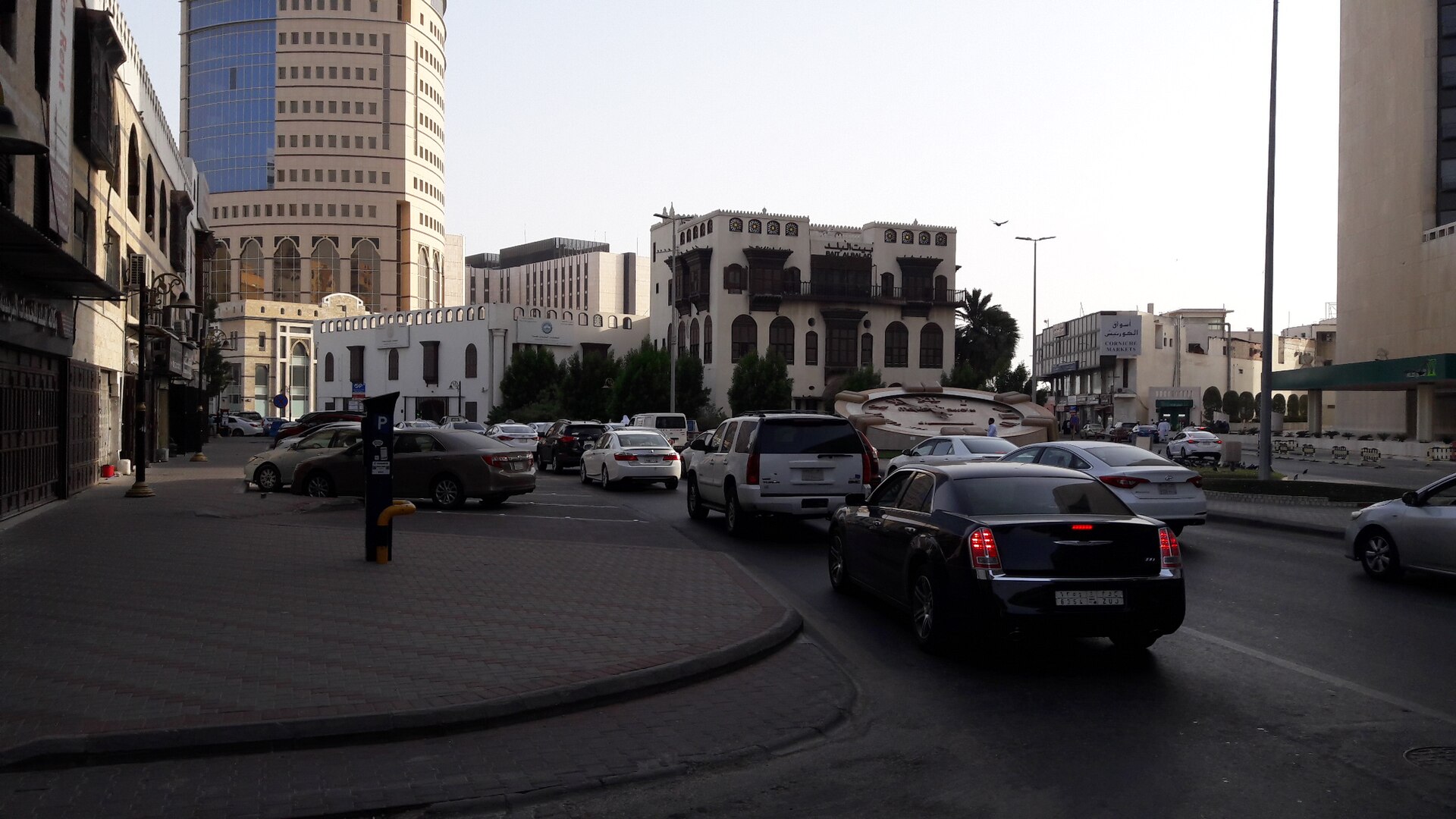
Al Balad — Arabic for “The Town” — was the original city of Jeddah, founded in the 7th century as the primary port for Indian Ocean trade and the gateway for pilgrims heading to Makkah. For centuries, ships brought spices from India, coffee from Yemen, rice from Persia, and cooking techniques from across the Islamic world. That layered heritage is preserved in the food: Hejazi cuisine is the most cosmopolitan regional kitchen in Saudi Arabia, absorbing influences from Central Asia, East Africa, the Levant, and Southeast Asia.
The district was inscribed as a UNESCO World Heritage Site in 2014 under the title “Historic Jeddah, the Gate to Makkah.” The Public Investment Fund’s Al Balad Development Company, announced in October 2023, is restoring historic buildings while preserving the food vendors and souks that have operated here for decades. Three heritage houses have already been converted into boutique hotels, but the street-level food culture remains unchanged — the same bakeries fire up the same ovens before dawn, and the same fish counters stack the morning catch from the Red Sea.
The Essential Hejazi Dishes to Try
Before mapping the restaurants, you need to know what you are eating. Hejazi cuisine is distinct from the Najdi cooking of Riyadh or the Asiri mountain food of Abha. These are the core dishes you will encounter throughout Al Balad.
Saleeg
Creamy, porridge-like short-grain rice slow-cooked in meat broth, milk, and ghee until it reaches a thick, risotto-like consistency. Roasted chicken is placed on top and the dish is served on a large communal platter called a tabasi. It arrives with salata hara — a pounded chilli-tomato condiment — and pickled lemons. Saleeg is the signature Hejazi comfort food, and any restaurant in Al Balad that does not serve it is not a Hejazi restaurant.
Mandi
Lamb or chicken with fragrant basmati rice, cooked in a tandoor — a clay-lined pit with charcoal at the bottom, where the meat is suspended above the coals and the pit is sealed so smoke permeates the flesh. The result is tender, falling-off-the-bone meat with a distinctive smoky flavour. Served with yoghurt, fresh salads, and a sharp tomato-chilli chutney. Mandi is served at virtually every sit-down restaurant in Al Balad, but dedicated mandi houses do it best.
Ruz Bukhari
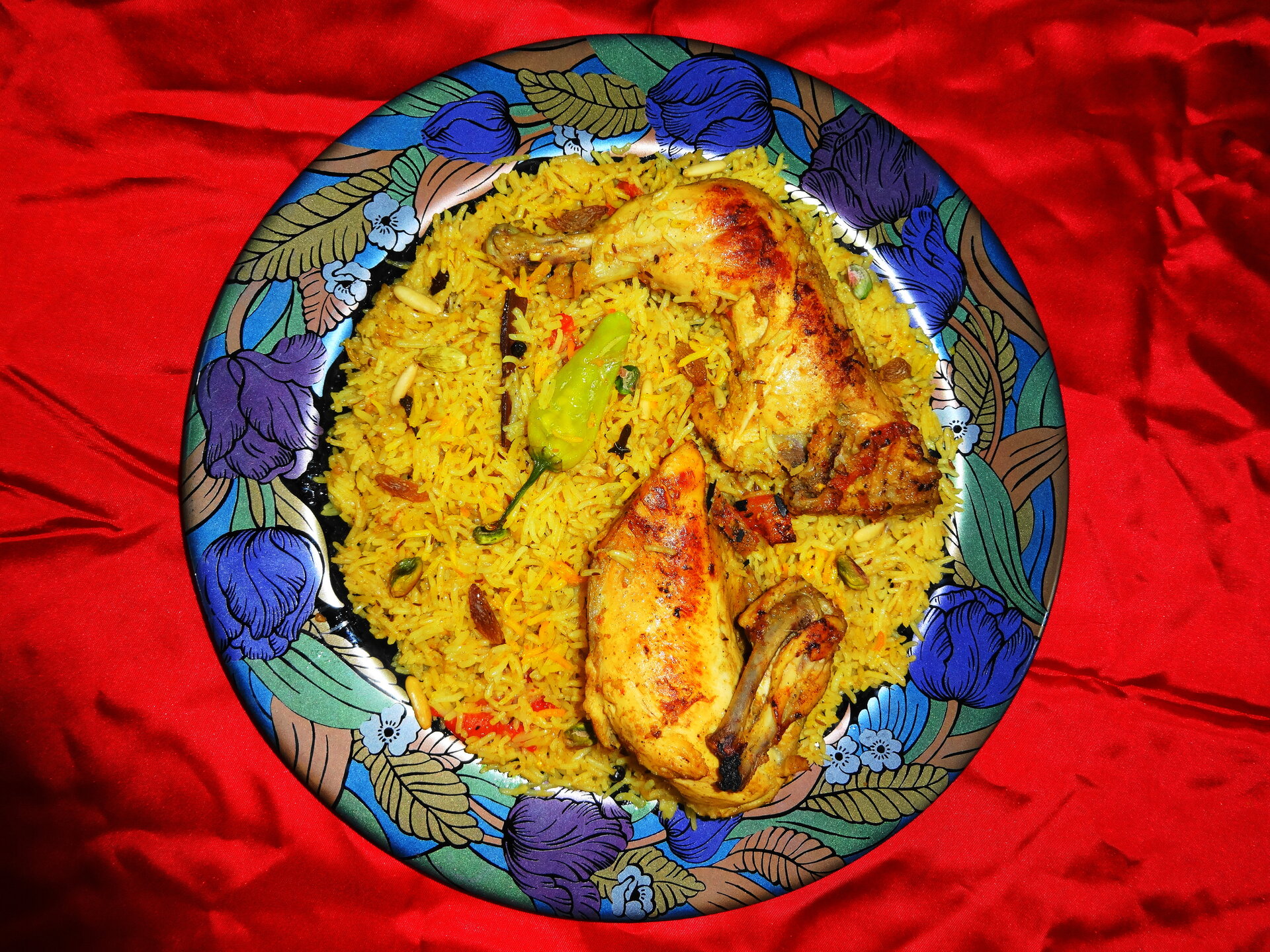
Named after the city of Bukhara on the Silk Road, this dish tells the story of Al Balad’s trade routes in a single plate. Long-grain rice is cooked in aromatic meat broth with cinnamon, cardamom, star anise, fennel seeds, cumin, and black pepper. It is topped with nuts, dried fruits, fried onions, and coriander leaves and served alongside lamb or chicken. The Central Asian influence is unmistakable — evidence of centuries of pilgrim traffic passing through Jeddah’s port.
Kabsa
Saudi Arabia’s national dish appears on every menu. Spiced rice with meat (chicken, lamb, or goat), flavoured with saffron, cinnamon, black lime (loomi), and bay leaves. In Al Balad, a full kabsa platter typically runs SAR 30–50.
Sayadiyah
Jeddah’s Red Sea location makes fresh seafood central to the cuisine. Sayadiyah is spiced fish served on a bed of caramelised onion rice — the Hejazi answer to a coastal fish dish, seasoned with cumin, turmeric, and lime. It is a staple at Al Balad’s seafood restaurants and reflects the port city’s maritime identity.
Where to Eat: The Best Restaurants in Al Balad
These are real, long-standing establishments — not pop-ups. Several have been operating for decades, and most locals will know them by name. For more Jeddah-wide dining recommendations, see the Jeddah Street Food Guide and the fine dining guide.
Albasali Seafood Restaurant (Est. 1949)
The anchor of any Al Balad food tour. Albasali has been serving fried and grilled Red Sea fish from the heart of the historic souq since 1949, making it one of the oldest continuously operating restaurants in Jeddah. The system is simple: take a numbered ticket at the door, select your fish from the counter — grouper (najel), hareed with tamarind, shrimp tagine, calamari with tomato sauce, butterfly prawns — and wait for your number. A full seafood meal runs SAR 60–80. Visit on a weekday or during off-peak afternoon hours to avoid the queues.
Baeshen Mandi
Located in Hawateen Alley, Baeshen serves traditional lamb mandi with proper tandoor-pit smoke. This is a dedicated mandi house — no frills, just rice and meat done right. Expect to pay SAR 40–70 for a full lamb platter.
Foul Fattah (Al Dhahab Street)
The quintessential Al Balad breakfast spot. Foul Fattah serves the morning essentials: slow-cooked fava beans (foul), fluffy tamees bread, sweet masoub (banana bread pudding), and savoury mutabbaq stuffed with meat. A full breakfast with tea costs SAR 12–20. Opens early — arrive by 6 AM for the freshest bread.
Hummus Al Jalal
Generations-old hummus recipe that draws morning queues. This is not hummus as a side dish — it is the main event, served with warm bread and pickles. Budget SAR 15–25 for a full plate.
Al Balad Century-Old Bakery
In the centre of the district, a bakery that has been pulling loaves from a wood-fired oven by hand for generations. The soft, warm khubz (flatbread) and crisp shaboura rusks are baked using traditional methods. Buy a few loaves to eat with foul or take as you walk.
Tamees 09
Serving the iconic tamees bread — wide, flat tandoori bread baked against the inside wall of a clay oven. Each piece is famously 1 SAR. Pair it with foul, lentil soup (adas), or eat plain while it is still hot. This is street food at its purest.
Street Food: What to Eat Standing Up
Al Balad’s street food is where the district’s culinary heritage is most immediate. These are the dishes you eat from paper wrapping, standing in a narrow alley, surrounded by the smell of woodsmoke and spice. For a wider view of Jeddah’s street food beyond the old city, the Jeddah Street Food Guide covers the full scene.
Foul Medames
Slow-cooked fava beans mashed with olive oil, lemon juice, cumin, and chilli. The Hejazi breakfast. Available at dedicated foul shops from 5 AM. A full plate with bread and tea costs SAR 15–25. There is no better way to start a day in Al Balad.
Tamees Bread
Wide, flat, slightly chewy tandoori bread with a speckled surface, baked against the oven wall and peeled off by hand. Still 1 SAR per piece at most bakeries. Eaten with everything, or on its own.
Mutabbaq
Thin dough folded around a filling of minced meat, eggs, onions, tomatoes, and green peppers, seasoned with cumin and coriander, then fried until crispy on a cast-iron pan. Vendors flip them at street corners throughout the souq. SAR 10–15 per piece. The best ones have a shattering crust and a soft, savoury interior.
Sambousak
Fried or baked pastry triangles filled with spiced meat, cheese, or vegetables. A quick, cheap snack sold throughout the souks — perfect for eating between meals as you explore.
Balila
Seasoned chickpeas with garlic and spices, sometimes with vinegar and beetroot. Sold at dedicated stalls where the sellers use closely guarded family recipes. SAR 5–15 depending on size.
Masoub
Mashed overripe bananas with chopped flatbread, topped with honey, cream, sliced almonds, raisins, and mild cheddar cheese. Served as a breakfast dish or dessert. Sweet, rich, and unlike anything in Western cuisine — the combination of banana, bread, and cheese works better than it sounds.
The Souks: Where Spice Meets Street Food
Al Balad’s markets are not just shopping destinations — they are the infrastructure of the food scene. Spice vendors supply the restaurants, juice sellers line the alleys, and snack stalls cluster at intersections. For a comprehensive guide to all of Jeddah’s traditional markets, see the Jeddah Souq Guide.
Souk Al Alawi
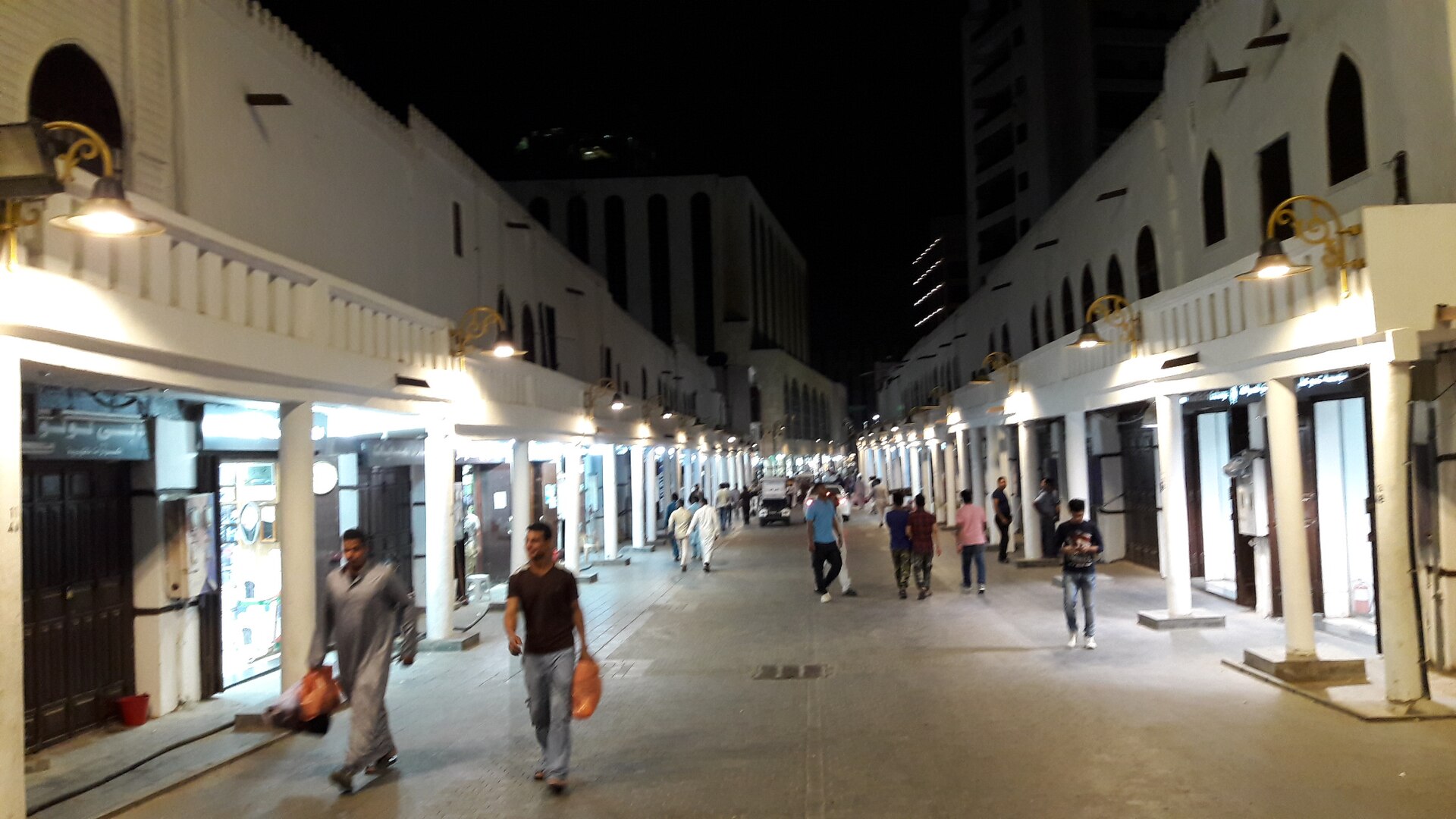
Jeddah’s largest and most extensive traditional market, running off Al Dahab Street through a labyrinth of narrow alleys between coral-stone buildings. For food, look for the Hejazi snack stalls serving tamees with foul, kebabs, falafel, samosas, and sweets. Spice vendors sell whole and ground cardamom, saffron, cumin, and dried limes — essential Hejazi pantry ingredients and excellent gifts. The souk comes alive in the evening under soft lighting. During Ramadan and Eid, it transforms into a night market with extended hours and additional food stalls.
Souk Qabil
One of Jeddah’s oldest markets, compact — under 100 metres long — but densely packed. It specialises in dates, sesame-dusted pastries, and rosewater tea alongside spices, perfumes, and household goods. During Ramadan and Eid evenings, traditional food stalls and entertainment fill the narrow passage. This is where locals buy their finest dates.
Souk Al Nada
A quieter alternative to Al Alawi, with alleys painted in soft pastel tones. Locally-run stalls sell spices, incense, textiles, and regional crafts at more relaxed prices. Fewer tourists, more neighbourhood feel — a good place to browse after a heavy meal.
Al Balad Fish Market
Near the historic district, the central fish market offers fresh Red Sea catches — grouper, snapper, shrimp, squid. Select your fish, then have it cooked at adjacent restaurants for a small cooking fee. The whole experience — selection, cooking, and eating — runs SAR 60–80 total. Best visited in the morning when the catch arrives.
Coffee and Traditional Drinks
No Al Balad food tour is complete without the drinks. Saudi coffee culture is deep, and Al Balad sits at the intersection of the old and the new — traditional qahwa served from a brass dallah pot alongside specialty single-origin pour-overs in restored heritage buildings.
Traditional Qahwa
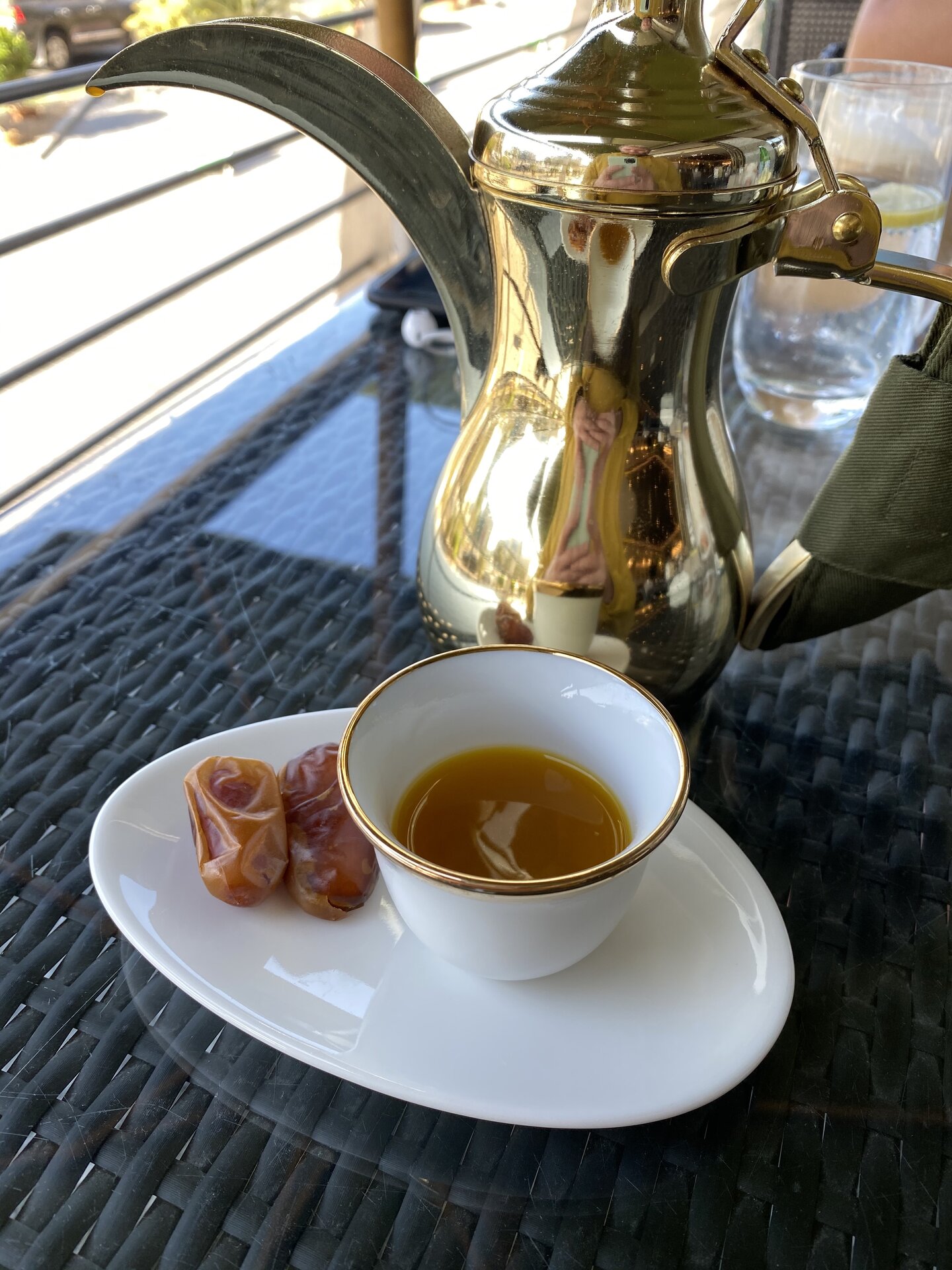
Arabic coffee (qahwa) is light-bodied, infused with cardamom, sometimes with saffron or cloves, and served in small handleless cups (finjan) alongside dates. It is the Saudi gesture of welcome and hospitality. In Al Balad, you will find qahwa at traditional cafes, street vendors, and at the entrance to many shops. Accept it — refusing is considered impolite.
Sobia
A fermented beverage unique to the Hejaz region, made from barley, wheat flour, malt, dry bread, sugar, and spices. The mixture is diluted in water and allowed to ferment naturally, producing a slightly tangy, fizzy drink. It comes in two types: white and red (berry-flavoured). Believed to have arrived in the Hejaz via Egyptian pilgrim caravans centuries ago, sobia is especially popular during Ramadan for its thirst-quenching properties. Sobia Bar, in the centre of Al Balad, is a dedicated sobia cafe with striking traditional decor and homemade ice cream. Sobia Clay is another well-known spot.
Tamarind and Karkade
Juice carts throughout the souqs serve tamr hindi (tamarind juice, sweet-sour) and karkade (hibiscus tea, vibrant red and tangy). Both are served cold and cost SAR 5–10 from street vendors. They are the perfect refreshment between bites of mutabbaq and sambousak.
Specialty Coffee Shops
Darat Al-Qahwa opened in 1970 in the “Queen’s Building” and quickly became a Jeddah landmark, serving Arabic, Turkish, and espresso coffee alongside specialty products. 1/15 Neighbourhood Cafe is a modern specialty roaster right in Al Balad, with pour-overs, signature Arabic blends, and handcrafted beverages. Beit Ziryab Cafe is more than a coffee shop — it is a cultural centre and non-profit hosting poetry readings, musical performances, and cultural talks. Roshan Cafe sits inside a restored heritage building, offering drinks amid original rawashin architecture. Cafe Limon is a hidden gem serving aromatic coffee and traditional sweets.
Guided Food Tours
If you prefer a structured route with local context, several operators run dedicated Al Balad food tours.
88 Destinations (+966 55 444 7070 / [email protected]) runs a food-focused Al Balad walking tour that includes century-old homes converted to galleries and cafes, rawashin architecture, market stalls, and a rooftop cafe with views across the district.
Tour platforms including GetYourGuide and Viator list multiple Al Balad guided tours with food-tasting components — sampling sobia, Arabic coffee with dates, bakery visits, and traditional meals. Tours typically run 3–5 hours and are available as private or group options. Evening tours are strongly recommended — the food scene is far more active after dark.
A Suggested Walking Route
For those who prefer to self-guide, here is a logical food route through Al Balad that follows the geography of the district and the rhythm of a Hejazi eating day.
Morning (6:00–9:00 AM)
- Start at Foul Fattah on Al Dhahab Street for a foul and tamees breakfast with sweet tea
- Walk to the century-old bakery and buy fresh khubz straight from the oven
- Stop at Hummus Al Jalal for a plate of their generational recipe with pickles
- Explore Souk Al Alawi — browse the spice stalls, buy cardamom and saffron
- Pick up a tamarind or karkade juice from one of the cart vendors
- Walk through Souk Qabil for dates and sesame pastries
- Albasali Seafood Restaurant for fried grouper, shrimp tagine, or sayadiyah rice
- Alternatively, Baeshen Mandi in Hawateen Alley for lamb mandi from the tandoor pit
- Coffee at Roshan Cafe (heritage building) or 1/15 Neighbourhood Cafe (specialty pour-over)
- Sobia at Sobia Bar with homemade ice cream
- Return to the souks after Maghrib prayer when the food stalls fully open
- Mutabbaq from a street vendor — watch them flip it on the cast-iron pan
- Balila from a dedicated stall with the family-recipe spice blend
- End with masoub or luqaimat (fried dumplings with date syrup) for dessert
- Jeddah Travel Guide 2026 — The complete guide to Saudi Arabia’s Red Sea gateway
- Jeddah Street Food Guide — Kabsa, mutabbaq, and the full street food scene beyond Al Balad
- Jeddah Souq Guide — Every traditional market worth exploring in Jeddah
- Best Brunch in Jeddah — Friday spreads and weekend dining options
- Saudi Arabia Travel Guide 2026 — The complete guide to visiting the Kingdom
- Saudi Arabia Visa Guide — Every visa type explained
Mid-Morning (9:00–11:00 AM)
Lunch (12:00–2:00 PM)
Afternoon Break (3:00–5:00 PM)
Evening (6:00–9:00 PM)
Practical Information
Getting There
Al Balad is in central Jeddah, approximately 20 minutes by car from King Abdulaziz International Airport. The most convenient transport is Uber or Careem — agree on a fare beforehand if using a non-app taxi. For airport-to-city transport details, see the airport transfer guide. Designated parking lots sit adjacent to Bab Makkah, the historic gate to the district. Once inside Al Balad, everything is on foot — the narrow alleys are not accessible by car.
Best Time to Visit
The cooler months of October to April are ideal. Summer temperatures in Jeddah regularly exceed 40°C. Within any given day, visit in the early morning (6:00–9:00 AM) for the freshest breakfast food, then return after sunset when the souks open fully, temperatures drop, and the district transforms under lantern light. Most visitors rate Al Balad significantly more positively when visiting at night.
During Ramadan
No food or drink may be consumed publicly during daylight hours in Ramadan. However, the district transforms spectacularly after iftar (sunset meal). In Ramadan 2026, fifty stalls opened in the widened Bastat Al-Balad market, serving authentic Hejazi cuisine including balila, kebda, and sobia from 5:00 PM to 3:00 AM daily. The atmosphere — with storytelling zones, mesaharati performances, and lantern-lit alleys — is unforgettable. No entrance fee for market access.
What to Wear
Al Balad is a conservative, historic neighbourhood. Women should wear loose-fitting clothing covering arms and legs — an abaya is recommended and helps you blend in. A headscarf is not mandatory but is appreciated. Men should wear long trousers and shirts covering the shoulders. Avoid shorts.
Budget
| Meal | Price Range (SAR) | Approx. USD |
|---|---|---|
| Foul and tamees breakfast with tea | 12–20 | $3–5 |
| Tamees bread (per piece) | 1 | $0.27 |
| Mutabbaq | 10–15 | $3–4 |
| Balila | 5–15 | $1–4 |
| Kabsa or mandi platter | 30–70 | $8–19 |
| Seafood meal at Albasali | 60–80 | $16–21 |
| Sobia or juice | 5–10 | $1–3 |
| Specialty coffee | 15–30 | $4–8 |
| Daily food budget (3 meals + snacks) | 80–120 | $21–32 |
Visa
All foreign visitors to Saudi Arabia need a visa. The tourist e-visa is available online for citizens of 49 countries, costs approximately $160 (SAR 535) including insurance, and is valid for one year with multiple entries of up to 90 days each.
Nearby Attractions
Al Balad is walkable from several other Jeddah highlights. The Al Balad heritage guide covers the architecture, UNESCO designation, and restoration projects in depth. The Jeddah Corniche is a short ride away for a post-meal seaside walk. For families, the Jeddah with Kids guide maps child-friendly activities across the city.
Tip: Combine an Al Balad food tour with the Al Balad heritage walking tour. The architecture — Nassif House, Al-Shafei Mosque, the carved rawashin facades — is best appreciated slowly, between meals, in the soft light after sunset.