
Eid Al Fitr is the biggest celebration on the Saudi calendar — a joyous eruption of feasting, family gatherings, fireworks, and public festivities that marks the end of Ramadan’s month-long fast. For visitors, it is one of the most rewarding times to experience the Kingdom. Streets fill with lights, shopping malls extend their hours deep into the night, and Saudi families open their doors to guests with a generosity that borders on insistence. Whether you are planning a trip around the holiday or happen to be in the country when it falls, this Saudi Arabia travel guide section will walk you through exactly what to expect — from prayer times and business closures to the best cities for Eid entertainment and the traditional dishes you should not leave without tasting.
Dates (2026): March 20–23 (1 Shawwal 1447 AH) — confirmed by moon sighting
Holiday Duration: 4 days private sector; up to 10 days government sector
Best Cities: Riyadh (Boulevard City, entertainment mega-events), Jeddah (Corniche fireworks, Al Balad heritage district)
Visa Required: Yes — tourist e-visa available online
Budget: USD 80–200/day depending on city and accommodation tier
Must-See: Eid prayer at dawn, Boulevard City fireworks in Riyadh, Al Balad night markets in Jeddah
Avoid: Arriving without hotel bookings — accommodation sells out weeks in advance
What Is Eid Al Fitr?
Eid Al Fitr — literally “the festival of breaking the fast” — is the Islamic holiday that immediately follows Ramadan, the ninth month of the Islamic calendar during which Muslims fast from dawn to sunset. The holiday begins on the first day of Shawwal, the tenth Islamic month, and is confirmed by the official sighting of the new crescent moon. In Saudi Arabia, the Supreme Court announces the moon sighting and the King issues a royal decree confirming the start of Eid.
The holiday is one of only two official religious holidays in Islam (the other being Eid Al Adha, which falls during the Hajj pilgrimage season). For Saudi families, it is a time of reunion — children receive money and gifts, extended families gather at the patriarch’s home, and communities come together for congregational prayers before the festivities begin.
When Does Eid Al Fitr Fall?
Because the Islamic calendar is lunar, Eid Al Fitr shifts approximately 10–12 days earlier each Gregorian year. In 2026, the Saudi Supreme Court confirmed that 1 Shawwal 1447 AH falls on Friday, March 20, after the crescent moon was not sighted on the evening of March 18 (meaning Ramadan lasted the full 30 days). The official private-sector holiday runs from March 18 through March 21, with government employees often receiving up to 10 days off.
Planning tip: The exact date of Eid cannot be confirmed until the moon sighting, typically one or two days before. If you are booking flights and hotels, build in a one-day buffer on either side of the expected date. Follow the Saudi Press Agency (@SPAgov) for the official announcement.
Eid Morning: The Prayer
The day begins with Salat al-Eid — the special congregational Eid prayer, performed shortly after sunrise. In 2026, prayer times were announced as 6:39 a.m. in Makkah, 6:40 a.m. in Madinah, 6:12 a.m. in Riyadh, and 5:58 a.m. in Dammam. The Ministry of Islamic Affairs prepares over 19,000 mosques and open-air prayer grounds (musallas) across the Kingdom specifically for the occasion.
The prayer itself is brief — two rak’ahs followed by a sermon (khutbah) — and typically concludes within 30–45 minutes. After the prayer, the real celebration begins: families embrace, exchange greetings of “Eid Mubarak” (blessed Eid) or “Kull ‘am wa antum bi-khayr” (may every year find you well), and head home for the Eid breakfast feast.
Can visitors attend? Non-Muslim visitors are generally welcome to observe the prayer from a respectful distance at open-air prayer grounds, though entering mosques requires modest dress and removing shoes. The non-Muslim visitor guide covers mosque etiquette in detail. The atmosphere at dawn on Eid morning — thousands of worshippers in white thobes and finest clothes, the call to prayer echoing across the city — is genuinely moving regardless of your faith.
What Saudis Do During Eid: Traditions and Customs
Family Gatherings
The core of Eid is family. After the morning prayer, Saudi families converge on the home of the oldest male relative — the patriarchal household. Children line up before each adult family member, who dispenses cash gifts (known as eidiyah). The amounts vary, but even young children can accumulate several hundred riyals over the course of the day. Adults exchange gifts too, often perfumes, oud, or luxury chocolates.
The gathering centres around an elaborate meal. In Saudi Arabia, this is not a casual brunch — it is a production. The dining spread typically occupies the entire floor of a majlis (sitting room), with dishes covering a cloth that can seat 20 or more.
New Clothes and Personal Grooming
Wearing new clothes on Eid is a deeply rooted tradition. In the days before the holiday, malls and souqs are packed with families shopping for new thobes (for men), abayas and dresses (for women), and outfits for children. Barbershops and salons see their busiest days of the year on the eve of Eid. Homes are cleaned thoroughly, scented with oud and bakhoor (incense), and decorated with lights and festive touches.
Zakat Al Fitr
Before the Eid prayer, every Muslim is obligated to pay Zakat Al Fitr — a charitable donation of food or its monetary equivalent, typically around SAR 25 per person (about USD 7). The purpose is to ensure that even the poorest members of the community can celebrate. Many families also volunteer at food distribution centres or sponsor community meals for labourers and migrant workers during Eid.
What to Eat: The Eid Feast
The Eid table is where Saudi hospitality reaches its peak. Dishes vary by region, but certain staples appear across the Kingdom. If you are invited to an Eid meal — and there is a reasonable chance you will be, as Saudi generosity during Eid is legendary — here is what to expect. For more on Saudi cuisine year-round, see the Saudi Arabia food guide.
Breakfast Dishes
Eid morning begins with lighter dishes before the main feast:
- Debyaza — A thick, sweet compote of dried apricots, figs, raisins, and nuts, traditional to western Saudi Arabia (Hejaz region). Eaten on Eid morning to symbolise the sweetness of breaking the Ramadan fast season.
- Balaleet — Sweet vermicelli noodles flavoured with saffron, cardamom, and rose water, topped with a thin omelette. A beloved breakfast in the Eastern Province.
- Mugalgal — Spiced lamb sautéed with tomatoes and onions, served alongside fresh bread. A hearty, savoury counterpart to the sweets.
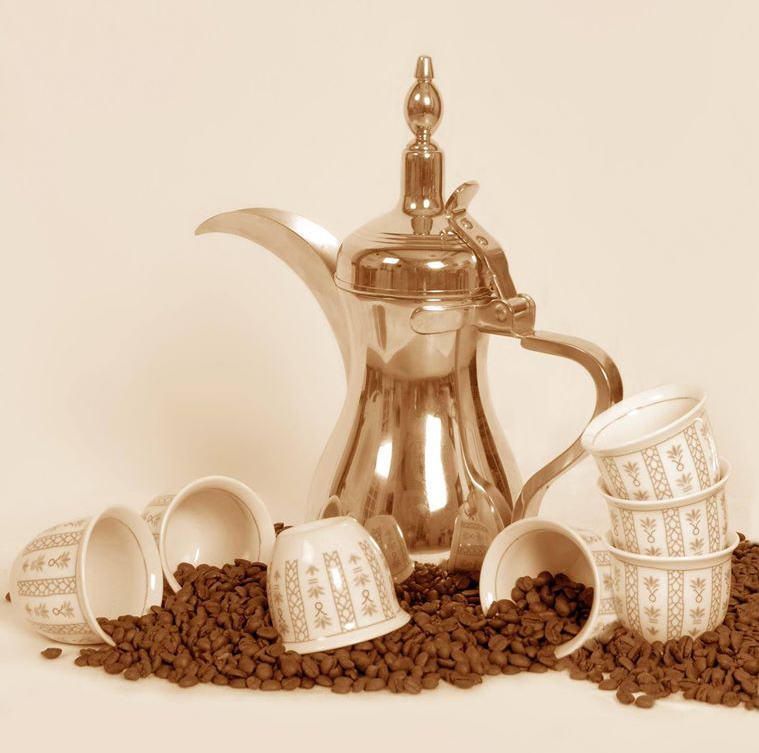
- Dates and Arabic coffee — Always the first offering. The cardamom-spiced gahwa is poured from a traditional dallah (long-spouted brass pot) into tiny handleless cups.
The Main Feast
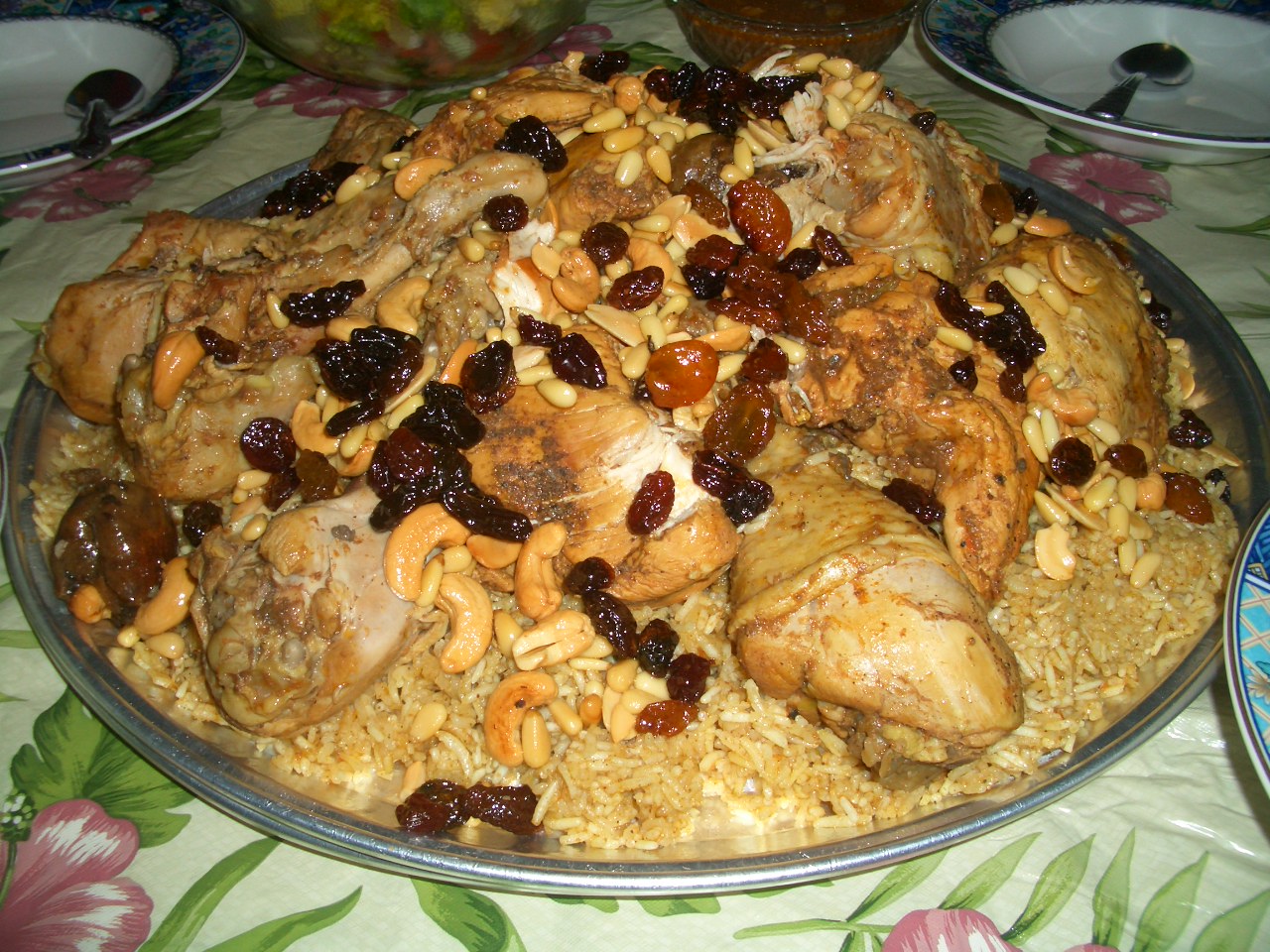
- Kabsa — The undisputed national dish. Long-grain basmati rice cooked in a spiced broth with black lime, cloves, cinnamon, and cardamom, topped with slow-cooked lamb or chicken, fried raisins, and toasted almonds. No Eid table is complete without it.
- Mandi — Similar to kabsa but cooked in an underground oven (tandoor-style), giving the meat a distinctive smoky flavour. The rice absorbs the meat juices during cooking.
- Jareesh — Crushed wheat simmered with meat and yoghurt until it reaches a smooth, porridge-like consistency. One of Saudi Arabia’s oldest traditional dishes.
- Haneeth — Slow-roasted whole lamb, typically prepared in a ground pit, reserved for the most important gatherings — weddings, Eid, and large family occasions.
Sweets and Pastries
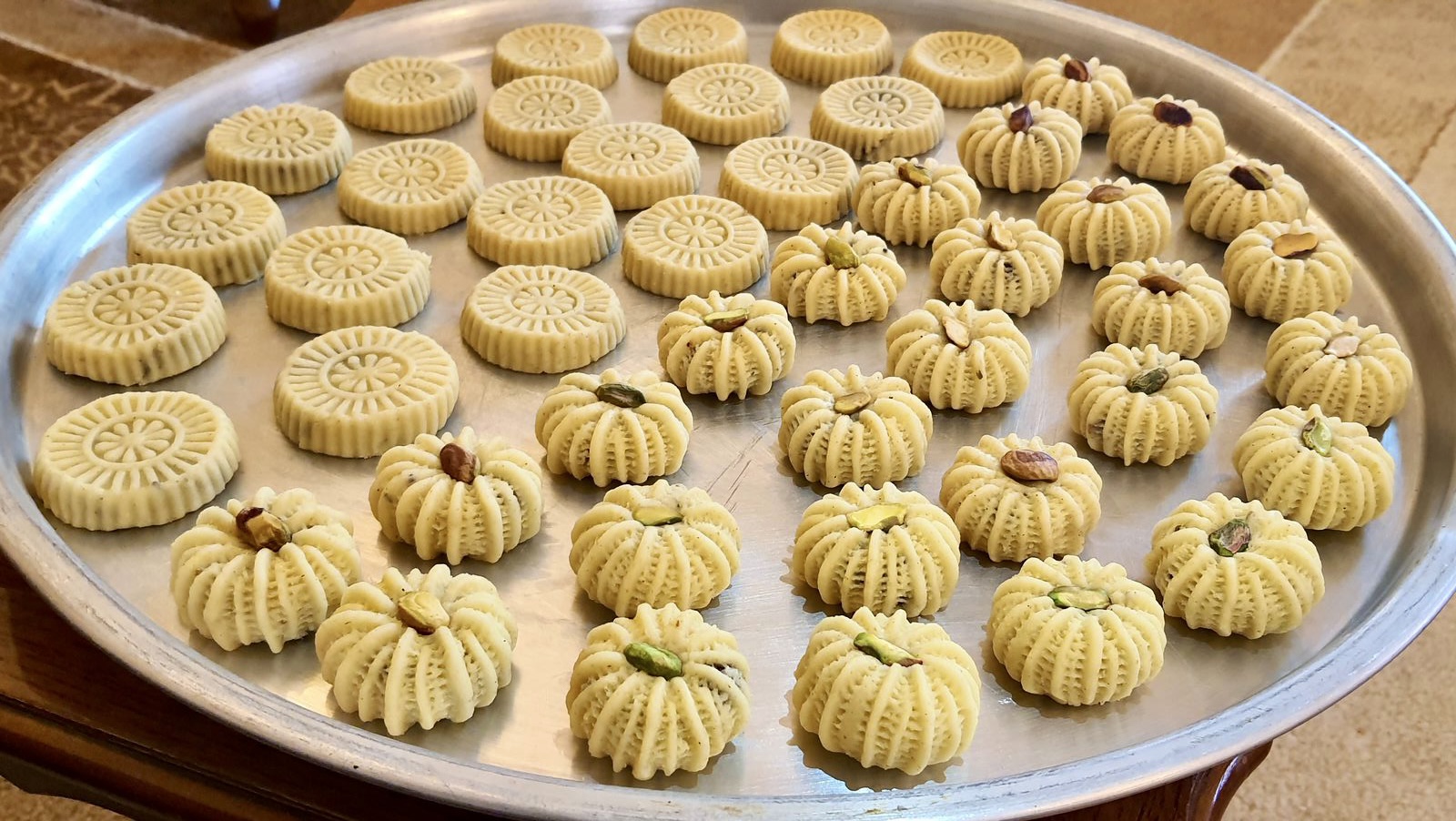
- Maamoul — Butter cookies filled with dates, walnuts, or pistachios, pressed into decorative moulds. The quintessential Eid sweet, often gifted to neighbours and visitors.
- Basbousa — Semolina cake soaked in sweet syrup flavoured with rose water or orange blossom, topped with almonds.
- Luqaimat — Small doughnut balls drizzled with date syrup or honey. Addictively simple.
- Kleicha — Cardamom-scented cookies sometimes flavoured with rose water, filled with dates, coconut, or pistachios.
Where to Celebrate: City-by-City Guide
Riyadh
The capital goes all-out for Eid. Boulevard City — the free-entry entertainment district on Prince Turki al-Awwal Road in Hittin — becomes the Kingdom’s premier Eid destination, with fireworks displays, 20+ concerts, 80+ restaurants, and 14 theatrical performances spread across nine themed sub-zones. During Eid 2026, Boulevard City attracted hundreds of thousands of families across the four-day holiday. The larger Boulevard World complex, part of the Riyadh Season, adds 40 rides, 1,700 stores, and 500+ restaurants representing global cuisines. For a full breakdown of what the capital offers, see the Riyadh travel guide.
Beyond the mega-venues, Riyadh’s parks and public spaces host family-friendly activities. King Abdullah Park and Salam Park run special Eid programming, and the National Museum often extends hours or waives entry fees during the holiday.
Day trip from Riyadh: The Edge of the World (Tuwaiq Escarpment), 90 minutes northwest of the city, is spectacular during the slightly cooler late-March weather. Pack a picnic and watch the sun set over the Nafud desert from 300-metre cliffs.
Jeddah
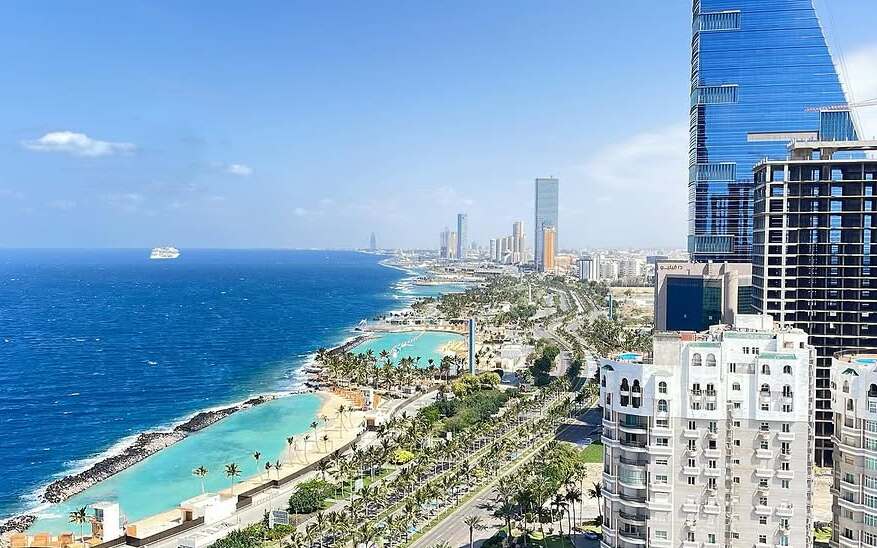
Jeddah celebrates Eid with a coastal flair. The Jeddah Corniche — the 30-kilometre waterfront promenade — hosts large-scale fireworks displays over the Red Sea, visible from kilometres along the coast. Street food stalls, carnival rides, and live entertainment pop up along the promenade and surrounding parks.
The real gem is Al Balad, Jeddah’s UNESCO-listed historic district. During Eid, the ancient coral-stone alleys and squares transform into vibrant festival spaces. Rawasheen (intricately carved wooden balconies, some five centuries old) are illuminated with coloured lights, souq vendors sell traditional sweets and crafts, and traditional music fills the narrow streets. The blend of heritage architecture and contemporary celebration is unique to Jeddah and worth a special trip.
Other Cities
- Dammam and Al Khobar — The Eastern Province celebrates with waterfront events along the Dammam Corniche and family gatherings in Half Moon Bay.
- AlUla — The ancient Nabataean city offers a quieter, more atmospheric Eid. The AlUla travel guide covers the site’s heritage activities, which sometimes include special Eid programming at the Maraya concert hall.
- Abha — In the Asir highlands, Eid brings cooler weather and mountain festivals. The flower-crowned men of the Qahtani tribe add a cultural dimension found nowhere else in the Kingdom.
Practical Information for Visitors
Business Hours and Closures
Eid Al Fitr effectively shuts down Saudi Arabia’s public and private sectors for the duration of the holiday. Expect the following:
| Service | Status During Eid |
|---|---|
| Government offices | Closed (up to 10 days) |
| Banks | Closed throughout Eid |
| Shopping malls | Open with extended evening hours (often until 1–2 a.m.) |
| Small shops and souqs | Closed first 1–2 days, then gradually reopen |
| Restaurants | Many open, especially in hotels and entertainment zones |
| Supermarkets | Most open with reduced hours |
| Pharmacies | Rotation system — at least one per district open |
| Public transport | Operating (Riyadh Metro, SAPTCO buses) with holiday schedules |
| Ride-hailing (Uber/Careem) | Fully operational, but expect surge pricing |
Key tip: ATMs can run out of cash during Eid as families withdraw large amounts for eidiyah (cash gifts). Carry some cash in advance, or use Apple Pay and card payments, which are widely accepted.
Accommodation and Booking
Hotel prices spike 30–60% during Eid, and popular properties in Riyadh and Jeddah sell out weeks in advance. Book as early as possible — ideally 4–6 weeks before the expected date. Domestic flights within Saudi Arabia are also heavily booked, as Saudi families travel to reunite. If your dates are flexible, arriving a day or two before Eid and departing mid-holiday can help you avoid the worst of the travel crush. The Saudi Arabia hotels guide covers accommodation options across the Kingdom.
What to Wear
Eid is a dressy occasion. Saudis wear their finest — freshly pressed white thobes for men, elegant abayas and dresses for women. As a visitor, you should also dress well. Smart casual is the minimum; business casual is better. Modest dress is always required in Saudi Arabia — shoulders and knees covered for both genders — but during Eid, making an effort with your appearance shows respect for the occasion. The Saudi Arabia dress code guide has specific recommendations by situation.
Visa and Entry
Saudi Arabia’s tourist e-visa is available to citizens of 63 countries and can be obtained online in minutes. It is valid for one year with multiple entries and allows stays of up to 90 days. There are no special visa requirements for visiting during Eid, though processing times may be slightly longer in the days immediately before the holiday due to volume.
Getting Around
Traffic in Riyadh and Jeddah can be significantly heavier during Eid evenings, as families head to entertainment zones, malls, and visiting relatives. The Riyadh Metro (opened 2024) helps — lines 1, 2, and 3 connect many key entertainment districts. In Jeddah, ride-hailing is the most practical option for visitors, though expect surge pricing on Eid evenings. If you plan to drive, be aware that parking near Boulevard City and the Jeddah Corniche fills up fast; arrive early or use public transport.
Cultural Etiquette for Visitors
Eid is a time when Saudi hospitality is at its most generous, and visitors can make the most of it by observing a few cultural norms:
- Accept invitations graciously. If a Saudi colleague or acquaintance invites you to their home for Eid, accept. It is a genuine honour. Bring a gift — high-quality chocolates, dates, or a box of sweets are ideal. Avoid alcohol (prohibited in Saudi Arabia) and anything with pork or gelatin.
- Use your right hand. When eating, giving, or receiving anything — including eidiyah or gifts — use your right hand. This is a deep cultural and religious norm.
- Greet with “Eid Mubarak.” The standard greeting translates to “blessed Eid.” You can also say “Kull ‘am wa antum bi-khayr” (may every year find you well). Saudis will be delighted that you know the phrase.
- Remove shoes when entering homes. Look for the pile of shoes at the door and follow suit.
- Accept coffee and dates. When Arabic coffee is offered, accept at least one cup. Shake the cup gently side to side when you have had enough — setting it down without shaking signals you would like a refill.
- Ask before photographing people. This applies year-round in Saudi Arabia, but is especially important during Eid family gatherings. Never photograph women or children without explicit permission.
- Dress modestly. Even if you are not attending a religious event, Eid is a religious holiday. Conservative dress shows respect. See the packing list for what to bring.
Eid Al Fitr vs Eid Al Adha: What Is the Difference?
Saudi Arabia celebrates two Eids each year, and visitors sometimes confuse them:
| Eid Al Fitr | Eid Al Adha | |
|---|---|---|
| Meaning | Festival of Breaking the Fast | Festival of Sacrifice |
| Timing | End of Ramadan (1 Shawwal) | 10th Dhul Hijjah (during Hajj) |
| 2026 dates | March 20–23 | May 27–30 (expected) |
| Duration | 3–4 days | 4–5 days |
| Character | Joyful, celebratory, sweets-focused | Solemn, sacrificial, meat-focused |
| Key tradition | Eidiyah (cash gifts), family feasts | Animal sacrifice (udhiyah), Hajj pilgrimage |
| Best for tourists? | Yes — more public entertainment | Yes, but more religious in tone |
Both holidays offer excellent visitor experiences, but Eid Al Fitr tends to have more public entertainment programming and a lighter, more festive atmosphere. For Eid Al Adha details, see the Hajj 2026 guide, as the two are closely linked.
Eid Shopping: What to Buy
Eid is peak shopping season in Saudi Arabia. Malls offer deep discounts (often 25–70% off) in the days before and during the holiday, and souqs are stocked with seasonal specialities:
- Oud and bakhoor — Saudi Arabia is the world’s largest consumer of oud (agarwood), and Eid is when the finest grades come out. Specialist shops in Riyadh’s Souq Al Zal and Jeddah’s Al Balad sell everything from bakhoor chips (SAR 50+) to premium oud oil (SAR 500–5,000+ per tola).
- Maamoul and sweets — Bakeries and confectioners across every city produce special Eid editions. They make excellent gifts to bring home.
- Perfumes — Arabic perfumes (attar) are a traditional Eid gift. Look for Saudi-specific blends that combine oud, musk, amber, and rose.
- Children’s toys and clothes — Eid is Christmas-level for Saudi children. Toy shops and children’s clothing stores are packed and festive.
Safety and Common Sense
Saudi Arabia is one of the safest countries in the world for tourists, and Eid does not change that. Petty crime is extremely rare, and large public gatherings are heavily policed. A few practical notes:
- Crowds: Boulevard City and the Jeddah Corniche draw enormous crowds on Eid evenings. Keep valuables secure, agree on a meeting point with your group, and have a charged phone.
- Heat: Late March in Saudi Arabia can still be warm — 30–35°C in Riyadh, slightly higher on the Jeddah coast. Stay hydrated, especially if you are walking outdoors during daytime.
- Fireworks: Public fireworks displays are professionally managed. Avoid any unlicensed fireworks being set off in residential areas.
- Driving: Saudi drivers tend to be more unpredictable during holiday nights, especially late at night near entertainment zones. Extra caution if driving.
Planning Your Trip Around Eid Al Fitr
If you are specifically timing a Saudi Arabia trip to coincide with Eid, here is a suggested approach:
- Arrive 1–2 days before Eid. This lets you experience the pre-Eid shopping rush and the final days of Ramadan (iftar meals after sunset are a wonderful cultural experience in their own right).
- Stay through at least the second day of Eid. The first day is the most family-oriented (and may feel quiet during the morning). By the afternoon and evening of Day 1, public entertainment kicks in. Day 2 is often the biggest day for public celebrations.
- Combine with other destinations. Eid is a long holiday — use the extra days to visit AlUla, Abha, or the Red Sea coast at Yanbu. Domestic flights are busy but bookable with advance planning.
- Check the Saudi Arabia events calendar 2026 for any special Eid season programming announced by the General Entertainment Authority.
Explore More Saudi Arabia Travel Guides
- Saudi Arabia Travel Guide 2026 — The complete guide to visiting the Kingdom
- Saudi Arabia Events Calendar 2026 — Month-by-month guide to festivals, concerts, and sporting events
- Saudi Arabia Food Guide — Traditional dishes, restaurants, and dining tips across the Kingdom
- Non-Muslim Travel in Saudi Arabia — What’s allowed, what to expect, and how to navigate cultural differences
- Saudi Arabia Dress Code — What to wear as a tourist in every situation
- Saudi Arabia Visa Guide — Every visa type explained