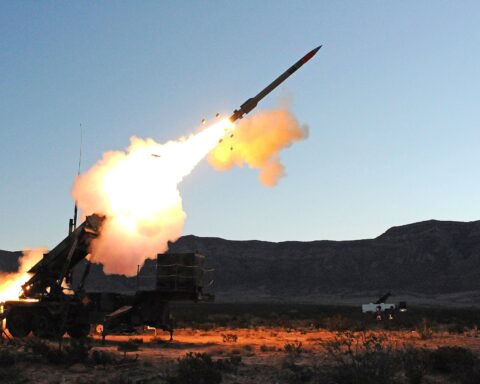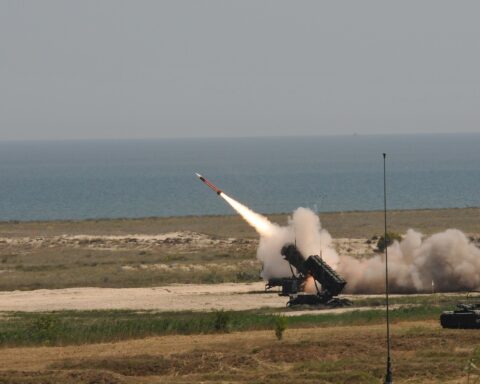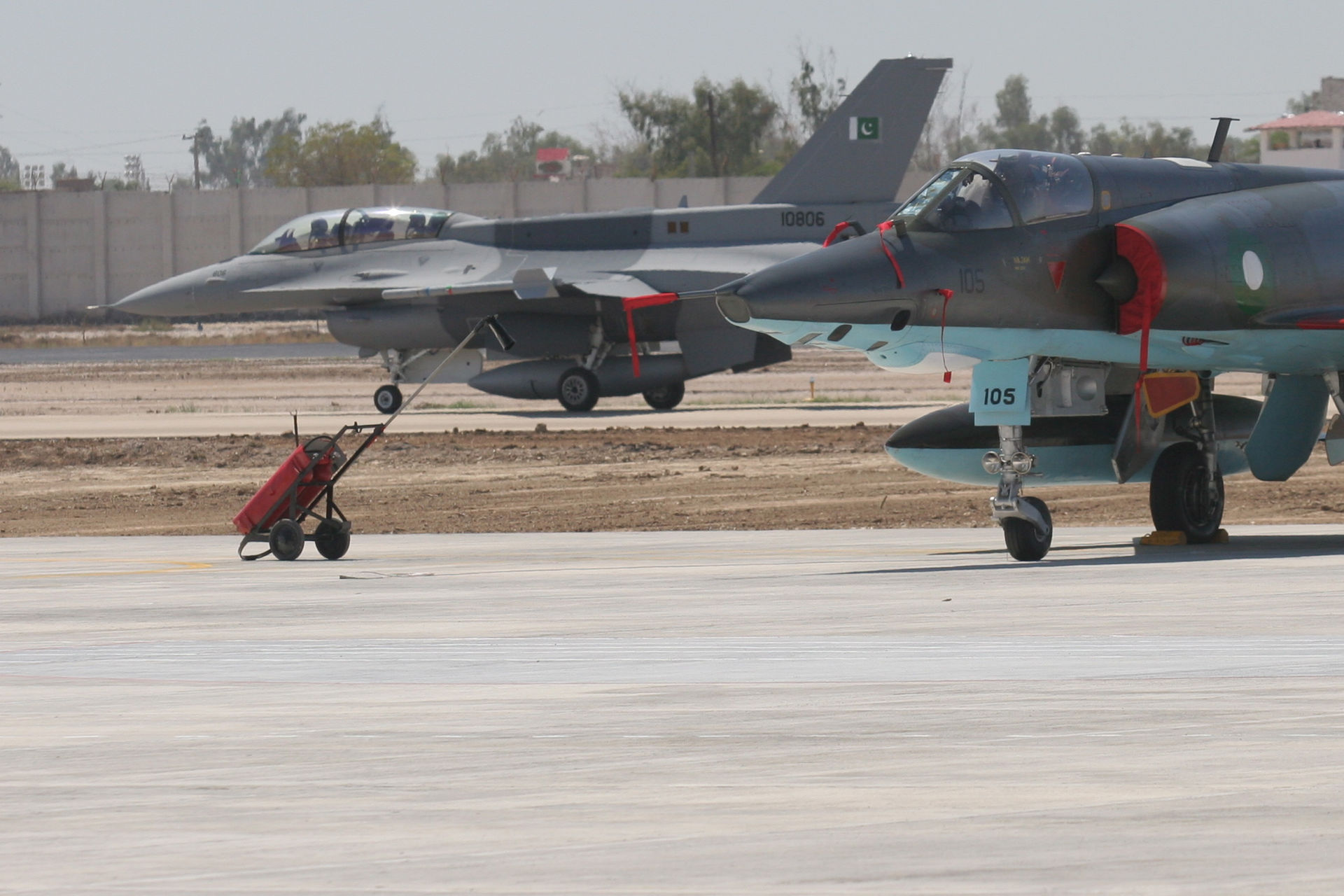

DHAHRAN — Pakistan deployed approximately 13,000 ground troops and at least ten fighter jets to King Abdulaziz Air Base in Saudi Arabia’s Eastern Province on April 11, the same day its ceasefire brokerage between Washington and Tehran collapsed in Islamabad — making Pakistan simultaneously Saudi Arabia’s largest military reinforcement since 1991 and the failed neutral interlocutor that Iran had trusted enough to sit across from.
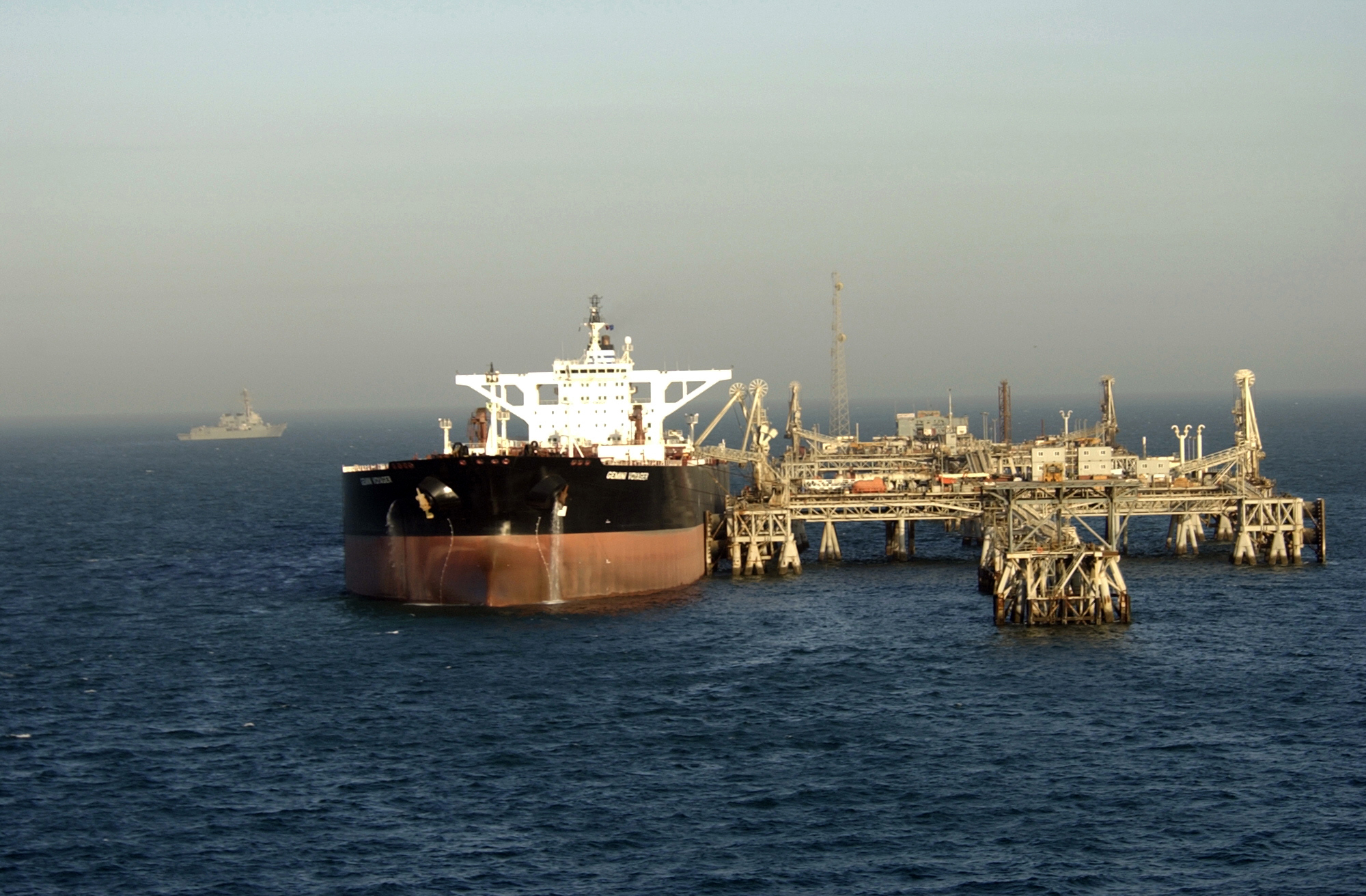
The deployment, confirmed by the Saudi Ministry of Defense via the Saudi Press Agency, represents the first formal invocation of the Saudi-Pakistan Mutual Defense Agreement signed on September 17, 2025. The base where Pakistani troops now sleep sits seven kilometres from Aramco’s headquarters, forty kilometres from the Ras Tanura oil terminal that Iran struck on March 2, and sixty kilometres from the Abqaiq processing facility — all of which have been inside Iran’s demonstrated missile strike envelope for weeks. The question that no government in Riyadh, Islamabad, or Tehran has publicly addressed is what happens when the next Iranian missile barrage lands inside that envelope and Pakistani soldiers are in it.
Table of Contents
The Largest Pakistani Deployment in 35 Years
The roughly 13,000 troops and 10-18 Pakistan Air Force fighter jets that arrived at King Abdulaziz Air Base on April 11 constitute the largest Pakistani military deployment to Saudi Arabia since the 1991 Gulf War, when Pakistan sent a comparable force alongside 6,000 military advisers — with 4,900 to 5,500 troops actively participating in coalition operations against Iraqi forces. The Saudi Defense Ministry announcement carried the weight; Pakistan’s Inter-Services Public Relations directorate, which normally publicises military deployments with choreographed detail, has not issued a separate statement.
Pakistan Today reported that the Pakistani side characterised the deployment as a “continuation of previous defence agreements,” framing it as routine rather than escalatory — a description that requires ignoring the fact that no previous defence agreement has put Pakistani ground forces inside an active Iranian missile strike zone during a live war. King Abdulaziz Air Base is not a symbolic posting. It sits 40 kilometres from the Ras Tanura terminal, which Iran hit on March 2; 60 kilometres from Abqaiq; and 75 kilometres from the Jubail industrial complex, where a SABIC fire was caused by intercepted missile debris on April 7.
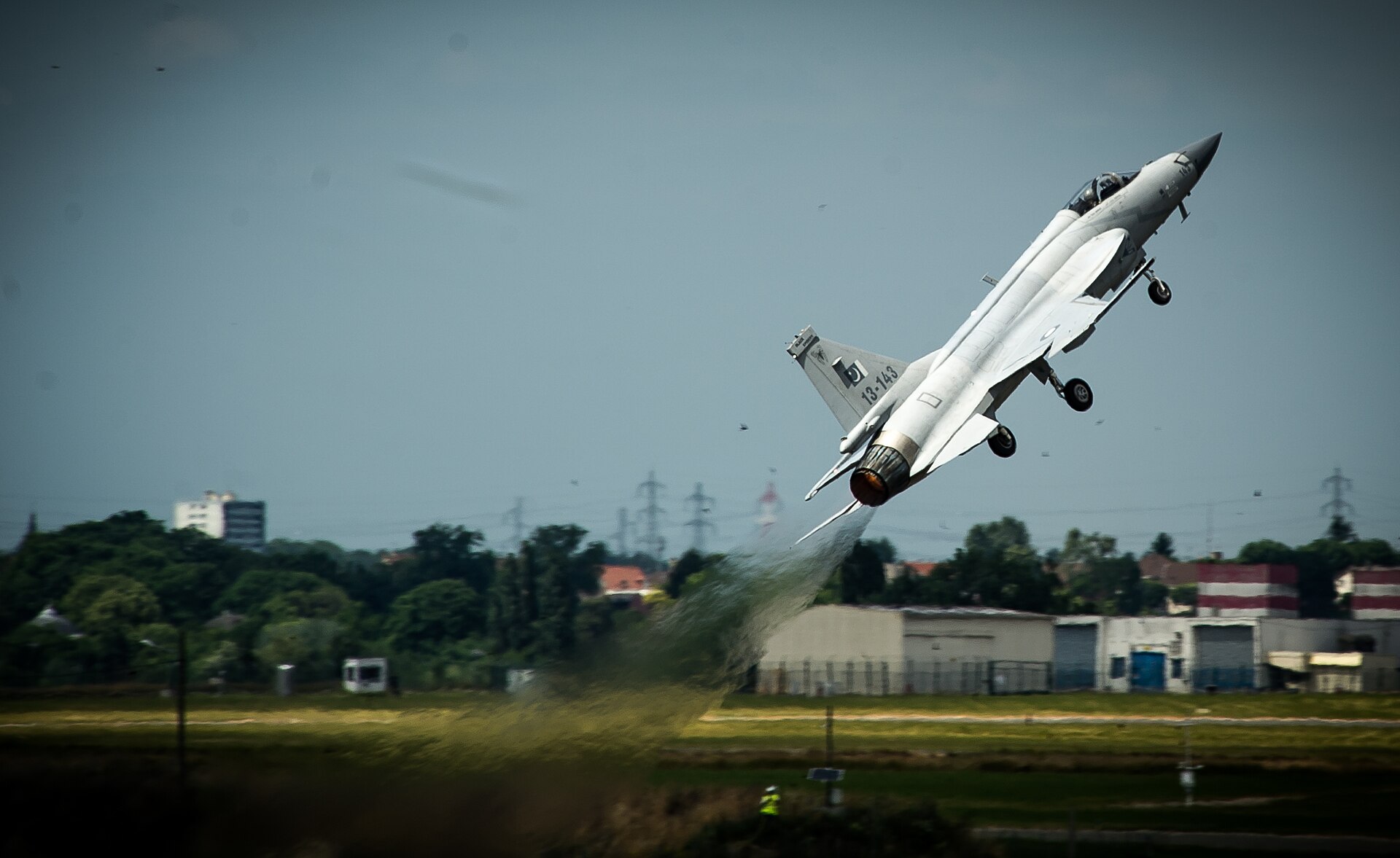
Imtiaz Gul, an Islamabad-based security analyst, told Al Jazeera on April 11 that “three jets won’t make much of a difference militarily” and called the deployment “messaging rather than military escalation.” The framing misses the point that messaging and military escalation are not mutually exclusive when the message is delivered by placing your soldiers inside an adversary’s proven strike radius — and when a bilateral defence pact says any attack on them triggers a collective response.
Two Roles, One Calendar Day
The deployment’s timing was either spectacularly poor planning or precisely calibrated provocation — there is no neutral reading. On April 11, as Pakistani troops were arriving at King Abdulaziz Air Base, US Vice President JD Vance was still in Islamabad conducting ceasefire talks that Pakistan had brokered, with Iranian and American delegations in proximity for the first time since 1979. Vance departed on April 12 without a deal after 21 hours of negotiations, delivering what US officials described as a “final and best offer” on nuclear non-proliferation that Iran rejected.
The Middle East briefing 3,000+ readers start their day with.
One email. Every weekday morning. Free.
The same day the troops landed, Saudi Finance Minister Mohammed al-Jadaan visited Islamabad — a visual that connected the financial relationship directly to the military activation, whether or not the scheduling was intentional. Al-Jadaan confirmed $5 billion in Saudi-Qatari financial support for Pakistan to be disbursed before June 2026, covering $4.8 billion in external obligations that Pakistan cannot meet on its own. The deployment announcement, the finance minister’s visit, and the collapsing ceasefire talks all occupied the same 24-hour window. An April 12 analysis argues the sequencing was not coincidental: Saudi Arabia and Qatar paid $5 billion for Pakistan’s military deployment, not its mediation.
Michael Kugelman, the South Asia senior fellow at the Atlantic Council, called the deployment “a bit of a risky gambit” in comments to Al Jazeera, arguing that Pakistan was signalling that if Iran refused concessions and conflict resumed, the SMDA could be formally invoked. But Kugelman had also praised Pakistan’s brokerage role just days earlier, telling RFE/RL on April 8 that Islamabad had “achieved one of its biggest diplomatic wins in years” and “defied many skeptics and naysayers that didn’t think it had the capacity to pull off such a complex, high-stakes feat.” The distance between those two assessments — diplomatic triumph on April 8, risky gambit on April 11 — captures how quickly Pakistan’s position shifted from mediator to co-belligerent-in-waiting.
Does the SMDA Have a Tripwire in the Eastern Province?
The Strategic Mutual Defense Agreement signed by Crown Prince Mohammed bin Salman and Prime Minister Shehbaz Sharif on September 17, 2025 contains language that mirrors NATO’s Article 5: “any aggression against either country shall be considered an aggression against both.” But the comparison to NATO ends there, because the SMDA does not mandate automatic military intervention — CSIS analysts have described the response scope as “broad and undefined,” and the agreement “lacks the necessary provisions for nuclear deterrence and regional political consensus to evolve into a joint defense framework.”
What the SMDA does have, as of April 11, is approximately 13,000 physical tripwires stationed inside the most attacked piece of geography in the current war. The Eastern Province absorbed seven ballistic missiles on April 7 alone, the Ras Tanura strike on March 2, and the Jubail industrial complex fire from interceptor debris — part of the 894 total projectiles Saudi air defenses have intercepted since March 3. If any of those strikes had hit King Abdulaziz Air Base — or if the next one does — the question of whether the SMDA’s collective defence language is legally binding or merely aspirational stops being academic and becomes a question that Pakistani and Iranian generals have to answer in real time.
“Any aggression against either country shall be considered an aggression against both.”
— Saudi-Pakistan Mutual Defense Agreement, September 17, 2025
The nuclear dimension makes the ambiguity worse. Pakistani Defence Minister Khawaja Asif initially stated that Pakistan’s nuclear capabilities “will absolutely be available” under the pact, before walking the comment back and clarifying that nuclear weapons “were not on the radar.” The correction did not erase the original statement from the record, and it left unanswered whether “not on the radar” means not under discussion, not yet agreed, or not being considered at all. The SMDA was signed eight days after Israel’s assassination of Hamas leadership in Doha on September 9, 2025 — an event that damaged American security credibility across the Gulf and created the political space for Saudi Arabia to seek an alternative defence guarantor.
What Has Iran Said About Pakistani Troops on Saudi Soil?
As of April 12, nothing — and the silence is doing more diplomatic work than any statement could. No Iranian government spokesperson, no IRGC-affiliated media outlet, and no Foreign Ministry readout has directly addressed the deployment of approximately 13,000 Pakistani troops to the Eastern Province. Iran’s Tasnim News Agency, which functions as an IRGC information channel, blamed “US demands” for the collapse of the Islamabad talks without mentioning Pakistan’s simultaneous military activation in Saudi Arabia.
More telling than the silence is what Iran did say. Tehran confirmed that Foreign Minister Abbas Araghchi spoke by phone with Pakistani Army Chief Field Marshal Asim Munir after the deployment was announced — a conversation about Israeli “ceasefire violations in Lebanon,” according to Iran’s readout. The call’s existence confirms that Iran is still treating Pakistan as an interlocutor even with Pakistani troops now positioned inside Saudi oil infrastructure’s defensive perimeter, which either reflects genuine diplomatic flexibility or the calculation that acknowledging the deployment publicly would force Iran to react to it militarily.
The backstory makes the silence more loaded. Pakistani Foreign Minister Ishaq Dar warned Iranian leaders in early March that Islamabad was bound by SMDA obligations to Riyadh and secured Iranian assurances that Saudi territory would not be used for attacks on Iran. That assurance gave the ceasefire talks political cover to proceed. But Dar’s warning addressed one direction of the dependency — Saudi soil not being used to strike Iran — without publicly addressing the reverse: whether Iranian strikes on Saudi soil that kill Pakistani soldiers would transform the SMDA from a bilateral defence pact into an active war trigger. Ayesha Siddiqa, a military analyst at King’s College London, told RFE/RL on April 8 that Pakistan “played it very wisely by bolstering its diplomatic image while also avoiding a war with its closest neighbour, Iran,” adding that “it is easier to join a war, but it is very difficult to get out of it.”
The Financial Architecture Behind the Boots
The $5 billion Saudi-Qatari financial support package confirmed by al-Jadaan on April 11 is not aid — it is the structural underwriting of Pakistan’s external debt obligations through June 2026, covering $4.8 billion in payments that Pakistan’s foreign reserves cannot absorb. The Saudi loans carry a 4% annual interest rate, which is favourable relative to Pakistan’s commercial borrowing costs but still creates a debt-service obligation that ties Islamabad’s fiscal survival to Riyadh’s continued willingness to extend terms. Pakistan’s economy depends on 2.5 million Pakistani workers in Saudi Arabia whose remittances form a pillar of the country’s current account, creating a third dependency layer alongside the SMDA and the financial backstop.
Ishtiaq Ahmad, a professor at Quaid-i-Azam University in Islamabad, rejected the characterisation of Pakistan as a mere “messenger” in the ceasefire process, telling the Jakarta Post that “a messenger transmits, but Pakistan shaped the sequencing, timing and framing of proposals.” The distinction matters because it positions Pakistan as an architect of the diplomatic process rather than a conduit — but architects who deploy troops to one side’s territory during active hostilities typically lose their claim to neutrality faster than the ink dries on the ceasefire they brokered.
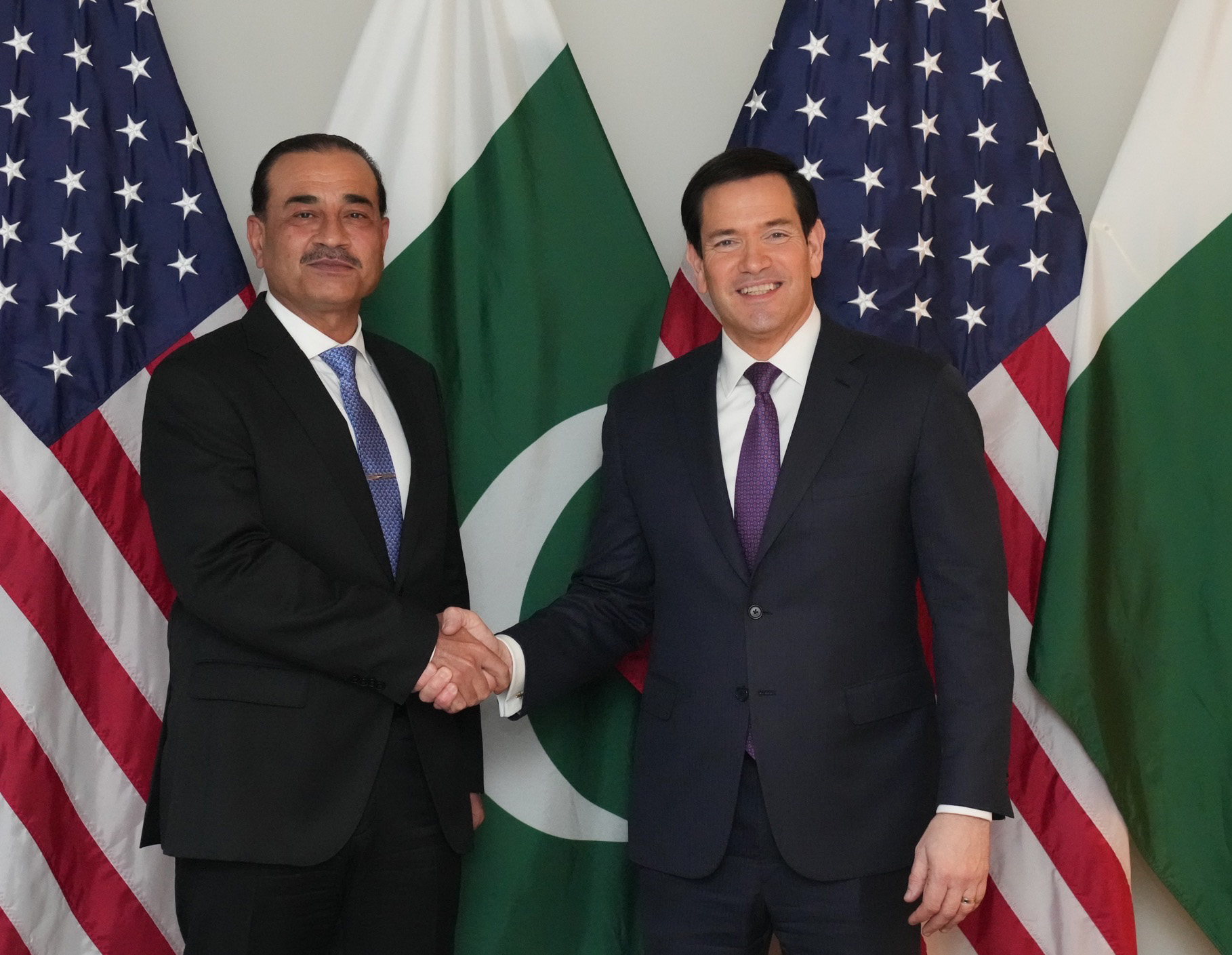
PM Sharif called MBS four days before the deployment to pledge “shoulder to shoulder” support, language that echoes the 1991 deployment’s political framing. Army Chief Munir flew to Riyadh in early March to discuss the pact’s operational framework. The preparatory timeline — weeks of military-to-military coordination, a head-of-state call, a finance minister’s visit synchronised with the troop arrival — suggests the deployment was planned well before the Islamabad talks collapsed, not improvised in response to their failure.
How Pakistan Bypassed Its Own Parliament
In April 2015, Pakistan’s parliament voted unanimously to reject Saudi Arabia’s request for troops, jets, and warships for the Yemen intervention — a rare bipartisan assertion of civilian authority over military deployments that embarrassed Riyadh and constrained Islamabad’s ability to act as Saudi Arabia’s on-call military partner. The 2026 deployment to the Eastern Province happened without a parliamentary vote, without a parliamentary debate, and without the constitutional mechanism that produced the 2015 rejection being triggered at all.
The instrument that made this possible is the 27th Constitutional Amendment, passed on November 13, 2025, which created the post of Chief of Defence Forces — held concurrently by Army Chief Munir, who now commands all three services, controls the Strategic Plans Division responsible for Pakistan’s nuclear arsenal, holds a five-year tenure extending to 2030, and has lifelong immunity from prosecution. The amendment, which Chatham House described as bringing Pakistan “one step closer to authoritarian rule,” concentrates all major defence decisions — including SMDA activation — in Munir’s hands rather than in parliament’s. The 2015 vote that blocked Saudi Arabia’s troop request could not happen under the current constitutional architecture, because the question would never reach the floor.
The concentration of authority in Munir’s office is the structural reason the SMDA could be activated within hours of a triggering event. There is no parliamentary approval requirement, no multi-branch authorisation process, and no public debate mechanism between an Iranian missile striking King Abdulaziz Air Base and Pakistan’s military chief deciding whether the SMDA’s collective defence clause has been activated. Munir, who flew to Riyadh in March to negotiate the deployment’s framework, is both the pact’s architect and its sole executor — a consolidation that makes the SMDA faster to invoke than NATO’s Article 5, which at least requires a North Atlantic Council decision.
That speed may be the whole point. The King Fahd Causeway closed for hours on April 7 when Iran fired seven ballistic missiles at the Eastern Province — a reminder that Iranian strikes on Saudi infrastructure are not hypothetical planning scenarios. A deployment architecture that can respond without waiting for parliamentary consent is exactly the kind of arrangement MBS wanted, and Munir, under the 27th Amendment, is the only person who can give it to him.
FAQ
What weapons systems did Pakistan deploy to King Abdulaziz Air Base?
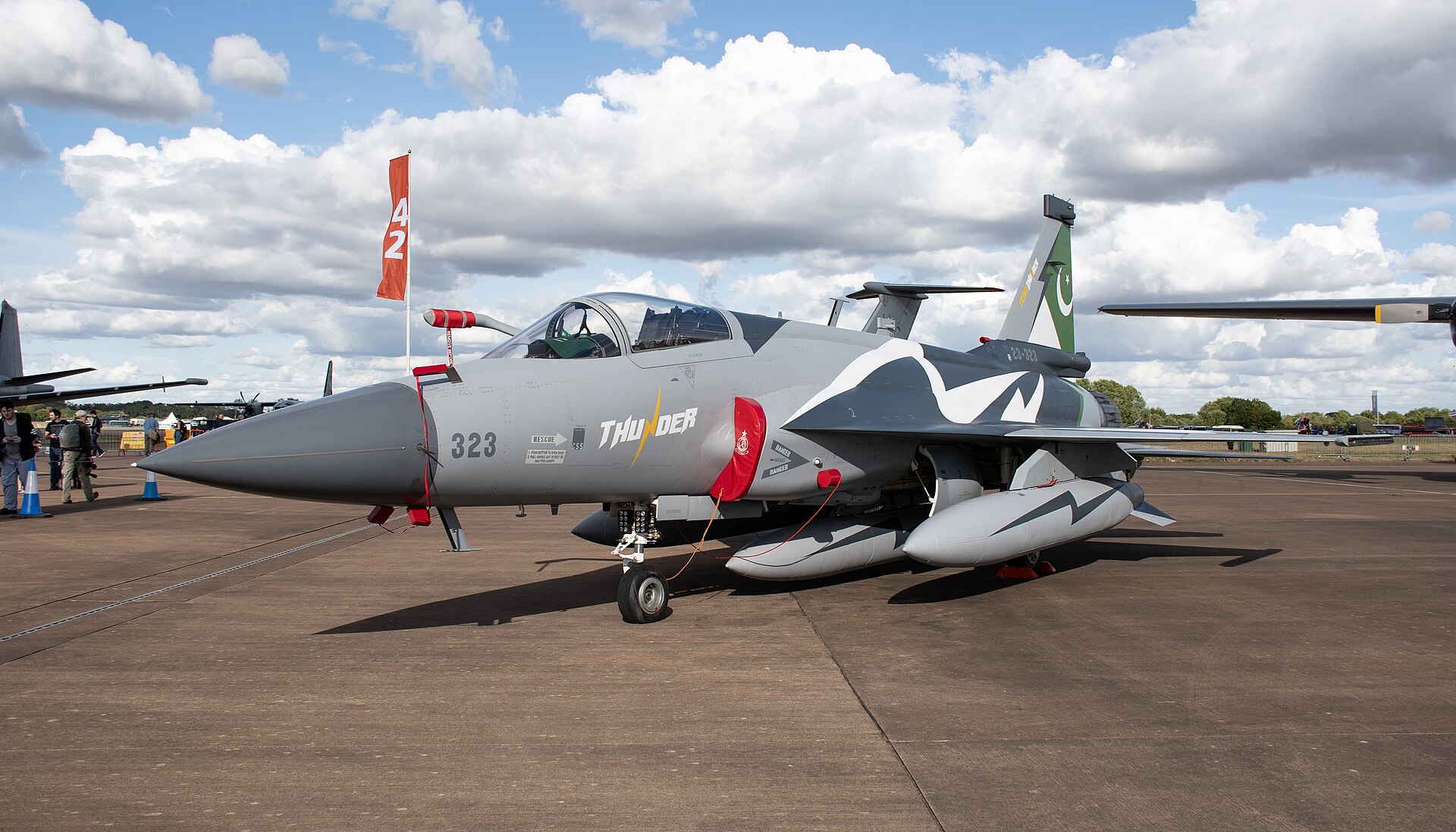
The Saudi Press Agency confirmed approximately 13,000 ground troops and between 10 and 18 PAF fighter jets, though neither Riyadh nor Islamabad has specified aircraft types. Pakistan operates F-16 Block 52+ fighters, JF-17 Thunder multirole jets co-developed with China, and Mirage III/V platforms. The F-16s carry AMRAAM beyond-visual-range missiles and would be the most operationally useful for air defence augmentation, but any deployment of F-16s to Saudi Arabia requires US State Department approval under the original Foreign Military Sales agreements — a requirement that neither government has addressed publicly.
Has Pakistan deployed troops to Saudi Arabia outside of wartime before?
Pakistan has maintained a continuous military advisory presence in Saudi Arabia since the 1960s, with Pakistani officers serving in senior Saudi security roles across multiple decades. Between 1991 and 2026, Pakistani military personnel in Saudi Arabia were trainers and advisers, not combat-deployed forces — making the April 2026 deployment a qualitative shift from advisory presence to forward-positioned garrison inside an active conflict zone. The scale is what changed: previous advisory missions numbered in the hundreds; the current deployment is in the thousands.
Could the SMDA drag Pakistan into direct conflict with Iran?
The SMDA’s “aggression against both” language creates a political obligation but not a legal automaticity. The practical question is whether Pakistani casualties from an Iranian strike on Eastern Province infrastructure would create domestic pressure in Pakistan that makes non-invocation politically impossible, regardless of the treaty’s legal ambiguity — particularly given that Army Chief Munir holds sole authority under the 27th Amendment to make that call. Iran and Pakistan share a border spanning roughly 909 kilometres, extensive Balochistan security coordination, and Iran has historically served as a corridor for Pakistani energy imports, all of which would be jeopardised by formal SMDA invocation.
Why did Pakistan’s military bypass parliament for this deployment?
The 27th Constitutional Amendment of November 2025 created the Chief of Defence Forces position held by Army Chief Munir, consolidating command of all three services and the Strategic Plans Division under a single officer with a five-year tenure and prosecutorial immunity. Major defence decisions, including SMDA activation, fall within Munir’s constitutional authority without requiring parliamentary approval — a structural change from 2015, when parliament voted unanimously to block Saudi Arabia’s request for troops in Yemen. Chatham House noted at the time of the amendment’s passage that it brought Pakistan “one step closer to authoritarian rule.”
What is the Iran-Pakistan border dynamic during this deployment?
Iran and Pakistan conducted tit-for-tat cross-border strikes in Balochistan in January 2024, briefly recalling ambassadors before restoring relations within weeks. Pakistan simultaneously serves as Iran’s protecting power in the United States — handling Iranian consular affairs since 1992, a role that makes Islamabad structurally indispensable to Tehran regardless of what its troops are doing in the Eastern Province. FM Dar secured an Iranian commitment in early March that Saudi territory would not be used for strikes against Iran, but no reciprocal commitment regarding Iranian strikes on Saudi territory hosting Pakistani forces has been publicly disclosed.