
India and Saudi Arabia share more than geography and trade routes — they share nearly three million people. With 2.96 million Indians living and working in the Kingdom, Saudi Arabia is home to its single largest expatriate community, and the cultural bridges between the two countries make the Kingdom one of the most accessible Middle Eastern destinations for Indian passport holders. Whether you are visiting family, exploring ancient heritage sites, or travelling for business, this guide — part of our complete Saudi Arabia travel guide — covers every practical detail an Indian traveller needs, from visa applications and direct flights to vegetarian food options and money transfers.
Best Time to Visit: October to March (cooler temperatures, festival season)
Getting There: Direct flights from Delhi, Mumbai, Hyderabad, Kochi, Lucknow to Riyadh, Jeddah, Dammam, Medina (IndiGo, Air India, Saudia, Flynas, Akasa Air)
Visa Required: Yes — tourist visa via agency or visa-on-arrival with valid US/UK/Schengen visa
Budget: ₹5,000–₹15,000 per day ($60–$180 USD) depending on city and comfort level
Must-See: AlUla & Hegra, Riyadh’s Diriyah, Jeddah’s Al-Balad, Mecca & Medina (for Muslim travellers)
Avoid: Arriving without confirmed accommodation — visa applications require hotel proof
Visa Options for Indian Citizens
India is not on Saudi Arabia’s 66-country e-visa list, which means the one-click online visa available to Americans, Europeans, and many East Asian nationals does not apply to Indian passport holders. But there are still straightforward routes to getting in. Our full Saudi Arabia visa guide covers every visa type in detail; here is what applies specifically to Indians.
Option 1: Tourist Visa via Authorised Agency
The standard route for most Indian travellers. You apply through an authorised visa agency or directly through the Saudi embassy in New Delhi or the consulate in Mumbai. Requirements include:
- Passport valid for at least six months beyond your planned entry date
- Confirmed hotel booking in Saudi Arabia
- Return flight ticket
- Bank statement or employer letter showing sufficient funds
- Mandatory health insurance covering your stay
- Al Masmak Fortress — the site of Ibn Saud’s 1902 capture of Riyadh, now a museum telling the Kingdom’s founding story
- Diriyah — the UNESCO-listed birthplace of the Saudi state, with the restored At-Turaif district and new luxury restaurants
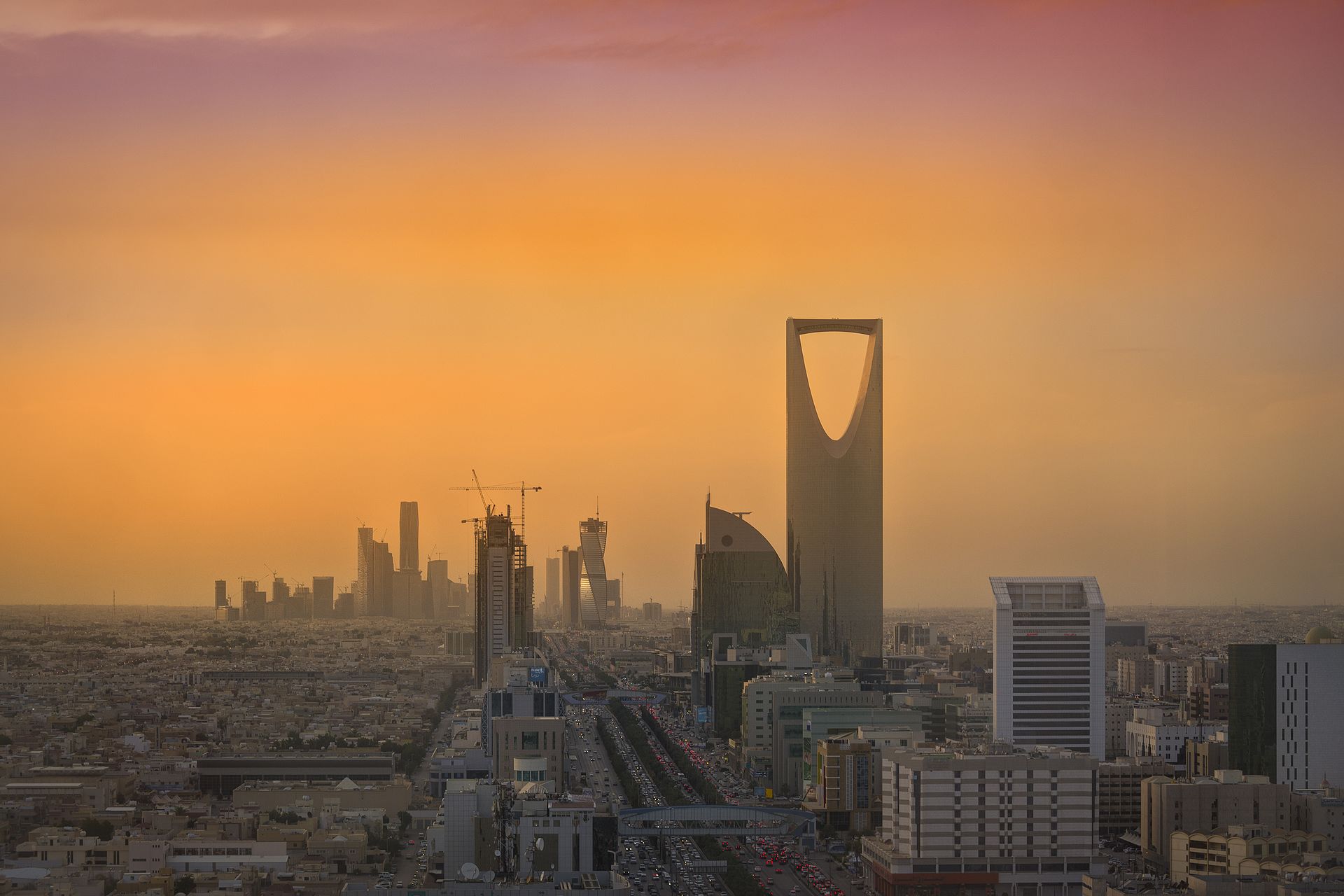
- Kingdom Centre Tower — the iconic Sky Bridge offers panoramic city views (SAR 69 / ₹1,700)
- National Museum — eight galleries covering Arabian history from pre-Islamic times to the modern Kingdom
- Batha district — Riyadh’s Indian quarter, packed with Indian restaurants, tailors, remittance shops, and Bollywood DVD stores
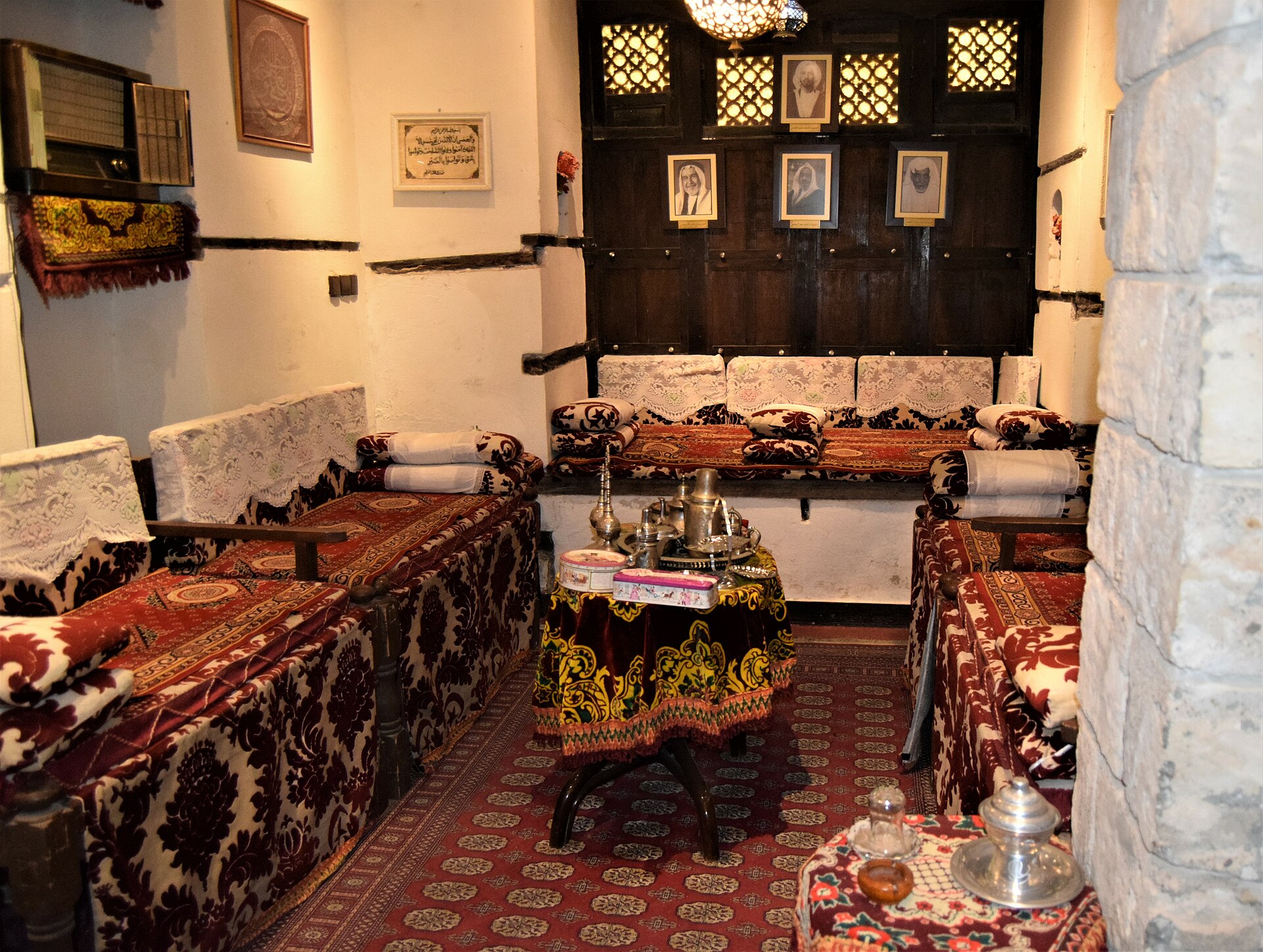
- Al-Balad — the UNESCO-listed historic district with Ottoman-era coral-stone houses, roshan-windowed merchant homes, and narrow alleyways
- Jeddah Corniche — 30 kilometres of Red Sea waterfront with King Fahd’s Fountain, public art, and seafood restaurants
- Floating Mosque (Al Rahma Mosque) — built over the Red Sea, one of Jeddah’s most photographed landmarks
- Souks — Souk Al Alawi and Souk Al Nada for spices, incense, textiles, and gold
- Indian restaurants are everywhere — Riyadh’s Batha, Jeddah’s Balad area, and Al Khobar all have dozens of Indian eateries serving full vegetarian thalis, dosa, idli, and North Indian dishes
- Arabic staples — falafel, hummus, fattoush, moutabal (baba ganoush), tabbouleh, and manakeesh (flatbread with za’atar) are widely available and vegetarian
- Supermarkets — LuLu Hypermarket (an Indian-owned chain with branches across Saudi Arabia) stocks Indian groceries, spices, ready meals, and vegetarian snacks
- Fast food — international chains like Subway, Pizza Hut, and McDonald’s all have vegetarian options on their Saudi menus
- Kabsa — the national dish: spiced rice with slow-cooked lamb or chicken, similar to biryani
- Mandi — tender meat smoked in an underground pit, served on rice
- Jareesh — cracked wheat porridge, comparable to Indian daliya
- Mutabbaq — stuffed flatbread similar to murtabak or Indian paratha, filled with egg and minced meat
- Arabic coffee (qahwa) — cardamom-spiced, served with dates. Accept at least one cup when offered — it is a gesture of hospitality
- Abaya not required — since 2019, foreign women are no longer required to wear an abaya in public. However, loose, opaque clothing covering shoulders and knees is expected
- Salwar kameez works perfectly — if you already own Indian ethnic wear, it meets the dress code comfortably. Long kurtis with palazzo pants or churidar are ideal for sightseeing
- Headscarf — not required in public spaces, but mandatory when entering mosques. Carry a dupatta or light scarf in your bag
- Jeddah is the most relaxed — you will see foreign women without head covering and in relatively casual clothing
- Riyadh is more conservative — loose-fitting, long clothing draws less attention
- T-shirts and knee-length shorts are acceptable in malls, tourist areas, and most restaurants
- Sleeveless tops are considered inappropriate in public
- For mosques: long trousers and sleeved shirts are required
- Hindi and Urdu are widely understood — in shops, taxis, and restaurants across Riyadh, Jeddah, and the Eastern Province, you can often communicate in Hindi. South Indian languages (Malayalam, Tamil, Telugu) are common in Kerala- and Tamil-dominated industries
- Indian grocery stores — LuLu Hypermarket (founded by Indian-born businessman M.A. Yusuff Ali) is the dominant supermarket chain, stocking everything from Haldiram’s to MTR ready meals to fresh curry leaves
- Cultural events — the Indian community organises Diwali, Holi, Onam, and Navratri celebrations. The Indian Cultural Society and various state-based associations (Keralite, Telugu, Tamil) are active in major cities
- Embassy and consulate — the Embassy of India in Riyadh and consulates in Jeddah and the Eastern Province provide consular services. Keep the embassy helpline saved: +966-11-488-4144
- Mecca and Medina’s central zones are off-limits to non-Muslims. This is strictly enforced at highway checkpoints. Plan your route accordingly
- No restrictions elsewhere — you can visit Riyadh, Jeddah, AlUla, the Eastern Province, Abha, Tabuk, and all other destinations without limitation
- Religious tolerance — private worship of any religion is permitted. Proselytising is illegal
- Temples and gurdwaras do not exist as public institutions in Saudi Arabia, but the large Indian community organises private prayer gatherings
- October–November: Riyadh Season festival, AlUla’s winter season opens, pleasant weather nationwide
- December–February: Peak tourist season, coolest temperatures, Jeddah and AlUla at their best. Book accommodation in advance
- March: Still comfortable; wildflower season in the Asir highlands
- April–September: Extreme heat in most of the country (40–50°C in Riyadh). Only the Asir highlands remain tolerable. This period also coincides with Hajj visa restrictions
- Saudi Arabia Travel Guide 2026 — The complete guide to visiting the Kingdom
- Saudi Arabia Visa Guide — Every visa type, cost, and requirement explained
- Saudi Arabia Dress Code — What to wear as a tourist in the Kingdom
- Saudi Arabia Packing List — What to bring and what to leave at home
- Non-Muslim Travel in Saudi Arabia — What’s allowed, what to expect
- Is Saudi Arabia Safe? — Honest 2026 safety guide for travellers
- Saudi Arabia Itinerary — 7, 10, and 14-day travel plans
- Hajj 2026 Guide — Dates, costs, packages, and everything you need to know
Processing typically takes 5–10 working days. The fee is approximately SAR 300 (around ₹7,400). Since February 2025, Indian nationals have received single-entry visas valid for 30 days.
Hajj season note: Saudi Arabia has historically suspended tourist, business, and family visit visa issuance for Indian nationals between mid-April and late June to manage Hajj-season crowds. Plan accordingly — if your trip falls in May or June, apply well in advance or consider shifting dates.
Option 2: Visa-on-Arrival (for US/UK/Schengen Visa Holders)
If you hold a valid US, UK, or Schengen visa that has been used at least once, you can obtain a visa-on-arrival when flying into Saudi Arabia on any airline. The visa costs SAR 480 (approximately ₹11,900) and allows stays of up to 96 hours or 90 days depending on the type issued. This is by far the fastest route — no advance application needed.
Option 3: Umrah and Hajj Visas
Muslim travellers from India planning Umrah or Hajj must apply through licensed travel agencies registered with the Saudi Ministry of Hajj and Umrah. Indian and Pakistani passport holders cannot apply directly through the Nusuk platform. Your agency handles the entire process, including accommodation in Mecca and Medina. See our complete Hajj 2026 guide for dates, costs, and registration details.
Option 4: Business and Work Visas
Business visas require a letter of invitation from a Saudi company. Work visas (iqama) are employer-sponsored. Given the size of the Indian workforce in Saudi Arabia, these are well-trodden paths — but they fall outside the scope of this travel guide.
Direct Flights from India to Saudi Arabia
Air connectivity between India and Saudi Arabia is among the densest in the Middle East. Multiple airlines operate over 100 direct flights per week between the two countries, connecting major Indian cities with Riyadh, Jeddah, Dammam, and Medina.
| Indian City | Saudi Destination | Airlines | Flight Time |
|---|---|---|---|
| Delhi (DEL) | Riyadh (RUH) | Air India, IndiGo, Saudia, Flynas | ~4.5 hours |
| Delhi (DEL) | Jeddah (JED) | Air India, IndiGo, Saudia | ~5 hours |
| Mumbai (BOM) | Riyadh (RUH) | Air India, IndiGo, Saudia, Flynas, Akasa Air | ~4 hours |
| Mumbai (BOM) | Jeddah (JED) | IndiGo, Saudia | ~4.5 hours |
| Mumbai (BOM) | Dammam (DMM) | IndiGo, Air India | ~3.5 hours |
| Hyderabad (HYD) | Riyadh (RUH) | IndiGo, Flynas | ~4.5 hours |
| Hyderabad (HYD) | Jeddah (JED) | IndiGo, Saudia | ~5 hours |
| Hyderabad (HYD) | Dammam (DMM) | IndiGo | ~4 hours |
| Hyderabad (HYD) | Medina (MED) | IndiGo | ~5 hours |
| Kochi (COK) | Riyadh (RUH) | Air India Express, IndiGo | ~4.5 hours |
| Kochi (COK) | Jeddah (JED) | Air India Express, Saudia | ~5 hours |
| Bengaluru (BLR) | Jeddah (JED) | Saudia | ~5 hours |
| Lucknow (LKO) | Jeddah (JED) | IndiGo, Flynas | ~5.5 hours |
Booking tip: IndiGo and Flynas typically offer the lowest fares on India–Saudi routes, with one-way tickets starting around ₹8,000–₹12,000 when booked 4–6 weeks in advance. Saudia and Air India offer better legroom and baggage allowances for a premium. During Hajj and Umrah season (roughly April–July), fares spike significantly — book 3+ months ahead.
Money, Currency, and Payments
Saudi Arabia uses the Saudi Riyal (SAR), pegged to the US dollar at a fixed rate of 3.75 SAR to 1 USD. As of April 2026, the exchange rate is approximately 1 SAR = ₹24.70, or roughly ₹100 = 4 SAR.
Exchanging Indian Rupees
Unlike many Middle Eastern countries, Saudi Arabia is one of the few places where you can exchange Indian Rupees directly into Saudi Riyals. The large Indian expatriate population means money changers in Riyadh’s Batha district, Jeddah, and Dammam routinely handle INR. That said, rates at airport kiosks are poor — exchange a small amount for the taxi ride and change the rest at city-centre exchange houses like Al Rajhi Bank or Western Union branches.
Cards and Digital Payments
Credit and debit cards (Visa, Mastercard) are accepted almost everywhere in Saudi cities — malls, restaurants, hotels, petrol stations, and even many souks. Contactless payments via Apple Pay and Google Pay work widely. Cash remains essential for smaller shops, taxis, and rural areas.
UPI in Saudi Arabia
India’s Unified Payments Interface is expanding into Saudi Arabia. NRIs can now link Saudi (+966) mobile numbers to NRE and NRO accounts in India, enabling transactions through Google Pay and PhonePe. However, UPI acceptance at Saudi merchant points of sale is still limited — don’t rely on it for daily spending. It is most useful for remittances and transfers to Indian accounts.
Budget tip: For the best exchange rates, use a travel-friendly Indian card like Niyo, Fi, or BookMyForex — they charge near-interbank rates on international transactions, saving you 2–4% compared to standard bank cards.
Where to Go: Best Saudi Destinations for Indian Travellers
Saudi Arabia’s tourism infrastructure has expanded dramatically under Vision 2030. Here are the destinations that resonate most with Indian visitors — whether you have three days or three weeks. For detailed itinerary planning, see our Saudi Arabia 7, 10 & 14-day itinerary guide.
Riyadh
The capital is a city of contrasts — glass towers and centuries-old mud-brick fortresses, sprawling malls and traditional souks. Key highlights include:
Jeddah
Saudi Arabia’s most cosmopolitan city and the traditional gateway for Hajj and Umrah pilgrims. Indian travellers will find:
Mecca and Medina (Muslim Travellers Only)
For Indian Muslim travellers, Saudi Arabia’s holiest cities are the primary draw. Mecca is strictly closed to non-Muslims, enforced by highway checkpoints. See our Hajj 2026 guide for complete details on performing the pilgrimage. For non-Muslim travellers, there is plenty to see across the rest of the Kingdom.
AlUla
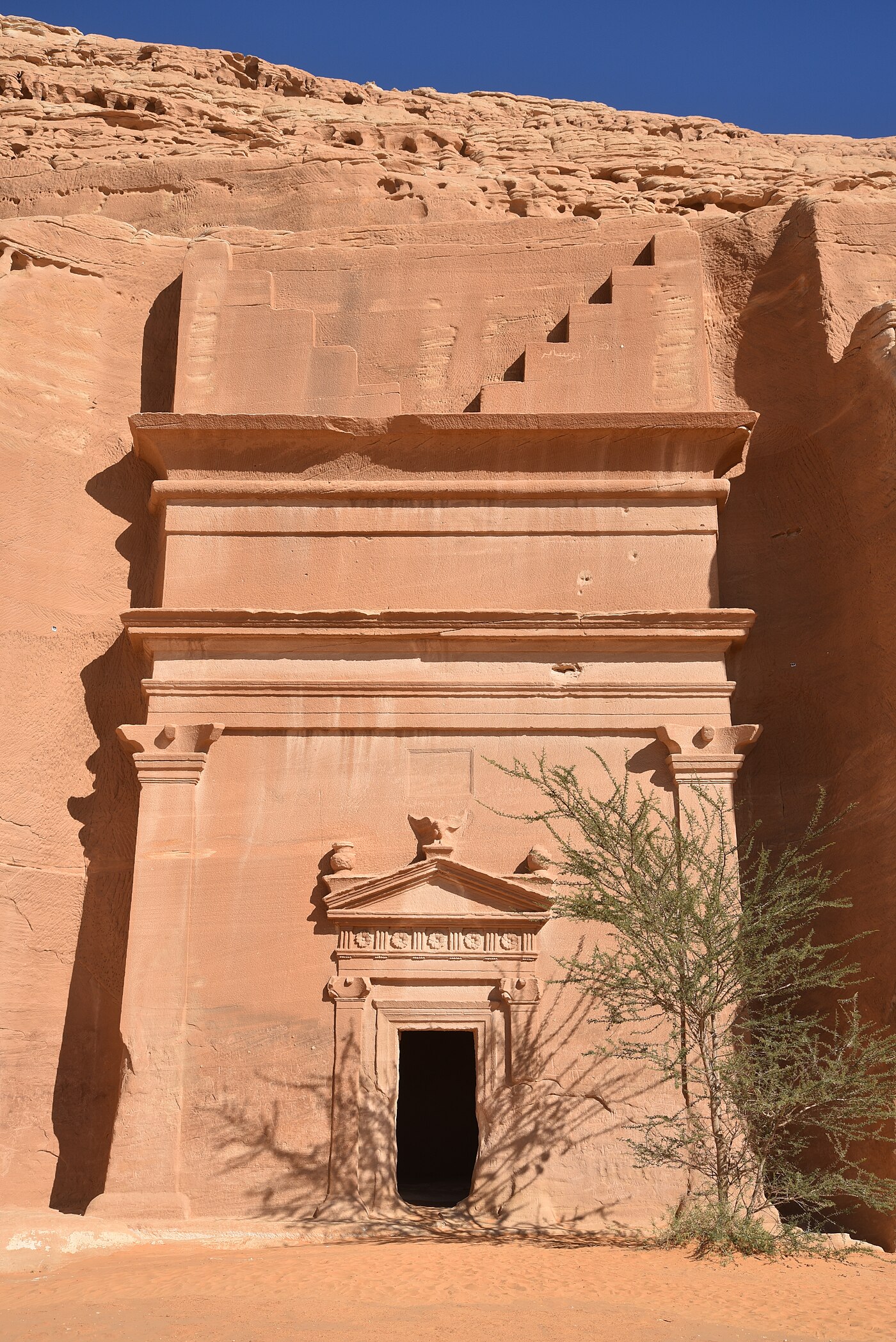
Saudi Arabia’s archaeological crown jewel — and increasingly popular with Indian tourists. Hegra (Madain Salih) is the Kingdom’s first UNESCO World Heritage Site, with 111 Nabataean tombs carved into sandstone cliffs, comparable to Petra in Jordan but without the crowds. The landscape includes Elephant Rock, the ancient Dadan kingdom ruins, and the Maraya concert hall — the world’s largest mirrored building.
Dammam and Al Khobar (Eastern Province)
The Eastern Province is home to Saudi Arabia’s largest concentration of Indian expatriates outside Riyadh. Al Khobar’s Corniche, Half Moon Bay beach, and the proximity to Bahrain via the King Fahd Causeway make this region popular for weekend breaks. Indian restaurants and grocery stores are plentiful throughout the area.
Abha and the Asir Highlands
If you want to escape the desert heat, the Abha and Asir region in the southwest offers green mountains, cool temperatures (15–25°C year-round), terraced villages, and cloud forests. Abha is Saudi Arabia’s most popular domestic summer destination and increasingly attracts international visitors.
Food and Dining: What Indian Travellers Need to Know
Saudi cuisine shares a spice vocabulary with Indian food — cumin, coriander, cardamom, turmeric, and cloves appear in both traditions. This makes the adjustment easier than in many other countries. But there are specific things Indian travellers should know.
Vegetarian and Vegan Options
Saudi cuisine is heavily meat-based (lamb, chicken, and camel are staples), and purely vegetarian restaurants are rare outside major malls. However, vegetarian Indian travellers will not go hungry:
Tip for strict vegetarians: Arabic food may use chicken stock in rice dishes and bread, even when no meat is visible. Specify “bidoon lahm, bidoon dajaj” (without meat, without chicken) when ordering. In Indian restaurants, you can communicate in Hindi or your regional language — staff are almost always Indian.
Halal Food
All food in Saudi Arabia is halal by law. Muslim Indian travellers do not need to check or ask — every restaurant, supermarket, and street stall serves halal food. This includes international chains.
Must-Try Saudi Dishes
Alcohol
Alcohol is completely illegal in Saudi Arabia — no bars, no hotel minibars, no licensed restaurants. This applies to all visitors regardless of nationality. Do not attempt to bring alcohol into the country.
What to Wear: Dress Code for Indian Travellers
Saudi Arabia’s dress code has relaxed significantly since 2019, but modesty remains the baseline expectation. Our detailed Saudi Arabia dress code guide covers everything; here is the India-specific summary.
For Women
For Men
For a complete packing checklist tailored to the Saudi climate and culture, see our Saudi Arabia packing list.
SIM Cards and Connectivity
Staying connected in Saudi Arabia is easy and affordable. The three major carriers are STC (Saudi Telecom Company, the largest), Mobily, and Zain. All have kiosks at Riyadh and Jeddah airports.
Prepaid SIM Cards
| Carrier | Plan | Cost (SAR) | Cost (₹) | Data | Validity |
|---|---|---|---|---|---|
| STC | Sawa Visitor 35 | 40.25 | ~₹995 | 5 GB + 60 min | 30 days |
| Mobily | Visitors 50 | 57.50 | ~₹1,420 | 15 GB + 120 min | 14 days |
| Mobily | Visitors 150 | 173 | ~₹4,275 | Unlimited social media + data | 30 days |
You will need your passport to purchase a physical SIM card. The process takes about 10 minutes at an airport kiosk.
eSIM (Recommended)
If your phone supports eSIM (most iPhones since the XS, most Samsung flagships), an eSIM is the easiest option. Buy online before you fly, scan a QR code, and your data connection activates the moment you land. Popular providers include Airalo (from $5/1 GB), Holafly, and Jetpac (from $1/4 days).
WhatsApp works fine — unlike some Gulf countries, Saudi Arabia does not block VoIP services. WhatsApp calls, video calls, and Google Meet all work without a VPN.
Getting Around Saudi Arabia
Saudi Arabia is a vast country — larger than all of Western Europe combined. Distances between cities are long, and public transport is limited outside Riyadh.
Domestic Flights
The fastest way between cities. Saudia, Flynas, and Flyadeal operate frequent domestic routes. Riyadh to Jeddah is about 1.5 hours; Riyadh to AlUla about 1.5 hours; Jeddah to Abha about 1.5 hours. Book on the carrier apps for the best prices — one-way fares start around SAR 150–250 (₹3,700–₹6,200).
Car Rental and Driving
Indian driving licences are accepted for short-term tourist visits. All major rental companies (Budget, Hertz, Lumi/Theeb) operate at airports and city centres. Fuel is extremely cheap by Indian standards — around SAR 2.18/litre for 91 octane (roughly ₹54/litre). Roads are excellent, with well-maintained highways connecting all major cities. Note: driving culture in Saudi Arabia can be aggressive by Indian standards, and speed limits on highways are 120–140 km/h.
Ride-Hailing
Uber and Careem (a local alternative, now owned by Uber) are widely available in Riyadh, Jeddah, Dammam, and most cities. Prices are reasonable — a 20-minute ride in Riyadh costs around SAR 20–35 (₹500–₹865). You can pay via card linked to the app.
Riyadh Metro
Riyadh’s new six-line metro system is now operational, making it the first Saudi city with a rapid transit network. Fares are affordable and the system connects the airport with the city centre, major malls, and cultural sites.
Intercity Buses
SAPTCO (Saudi Public Transport Company) runs intercity coach services between all major cities. Comfortable, air-conditioned, and cheap — but slow compared to flying. Riyadh to Jeddah by bus takes roughly 10–12 hours.
The Indian Community in Saudi Arabia
With 2.96 million Indians in the Kingdom (according to the Indian Embassy in Riyadh), Saudi Arabia hosts the world’s largest Indian diaspora community in any single country. This has a direct practical impact on your travel experience:
India-Saudi Bilateral Ties
The relationship between India and Saudi Arabia has deepened markedly. Prime Minister Modi visited Saudi Arabia most recently in April 2025 — his third visit in a decade — co-chairing the 2nd India–Saudi Arabia Strategic Partnership Council with Crown Prince Mohammed bin Salman. A new ministerial committee on tourism was established during this visit, alongside expanded air connectivity commitments. Bilateral trade exceeds $50 billion annually, making Saudi Arabia one of India’s top five trading partners.
Practical Tips for Indian Travellers
Language
Arabic is the official language, but English is widely spoken in business, tourism, and urban areas. Hindi and Urdu are understood in many shops and restaurants due to the large South Asian workforce. You will rarely face a language barrier in major cities.
Time Zone
Saudi Arabia is UTC+3 (Arabia Standard Time), which is 1.5 hours behind India (IST, UTC+5:30). When it is 6:00 PM in Riyadh, it is 8:30 PM in Mumbai. Saudi Arabia does not observe daylight saving time.
Electricity
Saudi Arabia uses 220V, 60Hz electricity with Type G (British three-pin) sockets. India uses 230V/50Hz with Type C/D/M plugs. You will need a Type G adapter — the same adapter used for the UK. Most Indian phone and laptop chargers are dual-voltage and will work fine; just bring the right adapter plug.
Travel Insurance
Mandatory health insurance is required for Saudi tourist visa applications. Beyond the minimum, consider comprehensive travel insurance that covers medical evacuation, trip cancellation, and lost luggage. Indian insurers like ICICI Lombard, Bajaj Allianz, and HDFC ERGO offer Saudi-specific travel policies starting around ₹500–₹1,500 for a two-week trip.
Safety
Saudi Arabia is one of the safest countries in the world for tourists. Petty crime is extremely rare, violent crime almost unheard of in tourist areas, and the police presence is strong. Our safety guide covers this in detail. The main risks for Indian travellers are heat-related illness (drink 3–4 litres of water daily in summer) and aggressive driving.
Ramadan Travel
If your visit falls during Ramadan (expected late February to late March in 2027), be aware that eating, drinking, and smoking in public during daylight hours is not allowed — this applies to non-Muslims as well. Most restaurants close during the day but offer lavish iftar meals after sunset. Ramadan can be a beautiful time to visit, but plan around it.
Photography
Tourist photography is allowed at most attractions and public spaces. Avoid photographing military installations, government buildings, and people (especially women) without permission. In traditional souks and markets, ask before pointing your camera at vendors or their goods.
Sample Budget: 7 Days in Saudi Arabia for an Indian Traveller
| Category | Budget (₹) | Mid-Range (₹) | Comfort (₹) |
|---|---|---|---|
| Return flights (Delhi–Riyadh) | ₹16,000–₹22,000 | ₹22,000–₹35,000 | ₹35,000–₹55,000 |
| Accommodation (7 nights) | ₹14,000–₹21,000 | ₹28,000–₹49,000 | ₹56,000–₹1,05,000 |
| Food (7 days) | ₹7,000–₹10,500 | ₹14,000–₹21,000 | ₹21,000–₹35,000 |
| Transport (local) | ₹3,500–₹7,000 | ₹7,000–₹14,000 | ₹14,000–₹21,000 |
| Activities & entry fees | ₹2,500–₹5,000 | ₹5,000–₹12,000 | ₹12,000–₹25,000 |
| SIM card | ₹1,000 | ₹1,000–₹1,500 | ₹1,500 |
| Total (approx.) | ₹44,000–₹65,500 | ₹77,000–₹1,32,500 | ₹1,39,500–₹2,42,500 |
Money-saving tip: Budget travellers can cut costs significantly by eating at Indian and Pakistani restaurants (a full meal for SAR 15–25 / ₹370–₹620), staying in serviced apartments rather than hotels, and using the Riyadh Metro where available.
Non-Muslim Indian Travellers
Saudi Arabia has been actively welcoming non-Muslim tourists since 2019, and Hindu, Sikh, Christian, and other non-Muslim Indian travellers can explore the vast majority of the country freely. A few things to know:
For a complete guide on navigating the Kingdom as a non-Muslim visitor, see our dedicated non-Muslim travel guide.
When to Visit
Saudi Arabia’s climate ranges from scorching desert to cool mountain highlands. The best time for most Indian travellers is October to March, when temperatures across the central and western regions drop to a comfortable 18–30°C.
Key Phrases in Arabic for Indian Travellers
| English | Arabic | Transliteration |
|---|---|---|
| Hello | السلام عليكم | As-salaam alaykum |
| Thank you | شكراً | Shukran |
| Yes / No | نعم / لا | Na’am / La |
| How much? | بكم؟ | Bi-kam? |
| Vegetarian (no meat) | بدون لحم | Bidoon lahm |
| Without chicken | بدون دجاج | Bidoon dajaj |
| Water | ماء | Maa |
| Where is…? | وين…؟ | Wayn…? |
| The bill, please | الحساب لو سمحت | Al-hisab law samaht |
| God willing | إن شاء الله | Insha’Allah |