
Saudi Arabia is one of the most restrictive countries in the world for LGBTQ+ people. Same-sex relations are criminalised under Sharia law, there are no legal protections against discrimination, and penalties on the books include imprisonment, flogging, and — in theory — the death penalty. None of that has changed. Yet since the Kingdom opened to international tourism in 2019 under Vision 2030, a growing number of LGBTQ+ travellers have visited without incident, drawn by the archaeology of AlUla, the Red Sea coast, and the cultural shift happening in cities like Riyadh and Jeddah. This guide exists to give you the honest, unvarnished picture — the legal reality, the practical reality, and what you actually need to know if you decide to go.
This is not an endorsement. Whether to visit is a deeply personal decision, and choosing not to go is entirely valid. But if you do go, information is your best protection.
Legal Status: Same-sex relations are illegal under Sharia law; no anti-discrimination protections exist
Enforcement Against Tourists: Rare — no publicly documented cases of foreign tourists being prosecuted for private, consensual conduct
Visa Required: Yes — tourist e-visa available for 63 nationalities
Religious Police: Powers stripped in 2016; no longer conduct arrests or detentions
Key Rule: Discretion is non-negotiable — no public displays of affection, no pride symbols, no social media posts from within the country
Avoid: Assuming that tourism-marketing language (“everyone is welcome”) changes the legal framework
The Legal Reality
Saudi Arabia has no codified penal code. Criminal law is based on Sharia (Islamic law) derived from the Quran and Sunnah, interpreted through the Hanbali school of jurisprudence. There is no specific statute you can read and cite — judgments are made by individual qadis (judges) with significant discretion.
What the Law Says
Same-sex sexual activity between men (liwat, sodomy) and between women (sihaq) is prohibited. Penalties permitted under the legal framework include:
- Capital punishment — theoretically applicable, though documented executions specifically for consensual same-sex conduct are extremely rare and contested by researchers
- Prison sentences — no codified maximum; sentences are at judicial discretion
- Flogging — documented in court records, particularly in cases involving unmarried individuals
- Fines
- Deportation — the most common outcome for foreign nationals
Factors that influence sentencing include the religion, citizenship, marital status, and social standing of the accused. Foreign nationals are generally deported rather than imprisoned, though this is convention rather than law.
Beyond Sexual Conduct
Saudi law extends beyond sexual acts. Anything perceived as promoting or condoning homosexuality can attract prosecution. This includes:
- Wearing clothing associated with LGBTQ+ identity (rainbow items, pride flags)
- Social media posts expressing support for LGBTQ+ rights — even content posted before arriving in Saudi Arabia
- “Cross-dressing” — wearing clothing not considered appropriate for one’s assigned sex at birth
- Possessing LGBTQ+-related media (this is rarely enforced against tourists, but the legal basis exists)
In June 2022, Saudi authorities confiscated rainbow-coloured items including toys and clothing at customs. Commerce Ministry inspectors were directed to seize products bearing rainbow imagery from shops.
Transgender Travellers
Transgender individuals face specific legal risks. There is no legal mechanism for gender recognition in Saudi Arabia. Travellers whose presentation does not match their passport gender may face additional scrutiny at immigration. Transgender individuals with updated identity documents reflecting their gender identity have been refused entry to Mecca for Hajj and Umrah, though tourist visa processing is handled separately from religious pilgrimage.
The Practical Reality: Law vs. Enforcement
There is a significant and well-documented gap between Saudi Arabia’s laws on the books and their enforcement against foreign tourists. Understanding this gap — without romanticising it — is essential to making an informed decision about whether to visit.
What Changed in 2016
The single most important reform for day-to-day safety was the stripping of the religious police’s (Hay’a, formally the Committee for the Promotion of Virtue and Prevention of Vice, or CPVPV) powers in April 2016. Before that date, Hay’a officers could stop, question, arrest, and detain people on the street for perceived moral infractions — including suspicion of homosexuality, “immodest” dress, or mixed-gender socialising.
A 2016 Royal Decree banned Hay’a members from pursuing, questioning, requesting identification from, arresting, or detaining anyone. They were reduced to an advisory and reporting role, required to pass concerns to regular police. This reform, driven by Crown Prince Mohammed bin Salman, fundamentally changed the street-level experience in Saudi Arabia. The 2019 Public Decency Law further formalised acceptable behaviour standards but placed enforcement authority with regular police rather than the Hay’a.
What This Means for LGBTQ+ Tourists
Since 2019, no publicly documented cases exist of foreign tourists being arrested or prosecuted for private, consensual same-sex conduct. This does not mean it cannot happen — it means the Kingdom’s enforcement priorities have shifted toward controlling public behaviour rather than investigating private lives.
Regular police are not actively looking for LGBTQ+ tourists. Border officials do not ask about sexual orientation. Hotel check-in does not require proof of marriage for international tourists (this policy changed in 2019 as part of tourism reforms). Two men or two women booking a hotel room together attracts no special attention — same-sex room sharing is culturally normal in the Gulf.
Important context: The relative safety experienced by foreign tourists does not extend to LGBTQ+ Saudi citizens and residents. Saudi nationals face far greater scrutiny and far harsher consequences. The privilege of a foreign passport and a return ticket home is a layer of protection that locals do not have. Keep this asymmetry in mind.
Practical Safety Guidelines
If you decide to visit, the following guidelines are based on documented experiences of LGBTQ+ travellers, advice from travel safety organisations, and the known enforcement environment. None of this constitutes a guarantee of safety.
Before You Go
- Audit your social media. Saudi authorities have the legal ability to review social media content. Set profiles to private. Remove or hide any posts that explicitly reference LGBTQ+ identity or activism. This may feel objectionable — it is a pragmatic precaution, not a moral judgment.
- Download a VPN before arrival. Several apps and websites are blocked in Saudi Arabia, including Grindr. VPN use is not illegal for tourists (it is for accessing blocked content by Saudi nationals in some interpretations), but it adds a layer of digital privacy. Set it up before you land.
- Pack carefully. Leave rainbow-coloured items, pride merchandise, and any clothing with LGBTQ+ slogans at home. These items can be confiscated at customs and may trigger additional screening. See our Saudi Arabia packing guide for detailed advice.
- Carry medications in original packaging. If you take PrEP, HIV antiretrovirals, or hormone therapy, bring them in their original pharmacy-labelled containers with a copy of your prescription. There is no legal prohibition on these medications, but unlabelled pills can cause delays.
- Register with your embassy. Most Western embassies maintain traveller registration systems. Sign up before departure so consular staff know you are in-country.
- Check your visa eligibility. The tourist e-visa is available to 63 nationalities. Application is online and typically processed within minutes. Your passport must have at least 6 months’ validity.
While in Saudi Arabia
- No public displays of affection. This applies to all couples regardless of orientation — Saudi Arabia prohibits public affection even between heterosexual married couples. For same-sex couples, however, the consequences of a public display are categorically more severe.
- Do not discuss your orientation with strangers. Saudi hospitality is genuine and you will be invited into conversations, meals, and homes. But casual disclosure of sexual orientation to someone you do not know well creates unnecessary risk.
- Be cautious with dating apps. Grindr is blocked (accessible only via VPN). Scruff remains accessible and has an active user base. If you use these apps, take precautions: request clear photos, verify identities via video call before meeting, meet in public first, and tell someone where you are going. Entrapment by individuals posing as potential partners has been reported — though primarily targeting Saudi nationals, not tourists.
- Choose international hotel chains. Properties managed by Four Seasons, Hilton, Marriott, Hyatt, and similar international brands handle same-sex check-ins professionally and without incident. Staff are trained to international hospitality standards. Business hotels in Riyadh and resort properties in Jeddah tend to be the most private and cosmopolitan.
- Dress conservatively. This has nothing to do with “hiding” — it is a basic cultural requirement for all visitors. Men should cover shoulders and knees. Women are not required to wear an abaya (as of 2019) but should dress modestly. Gender-nonconforming clothing can attract attention and, in theory, legal scrutiny.
City-by-City Differences
Saudi Arabia is not monolithic. The social climate varies substantially between cities:
| City | Social Climate | Notes for LGBTQ+ Visitors |
|---|---|---|
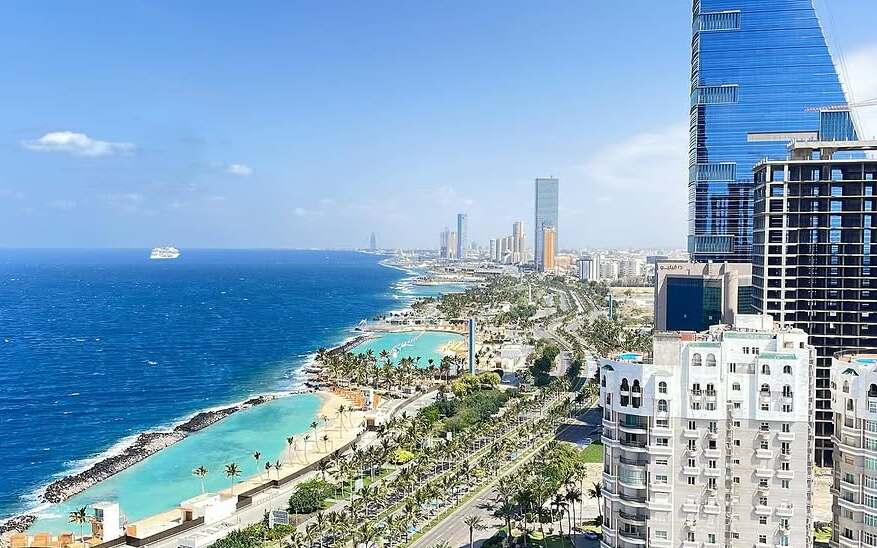
| Jeddah | Most liberal | Historically Saudi Arabia’s most cosmopolitan city due to its role as the Hajj gateway; diverse international population; cafes and restaurants with relaxed atmospheres; the Jeddah Corniche draws mixed crowds |
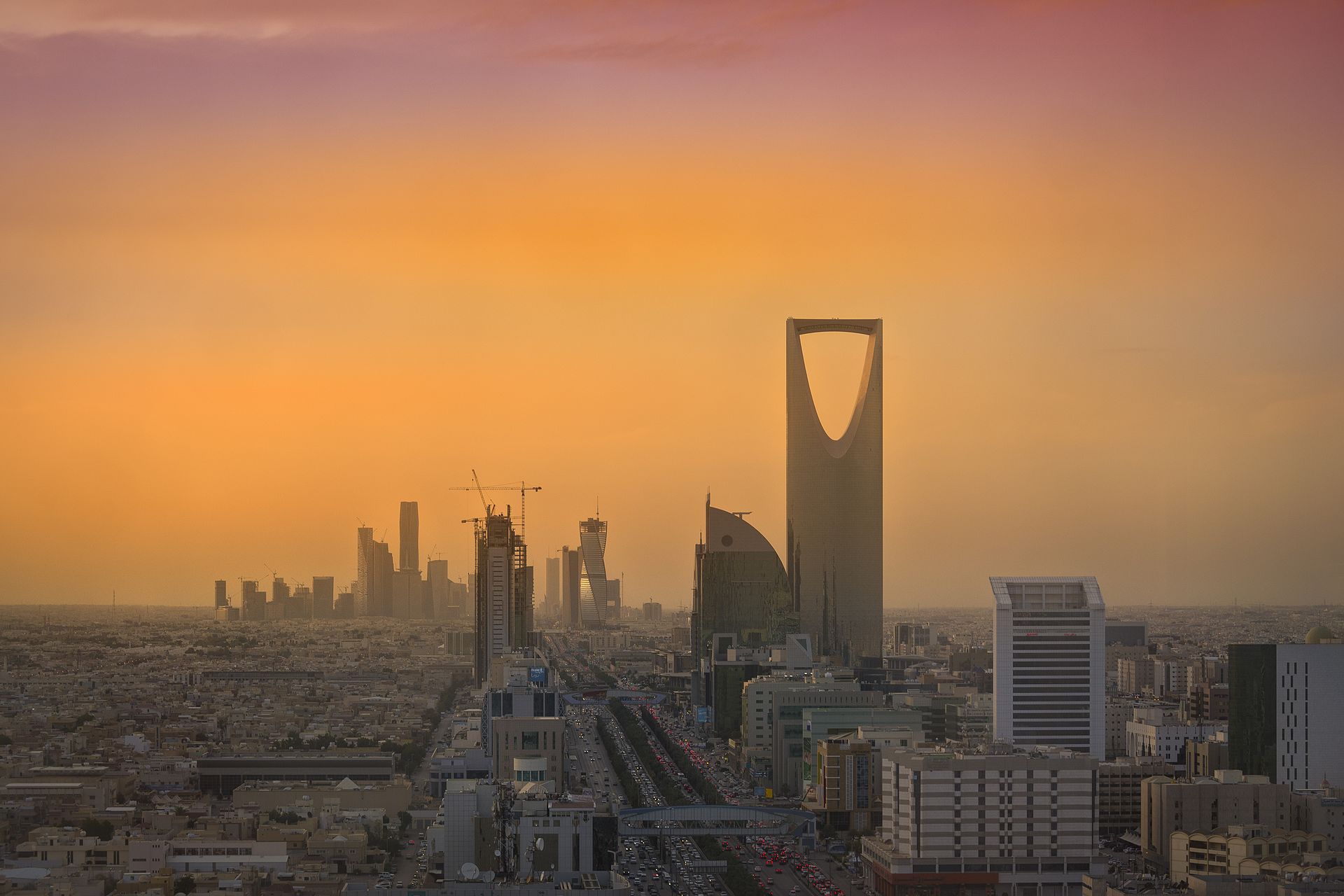
| Riyadh | Conservative but changing fast | The capital is still the most conservative major city, but Riyadh Season entertainment events have brought a younger, more cosmopolitan crowd; international hotel districts (Olaya, KAFD) are the most comfortable zones |
| AlUla | Tourism-focused | Purpose-built tourism infrastructure with international staff; small, curated visitor experience; very low social pressure |
| Abha / Asir | Traditional | Mountain highlands with a strong tribal culture; less international tourism infrastructure; greater cultural conservatism |
| NEOM / The Line | Under construction | Not yet open to general tourism; marketed as a progressive future city but currently a construction zone |
What the Saudi Government Actually Says
In May 2023, the Saudi Tourism Authority updated its official FAQ to state: “Everyone is welcome to visit Saudi Arabia, and visitors are not asked to disclose such personal details.” This was widely reported internationally as Saudi Arabia “welcoming” LGBTQ+ tourists.
The statement is accurate in a narrow sense — tourist visa applications do not ask about sexual orientation, and immigration officers do not screen for it. But the statement deliberately sidesteps the legal framework. The laws have not changed. The criminal penalties have not changed. What the tourism authority communicated was a marketing position, not a legal reform.
Read it clearly: “Not asked to disclose” is not the same as “protected by law.” Saudi Arabia has made a pragmatic decision not to police the private behaviour of tourists who bring revenue. This is a strategic tolerance, not a legal right.
Real Risks: What Could Actually Go Wrong
Honest advice requires acknowledging both what is likely and what is possible, even if unlikely:
Low-Probability but Serious Risks
- Public incident: A public argument with a partner, a scene at a hotel, or a complaint from a local could bring police attention. If police become involved and determine that two people of the same sex are in a sexual relationship, the legal framework exists to prosecute.
- Digital exposure: If your phone is searched during a police interaction (for any reason, including a traffic stop or a complaint), explicit content or dating app activity could create legal complications.
- Social media monitoring: While mass surveillance of tourist social media is not the norm, content flagged by other users or brought to official attention can be acted upon.
- Entrapment: Reported primarily against Saudi nationals, but the risk exists on dating platforms. Individuals may pose as potential partners and then report or extort the person they have contacted.
What Happens If Something Goes Wrong
If a foreign national is detained for any reason related to sexual conduct or gender expression:
- Contact your embassy immediately. The right to consular access is protected under the Vienna Convention, and most Western embassies in Riyadh have experience handling sensitive cases.
- Do not make any statements to police without consular or legal representation present.
- The most common outcome for foreign nationals is deportation and a travel ban, not imprisonment. But this is convention, not guaranteed process.
Choosing Where to Stay and What to Do
Focus your itinerary on Saudi Arabia’s tourism infrastructure — the places designed for international visitors, staffed by internationally trained hospitality workers, and frequented by a cosmopolitan crowd.
Recommended Experiences
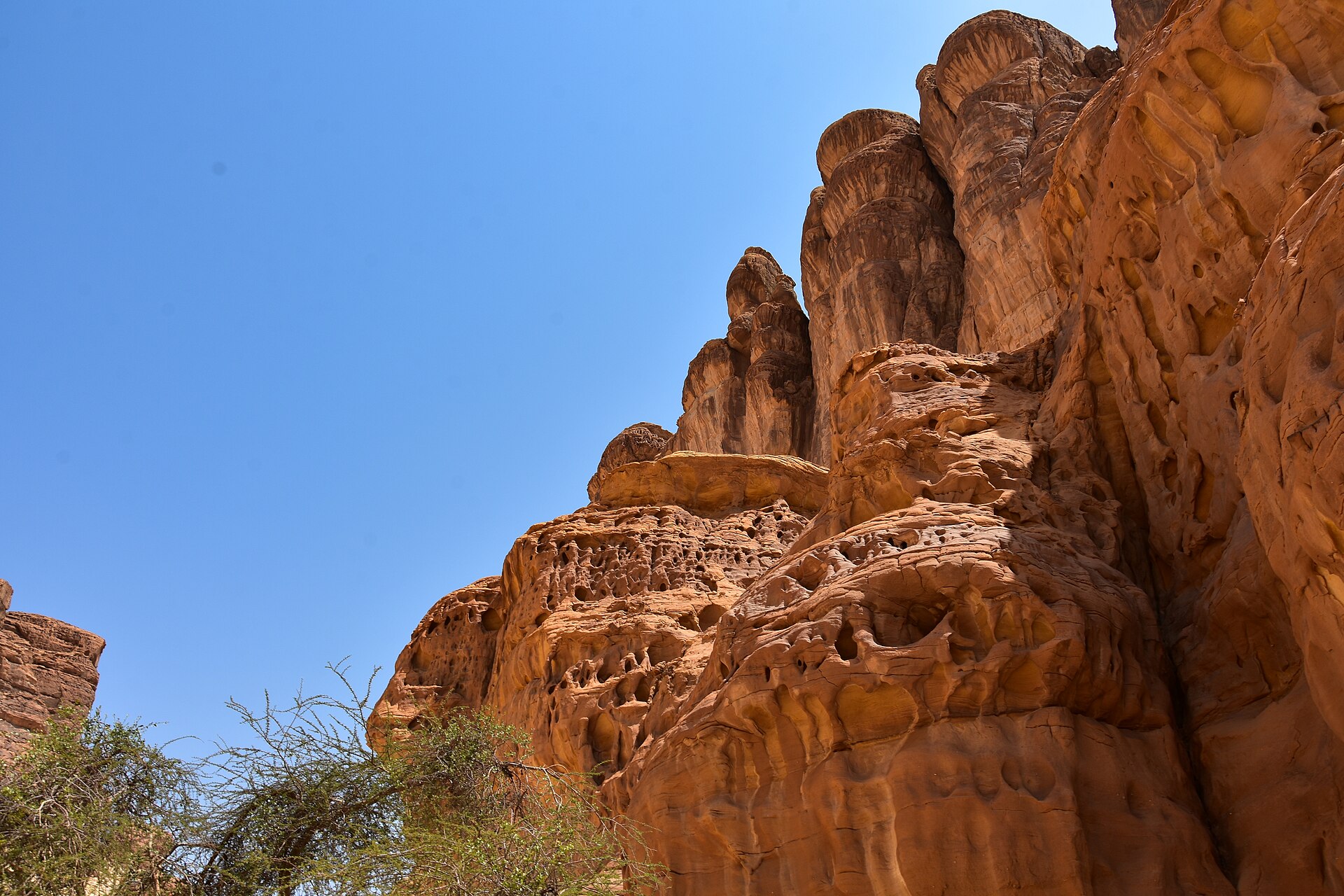
- AlUla and Hegra — Saudi Arabia’s first UNESCO World Heritage Site; a desert landscape of Nabataean tombs and extraordinary geology. The tourism experience here is curated and international. Highly recommended.
- Jeddah Corniche and Al-Balad — The historic district (UNESCO-listed) and the 30 km Red Sea waterfront are Jeddah’s signature experiences. The city’s international character makes it the most comfortable Saudi destination for LGBTQ+ visitors.
- Red Sea coast — Umluj and Yanbu offer world-class snorkelling and diving on relatively uncrowded reefs. Tourism here is still developing, which means smaller crowds and less social pressure.
- Riyadh Season events — Concerts, sporting events, and entertainment zones attract huge young crowds. The atmosphere at these events is markedly different from everyday Riyadh.
- Desert activities — Sandboarding, camping, and stargazing in the Empty Quarter or the Nafud desert. These experiences are typically booked through tour operators and are private by nature.
Accommodation Tips
- Book international chain hotels — their global HR training and privacy standards provide a consistent baseline.
- Two people of the same sex sharing a room is entirely normal in Saudi culture. You will not be questioned.
- Serviced apartments and Airbnb-style rentals offer more privacy than hotels if you prefer complete seclusion.
- Boutique hotels in Jeddah’s Al-Balad district and AlUla’s heritage accommodations also provide good options with fewer guests and more personal service.
For Allies and Mixed Groups
If you are travelling in a group that includes LGBTQ+ members, the same guidelines apply. Brief the entire group on local expectations before arrival. Agree in advance not to discuss anyone’s orientation with people you meet. The cultural norm of privacy in the Gulf works in your favour — Saudis generally do not ask personal questions about relationships, and offering unsolicited personal information is considered unusual.
Comparison With Other Gulf States
LGBTQ+ travellers sometimes compare Saudi Arabia with other Gulf destinations. While none of the GCC states have legal protections for LGBTQ+ people, the practical experience varies:
| Country | Legal Status | Practical Enforcement Against Tourists |
|---|---|---|
| UAE (Dubai, Abu Dhabi) | Illegal | Very rare; Dubai’s tourism industry is highly developed and pragmatically tolerant; one of the more comfortable Gulf destinations |
| Qatar | Illegal | Rare; post-2022 World Cup infrastructure improved tourism experience |
| Bahrain | Legal since 1976 | The only Gulf state where same-sex conduct is legal; no anti-discrimination protections |
| Oman | Illegal | Very rare; Oman’s culture is the most tolerant in the Gulf in practice |
| Kuwait | Illegal | More active enforcement than UAE/Oman; deportation cases documented |
| Saudi Arabia | Illegal | Rare against tourists post-2019; strictest laws on paper in the Gulf |
The Ethical Question
Many LGBTQ+ travellers grapple with whether visiting Saudi Arabia is ethical — whether spending tourist money supports a regime that criminalises their identity. This is a legitimate and important question, and there is no single right answer.
Arguments for visiting include: cultural exchange humanises both sides; tourism revenue incentivises continued liberalisation; boycotts primarily hurt hospitality workers, not policymakers; and seeing the country firsthand produces more informed advocacy than avoiding it.
Arguments against include: tourism revenue supports the state regardless of intent; the risk of normalising a repressive legal framework; and the fundamental asymmetry between a tourist who can leave and a Saudi citizen who cannot.
We present both sides. You decide.
Emergency Contacts and Resources
- Saudi Tourism Authority helpline: 930 (within Saudi Arabia)
- Saudi emergency services: 911 (police), 997 (ambulance), 998 (fire)
- UK Foreign Office emergency line: +44 20 7008 5000
- US Embassy Riyadh: +966 11 488 3800
- Australian Embassy Riyadh: +966 11 230 0600
- Canadian Embassy Riyadh: +966 11 207 8400
Before you travel: Register with your government’s travel advisory system (e.g. UK FCDO, US STEP, Australian Smartraveller). These services can locate and assist you in an emergency.
The Bottom Line
Saudi Arabia is not safe for LGBTQ+ people in the way that Western Europe, Canada, or Australia are safe. The laws are severe, the social attitudes are conservative, and there are no legal protections. That is the reality.
It is also true that hundreds of LGBTQ+ tourists visit every year without incident, that the practical enforcement environment has changed dramatically since 2016, and that the Kingdom is — slowly, unevenly, pragmatically — becoming a more accessible destination for all international travellers.
If you decide to go, discretion is not optional. It is not a suggestion. It is the non-negotiable condition of a safe visit. Respect the cultural context, take the practical precautions outlined in this guide, and make your decision with clear eyes. For a broader perspective on safety concerns, see our complete guide on whether Saudi Arabia is safe for tourists.
For travellers visiting non-Islamic sites, our non-Muslim travel guide covers the cultural expectations that apply to all visitors regardless of faith or background.
Explore More Saudi Arabia Travel Guides
- Saudi Arabia Travel Guide 2026 — The complete guide to visiting the Kingdom
- Is Saudi Arabia Safe? — Honest safety assessment covering crime, health, and cultural risks
- Non-Muslim Travel in Saudi Arabia — What’s allowed, what to expect, and how to navigate cultural differences
- Saudi Arabia Packing List — What to bring and what to leave at home
- Saudi Arabia Visa Guide — Every visa type explained
- Jeddah Corniche Guide — Saudi Arabia’s most cosmopolitan waterfront