
Saudi Arabia is no longer the closed-off, expense-unknown destination it was a decade ago. Since Vision 2030 opened the Kingdom to tourism, millions of visitors have discovered a country where a street-side shawarma costs $2, a five-star suite in AlUla runs $500 a night, and petrol is cheaper than bottled water. This guide breaks down every cost you will face on a 2026 trip to Saudi Arabia — accommodation, food, transport, attractions, visas, and tipping — across three distinct travel styles: budget, mid-range, and luxury. Whether you are planning a week-long cultural tour or a weekend in Riyadh, use these real, researched numbers to build a daily budget that matches your style. For the full planning picture, start with our complete Saudi Arabia travel guide.
Currency: Saudi Riyal (SAR), fixed at 1 USD = 3.75 SAR
Budget Traveller: $50–$100/day (SAR 188–375)
Mid-Range Traveller: $140–$275/day (SAR 525–1,031)
Luxury Traveller: $465–$1,000+/day (SAR 1,744–3,750+)
Visa Required: Yes — tourist e-visa, SAR 535 ($142)
Best Value: Street food, Riyadh Metro, free heritage sites
Avoid: Airport currency exchange, Hajj-season hotel prices, unmetered taxis
The Saudi Riyal: Currency Basics for Visitors
The Saudi Riyal (SAR) is pegged to the US dollar at a fixed rate of 1 USD = 3.75 SAR. This peg has held since 1986 and does not fluctuate — a rare advantage for budget planning. You can calculate any price by dividing by 3.75, or roughly multiplying by 0.27.
ATMs offer the best exchange rates and are everywhere in cities. Most charge SAR 10–20 per foreign-card withdrawal, with a daily limit of SAR 5,000 ($1,333). Visa and Mastercard are accepted at hotels, malls, restaurants, and petrol stations across all major cities. Carry cash for souks, small cafés, and rural areas outside Riyadh, Jeddah, and Dammam.
VAT refund for tourists: Since April 2025, visitors can reclaim the 15% VAT on purchases over SAR 500 ($133) at 1,442 authorised retail outlets. Ask for a tax-free receipt at checkout and process the refund at the airport before departure.
Visa Costs
The Saudi tourist e-visa costs SAR 535 (~$142), which includes mandatory medical and travel insurance. It is valid for one year with multiple entries and allows stays of up to 90 days total. Applications are processed online within minutes. GCC residents can obtain a simplified visa for SAR 300 (~$80), and transit passengers receive a free transit visa. Full details, eligibility, and application links are in our Saudi Arabia visa guide.
Accommodation Costs by Style
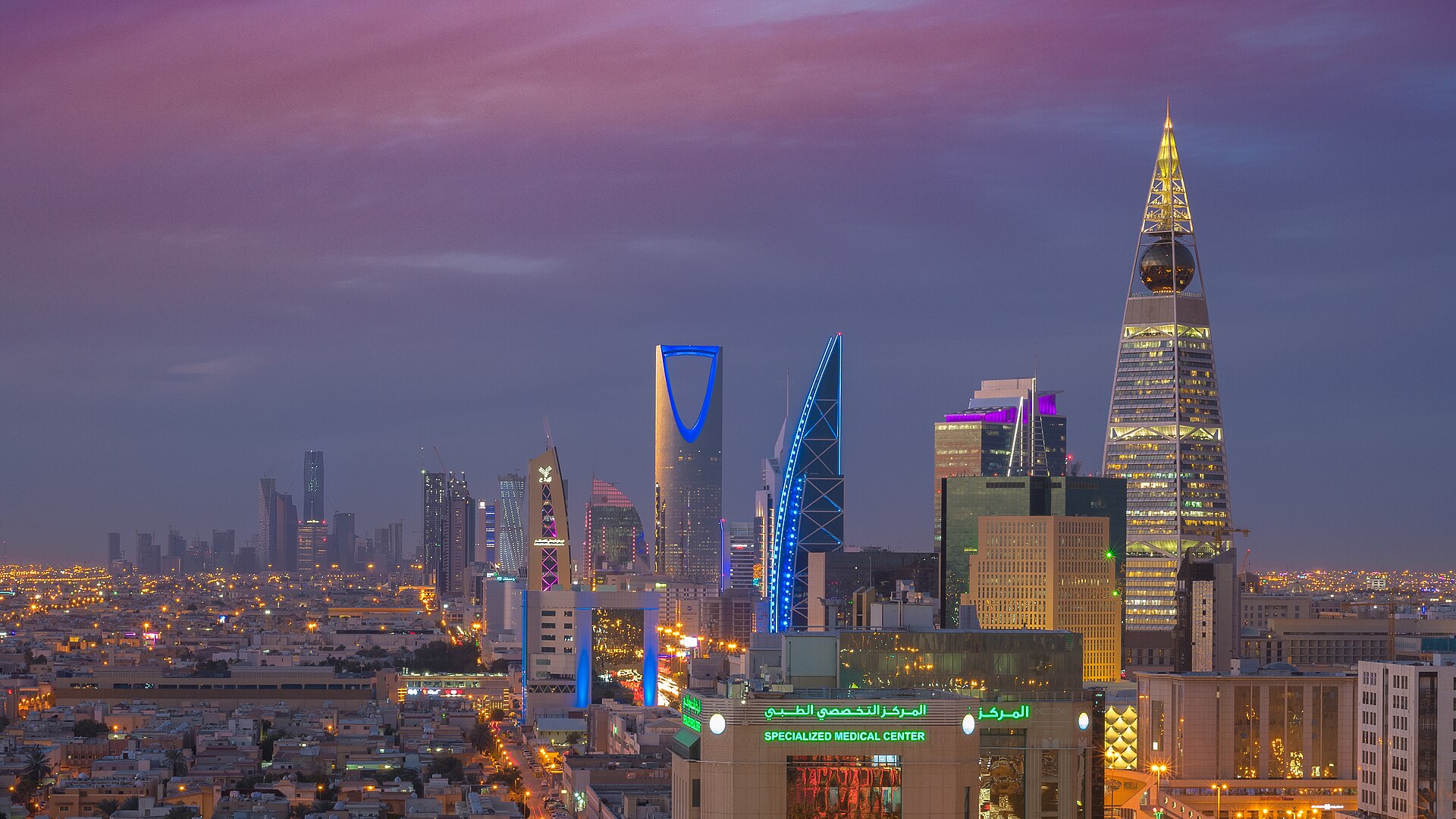
Accommodation is typically the largest single expense in Saudi Arabia. Prices vary dramatically by city, season, and style. Peak season (October–March) adds 15–30% to rates, and Hajj season inflates Makkah and Madinah hotels by 5–10x.
Budget: Hostels and Budget Hotels ($17–$65/night)
Hostels are a relatively new concept in Saudi Arabia, but the supply has grown rapidly since 2019. In Riyadh, expect to pay SAR 64–206 ($17–$55) per night for a clean dorm or basic private room. Jeddah runs slightly higher at SAR 113–244 ($30–$65) due to pilgrim demand. Budget Airbnb apartments in both cities start around SAR 150–300 ($40–$80).
Mid-Range: 3–4 Star Hotels ($55–$250/night)
The mid-range tier offers the best value in Saudi Arabia. Three-star hotels in Riyadh run SAR 206–488 ($55–$130), with four-star properties at SAR 488–938 ($130–$250). Jeddah’s mid-range is SAR 263–563 ($70–$150) for three-star and SAR 563–1,050 ($150–$280) for four-star. AlUla, with limited supply, starts higher at SAR 450–863 ($120–$230) for three-star accommodation.
Luxury: 5-Star Hotels and Resorts ($250–$900+/night)
Saudi Arabia’s luxury hotel market has exploded under Vision 2030. Five-star properties in Riyadh range from SAR 938–2,250 ($250–$600), with ultra-luxury suites at the Ritz-Carlton reaching SAR 71,250+ ($19,000+) per night. In AlUla, luxury glamping at Habitas starts from SAR 2,000 ($533). Jeddah’s five-star hotels run SAR 1,050–2,438 ($280–$650). For a full breakdown by city and property, see our Saudi Arabia hotels guide.
| City | Budget/Night | Mid-Range/Night | Luxury/Night |
|---|---|---|---|
| Riyadh | $17–$55 | $55–$250 | $250–$600+ |
| Jeddah | $30–$65 | $70–$280 | $280–$650+ |
| AlUla | $50–$80 | $120–$400 | $400–$900+ |
| Dammam/Khobar | $20–$50 | $60–$200 | $200–$500+ |
Food and Dining Costs
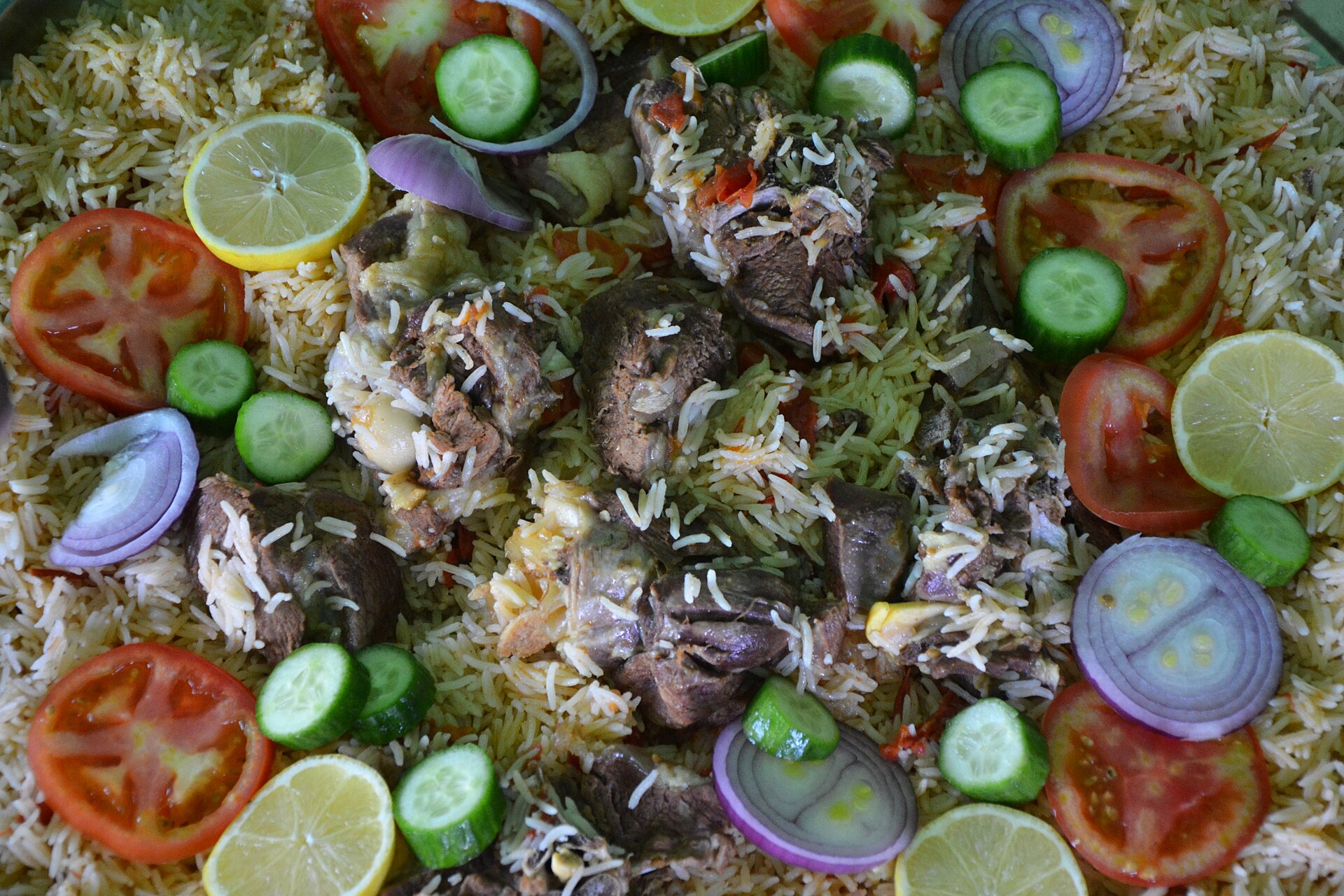
Food in Saudi Arabia is approximately 46% cheaper than in the United States, according to Numbeo data from April 2026. Food inflation has been minimal — just 1.3% year-over-year as of December 2025 — so these prices are stable.
Street Food and Budget Meals ($2–$8)
- Shawarma or falafel sandwich: SAR 8–12 ($2–$3)
- Local restaurant meal (kabsa, mandi, mutabbaq): SAR 15–30 ($4–$8)
- Fast food combo (McDonald’s, KFC): SAR 28–30 ($7–$8)
- Indian/Asian buffet: SAR 25–60 ($7–$16)
- Per person at a mid-range restaurant: SAR 50–90 ($13–$24)
- Three-course dinner for two: SAR 150–200 ($40–$53)
- Per person at an upscale restaurant: SAR 200–600 ($53–$160)
- Tasting menu (Michelin-recognised, Jeddah): SAR 800+ ($213+)
- Restaurants (no service charge): 10–15% of the bill
- Hotel porter: SAR 5–10 per bag ($1.33–$2.67)
- Housekeeping: SAR 5–10 per night
- Taxi/Uber: Round up to the nearest SAR 5–10
- Tour guide (group): SAR 10–20 per person
- Tour guide (private, full-day): SAR 40–80
- Café counter: SAR 2–5
- Travel October–November or February–March: Peak season rates without Hajj/Ramadan surcharges. Avoid June–August (extreme heat) and Hajj season (hotel prices spike 5–10x in Makkah/Madinah).
- Use the Riyadh Metro: At SAR 4 per ride, it is 5–10x cheaper than Uber for city transport.
- Book domestic flights early: flynas and flyadeal release sale fares from SAR 55 ($15). Prices triple within two weeks of departure.
- Eat local: A filling kabsa meal at a neighbourhood restaurant costs SAR 15–25 ($4–$7) — one-tenth the price of hotel dining.
- Claim your VAT refund: The tourist VAT refund programme (launched April 2025) returns 15% on purchases over SAR 500. Shopping at authorised retailers for gifts and electronics can save significant money.
- Get a Zain Visitor SIM: At SAR 40 ($11) for 6 GB over 14 days, it beats international roaming by a factor of ten or more.
- Visit free sites first: Al-Masmak Fortress, Elephant Rock, Jeddah’s Al-Balad historic quarter, the Corniche, and countless wadis and beaches cost nothing.
- October–March (peak season): Best weather, highest hotel prices. Book 2–3 months ahead for mid-range hotels.
- April–May and September: Shoulder season. Temperatures rising but manageable. Prices drop 15–25%.
- June–August: Extreme heat (45°C+) keeps tourists away. Hotels drop 30–50% except in the cooler Asir highlands, where prices actually rise.
- Hajj season (late May–June 2026): Makkah and Madinah hotels increase 5–10x. Other cities are largely unaffected.
- Ramadan: Hotels outside Makkah/Madinah drop 10–20%. Restaurants are closed during daylight, but iftar buffets are a cultural highlight. Many attractions operate reduced hours.
- AlUla: Most experiences operate only November–February (winter season). Off-season availability is limited, and some luxury properties close entirely.
- Saudi Arabia Travel Guide 2026 — The complete guide to visiting the Kingdom
- Saudi Arabia Visa Guide — Every visa type explained, including the tourist e-visa
- Saudi Arabia Hotels Guide — Where to stay across the Kingdom, from hostels to luxury resorts
- Getting Around Saudi Arabia — Flights, trains, metro, taxis, and car rental explained
- Saudi Arabia Car Rental Guide — Rates, rules, and road-trip routes
- Riyadh Travel Guide 2026 — The capital city’s best attractions, food, and accommodation
Mid-Range Dining ($13–$53)
Fine Dining ($53–$200+)
Beverages
Saudi Arabia does not sell alcohol. Non-alcoholic beverages are inexpensive: a cappuccino costs SAR 14–16 ($3.70–$4.25), bottled water (1.5L) is SAR 2 ($0.53), and soft drinks run SAR 2–3 ($0.53–$0.80).
| Daily Food Budget | SAR | USD |
|---|---|---|
| Budget | 45–75 | $12–$20 |
| Mid-Range | 113–206 | $30–$55 |
| Luxury | 300–750+ | $80–$200+ |
Transport Costs
Domestic Flights
Saudi Arabia is vast — Riyadh to Jeddah is 950 km — so domestic flights are essential for multi-city trips. Budget carriers flynas and flyadeal offer sale fares from SAR 55 ($15), with standard fares as follows:
| Route | One-Way (SAR) | One-Way (USD) |
|---|---|---|
| Riyadh → Jeddah | 176–375 | $47–$100 |
| Riyadh → Dammam | 131–300 | $35–$80 |
| Jeddah → AlUla | 225–563 | $60–$150 |
| Jeddah → Abha | 188–450 | $50–$120 |
Haramain High-Speed Train
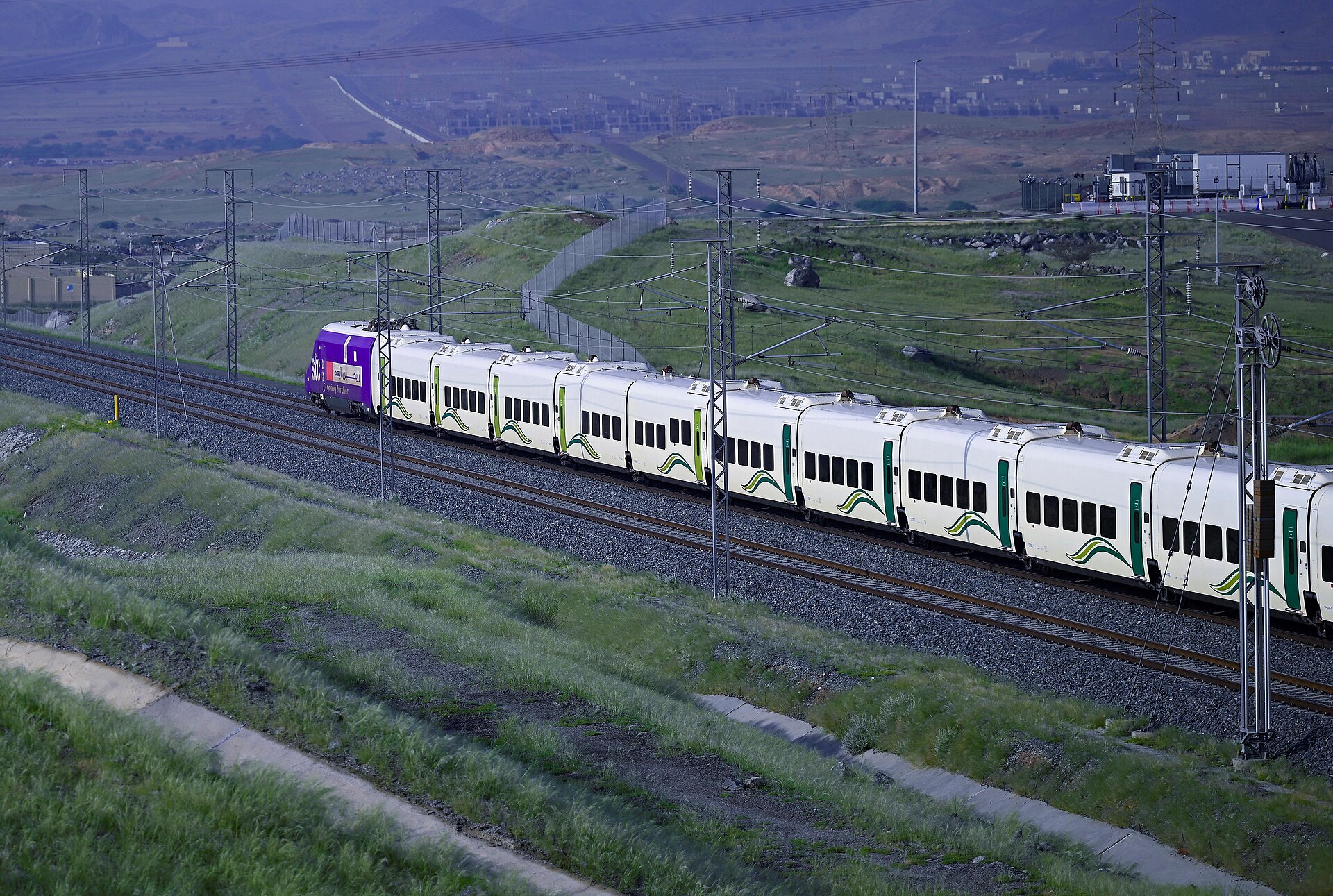
The Haramain Railway connects Jeddah, Makkah, Madinah, and King Abdullah Economic City at speeds up to 300 km/h. Economy class runs SAR 70–200 ($19–$53) depending on the route, with business class at SAR 240–300 ($64–$80). Book early — prices increase during Hajj and Ramadan.
Riyadh Metro
Fully operational since 2024, the six-line Riyadh Metro is the cheapest way to navigate the capital. A 2-hour standard pass costs just SAR 4 ($1.07), a 3-day tourist pass SAR 20 ($5.33), and a 7-day pass SAR 40 ($10.67). For more on getting around Saudi Arabia, see our dedicated transport guide.
Taxis and Ride-Hailing
Uber and Careem (the regional competitor) operate in all major Saudi cities. A short 15-minute ride costs SAR 15–25 ($4–$7), a 30-minute ride SAR 40–50 ($10–$13), and an airport transfer SAR 40–80 ($11–$21) depending on the city. Always use the app — unmetered taxis can overcharge, especially at airports.
Car Rental
Renting a car is the best option for exploring AlUla, the Asir highlands, and Tabuk region. Economy cars start from SAR 85–110/day ($23–$29), mid-size sedans SAR 130–180 ($35–$48), and SUVs SAR 160–220 ($43–$59). Petrol is remarkably cheap: SAR 2.18/litre ($0.58) for 91 octane, making a full 60-litre tank just SAR 140 ($37). For more details, see our car rental guide.
| Daily Transport Budget | SAR | USD |
|---|---|---|
| Budget (metro + bus) | 19–56 | $5–$15 |
| Mid-Range (Uber + occasional flight) | 56–131 | $15–$35 |
| Luxury (rental car + domestic flights) | 188–375+ | $50–$100+ |
Attraction and Activity Costs
Many of Saudi Arabia’s best sights are free — Elephant Rock in AlUla, Al-Masmak Fortress in Riyadh, and the Jeddah Corniche cost nothing. Others require paid tours or tickets:
| Attraction | SAR | USD |
|---|---|---|
| Hegra guided tour (AlUla) | 95+ | $25+ |
| Hegra Hop-On Hop-Off | 150+ | $40+ |
| Diriyah (At-Turaif UNESCO site) | 75–110 | $20–$30 |
| National Museum, Riyadh | 20–55 | $5–$15 |
| Edge of the World day trip | 190–375 | $50–$100 |
| Red Sea diving/snorkeling | 260–675 | $70–$180 |
| Desert safari / stargazing | 225–675 | $60–$180 |
| Elephant Rock (AlUla) | Free | Free |
| Al-Masmak Fortress (Riyadh) | Free | Free |
Budget tip: Many natural sites — including hiking trails, beaches, wadis, and heritage villages — are completely free. The Edge of the World near Riyadh requires a 4×4 vehicle but has no entry fee; you pay only for the guided tour or vehicle hire.
SIM Cards and Mobile Data
The three Saudi carriers — STC, Zain, and Mobily — all sell tourist SIM cards at airport kiosks. STC has the best coverage nationwide; Zain offers the best short-trip value. eSIMs are also available from all three providers.
| Plan | Provider | Price (SAR/USD) | Data | Duration |
|---|---|---|---|---|
| Visitor 40 | Zain | 40 / $11 | 6 GB | 14 days |
| Visitor Weekly | Zain | 40 / $11 | 5 GB | 7 days |
| Visitor Monthly | Zain | 120 / $32 | 20 GB | 30 days |
| Sawa Visitor | STC | 150 / $40 | 70 GB | 30 days |
| Visitors 150 | Mobily | 173 / $46 | 40 GB + social | 30 days |
Tipping in Saudi Arabia
Tipping is appreciated but not mandatory in Saudi Arabia. Many upscale restaurants add a 10–15% service charge to the bill automatically — check before tipping on top.
Daily Budget Breakdown by Travel Style
Budget Traveller: $50–$100/day (SAR 188–375)
| Category | Daily Cost (SAR) | Daily Cost (USD) |
|---|---|---|
| Accommodation (hostel/budget hotel) | 75–150 | $20–$40 |
| Food (street food + local restaurants) | 45–75 | $12–$20 |
| Transport (metro, bus, occasional Uber) | 19–56 | $5–$15 |
| Activities (free sites + 1 paid attraction) | 0–38 | $0–$10 |
| SIM card + miscellaneous | 26–49 | $7–$13 |
| Total | 165–368 | $44–$98 |
Budget strategy: Stay in Riyadh hostels, eat kabsa and shawarma at local joints, ride the metro, and focus on free attractions like Al-Masmak Fortress, the Corniche in Jeddah, and Elephant Rock in AlUla. The Riyadh Metro 3-day pass at SAR 20 is outstanding value.
Mid-Range Traveller: $140–$275/day (SAR 525–1,031)
| Category | Daily Cost (SAR) | Daily Cost (USD) |
|---|---|---|
| Accommodation (3–4 star hotel) | 244–488 | $65–$130 |
| Food (mix of local + mid-range restaurants) | 113–206 | $30–$55 |
| Transport (Uber + one domestic flight/week) | 56–131 | $15–$35 |
| Activities (2–3 paid attractions/tours) | 56–113 | $15–$30 |
| SIM card + miscellaneous | 49–94 | $13–$25 |
| Total | 518–1,031 | $138–$275 |
Mid-range strategy: Book 3–4 star hotels on Booking.com (rates drop mid-week), eat a mix of local and international cuisine, use Uber between sites, and book one domestic flight to cover a second city. This is the sweet spot for most visitors — comfortable without excessive spend.
Luxury Traveller: $465–$1,000+/day (SAR 1,744–3,750+)
| Category | Daily Cost (SAR) | Daily Cost (USD) |
|---|---|---|
| Accommodation (5-star hotel/resort) | 938–1,875+ | $250–$500+ |
| Food (fine dining + hotel restaurants) | 300–750 | $80–$200 |
| Transport (rental car + flights + private transfers) | 188–375+ | $50–$100+ |
| Activities (private tours + premium experiences) | 188–563 | $50–$150 |
| Spa, shopping + miscellaneous | 131–214 | $35–$57 |
| Total | 1,744–3,776+ | $465–$1,007+ |
Luxury strategy: Book five-star properties like the Ritz-Carlton Riyadh, Habitas AlUla, or the Park Hyatt Jeddah. Use private transfers and domestic business-class flights. AlUla’s luxury glamping experiences and private Hegra tours are highlights worth the premium.
Weekly Trip Totals (7 Nights, Excluding International Flights)
| Style | 7-Night Total (SAR) | 7-Night Total (USD) |
|---|---|---|
| Budget | 1,155–2,576 | $542–$917 |
| Mid-Range | 3,626–7,217 | $1,222–$2,237 |
| Luxury | 12,208–26,432+ | $3,602–$7,622+ |
Add to your total: Tourist e-visa SAR 535 ($142) + international flights (variable) + travel insurance (if not covered by visa). The visa includes basic medical insurance, but comprehensive travel insurance is recommended for adventure activities like Red Sea diving or mountain hiking.
Money-Saving Tips for Saudi Arabia
How Saudi Arabia Compares to Other Destinations
| Category | Saudi Arabia | UAE (Dubai) | Egypt | Jordan |
|---|---|---|---|---|
| Budget meal | $4–$8 | $10–$15 | $3–$5 | $3–$7 |
| Mid-range hotel | $55–$250 | $80–$300 | $30–$100 | $40–$150 |
| Tourist visa | $142 | Free | $25 | $56 |
| Local transport | $4–$7/ride | $5–$10/ride | $1–$3/ride | $2–$5/ride |
| Overall (vs. USA) | ~46% cheaper | ~20% cheaper | ~70% cheaper | ~55% cheaper |
Saudi Arabia sits between Dubai and Egypt in cost — significantly cheaper than the UAE but pricier than North Africa. The $142 visa fee is the biggest upfront cost gap versus Dubai’s free entry, but lower daily expenses often make up the difference on trips longer than a week.
Seasonal Price Variations
Timing can save — or cost — hundreds of dollars: