
Saudi Arabia is not the first destination most vegans think of — but it should be. The Kingdom’s culinary traditions are built on legumes, grains, flatbreads, and fresh vegetables, giving plant-based travellers a surprisingly rich foundation to explore. From ancient foul carts in Jeddah’s Al-Balad to sleek plant-based cafés in Riyadh’s King Abdullah District, the vegan dining scene has expanded dramatically since the country opened to tourism. This complete guide to visiting Saudi Arabia covers everything a vegan traveller needs: traditional dishes that are naturally plant-based, the best dedicated vegan restaurants city by city, practical tips for navigating menus, and where to stock up on groceries for self-catering adventures.
Best Time to Visit: October to March (cooler temperatures, outdoor dining season)
Getting There: Direct flights to Riyadh (RUH) and Jeddah (JED) from most major cities worldwide
Visa Required: Yes — tourist e-visa available for 63 nationalities
Budget: SAR 80–250/day for food (USD 21–67) depending on street food vs. restaurants
Must-Try: Foul medames, falafel wraps, vegetable mutabbaq
Avoid: Assuming “vegetarian” means vegan — always ask about ghee, yoghurt, and honey in traditional dishes
Traditional Saudi Dishes That Are Naturally Vegan
Saudi cuisine draws heavily from Bedouin, Hijazi, and Najdi cooking traditions — all of which rely on plant staples that predate the modern meat-heavy diet. Many classic dishes are vegan by default or require only minor adjustments. Here are the essential traditional foods every vegan traveller should seek out.
Foul Medames (Fava Bean Stew)
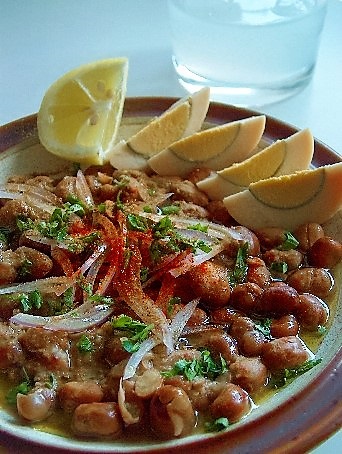
The backbone of Saudi breakfast culture, foul is a slow-cooked fava bean stew dressed with olive oil, lemon juice, cumin, and fresh tomatoes. It is served in virtually every neighbourhood restaurant from dawn onwards and costs as little as SAR 5–15 per plate. Eaten with fresh tamees bread, foul is hearty, protein-rich, and entirely plant-based. Look for foul carts — mobile vendors who set up in residential areas at sunrise, particularly in Jeddah’s historic quarters and along Riyadh’s Olaya Street.
Falafel and Tamiya
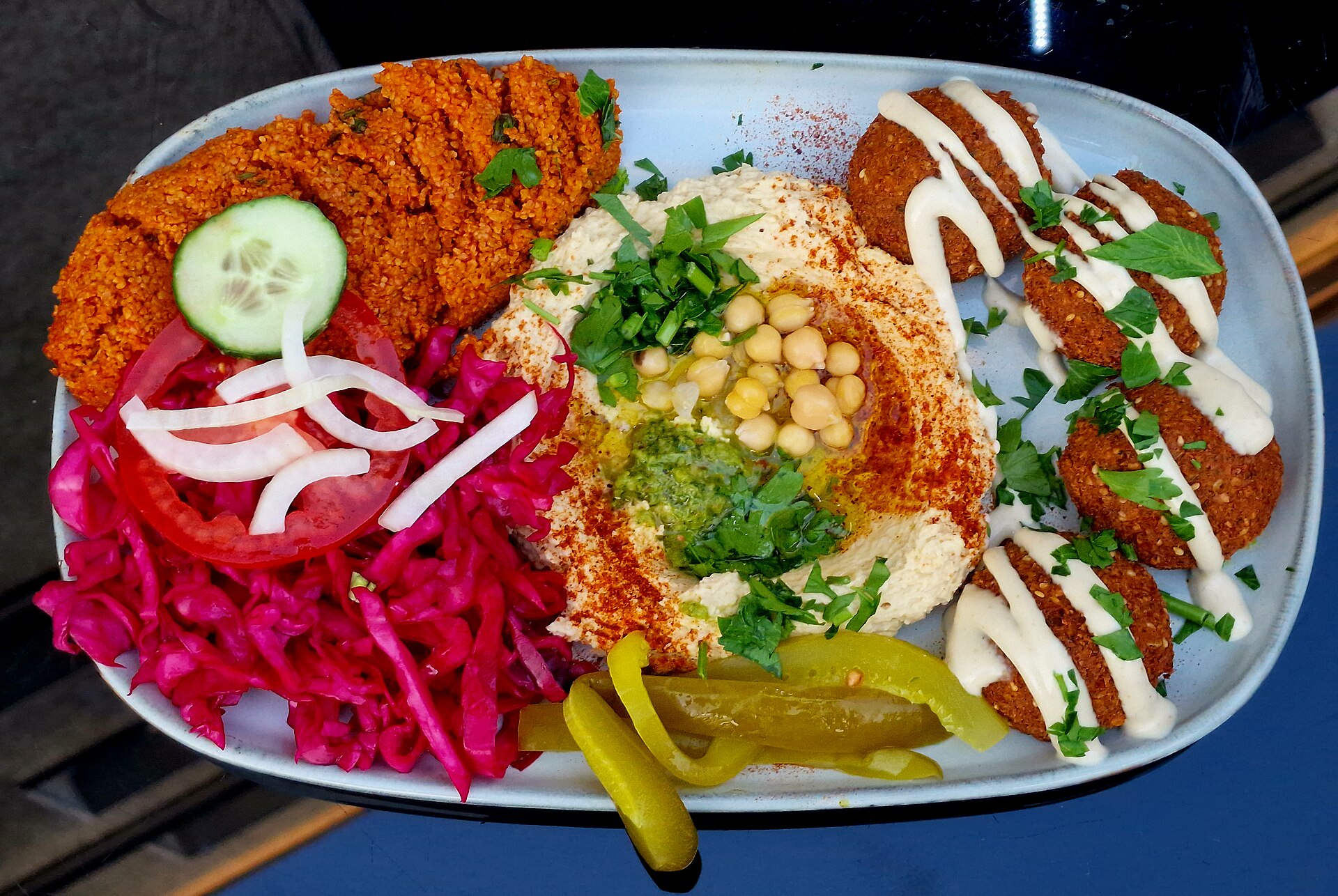
Deep-fried chickpea or fava bean patties served in flatbread with tahini, pickled turnip, and salad. Falafel sandwiches are ubiquitous at budget restaurants across the country, typically costing SAR 3–8. They make an excellent grab-and-go meal between sightseeing stops. The Hijazi version uses more herbs and is slightly flatter than the Levantine style.
Mutabbaq (Stuffed Pastry)
A thin pastry dough folded around a filling and pan-fried until crispy. While meat and egg versions exist, vegetable mutabbaq filled with onions, peppers, and spices is widely available at street stalls — particularly in Jeddah and Mecca. Ask for mutabbaq khodar (vegetable mutabbaq) to ensure the filling is plant-based.
Ful and Hummus Platters
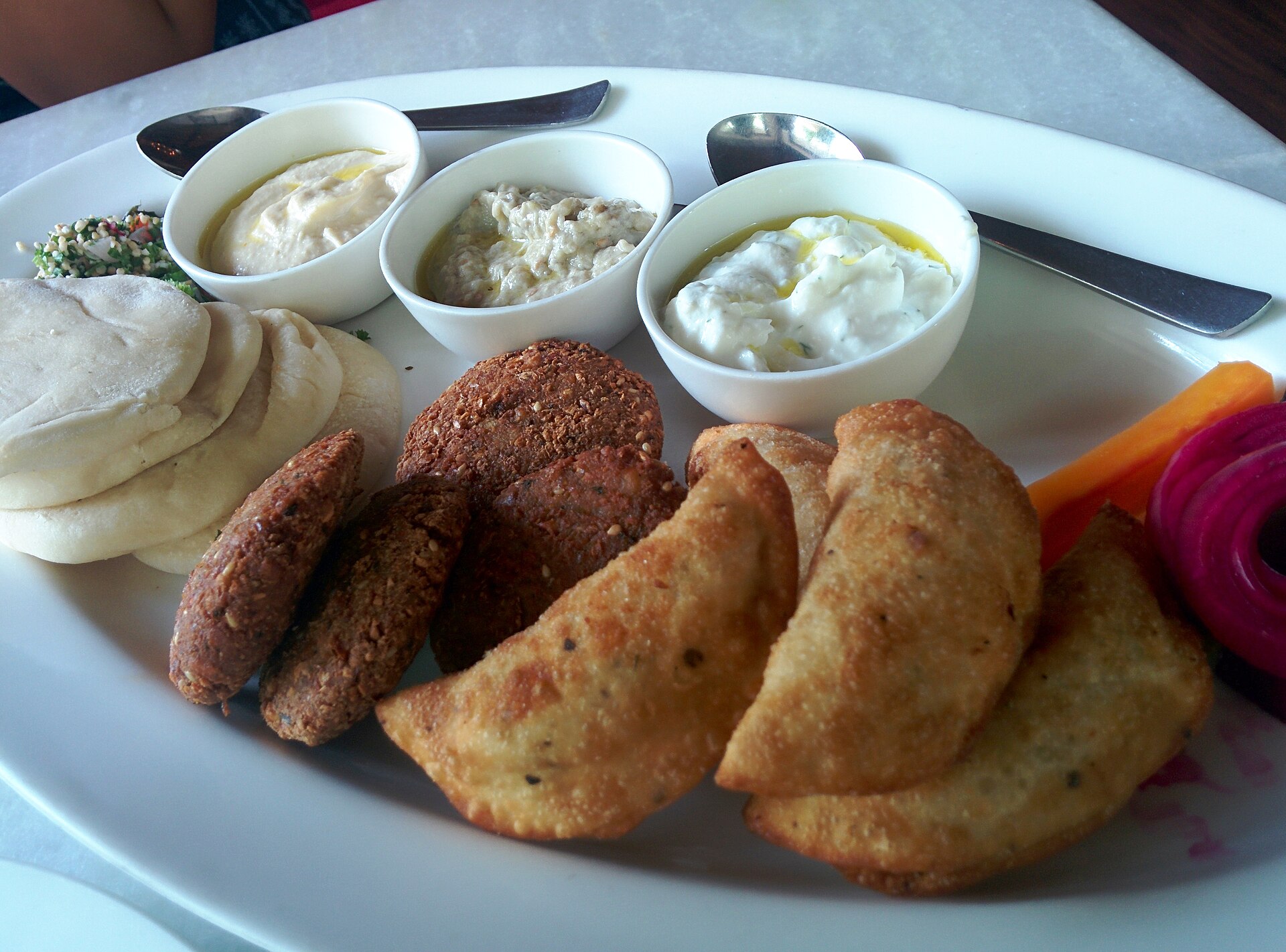
Many traditional restaurants serve a fatoor (breakfast) spread that includes hummus, baba ghanoush (smoky aubergine dip), labneh alternatives, olives, za’atar with olive oil, and fresh bread. Request the spread without labneh (strained yoghurt) and you have an entirely vegan feast. These platters are common at restaurants in Riyadh and across the Hijaz region.
Harees and Jareesh (Wheat Dishes)
Harees is traditionally made with cracked wheat and meat, but vegetarian versions using lentils instead of meat exist in home cooking and some restaurants — ask for harees adas (lentil harees). Jareesh, made from crushed wheat cooked into a porridge-like consistency, can be prepared with vegetables and is worth requesting at traditional restaurants, particularly during Ramadan when plant-based versions appear on iftar menus.
Dates and Arabic Coffee
No visit to Saudi Arabia is complete without dates — the country produces over 1.5 million tonnes annually. Dates paired with Arabic coffee (qahwa, brewed with cardamom and saffron) are naturally vegan and offered as a hospitality gesture everywhere from hotel lobbies to desert camps. The date varieties to seek out include Ajwa (from Medina), Sukkari (from Al-Qassim), and Khalas (from the Eastern Province).
Best Vegan Restaurants in Riyadh
Riyadh leads the Kingdom’s plant-based dining revolution, with a growing cluster of fully vegan and vegan-friendly restaurants concentrated in the northern districts. The capital’s cosmopolitan population and health-conscious young demographic have created strong demand for dedicated plant-based establishments.
Moon Shell
Located in King Abdullah District, Moon Shell is Riyadh’s most beloved fully vegan café. The interior evokes Old Arabia with exposed stone walls and boho-chic decor. The menu focuses on breakfast and brunch — smoothie bowls served in coconut shells, vegan pancakes with berry compote, house-made granola, and raw desserts. Open daily from 7am to 11pm, it is an ideal first stop for jet-lagged arrivals craving a wholesome meal. A second branch operates in Jeddah.
Naba’at
A fully plant-based restaurant whose fans insist the drive to its location is worth it for the vibrantly coloured, Instagram-worthy dishes. The menu rotates seasonally and features creative takes on international cuisine — think jackfruit tacos, cauliflower steaks, and house-made cashew cheese platters. Reservations recommended on weekends.
Cleanse & Glow
Part juice bar, part health café, Cleanse & Glow specialises in cold-pressed juices, detox programmes, and a fully vegan food menu. Signature dishes include zucchini noodles with basil pesto, sweet potato pizza on a cauliflower crust, and black bean burgers. The drinks menu features turmeric lattes, activated charcoal lemonade, and seasonal smoothie flights.
Gather Eatery
Located inside the Antara compound, Gather Eatery offers a bright, spacious dining room with a dedicated vegan menu alongside non-vegan options. Vegan highlights include hearty plant-based burgers, mushroom-based pasta dishes, and Thai-inspired coconut curries. The laid-back atmosphere makes it particularly popular for Friday brunch.
Yogi
Yogi caters to multiple dietary needs with clearly labelled vegan, keto, dairy-free, and nut-free options. Standout vegan dishes include the Japanese noodle salad with toasted peanuts and sesame-ginger dressing, the Yogi burger (quinoa, black beans, and brown bulgur with beetroot), and a samosa wrap that has developed a cult following.
Almayass
An Armenian-Lebanese restaurant with exceptional plant-based creativity. While not exclusively vegan, the menu features clearly marked dishes including eggplant fattah, pumpkin kibbeh, and vegan maqluba (upside-down rice with vegetables). The setting is upscale — expect to spend SAR 150–250 per person.
Best Vegan Restaurants in Jeddah
Jeddah — the gateway to the Hijaz and Saudi Arabia’s most cosmopolitan city — offers a vegan scene that blends traditional street food with modern plant-based innovation. The city’s long history as a trading port means flavours from East Africa, South Asia, and the Levant all appear on local menus.
Nabati Eatery
Founded by Saudi chef Ola Kayal — who trained at a three-Michelin-star restaurant in Europe and previously launched the Nabati ice cream brand in Miami — this Jeddah establishment is entirely plant-based, gluten-free, and refined sugar-free. Kayal uses locally sourced, organic ingredients wherever possible and has expressed ambitions toward earning a Michelin Green Star. The menu features creative plant-based dishes that challenge every stereotype about vegan food being bland or limited.
Vegan Street
A casual eatery offering creative comfort food with a fully vegan menu. Popular items include crispy soy-based chicken alternatives, katsu curry with rice, crunchy cauliflower bites, and spinach lasagna. The portions are generous and prices moderate (SAR 40–80 per main), making it a favourite among Jeddah’s younger crowd.
Moon Shell Jeddah
The Jeddah branch of the popular Riyadh-based vegan café. Like its sister location, it serves smoothie bowls, lentil pancakes, granola bowls, and vegan croissants in a photogenic setting. Particularly busy on Friday mornings.
The Vegan Dinosaur
Known for inventive plant-based takes on comfort food classics — vegan burgers, loaded fries with cashew cheese sauce, hearty grain bowls, and wraps. The playful branding and creative menu attract both committed vegans and curious omnivores. The dessert menu features vegan soft-serve and cookie sandwiches.
Indian Restaurants in Al-Balad
Jeddah’s historic Al-Balad district and surrounding areas are home to dozens of South Asian restaurants serving naturally vegan dishes. Look for South Indian dosas, vegetable biryani, chana masala, aloo gobi, and dal tadka. These restaurants typically offer the best value for vegan travellers — full meals for SAR 15–30. Reliable chains include Maharaja Palace and Al-Baik’s falafel option (their falafel wrap is vegan).
Vegan Options in Other Saudi Cities
Dammam and Al Khobar (Eastern Province)
The Eastern Province has a substantial South Asian community, meaning Indian and Pakistani vegetarian restaurants are plentiful. The Khobar Corniche area has several health-focused cafés offering plant-based bowls and smoothies. Vital Food Store on Prince Turki Street stocks imported vegan products.
AlUla
Visitors to AlUla’s ancient Nabataean tombs will find vegan options at the resort restaurants in the Heritage Area. Habitas AlUla features a plant-forward menu with locally grown produce. For budget options, the traditional restaurants on the main road serve foul, falafel, and vegetable rice dishes.
Abha and the Asir Highlands
The cooler climate of Abha and the Asir region means fresh produce is abundant. Local specialties include aseedah made from wheat flour (request without ghee), grilled corn from roadside vendors, and honey from highland apiaries (not vegan, but worth noting for vegetarians). The Tuesday market in Abha sells fresh fruit, vegetables, and local breads.
Tabuk and the Northwest
Tabuk and the surrounding NEOM region are still developing their restaurant infrastructure, but traditional eateries serve reliable foul, hummus, and falafel. The city’s position near Jordan means Levantine-style meze — tabbouleh, fattoush, vine leaves stuffed with rice — is widely available and often vegan by default.
Navigating Menus: Essential Arabic Phrases
English menus are common in major cities, but knowing key Arabic food terms will open up options at traditional restaurants where English may be limited. These phrases are particularly useful outside Riyadh and Jeddah.
| English | Arabic (transliterated) | When to use |
|---|---|---|
| I don’t eat meat or dairy | La akul lahm wa la halib | Opening statement to any server |
| Without meat | Bidoon lahm | Modifying a specific dish |
| Without butter/ghee | Bidoon zubda / bidoon samneh | For rice dishes and breads |
| Without eggs | Bidoon bayd | For pastries and baked goods |
| Without yoghurt | Bidoon laban | For sauces and dressings |
| Vegetables only | Khodar bass | Simple request for plant-based |
| Is this vegan? | Hal hatha nabati? | Direct question about a dish |
| Fava beans | Foul | Ordering breakfast |
| Chickpeas | Hummus | Ordering staple dip |
Tip: The word “nabati” (نباتي) means “plant-based” in Arabic and is increasingly used on Saudi menus to label vegan options. Look for this word or a green leaf symbol on menus in modern restaurants.
Supermarkets and Self-Catering
For travellers staying in serviced apartments or wanting to supplement restaurant meals with snacks, Saudi supermarkets carry an expanding range of plant-based products.
Where to Shop
- Tamimi Markets — the most vegan-friendly mainstream chain, with dedicated health food aisles carrying imported plant milks (Oatly, Alpro), vegan cheeses, tofu, tempeh, and meat alternatives. Branches in all major cities.
- Danube Supermarkets — carries organic and gluten-free sections with some vegan staples including plant milks and vegan yoghurts.
- Vital Food Store (BioFood) — Saudi Arabia’s largest dedicated health food retailer, operating online and from physical stores. Stocks vegan cheese, plant-based proteins, superfoods, supplements, and imported specialty products.
- Carrefour and LuLu Hypermarket — large hypermarkets with international food aisles carrying plant-based alternatives from European and Asian brands.
- Fresh dates (available everywhere, incredibly cheap in bulk — SAR 20–50/kg for premium varieties)
- Arabic bread (khubz) — almost always vegan
- Hummus and baba ghanoush tubs (check for dairy — most are vegan)
- Fresh fruit — Saudi Arabia grows excellent watermelons, dates, citrus, and imported tropical fruits are affordable
- Nuts and seeds from bulk bins — almonds, cashews, and pistachios are local and fresh
- Plant milks — Oatly and Alpro widely available at SAR 15–25 per litre
- Habitas AlUla — plant-forward philosophy with dedicated vegan menu items at every meal
- Four Seasons Riyadh / Jeddah — vegan options clearly marked on room service and restaurant menus; will prepare bespoke vegan meals on request
- Marriott / Sheraton properties — breakfast buffets include labelled vegan sections with plant milks, fresh fruit, and hot options
- Holiday Inn / IHG — vegan breakfast options and can accommodate dietary needs with advance notice
- Falafel sandwiches (SAR 3–8) — served in fresh flatbread with tahini, pickles, and salad
- Foul carts (SAR 5–15) — customise with olive oil, cumin, chilli, and fresh tomatoes
- Vegetable mutabbaq (SAR 5–10) — crispy stuffed pastry from roadside stalls
- Shawarma bread with za’atar (SAR 2–5) — flatbread spread with za’atar and olive oil, grilled fresh
- Corn on the cob (SAR 3–5) — grilled roadside, common in highland areas like Abha and Taif
- Fresh juice stands (SAR 5–15) — mango, pomegranate, sugarcane, and mixed fruit juices blended fresh
- Roasted nuts (SAR 10–20 per bag) — freshly roasted almonds, cashews, and peanuts from souq vendors
- Fattoush salad (check that dressing is oil-based, not yoghurt)
- Tabbouleh
- Grape leaves stuffed with rice (warak enab)
- White rice with tomato sauce
- Lentil soup (shorbat adas) — ask if made with butter
- French fries (always ask if fried in dedicated oil, not shared with meat)
- HungerStation — Saudi Arabia’s leading delivery app; filter by “vegetarian” (no dedicated vegan filter yet, but most vegetarian-tagged items list ingredients)
- Jahez — fast delivery in major cities; search “vegan” or “nabati” to find dedicated plant-based restaurants
- Careem (now owned by Uber) — food delivery section covers most vegan-friendly restaurants in Riyadh and Jeddah
- Talabat — popular in the Eastern Province; filter by cuisine type and check individual dish descriptions
- Nutritional yeast (not widely available in Saudi supermarkets)
- Your favourite protein bars for long desert drives between cities
- B12 supplements (available locally but pricier than at home)
- A small container of your preferred plant milk powder for coffee (many traditional cafés only stock dairy)
- Ghee in rice: Traditional Saudi rice dishes (kabsa, mandi) are almost always cooked with ghee or butter. Ask for “bidoon samneh” (without ghee).
- Yoghurt in sauces: Many dips and sauces contain yoghurt — always ask.
- Honey in desserts: Saudi Arabia has a strong honey culture. Desserts often contain honey even when they appear to be fruit-based.
- “Vegetarian” ≠ vegan: Most Saudi restaurants understand “vegetarian” as no meat, but may still include dairy, eggs, and honey. Use “nabati” (plant-based) for clarity.
- Bread ingredients: While Arabic flatbread is typically vegan (flour, water, salt, yeast), some enriched breads and pastries contain milk or butter. Stick to basic khubz.
- Saudi Arabia Travel Guide 2026 — The complete guide to visiting the Kingdom
- Riyadh Travel Guide 2026 — Everything to see, do, and eat in the Saudi capital
- Jeddah Travel Guide 2026 — Explore the historic gateway to the Hijaz
- AlUla Travel Guide 2026 — Ancient tombs and desert luxury in the northwest
- Abha and Asir Travel Guide — Cool highlands, fresh produce, and mountain trails
- Saudi Arabia Visa Guide 2026 — Every visa type explained with current requirements
What to Stock Up On
Vegan-Friendly Hotel Chains
Most international hotel chains in Saudi Arabia now accommodate vegan guests at breakfast buffets. Properties that consistently offer strong vegan options include:
Tip: When booking accommodation through the Saudi Arabia Hotels Guide, note your dietary requirements in advance. Most hotels appreciate prior notice to prepare vegan breakfast options.
Vegan Street Food to Seek Out
Street food is where vegan travellers in Saudi Arabia eat best and cheapest. The following are reliably plant-based and available in every city:
Must-Try Street Foods
Hidden Vegan Gems at Non-Vegan Restaurants
Even at restaurants focused on grilled meats, these items are almost always available and vegan:
Eating Vegan During Ramadan
Ramadan presents both challenges and opportunities for vegan travellers. Restaurants close during daylight fasting hours but open for lavish iftar (breaking fast) meals at sunset. Many iftar buffets feature extensive vegan options since traditional Ramadan foods — dates, lentil soup, fattoush, sambousek with vegetables, and fresh juices — are naturally plant-based. Hotel iftar buffets are particularly accommodating.
Important: During Ramadan, eating or drinking in public during daylight hours is prohibited by law, regardless of whether you are Muslim. Carry snacks for private consumption in your hotel room and plan meals around iftar and suhoor times.
Vegan Food Delivery Apps
When restaurant fatigue sets in, food delivery apps make vegan dining easy from your hotel:
Practical Tips for Vegan Travellers
What to Pack
Common Pitfalls to Avoid
Budget Breakdown
| Meal Type | Typical Cost (SAR) | Typical Cost (USD) |
|---|---|---|
| Street food falafel/foul | 5–15 | 1–4 |
| Casual restaurant meal | 30–60 | 8–16 |
| Mid-range vegan café | 60–120 | 16–32 |
| Upscale plant-based dining | 150–300 | 40–80 |
| Daily grocery snacks | 20–40 | 5–11 |
The Growing Saudi Vegan Movement
Saudi Arabia’s vegan scene has grown rapidly since 2019, driven by health awareness among the Kingdom’s young population (70% under 35), social media influence, and Vision 2030’s focus on quality of life and tourism. The Saudi vegan food retail market has grown significantly, with major international brands entering and local entrepreneurs like Ola Kayal pioneering dedicated plant-based dining concepts.
The Middle East Vegan Society has identified Saudi Arabia as one of the region’s fastest-growing markets for plant-based food, with Riyadh, Jeddah, and Dammam leading adoption. International chains have responded — restaurants like Shake Shack, Five Guys, and P.F. Chang’s all offer clearly labelled vegan options at their Saudi locations.