
Al Baha is Saudi Arabia’s best-kept secret — a green highland province wedged between the Hejaz mountains and the Tihama coastal lowlands, where juniper forests blanket volcanic peaks, 400-year-old stone villages cling to marble cliffs, and beekeepers produce some of the Arabian Peninsula’s finest honey. Known locally as the “Garden of the Hijaz,” Al Baha sits at elevations reaching 2,500 metres above sea level, delivering cool mountain air while the rest of the Kingdom bakes in summer heat. If you are planning a wider trip through Saudi Arabia’s southwestern highlands, pair this guide with our Abha and Asir region guide — the two regions share the Sarawat mountain spine and complement each other perfectly. Whether you come for the UNESCO-tentative-listed marble village of Dhee Ayn, the ancient Raghadan Forest, or simply to escape the desert heat, Al Baha rewards those willing to venture off the standard Saudi Arabia travel itinerary.
Best Time to Visit: October to April for cool, dry weather; June to September for summer greenery and festivals
Getting There: Flights to Al-Aqiq Airport (ABT) from Jeddah (1 hr), Riyadh (1 hr 40 min); 4–5 hour drive from Jeddah via Highway 15
Visa Required: Yes — tourist e-visa available for 60+ nationalities
Budget: SAR 400–800 / USD 105–215 per day (mid-range hotel, meals, transport, and activities)
Must-See: Dhee Ayn Marble Village, Raghadan Forest Park, Shada Mountain
Avoid: Driving mountain roads after dark without experience — hairpin bends and fog are common
Why Visit Al Baha?
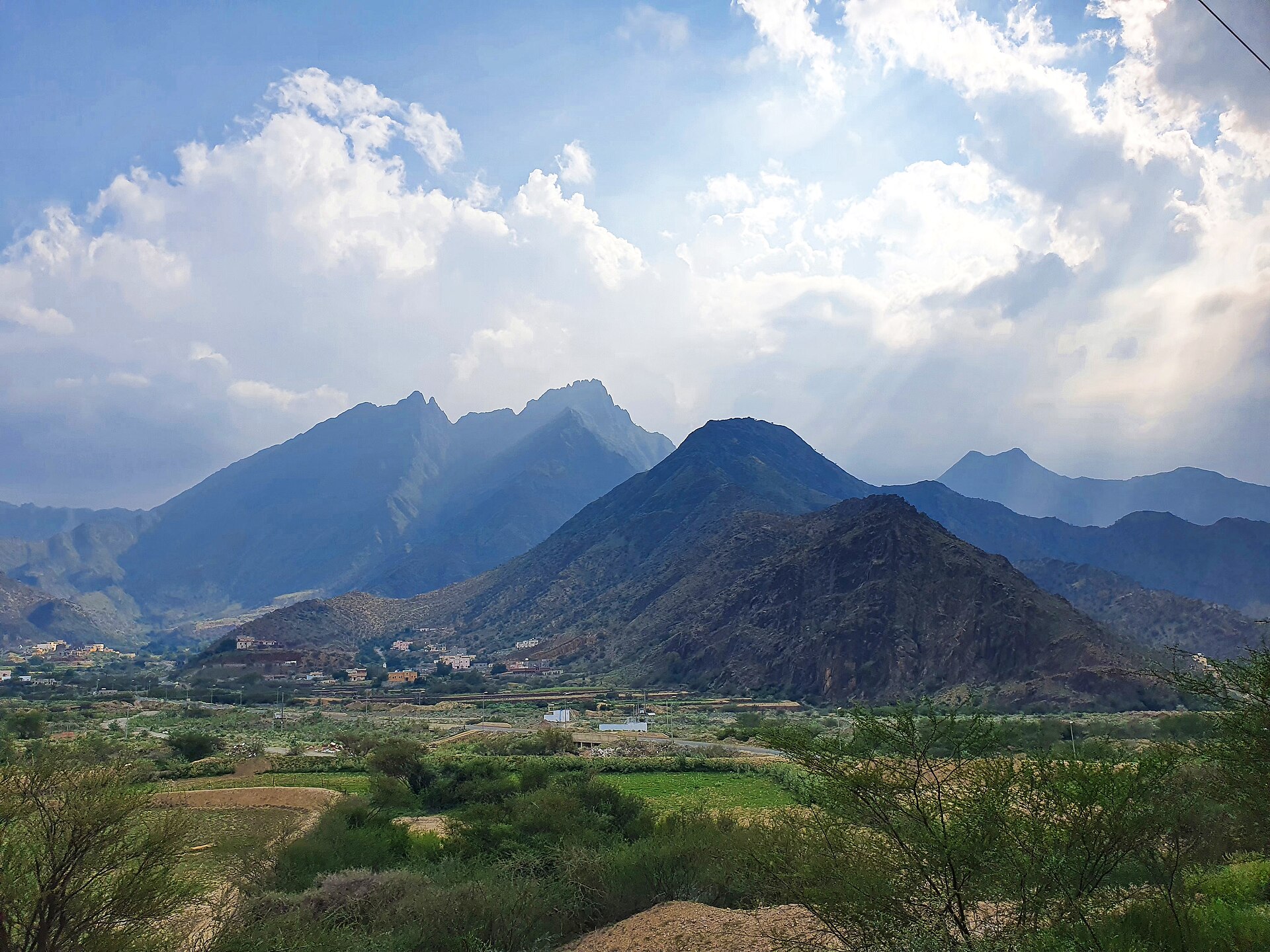
Most visitors to Saudi Arabia gravitate toward Riyadh’s megaprojects, AlUla’s Nabataean ruins, or the Red Sea coast. Al Baha barely registers on most tourist radars, and that is precisely its appeal. The province — Saudi Arabia’s smallest at roughly 9,921 square kilometres — packs an extraordinary density of natural beauty, heritage architecture, and agricultural tradition into a compact highland area.
What sets Al Baha apart is the contrast. Drive west from the 2,000-metre Sarah highlands and within 30 minutes you plunge down dramatic escarpments to the Tihama lowlands, where banana plantations and date palms replace juniper forests. The region receives around 650 millimetres of annual rainfall — generous by Saudi standards — which sustains 53 named forests and wildlife areas, including rare plant species found nowhere else on the Arabian Peninsula.
Al Baha is also the honey capital of Saudi Arabia. Hundreds of beekeepers work the region’s wildflower-covered slopes, producing prized varieties like sidr and summer blossom honey that command premium prices across the Gulf. The annual International Honey Festival draws beekeepers from across the country and abroad, showcasing more than 30 distinct honey varieties.
Top Attractions in Al Baha
Dhee Ayn — The Marble Village
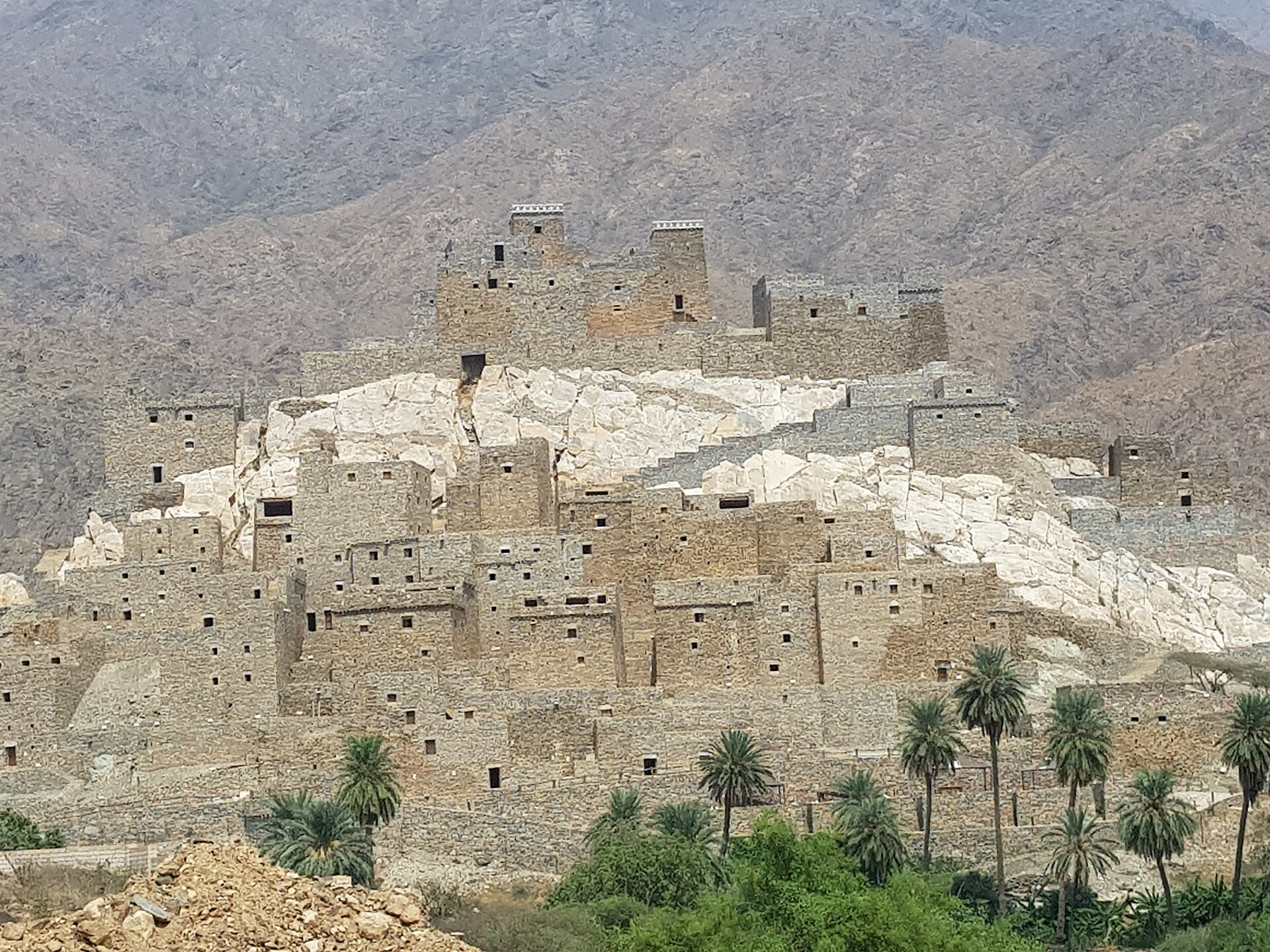
No visit to Al Baha is complete without seeing Dhee Ayn (also spelled Thee Ain or Zee Ain), a fortified settlement built atop a gleaming white marble outcrop roughly 24 kilometres from Al Baha city. Dating back over 400 years, the village contains around 49 to 58 multi-storey stone houses with walls ranging from 70 to 90 centimetres thick — natural insulation against extreme temperatures. The dark grey slate construction stands in sharp visual contrast to the white marble foundation, making the village intensely photogenic. If you enjoy photography in Saudi Arabia, Dhee Ayn is unmissable.
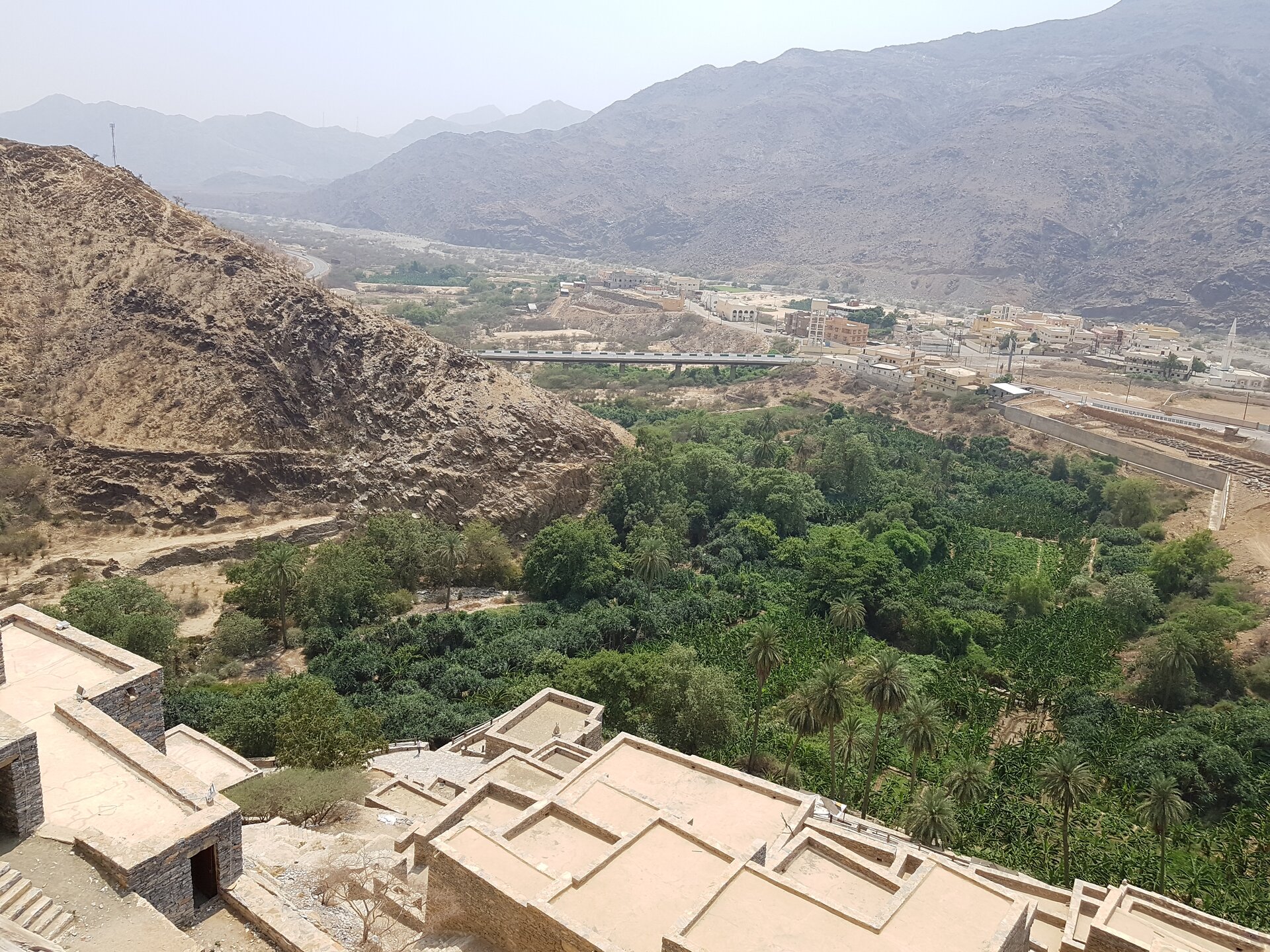
Below the village, over 75,000 square metres of agricultural terraces still produce more than eight tonnes of bananas annually, along with thousands of kadi flowers. A natural spring — from which the village takes its name (ayn meaning “spring”) — has supplied water to residents and farmers for centuries.
Dhee Ayn is on UNESCO’s tentative list of World Heritage Sites and features prominently among Saudi Arabia’s UNESCO sites. A visitor centre has been developed at the base of the village, and paved walkways now allow access through the settlement. Allow 1.5 to 2 hours for a thorough visit.
Raghadan Forest Park
Raghadan Forest Park is Al Baha’s flagship green space, spanning approximately 600,000 square metres just four kilometres from the city centre. Perched at around 1,700 metres above sea level, the park features dense stands of ancient juniper trees, some estimated to be several hundred years old. Walking paths wind through the forest, leading to viewpoints overlooking the Tihama plains far below.
Facilities include family seating and barbecue areas, an open-air theatre that hosts performances during the summer festival season, a suspension bridge at 13 to 15 metres above the forest floor, and a zipline. The park is especially popular with Saudi families during summer weekends when highland temperatures hover around 25°C while lowland cities push past 45°C. If you enjoy this kind of outdoor activity, see our Saudi Arabia hiking guide for more mountain trails across the Kingdom.
Shada Mountain
Jabal Shada (Mount Shada) is a dramatic granite peak that rises to 1,700 metres above sea level, distinguished by bizarre, weathered rock formations and a surprising biodiversity. The mountain harbours rare plant species adapted to its microclimate, as well as rock surfaces etched with ancient Thamudic inscriptions and drawings estimated to be up to 4,000 years old. Several caves dotting the mountainside have become popular tourist attractions.
Hiking routes range from gentle walks to demanding scrambles, making Shada accessible to varying fitness levels. The mountain is best visited in cooler months — October through March — when temperatures are comfortable and visibility is clear. Bring sturdy footwear, plenty of water, and expect no formal facilities on the trails.
Baljurashi
Baljurashi is Al Baha’s second city, located about 30 kilometres south of the provincial capital. It sits on a high plateau with sweeping views of Mount Athrib and the Tihama plain. The town serves as the gateway to several attractions:
- The cable car: A three-kilometre cable car ride transports passengers from the Sarah highlands down to the Tihama lowlands, offering breathtaking views of the green escarpment along the way. The ride is the most dramatic way to experience Al Baha’s topographic split.
- Saturday Market: Baljurashi’s historic weekly souk, held every Saturday, is one of the oldest in the region. Vendors sell local honey, produce, handicrafts, and livestock.
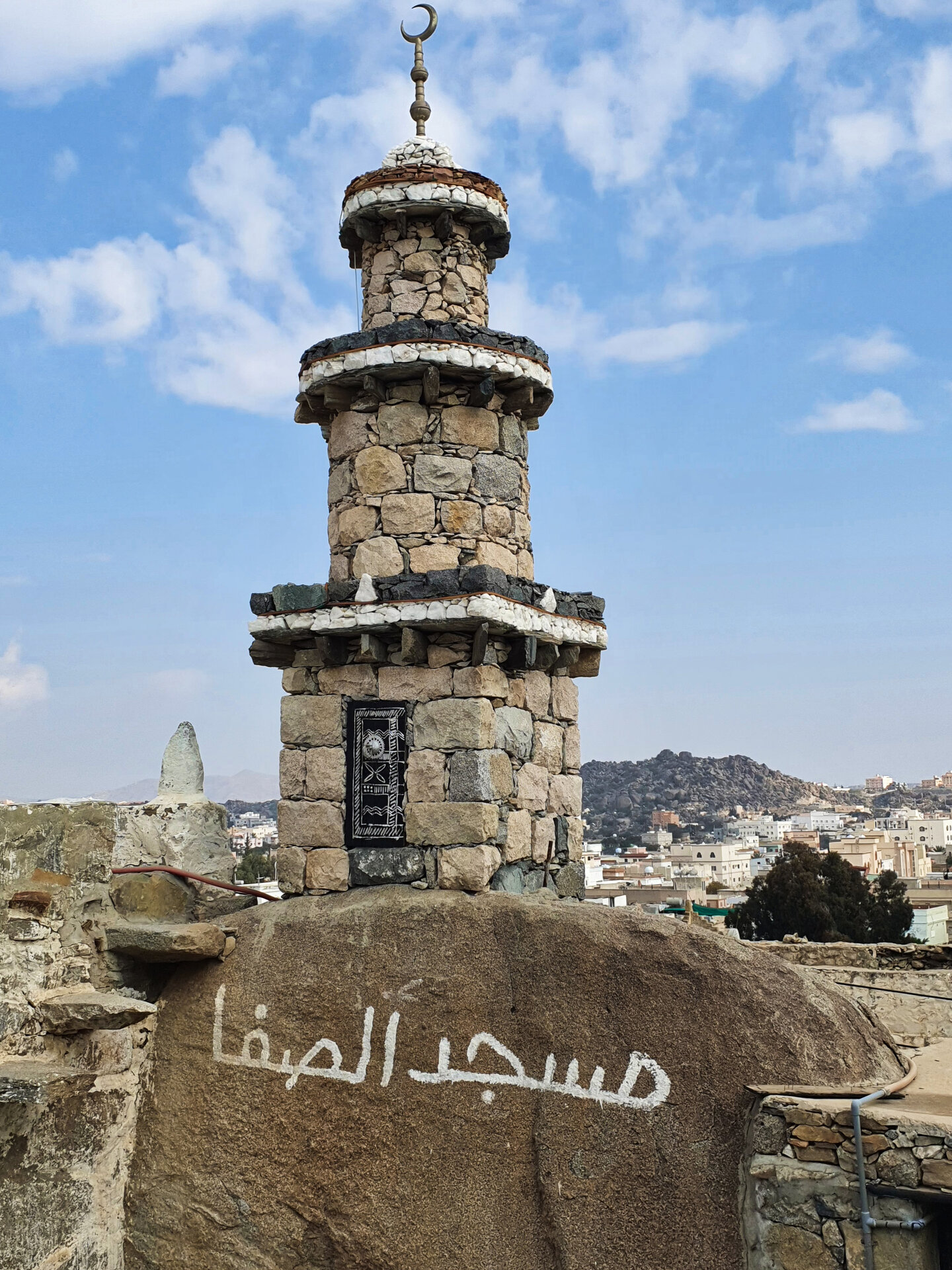
- Old Town: Baljurashi’s historic quarter features traditional stone towers and mosque minarets built from local materials — a quieter, less-visited alternative to Dhee Ayn.
- Al-Zaytouna Farm: An agricultural heritage site where visitors can see traditional terrace farming techniques still practised in the region.
- Ghomsan Forest: A quieter alternative to Raghadan with dense juniper woodland and walking paths.
- Fayk Forest: Located southwest of Al Baha city, notable for its endemic plants and mountain scenery.
- Al Baha Fort (Bakhrush bin Olas Fort): A restored stone fortress overlooking the city, offering panoramic views of the surrounding mountains.
- Areeka: A sweet dish made from crumbled bread mixed with date syrup, ghee, and honey — comfort food that showcases the region’s star ingredient.
- Mandi and Madhbi: Slow-cooked rice and meat dishes common across the southwest highlands, often prepared for gatherings and celebrations.
- Fresh banana and tropical fruit: Sourced from the Tihama lowland plantations just below Al Baha’s mountain edge.
- Jeddah (JED): Approximately 1 hour flight time, with around 11 flights per week
- Riyadh (RUH): Approximately 1 hour 40 minutes
- Dammam (DMM): Connections available with one stop
- From Jeddah: Approximately 390 kilometres via Highway 15, taking 4.5 to 5 hours. The final stretch climbs through spectacular mountain switchbacks.
- From Taif: The shortest route at roughly 220 kilometres (2.5–3 hours) on well-maintained highway. A natural extension if you are visiting Taif.
- From Abha: Around 300 kilometres (3.5 hours) heading north along the Sarawat range. Combine both cities in a southwest highlands itinerary.
- Cloud City Hotel: One of Al Baha’s most popular options, featuring a restaurant, shared lounge, and terrace with mountain views. Rates from approximately SAR 400–600 per night.
- Hajjad Continental Plaza: A reliable business-class hotel in Al Baha city with modern amenities and a central location.
- National Park Hotel: Located near the forests, blending comfort with proximity to nature. Good base for Raghadan Forest and day trips.
- Al-Faleh Hotel: A straightforward budget option in the city centre from around SAR 200 per night.
- Sakura City Hotel: Budget-friendly with a shared lounge and basic restaurant.
- Layers: Highland temperatures can swing 15°C between day and night. A fleece or light jacket is essential even in summer.
- Hiking shoes: Trails at Shada Mountain and around Dhee Ayn are rocky and uneven.
- Sun protection: UV intensity is high at elevation despite cooler air temperatures.
- Cash: While cities accept cards, rural souks, roadside honey stalls, and some smaller restaurants are cash-only.
- Abha & Asir Region Guide — The complete guide to Saudi Arabia’s southwestern highlands
- Abha Travel Guide — Cool-climate city with Asir National Park and the hanging village
- Taif Travel Guide — Rose gardens, mountain retreats, and historic souks
- Saudi Arabia Hiking Guide — The best trails from Hejaz peaks to desert canyons
- Saudi Arabia Travel Guide 2026 — The complete guide to visiting the Kingdom
- Saudi Arabia Visa Guide — Every visa type explained
Al Baha Tuesday Souk
Held every Tuesday in Al Baha city, this is one of the largest open-air markets in the southwestern highlands. Vendors from the Tihama coastal strip bring goods up to the mountains — fresh produce, honey, wickerwork, basil, textiles, household items, livestock, and fish. The souk offers an authentic window into daily highland life and is the best place to buy locally produced honey directly from beekeepers. Arrive early (by 8 AM) for the widest selection.
Other Notable Sites
Al Baha’s Honey Heritage
Honey is not just a product in Al Baha — it is a cultural identity. The region’s diverse wildflower meadows, juniper forests, and acacia groves support hundreds of beekeeping families who maintain traditions passed down through generations. Al Baha honey, particularly sidr honey harvested from jujube trees, is considered among the finest in the Middle East and can sell for SAR 500 or more per kilogram.
The annual International Honey Festival is the region’s signature event. Typically held during summer (dates vary each year), the festival brings together 120 or more beekeepers from across Saudi Arabia and abroad, displaying more than 30 types of honey alongside honey-based cosmetics, medicinal products, and traditional sweets. The festival includes educational workshops on beekeeping, tastings, and cultural performances.
Even outside festival season, honey is omnipresent. Roadside stalls sell jars of varying colour and consistency, and local restaurants drizzle it over the region’s signature dish — muqana bread.
Traditional Food in Al Baha
Al Baha’s cuisine reflects its highland setting and agricultural heritage. The star dish is muqana bread, officially recognised by Saudi Arabia’s Culinary Arts Commission as the region’s signature food. The preparation is ancient: dough is flattened into a circle, placed on a heated rock, covered with a clay or metal lid, and buried in hot ash and embers until cooked. The result is a smoky, slightly charred flatbread traditionally served with ghee, local honey, or fresh yogurt.
Other dishes to seek out include:
Best Time to Visit Al Baha
Al Baha’s highland climate makes it a year-round destination, but the ideal timing depends on what you want to experience:
| Season | Months | Conditions | Best For |
|---|---|---|---|
| Winter | December – February | Daytime highs 18–23°C, cold nights (can drop to 5°C), occasional rain | Hiking, heritage villages, clear mountain views |
| Spring | March – May | Daytime highs 22–28°C, wildflowers blooming, moderate rainfall | Photography, beekeeping season begins, Dhee Ayn at its best |
| Summer | June – September | Daytime highs 28–34°C (cooler at altitude), monsoon-influenced rains, green landscape | Summer festivals, Honey Festival, escaping lowland heat |
| Autumn | October – November | Daytime highs 24–28°C, dry, kadi flower harvest | Pleasant weather for all activities, fewer crowds than summer |
Tip: Summer is peak domestic tourism season in Al Baha. Saudi families flock to the highlands to escape the heat, so hotels fill up fast from June through August. Book accommodation at least two weeks in advance during summer weekends and festival periods.
Getting to Al Baha
By Air
Al-Aqiq Airport (IATA: ABT) is the regional airport, located approximately 45 kilometres northeast of Al Baha city. Domestic carriers Saudia, flynas, and flyadeal operate regular flights from:
From the airport, you will need a rental car or pre-arranged transfer to reach Al Baha city. No public bus serves the airport route. Check our Saudi Arabia airport guide for tips on domestic terminals.
By Road
Driving to Al Baha is one of the most scenic road trips in Saudi Arabia. The main routes:
A rental car is essential for exploring Al Baha’s scattered attractions. Mountain roads are paved but narrow in places, with steep gradients and hairpin turns. Fog can reduce visibility dramatically in winter mornings and during summer rainfall.
By Bus
SAPTCO (the national bus operator) runs intercity services connecting Al Baha with Jeddah and Taif. Buses are air-conditioned and comfortable, but schedules are limited and you will still need local transport once you arrive.
Where to Stay in Al Baha
Al Baha’s hotel scene is developing but remains modest compared to major Saudi cities. Accommodation clusters in two areas: Al Baha city centre and Baljurashi.
Mid-Range Hotels
Budget Options
Vacation Rentals
Platforms like Airbnb and Gathern (a Saudi short-stay rental platform) list mountain chalets and holiday apartments in the Al Baha region. These are especially popular with Saudi families during summer and offer more space and kitchen facilities than hotels. Expect rates from SAR 300 to SAR 1,200 per night depending on size and season.
Tip: Al Baha does not yet have any five-star international hotel chains. If luxury accommodation is a priority, consider basing yourself in Taif (which has more upscale options) and day-tripping to Al Baha, or pair Al Baha with a stay in Abha.
Getting Around Al Baha
Public transport within Al Baha province is extremely limited. A rental car is the only practical way to explore the region’s dispersed attractions. Key distances from Al Baha city:
| Destination | Distance | Drive Time |
|---|---|---|
| Dhee Ayn Marble Village | 24 km | 30 minutes |
| Raghadan Forest Park | 4 km | 10 minutes |
| Baljurashi | 30 km | 35 minutes |
| Shada Mountain | 45 km | 1 hour |
| Al-Aqiq Airport (ABT) | 45 km | 45 minutes |
Ride-hailing apps (Uber and Careem) have limited coverage in Al Baha. For airport transfers, arrange through your hotel in advance. See our getting around Saudi Arabia guide for broader transport advice.
Practical Tips for Visiting Al Baha
What to Pack
How Long to Stay
Two to three days is sufficient to see Al Baha’s highlights — Dhee Ayn, Raghadan Forest, and Baljurashi. Add a fourth day for Shada Mountain or to explore more remote forests and villages. If combining with Taif or Abha, budget five to seven days for the complete southwestern highlands circuit.
Safety
Al Baha is safe for tourists, including solo travellers and women travelling alone. The primary risks are weather-related: fog on mountain roads, flash flooding during summer storms, and cold nights at altitude. Drive cautiously and check weather forecasts before heading to remote areas.
Connectivity
Mobile coverage (STC, Mobily, Zain) is reliable in Al Baha city and Baljurashi but patchy in remote mountain areas and valleys. Download offline maps before exploring. See our Saudi Arabia SIM card guide for setup advice.
Suggested Al Baha Itinerary — 3 Days
Day 1: Arrival and Al Baha City
Arrive at Al-Aqiq Airport or drive in from Jeddah or Taif. Check into your hotel and head to Raghadan Forest Park for a sunset walk among the juniper trees. If you arrive on a Tuesday, spend the morning at the Al Baha Tuesday Souk buying local honey and produce.
Day 2: Dhee Ayn and the Tihama Descent
Start early for Dhee Ayn Marble Village (30 minutes from the city). Spend the morning exploring the heritage houses, banana terraces, and the natural spring. Afterwards, drive the winding road down toward the Tihama lowlands to experience the dramatic altitude change — lush highlands to subtropical plains in under 30 minutes. Return via Baljurashi for lunch and ride the cable car for panoramic views.
Day 3: Shada Mountain and Departure
Drive to Jabal Shada for a morning hike. Explore the ancient inscriptions, caves, and rock formations. Return to Al Baha for a final lunch — try muqana bread with local honey — before heading to the airport or continuing south to Abha.
Al Baha vs. Abha — How to Choose
Travellers exploring Saudi Arabia’s southwestern highlands often wonder whether to visit Al Baha, Abha, or both. Here is how they compare:
| Factor | Al Baha | Abha |
|---|---|---|
| Vibe | Quieter, more off-the-beaten-track | More developed, larger city feel |
| Top Attraction | Dhee Ayn Marble Village | Al Habala hanging village |
| Nature | Juniper forests, 53 named forests | Asir National Park, Rijal Almaa |
| Hotels | Mid-range, limited luxury | More options including 4-5 star |
| Crowds | Fewer tourists year-round | Busier, especially in summer |
| Access | Small regional airport, limited flights | Larger airport, more frequent flights |
Ideally, visit both. The 300-kilometre drive between them follows the Sarawat mountain spine and is one of the most scenic roads in the Kingdom. Allocate 2–3 days for each.