
Finding the right hotel in Mecca is one of the most consequential decisions any pilgrim makes. The difference between a hotel 100 metres from Masjid al-Haram and one three kilometres away is not simply a matter of convenience — it shapes the entire rhythm of your worship, your rest, and your experience of the holiest city in Islam. This guide, part of our Saudi Arabia Hotels Guide, breaks down every major accommodation zone around the Grand Mosque, names the hotels worth booking at each price tier, and explains the practical trade-offs that booking platforms rarely make clear. Whether you are planning Hajj 2026 or an off-peak Umrah, the information here is current, verified, and designed to save you money without sacrificing proximity.
Best Time to Book: 6–12 months ahead for Hajj; 2–3 months for off-peak Umrah
Getting There: Fly to Jeddah (JED), then 80 min by road or Haramain High-Speed Rail to Makkah station
Visa Required: Yes — Umrah e-visa or Hajj permit (Muslims only)
Budget: $25–$150/night (budget) · $150–$400 (mid-range) · $400–$1,500+ (luxury/Hajj peak)
Must-See: Kaaba view from Abraj Al-Bait, Jabal Omar development, covered walkway hotels
Avoid: Booking on map distance alone — steep hills and crowd corridors can double actual walking time
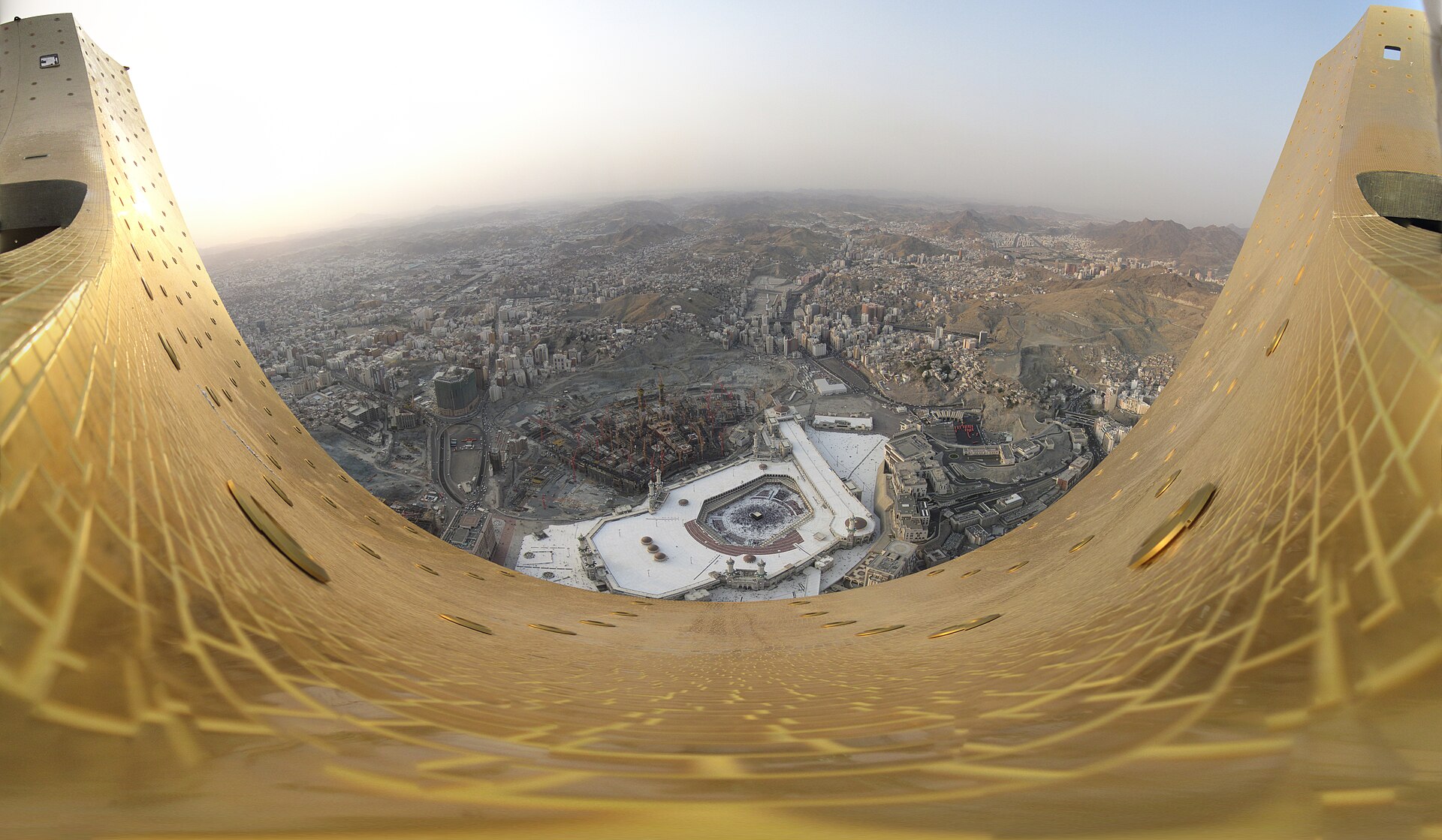
Why Hotel Location Matters More in Mecca Than Anywhere Else
In most cities, a hotel is somewhere you sleep. In Mecca, your hotel determines how many prayers you can comfortably attend at the Haram, whether elderly family members can participate at all, and how much energy you retain for worship versus commuting. During Hajj season — when temperatures regularly exceed 45°C and the streets around the Grand Mosque fill with over two million pilgrims — the distinction between a five-minute covered walk and a twenty-minute uphill slog through open-air crowds is the difference between devotion and exhaustion.
Star ratings in Mecca are less meaningful than proximity. A five-star hotel in the Al Aziziya district, three kilometres from the Haram, offers a fundamentally different experience from a four-star property in the Ajyad area, a five-minute walk from King Fahd Gate. This guide prioritises location above all else, because that is what pilgrims consistently report matters most.
The Hotel Zones: Understanding Mecca’s Geography
Hotels in Mecca arrange themselves in concentric rings around Masjid al-Haram. Price drops sharply with distance, but so does convenience. Here are the five zones that matter.
Zone 1: Abraj Al-Bait / Clock Tower Area (50–200 metres)
The Abraj Al-Bait complex sits directly south of the Grand Mosque, dominated by the Makkah Royal Clock Tower — the world’s tallest clock tower and one of the tallest buildings on earth, visible from 25 kilometres away. Hotels in this complex offer direct elevator access to the Haram plaza, meaning guests can reach the prayer area without stepping outdoors. This is the most expensive and most convenient location in Mecca, and the first zone to sell out during Hajj and Ramadan.
Zone 2: Ajyad District (300–600 metres)
South and southeast of the Haram, Ajyad offers the strongest combination of proximity and value in the city. Hotels here are typically a five-to-seven-minute walk to King Fahd Gate via well-trodden pilgrim routes. Prices run 40–60% lower than the Abraj Al-Bait cluster. The area retains an older neighbourhood character and is home to several large-capacity hotels that keep rates competitive.
Zone 3: Jabal Omar Development (400–800 metres)
West of the Haram, the Jabal Omar mega-development is Mecca’s largest modern hotel district. The entire hillside has been rebuilt with international-brand hotels, restaurants, and retail. Walking routes to the Haram via Ibrahim Al Khalil Street take 7–12 minutes and are partially covered. Hotels here are newer (most opened 2018–2025) and offer more contemporary facilities than the older Abraj-area properties, though at a greater walking distance.
Zone 4: Kudai / Al Misfalah (1.5–3 km)
The mid-budget belt. Hotels here rely on shuttle services to the Haram, which typically run every 15–30 minutes during prayer times. Prices are significantly lower — often $40–80 per night — making this zone popular with organised Umrah groups and budget-conscious families. The trade-off is shuttle dependence and the 15–20 minutes of transit each way.
Zone 5: Al Aziziya and Beyond (3–5+ km)
The cheapest district, with economy hotels from $20–40 per night. Almost entirely shuttle-dependent. Common for large Hajj group accommodations where operators book entire floors. Suitable for younger, mobile pilgrims on tight budgets who prioritise savings over convenience.
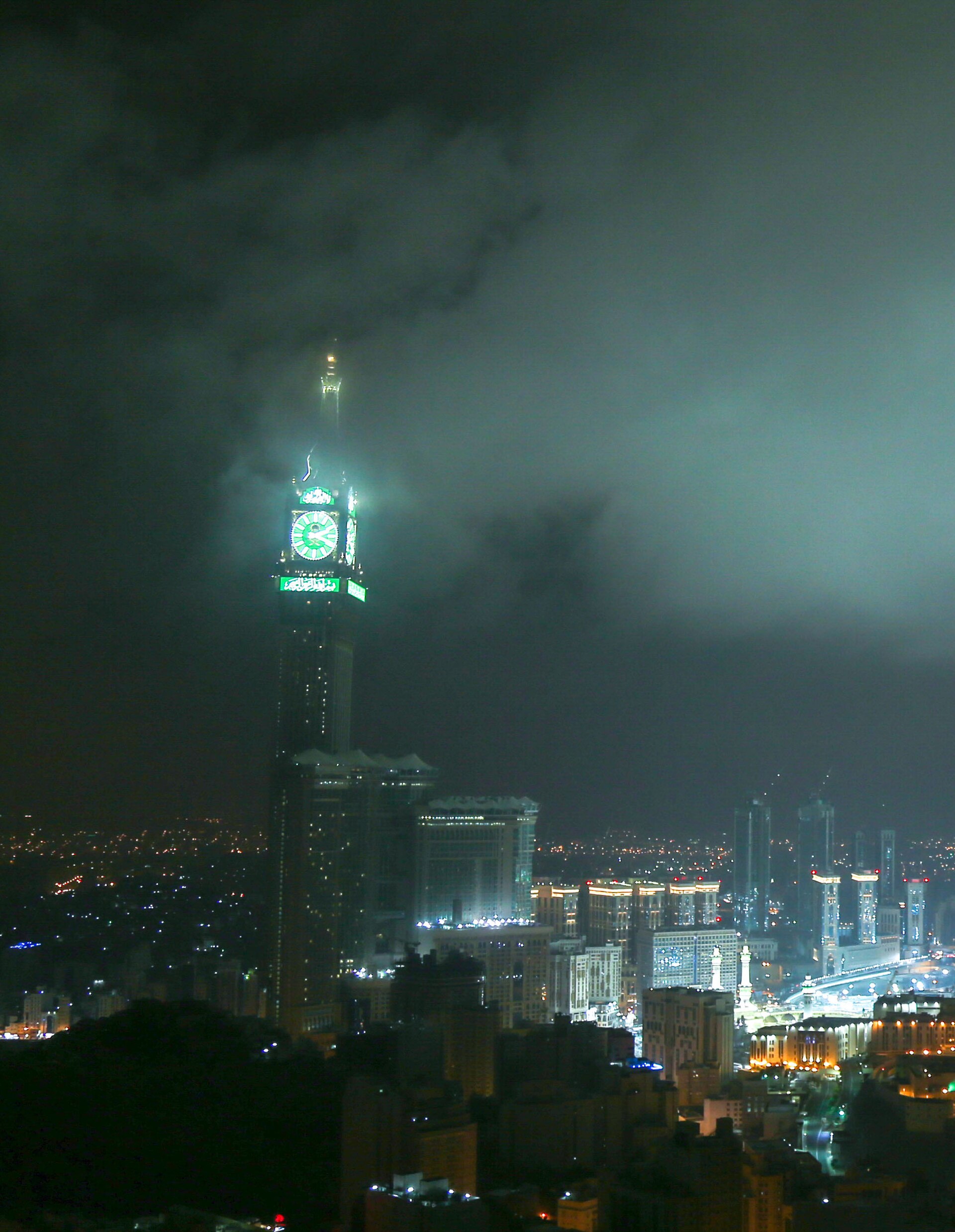
Best Luxury Hotels (Under 200 Metres from the Haram)
These are the properties where proximity and service converge at the highest level. All are within the Abraj Al-Bait complex or immediately adjacent to the Haram perimeter.
Raffles Makkah Palace
Distance: ~100 metres (inside Abraj Al-Bait complex) · Price: From $362/night off-peak; $1,000+ during Hajj/Ramadan · Rooms: 214 suites
The most exclusive hotel in Mecca. Every room is a suite, with 24/7 butler service and direct Haram access via dedicated elevators. Kaaba views are available from most suites. Raffles consistently ranks as the top-rated hotel in the city for service quality, achieving a 95% guest satisfaction rate for proximity. The property caters to guests who want the closest possible combination of luxury and worship convenience, though the price reflects it — particularly during peak seasons when suites can exceed $3,000 per night.
Makkah Clock Royal Tower — A Fairmont Hotel
Distance: ~100 metres (Abraj Al-Bait complex) · Price: From $184/night off-peak; $800+ during Ramadan/Hajj · Rooms: 1,500+
The iconic Clock Tower hotel. With over 1,500 rooms, it has the capacity that Raffles lacks, making it more accessible during peak seasons if booked early. The direct elevator connection to the Haram prayer area means guests can be at the Mataf (Tawaf circumambulation area) within minutes of leaving their room. Panoramic Kaaba-view rooms are available at a premium, and the hotel’s sheer scale means a range of dining options, prayer facilities, and guest services operate around the clock.
Swissotel Al Maqam Makkah
Distance: ~100 metres (Abraj Al-Bait complex) · Price: From $112/night off-peak; $320+ typical · Rooms: 1,624
The value play within the Abraj Al-Bait complex. Swissotel offers the same direct elevator connection to the Haram as its Fairmont and Raffles neighbours, but at significantly lower rates — often 40–60% cheaper than Raffles for comparable proximity. The property was refurbished in 2025, with spacious family-friendly layouts. For pilgrims who want Abraj Al-Bait convenience without Abraj Al-Bait pricing, this is the strongest option.
InterContinental Dar Al Tawhid Makkah
Distance: ~200 metres (directly facing King Abdulaziz Gate) · Price: From $400/night; $1,000+ peak · Rooms: 600+
IHG’s flagship Mecca property, positioned directly in front of one of the Haram’s primary gates. Rooms overlooking the Grand Mosque are among the most sought-after in the city. The hotel is particularly recommended for elderly pilgrims and those with mobility limitations, as the walking distance to the Haram is minimal and the route is flat and well-maintained. One of the longest-established luxury hotels in Mecca, with a reputation for consistent service.
Best Premium Hotels (200–500 Metres)
These properties in the Jabal Omar development offer modern facilities and strong proximity at a step below the Abraj Al-Bait price tier.
Conrad Makkah (Jabal Omar)
Distance: 3-minute walk to Haram Gate 79 · Price: From $368/night · Rooms: 400+
Hilton’s luxury brand in the Jabal Omar development. The key advantage here is the walking route: Gate 79 provides direct access to the Mataf area, making the actual distance to the Tawaf shorter than some Abraj Al-Bait hotels despite being further from the Haram perimeter. Modern interiors with spacious rooms, separate dressing areas, and uninterrupted Haram views from select suites. A strong choice for pilgrims who prefer contemporary design over the busier Abraj corridor.
Hilton Suites Makkah (Jabal Omar)
Distance: ~400 metres (5 minutes to King Fahad Gate) · Price: From $293/night · Rooms: All-suite
An all-suite property, meaning every room has separate living and sleeping areas. This matters more in Mecca than in most destinations — pilgrims often keep irregular schedules, with some family members resting while others attend prayers. The Jabal Omar walking routes to the Haram are less crowded than the main Abraj Al-Bait corridor, a practical advantage during peak prayer times.
Jabal Omar Jumeirah Makkah
Distance: ~450 metres (7–8 minute walk via Ibrahim Al Khalil Street) · Price: From $253/night · Rooms: 400+
A calmer environment than the Abraj cluster, with spacious rooms and practical layouts well-suited for families with children. The Jumeirah brand brings its Dubai-refined hospitality standards, and the slightly greater distance from the Haram translates to notably lower prices and a quieter atmosphere — both of which matter during a multi-day pilgrimage.
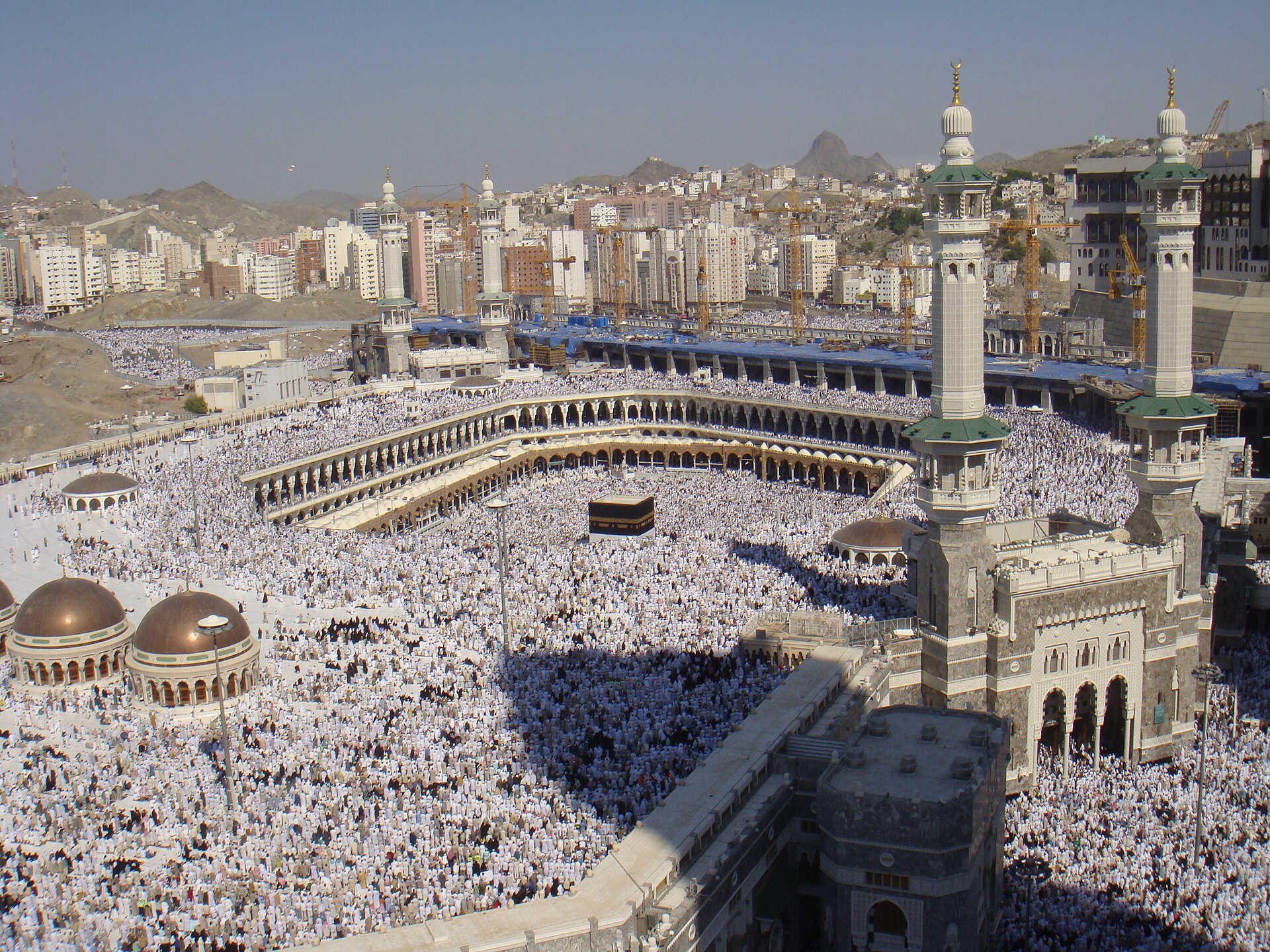
Best Value Hotels (Strong Proximity, Lower Prices)
These hotels deliver proximity that rivals the luxury tier at a fraction of the cost. They are the best options for pilgrims who want to walk to the Haram in under ten minutes without paying $400+ per night.
Anjum Hotel Makkah
Distance: 5-minute walk from King Fahd Gate · Price: From $125/night · Rooms: 1,700+
The single best value-for-proximity hotel in Mecca. Despite being rated five stars, the Anjum prices itself in the mid-range tier — often 60–70% cheaper than Clock Tower properties at comparable walking distance. With over 1,700 rooms, availability is generally better than smaller luxury properties even during peak seasons. Panoramic Kaaba views are available from upper floors. For pilgrims who define value as the lowest cost per minute of walking time to the Haram, the Anjum is difficult to beat.
Pullman ZamZam Makkah
Distance: ~300–400 metres · Price: From $213/night; $558+ peak · Rooms: 1,000+
The Pullman’s distinguishing feature is its covered, air-conditioned walkway connecting directly to the Haram — a genuine advantage during summer months when temperatures exceed 45°C. For elderly pilgrims, families with young children, or anyone performing Umrah between May and September, this climate-controlled access route is worth more than the room itself. Partial and direct Haram views are available.
Movenpick Hotel & Residence Hajar Tower Makkah
Distance: ~300 metres (5-minute walk) · Price: From $180/night · Rooms: 1,200
A reliable mid-point between luxury pricing and strong proximity. The 60-square-metre suites are among the most spacious in the mid-range tier, and Kaaba-view rooms are available. Movenpick’s signature chocolate hour — complimentary chocolate served to all guests each afternoon — is a small but welcome detail after long hours of worship.
Best Budget Hotels (Under $150/night)
Budget accommodation in Mecca generally means trading walking proximity for shuttle dependence. These hotels offer clean, functional rooms at prices that make longer pilgrimages financially viable.
Abraj Al Tayseer Hotel
Distance: ~600–800 metres · Price: From $69/night · Rooms: 3-star
Frequent shuttle buses to the Haram, basic but functional rooms, and a popular budget option that consistently draws positive reviews for cleanliness relative to its price. The distance is walkable for able-bodied pilgrims, though the route is uphill on the return.
Al Aziziya District Hotels
Distance: ~1.5–3 km (shuttle provided) · Price: From $23–$69/night
The Al Aziziya district south of the Haram is where budget accommodation concentrates. Properties like the Makarem Mina Hotel (from $23/night) and the 21 Hotel Al Aziziya (from $35/night) offer basic clean rooms with shuttle services included. These hotels are popular with organised Hajj and Umrah groups, where operators book entire floors. For solo travellers or families on tight budgets, the savings can be substantial — $23 per night versus $362 at Raffles — though the 15–20-minute shuttle rides and shared bus schedules require patience and planning.
Price Comparison: What Hotels Actually Cost by Season
| Season | Budget (3-star, 1.5+ km) | Mid-Range (4-5 star, 300–800m) | Luxury (5-star, under 200m) |
|---|---|---|---|
| Off-peak (Muharram, Safar) | $25–$70 | $100–$250 | $250–$500 |
| Umrah high season (Rajab, Sha’ban) | $50–$120 | $200–$500 | $500–$1,000 |
| Ramadan | $80–$200 | $400–$1,200 | $800–$2,500 |
| Hajj season | $150–$400 | $800–$2,000 | $1,500–$5,000+ |
Tip: Prices are demand-based and shift daily. Booking 6–12 months ahead for Hajj and 4–6 months ahead for Ramadan can save 50–70% compared to last-minute rates. Flexible cancellation policies are worth the small premium — plans during pilgrimage seasons change frequently.
New Developments: Hotels Opening in 2026–2027
Mecca’s hotel landscape is expanding rapidly. Two major developments are reshaping the market.
Sofitel Jabal Omar Makkah (Opening 2026)
The world’s largest Sofitel hotel, with 1,141 rooms across two towers in the Jabal Omar development. Six dining venues including fine dining, executive lounges, and fitness centres. This is the single most significant hotel opening in Mecca for 2026, adding substantial international-brand capacity to the Jabal Omar zone.
Masar Destination Project (2026–2027)
A massive 1.25 million square metre urban development spanning 3.6 kilometres, located 550 metres from the Haram and 100 metres from the Haramain High-Speed Train station. The Masar project includes 117 hotel towers totalling 40,000 rooms, featuring brands entering Mecca for the first time: Kempinski, Taj, and additional Hilton properties. Infrastructure was 99.77% complete by November 2024, with hotel construction targeted for phased completion through 2027. When fully operational, Masar will fundamentally alter the supply dynamics of Mecca’s hotel market, particularly in the mid-range segment.
Overall, more than 8,500 new hotel rooms are under construction across 12 projects in Mecca, bringing total inventory to over 71,000 rooms by 2027. Saudi Arabia’s broader tourism plan targets 320,000 new hotel rooms nationwide by 2030 as part of a $110 billion expansion. For travellers, this expansion should gradually ease peak-season pricing pressure — though Hajj demand will likely continue to outstrip supply for the foreseeable future.
How to Choose: A Decision Framework
For Elderly or Mobility-Limited Pilgrims
Prioritise Zone 1 (Abraj Al-Bait) above all else. The direct elevator access eliminates outdoor walking entirely. Within Zone 1, the Swissotel Al Maqam offers the best balance of accessibility and value, while the InterContinental Dar Al Tawhid provides the flattest walking route to the Haram for those who prefer a short walk to elevator queues. The Pullman ZamZam is another strong option, with its covered air-conditioned walkway.
For Families with Children
All-suite hotels like the Hilton Suites Makkah in Jabal Omar allow family members to rest on different schedules. The Jumeirah Makkah offers a calmer environment away from the main pilgrim corridors. For budget-conscious families, the Anjum Hotel provides excellent proximity at mid-range prices with 1,700+ rooms that ensure better availability.
For Budget-Conscious Pilgrims
The Anjum Hotel ($125/night) is the value champion for walkable proximity. For tighter budgets, Zone 4 (Kudai) hotels with reliable shuttle services offer $40–80 rates. Zone 5 (Al Aziziya) drops below $40 but requires patience with shuttle schedules. If you are young and mobile, the savings can fund a longer trip — or a second pilgrimage.
For Hajj Season Specifically
Book 6–12 months ahead or accept premium pricing. During Hajj 2026, even budget hotels in Al Aziziya will exceed $150/night. Consider that many Hajj operators bundle accommodation with transport and logistics — sometimes these packages offer better value than independent booking, particularly for Zone 4–5 hotels where the operator manages the shuttle logistics.
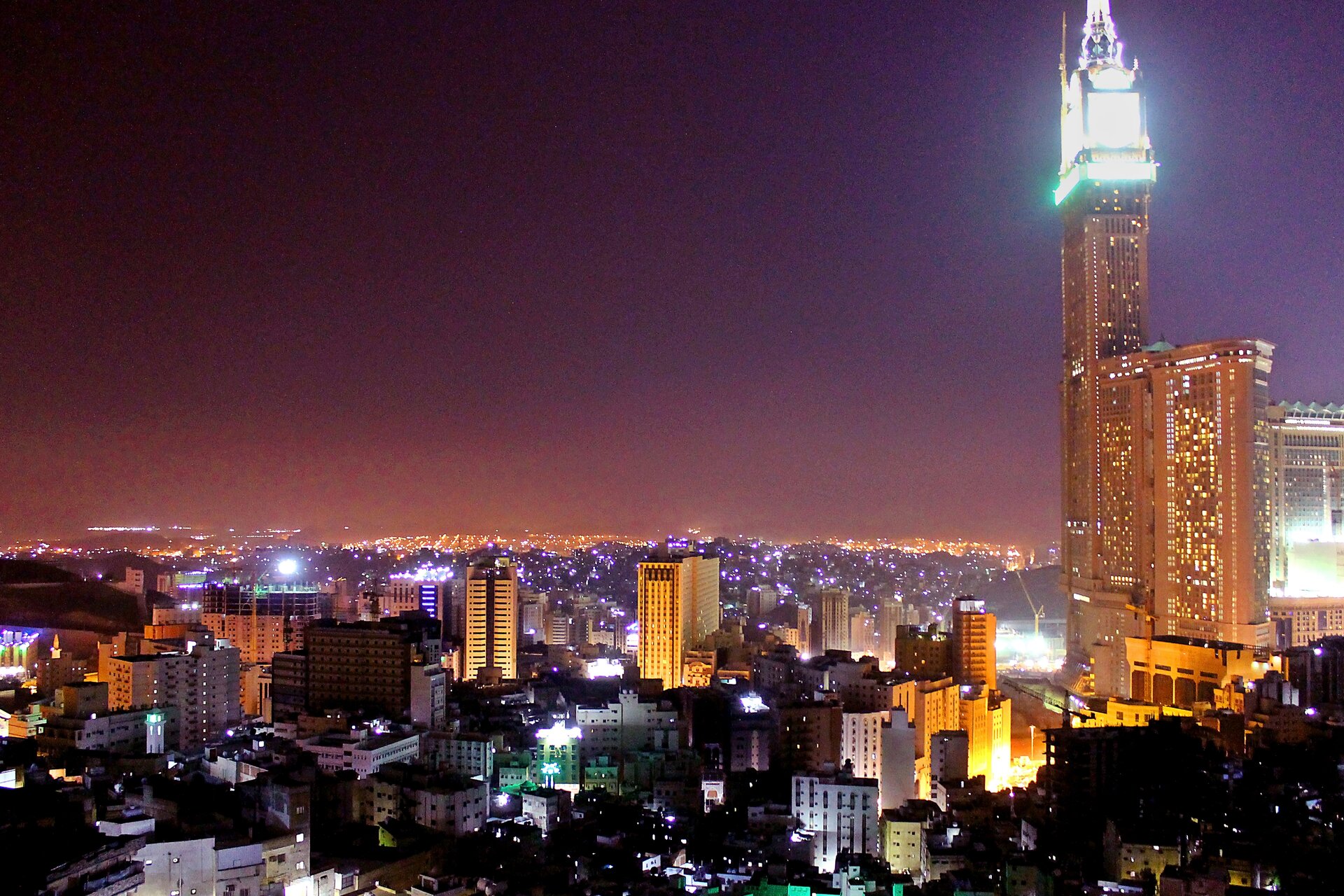
Practical Tips: What Booking Platforms Won’t Tell You
Map Distance vs. Walking Reality
A hotel 300 metres from the Haram on Google Maps may involve steep uphill walking, staircases, or crowd corridors that double the actual transit time. Before booking, read recent reviews specifically about the walking route — not just the distance. Which Haram gate the hotel is nearest to also matters: Gate 79 (Jabal Omar side) provides direct Mataf access, while King Fahd Gate (Ajyad/Abraj side) is the busiest and most congested.
Register on Nusuk Before Arrival
Saudi authorities require registration through the Nusuk platform (nusuk.sa) before entering Masjid al-Haram. This manages crowd flow and allocates time slots. Failing to register can mean being turned away at Haram gates regardless of how close your hotel is.
Haram-View Rooms: Worth the Premium?
Kaaba-view rooms typically cost 50–200% more than standard rooms in the same hotel. The view is genuinely extraordinary — watching the Tawaf from your window is a once-in-a-lifetime experience. However, the premium is steepest during Hajj and Ramadan when you are least likely to be in your room. Off-peak Umrah is when Haram-view rooms deliver the most value relative to their cost, as you have more leisure time to enjoy the view.
Meal Plans Save Time and Money
Half-board or full-board packages are worth considering in Mecca. Pilgrims often lose track of meal schedules during intensive worship, and restaurants near the Haram charge premium prices. Hotels with extended-hours buffet restaurants allow guests to eat when their prayer schedule permits rather than racing to catch a fixed dining window.
Summer Heat and Covered Access
Between May and September, daytime temperatures in Mecca regularly exceed 45°C. Hotels with covered or air-conditioned walkways to the Haram — particularly the Abraj Al-Bait complex and the Pullman ZamZam — offer a significant practical advantage during these months. If you are booking a Jabal Omar hotel for a summer visit, confirm whether the walking route includes covered sections.
Check for Construction
With the Masar project, Jabal Omar expansion, and other construction underway, some hotels may have construction noise or temporarily blocked walking routes. Check reviews from the most recent 2–3 months before booking.
Getting to Mecca
Mecca has no airport. The primary gateway is King Abdulaziz International Airport (JED) in Jeddah, approximately 80 kilometres west. From Jeddah, you have two main options:
- Haramain High-Speed Railway: The 449 km rail line connecting Mecca to Medina via Jeddah operates at 300 km/h. The Makkah station is in the Rusaifah District, about a 10-minute taxi ride from the Haram. Up to 30 trains per day run during peak seasons. This is the most comfortable option and avoids road traffic, which can be severe during Hajj and Ramadan.
- Road transfer: Taxis or pre-arranged hotel transfers take 60–90 minutes depending on traffic. During Hajj season, this can extend to 2–3 hours.
- Booking.com — widest selection and frequent discounts for Mecca hotels
- HalalBooking.com — specialised for Muslim travellers with Umrah-specific packages
- Nusuk (nusuk.sa) — the official Saudi Ministry of Hajj platform, required for Haram access registration
- Direct hotel websites (Accor, Hilton, IHG) — loyalty points and best-rate guarantees
- Expedia, Trip.com, KAYAK — useful for comparing rates across properties
- Saudi Arabia Hotels Guide — The complete guide to accommodation across the Kingdom
- Hajj 2026 Guide — Everything you need to know for Hajj pilgrimage this year
- Best Hotels in Medina — Where to stay near the Prophet’s Mosque
- Best Hotels in Riyadh — Luxury, mid-range, and budget picks in the capital
- Best Hotels in Jeddah — Corniche, Old Town, and airport-area accommodation
- Saudi Arabia Visa Guide — Every visa type explained
Important: Mecca is exclusively accessible to Muslims. Non-Muslims are not permitted to enter the city under any circumstances, regardless of visa type. Checkpoints on roads into Mecca enforce this restriction. If you are travelling with non-Muslim companions, they must remain in Jeddah or another city during your Mecca stay.
Visa Requirements
Muslims from eligible countries can perform Umrah on a standard Saudi e-tourist visa — a one-year, multiple-entry visa allowing up to 90 days per visit. A dedicated 30-day Umrah visa is also available. For Hajj, a separate Hajj permit is required, allocated through national quotas managed by the Ministry of Hajj and obtained through authorised operators in your home country.
Warning: Tourist visa holders are banned from entering Mecca during the Hajj season (approximately May–June 2026) without a specific Hajj permit. Violations carry a SAR 10,000 fine (~$2,666), deportation, and a potential multi-year re-entry ban.
Trusted Booking Platforms
Where to Stay if You’re Also Visiting Other Saudi Cities
Many pilgrims combine Mecca with Medina — the Haramain High-Speed Railway connects both holy cities via Jeddah in under three hours. If you are extending your trip, see our guides to hotels in Riyadh and hotels in Jeddah for accommodation advice in Saudi Arabia’s other major cities. For a broader overview of planning a trip across the Kingdom, our Saudi Arabia Hotels Guide covers every region.