
Dammam is the capital of Saudi Arabia’s Eastern Province and the heart of the Kingdom’s oil wealth, yet it remains one of the most overlooked cities on the tourist trail. With a population approaching 1.4 million, this Arabian Gulf port city combines a rich petroleum heritage with a sprawling waterfront, world-class cultural attractions, and easy access to Bahrain via the King Fahd Causeway. Whether you are planning a dedicated visit or including Dammam as part of a wider Dammam and Al Khobar itinerary, this guide covers everything you need to know about exploring Saudi Arabia’s Eastern Province capital in 2026.
From the palm-lined Corniche to the five-storey Heritage Village, from the Aramco-built Ithra cultural centre in neighbouring Dhahran to the golden sands of Half Moon Bay, Dammam rewards travellers who look beyond the office towers and industrial port. This is the city where commercial oil was first discovered in Saudi Arabia in 1938, and that history is woven into every corner of the metropolitan area. For an overview of visiting the wider Kingdom, see our Saudi Arabia Travel Guide 2026.
Best Time to Visit: October to March (highs of 21–30°C; avoid June–September when temperatures exceed 40°C)
Getting There: King Fahd International Airport (DMM), the world’s largest airport by land area, with direct flights from Dubai, Riyadh, Jeddah, Cairo, Mumbai, and London
Visa Required: Yes — tourist e-visa available for 63 nationalities
Budget: $80–$180 per day (mid-range hotel, meals, transport, one attraction)
Must-See: Dammam Corniche, Ithra (King Abdulaziz Center for World Culture), King Fahd Causeway to Bahrain
Avoid: Visiting June–September when humidity and temperatures make outdoor exploration unbearable
Why Visit Dammam?
Dammam is not a typical tourist city, and that is part of its appeal. While Riyadh and Jeddah attract the headline visitors, Dammam offers a genuinely different experience: a working Gulf port city where Saudi, Bahraini, and South Asian cultures converge, where the oil industry’s legacy is a living museum, and where the waterfront stretches for kilometres without the crowds found in more famous Gulf destinations.
There are several compelling reasons to include Dammam on your Saudi Arabia itinerary:
- Ithra — one of the world’s great cultural centres. Named by Time Magazine as one of the world’s top 100 places to visit, this Aramco-funded institution in Dhahran houses a museum, children’s museum, cinema, theatre, and library under a single striking roof. General admission is free.
- The Bahrain gateway. The 25-kilometre King Fahd Causeway connects Al Khobar (20 minutes from Dammam) to the island kingdom of Bahrain, making this the only land border crossing between Saudi Arabia and another country accessible to tourists.
- Oil history. Dammam No. 7, the well that struck commercial oil on 3 March 1938 and transformed Saudi Arabia into a global energy superpower, was drilled just south of the modern city.
- Authentic Gulf coast life. The Dammam Corniche, Marjan Island, Heritage Village, and King Fahd Park offer a relaxed coastal atmosphere quite different from the megaproject frenzy of Riyadh or NEOM.
- Food scene. The Eastern Province’s multicultural population has produced a dining scene rich in seafood, Indian, Lebanese, and traditional Saudi cuisine that rivals anything in Jeddah.
- The Museum — permanent and rotating exhibitions covering Islamic art, Saudi heritage, natural history, and contemporary art
- The Children’s Museum — interactive exhibits designed for younger visitors (closes two hours before general closing)
- The Energy Exhibit — exploring Saudi Arabia’s oil heritage (closes two hours before general closing)
- The Library — one of the largest in the region, with over 200,000 volumes
- The Cinema — screening international and Saudi films
- The Theatre — hosting performances, talks, and cultural events
- Al Othaim Mall — The largest in the city, spanning over 169,000 square metres with more than 315 stores. Notable for its ship-shaped exterior design. Features a hypermarket, cinemas, bowling alleys, and children’s play areas. Open 9:00 AM to 11:00 PM.
- Cenomi Al Nakheel (Nakheel Mall) — A more upscale option with 88,000 square metres of retail space, international brands including Zara, Mango, Apple, and Samsung, plus a stylish cinema and diverse food court. Over 1,400 parking spaces.
- Lulu Mall — A popular shopping centre distinguished by its central location, modern design, and the Lulu Hypermarket — one of the region’s largest grocery and household goods stores.
- Marina Mall — Combines shopping with waterfront dining options.
- Taxis — available 24/7 with fixed rates; expect SAR 60–100 to central Dammam
- Careem/Uber — ride-hailing apps operate from the airport
- SAPTCO buses — affordable public bus service connecting the airport to Dammam and Khobar
- Hotel shuttles — the Hilton Dammam Airport adjoins the terminal; other hotels offer free shuttle services
- Ride-hailing apps — Careem and Uber are widely available and the most convenient option for tourists. A typical ride within Dammam costs SAR 15–40.
- Car rental — recommended if you plan to explore the wider Eastern Province, visit Half Moon Bay, or cross to Bahrain. Major agencies operate at the airport. See our Saudi Arabia car rental guide for rates and rules.
- SAPTCO buses — limited routes connecting Dammam, Khobar, and Dhahran.
- Taxis — metered taxis available but less common than ride-hailing.
- Budget traveller: SAR 300–450 ($80–$120) — budget hotel, local restaurants, public transport
- Mid-range: SAR 500–700 ($133–$187) — 3-4 star hotel, mix of dining, ride-hailing, one paid attraction
- Comfort: SAR 800+ ($213+) — upscale hotel, fine dining, car rental, multiple attractions
- Morning: Drive to Ithra in Dhahran (opens 9:00 AM). Spend 2–3 hours exploring the museum, energy exhibit, and library.
- Lunch: Seafood at Shrimp Shack or Bait Al Robyan.
- Afternoon: Heritage Village on the Corniche (1–2 hours), then walk or drive along the Corniche to Marjan Island.
- Evening: Sunset from the Corniche or Al Khobar waterfront. Dinner at Zad AlSultan or along the Al Khobar Corniche restaurants.
- Dammam & Al Khobar Travel Guide 2026 — The complete hub guide to Saudi Arabia’s Eastern Province capital, covering beaches, Ithra, and the Bahrain Causeway
- Al Ahsa Oasis Guide — Visit the world’s largest natural oasis and UNESCO World Heritage Site, just 150 km from Dammam
- Saudi Arabia Beaches Guide — From Half Moon Bay to the Red Sea, every coastal escape in the Kingdom
- Saudi Arabia Itinerary: 7, 10, and 14-Day Plans — How to fit Dammam into a wider Kingdom trip
- Saudi Arabia Travel Guide 2026 — The complete guide to visiting the Kingdom
- Saudi Arabia Visa Guide — Every visa type explained, including the tourist e-visa
A Brief History of Dammam
Before the oil era, Dammam was a modest fishing and pearl-diving settlement on the Gulf coast, much like its neighbours Al Khobar and Qatif. The Eastern Province’s transformation began in 1933, when the California Arabian Standard Oil Company (CASOC) — the forerunner of Saudi Aramco — secured a concession to explore for oil in the region.
Dammam No. 7 and the Birth of the Oil Kingdom
The first six wells drilled in the Dammam Dome between 1935 and 1937 failed to yield commercial quantities of oil. Under the leadership of American geologist Max Steineke, assisted by the legendary Saudi Bedouin guide Khamis bin Rimthan, the team decided to drill deeper at Well No. 7. On 3 March 1938, the well struck oil at a depth of approximately 1,440 metres (4,720 feet), producing 1,585 barrels per day. Within six days, output had climbed to 3,810 barrels daily.
That single well produced more than 32 million barrels of oil before its closure in 1982. Its discovery transformed the fishing village into the administrative capital of Saudi Arabia’s wealthiest province, and the Kingdom into the world’s leading oil exporter. Today, Saudi Aramco’s headquarters remain in nearby Dhahran, just 15 kilometres south of central Dammam.
Modern Dammam
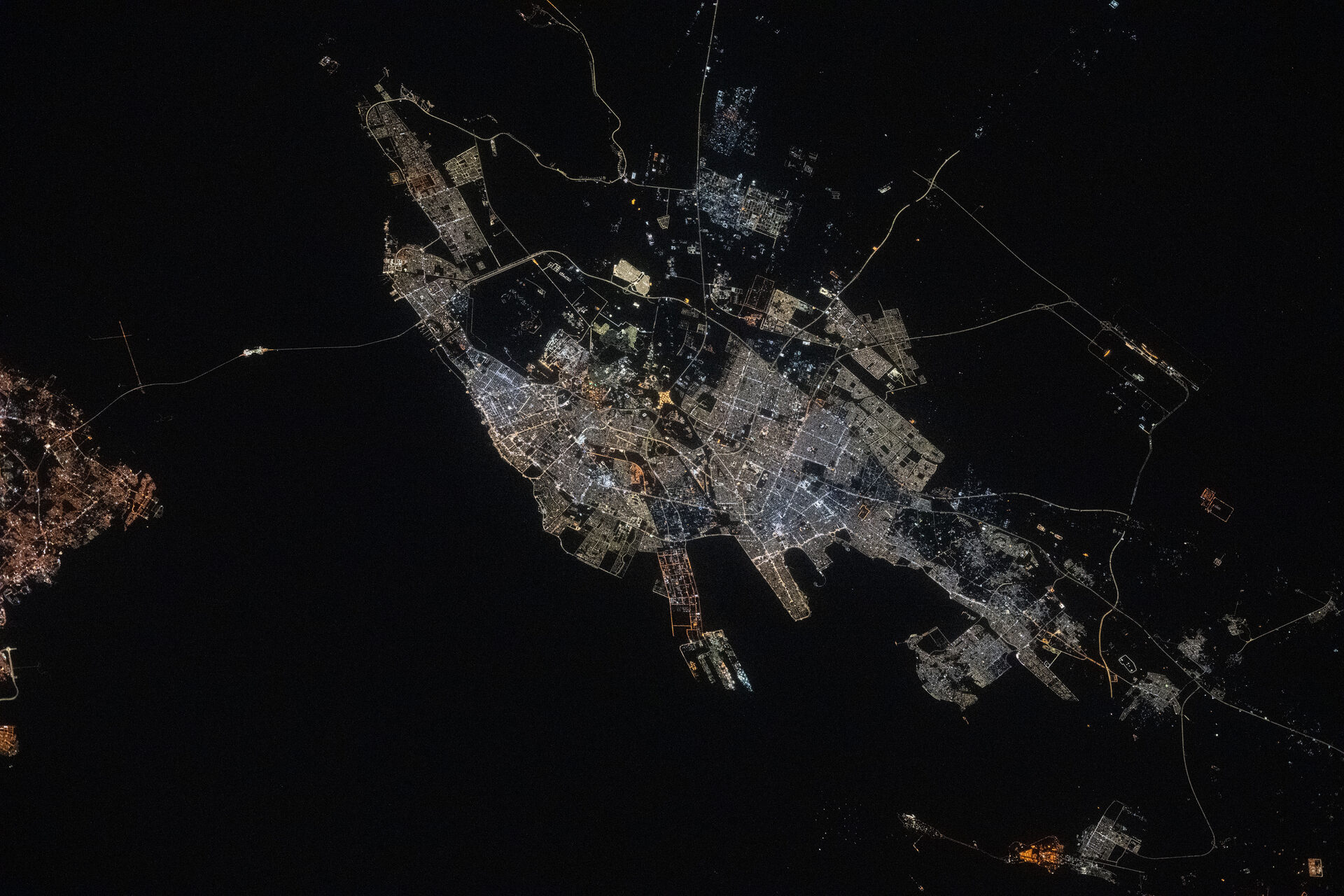
The Dammam metropolitan area — encompassing the city itself, Al Khobar, and Dhahran — is now home to approximately 2.7 million people, making it Saudi Arabia’s third-largest urban area after Riyadh and Jeddah. The city’s port handles over 2 million TEUs of cargo annually, making it the second-largest on the Gulf. Under Vision 2030, Dammam is diversifying beyond oil with tourism, logistics, and technology investments.
Top Attractions in Dammam
Dammam Corniche
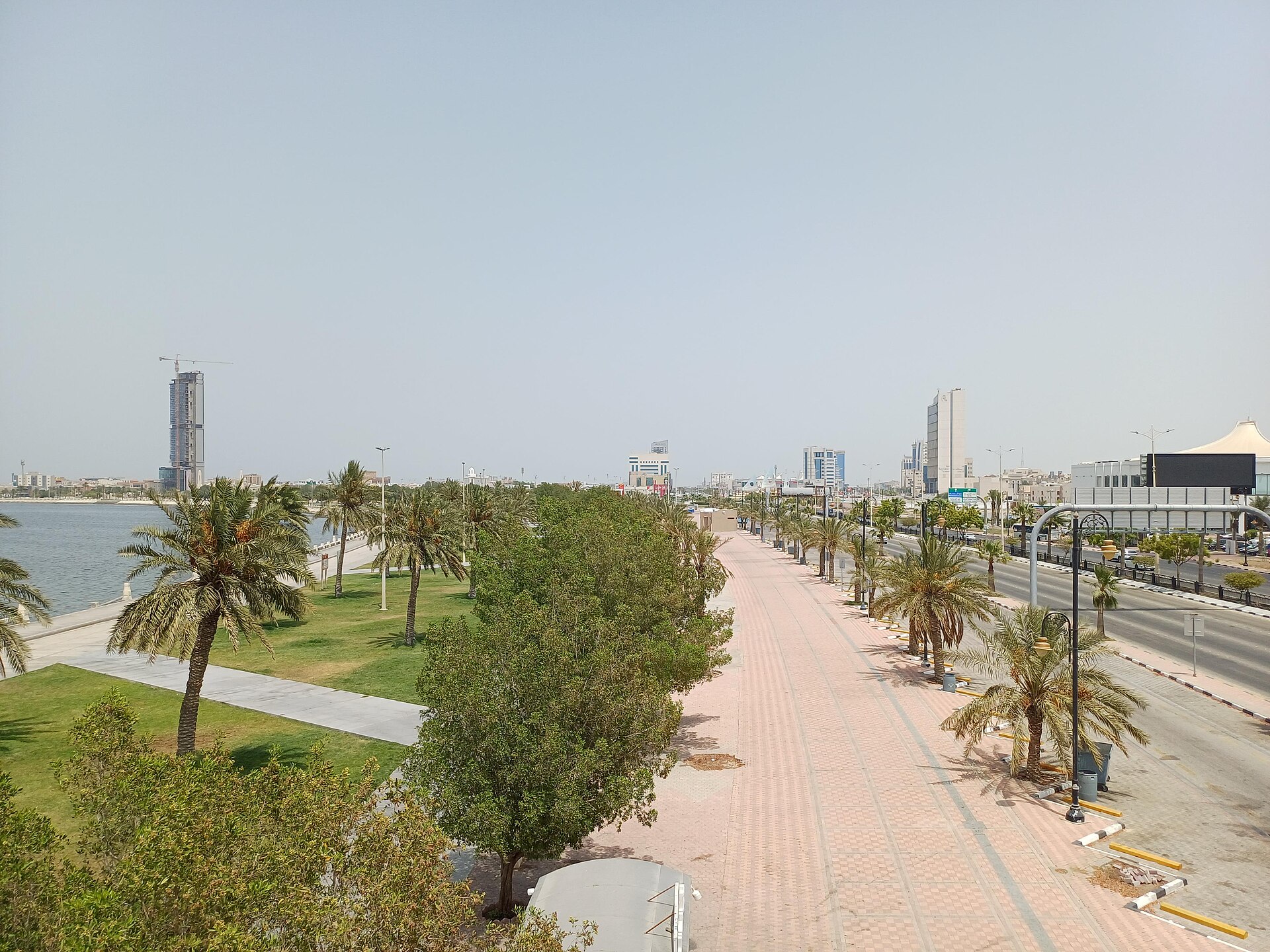
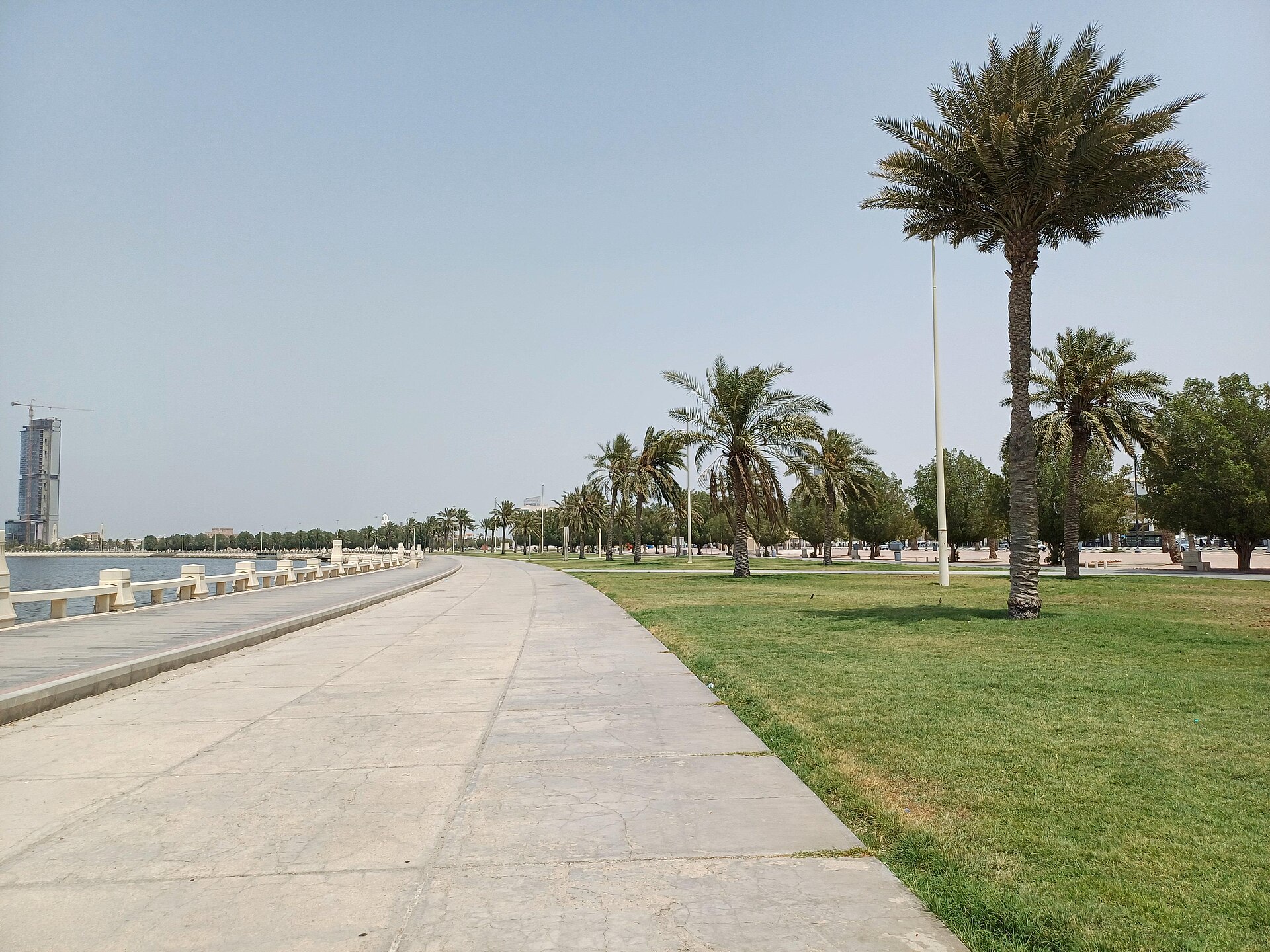
The Dammam Corniche is the city’s defining feature: a waterfront promenade stretching over 8 kilometres along the Arabian Gulf coast. On any given evening, you will find families picnicking on the manicured lawns, joggers and cyclists using the dedicated paths, and couples watching the sunset over the water from dozens of cafes and food stalls.
The Corniche is free to visit at any time and is at its best during the golden hour before sunset. The western end connects to Marjan Island, while the Heritage Village sits roughly in the middle of the stretch. Budget at least two hours for a proper walk, more if you plan to stop for food.
Marjan Island (Coral Island)
Connected to the Corniche by road, Marjan Island is an artificial island marked by its iconic old lighthouse, which you can climb for panoramic views of the waterfront and city skyline. Entry is free. The island is particularly striking at night when the lighthouse and surrounding area are illuminated. It is a popular spot for photography and a relaxed evening stroll.
Heritage Village
Housed in a five-storey fortress-like structure on the Corniche, the Heritage Village is a cultural complex that showcases Saudi Arabia’s history and traditions. Inside, you will find displays of ancient weaponry, Bedouin jewellery, old photographs, manuscripts, and vintage automobiles from different regions of the Kingdom. A traditional restaurant serves local dishes, giving visitors a chance to taste authentic Eastern Province cuisine. Allow 1–2 hours for a visit.
King Fahd Park
Spread across more than 100 hectares, King Fahd Park is one of the largest public parks in Saudi Arabia. It features more than 25 amusement rides — including the popular Cobra Ride — three palm-covered islands, artificial lakes, swimming pools, waterfalls, fountains, and over 100 species of trees, shrubs, and plants. The park is an excellent family destination, particularly during the cooler months. Entry fees are modest, and the park is open daily, typically from late afternoon until late evening.
Ithra — King Abdulaziz Center for World Culture
Located in Dhahran (15 minutes’ drive from central Dammam), Ithra is the Eastern Province’s cultural crown jewel and arguably the most impressive museum complex in the entire Gulf region. Built by Saudi Aramco and inaugurated by King Salman in December 2016, the centre attracted over one million visitors in 2019 alone.
Ithra houses several distinct attractions under one roof:
Ithra Practical Information: General admission is free. Special exhibitions may charge around SAR 30 (approximately $8). Opening hours: Saturday to Wednesday 9:00 AM – 11:30 PM; Thursday 9:00 AM – 12:30 AM; Friday 4:00 PM – 12:30 AM; Sunday closed. Allow 3–4 hours for a thorough visit. Ticket enquiries: +966 138 169 799.
Dolphin Village
A family-friendly attraction near the Corniche, Dolphin Village features trained dolphins and sea lions performing daily shows. After performances, visitors can take photographs with the dolphins. It is particularly popular with families travelling with children and makes a good half-day outing combined with a Corniche walk.
Day Trips from Dammam
Al Khobar and the Waterfront
Just 20 minutes south of Dammam, Al Khobar offers a more upscale dining and cafe scene along its own Corniche. The Al Khobar waterfront runs along the southern Gulf coast and is lined with restaurants, cafes, and manicured gardens, with striking views across the water toward Bahrain — especially at sunset. Al Khobar is where most visitors heading to Bahrain will pass through.
Bahrain via the King Fahd Causeway
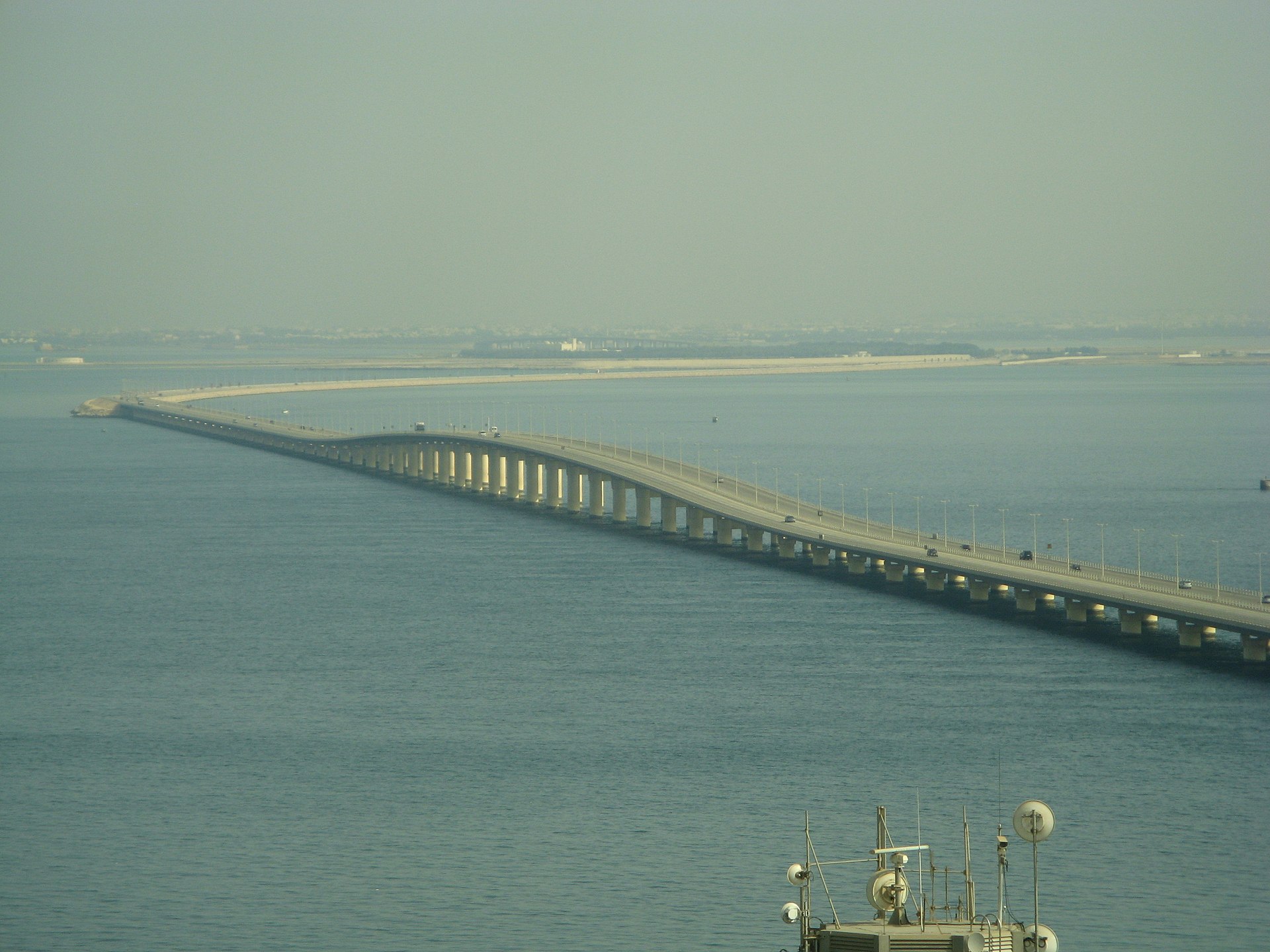
The King Fahd Causeway is a 25-kilometre bridge connecting Saudi Arabia to the island Kingdom of Bahrain. Opened in 1986, it is one of the longest bridges in the world and the only road link between the two countries. The crossing takes 30–45 minutes including border formalities, with a toll of SAR 25 per vehicle.
A day trip to Bahrain typically includes the Bahrain National Museum, the 4,000-year-old Bahrain Fort (a UNESCO World Heritage Site), and lunch in Manama’s Block 338 restaurant district. You will need a valid passport and may require a visa for re-entry to Saudi Arabia, so confirm your visa status before crossing. Bahrain grants visa-on-arrival to most nationalities.
Half Moon Bay
Located approximately 52 kilometres south of Al Khobar, Half Moon Bay (Nusf al-Qamar) is the Eastern Province’s best beach destination. Named for its crescent shape, the bay features soft white sand and calm, shallow waters ideal for families. Activities include jet skiing, snorkelling, parasailing, and beach camping. It is best visited on weekdays to avoid weekend crowds from Dammam and Khobar. For more coastal destinations, see our guide to Saudi Arabia’s best beaches.
Al Ahsa Oasis
About 150 kilometres southwest of Dammam, the Al Ahsa Oasis is the largest natural oasis in the world and a UNESCO World Heritage Site. Home to over 2.5 million palm trees, the oasis has been continuously inhabited for over 6,000 years. It makes an excellent full-day trip from Dammam for history and nature enthusiasts.
Where to Eat in Dammam
Dammam’s food scene reflects the Eastern Province’s multicultural population. With large Indian, Pakistani, Filipino, and Lebanese communities alongside the local Saudi population, the city offers an unusually diverse range of cuisines for its size.
Seafood
As a Gulf port city, Dammam excels at seafood. Shrimp Shack is a standout for its signature shrimp, crispy calamari, and garlic butter mussels. Bait Al Robyan (The Shrimp House) is another local favourite, serving fresh Gulf catches in a traditional setting. For a more upscale experience, try the seafood restaurants along the Al Khobar waterfront.
Traditional Saudi and Arabic
Zad AlSultan serves traditional Saudi cuisine with generous portions of grilled meats, mezze plates, and freshly brewed Arabic coffee. For Lebanese food, Beit Misk is well-regarded for its tabbouleh, hummus, grape leaves, and shawarma. The restaurant at the Heritage Village on the Corniche also serves authentic Eastern Province dishes and is worth trying for the atmosphere alone.
International Dining
Maharaja by Vineet offers award-winning Indian cuisine that showcases the subcontinent’s influence on Eastern Province food culture. Jamie’s Italian in Al Nakheel Mall serves pizzas, pasta, and Italian classics. Kokoro provides Japanese fare including fresh sashimi, tonkotsu ramen, and tempura rolls. For a complete guide to the Kingdom’s shopping and dining options, see our Saudi Arabia shopping guide.
Budget Dining
For visitors on a tighter budget, restaurants such as Badar Restaurant, Holidays Restaurant, and Vitamin Palace serve quality meals for SAR 20–40 ($5–$11). The food courts at Al Othaim Mall and Lulu Mall also offer affordable options.
Dining Tip: Dammam restaurants tend to be busiest on Thursday and Friday evenings (the Saudi weekend). For the best experience, book ahead or visit during midweek. During Ramadan, most restaurants close during daylight hours but open for iftar at sunset, when the dining scene comes alive.
Shopping in Dammam
Modern Malls
Dammam has several large, modern malls that serve both the local population and visitors:
Traditional Markets
For a more authentic shopping experience, explore Dammam’s traditional souks. The Central Market and Al Danah Souk sell local handicrafts, textiles, spices, dates, and traditional perfumes (oud and bakhoor). These markets are best visited in the late afternoon and evening, when traders are most active and the heat has subsided.
Practical Information
Getting to Dammam
King Fahd International Airport (DMM) serves the Dammam metropolitan area. Despite being the world’s largest airport by land area — covering approximately 780 square kilometres — it has a single commercial passenger terminal. Airlines serving DMM include Saudia, Flynas, Flyadeal, Air India Express, Emirates, and several others, connecting Dammam to over 65 destinations globally. The busiest route is Dammam–Dubai, with approximately 70 weekly flights.
The airport is located approximately 31 kilometres northwest of central Dammam. Transport options from the airport include:
For a full guide to Saudi Arabia’s airports and terminals, see our airport guide. You will need a valid Saudi tourist e-visa before arrival unless you hold a passport from a GCC country.
Getting Around Dammam
Dammam is a car-dependent city with limited public transport. Your main options are:
Transport Tip: If you plan to visit both Dammam and Al Khobar, renting a car gives you significantly more flexibility. The two cities are connected by the King Fahd Highway with a drive time of 15–20 minutes. Traffic can be heavy during rush hours (7–9 AM and 4–7 PM).
Where to Stay
Dammam offers accommodation across all budget levels. Average hotel rates run SAR 300–500 ($80–$133) per night, though budget and luxury options exist outside this range. For a comprehensive look at accommodation across the Kingdom, see our Saudi Arabia hotels guide.
| Category | Hotel | Location | Approx. Price/Night | Best For |
|---|---|---|---|---|
| Airport | Hilton Dammam Airport | Adjoins DMM terminal | SAR 500–700 | Layovers, early flights |
| Business | Novotel Dammam Business Park | Business district | SAR 400–600 | Corporate travellers |
| Mid-range | Wyndham Garden Dammam | Central Dammam | SAR 300–450 | Families, leisure |
| Mid-range | Park Inn by Radisson | Near airport | SAR 250–400 | Free airport shuttle |
| Budget | Various serviced apartments | City centre | SAR 150–250 | Extended stays |
Weather and Best Time to Visit
Dammam has a hot desert climate with virtually no rainfall. The seasons divide sharply:
| Season | Months | Temperature Range | Verdict |
|---|---|---|---|
| Winter (Best) | December – February | 15–22°C (59–72°F) | Ideal for sightseeing, outdoor activities |
| Spring | March – April | 22–30°C (72–86°F) | Good — warm but comfortable |
| Summer | May – September | 35–45°C (95–113°F) | Avoid — extreme heat and humidity |
| Autumn | October – November | 25–32°C (77–90°F) | Good — heat subsiding, pleasant evenings |
The October to March window is the ideal time to visit. Summer temperatures regularly exceed 40°C with high humidity from the Gulf, making outdoor exploration difficult and potentially dangerous. If you must visit in summer, plan activities for early morning or evening and spend midday in air-conditioned spaces.
Money and Costs
The currency is the Saudi Riyal (SAR), pegged to the US dollar at a rate of approximately SAR 3.75 = $1. ATMs are widely available, and credit cards are accepted at most hotels, restaurants, and malls. For detailed currency information, see our Saudi Arabia currency guide.
A rough daily budget for Dammam:
Connectivity
Mobile data is essential for ride-hailing apps and navigation in Dammam. Saudi SIM cards from STC, Mobily, or Zain are available at the airport and in malls. For a full rundown of options, see our SIM card and eSIM guide.
Cultural Etiquette
Dammam is somewhat more relaxed than Riyadh but remains a conservative Saudi city. Modest dress is expected — both men and women should cover shoulders and knees in public. During prayer times, most shops and restaurants will close for 20–30 minutes. Alcohol is prohibited throughout Saudi Arabia. For visitors from Muslim-majority countries, the mosque etiquette guide covers what to expect when visiting local mosques.
Suggested Dammam Itineraries
One Day in Dammam
If you only have a single day, focus on the highlights:
Three Days in Dammam and the Eastern Province
Day 1: Dammam city — Corniche, Heritage Village, Marjan Island, King Fahd Park (if travelling with children). Evening shopping at Al Othaim or Nakheel Mall.
Day 2: Ithra in the morning (3–4 hours). Drive to Al Khobar for lunch on the waterfront. Afternoon at Half Moon Bay for swimming and beach time (or substitute with shopping in Khobar).
Day 3: Day trip to Bahrain via the King Fahd Causeway. Visit Bahrain National Museum, Bahrain Fort, and the Manama souks. Return to Dammam in the evening.
Five Days: Eastern Province Deep Dive
Add to the three-day itinerary:
Day 4: Full-day trip to the Al Ahsa Oasis (150 km southwest). Explore Jawatha Mosque, Al Qarah Mountain caves, and the date palm groves.
Day 5: Relaxation day. Morning at Tarout Island (the oldest inhabited island in the Gulf, with a 5,000-year-old fort), followed by a final seafood lunch and souvenir shopping at the traditional souks.
Safety and Health
Dammam is a very safe city for tourists. Violent crime is extremely rare, and the main concerns are traffic safety (drive defensively and always wear seatbelts), heat-related illness during summer months, and sunburn. Tap water is desalinated and safe for brushing teeth, but most visitors prefer bottled water for drinking.
Pharmacies are widely available, and hospitals including Dammam Medical Complex provide excellent care. Consider purchasing travel insurance before your trip for medical coverage.