
The Gulf’s Two Tourism Giants, Compared
For years, Dubai was the undisputed gateway to the Arabian Gulf. Its glass-and-steel skyline, mega-malls, and polished tourist infrastructure made it the obvious choice for anyone curious about the Middle East. But Saudi Arabia has changed the equation. Since opening to tourism in 2019 and pouring hundreds of billions into Vision 2030, the Kingdom now offers experiences that simply do not exist anywhere else on earth — from the ancient Nabataean tombs of AlUla to the coral-rich waters of the Red Sea coast.
So which destination deserves your time and money? The honest answer depends entirely on what kind of traveler you are. This guide breaks down every major category — cost, culture, logistics, safety, things to do — so you can make the right call. And if you are the ambitious type, we will explain why combining both into a single trip might be the smartest move of all.
Quick Facts at a Glance
Before diving into the detail, here is a side-by-side snapshot of the numbers that matter most when planning a trip.
| Category | Dubai (UAE) | Saudi Arabia |
|---|---|---|
| Tourist visa | Free on arrival for 70+ nationalities (30 days) | eVisa for 66 nationalities ($100-$160, 1-year multiple entry, 90 days max stay) |
| Average hotel (mid-range) | $70-$150/night | $60-$120/night |
| Daily budget (mid-range) | $150-$250 | $100-$180 |
| Best months to visit | November-March | November-February |
| Summer highs | 40-45°C | 40-50°C (varies by region) |
| Alcohol | Available in licensed hotels, bars, and restaurants | Officially prohibited nationwide |
| Annual tourists (2024) | 18.7 million international overnight visitors | 29.7 million international visitors (116 million total) |
| Currency | UAE Dirham (AED) | Saudi Riyal (SAR) |
| Language | Arabic (English widely spoken) | Arabic (English growing in tourist areas) |
| Time zone | GMT+4 | GMT+3 |
Visa and Entry Requirements
Dubai and the UAE
Dubai has one of the most permissive entry regimes in the world. Citizens of over 70 countries — including the US, UK, EU member states, Australia, and Canada — receive a free visa stamp on arrival valid for 30 days. No advance application is needed. You simply land at Dubai International Airport, clear immigration in minutes, and walk out into the city.
For nationalities not covered by the visa-on-arrival programme, tourist visas can be arranged through airlines, hotels, or licensed travel agents. A 30-day tourist visa costs approximately AED 200 (around $55), while a 60-day visa runs about AED 300 ($82).
The entry process is fast, familiar, and largely frictionless — a reflection of Dubai’s decades as a global transit hub.
Saudi Arabia
Saudi Arabia’s tourist visa system is newer but increasingly efficient. Citizens of 66 countries can apply for an eVisa online, typically receiving approval within 24 hours. The visa costs between $100 and $160 depending on nationality and processing options. It is valid for one year with multiple entries and allows stays of up to 90 days per visit.
Applicants need a passport valid for at least six months and a recent passport-sized photograph. The process is entirely digital — no embassy visit required.
Visitors can also obtain a visa on arrival at major Saudi airports, though applying online in advance is recommended to avoid queues. For a full walkthrough, see our Saudi Arabia visa guide.
Verdict: Visa and Entry
Dubai wins on convenience. Free visa-on-arrival for most Western passport holders is hard to beat. Saudi Arabia’s eVisa system works well, but the upfront cost and application process give Dubai a clear edge for spontaneous travelers.
Cost Comparison: Your Money Goes Further in Saudi Arabia
One of the most underrated advantages of choosing Saudi Arabia over Dubai is value for money. According to cost-of-living data aggregated by Numbeo and Expatistan, Riyadh is roughly 23-29 percent cheaper than Dubai across most spending categories.
Accommodation
Mid-range hotels in Riyadh and Jeddah average $60-$120 per night, compared to $70-$150 in Dubai. Budget options in Saudi cities can be found for as low as $40-$55 per night, while comparable budget hotels in Dubai start around $35-$50 but tend to be further from major attractions.
At the luxury end, five-star properties in both destinations command similar rates of $200-$500 per night, though Saudi Arabia is adding capacity rapidly with new openings at AlUla, the Red Sea coast, and Diriyah.
For budget planning details, see our Saudi Arabia cost guide.
Food and Dining
Eating out is notably cheaper in Saudi Arabia. A meal at an inexpensive restaurant in Riyadh costs around $5-$8, while a similar meal in Dubai runs $8-$12. Mid-range restaurant meals for two average $25-$40 in Saudi cities versus $40-$70 in Dubai.
Street food and local fare — kabsa, shawarma, falafel, fresh juices — represent outstanding value in both countries, though Saudi Arabia holds a slight edge on price.
Transport
Petrol is cheaper in Saudi Arabia (approximately $0.60 per litre versus $0.75 in Dubai), and ride-hailing services like Uber and Careem cost less across the board. Dubai compensates with its excellent metro system — clean, air-conditioned, and covering most tourist areas — while Riyadh’s metro opened in late 2024 and is still expanding its network.
Taxis and ride-hailing are the primary way to get around Saudi cities, making car rental a popular choice for travelers wanting flexibility, especially for desert excursions and trips between cities.
Verdict: Cost
Saudi Arabia is the more affordable destination by a meaningful margin. Budget and mid-range travelers will notice the difference immediately. Dubai’s higher costs reflect its more mature tourist infrastructure and premium positioning.
Things to Do: Glitz vs Heritage
This is where the two destinations diverge most sharply. Dubai excels at manufactured spectacle. Saudi Arabia offers raw, largely undiscovered heritage and landscape. Both are compelling — but they attract fundamentally different traveler interests.
Dubai Highlights
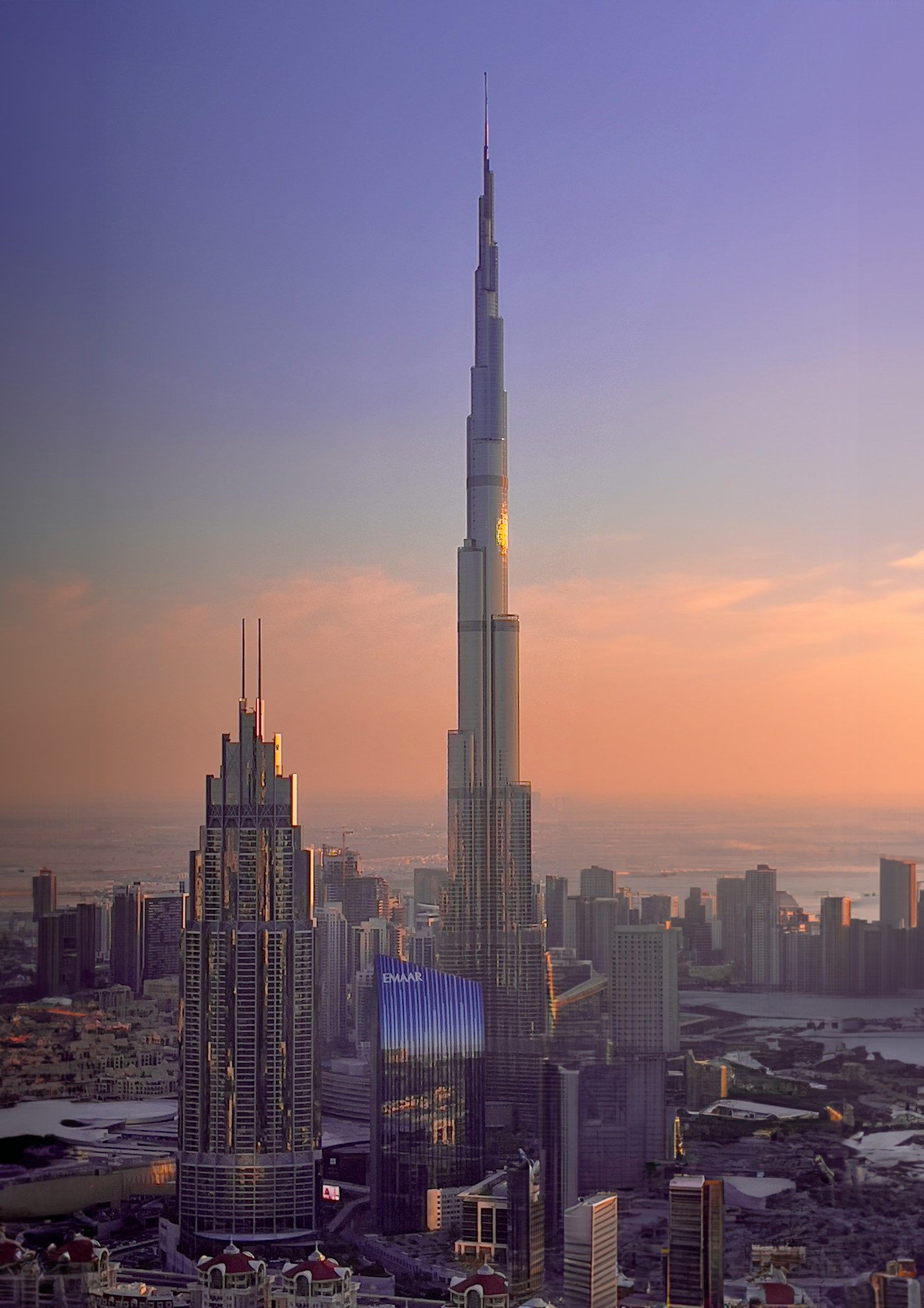
Dubai has spent decades perfecting the art of the superlative. Visitors can ascend the Burj Khalifa (828 metres, the world’s tallest building), explore the Dubai Mall (one of the world’s largest shopping centres, complete with an indoor aquarium and ice rink), and photograph the Palm Jumeirah from a seaplane.
The Museum of the Future, with its distinctive Arabic-calligraphy facade, has become one of the most photographed buildings on earth since opening. The Dubai Frame offers a 150-metre-high vantage point that literally frames old and new Dubai on opposite sides.
Desert safaris with dune bashing, camel rides, and barbecue dinners under the stars remain a quintessential Dubai experience. Global Village, open from October to April, brings together pavilions from over 75 countries with crafts, food, and performances.
Dubai’s nightlife, rooftop bars, beach clubs, and world-class dining scene are unrivalled in the Gulf region.
Saudi Arabia Highlights
Saudi Arabia’s tourism offering is almost the inverse of Dubai’s — less about constructed attractions and more about genuine heritage, natural landscapes, and cultural depth.
AlUla is the crown jewel. This ancient oasis in the northwest contains Hegra (Madain Saleh), Saudi Arabia’s first UNESCO World Heritage Site, featuring more than 100 monumental Nabataean tombs carved into sandstone cliffs over 2,000 years ago. The surrounding landscape of towering rock formations, including the iconic 52-metre Elephant Rock, feels genuinely otherworldly. AlUla also hosts year-round festivals, from hot-air balloon events to world-class music and wellness retreats. For more, see our AlUla travel guide.
Riyadh mixes old and new. The Masmak Fortress tells the story of the Kingdom’s unification. The Diriyah district, a restored mud-brick UNESCO site, is being developed into a major cultural quarter. Boulevard Riyadh City and Riyadh Season offer entertainment on a massive scale. Learn more in our Riyadh travel guide.
Jeddah’s Al-Balad historic district, another UNESCO World Heritage Site, features coral-stone houses and traditional souks dating back centuries. The city’s Red Sea Corniche and nearby dive sites offer some of the best underwater experiences in the world. See our Jeddah guide for details.
The Red Sea coast, still being developed with luxury eco-resorts, promises pristine coral reefs, mangrove forests, and volcanic islands that have never been open to mass tourism.
For the spiritually inclined, the Hajj and Umrah pilgrimages to Makkah and Madinah represent experiences of profound significance — though non-Muslims cannot enter these two holy cities.
Verdict: Things to Do
Dubai is the clear winner for pure entertainment, nightlife, and family-friendly attractions. Saudi Arabia wins on cultural authenticity, archaeological heritage, and off-the-beaten-path adventure. Neither is objectively better — it depends entirely on what moves you as a traveler.
Culture and Social Norms
Dress Code
Both destinations expect modest dress in public, but the degree of enforcement differs significantly.
In Dubai, the dress code is relaxed in most tourist areas. Swimwear is fine at beaches and pools, and casual Western clothing is accepted almost everywhere. The main rule of thumb: cover shoulders and knees in malls, restaurants, and souks. Mosques require full coverage, and many provide loaner garments. Enforcement is rare — usually just a polite request to cover up.
Saudi Arabia has loosened its dress code considerably since 2019. Foreign women are no longer required to wear an abaya, though modest clothing covering knees, shoulders, and chest is expected everywhere. Men should wear trousers (not shorts) and sleeved shirts outside resort areas. Religious sites require full coverage, and women should carry a headscarf. The atmosphere is noticeably more conservative outside Riyadh and Jeddah. For our full breakdown, see the Saudi Arabia dress code guide.
Alcohol
This is often the deciding factor for a certain type of traveler.
Dubai allows alcohol consumption for non-Muslims aged 21 and over in licensed venues — hotel bars, restaurants, and nightclubs. Tourists can also purchase alcohol from designated retailers such as MMI and African + Eastern by showing their passport. Public intoxication, however, is illegal and can result in fines or arrest.
Saudi Arabia officially prohibits alcohol nationwide. There is no legal way for tourists to consume alcohol. Reports in 2025 suggested the Kingdom might license limited alcohol sales in select tourist zones by 2026, but Saudi authorities have officially denied these reports. Travelers should assume that alcohol is completely unavailable and act accordingly.
Social Customs
Dubai feels cosmopolitan and internationally oriented. With over 200 nationalities among its population, the city is accustomed to diverse customs and behaviours. Public displays of affection should be kept discreet, but the overall atmosphere is permissive by Gulf standards.
Saudi Arabia is more conservative, rooted in Islamic tradition. Gender mixing is now normal in restaurants and public venues (a major change from pre-2019), but the cultural environment is more traditional. Visitors will find Saudis remarkably warm and hospitable — genuine guest culture runs deep — but should be mindful of prayer times, when many shops and restaurants close briefly.
Verdict: Culture and Social Norms
Dubai is more comfortable for travelers unfamiliar with Middle Eastern customs. Saudi Arabia offers a deeper cultural experience but requires more awareness and adaptation. If you value nightlife and social freedom, Dubai is the obvious pick. If you want an immersive experience in a culture that is rapidly opening but still deeply rooted, Saudi Arabia is more rewarding.
Weather and Best Time to Visit
Both destinations share the same fundamental climate challenge: scorching summers that make outdoor activity miserable from June through September.
Dubai
Dubai has a subtropical desert climate with two effective seasons. Winter (November to March) brings daytime temperatures of 20-30°C with almost no rain and 8-10 hours of sunshine — perfect tourist weather. Summer (June to September) sees highs routinely exceeding 43°C with oppressive humidity, making even short walks uncomfortable.
Sea temperatures range from a refreshing 22°C in winter to a bath-like 32°C in summer. Dubai’s indoor infrastructure (air-conditioned malls, hotels, and attractions) means summer visits are possible but limiting.
Saudi Arabia
Saudi Arabia has more climatic variation than most visitors expect. Riyadh experiences bone-dry desert heat, reaching 43-50°C in summer but dropping to pleasant 15-25°C days in winter. Jeddah, on the Red Sea coast, is humid year-round but milder in winter. The mountain city of Taif offers cool relief even in summer, while AlUla in the northwest enjoys crisp desert nights.
The best window for visiting is November to February, when temperatures across most of the country are comfortable for outdoor exploration. Rainfall is minimal everywhere — typically just 50-150mm per year. For detailed seasonal advice, check our Saudi Arabia travel hub.
Verdict: Weather
A draw. Both destinations are best visited in winter, and both are brutally hot in summer. Saudi Arabia has a slight edge for variety — you can escape to the mountains — while Dubai’s coastal location means higher humidity in shoulder seasons.
Getting There: Flight Connectivity
Dubai
Dubai International Airport (DXB) is one of the busiest airports on earth, handling close to 100 million passengers annually. Emirates, the UAE’s flagship carrier, operates direct flights to over 150 destinations worldwide. Budget carrier flydubai adds further reach. Getting to Dubai from virtually any major city is straightforward and competitively priced.
The airport is a major global transit hub, meaning connections to onward destinations across Asia, Africa, and Europe are seamless.
Saudi Arabia
Saudi Arabia’s airport infrastructure is improving rapidly. King Khalid International Airport in Riyadh and King Abdulaziz International Airport in Jeddah both handle international traffic, with direct flights to London, New York, Paris, and major Asian cities.
Saudia, the national carrier, is expanding aggressively, with new routes to New York, Tokyo, and Singapore launching in 2026. Riyadh Air, a new full-service carrier, is set to launch operations in 2026, adding further connectivity from the capital.
Budget options like flynas and flyadeal serve regional and some international routes. While Saudi Arabia’s airline network is growing fast, it does not yet match Dubai’s sheer depth of connections.
Verdict: Flight Connectivity
Dubai wins decisively. DXB’s global reach, Emirates’ network, and competitive pricing make Dubai easier and often cheaper to reach from most world cities. Saudi Arabia is catching up but is not there yet.
Safety
Both destinations rank among the safest places in the world for tourists in terms of personal crime risk.
Dubai consistently appears in the top 10 of global safety rankings. Street crime directed at tourists is exceptionally rare, and the city is heavily monitored with CCTV and an efficient police presence. The most common tourist safety issues are petty — overcharging by unlicensed taxis or minor scams.
Saudi Arabia likewise has very low crime rates. The visible security presence in major cities is strong, and violent crime against visitors is virtually unheard of. Travelers report feeling safe walking alone at night in Riyadh and Jeddah.
For an in-depth assessment, see our guide to safety in Saudi Arabia.
Verdict: Safety
Both are excellent for personal safety. Check your government’s latest travel advisories before booking, as regional geopolitical situations can change rapidly in any Gulf destination.
Who Should Visit Where?
Different types of travelers will find different value in each destination. Here is a direct breakdown.
Choose Dubai If You Are…
- A first-time visitor to the Middle East who wants a comfortable, familiar introduction
- Traveling with children and want theme parks, aquariums, water parks, and reliable family infrastructure
- Looking for nightlife, beach clubs, rooftop bars, and a cosmopolitan social scene
- A luxury shopper who wants access to every global brand under one roof
- On a short trip (3-5 days) and want maximum spectacle in minimum time
- A business traveler attending conferences or meetings (Dubai’s MICE infrastructure is world-class)
- Someone who values alcohol availability during their holiday
- An experienced traveler seeking destinations that still feel undiscovered
- Passionate about archaeology, history, and ancient civilizations (AlUla alone justifies the trip)
- A diver or marine enthusiast — the Red Sea coast offers pristine, uncrowded reefs
- Interested in understanding how a deeply traditional society is modernizing in real time
- Budget-conscious and want more value for your travel spend
- Planning a longer trip (7-14 days) with multiple cities and diverse landscapes
- A Muslim traveler wanting to combine leisure tourism with Umrah
- An adventure traveler looking for desert experiences beyond the typical safari format
Choose Saudi Arabia If You Are…
Why Not Both? The Combined Gulf Itinerary
Here is the secret that experienced Gulf travelers already know: Dubai and Saudi Arabia complement each other perfectly. They are only a two-hour flight apart, with frequent direct connections between Dubai and both Riyadh and Jeddah.
A compelling 10-14 day itinerary might look like this:
Sample Combined Itinerary
| Days | Location | Highlights |
|---|---|---|
| 1-3 | Dubai | Burj Khalifa, Dubai Mall, desert safari, Museum of the Future, dining and nightlife |
| 4 | Fly Dubai to Jeddah (2 hrs) | Arrive, explore the Corniche at sunset |
| 5-6 | Jeddah | Al-Balad historic district, Red Sea diving, seafood dining |
| 7-9 | AlUla (fly or drive from Jeddah) | Hegra tombs, Elephant Rock, desert stargazing, hot-air balloon rides |
| 10-12 | Riyadh | Diriyah, Masmak Fortress, Boulevard City, Edge of the World hike |
| 13-14 | Return via Dubai or fly direct home from Riyadh | Last-minute shopping and departure |
This combined route gives you the best of both worlds: Dubai’s polish and entertainment followed by Saudi Arabia’s depth and cultural weight.
The Bottom Line
Dubai is the refined, reliable choice. It delivers a consistently excellent tourist experience with world-class infrastructure, seamless logistics, and a cosmopolitan atmosphere that makes any visitor feel welcome. If this is your first foray into the Gulf region, Dubai is the safer bet in every sense.
Saudi Arabia is the more exciting choice. It is a country in the middle of a historic transformation, offering experiences — from 2,000-year-old tombs in the desert to untouched coral reefs in the Red Sea — that genuinely cannot be found elsewhere. The tourist infrastructure is newer and less polished in places, but that rawness is part of the appeal for travelers who thrive on discovery.
Neither destination is objectively better than the other. They serve different travel appetites. The smartest approach, if your budget and schedule allow, is to visit both — and understand that the Gulf is far too rich and varied to be captured by any single city, no matter how spectacular its skyline.
Frequently Asked Questions
Is Saudi Arabia cheaper than Dubai?
Yes, across almost every category. Hotels, food, transport, and activities are typically 20-30 percent cheaper in Saudi Arabia than in Dubai. The gap is largest for accommodation and dining, and smallest for luxury experiences where both destinations command premium pricing.
Can you drink alcohol in Saudi Arabia?
No. Alcohol is officially prohibited throughout Saudi Arabia. There are no licensed bars, restaurants, or retail outlets selling alcohol to tourists. Dubai, by contrast, allows alcohol in licensed hotel bars, restaurants, and nightclubs for non-Muslims aged 21 and over.
Do women need to wear an abaya in Saudi Arabia?
No. Since 2019, foreign women visiting Saudi Arabia are not required to wear an abaya. However, modest clothing that covers the shoulders, chest, and knees is expected. A headscarf should be carried for visits to mosques and religious sites. For detailed advice, see our dress code guide.
Is Saudi Arabia safe for tourists?
Yes. Saudi Arabia has one of the lowest crime rates in the world, and tourists consistently report feeling safe in major cities. Street crime targeting visitors is extremely rare. As with any destination, check your government’s current travel advisory before booking. Read our safety guide for more.
How far apart are Dubai and Saudi Arabia?
Dubai is approximately a two-hour flight from Riyadh and Jeddah, with multiple daily connections operated by Emirates, Saudia, flydubai, and flynas. It is entirely practical to combine both destinations in a single trip.
Which is better for families?
Dubai currently has the edge for families thanks to its established theme parks (Legoland, Motiongate, Aquaventure), indoor entertainment complexes, and family-oriented resorts. Saudi Arabia is catching up fast — the Six Flags Qiddiya theme park and Aquarabia water park near Riyadh represent major investments in family entertainment — but Dubai’s family infrastructure is more mature.
Do I need a visa for Saudi Arabia?
Citizens of 66 countries can apply for a Saudi eVisa online. The process takes less than 24 hours and costs $100-$160. The visa is valid for one year with multiple entries and allows stays up to 90 days. See our visa guide for full details.
What is the best time to visit both destinations?
November to February is the ideal window for both Dubai and Saudi Arabia. Temperatures are pleasant (20-30°C), rainfall is minimal, and outdoor exploration is comfortable. Avoid June through September unless you are exclusively visiting indoor attractions.