
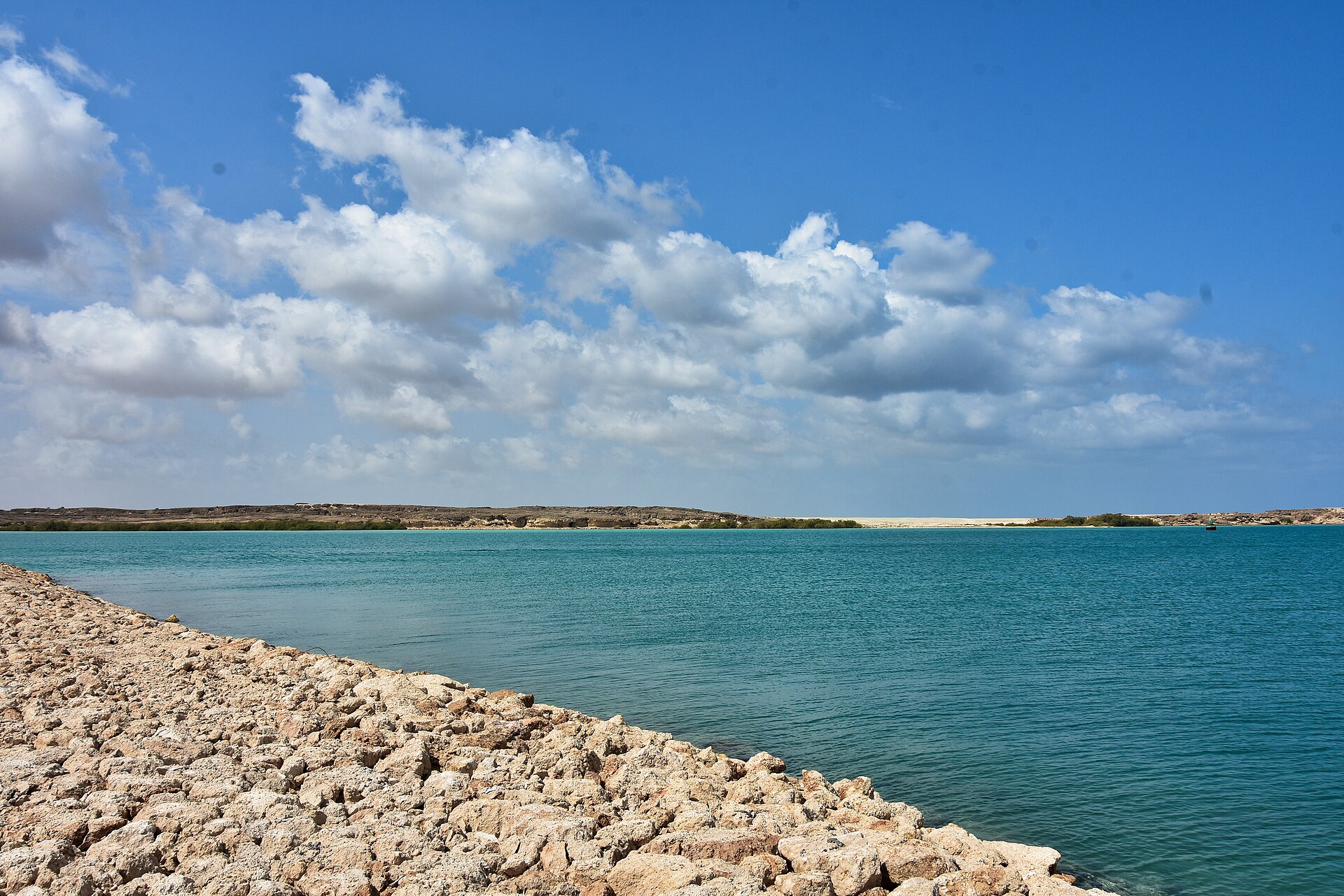
Forty kilometres off the coast of Jizan in Saudi Arabia’s deep south, the Farasan Islands are the Kingdom’s best-kept secret — an archipelago of more than 80 coral-fringed islands where pristine white-sand beaches give way to mangrove lagoons, endemic gazelles roam freely, and the Red Sea’s healthiest reefs sit virtually untouched by mass tourism. Designated Saudi Arabia’s first UNESCO Biosphere Reserve in 2021, the Farasan archipelago is a world-class destination for diving and snorkelling, wildlife watching, and exploring centuries of pearl-trading heritage — all without the crowds. Whether you are an experienced diver chasing hammerhead sharks and manta rays, a history enthusiast drawn to Ottoman forts and coral-stone merchant houses, or a traveller simply looking for an unspoiled Red Sea beach, this guide covers everything you need to plan your trip to the Farasan Islands.
Best Time to Visit: October to April (mild weather, best diving visibility)
Getting There: Free government ferry from Jizan port (1 hour); flights to Jizan from Riyadh, Jeddah and other Saudi cities
Visa Required: Yes — tourist e-visa
Budget: USD 60–120 per day (accommodation is limited and modest)
Must-See: Al-Rifai House, Ras Al Qarn Beach, Al Qassar village, mangrove boat tours
Avoid: Arriving without a hotel booking — accommodation is scarce and fills up on weekends
Why Visit the Farasan Islands
Most travellers to Saudi Arabia head straight for Riyadh, Jeddah, or the megaprojects of the northwest. The Farasan Islands sit in the opposite direction — and that is precisely the point. This is Saudi Arabia at its most raw and unfiltered: no five-star resorts, no theme parks, no velvet-rope restaurants. What you get instead is an 820,000-hectare UNESCO Biosphere Reserve where spinner dolphins arc through turquoise water at dawn, where the endemic Farasani gazelle (Gazella arabica farasani) grazes on the scrubland above coral cliffs, and where the only footprints on the beach are likely yours.
The archipelago’s marine sanctuary protects some of the healthiest coral reefs in the entire Red Sea, with over 200 species of fish, 50 types of coral, and charismatic megafauna including dugongs, whale sharks, manta rays, hawksbill turtles, green turtles, and several species of dolphins and whales. On land, more than 230 bird species have been recorded — from greater flamingos and pink-backed pelicans to Eurasian spoonbills and ospreys — making the islands one of the Arabian Peninsula’s most important birding sites.
Then there is the human history. For centuries the Farasan Islands sat at the crossroads of Red Sea trade, attracting Ottoman garrisons, German coal merchants, and pearl-trading dynasties whose ornate coral-stone houses still stand in Farasan town. Few places in Saudi Arabia compress this much natural and cultural wealth into so compact a space.
Getting to the Farasan Islands
Step 1: Fly to Jizan
Jizan (also written Jazan) is the gateway to the Farasan Islands. King Abdullah bin Abdulaziz Airport (GIZ) receives daily direct flights from Riyadh (approximately 2 hours), Jeddah (approximately 1.5 hours), and Dammam on Saudia (Saudi Arabian Airlines) and flynas. From the airport, a taxi to Jizan port takes around 20 minutes.
Step 2: Take the Free Ferry
The Saudi government operates a free car-and-passenger ferry between Jizan port and Farasan Island. The crossing takes roughly one hour.
Ferry Schedule (subject to change):
Jizan → Farasan: Departures at 7:00 AM and 3:30 PM
Farasan → Jizan: Departures at 7:00 AM and 3:30 PM
Cost: Free
Important: Arrive at the terminal at least one hour before departure. Foreign nationals should obtain their ferry tickets one day in advance from Jizan Port — bring your passport for registration. The ferry fills up quickly during Saudi public holidays and long weekends.
You can bring a car on the ferry, and this is strongly recommended. Public transport on Farasan is virtually non-existent. If you have not driven to Jizan, consider renting a car at Jizan airport before heading to the port. Alternatively, shared minivans on the island charge around 10 SAR per ride, but their routes are limited to Farasan town.
Driving from Jeddah or Riyadh
The drive from Jeddah to Jizan follows the coastal highway south for approximately 700 km (7–8 hours). From Riyadh, the drive is roughly 1,100 km (10–12 hours) and is better broken into two days, with an overnight stop in Abha or Jizan. In either case you can take your car on the ferry.
Best Time to Visit the Farasan Islands
The Farasan Islands sit in one of Saudi Arabia’s hottest zones, so timing your visit matters.
| Season | Months | Temperature | Conditions | Verdict |
|---|---|---|---|---|
| Winter (peak) | November–February | 24–30°C | Warm, dry, clear skies, best diving visibility, migratory birds present | Best time to visit |
| Shoulder | October, March–April | 28–34°C | Still good for diving; slightly warmer, fewer visitors | Great value |
| Summer | May–September | 35–42°C | Hot and humid; some dive operators pause; cheapest accommodation | Only for heat-tolerant travellers |
Diving and snorkelling conditions are best from October to May, when water temperatures hover between 25°C and 29°C and visibility regularly exceeds 20 metres. The winter months also coincide with migratory bird season, when thousands of flamingos, pelicans, and waders descend on the islands’ tidal flats and mangrove lagoons.
Diving and Snorkelling
The Farasan Islands sit at the heart of what many marine biologists consider the Red Sea’s last great frontier. Unlike the heavily dived sites of Egypt’s northern Red Sea, the Farasan reefs see only a handful of divers each week. Hard and soft corals are in exceptional health, and encounters with large pelagic species are common rather than exceptional.
Top Dive Sites
Mar Mar: A submerged reef system known for dense schools of barracuda, trevally, and the occasional grey reef shark. The coral coverage is superb, with table corals and staghorn formations in shallow waters giving way to dramatic drop-offs.
Dohra: A current-swept pinnacle that attracts large pelagics. Hammerhead sharks are regularly spotted here during the winter months, along with manta rays and eagle rays riding the current.
Gorgonian Point: Named for its spectacular gorgonian sea fan formations, this site is a photographer’s paradise. Soft corals in vivid reds, oranges, and purples cover the reef walls, with nudibranchs, seahorses, and reef fish weaving through the fans.
Shib Ammar: A shallow reef plateau perfect for both snorkelling and diving, with healthy hard corals and an abundance of reef fish including parrotfish, butterflyfish, and clownfish among anemone gardens.
Dannak: Known for encounters with whale sharks during the winter season, as well as green and hawksbill turtles that nest on nearby beaches.
Snorkelling from Shore
You do not need a boat to see outstanding coral. Ras Al Qarn Beach offers excellent snorkelling directly from shore, with a shallow reef flat that drops into a coral wall teeming with reef fish. Ghadeer Bay is another accessible spot, with calm, clear water and healthy hard coral formations just a short swim from the sand.
Dive Logistics
Dive operations on the Farasan Islands are limited compared to mainstream Red Sea destinations. A handful of local operators offer guided dives and equipment rental, but serious divers should consider a liveaboard departing from Jizan or Jeddah that includes the Farasan Banks on its itinerary. Liveaboard trips typically run for 7–10 days and take in the offshore atolls and reefs surrounding the archipelago, where encounters with tiger sharks, hammerheads, and manta rays are common.
Dive Tip: Bring your own mask, fins, and snorkel at minimum. While basic rental equipment is available, quality and availability vary. If you plan to dive, confirm arrangements with a local operator before arriving on the island, as walk-in diving is not always possible.
Beaches
The Farasan Islands have some of Saudi Arabia’s finest and least crowded beaches — white sand, clear turquoise water, and often not another soul in sight.
Ras Al Qarn Beach
The most well-known beach on the islands, Ras Al Qarn sits on Farasan’s northern tip and offers soft golden sand, calm turquoise shallows, and a coral reef accessible by snorkelling from shore. The aquatic plant beds along the shoreline give the water an almost luminous quality. It is the closest thing the Farasan Islands have to a beach resort — though “resort” is a generous term; there are no sunloungers or beach bars, just pristine nature.
Ghadeer Bay
A sheltered crescent of calm, crystal-clear water on the island’s western coast. Ghadeer Bay is ideal for swimming and snorkelling, with a gentle sandy entry that makes it suitable for families. The bay is also one of the best spots for kayaking and stand-up paddleboarding if you bring your own equipment.
Abrat and Faqwah Beaches
For those who want total solitude, these secluded southern beaches are reachable only by 4WD tracks. They are popular with Saudi camping enthusiasts who pitch tents on the sand for weekend getaways under some of the darkest skies in the Kingdom. No facilities — bring everything you need.
Wildlife and Nature
The Farasan Islands have been a protected area since 1996 and were declared Saudi Arabia’s first UNESCO Man and the Biosphere Reserve in September 2021 — a recognition of their extraordinary terrestrial and marine biodiversity.
The Farasani Gazelle
The islands are the last stronghold of the Farasani gazelle (Gazella arabica farasani), an endemic subspecies of the Arabian gazelle. The current population, estimated at several hundred individuals, is the largest concentration of idmi gazelle in Saudi Arabia. You will almost certainly spot these graceful animals grazing on the island’s scrubland, particularly in the early morning and late afternoon.
Marine Megafauna
The waters around the Farasan Islands are home to an extraordinary density of charismatic marine species:
- Dolphins: Spinner dolphins, Indo-Pacific bottlenose dolphins, and the endangered Indian Ocean humpback dolphin
- Whales: Bryde’s whales frequent the deeper channels between the islands
- Dugongs: These vulnerable marine mammals graze on the extensive seagrass beds surrounding the archipelago
- Sea Turtles: Both hawksbill and green turtles nest on Farasan beaches, with nesting season running from March to July
- Whale Sharks: Seasonal visitors, most commonly spotted between November and February
- Manta Rays: Present year-round, with peak sightings during the cooler months
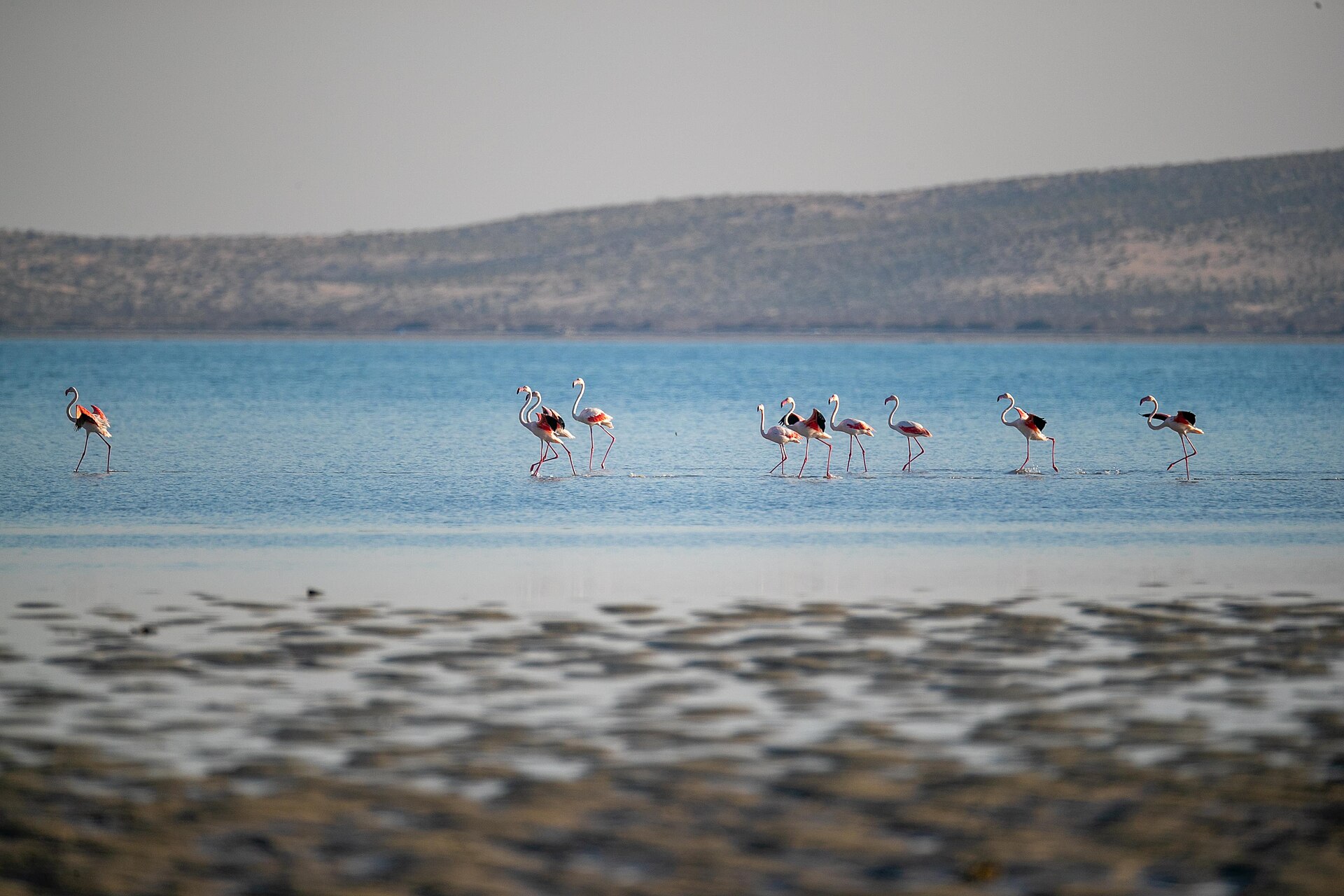
- Greater flamingo — large flocks gather on the tidal flats
- Pink-backed pelican — breeds on the islands
- Eurasian spoonbill — common winter visitor
- Osprey — resident breeder, often seen hunting over the reefs
- Sooty falcon — breeds on offshore islets
- White-eyed gull — a Red Sea endemic regularly seen along the coast
- Car: Rent in Jizan and bring it on the ferry (free). Some hotels can arrange vehicle hire on the island, but availability is unreliable.
- Shared minivans: Run between the port and Farasan town for around SAR 10. Do not rely on them for getting to beaches or attractions outside town.
- Boat tours: Local fishermen offer boat trips to outlying islands, mangrove channels, and offshore snorkelling spots. Negotiate at the port — expect to pay SAR 200–500 depending on the duration and distance.
- Walking: Farasan town itself is compact and walkable. All the main heritage sites (Al-Rifai House, the Ottoman Fort, Al-Najdi Mosque, the German House) are within a 20-minute walk of the port.
- Sun hat, high-SPF sunscreen, and UV-protective clothing
- Reef-safe sunscreen (you are swimming in a UNESCO Biosphere Reserve)
- Snorkel, mask, and fins (rentals are limited)
- Water shoes for reef walking and rocky shores
- Torch/headlamp for evening walks and camping
- Cash (SAR) — at least SAR 500 for a weekend trip
- Light, modest clothing (conservative dress is expected, especially in town)
- Insect repellent
- Not remove coral, shells, or any marine or terrestrial specimens
- Not disturb wildlife, especially nesting turtles and gazelles
- Take all rubbish off the island — there is no large-scale waste management
- Avoid anchoring on coral reefs (if arriving by private boat)
- Stay on marked trails and roads in sensitive habitat areas
- Saudi Arabia Diving and Snorkelling Guide — The complete guide to Red Sea diving, liveaboards, and the Kingdom’s best reef sites
- Saudi Arabia Red Sea Coast — Diving, beaches, and coral reefs along the Kingdom’s western shore
- Yanbu Travel Guide — Red Sea diving, beaches, and Saudi Arabia’s hidden coastal gem
- Jeddah Travel Guide 2026 — Gateway to the Red Sea coast, with Al Balad, diving, and F1
- Saudi Arabia Travel Guide 2026 — The complete guide to visiting the Kingdom
- Saudi Arabia Visa Guide — Every visa type explained
Birdwatching
More than 230 bird species have been recorded on the Farasan Islands, making the archipelago one of the most important birding sites on the Arabian Peninsula. The islands’ mangrove lagoons and tidal flats attract enormous concentrations of migratory waders, flamingos, and pelicans during the winter months (November to March). Key species include:
Al Qandal Mangrove Forest
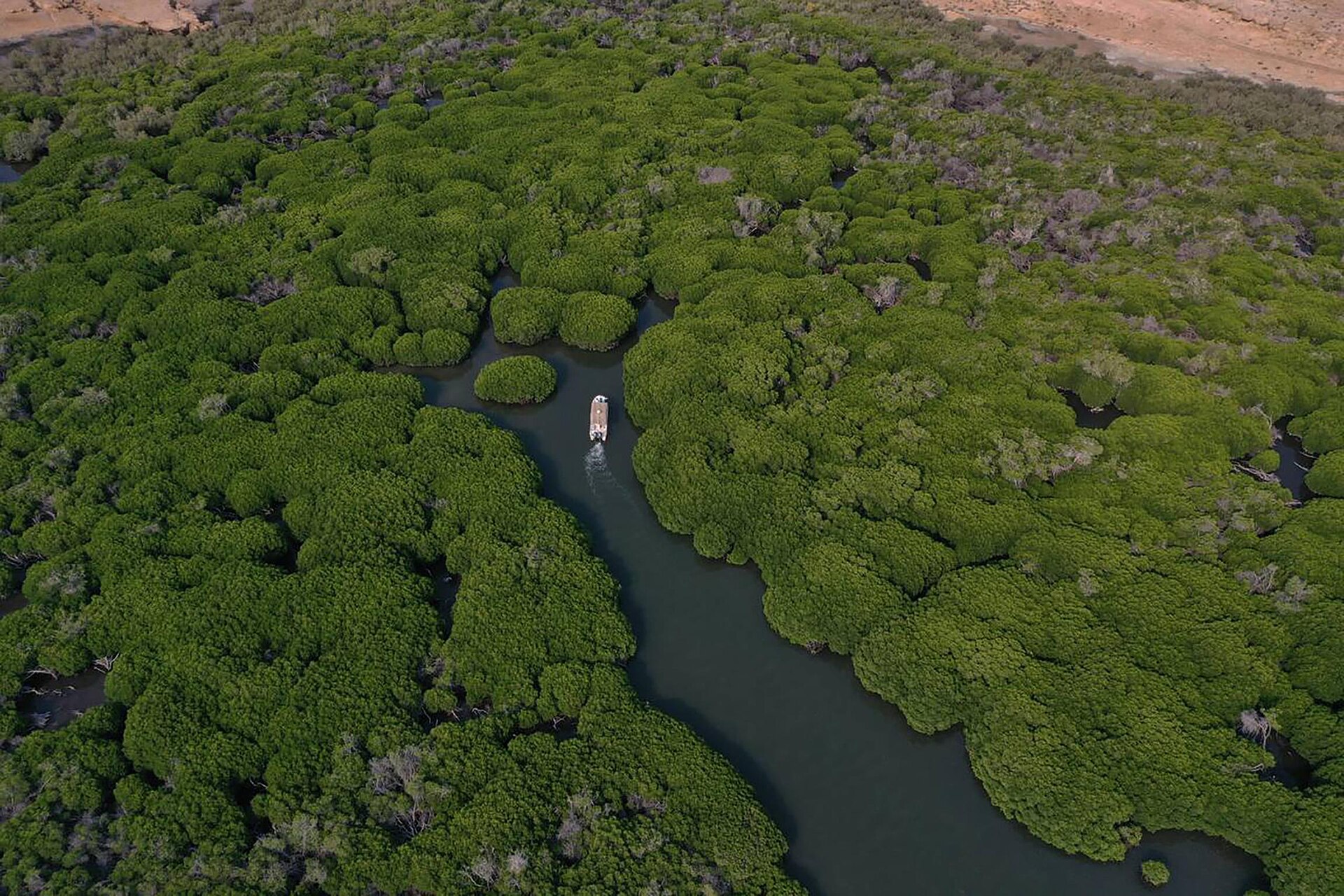
A boat tour through the Al Qandal mangrove channels is one of the signature experiences on the Farasan Islands. The mangroves form a dense, interlocking canopy over narrow waterways, sheltering juvenile fish, crabs, and nesting herons. Local fishermen offer boat rides through the mangroves — ask at your hotel or at the Farasan port.
History and Heritage
The Farasan Islands’ strategic position in the southern Red Sea has attracted traders, empires, and adventurers for millennia. The compact town of Farasan, the main settlement, concentrates most of the archipelago’s historical sites within walking distance of the port.
Al-Rifai House (Beit Al-Rifai)
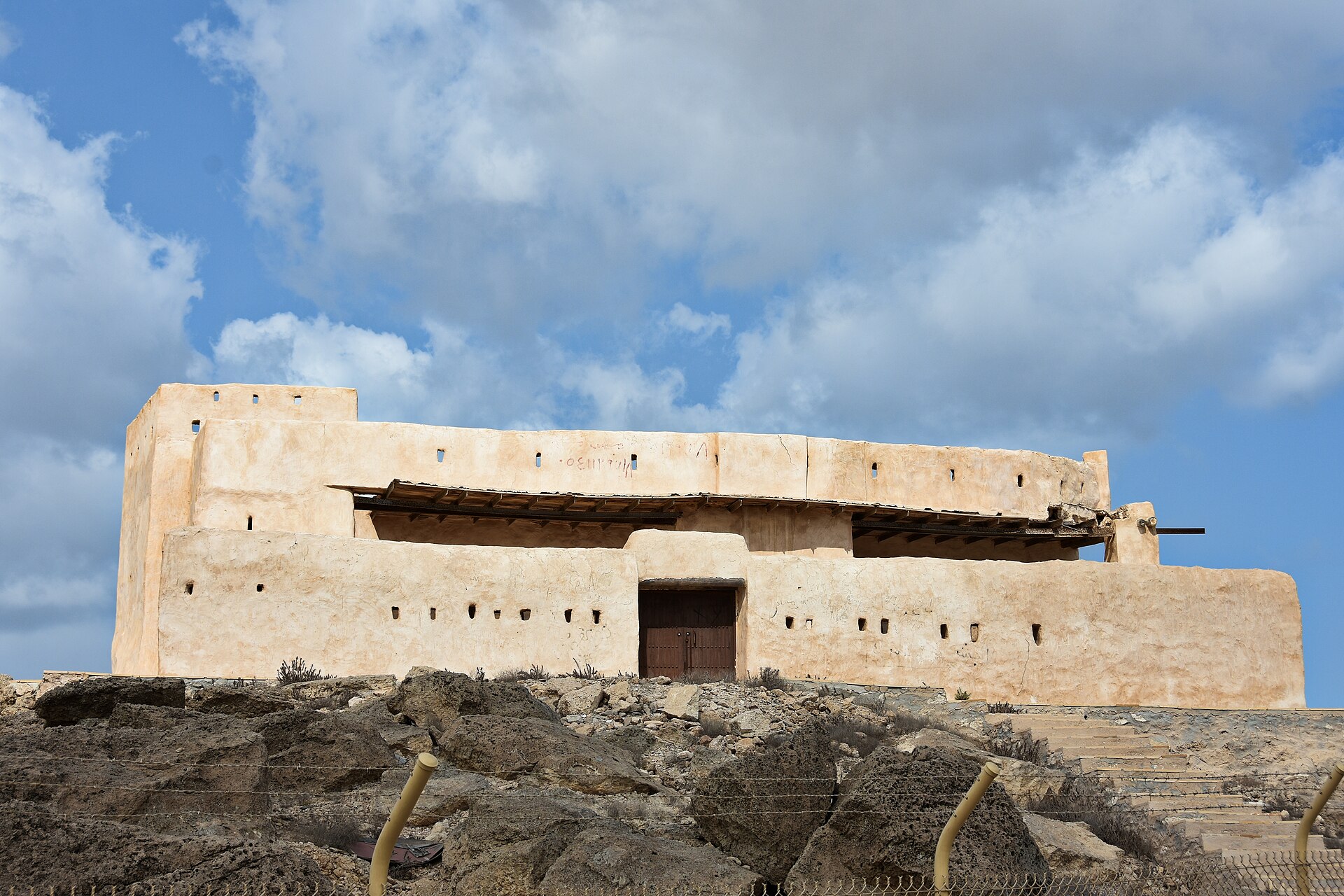
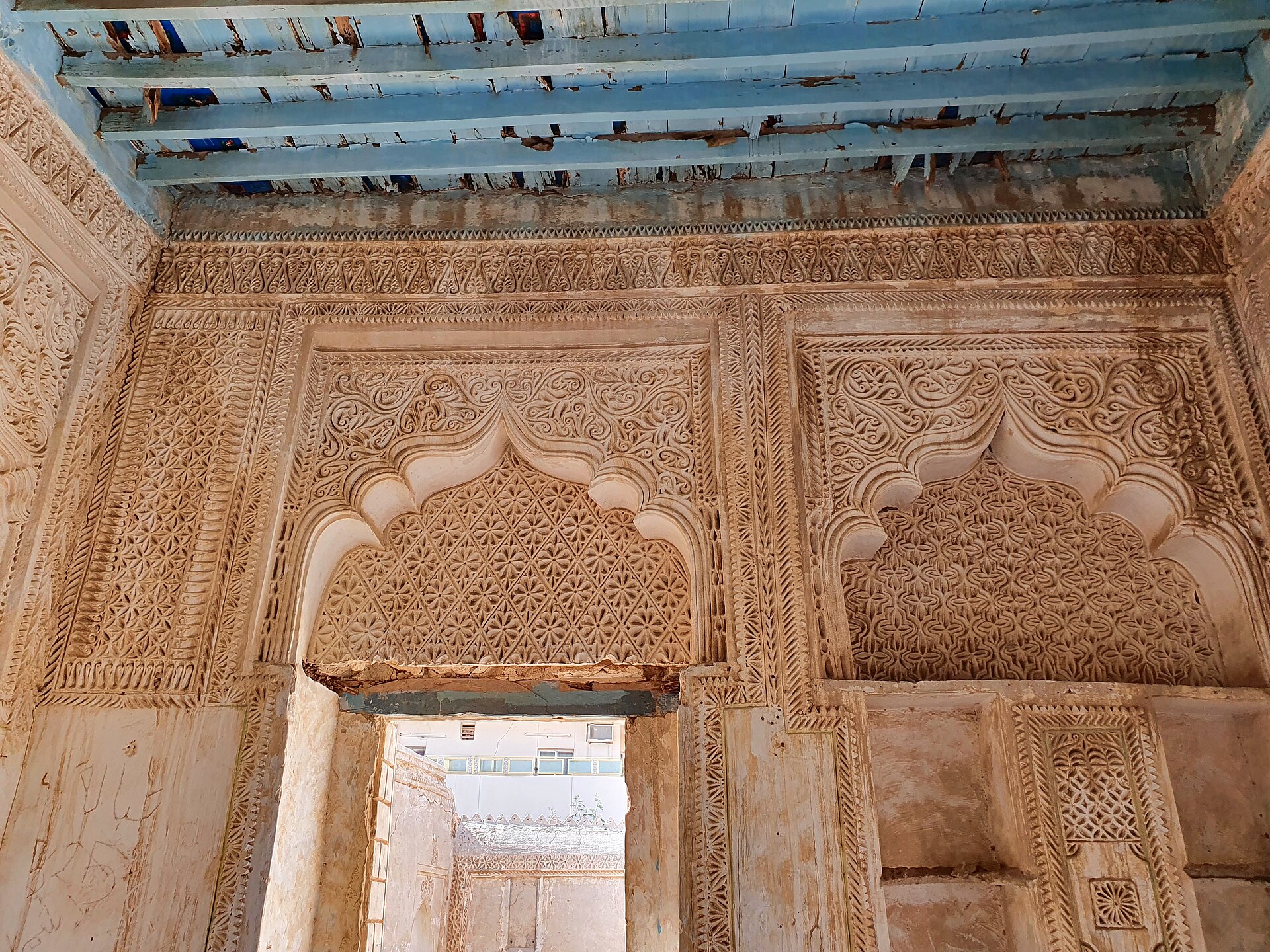
The finest example of traditional Farasani architecture, this ornate coral-stone mansion was built around 1922 for Ahmed Munawar Al-Rifai, one of the islands’ wealthiest pearl merchants. The house is constructed from coral stones covered in decorative plaster, with arabesque carvings adorning both interior and exterior walls. The main entrance features coloured glass panels known as kamaryat and wooden ceilings painted in natural blue. Interior walls bear ribbons engraved with Quranic verses. There are actually two Al-Rifai houses — the second, slightly later building has similarly elaborate carved gypsum walls. Both now function as open-air museums.
Al-Najdi Mosque
Built in 1928 by pearl trader Ibrahim Al-Najdi, this historic mosque features the same intricate coral-stone and carved-gypsum decoration as the merchant houses. The mosque’s ornamental mihrab and carved wooden details make it one of the most architecturally significant small mosques in southwestern Saudi Arabia.
The Ottoman Fort
Perched above Farasan town, the Ottoman citadel dates to the period when the islands fell under Ottoman administration. The fort’s thick coral-stone walls and commanding views over the harbour reflect the strategic importance the Ottomans placed on controlling Red Sea shipping lanes. The structure has been partially restored and is freely accessible.
Beit Al-Jaramal (The German House)
One of the islands’ most intriguing historical footnotes. In 1900, the Imperial German Navy struck a deal with the Ottoman Empire to establish a coal depot on Farasan to fuel German warships operating in the Red Sea. A stone warehouse was built in 1901, and Germany reportedly harboured ambitions of acquiring the islands outright. The project was abandoned in 1902 when the coal station proved unnecessary and the Ottomans refused to transfer sovereignty. The building still stands, its name — “Beit Al-Jaramal” — a local corruption of “the house of the Germans.”
Al Qassar Village
In the island’s interior, the ancient sandstone village of Al Qassar is said to date back to the Roman era. The village consists of roughly 400 houses arranged along five narrow lanes, built from local stone and coral in a style distinct from the merchant architecture of Farasan town. Al Qassar was abandoned decades ago but has been rebuilt and restored as a heritage tourism site, giving visitors a window into pre-modern island life.
Where to Stay
Accommodation on the Farasan Islands is limited and modest. There are no international hotel chains or luxury resorts — and that is part of the appeal. Book in advance, especially for Thursday–Friday weekends and Saudi public holidays.
Farasan Gardens Hotel (Hadayiq Fursan)
The island’s best-known hotel sits about 10 minutes from Farasan port, directly on the seafront. It offers a private beach, swimming pool, indoor and outdoor coffee shops, and a restaurant. Rooms are clean and functional, with air conditioning and private bathrooms. Expect to pay around SAR 300–500 per night depending on the season.
Rahaf Al Bahr Hotel
A simpler waterfront option with a shared lounge and private beach area. Basic but comfortable, with air-conditioned rooms and private bathrooms. Good for budget travellers who plan to spend most of their time outdoors.
Rasil Farasan Hotel
A 2-star hotel offering no-frills air-conditioned rooms with private bathrooms. Centrally located in Farasan town and within walking distance of the heritage sites. The cheapest option on the island.
Camping
Wild camping is permitted on the island’s more remote beaches, and many Saudi visitors prefer this option. The secluded southern beaches of Abrat and Faqwah are particularly popular. Bring all your own supplies — there are no campsite facilities. Respect the protected area regulations: take all rubbish with you and avoid disturbing nesting turtles or gazelle habitat.
Practical Tip: If Farasan hotels are fully booked, consider staying in Jizan and day-tripping by ferry. Jizan has a wider range of accommodation, including the Novotel Jazan and the Radisson Blu Resort Jizan, both with swimming pools and restaurants. The early morning ferry gets you to Farasan by 8 AM, and the afternoon ferry returns you by evening.
Where to Eat
Dining on the Farasan Islands is simple, local, and centred on fresh seafood. Do not expect fine dining — expect excellent fish.
Farasan Gardens Hotel Restaurant: The most reliable sit-down option, serving a mix of Saudi and international dishes, with fresh fish as the highlight.
Local restaurants in Farasan town: A handful of small restaurants near the port and main street serve traditional Saudi fare — rice, grilled fish, chicken, flatbread, and fresh juices. Qasr Al Diafah is a local favourite. Al Baik, the beloved Saudi fried-chicken chain, also has a presence in the area.
Self-catering: There are a few small grocery shops (bakalas) in Farasan town where you can stock up on basics — water, bread, fruit, canned goods, and snacks. If you are camping, buy supplies in Jizan before taking the ferry, as the island’s selection is limited.
Tip: The freshest seafood on the island comes from the fishermen at the port. If you are staying somewhere with kitchen access, buy fish directly from the morning catch and cook it yourself — grouper, snapper, and kingfish are common.
Getting Around the Islands
A rental car or your own vehicle brought on the ferry is the best way to explore the Farasan Islands. The main island has paved roads connecting Farasan town to the key attractions, but remote beaches and some heritage sites require a 4WD.
Practical Information
Visa and Entry
You need a valid Saudi visa to visit the Farasan Islands. Citizens of 63 countries can obtain an e-visa online in minutes. The e-visa is valid for one year and allows multiple entries of up to 90 days each. There is no additional permit required for visiting the Farasan Islands, though you will need to register your passport at the Jizan ferry terminal before boarding.
Money
There is at least one ATM in Farasan town, but it is not always operational. Bring sufficient cash in Saudi Riyals — many small shops and restaurants do not accept cards. Hotels generally accept card payments.
Mobile and Internet
Mobile coverage (STC, Mobily, Zain) is available in Farasan town but can be patchy in remote parts of the island and non-existent on outlying islands. Wi-Fi is available at the main hotels but do not count on it for bandwidth-heavy tasks.
Health and Safety
There is a small hospital in Farasan town for emergencies, but for anything serious you will need to return to Jizan by ferry. Bring a basic first-aid kit, adequate sun protection (the UV index is extreme), and insect repellent. Jellyfish can be present in warmer months — swim with caution and carry vinegar. Drink plenty of water; dehydration is the most common health issue among visitors.
What to Pack
Environmental Responsibility
The Farasan Islands are a protected UNESCO Biosphere Reserve. The National Centre for Wildlife enforces conservation regulations. Visitors must:
Suggested Itineraries
2 Days (Weekend Trip)
Day 1: Catch the 7 AM ferry from Jizan. Check in at your hotel. Walk through Farasan town’s heritage sites — Al-Rifai House, the Ottoman Fort, Al-Najdi Mosque, and the German House. Afternoon at Ras Al Qarn Beach for swimming and snorkelling. Sunset dinner at Farasan Gardens Hotel.
Day 2: Morning mangrove boat tour through Al Qandal. Drive to Al Qassar village. Lunch from the port’s fish market. Visit Ghadeer Bay for a final swim. Catch the 3:30 PM ferry back to Jizan.
4 Days (Full Exploration)
Days 1–2: As above.
Day 3: Full-day diving or snorkelling excursion to the outer reefs — Mar Mar, Dohra, or Gorgonian Point. Birdwatching at dusk in the tidal flats and mangroves.
Day 4: Drive to the remote southern beaches (Abrat or Faqwah) for a half-day of solitude and beachcombing. Spot gazelles on the drive through the island’s scrubland interior. Afternoon ferry back to Jizan.
7+ Days (Liveaboard Diving)
Serious divers should consider a liveaboard itinerary covering the Farasan Banks — the offshore atolls and seamounts surrounding the archipelago. These multi-day trips depart from Jizan or Jeddah and access remote dive sites including Fantasy Atoll, Mudarr, and Jadir, where hammerhead sharks, tiger sharks, and dense schools of pelagics are regular sightings.
Farasan Islands vs Other Saudi Red Sea Destinations
| Feature | Farasan Islands | Yanbu | Jeddah |
|---|---|---|---|
| Reef Health | Pristine, UNESCO-protected | Very good | Good near outer reefs |
| Crowds | Almost none | Moderate | Busy |
| Accommodation | Basic (3 hotels) | Mid-range options | Full range |
| Access | Ferry from Jizan | Direct flights | International hub |
| Best For | Wilderness, diving, wildlife | Diving, beaches | City + coast |
| Marine Megafauna | Excellent (dugongs, whale sharks, dolphins) | Good | Moderate |
| Heritage Sites | Ottoman, pearl-trade era | Old Town | Al Balad (UNESCO) |