
Saudi Arabia has emerged as one of the world’s most compelling glamping destinations, offering a rare combination of vast desert wilderness, ancient landscapes, and luxury hospitality that few countries can match. From the sandstone canyons of AlUla to the towering dunes of the Empty Quarter, the Kingdom’s glamping scene lets you sleep under some of the clearest night skies on Earth without sacrificing comfort. Whether you’re planning a broader Saudi Arabia accommodation itinerary or seeking a single unforgettable night in the desert, this guide covers every glamping destination worth booking, what to expect, and how to plan your trip.
Best Time to Visit: October to March (cooler desert temperatures, 15–28°C)
Getting There: Fly into Riyadh (RUH), Jeddah (JED), or AlUla (ULH); domestic connections via Saudia and flynas
Visa Required: Yes — tourist e-visa available for 60+ nationalities
Budget: SAR 450–5,000+ per night ($120–$1,300+) depending on luxury level
Must-See: Habitas AlUla, Hisma Desert Camp (Tabuk), Empty Quarter expeditions
Avoid: Booking June–August unless at altitude; midday desert heat exceeds 50°C in summer
Why Glamping in Saudi Arabia Is Different
Glamping in Saudi Arabia is not a repackaged version of what you’ll find in East Africa or the American Southwest. The Kingdom’s deserts are geological spectacles: AlUla’s Ashar Valley features sandstone formations that rival anything in Petra or Monument Valley, the Hisma Desert near Tabuk is a vast volcanic plateau with Mars-like terrain, and the Rub’ al Khali — the Empty Quarter — is the largest continuous sand desert on Earth, with dunes rising 250 metres.
What makes the Saudi glamping proposition genuinely distinctive is the scale of investment behind it. The Royal Commission for AlUla alone has attracted brands like Banyan Tree, Habitas, and Aman to develop properties across a landscape that was virtually closed to tourism before 2019. Riyadh Season and Vision 2030 tourism initiatives have added dozens of seasonal and permanent camps near the capital. The result is a glamping market that spans everything from SAR 450 solar-powered moon tents in the Hisma to SAR 5,000-per-night tented pool villas in the Ashar Valley.
If this is your first visit to the Kingdom, our Saudi Arabia travel guide covers the essentials for planning a broader itinerary around your glamping stay.
AlUla: The Glamping Capital of Saudi Arabia
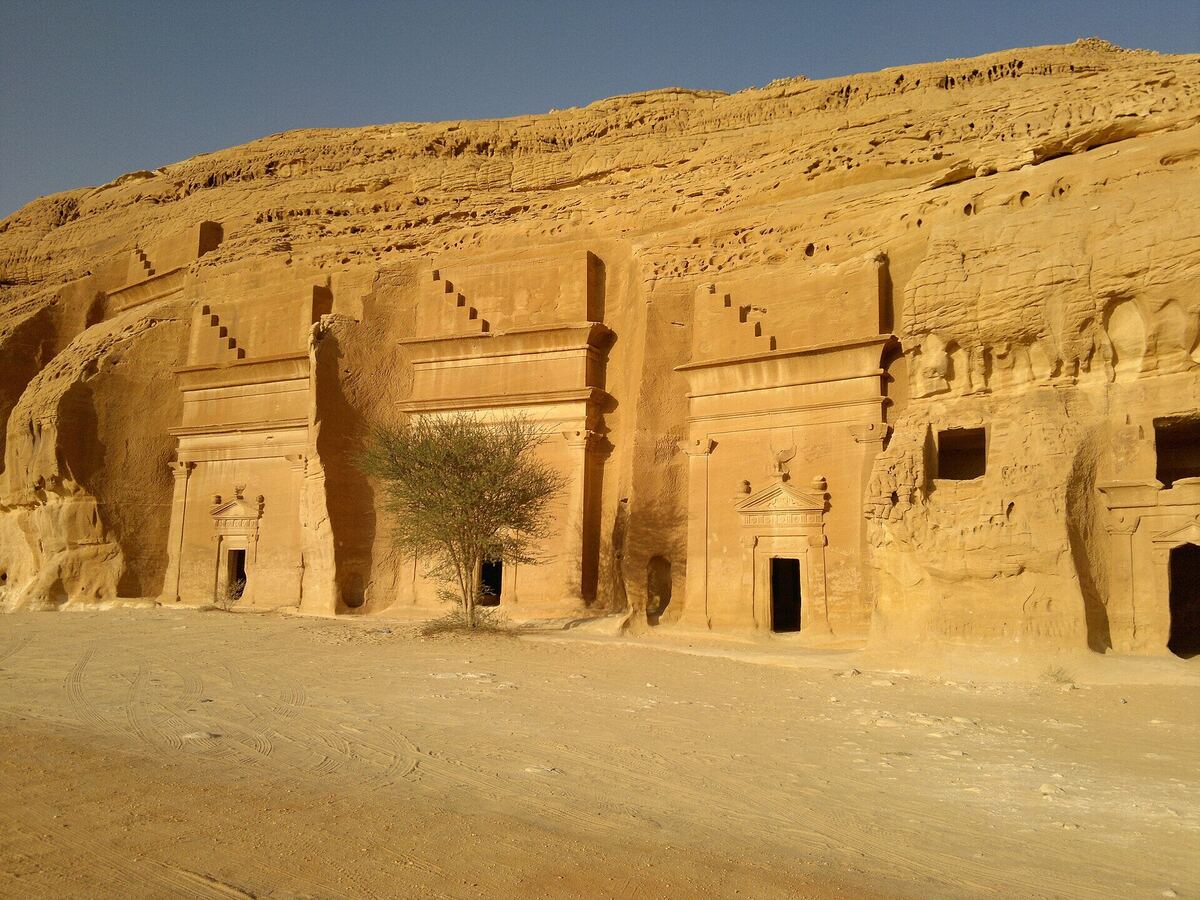
AlUla is where Saudi glamping reaches its highest expression. Set in a valley of towering sandstone outcrops, date palm oases, and 7,000 years of human habitation, this region in Medina Province has become the Kingdom’s flagship luxury tourism destination. The AlUla travel guide covers the full range of attractions, but for glamping specifically, three properties define the market.
Habitas AlUla
Our Habitas AlUla occupies a dramatic position in the Ashar Valley, where 96 villas sit among canyon walls and palm groves. The villas were prefabricated in Mexico from bamboo, canvas, and responsibly sourced hardwood, then shipped and assembled with minimal ground disturbance — a genuine low-impact construction method, not greenwashing.
Each villa has air conditioning, an en-suite bathroom, and floor-to-ceiling openings that frame the sandstone cliffs. The property includes the Tama restaurant (global and Middle Eastern cuisine using local farm ingredients, capacity 150), a wellness centre offering sound baths beneath the stars, and a programming schedule that rotates yoga, live music, hiking, camel rides, and UTV canyon tours.
Price: From approximately SAR 2,500 per night.
Contact: [email protected] | +966 148 213 900
Caravan AlUla by Our Habitas
Adjacent to Habitas AlUla, Caravan is a collection of 22 Airstream trailers positioned along the ancient incense and spice trading route. Each Airstream comes with twin or queen beds, a shower, separate bathroom, and a dining area. The communal experience is the draw: three food trucks (pizza, ice cream, coffee), DJ sessions under the canyon walls, and film screenings projected onto the sandstone cliffs. A gathering tent holds 100 guests.
Caravan is aimed at travellers who want the desert immersion of glamping with a social, festival-adjacent atmosphere — distinct from the more contemplative vibe at the main Habitas property.
Price: From approximately SAR 1,800 per night.
Banyan Tree AlUla
The Banyan Tree brought its ultra-luxury tented villa concept to the Ashar Valley in September 2022, with 47 tented villas ranging from 77 to 240 square metres. Every villa has its own plunge pool with canyon views. The design references Nabataean nomadic architecture: batwing canopy roofs provide natural ventilation and shade, while interiors use local stone and handcrafted textiles.
Facilities include two gourmet restaurants, a signature spa carved into a canyon crevice, and curated excursions to Hegra (Saudi Arabia’s first UNESCO World Heritage Site, five minutes away) and Elephant Rock.
Price: From approximately SAR 4,000 per night for a one-bedroom dune villa.
Book via: banyantree.com/saudi-arabia/alula
Sahary AlUla Resort
For glamping at a more accessible price point, Sahary AlUla Resort sits in a deep sandy valley roughly 10 km from AlUla town. The “tents” here are closer to permanent structures — air-conditioned rooms with flat-screen TVs, mini-bars, kettles, and full en-suite bathrooms with bidets. An outdoor swimming pool, sauna, sun terrace, and international restaurant round out the offering.
Price: From SAR 500 per night (approximately $133).
Best for: Travellers who want desert proximity without ultra-luxury pricing.
Hisma Desert: Off-Grid Glamping Near Tabuk
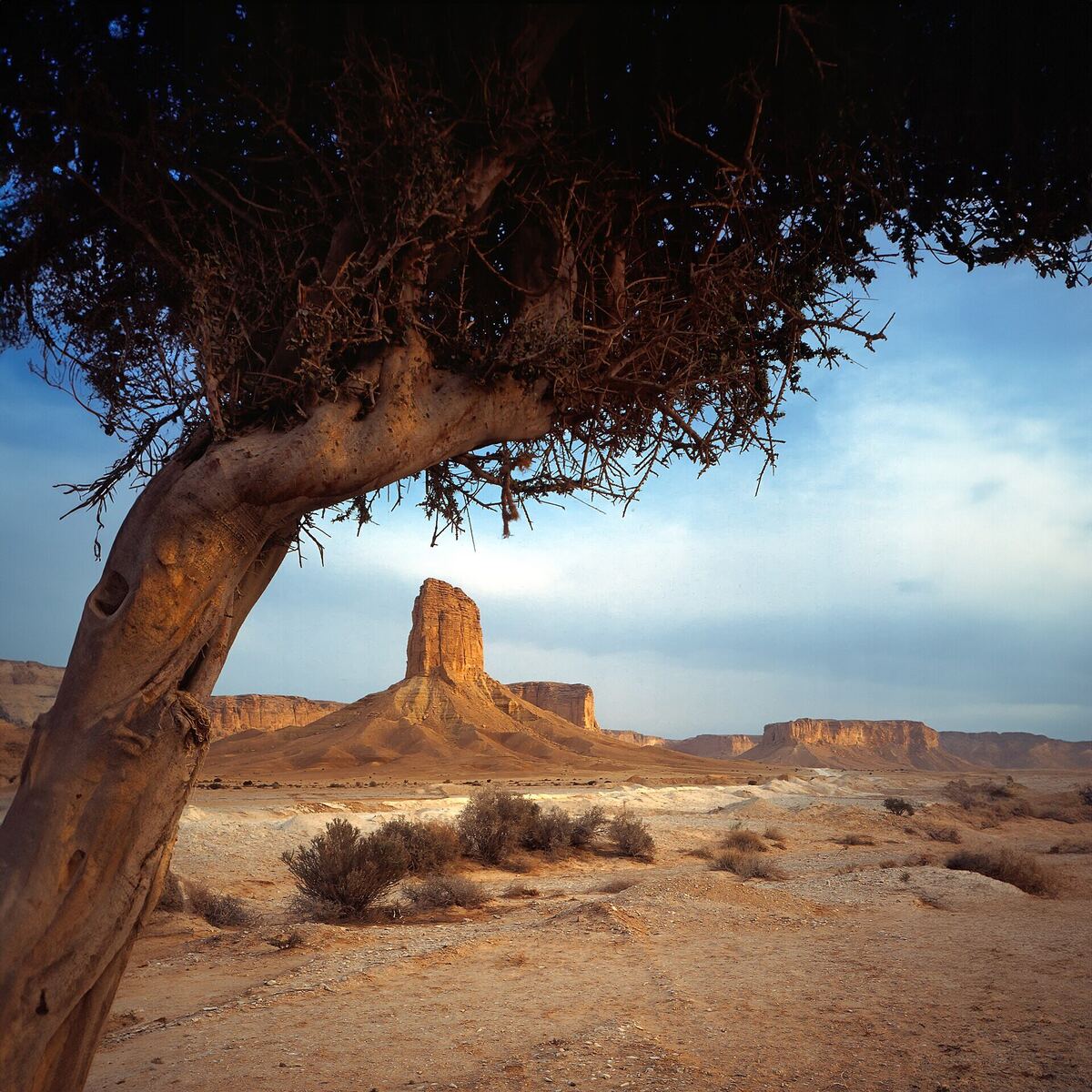
The Hisma Desert in the Tabuk region is Saudi Arabia’s most dramatic frontier glamping destination. This volcanic plateau, with its red-orange sandstone pillars, black basalt plains, and vast silence, sits near the border with Jordan and shares geological DNA with Wadi Rum across the frontier. The Hisma camps are where you go when AlUla feels too polished.
Hisma Desert Camp
Operated by Tabuk Tours, the Hisma Desert Camp features 15 modern moon tents and 5 authentic-style tents. Moon tents have shared bathroom facilities and are designed for budget-conscious travellers; authentic tents include private bathrooms with showers and exude traditional Bedouin charm with modern amenities. The entire camp runs on solar power.
Breakfast is included in every booking. A central dining tent serves meals, and a gathering tent functions as the social hub. The real attraction is the sky: Hisma is one of the darkest locations in the Middle East, making it extraordinary for stargazing.
Prices:
- Moon Tent: SAR 450 (single) / SAR 550 (double)
- Authentic Tent: SAR 700 (single) / SAR 850 (double)
All rates include breakfast.
Tabuk Highlands Eco Camp
Higher in elevation than the Hisma floor camps, the Tabuk Highlands properties sit among volcanic hills where temperatures drop significantly at night. These camps cater to hikers and adventure travellers, with guided treks through basalt gorges and seasonal wildflower valleys. Facilities are more basic — expect canvas bell tents with camp beds rather than hotel-grade interiors.
Riyadh Province: Desert Glamping Near the Capital
You don’t need to fly to AlUla for a desert glamping experience. The Red Sand Dunes (locally known as the Thumamah Dunes) lie just 30–45 minutes from central Riyadh, and a growing number of operators have set up seasonal and permanent glamping camps in the area.
Desert Dome Camps
Several operators around the Red Sand Dunes offer geodesic dome tents with full bedding, air conditioning, and private bathroom facilities. Most camps include desert activities: dune buggy tours, sandboarding, camel rides, sunset yoga, and barbecue dinners under the stars. Prices typically start at SAR 450 per night for a dome tent sleeping two.
Nofa Riyadh, A Radisson Collection Resort
Technically a resort rather than a pure glamping property, Nofa is worth noting for travellers who want a wildlife-and-desert hybrid experience. Located outside Riyadh, the property sits within a private reserve where Arabian oryx, gazelles, and ostriches roam. Accommodation includes lodge rooms and safari-style suites. The desert setting and wildlife encounters give it a glamping-adjacent feel, particularly the starlit outdoor dining experiences.
The Empty Quarter: Expedition Glamping
The Rub’ al Khali — the Empty Quarter — is the most extreme glamping frontier in Saudi Arabia. Covering 650,000 square kilometres of the southern Arabian Peninsula, with dunes up to 250 metres high, this is not a destination for casual travellers. Expedition glamping here means joining a multi-day guided convoy with portable luxury camp setups.
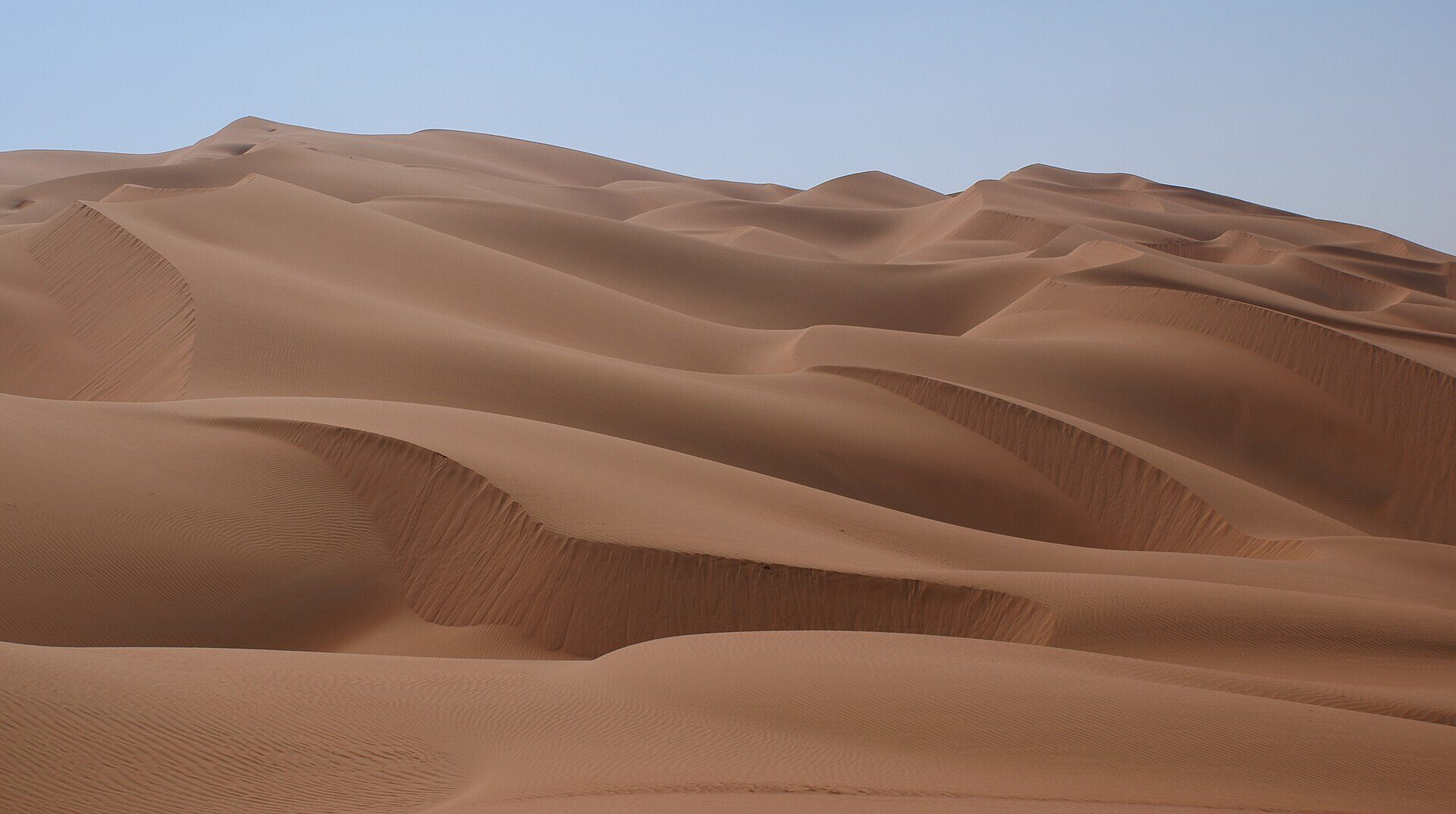
Tour operators like 365 Adventures and Arabian Sand Tours run 3–7 day expeditions into the Empty Quarter from Sharurah (Najran Province). VIP tents are fully furnished and secured each night at a new location. Activities include sand skiing, camel trekking, dune bashing in 4×4 vehicles, and stargazing in one of the most light-pollution-free environments on the planet.
The Empty Quarter is being developed under Saudi Arabia’s Vision 2030 eco-tourism initiatives, and more permanent glamping infrastructure is expected in coming years. For now, this remains expedition territory — rewarding, but requiring advance planning and a reputable outfitter.
Other Glamping Destinations Worth Knowing
Wadi Al Disah (Tabuk Province)
A dramatic valley of palm groves, freshwater streams, and soaring sandstone pillars, Wadi Al Disah has seasonal luxury tented camps that operate during the cooler months. The valley is accessible from Tabuk and offers hiking, rock climbing, and some of the most photogenic landscapes in the Kingdom.
Asir Mountains (Abha Region)
For glamping at altitude, the Asir region around Abha offers a completely different aesthetic: juniper forests, terraced hillsides, and temperatures 15–20°C cooler than the desert floor. Valley’s Edge Glamping near Abha puts you among mountain mist and greenery rather than sand and rock.
Ajwa Glamping (Taif)
Set in the Sarawat Mountains near Taif, Ajwa Glamping offers luxury tents surrounded by rose farms and fruit orchards. Taif sits at 1,800 metres elevation, making it comfortable year-round. The combination of mountain air, agricultural landscapes, and proximity to Jeddah (90 minutes by car) makes it an easy add-on to a Red Sea coast itinerary.
Red Sea Island Glamping
The Red Sea Development Company (now part of NEOM’s broader Red Sea portfolio) has planned private island glamping experiences along Saudi Arabia’s western coast. These combine beach and marine environments with tented luxury accommodation. The Saudi Arabia diving guide covers the underwater attractions that make this coastline increasingly popular.
Best Time to Go Glamping in Saudi Arabia
| Season | Months | Conditions | Verdict |
|---|---|---|---|
| Peak Season | November–February | Desert days 18–28°C, nights 5–15°C; clear skies | Ideal — book well in advance |
| Shoulder Season | October, March | Days 25–35°C, comfortable nights | Great value, fewer crowds |
| Hot Season | April–May, September | Days 35–42°C; manageable at altitude (Asir, Taif) | Lowland camps often closed |
| Summer | June–August | Days 45–52°C in desert; Asir stays 22–30°C | Desert glamping not recommended |
Tip: The AlUla season typically runs from October to April. Banyan Tree AlUla and Habitas operate year-round, but Caravan AlUla and seasonal camps close during the hottest months. Always confirm operating dates before booking.
What to Pack for Desert Glamping
Even luxury glamping in Saudi Arabia requires some preparation. Pack these essentials:
- Layers: Desert temperatures can swing 20°C between day and night. Bring a warm fleece or jacket for evenings, especially November–February.
- Sun protection: High-SPF sunscreen, sunglasses, and a wide-brimmed hat. UV intensity in Saudi deserts is extreme.
- Sturdy footwear: Closed-toe hiking boots or shoes for canyon walks and rocky terrain. Sandals for camp.
- Headtorch: Even at well-lit camps, you’ll want one for night walks and stargazing spots away from light sources.
- Camera gear: A tripod and wide-angle lens for astrophotography. Saudi desert skies are among the clearest in the world.
- Modest clothing: While dress codes at remote desert camps are relaxed, Saudi Arabia still expects modest dress in towns and transit areas. Keep shoulders and knees covered when outside the camp.
Stargazing: The Underrated Reason to Glamp in Saudi Arabia
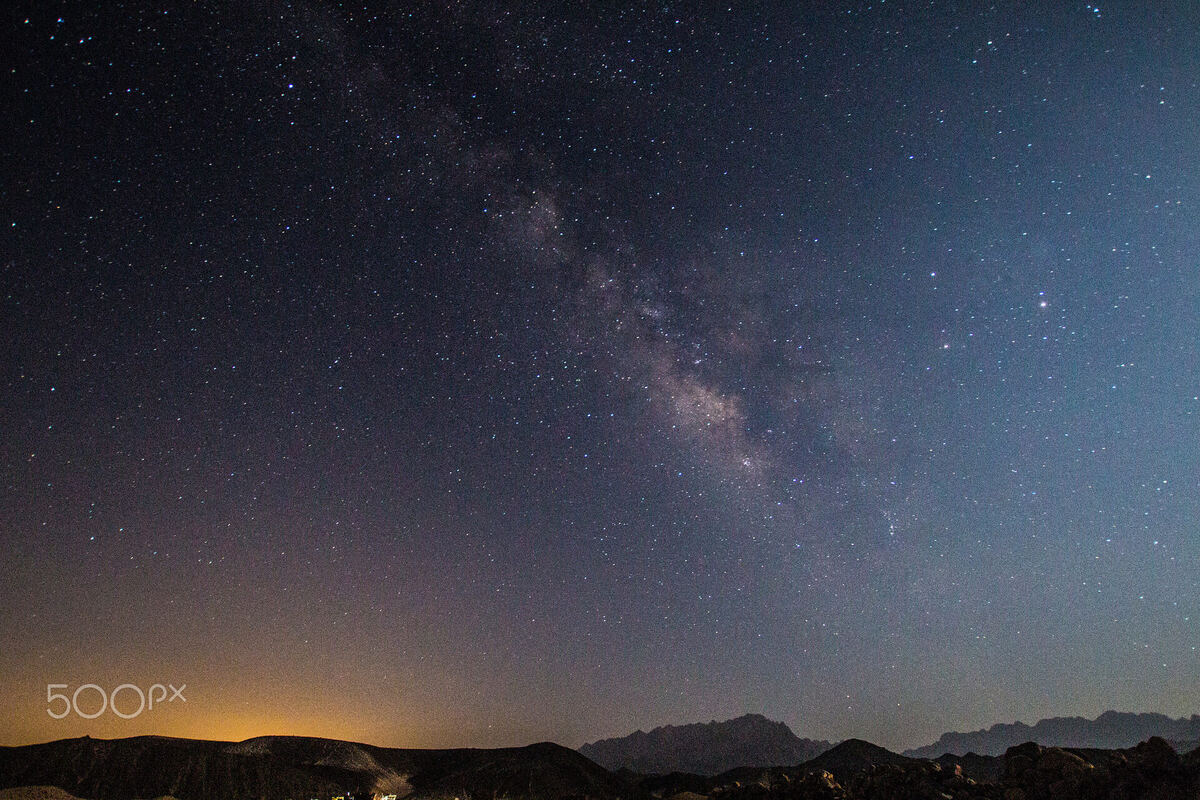
Saudi Arabia’s deserts have some of the lowest light pollution levels in the world. At locations like the Hisma Desert, the Empty Quarter, and the more remote parts of the AlUla valley, the Milky Way is visible to the naked eye as a dense band stretching across the sky. Constellations appear in a detail that is simply impossible from urban locations.
Several glamping properties have incorporated stargazing into their programming. Habitas AlUla runs guided astronomy sessions; Hisma Desert Camp markets its dark-sky credentials as a primary attraction. If astrophotography or simply lying on a blanket and watching satellites cross the sky appeals to you, factor this into your destination choice — the more remote the camp, the better the sky.
Getting There and Practical Information
Flights
AlUla has its own airport (ULH) with direct flights from Riyadh and Jeddah on Saudia and flynas. Tabuk (TUU) serves the Hisma Desert camps. For Riyadh-area glamping, King Khalid International Airport (RUH) is the gateway. The Empty Quarter is most accessible from Sharurah (SHW) in Najran Province.
Visa
Citizens of 60+ countries can obtain a Saudi tourist e-visa online before travel. The e-visa is valid for one year and allows multiple entries of up to 90 days each. Processing typically takes 5–30 minutes. GCC residents can enter without a separate visa.
Transport
Most glamping properties arrange airport transfers. For independent travellers, car rental is available at all major airports. A 4×4 vehicle is recommended for the Empty Quarter and some Hisma locations. AlUla’s glamping resorts are all within 15–30 minutes of the airport on paved roads.
Connectivity
Major glamping resorts (Habitas, Banyan Tree, Sahary) have Wi-Fi. Remote camps in the Hisma and Empty Quarter may have limited or no connectivity. Saudi mobile networks (STC, Mobily, Zain) cover most of the AlUla valley and Tabuk region, but signal drops in deep canyons and the Empty Quarter interior.
Tip: Download offline maps and any essential content before heading to remote camps. Hiking routes in Saudi Arabia are often poorly marked, so GPS navigation is essential for any excursions beyond camp.
How to Choose the Right Glamping Experience
| Priority | Best Destination | Why |
|---|---|---|
| Ultra-luxury | Banyan Tree AlUla | Private pool villas, 5-star dining, spa |
| Eco-conscious design | Habitas AlUla | Prefab low-impact construction, wellness focus |
| Social / festival vibe | Caravan AlUla | Airstreams, food trucks, DJ nights, cliff-side cinema |
| Budget-friendly | Hisma Desert Camp | Solar-powered, from SAR 450, dark-sky stargazing |
| Adventure / expedition | Empty Quarter | Multi-day 4×4 convoys, mobile luxury camps |
| Near Riyadh | Red Sand Dunes domes | 30–45 min from city, weekend-friendly |
| Mountain / cool climate | Asir / Taif glamping | Altitude keeps temperatures comfortable year-round |
Costs and Budgeting
Glamping in Saudi Arabia spans a wide price range:
- Budget (SAR 450–800 / $120–215): Hisma moon tents, Riyadh dome camps, Sahary AlUla. Expect comfortable but basic amenities, shared or private bathrooms, breakfast included.
- Mid-range (SAR 800–2,500 / $215–670): Hisma authentic tents, Caravan AlUla, seasonal Wadi Al Disah camps. Better furnishings, private facilities, curated activities.
- Luxury (SAR 2,500–5,000+ / $670–1,300+): Habitas AlUla, Banyan Tree AlUla. Full resort amenities, private dining, spa, guided excursions.
- Expedition (varies): Empty Quarter multi-day tours range from SAR 3,000–15,000+ depending on duration, group size, and luxury level.
Note: AlUla properties are most expensive during the AlUla Moments festival season (typically December–March) and around Riyadh Season events. Booking 2–3 months ahead secures the best rates.
Sustainability and Responsible Glamping
Saudi Arabia’s glamping sector has embraced sustainability more genuinely than many established tourism markets. Habitas AlUla’s prefabricated, removable structures set a benchmark. The Hisma Desert Camp runs entirely on solar power. The Royal Commission for AlUla mandates low-impact construction across all hospitality developments in the valley.
As a guest, you can contribute by choosing operators with genuine sustainability credentials, minimising waste at remote camps, staying on marked trails during desert hikes, and respecting the archaeological sites that make these landscapes culturally significant. AlUla alone contains over 100,000 archaeological sites spanning 200,000 years of human history — the glamping properties exist because of that heritage, not despite it.
Explore More Saudi Arabia Travel Guides
- Saudi Arabia Hotels Guide — The complete guide to accommodation across the Kingdom
- AlUla Travel Guide 2026 — Hegra, Elephant Rock, and the ancient oasis valley
- Tabuk Travel Guide 2026 — Gateway to NEOM, Hisma, and Wadi Al Disah
- Abha and Asir Travel Guide — Mountain escapes and highland cool
- Riyadh Travel Guide 2026 — The capital and its desert doorstep
- Saudi Arabia Hiking Guide — Trails through canyons, mountains, and dunes
- Saudi Arabia Travel Guide 2026 — The complete guide to visiting the Kingdom
- Saudi Arabia Visa Guide — Every visa type explained