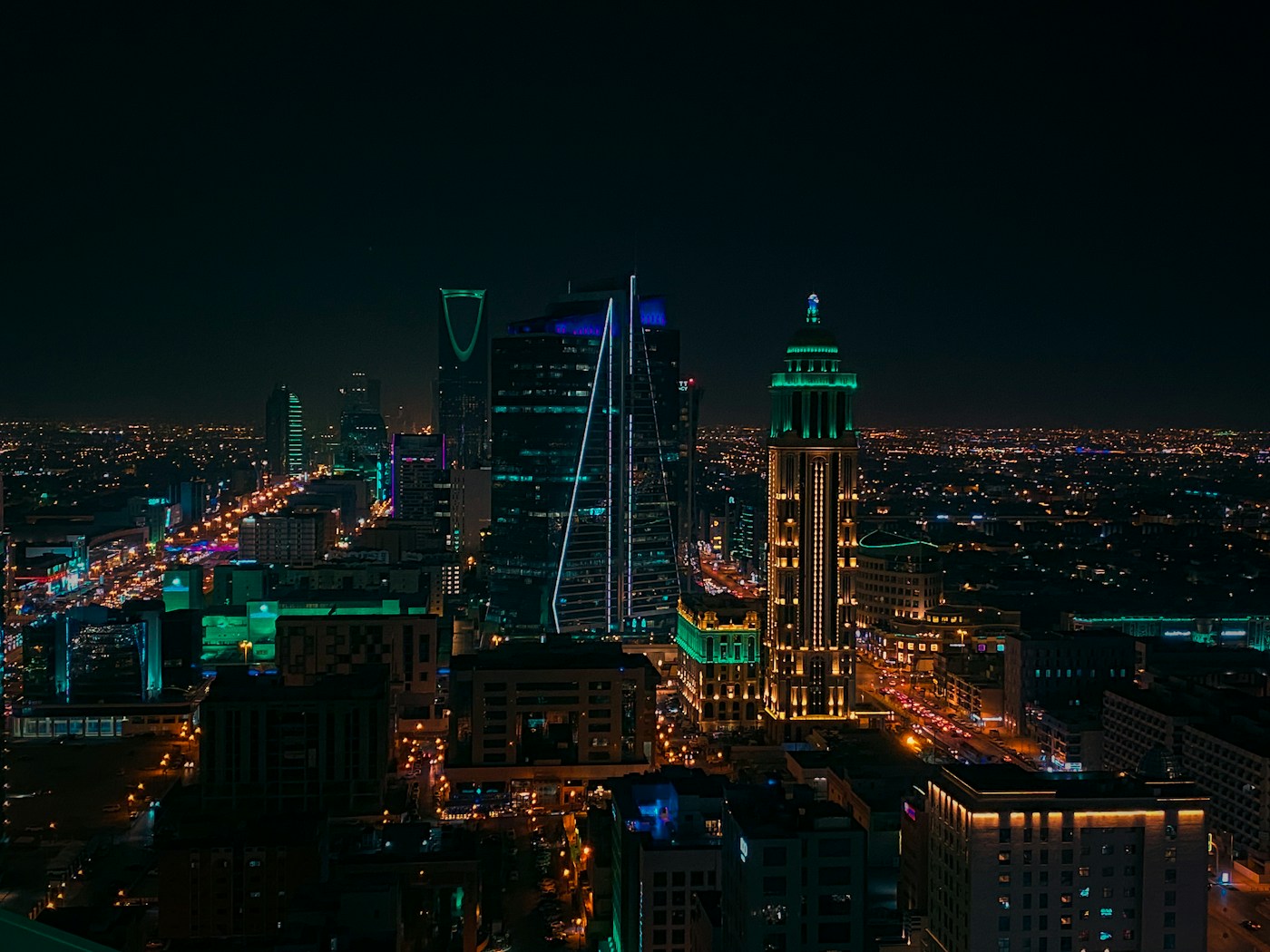

Riyadh is no longer a city that travellers pass through on the way to somewhere else. Saudi Arabia’s capital has become a destination in its own right, a place where 15th-century mud-brick fortresses stand within sight of glass towers, where a brand-new metro system connects a UNESCO World Heritage Site to one of the world’s largest entertainment districts, and where the dining scene has expanded so quickly that reservations at top restaurants now require weeks of advance planning.
This guide covers everything you need for a trip to Riyadh in 2026: how to get around on the new metro, what to see at Diriyah and the Edge of the World, where to stay at every budget level, and what the city’s Riyadh Season entertainment calendar has in store.
- Riyadh at a Glance
- When to Visit Riyadh
- Getting to Riyadh: King Khalid International Airport
- Getting Around: The Riyadh Metro
- Riyadh’s Neighbourhoods: Where to Base Yourself
- Top Attractions and Things to Do
- Museums and Cultural Attractions
- Riyadh Season: The Entertainment Calendar
- Riyadh’s Mega-Projects: What’s Coming
- Where to Stay
- Where to Eat
- Riyadh’s Coffee Culture
- Shopping: Malls and Souks
- Riyadh with Children
- Day Trips from Riyadh
- Nightlife and Evening Entertainment
- Practical Information and Safety Tips
- Must-See Attractions at a Glance
- Suggested Itineraries
- Planning Your Riyadh Trip
- Edge of the World Day Trip Guide
- Diriyah Heritage Guide
- Riyadh Season Events Guide
- Saudi Arabia Visa Guide
Riyadh at a Glance
With an estimated population of 8.08 million, Riyadh is the largest city in Saudi Arabia and the political and financial capital of the Kingdom. The city sits at an elevation of roughly 600 metres on the Najd plateau in central Arabia. It is hot, dry, and landlocked, but what it lacks in coastline it compensates for with scale, ambition, and an entertainment budget that dwarfs most European capitals.
Tourism in Riyadh has grown rapidly since Saudi Arabia opened to international visitors with its e-visa programme in 2019. In 2025, the city welcomed 15 million tourists, and total tourist spending in the Riyadh region reached approximately SR 33 billion (USD 8.8 billion) through the first three quarters of the year, an 18 per cent increase over the same period in 2024, according to Saudi Ministry of Tourism data. The number of hotel rooms in the Riyadh region rose by 34 per cent year-on-year to 50,000 rooms by Q3 2025.
| Quick Facts | Details |
|---|---|
| Population | 8.08 million (2026 estimate) |
| Airport | King Khalid International (RUH), 35 km from centre |
| Currency | Saudi Riyal (SAR). 1 USD = approximately 3.75 SAR |
| Language | Arabic (English widely spoken in hotels, malls, and tourist areas) |
| Time zone | Arabia Standard Time (UTC+3) |
| Best season | November to March (daytime highs 20-28°C) |
| Visa | E-visa available for 66 nationalities; valid 1 year, 90 days total stay |
| Metro | 6 lines, 85 stations, 176 km (opened December 2024) |
When to Visit Riyadh
Riyadh has a desert climate with extreme seasonal variation. Summers are brutal. From June to August, daytime temperatures routinely exceed 43°C, and the record high stands at 55°C. The city is essentially off-limits to casual tourism for four months of the year.
The window for comfortable travel runs from November to March, when daytime highs range from 20°C to 28°C and evenings cool to a pleasant 9-15°C. This period also coincides with Riyadh Season, the city’s flagship entertainment festival, making it the peak period for visitor activity.
| Month | Avg. High (°C) | Avg. Low (°C) | Rainfall (mm) | Verdict |
|---|---|---|---|---|
| January | 20 | 9 | 11 | Peak season. Cool and comfortable. |
| February | 23 | 11 | 7 | Excellent. Slight warming. |
| March | 27 | 15 | 12 | Good. Riyadh Season ends. |
| April | 33 | 20 | 10 | Getting warm. Still manageable. |
| May | 39 | 25 | 3 | Hot. Limit outdoor activity. |
| June | 42 | 27 | 0 | Very hot. Not recommended. |
| July | 44 | 29 | 0 | Peak heat. Avoid if possible. |
| August | 44 | 29 | 0 | Peak heat. Avoid if possible. |
| September | 41 | 25 | 0 | Still very hot. |
| October | 35 | 20 | 3 | Cooling. Riyadh Season launches. |
| November | 28 | 15 | 7 | Excellent. Peak season begins. |
| December | 22 | 10 | 9 | Peak season. Cool evenings. |
Annual rainfall averages just 73 mm, almost all of it falling between November and April. Sandstorms can occur in spring (March to May), reducing visibility and making outdoor activities impractical for a day or two at a time.
Getting to Riyadh: King Khalid International Airport
King Khalid International Airport (IATA: RUH) handles direct flights from most major global hubs. It sits 35 kilometres north of the city centre, and the opening of the Riyadh Metro in December 2024 transformed the airport transfer experience.
Airport to city centre by metro
Metro Line 4 (the Yellow Line) runs directly from all airport terminals to King Abdullah Financial District (KAFD). The journey takes approximately 30 minutes, trains run every 5-7 minutes, and a standard two-hour ticket costs just SAR 4 (about USD 1.07). This is by far the cheapest and most efficient option for travellers heading to central Riyadh. Download the Darb app before you land to purchase tickets via QR code.
Airport to city centre by taxi
Green SAFWA taxis are the authorised airport taxi provider. The ride to central Riyadh (Al Olaya, KAFD, or Diplomatic Quarter) takes 25-40 minutes depending on traffic and costs SAR 80-120. All payments are now cashless, requiring a credit or debit card.
Ride-hailing apps
Uber and Careem (the regional ride-hailing platform acquired by Uber) both operate at King Khalid Airport. Expect fares of SAR 60-100 to central Riyadh, with surge pricing during peak hours.
Airport expansion
A major transformation of King Khalid International Airport is scheduled to begin in early 2026, according to the Saudi Press Agency. The new terminal will increase capacity to 120 million passengers per year, in line with Saudi Arabia’s goal of handling 330 million passengers nationally by 2030.
Getting Around: The Riyadh Metro
The Riyadh Metro is the single most transformative addition to the city for tourists. Inaugurated by King Salman on 27 November 2024, the system opened in stages: Lines 1, 4, and 6 launched on 1 December 2024, Lines 2 and 5 on 15 December, and the final Line 3 on 5 January 2025. In 2025, Guinness World Records recognised it as the world’s longest fully automated, driverless metro network.
The six metro lines
| Line | Colour | Route | Length | Stations | Key stops for tourists |
|---|---|---|---|---|---|
| 1 | Blue | North-south spine | 38 km | 25 | Olaya, KAFD, Diriyah |
| 2 | Red | King Abdullah Road | 25.3 km | 15 | King Fahd Stadium, King Saud University |
| 3 | Orange | East-west (longest line) | 40.7 km | 22 | Al Madinah Al Munawarah Road corridor |
| 4 | Yellow | Airport to KAFD | 29.6 km | 10 | All airport terminals, KAFD |
| 5 | Green | King Abdulaziz Road | 12.9 km | 12 | Central Riyadh corridor |
| 6 | Purple | An Naseem to KAFD | 29.7 km | 11 | Eastern districts to financial centre |
Tickets, fares, and the Darb app
The metro operates daily from 6:00 AM to midnight. Tickets are purchased through the Darb app (available on iOS and Android) or at ticket machines inside stations. The fare structure is straightforward:
| Ticket type | Price (SAR) | Price (USD approx.) | Notes |
|---|---|---|---|
| Single journey (2 hours) | 4 | 1.07 | Unlimited transfers within 2 hours |
| 3-day pass | 20 | 5.33 | Best for short visits |
| Weekly pass | 40 | 10.67 | Good for a week-long stay |
| Monthly pass | 140 | 37.33 | For extended stays |
| Annual pass | 1,260 | 336 | Standard class (from January 2026) |
| Annual First Class | 3,150 | 840 | Premium seating and amenities |
Children under six travel free. Students receive a 50 per cent discount, seniors aged 60 and above receive 50 per cent off, and passengers with disabilities ride free. A four-month student semester ticket is available for SAR 260.
Beyond the metro
For destinations not served by the metro, Uber and Careem are reliable throughout the city. Standard taxis are also available but less convenient. SAPTCO operates a bus network, though it is primarily used by commuters rather than tourists. Car hire is widely available and useful for day trips (see the day trips section below), but driving within central Riyadh during rush hour is congested and parking can be difficult.
Riyadh’s Neighbourhoods: Where to Base Yourself
Riyadh sprawls across a vast area and different neighbourhoods offer distinctly different experiences for visitors. Choosing the right base can make or break a trip, so here is an honest guide to the districts that matter most to tourists.
Al Olaya
The commercial and hospitality spine of the city, running along Olaya Street and intersecting Tahlia Street. Al Olaya is home to the Ritz-Carlton, Four Seasons, Kingdom Centre, and Al Faisaliah Tower, making it the default choice for first-time visitors. The district has the densest concentration of restaurants, cafes, and luxury retail in Riyadh and is more walkable than most of the city. Metro Lines 1 (Blue) and 5 (Green) serve the area directly.
King Abdullah Financial District (KAFD)
Riyadh’s most architecturally striking district, a 1.6-million-square-metre development of 95 buildings designed by world-class architects. The KAFD metro station, designed by Zaha Hadid Architects, is a destination in itself. In July 2025, KAFD was awarded a Guinness World Record for the world’s largest continuous pedestrian skyway network. New restaurants including Benoit (by Alain Ducasse) and Apple Butter have opened here. KAFD is served by Metro Lines 1, 4, and 6, making it a natural transit hub between the airport and the rest of the city.
Diplomatic Quarter (DQ)
A purpose-built diplomatic enclave in western Riyadh designed in the 1980s, the DQ is the greenest and quietest district in the city. It contains 16 parks totalling approximately 257,000 square metres of parkland, plus a further 240,000 square metres in the northern public park. Al Kindi Plaza is the social hub, with public art, fountains, cafes, and occasional open-air markets. The DQ is preferred by visitors who want a calmer, more residential base with easy access to walking paths and green space. A dedicated public bus route launched in March 2025, and King Salman Park, immediately to the southwest, will further expand the area’s appeal when it opens.
Hittin
An upscale district in northwest Riyadh that has emerged as a dining and entertainment hotspot. Hittin is home to Boulevard Riyadh City, the Kingdom’s largest entertainment district, as well as The Canopy dining complex. Notable restaurants include Cipriani, RŌBATA, and Morini. The district sits adjacent to the Riyadh Season footprint and is best for visitors who prioritise evening entertainment and dining.
Al Malaz
One of Riyadh’s oldest established districts, Al Malaz is the city’s original sporting and cultural heart. It is home to Riyadh Zoo (161,000 square metres), King Abdullah Park, and sits adjacent to the King Abdulaziz Historical Center and Al Masmak Fortress. Al Malaz is a good base for budget-conscious travellers and families, with affordable accommodation and authentic local character. The neighbourhood is especially practical for visitors focused on heritage and cultural attractions.
As Sulaymaniyah and Al Wurud
Budget-friendly areas with local character between Al Olaya and the historical centre. Less polished than the premium districts but well connected by metro and offering significantly lower accommodation prices. Al Wurud features Al Khaimah Park with rides and restaurants. Serviced apartments here are widely available and offer better value than hotels for stays of a week or more.
Top Attractions and Things to Do
Diriyah: At-Turaif and Bujairi Terrace
Diriyah is the single most important cultural site in Riyadh, and one of the most significant in the Kingdom. The At-Turaif district, inscribed as a UNESCO World Heritage Site in 2010, was the original capital of the First Saudi State from 1727 to 1818 and the ancestral seat of the House of Saud. Visitors walk through narrow, winding lanes of restored mud-brick architecture, visiting small museums, a bathhouse, mosques, and palaces that tell the story of how modern Saudi Arabia began.
Adjacent to At-Turaif is Bujairi Terrace, a 15,000 square metre dining and leisure complex that opened to the public on 4 December 2022. It houses more than 20 restaurants, including Hakkasan, Angelina Paris, Flamingo Room by tashas, Villa Mamas, and LIZA (Beirut’s celebrated Lebanese restaurant). The terrace overlooks At-Turaif, and dining here at sunset with the UNESCO site lit up in the background is one of Riyadh’s defining experiences. As of mid-2025, At-Turaif and Bujairi Terrace had attracted more than 3.6 million visits, according to Diriyah Company.
The wider Diriyah Gate development, a USD 63 billion project, is targeting substantial completion by late 2027 and full realisation by 2030. Zallal, the first major mixed-use commercial office and retail project in the Bujairi District, opened in the first half of 2025. New luxury hotels are also arriving in stages, including properties from Aman, Faena, and Corinthia.
Getting there: Metro Line 1 (Blue) serves Diriyah. Admission to At-Turaif is ticketed; Bujairi Terrace is free to enter.
Kingdom Centre Tower and Sky Bridge
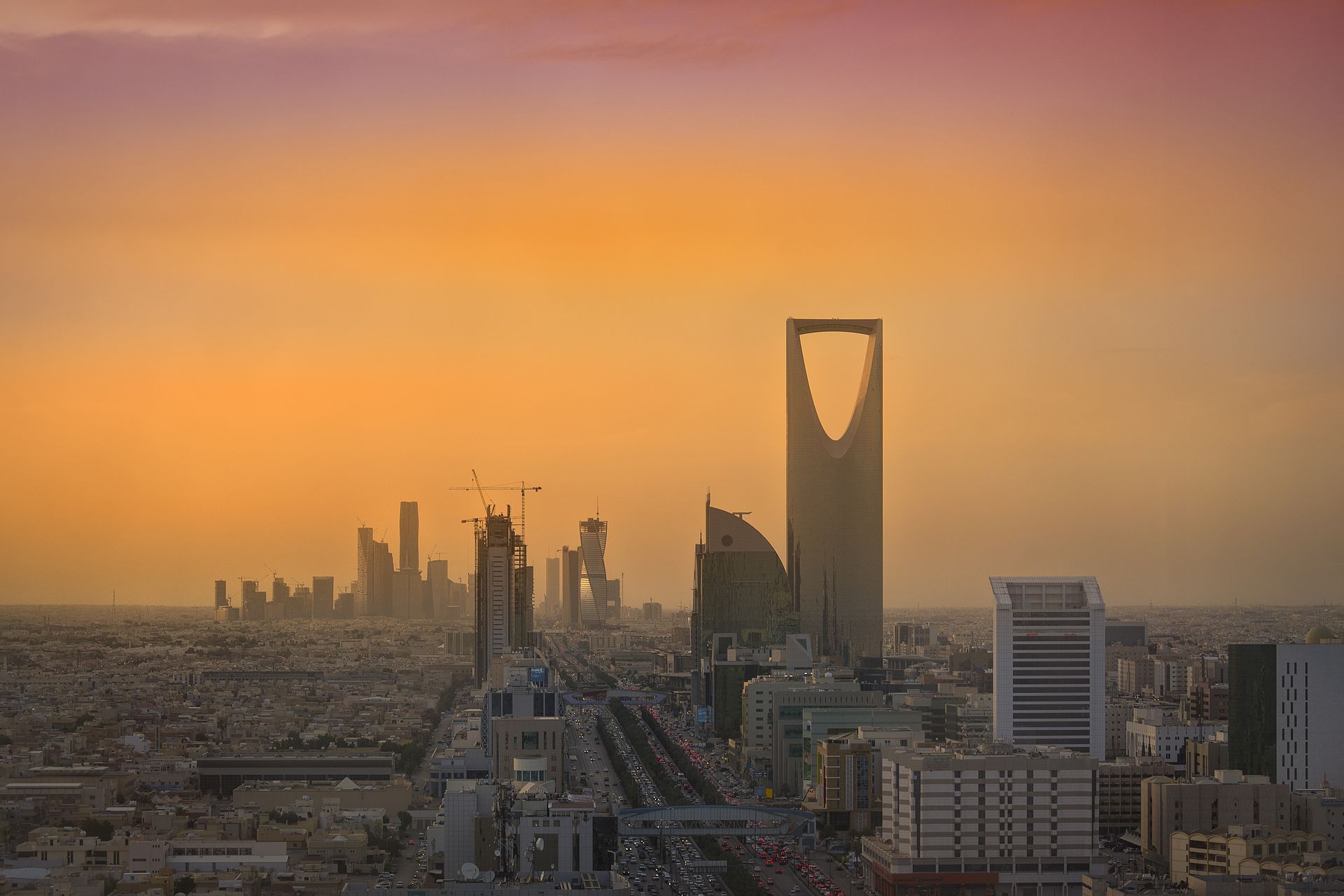
The 302-metre Kingdom Centre Tower is Riyadh’s most recognisable building, identifiable by the inverted parabolic arch at its summit. The Sky Bridge observation deck, sitting on the 99th floor, connects the two upper prongs of the tower and offers 360-degree panoramic views of the city.
Tickets: SAR 69 for adults, SAR 23 for children. Available at the Kingdom Centre Mall or online through the Sky Bridge booking site.
Facilities: A self-service coffee shop operates at the top. The Kingdom Centre Mall below includes luxury retail (Harvey Nichols, Tiffany, Louis Vuitton) and a food court.
Getting there: Al Olaya district, served by Metro Line 1 (Blue) and Line 5 (Green).
Al Masmak Fortress
This clay and mud-brick fortress in the Al-Dirah neighbourhood dates to approximately 1865 and played a pivotal role in the founding of modern Saudi Arabia. In 1902, the young Abdulaziz ibn Saud led a daring raid to capture Al Masmak from the rival Rashidi clan, a moment widely regarded as the birth of the Third Saudi State. The spearhead lodged in the fortress door during that raid is still visible.
The fortress houses a museum with exhibits on the unification of Saudi Arabia, period weapons, and historical photographs. Note that as of early 2025, portions of the interior were undergoing restoration. Check the current opening status before visiting.
Admission: Free. Hours: Sunday to Thursday 8:00 AM to 9:00 PM; Friday 4:00 PM to 8:00 PM. Confirm current hours as restoration may affect access.
National Museum of Saudi Arabia
Part of the King Abdulaziz Historical Center in the Al Murabba district, the National Museum spans eight halls and more than 3,700 artefacts that trace the history of the Arabian Peninsula from geological prehistory through the Islamic era to the formation of modern Saudi Arabia. Allow at least three to four hours for a thorough visit. The museum is less crowded on weekdays and includes a gift shop, cafeteria, and wheelchair access. The Green Line (Line 5) serves the National Museum station directly.
Hours: Saturday to Wednesday 9:00 AM to 8:00 PM; Thursday and Friday 2:00 PM to 10:00 PM. Closed Sundays.
Wadi Hanifah
This 13.4-kilometre valley stretching through the city has been rehabilitated into one of Riyadh’s most popular outdoor spaces, with 47 kilometres of walking and cycling trails, six parks, picnic areas, and bird-watching opportunities. It is part of the larger Sports Boulevard project. Free and open 24 hours, Wadi Hanifah is the best escape from the urban grid, particularly in the cooler months. The valley pairs well with the hiking trails accessible from Riyadh.
Riyadh Zoo
Founded in 1957 as a royal menagerie for King Saud and opened to the public in 1987, Riyadh Zoo occupies 161,000 square metres in the Al Malaz district. It houses more than 1,600 animals across 170 species, with six thematic habitat zones. Platforms allow visitors to feed crocodiles, giraffes, monkeys, and elephants. Bengal tigers inhabit The Swamp zone, and the Enchanted Forest features bears, llamas, and gazelles. The zoo offers free admission during Riyadh Season — advance online booking is required as slots fill quickly.
Hours: Daily 9:00 AM to 5:00 PM. Book via riyadhzoo.ncw.gov.sa.
Museums and Cultural Attractions
King Abdulaziz Historical Center
This 440,000-square-metre heritage complex in the Al Murabba district is Riyadh’s most important cultural precinct. Beyond the National Museum (described above), the compound includes Murabba Palace, built between 1936 and 1945 as King Abdulaziz ibn Saud’s official residence and workplace. The palace takes its name from its 400-by-400-metre square footprint and now functions as a living museum, with the upper floor displaying historic garments and crafts and the lower floor preserving original stores and guards’ rooms. The complex also houses the King Abdulaziz Public Library, the King Abdulaziz Memorial Hall, the King Abdulaziz Auditorium, the historic Red Palace, and the Riyadh Water Tower, all surrounded by six municipal parks.
SAMoCA: Saudi Arabia Museum of Contemporary Art
Opened in November 2023, SAMoCA is Saudi Arabia’s first museum dedicated to contemporary art. Located in the JAX District, a repurposed industrial warehouse complex of more than 100 warehouses in north Riyadh, SAMoCA holds a permanent contemporary art collection and hosts rotating temporary exhibitions. The JAX District itself has become a creative hub, with galleries, studios, and artist spaces spread across the warehouse complex. A sister venue in Diriyah hosts additional temporary exhibitions throughout the year.
Noor Riyadh Light Art Festival
Billed as the world’s largest light art festival, Noor Riyadh runs annually in November and December as part of the Royal Commission for Riyadh City’s broader Riyadh Art programme. The fifth edition in 2025 featured more than 60 installations by 59 artists from 24 countries, spread across six sites including Qasr Al Hokm District, the King Abdulaziz Historical Center, KAFD Metro Station, Al Faisaliah Tower, and the JAX District. Since its launch in 2021, the festival has shown over 550 artworks and attracted a cumulative 9.6 million visitors. The city’s wider Riyadh Art programme targets more than 1,000 permanent public artworks across metro stations, parks, bridges, and public spaces.
Riyadh Season: The Entertainment Calendar
Riyadh Season is the Kingdom’s flagship annual entertainment festival, organised by the General Entertainment Authority (GEA) as part of Saudi Vision 2030. Running annually from October to March or later, it has become one of the largest entertainment events in the Middle East. In its 2025-2026 edition, Riyadh Season surpassed 8 million visitors in its first months alone, according to the GEA. For a full breakdown of events, zones, and ticketing, see our dedicated Riyadh Season guide.
Key zones and experiences (2025-2026 season)
The 2025-2026 season comprises 11 entertainment zones with 15 world championships and 34 exhibitions and festivals. Highlights include:
Beast Land: A 188,000 square metre entertainment zone created in partnership with MrBeast, featuring 15 major rides, 14 interactive experiences, and a 50-metre bungee jump.
Boulevard City: Six new experiences, more than 20 international concerts, over 80 restaurants, and 14 theatrical performances.
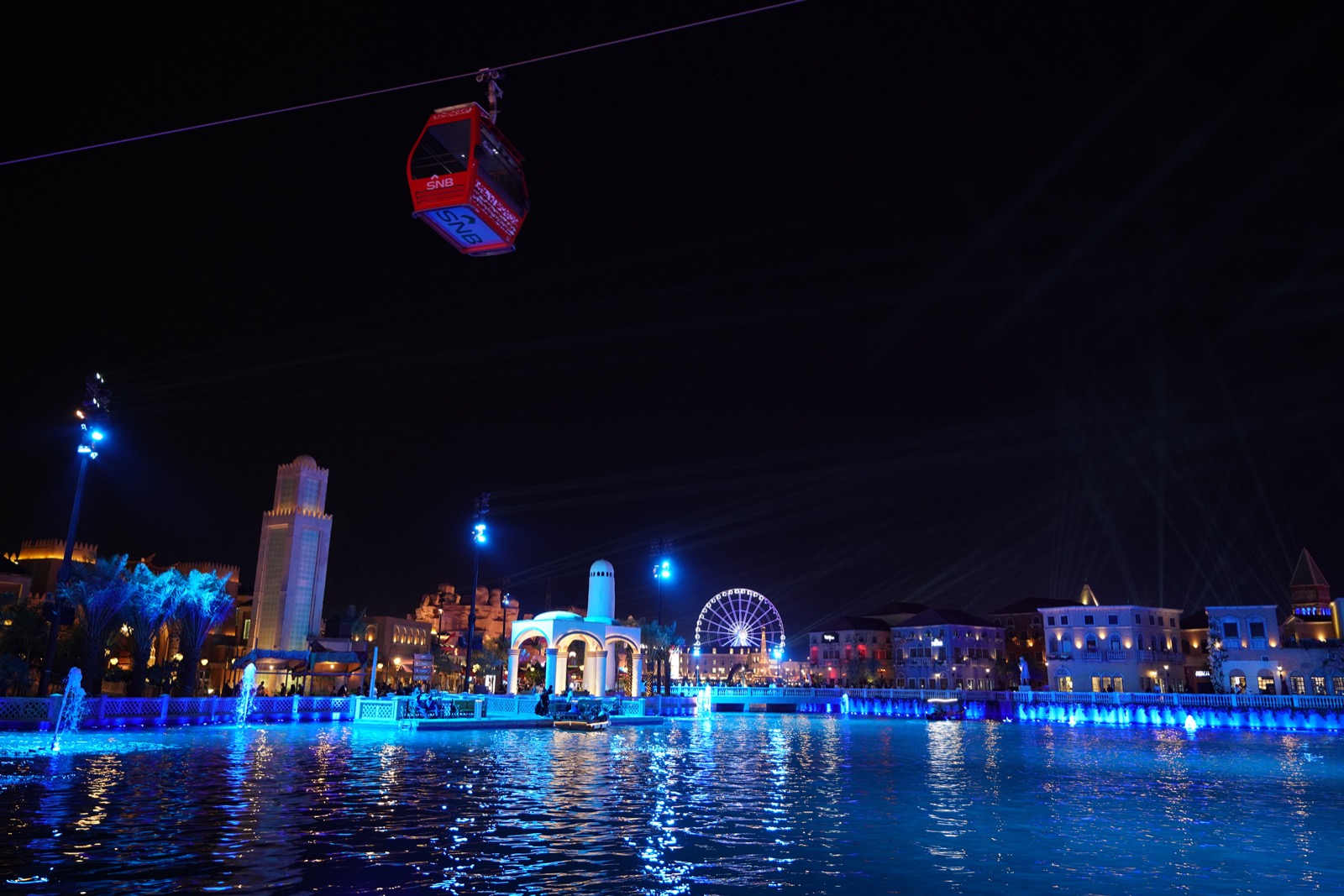
Boulevard World: Open from October 2025 to May 2026, Boulevard World features 24 cultural zones representing different countries (with Indonesia, South Korea, and Kuwait new for 2025-2026), approximately 40 rides, 1,700 stores, and more than 500 restaurants. The Aroya Lagoon, a 12-hectare artificial lake recognised by Guinness World Records as the world’s largest man-made lake, offers gondola rides, amphibious car experiences, and waterfront dining. The Amazonia Awakens water ride and daily dolphin shows at the BLVD Dolphinarium are family favourites. Boulevard World opens daily at 4:00 PM and closes at midnight (1:00 AM on weekends).
Major events (2025-2026 season)
| Event | Date | Category |
|---|---|---|
| Soundstorm music festival (Cardi B, Post Malone, Calvin Harris, Halsey, Pitbull) | 11-13 December 2025 | Music |
| WWE Royal Rumble (first ever outside North America) | 31 January 2026 | Sports entertainment |
| Premier Padel P1 | 9-14 February 2026 | Sports |
| Six Kings Slam tennis (Djokovic, Alcaraz, Sinner) | Season dates TBC | Sports |
| Ring IV boxing (Benavidez vs Yarde, Haney vs Norman Jr) | Season dates TBC | Sports |
Ticket prices vary by event. General access to Boulevard World zones starts from SAR 30 on weekdays and SAR 40 on weekends. Premium event tickets (concerts, boxing, tennis) range from SAR 200 to SAR 5,000 depending on seating category. Book through the official Riyadh Season website or app. For more details, see our Saudi Arabia events calendar for 2026.
Riyadh’s Mega-Projects: What’s Coming
Riyadh is in the middle of the most ambitious urban transformation programme on earth. Several mega-projects are at various stages of completion and will reshape the visitor experience over the coming years.
Six Flags Qiddiya City
Qiddiya, a USD 36 billion entertainment mega-city roughly 45 kilometres west of central Riyadh, opened its first major attraction on 31 December 2025: Six Flags Qiddiya City, the first Six Flags theme park in Asia. The park’s flagship ride is Falcon’s Flight, billed as the world’s tallest, fastest, and longest roller coaster. The broader Qiddiya development will eventually include Aquarabia Water Park (approximately 84 per cent complete as of late 2025), a Formula 1-grade racetrack (expected 2027), and the Prince Mohammed bin Salman Stadium (opening 2029). For now, Six Flags alone justifies a half-day trip from central Riyadh.
King Salman Park
Located on the former King Khalid International Airport site (the old Riyadh airbase), King Salman Park will cover 16.6 square kilometres — approximately seven times the size of London’s Hyde Park and five times New York’s Central Park. The first phase, the Art Park, is targeted to open in late 2026, with substantial full completion by 2027. The park will include cultural facilities, sports venues, green space, and mixed-use development. Henning Larsen led the masterplanning and urban design.
Sports Boulevard
A 135-kilometre linear park and active corridor cutting through Riyadh, the Sports Boulevard inaugurated its first phase of five destinations in February 2025, including sections along Wadi Hanifah. As of early 2026, 83 kilometres have been completed, with the overall project approximately 40 per cent finished. At full completion (targeted for 2027), it will offer 4.4 million square metres of green and open space, more than 50 sports facilities, 220 kilometres of cycling routes, 135 kilometres of walking and running trails, and nearly 100 kilometres of equestrian trails. The project will further cement Riyadh as an outdoor-friendly city during the cooler months.
Where to Stay
Riyadh’s hotel market has expanded rapidly, with room supply growing 34 per cent year-on-year. The city now offers options at every price point, from international luxury brands to clean budget properties starting under SAR 100 per night.
Luxury (SAR 1,200+ per night)
| Hotel | District | Why stay here |
|---|---|---|
| The Ritz-Carlton, Riyadh | Al Olaya / DQ | The most iconic luxury property in the city. Expansive grounds, palatial interiors, and world-class service. |
| Four Seasons Hotel Riyadh | Al Olaya | Rated 9.0 by guests. Premium rooms, 24-hour room service, extensive spa facilities. |
| St. Regis Riyadh | VIA Riyadh | Newest ultra-luxury entry. Signature St. Regis Butler Service. Direct access to VIA Riyadh dining. |
| Mandarin Oriental, Riyadh | KAFD | Located in the financial district. Contemporary design with the brand’s signature attention to detail. |
Upper mid-range (SAR 500-1,200 per night)
| Hotel | District | Why stay here |
|---|---|---|
| Kingdom Centre Hotel | Al Olaya | Inside the Kingdom Tower itself. Best skyline views in Riyadh. Walking distance to the Sky Bridge. |
| Hyatt Regency Riyadh Olaya | Al Olaya | Reliable international brand in the commercial heart of the city. |
| DoubleTree by Hilton, KAFD | KAFD | Good value in the financial district. Metro access on the doorstep. |
| Marriott Hotel Riyadh | DQ | Established property near embassies and the Diplomatic Quarter parks. |
Budget and mid-range (Under SAR 500 per night)
Riyadh’s budget accommodation sector has improved substantially. Clean, functional rooms start from around SAR 65 per night (USD 17) at properties like Reef 8 by Al Azmy and similar 1-2 star hotels. The Al Malaz, Umm Al Hamam Al Gharbi, and As Sulaymaniyah neighbourhoods offer the best concentration of affordable options with reasonable metro access. Serviced apartments are also widely available and offer better value than hotels for stays of a week or more.
Where to Eat
Riyadh’s dining scene has evolved from quiet family eateries into a full-blown culinary destination. International celebrity chefs have opened outposts, and Saudi cuisine has gained new visibility through modern fine-dining concepts.
Fine dining and award winners
Zuma Riyadh: Named Restaurant of the Year 2025 by Time Out Riyadh. Japanese izakaya-style dining featuring a robata grill and sushi counter with seasonal produce. Sleek, high-energy atmosphere.
Marble Steakhouse: A study in restraint. The menu lists just four mains and a side of fries, each executed to perfection. One of the most talked-about openings in recent years.
NAC Riyadh: Mayfair-style comfort food with finesse, located in Laysen Valley. Known for Free-range Grilled Cajun Chicken and Salmon Paillard.
Benoit (by Alain Ducasse): Classic French bistro cuisine in KAFD. One of the most significant restaurant openings of 2025.
New openings (2025-2026)
Chotto Matte: Nikkei cuisine fusing Japanese and Peruvian traditions. High-energy setting with a dramatic robata grill and graffiti art.
Apple Butter: A London import in KAFD serving Truffle Scrambled Eggs, Butter Chicken, and Pistachio Umm Ali.
LIZA: Beirut’s celebrated Lebanese restaurant has arrived at Bujairi Terrace in Diriyah, bringing elegant interiors and a lively social energy.
Traditional Saudi cuisine
No visit to Riyadh is complete without trying kabsa (spiced rice with meat, typically lamb or chicken), jareesh (crushed wheat cooked with yoghurt and meat), and mutabbaq (stuffed pastry). For traditional Saudi dining, seek out local restaurants in the Al-Dirah and Al Malaz neighbourhoods where family-run establishments serve these dishes at a fraction of fine-dining prices. For a deeper dive into the Kingdom’s culinary traditions, see our full Saudi Arabia food guide.
Bujairi Terrace dining
Bujairi Terrace at Diriyah deserves its own mention as a dining destination. The complex brings together more than 20 international and regional restaurants, including Hakkasan, Angelina Paris, Café De L’Esplanade, Cova Pasticceria, Sarabeth’s, Joe & the Juice, and Villa Mamas. The setting, overlooking the illuminated UNESCO site at night, elevates even a casual meal.
Riyadh’s Coffee Culture
Riyadh has quietly become one of the Middle East’s leading specialty coffee cities. The scene runs late — many cafes operate past midnight — and bridges centuries-old Saudi tradition with third-wave technique.
Saudi qahwa: the traditional brew
Saudi qahwa is light-roasted, golden-green in colour, and brewed with cardamom as the essential spice (saffron, cloves, and cinnamon are sometimes added). It is served in small handle-less cups (finjan) poured from a long-spouted brass or silver pot (dallah), always accompanied by dates. Offering qahwa to guests is a hospitality ritual central to Arabian Peninsula culture, recognised by UNESCO on the Intangible Cultural Heritage list. The light roast is characteristic of the Najd (central plateau) tradition; darker roasts are more common in the Hejaz (western Saudi Arabia).
Specialty coffee roasteries
Camel Step: One of Saudi Arabia’s most recognised specialty coffee brands with multiple Riyadh branches, including a flagship on Abi Bakr As Siddiq Road in Al Taawun that operates 24 hours. High-quality espresso, seasonal blends, and some of the best-trained barista teams in the Kingdom.
Elixir Bunn Coffee Roasters: A pioneer of Riyadh’s specialty scene, located in An Nakheel district. Focuses on single-origin beans and precise brewing methods including V60 pour-over and cold brew. Minimal industrial interiors. Open until 1:00 AM on weekdays and 2:00 AM on weekends.
Brew92: Named for the 92°C optimal brewing temperature, Brew92 on Uthman Ibn Affan Road serves exclusively 100 per cent specialty-grade Arabica beans. Unusually for Riyadh, it opens early (6:00 AM) and draws a morning commuter crowd.
The densest concentration of cafes is along Tahlia Street and in Al Olaya, with emerging roastery-led clusters in Al Malqa (north Riyadh) and An Nakheel. Arabic-inspired specialty drinks — cardamom cold brews, saffron lattes, rose-water cortados — have become a category in their own right, blending qahwa tradition with modern technique.
Shopping: Malls and Souks
Luxury and international retail
Kingdom Centre Mall: Anchored by the tower itself. Harvey Nichols, Tiffany, Louis Vuitton, and a curated selection of luxury brands. The most prestigious shopping address in Riyadh.
Al Faisaliah Mall: Upscale shopping including Dior, Chanel, and Harvey Nichols, housed beneath the distinctive pyramid-topped Al Faisaliah Tower.
Al Nakheel Mall: The largest shopping mall in Riyadh by floor area. A full range from high-end fashion to everyday essentials.
Riyadh Front: An open-air mall with upscale shopping and casual dining, best enjoyed during the cooler months when the outdoor areas come alive.
Family-friendly malls
Riyadh Park: Distinctive wave-like glass roof. Arcade, cinema, coffee shops, and a wide mix of fashion and cosmetic brands. Also home to KidZania Riyadh (see Riyadh with Children).
Hayat Mall: More than 400 stores, cinema, play areas, and extensive dining options. Popular with families.
Traditional souks
Souk Al-Zal: The historic heart of Riyadh’s market culture, located in the Al-Dirah neighbourhood near Al Masmak Fortress. This is a maze of alleyways filled with artisan workshops selling antiques, handicrafts, old utensils, rare coins, musical instruments, and traditional Saudi goods. Bargaining is expected.
Almaigliah Souq: Specialises in perfumes, bukhoor (scented wood chips soaked in perfume oil), traditional clothing including abayas and thobes, cosmetics, and fabrics. A sensory experience and a window into everyday Saudi life.
Riyadh with Children
Riyadh has invested heavily in family entertainment and is an increasingly practical destination for travelling with children. Most major attractions and malls are designed with families in mind, and the cooler months offer excellent conditions for outdoor play.
KidZania Riyadh
Located inside Riyadh Park Mall, KidZania is an indoor role-play city where children aged 4 to 14 simulate adult professions in a scaled-down urban environment, including a hospital, fire station, supermarket, and beauty salon. Fully air-conditioned, it is one of Riyadh’s most reliable all-weather family options. Tickets cost approximately SAR 130 per child and SAR 65 per adult.
Riyadh Zoo
With more than 1,600 animals across 170 species, Riyadh Zoo in the Al Malaz district is the city’s largest family-friendly attraction. Elevated platforms allow children to feed giraffes and elephants, and themed zones include swamps, forests, and coastal habitats. During Riyadh Season, the zoo offers free admission (advance booking required). Daily circus performances and roaming musicians add to the atmosphere.
Nofa Wildlife Safari
Approximately 80 to 100 kilometres from central Riyadh (roughly one hour by car), Nofa Wildlife Park is Saudi Arabia’s first African-style safari experience. The park houses more than 2,800 animals across 85 species, including tigers, giraffes, and elephants. Game drives, horseback safaris, zip lines, and kayaking are all available. Entry is SAR 150 per person. The last safari tour departs at 2:00 PM.
Boulevard World for families
Boulevard World’s 24 themed cultural zones, approximately 40 rides, and daily live shows make it one of the best family outings during Riyadh Season. Dedicated prayer spaces and family-friendly restaurant options are available throughout. Entry starts from SAR 30 on weekdays.
Indoor play areas
For younger children, Riyadh’s malls house excellent indoor play centres. Sparky’s at Panorama Mall features an 800-square-metre play structure with slides, trampolines, and arcade games (packages from SAR 35). Billy Beez at Al Nakheel Mall offers rope courses, spiral slides, and separate toddler zones. These are essential options during the hot summer months when outdoor activity is limited.
Day Trips from Riyadh
Edge of the World (Jebel Fihrayn)
The Edge of the World is Riyadh’s most dramatic natural attraction. Located roughly 90-100 kilometres northwest of the city, this sheer cliff face drops away to reveal a vast desert plain far below, creating the genuine sensation of standing at the edge of the earth. The Tuwaiq Escarpment here rises approximately 300 metres (1,000 feet) above the surrounding terrain.
How to get there: The drive from Riyadh takes 1.5 to 2 hours, but the final stretch involves challenging off-road terrain on unmarked, rocky tracks. A 4×4 vehicle is essential for self-driving. Mobile phone coverage is limited once you leave the paved road, so download an offline GPS app (Maps.me, Gaia GPS, or Sygic) before setting out. Bring all food and water from Riyadh, as there are no facilities beyond the last town.
Guided tours: For most visitors, a guided tour is the easier and safer option. Operators including Edge of the World Tours, Desert Adventures, and Riyadh Explorers run daily trips with 4×4 vehicles, experienced drivers, and hotel pickup. Half-day and full-day options are available, with some including a sunset dinner at the cliff edge. The Edge of the World is also a top pick in our hiking guide, and it pairs well with a desert safari for a full weekend of outdoor adventure from Riyadh.
Best time: October to March, when temperatures are manageable. Go in the late afternoon for sunset views.
Ushaiqer Heritage Village
Located 200 kilometres northwest of Riyadh (roughly 1.5 to 2.5 hours by car), Ushaiqer is one of the best-preserved traditional Najdi villages in Saudi Arabia. Bedouins first settled here 1,500 years ago, and the town became a popular stopping point for pilgrims crossing to Makkah thanks to its natural springs and palm groves.
The village is a labyrinth of winding alleyways, shaded pathways, and timber-framed walkways crossing between hundreds of mud houses. Look for the distinctive triangular windows, ornately carved wooden doors, and palm-tree-bisected districts that give the village its unique character.
Navigation tip: Set your GPS to “Shaqra” rather than searching for Ushaiqer directly, which can be unreliable on some mapping apps.
Guided tours: Day tours from Riyadh take 8-9 hours round trip and include transportation, local guides, and sometimes a traditional Saudi meal. Self-driving is straightforward as the road is fully paved, unlike the Edge of the World.
Six Flags Qiddiya City
The newest day trip from Riyadh, Six Flags Qiddiya City opened on 31 December 2025 roughly 45 kilometres west of the city. It is the first Six Flags theme park in Asia and home to Falcon’s Flight, the world’s tallest, fastest, and longest roller coaster. The drive takes approximately 40 minutes from central Riyadh. As the broader Qiddiya entertainment city develops (see Mega-Projects), this day trip will only improve. The Aquarabia Water Park, adjacent to Six Flags, was approximately 84 per cent complete as of late 2025 and may open during your visit.
Nofa Wildlife Safari
For a very different kind of day trip, Nofa Wildlife Park lies roughly 80 to 100 kilometres from central Riyadh on the New Mecca Highway (Exit 857). Saudi Arabia’s first African-style safari experience, it houses more than 2,800 animals across 85 species. Game drives through open savanna-style habitat are the highlight, and additional activities include horseback safaris, zip lines, kayaking, and golf. Entry costs SAR 150 per person. The last safari tour departs at 2:00 PM, so plan an early start. Search for “Nofa Resort, Tebrak” on GPS.
Nightlife and Evening Entertainment
Riyadh’s evening culture operates differently from Western cities. Alcohol is prohibited throughout Saudi Arabia, and there are no bars or clubs in the conventional sense. What Riyadh does offer is a sophisticated and increasingly vibrant after-dark scene built around dining, shisha lounges, entertainment districts, and cultural venues. For a full overview, see our Saudi Arabia nightlife and entertainment guide.
Boulevard Riyadh City: The largest entertainment district in Saudi Arabia, located in the Hittin district. Wide walkways, themed zones, colourful lighting, digital screens, and a vast selection of restaurants, cafes, and international brands. Open daily from 4:00 PM to 4:00 AM. Free entry.
VIA Riyadh: An exclusive lifestyle and entertainment destination blending luxury shopping, fine dining, and cultural experiences in a high-end setting.
Rooftop lounges: Venues like Sky Bar Cafe Lounge offer shisha, live entertainment, non-alcoholic cocktails (mocktails), and panoramic city views. Rooftop dining has become one of Riyadh’s signature evening experiences.
Specialty coffee after dark: Riyadh has a thriving specialty coffee culture that extends well past midnight. The city’s best cafes rival those in any global capital, with Saudi-roasted beans and elaborate brewing methods. Look for clusters of independent coffee shops in Al Olaya, KAFD, and the Diplomatic Quarter.
Peak evenings: Thursday, Friday, and Saturday are the busiest nights. Venues fill from 8:00 PM onwards and stay lively until midnight or later.
Practical Information and Safety Tips
Visa requirements
Citizens of 66 countries can apply for a Saudi e-visa online through visa.visitsaudi.com. The e-visa is a multiple-entry visa valid for one year, with a maximum total stay of 90 days. The application requires a passport valid for at least six months from the date of entry, a recent colour photo (white background, 2×2 inches), and payment by credit or debit card. The visa fee includes mandatory medical insurance.
Applicants must be over 18 to apply without a parent or legal guardian. GCC residents with valid residency (at least three months remaining) can also apply online.
Dress code
Saudi Arabia’s dress code requirements have relaxed significantly since 2018. Foreign women are not legally required to wear an abaya or cover their hair, a change confirmed by Crown Prince Mohammed bin Salman. The official standard is “decent, respectful clothing.” In practice, both men and women should dress modestly in public, keeping shoulders and knees covered. Avoid tight-fitting clothing or items with language or imagery that may be considered culturally offensive.
At religious sites, more conservative dress is expected. Women may want to carry a loose scarf for such visits as a gesture of respect, though it is not required.
Safety
Riyadh is among the safest major cities in the world for tourists. Violent crime against visitors is extremely rare. Petty crime such as pickpocketing and purse snatching occurs occasionally in crowded areas, particularly at major events and holy sites, but at rates well below those of most European capitals.
Women can and do travel alone in Riyadh. Stay in well-reviewed hotels, share ride details with a friend when travelling late, and use reputable transport (Uber, Careem, or official taxis). Avoid public arguments, loud confrontations, and filming people without their permission.
Currency and payments
The Saudi Riyal is pegged to the US dollar at a fixed rate of approximately 3.75 SAR to 1 USD. Credit and debit cards are accepted virtually everywhere in Riyadh, including taxis, metro stations, restaurants, and malls. Apple Pay and Google Pay are widely supported. ATMs are abundant. Carrying large amounts of cash is unnecessary. For detailed budgeting advice, see our Saudi Arabia currency and money guide.
Connectivity
Tourist SIM cards are available at King Khalid Airport and from STC, Mobily, and Zain stores throughout the city. 5G coverage in Riyadh is extensive. Hotel Wi-Fi is standard at all levels. The Darb app (for metro), Uber, Careem, and Google Maps are the essential apps to download before arrival.
Tipping
Tipping is not mandatory in Saudi Arabia but is appreciated. A 10-15 per cent tip at restaurants (where service charge is not already included) is customary. Hotel porters and housekeeping typically receive SAR 10-20.
Ramadan and public holidays
During Ramadan, eating, drinking, and smoking in public during daylight hours is not permitted, even for non-Muslims. Most restaurants close during the day and open after sunset for iftar. Riyadh Season does not run during Ramadan. Operating hours for malls, museums, and government services shift significantly. If your travel dates coincide with Ramadan, plan accordingly: evenings become vibrant and sociable, but daytime options are limited. Ramadan dates shift each year; check the Islamic calendar for exact dates before booking.
Health
No vaccinations are required for entry on a tourist visa (Hajj and Umrah visas have separate requirements). The e-visa includes basic medical insurance. Riyadh has excellent private hospitals and clinics. Tap water is safe for washing but most residents and visitors drink bottled water.
Must-See Attractions at a Glance
| Attraction | Type | Cost | Time needed | Metro access |
|---|---|---|---|---|
| At-Turaif (Diriyah) | UNESCO Heritage Site | Ticketed | 2-3 hours | Line 1 (Blue) |
| Bujairi Terrace | Dining and leisure | Free entry | 2-4 hours | Line 1 (Blue) |
| Kingdom Centre Sky Bridge | Observation deck | SAR 69 | 1 hour | Lines 1, 5 |
| Al Masmak Fortress | Historic site / museum | Free | 1-2 hours | Nearby stations |
| National Museum | Museum | Ticketed | 3-4 hours | Line 5 (Green) |
| Murabba Palace | Historic palace / museum | Free | 1-2 hours | Line 5 (Green) |
| SAMoCA / JAX District | Contemporary art museum | Varies | 2-3 hours | Taxi recommended |
| KAFD district | Architecture / dining | Free to explore | 2-3 hours | Lines 1, 4, 6 |
| Boulevard World | Entertainment | From SAR 30 | 4-6 hours | Nearby stations |
| Boulevard Riyadh City | Entertainment / dining | Free entry | 3-5 hours | Nearby stations |
| Riyadh Zoo | Family / nature | Free (booking required) | 2-3 hours | Check Darb app |
| Wadi Hanifah | Nature / walking | Free | 2-4 hours | Limited; taxi recommended |
| Souk Al-Zal | Traditional market | Free to browse | 1-2 hours | Nearby stations |
| Six Flags Qiddiya City | Theme park | Ticketed | Half to full day | No metro; car required |
| Edge of the World | Day trip / nature | Free (tour costs vary) | Full day | No metro; 4×4 required |
| Ushaiqer Heritage Village | Day trip / heritage | Free | Full day | No metro; car required |
Suggested Itineraries
1 day in Riyadh (layover or quick stop)
Morning: Take the metro to the National Museum in the Al Murabba district. Walk through the eight halls to get a condensed history of Arabia. Cross to Murabba Palace to see King Abdulaziz’s former residence.
Afternoon: Metro to Al Olaya for lunch and the Kingdom Centre Sky Bridge. Explore the mall or walk along Tahlia Street for specialty coffee.
Evening: Metro Line 1 to Diriyah for sunset at At-Turaif and dinner at Bujairi Terrace.
3 days in Riyadh (first-time visitor)
Day 1 — Heritage and History: Start at the National Museum (morning), walk to Al Masmak Fortress, explore Souk Al-Zal, then head to Diriyah for At-Turaif and dinner at Bujairi Terrace.
Day 2 — Modern Riyadh: Kingdom Centre Sky Bridge (morning), explore KAFD on foot, lunch at one of the district’s new restaurants, afternoon at Riyadh Park or Al Nakheel Mall, evening at Boulevard Riyadh City.
Day 3 — Desert and Entertainment: Full-day tour to the Edge of the World (depart early morning, return by late afternoon). Evening at Boulevard World or a Riyadh Season event.
5 days in Riyadh (deeper exploration)
Days 1-3: Follow the three-day itinerary above.
Day 4 — Heritage and Nature: Day trip to Ushaiqer Heritage Village. Depart early morning, explore the village, enjoy a traditional Saudi lunch, and return to Riyadh by late afternoon. Evening walk along Wadi Hanifah or the Sports Boulevard trails.
Day 5 — Art, Coffee, and Entertainment: Morning visit to SAMoCA and the JAX District galleries. Specialty coffee crawl through Al Olaya (Camel Step, Brew92, or Elixir Bunn). Afternoon at Riyadh Zoo or KidZania (for families). Evening at a premium Riyadh Season event or VIA Riyadh dining experience.
7 days in Riyadh (comprehensive visit)
Days 1-5: Follow the five-day itinerary above.
Day 6 — Theme Parks: Full day at Six Flags Qiddiya City (45 km west of Riyadh). Ride Falcon’s Flight and explore the park. Return to the city for a relaxed dinner in the Diplomatic Quarter.
Day 7 — At Leisure: Revisit favourite spots. Morning at the Diplomatic Quarter parks for a quiet walk. Shopping at Kingdom Centre or Al Faisaliah Mall. Afternoon spa or pool at your hotel. Farewell dinner at Zuma or Marble Steakhouse — book at least two weeks in advance.
Planning Your Riyadh Trip
Riyadh rewards visitors who arrive with a plan. The distances between attractions can be significant, and the heat narrows the window for outdoor activity during much of the year. Book Riyadh Season event tickets well in advance. Reserve tables at top restaurants like Zuma and Marble Steakhouse at least two weeks ahead. Download the Darb app before you land. And above all, time your visit between November and March when the city operates at full capacity and the weather works in your favour.
The Riyadh of 2026 is a fundamentally different city from the one that existed even five years ago. The metro alone has transformed the visitor experience, making it possible to move between the airport, the UNESCO site at Diriyah, the financial district, and the entertainment zones without ever sitting in traffic. Combined with the explosion in dining, entertainment, and cultural offerings driven by Vision 2030 and the Riyadh Season programme, the Saudi capital has established itself as one of the Middle East’s most compelling city-break destinations.
For practical planning, see our currency guide for exchange rates, payment tips, and budgeting advice, our visa guide for application details, and our cost guide for budget breakdowns.
Complete Guide to Riyadh: All Pages
Riyadh Day Trips and Nature
- Edge of the World (Jebel Fihrayn) Guide — How to reach the Tuwaiq Escarpment, tour options, and what to pack
- Diriyah Heritage Guide — At-Turaif UNESCO site, Bujairi Terrace dining, and the Diriyah Gate development
- Desert Safari Guide — Half-day and full-day desert experiences from Riyadh
- Saudi Arabia Hiking Guide — Edge of the World, Wadi Hanifah, and trails beyond Riyadh
Entertainment and Events
- Riyadh Season Events Guide — Zones, tickets, major events, and practical tips
- Saudi Arabia Events Calendar 2026 — Full national events schedule
- Nightlife and Entertainment Guide — Evening culture, shisha lounges, and entertainment districts
- Saudi Cup Horse Racing Weekend — The world’s richest race, held annually in Riyadh
Food, Drink, and Shopping
- Saudi Arabia Food Guide — Kabsa, jareesh, mutabbaq, and the Kingdom’s culinary traditions
- Saudi Arabia Shopping Guide — Malls, souks, and what to buy
Practical Information
- Saudi Arabia Visa Guide — E-visa application, requirements, and fees
- Currency and Money Guide — Exchange rates, payment methods, and budgeting
- Saudi Arabia Cost Guide — Daily budgets at every price point
- Best Time to Visit Saudi Arabia — Climate, seasons, and peak travel periods
- Saudi Arabia with Kids — Family-friendly planning across the Kingdom