
The drive from Riyadh to Abha is one of the most rewarding road trips in Saudi Arabia. In roughly 1,000 kilometres you cross flat desert, pass through ancient oasis towns, and climb into the Sarawat Mountains, arriving at a city wrapped in fog at 2,270 metres above sea level. Whether you are building a longer Abha and Asir itinerary or simply want to swap the capital’s heat for mountain air, this guide covers every stop, practical detail and driving tip you need to plan the journey. For an overview of the country’s best routes and destinations, see our Saudi Arabia Travel Guide 2026.
Best Time to Visit: March–May and October–November (spring and autumn offer comfortable temperatures across both desert and highland sections)
Getting There: Two main driving routes — via Wadi ad-Dawasir (~1,120 km, 11–12 hours) or via Bisha (~970 km, 9–10 hours). Flights from Riyadh to Abha take 1 hour 40 minutes if you prefer a one-way drive.
Visa Required: Yes — tourist e-visa
Budget: USD 60–150 per day (fuel, meals, mid-range accommodation)
Must-See: Jabal Sawda (highest peak in Saudi Arabia), Rijal Almaa Heritage Village, Habala Hanging Village
Avoid: Driving the desert section in midday summer heat — start before dawn or drive at night
Choosing Your Route
Two main highways connect Riyadh and Abha. Your choice depends on how much time you have and what you want to see along the way.
Route A — Via Wadi ad-Dawasir (recommended for first-timers)
Distance: approximately 1,120 km. Driving time: 11–12 hours without stops. This route follows well-maintained two-lane highways south through the Najd plateau, skirting the edge of the Rub al Khali (Empty Quarter) before climbing into the mountains. The road passes through Al Kharj, Al Aflaj, Al Sulayyil and Wadi ad-Dawasir before turning west to Tathleeth, Bisha and Khamis Mushait. It is the longer but more scenic and relaxed option, with well-spaced fuel stops and a natural midpoint for an overnight break at Wadi ad-Dawasir.
Route B — Via Bisha (faster)
Distance: approximately 970 km. Driving time: 9–10 hours. This route heads southwest through Muzahmiyah directly to Bisha, then climbs to Khamis Mushait and Abha. It saves roughly 150 km but offers fewer notable stops in the first half. The mountain section after Bisha features steeper, narrower roads. GPS apps sometimes route through Taif or Makkah, adding 300+ km — manually confirm your route before departure.
Tip: If you have three or more days, take Route A southbound for the fuller experience and fly back from Abha International Airport (AHB). If you are doing a weekend dash, Route B gets you to the mountains faster.
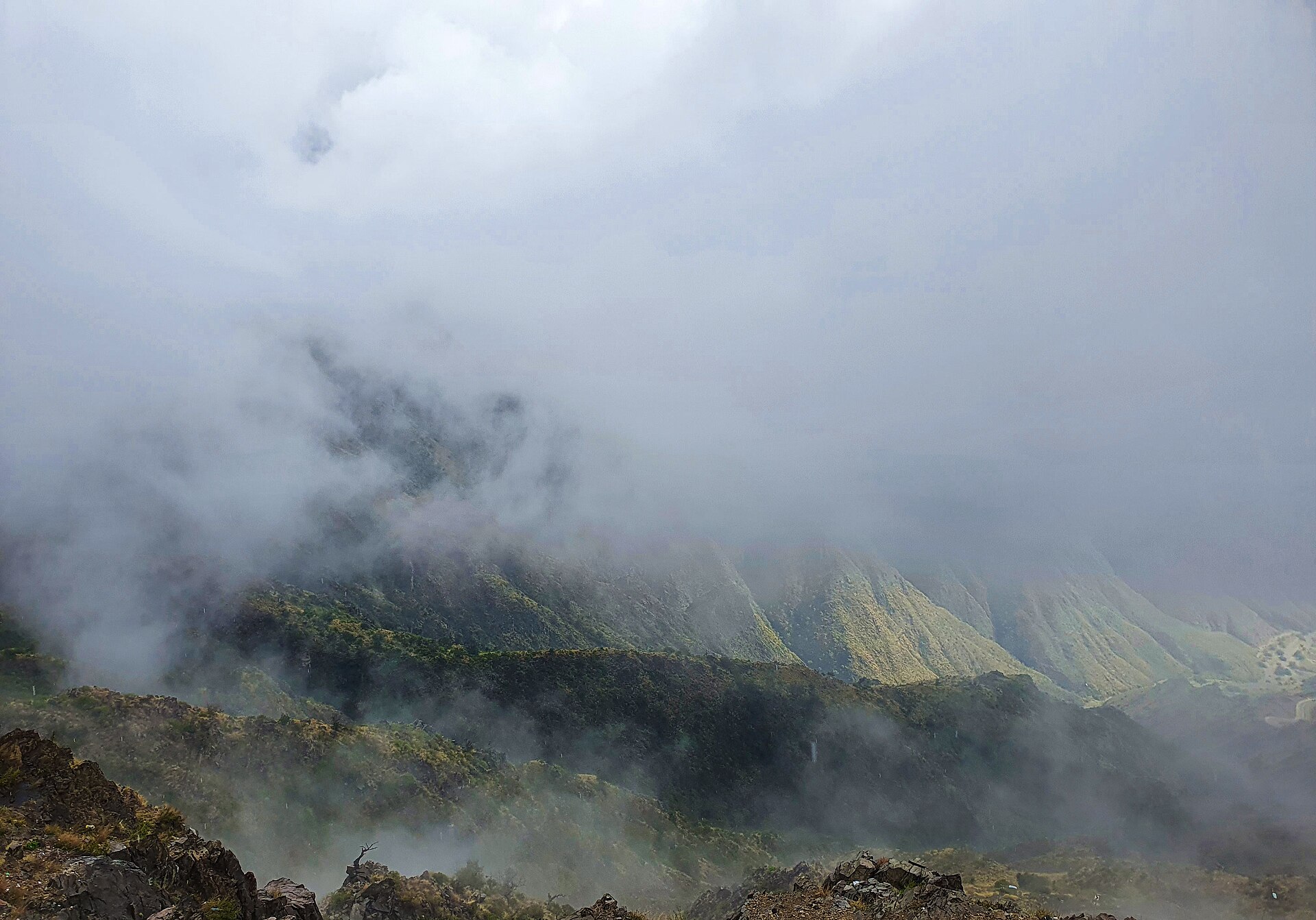
The Drive: Key Stops Along Route A
Al Kharj (75 km from Riyadh — 1 hour)
Saudi Arabia’s most important agricultural city produces over a quarter of the Kingdom’s vegetable output. The town itself is a brief stop, but two attractions justify pulling off the highway. Sahaba Crater is a meteorite impact site filled with striking blue water — photogenic and easy to reach from the road. King Abdulaziz Palace, built in 1938, operates as a small museum dedicated to the founding king’s life. Fill your tank here; the next populated stretch is 150 km south.
Al Aflaj (300 km from Riyadh — 3 hours)
A larger town with fuel stations, fast-food chains and rest facilities. This is the last comfortable services stop before the long open road to Wadi ad-Dawasir. The landscape around Al Aflaj is transitional — irrigated date groves give way to dry, open terrain as you push further south.
Wadi ad-Dawasir (613 km from Riyadh — 7 hours)
The natural midpoint of the journey and the best place for an overnight stop. Wadi ad-Dawasir sits in a fertile valley surrounded by palm groves, with several hotels (SAR 100–300 per night), restaurants serving kabsa and mandi, and a traditional market. The town is also a gateway to the dunes of the Empty Quarter — guided desert excursions with dune bashing and sandboarding can be arranged locally. Watch for multiple speed bumps, roundabouts and U-turns through the town centre.
Driving note: Distances between towns in central Saudi Arabia can reach 100–150 km with no services. Carry at least 4–6 litres of water per person and ensure your spare tyre is in good condition before leaving Riyadh.
Bisha (820 km from Riyadh via Route A)
The gateway to the Asir region. Bisha sits in the longest valley on the Arabian Peninsula and has a rich archaeological heritage. Al-Abla Archaeological Site preserves evidence of ancient gold and copper extraction dating to the 4th century BC. King Fahd Dam, the tallest in Saudi Arabia, is visible from the highway or accessible via a short detour. The traditional market sells dates, spices and silver jewellery. From Bisha, the road begins climbing toward the mountains — you are roughly two hours from Abha.
Khamis Mushait (25 km from Abha — 20 minutes)
The largest city in Asir Province with a metropolitan population of around 1.3 million, Khamis Mushait sits at 2,066 metres. Many travellers use it as a base because of its wider hotel selection and lower prices than Abha. Bin Hamsan Heritage Village is a 13,000-square-metre cultural complex with over 1,200 artefacts. Prince Sultan Road boulevard has a dancing fountain synchronised to music — a popular evening stop. Fort Shada offers panoramic views from its hilltop position.
Abha: What to See and Do
Abha sits at 2,270 metres in the Sarawat Mountains, earning its nickname as Saudi Arabia’s “City of Fog”. Summer temperatures rarely exceed 28°C, making it one of the few destinations in the Kingdom that works as a hot-season escape. The city combines mountain scenery, traditional Asiri culture and outdoor adventure.
Green Mountain and Cable Car
Jabal Thera, illuminated green at night, is the city’s most recognisable landmark. A cable car from Al Sad Park rises to the summit in five minutes, offering views across the city and surrounding valleys. The ride costs approximately SAR 30–50 per person. Restaurants and viewpoint terraces operate at the top.
Al Muftaha Art Village
A heritage district dedicated to Al-Qatt Al-Asiri, the traditional geometric wall-painting style unique to the Asir region. UNESCO recognised Al-Qatt as intangible cultural heritage. The village hosts calligraphy workshops, galleries and craft demonstrations, particularly during the annual Aseer Season festival (June to September). For more on Saudi Arabia’s evolving cultural landscape, see our Saudi Arabia art scene guide.
Fog Walkway
A 7-kilometre paved ridge trail often walked inside low cloud. On clear days, the views stretch across green valleys; in fog, you walk through a surreal white landscape. It is one of the best short hikes near any Saudi city centre — for more highland trails, see our Asir National Park hiking and wildlife guide.
Shamsan Castle and Art Street
Shamsan Castle is an Ottoman-era fortress with panoramic views over the city. Nearby, Art Street is a pedestrianised district lined with murals, galleries and jacaranda trees that bloom purple in spring.
Abha Dam Lake
A scenic reservoir with pedal boats, lakeside cafes, shaded walking paths and emerald hillsides. A relaxed half-day stop, especially for families.
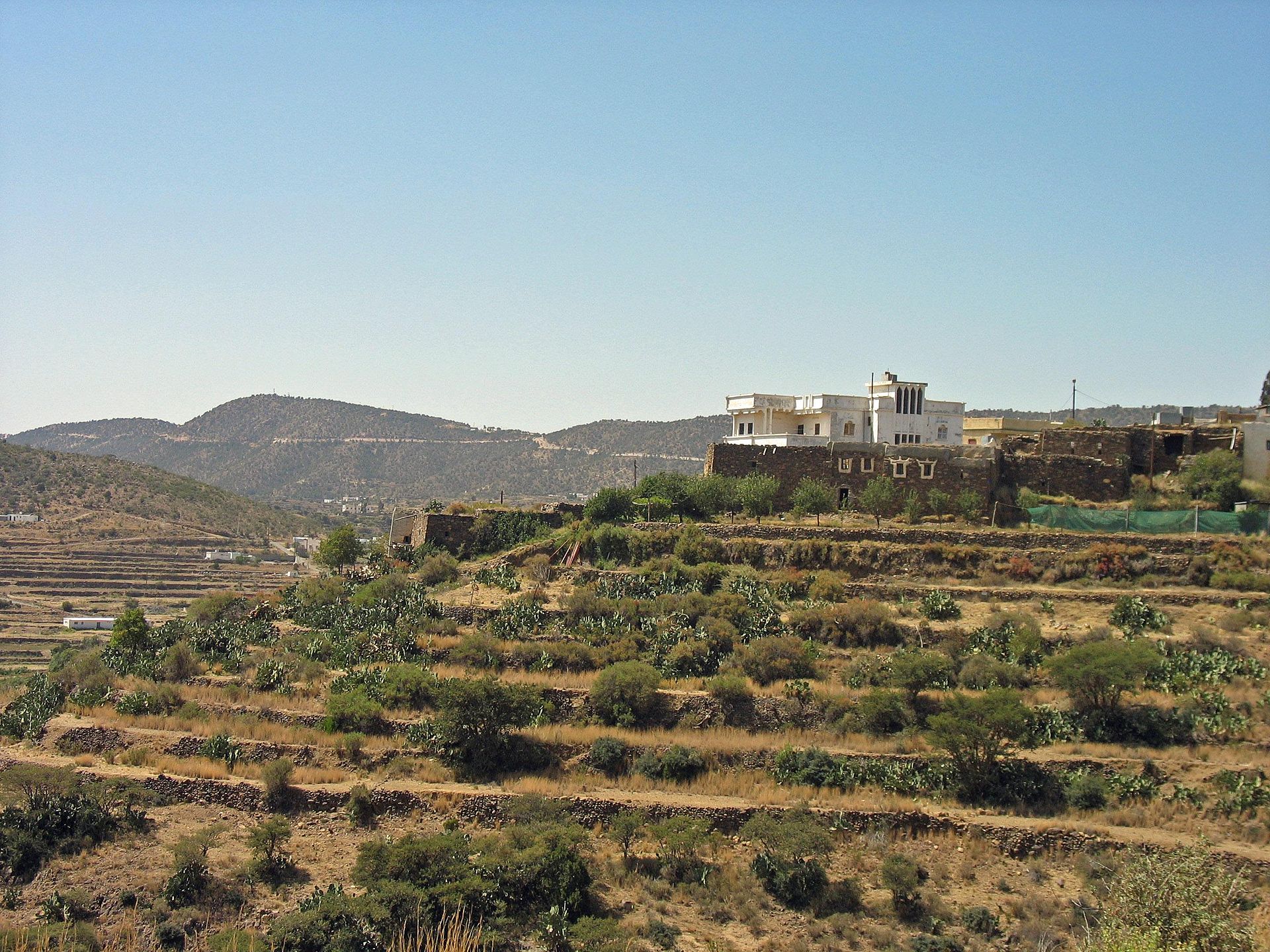
Day Trips from Abha
Jabal Sawda and Al Soudah (30–40 km from Abha)
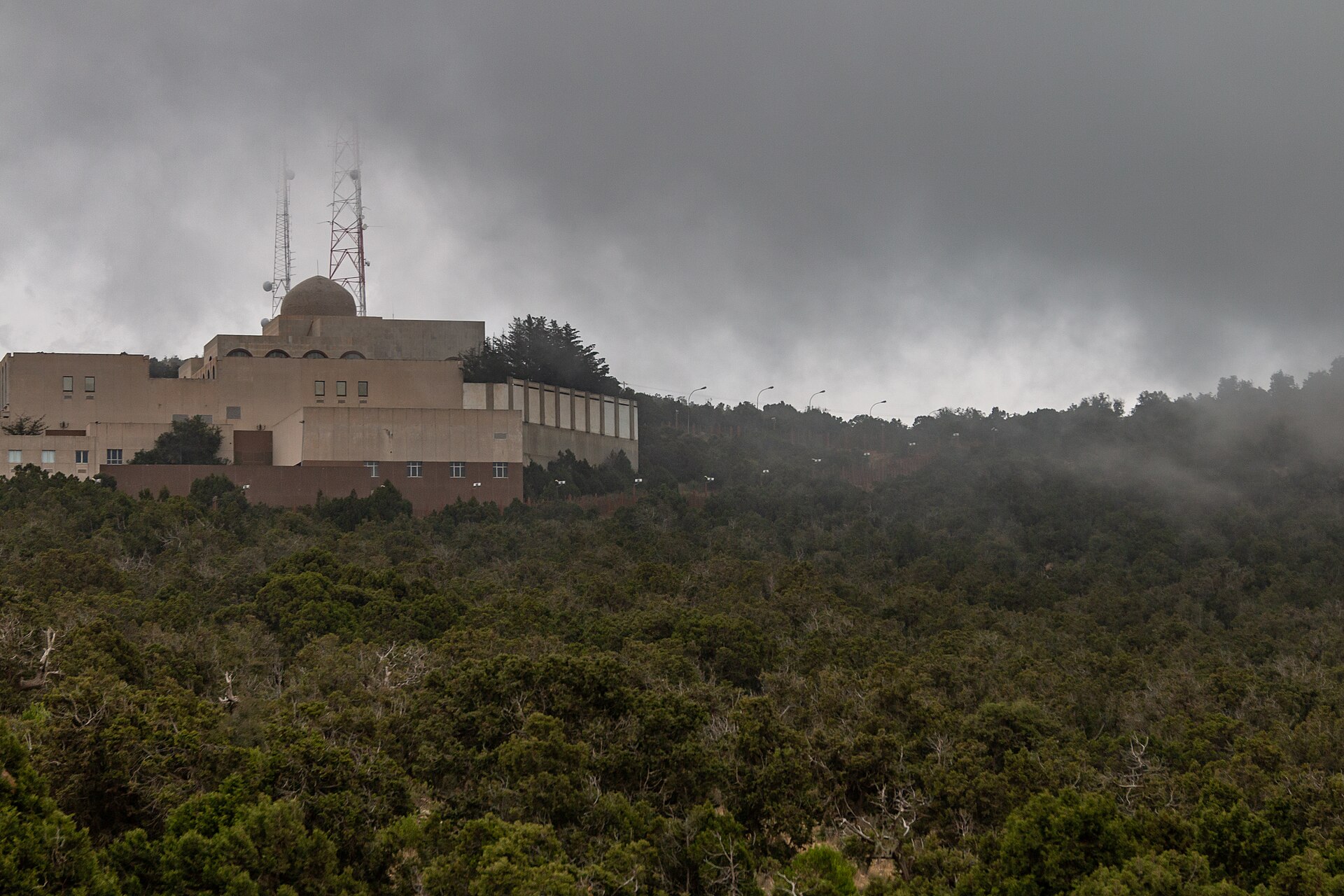
Jabal Sawda is the highest peak in Saudi Arabia at 3,015 metres. Dense juniper forests give the area a cloud-forest character rare anywhere on the Arabian Peninsula. The Al Soudah cable car (approximately SAR 80 round trip) takes 20 minutes and descends into a deep valley with spectacular views. Paragliding with certified instructors costs around SAR 400 for a tandem flight. Ziplining, rock climbing, ATV rides and mountain biking are also available. Camping is permitted in Asir National Park — verify specific sites with park rangers.
Habala Hanging Village (55 km from Abha)
One of the most dramatic sites in Saudi Arabia. Habala is a village built on a cliff ledge roughly 300 metres below the mountain rim. Its inhabitants originally chose the location to escape Ottoman-era rule, accessible only by rope. Today a cable car (SAR 50–70) descends in five minutes to the partially restored village, where cliff-side cafe terraces offer vertigo-inducing views. Allow 40 minutes by car from Khamis Mushait.
Rijal Almaa Heritage Village (45–50 km west of Abha)
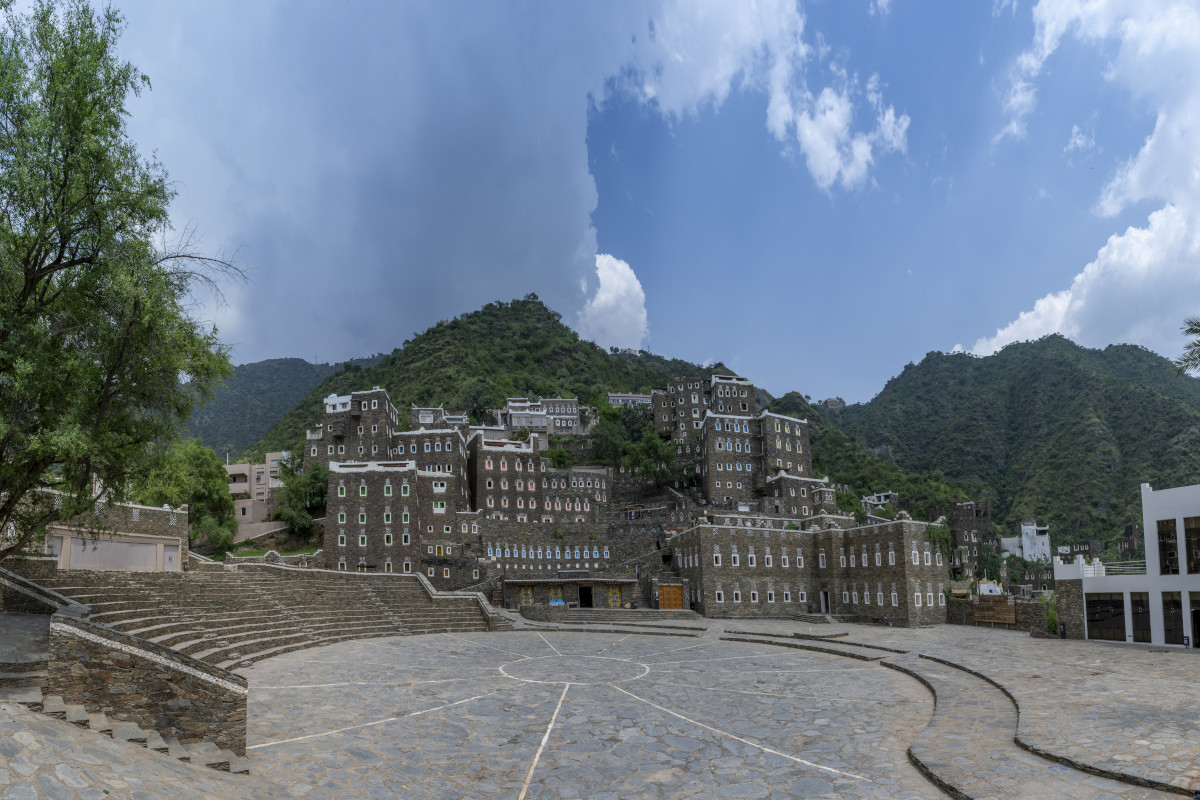
A 900-year-old fortified mountain settlement on UNESCO’s tentative World Heritage list. More than 60 surviving multi-storey stone towers reach up to eight floors, incorporating coloured glass window panels. The Al Al-wan Palace, over 400 years old, houses the Rijal Almaa Museum with 2,000+ artefacts including manuscripts, weapons, silver jewellery and traditional clothing. Entry is SAR 20 per adult for the museum; the village grounds are free to walk. Roads to the village are steep and winding — allow extra time. For more on traditional settlements, see our Saudi Arabia heritage villages guide.
Practical Information
Fuel and Costs
Saudi Arabia has some of the cheapest fuel in the world. Regular gasoline (91 octane) costs SAR 2.18 per litre (approximately USD 0.58). A full 60-litre tank costs under SAR 131 (USD 35). For the roughly 1,100-km route, expect two to three fill-ups depending on your vehicle. Fuel stations exist in all major towns along the route.
| Expense | Budget | Mid-Range |
|---|---|---|
| Fuel (round trip ~2,200 km) | SAR 260 (USD 70) | SAR 350 (USD 95) |
| Accommodation per night | SAR 100–200 (USD 27–55) | SAR 350–600 (USD 95–160) |
| Meals per day | SAR 50–80 (USD 14–22) | SAR 100–200 (USD 27–55) |
| Activities (cable cars, museum entry) | SAR 100–200 total | SAR 300–500 total |
Where to Stay
Budget hotels and guesthouses in Abha start from SAR 70–150 per night outside peak season. Mid-range options run SAR 250–500. During the summer peak (June to August), prices can reach SAR 600–1,200+ per night — book at least four weeks ahead. Khamis Mushait, 25 km away, offers more hotel supply and sometimes better rates. For an overnight on the road, Wadi ad-Dawasir has basic but clean hotels at SAR 100–300. Check our Saudi Arabia hotels guide for booking tips across the Kingdom.
Best Time for the Road Trip
Spring (March–May) and autumn (October–November) are optimal. Temperatures in Abha sit between 15°C and 25°C, the desert sections are bearable, and hotel prices are moderate. Summer (June–August) is excellent for Abha itself — cool and green while the rest of Saudi Arabia bakes — but the desert leg of the drive can hit 50°C at midday. If driving in summer, leave Riyadh before dawn or drive at night. Winter brings clear mountain air, potential frost at Al Soudah above 2,800 metres, and occasional snow on Jabal Sawda.
What to Eat
Asiri cuisine is distinct from the rest of Saudi Arabia. Look for madhbi (chicken roasted on a hot stone with spices), jareesh (crushed wheat porridge) and harees (slow-cooked wheat and meat). Local honey from Asir is among the most prized in the Kingdom. Wadi ad-Dawasir and Bisha are good spots for kabsa and mandi. Al-Hosn Al-Turathi in Abha serves traditional Asiri food in a converted Ottoman police station — one of the more atmospheric dining experiences in the region.
Driving Tips and Safety
Desert Section (Riyadh to Bisha)
- Start early or drive at night during summer — midday desert heat can damage tyres and strain engines.
- Watch for camels and goats crossing open roads, particularly at dawn and dusk. Some stretches lack central dividers.
- Carry water — at least 4–6 litres per person. Remote stretches between towns can be 100–150 km with no services.
- Speed bumps appear without warning in towns, particularly Wadi ad-Dawasir.
- Ensure your spare tyre, coolant level and tyre pressure are checked before departure.
- Use low gears on the escarpment — both ascending and descending. In automatic vehicles, select L or 2. Leaving the car in standard Drive causes continuous heavy braking and risks brake overheating on steep grades.
- Fog is common on the Asir highlands, worst in early morning and evening. Use low-beam headlights only — high beams reflect off fog and reduce visibility. Pull over at designated lay-bys if conditions deteriorate.
- Tight hairpin turns with limited guardrails on some curves — reduce speed and stay in your lane.
- Baboons roam freely near Al Soudah and highland viewpoints. Do not feed them — they can be aggressive around food.
- Altitude: some visitors from sea level experience mild headaches at 2,000–3,000 metres. This typically passes within a day.
- Abha and Asir Travel Guide — The complete guide to Saudi Arabia’s mountain region
- Asir National Park Guide — Hiking trails, wildlife and visitor information for the highlands
- Saudi Arabia Heritage Villages — Preserved mountain life from Rijal Almaa to Dhee Ayn
- Saudi Arabia Family Road Trip — Routes, stops and survival tips for driving with kids
- Rub al Khali Empty Quarter — Can you visit the world’s largest sand desert and how?
- Saudi Arabia Travel Guide 2026 — The complete guide to visiting the Kingdom
- Saudi Arabia Visa Guide — Every visa type explained
Mountain Section (Bisha to Abha)
Important: Do not attempt the mountain section after dark if you are unfamiliar with the road. Winding grades, limited lighting and possible fog make nighttime mountain driving risky. Plan to arrive in Khamis Mushait or Abha before sunset.
Suggested Itinerary: 4–5 Days
| Day | Route | Highlights |
|---|---|---|
| Day 1 | Riyadh → Al Kharj → Al Aflaj → Wadi ad-Dawasir | Sahaba Crater, Empty Quarter dunes, overnight in Wadi ad-Dawasir |
| Day 2 | Wadi ad-Dawasir → Bisha → Khamis Mushait | Al-Abla archaeology, King Fahd Dam, Bin Hamsan Heritage Village, Prince Sultan Boulevard |
| Day 3 | Abha city | Green Mountain cable car, Al Muftaha Art Village, Fog Walkway, Art Street, Abha Dam Lake |
| Day 4 | Day trip: Al Soudah + Rijal Almaa | Jabal Sawda cable car, paragliding, Rijal Almaa Heritage Village |
| Day 5 | Habala + return or fly | Habala Hanging Village cable car, drive back via Route B or fly from Abha Airport |
Travellers with less time can compress Days 1 and 2 into a single long driving day by taking Route B, arriving in Abha by evening. Those with more time could extend with a visit to Tanomah for its gravity carts and forest trails, or continue south to the Faifa Mountains near the Yemeni border. If you are planning a broader trip, a Saudi Arabia family road trip guide covers other routes and logistics across the Kingdom.
Getting There and Back
Most road-trippers start in Riyadh. Rental cars are available at King Khalid International Airport and city-centre agencies — an SUV is recommended for comfort on long stretches and mountain roads, though any modern sedan handles the highways fine. In Abha, Uber and Careem operate for short city trips, but a car is essential for reaching Al Soudah, Habala and Rijal Almaa.
For the return, consider flying one way. Abha International Airport (AHB) has direct flights to Riyadh (1 hour 40 minutes), Jeddah (1 hour 20 minutes) and Dammam (2 hours) on Saudia and flynas. This lets you enjoy the drive without repeating it. Rental agencies at Abha Airport include Yelo, Alamo and Enterprise; a two-day SUV rental runs SAR 350–750.
All visitors need a valid visa. Most nationalities can apply for a Saudi Arabia tourist e-visa online — it takes minutes and is valid for one year with multiple entries.