
Saudi Arabia’s two largest cities couldn’t be more different. Riyadh, the capital, is a fast-growing desert metropolis defined by gleaming skyscrapers, ambitious mega-projects, and the political pulse of the Kingdom. Jeddah, the ancient Red Sea port, is a cosmopolitan coastal city shaped by centuries of pilgrimage, trade, and cultural exchange. If you’re planning a trip as part of a wider Saudi Arabia travel itinerary, the question isn’t really which city is better — it’s which city matches what you’re looking for. This guide breaks down every practical difference to help you decide.
Best Time to Visit: November to March for both cities (pleasant 20–31°C highs, low humidity)
Getting There: King Khalid International (RUH) for Riyadh; King Abdulaziz International (JED) for Jeddah — both served by major global airlines
Visa Required: Yes — tourist e-visa available for 60+ nationalities
Budget: $80–200/day mid-range in both cities; Jeddah roughly 15% cheaper for food
Must-See: Diriyah and Kingdom Centre (Riyadh); Al-Balad UNESCO district and King Fahd Fountain (Jeddah)
Avoid: Visiting June–August when temperatures exceed 40°C in both cities
The Character of Each City
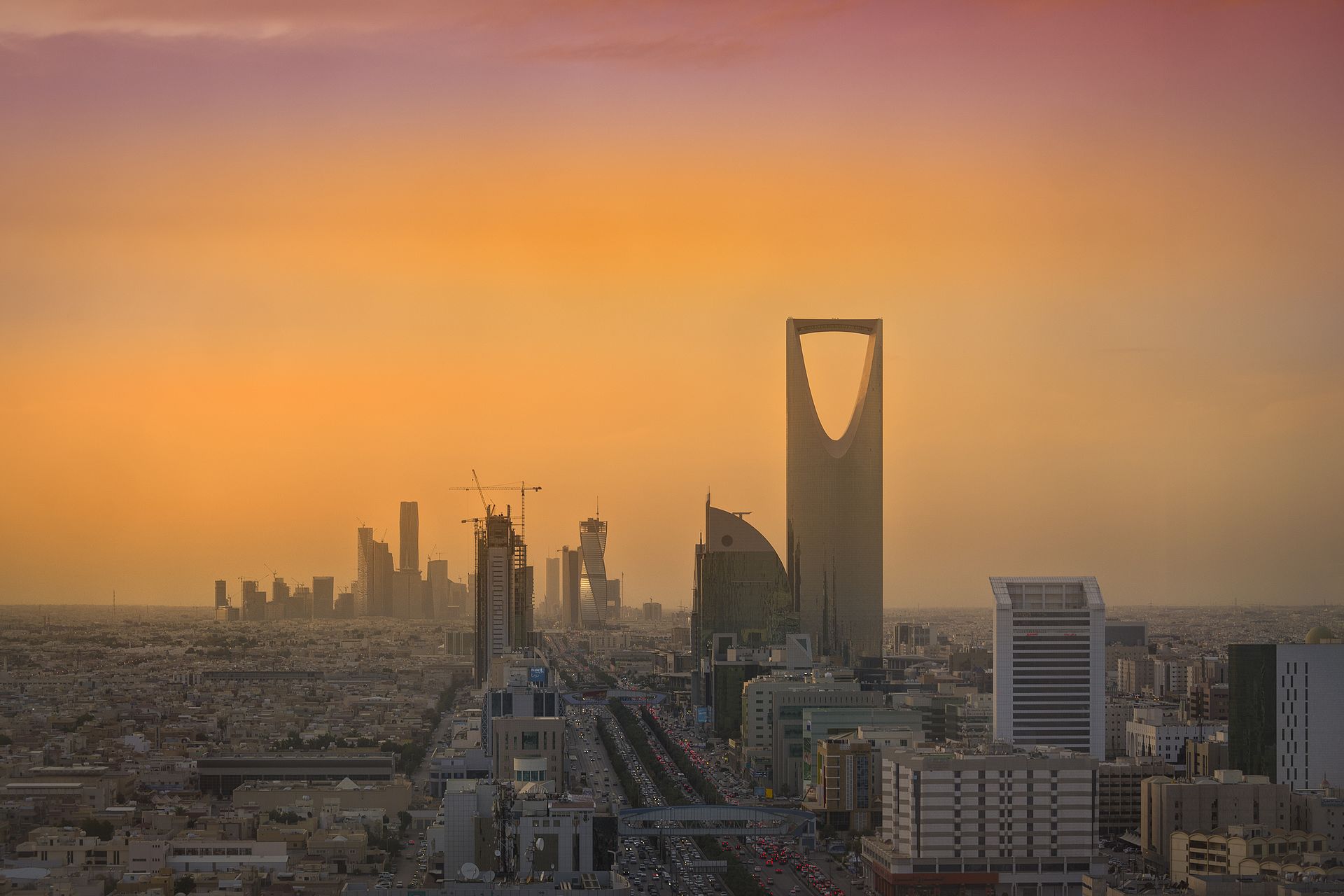
Understanding the personality of each city is the fastest way to know which one suits your trip. Riyadh is Saudi Arabia’s political and financial capital — a city of wide boulevards, government ministries, and corporate headquarters that has transformed itself at breakneck speed under Vision 2030. It feels ambitious, modern, and slightly formal. The entertainment scene is booming, anchored by the annual Riyadh Season festival that attracts international headliners and draws millions of visitors from October through March.
Jeddah is older, looser, and more layered. As the traditional gateway for Hajj and Umrah pilgrims arriving by sea, it has absorbed influences from across the Islamic world for over a thousand years. The result is a city with a distinctly cosmopolitan feel — large Yemeni, Egyptian, Indian, Indonesian, and East African communities give it a cultural richness that Riyadh is still developing. Restaurants stay open later, dress codes are more relaxed, and the pace is shaped by the Red Sea breeze rather than the boardroom clock.
Climate and Best Time to Visit
Both cities are best visited between November and March, but the heat hits differently in each.
| Season | Riyadh | Jeddah |
|---|---|---|
| Winter (Dec–Feb) | 21–23°C highs, 9–12°C lows. Dry, cool evenings — jacket weather after dark. | 28–30°C highs, 18–20°C lows. Warm and pleasant, occasional brief rain. |
| Spring (Mar–Apr) | 28–33°C. Comfortable early March, warming fast by April. | 31–34°C. Humidity rising but still manageable. |
| Summer (Jun–Aug) | 42–43°C. Brutal dry desert heat. Virtually no outdoor activity. | 38–39°C. Slightly cooler on paper, but punishing humidity makes it feel worse. |
| Autumn (Sep–Oct) | 34–40°C. Still very hot in September; October improving. | 36–37°C. High humidity lingers through September. |
Tip: Riyadh’s dry heat is more tolerable than Jeddah’s humid heat at the same temperature. If you’re visiting in the shoulder months (April or October), Riyadh is the better bet. For a beach-accessible winter trip, Jeddah wins.
Getting There — Airports and Connections
King Abdulaziz International Airport (JED) in Jeddah is Saudi Arabia’s busiest airport, handling over 53 million passengers in 2025 with 68 airlines serving more than 300 destinations. If you’re flying from Africa, Southeast Asia, or Southern Europe, Jeddah likely has a direct route. The airport also surges during Hajj and Umrah seasons — if you’re visiting for tourism rather than pilgrimage, avoid booking during peak Hajj weeks (late May to mid-June in 2026).
King Khalid International Airport (RUH) in Riyadh serves around 120 destinations via 60 airlines. It’s catching up fast — the upcoming launch of Riyadh Air, the Kingdom’s new national carrier, will dramatically expand connections. For travellers arriving from the Gulf, South Asia, or the UK, both airports are well-served.
Domestic flights between Riyadh and Jeddah run roughly every hour on Saudia, Flynas, and Flyadeal. Flight time is around 1 hour 45 minutes, and one-way fares start from approximately 200 SAR ($53) when booked in advance. Doing both cities on a single trip is entirely practical. For detailed entry requirements, see the Saudi Arabia visa guide.
Top Attractions — Riyadh
If you’re building a Riyadh travel itinerary, these are the highlights that justify a visit to the capital.
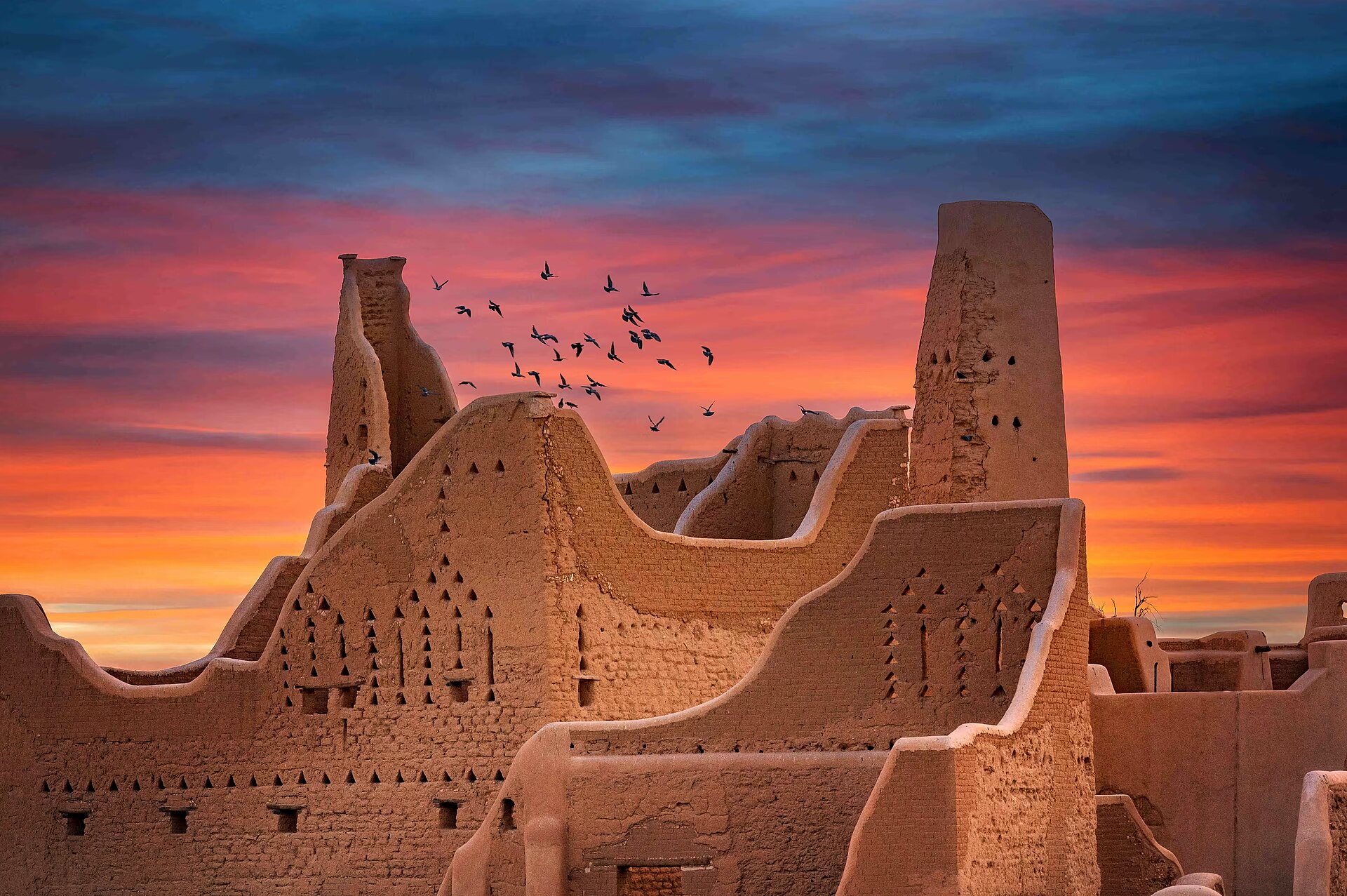
Diriyah and At-Turaif UNESCO World Heritage Site
The original capital of the first Saudi state, founded in 1727 and restored into one of the Middle East’s most impressive heritage sites. The mud-brick palaces of At-Turaif sit above Wadi Hanifah, and the adjacent Bujairi Terrace now houses over 20 restaurants — from fine dining to traditional Najdi cuisine — making it one of the best dining destinations in the country.
Kingdom Centre Tower
Riyadh’s most recognisable building. At 302 metres, its distinctive inverted arch and the Sky Bridge observation deck offer sweeping 360-degree views across the desert capital. Admission is affordable and the views at sunset are worth timing your visit around.
National Museum of Saudi Arabia
The Kingdom’s largest museum, with eight chronological galleries covering everything from pre-Islamic Arabian archaeology to the formation of the modern state. Located within the King Abdulaziz Historical Center, it’s easily combined with a visit to the adjacent Masmak Fortress — the mud-brick fort where the 1902 battle that founded modern Saudi Arabia took place.
Edge of the World (Jebel Fihrayn)
A 300-metre cliff face at the edge of the Tuwaiq Escarpment, roughly 100 km northwest of Riyadh. The drop is dramatic and the desert plateau stretches to the horizon. A 4×4 and local guide are essential — there are no paved roads for the final stretch. It’s one of the most photographed natural sites in Saudi Arabia and makes a superb half-day trip from the capital.
Souq al-Zal
Operating since 1901 in the heart of old Riyadh. Carpets, antique daggers, swords, perfumes, and traditional crafts fill narrow stalls. It’s the most atmospheric traditional market in the capital, best visited in the late afternoon and evening.
Top Attractions — Jeddah
Jeddah’s appeal is different — older, more organic, and anchored to the sea. Consult the full Jeddah travel guide for a deeper itinerary.
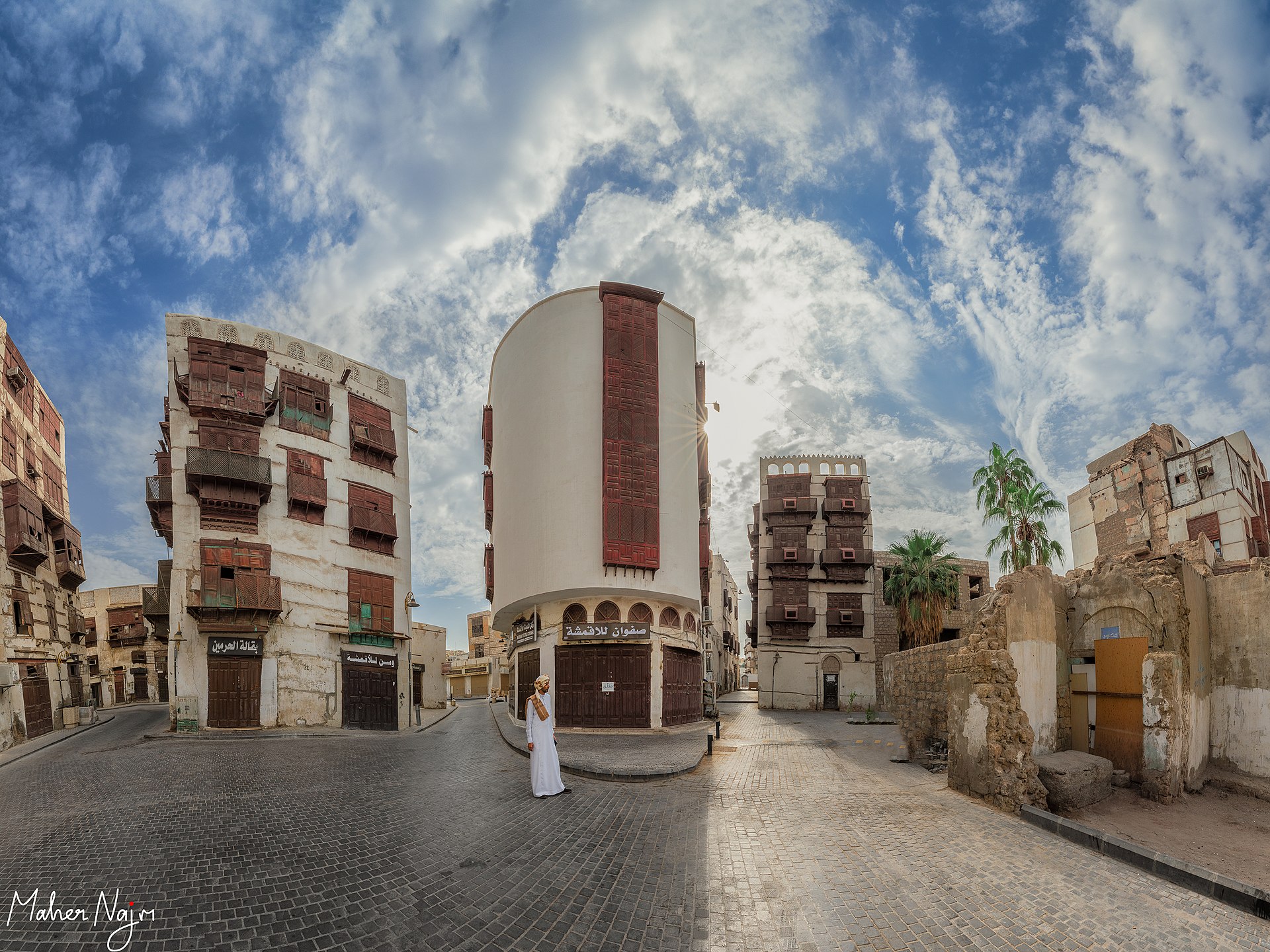
Al-Balad (Historic Jeddah) — UNESCO World Heritage Site
The heart of Jeddah and one of the most visually striking historic districts in the Arab world. Ottoman-era coral-stone tower houses rise four and five storeys, their facades decorated with intricately carved wooden mashrabiya screens. Narrow alleyways open onto small squares with traditional souks selling spices, gold, handmade crafts, and Hijazi textiles. Al-Balad has been continuously inhabited for centuries and feels worlds apart from Saudi Arabia’s modern glass-and-steel developments.
King Fahd Fountain
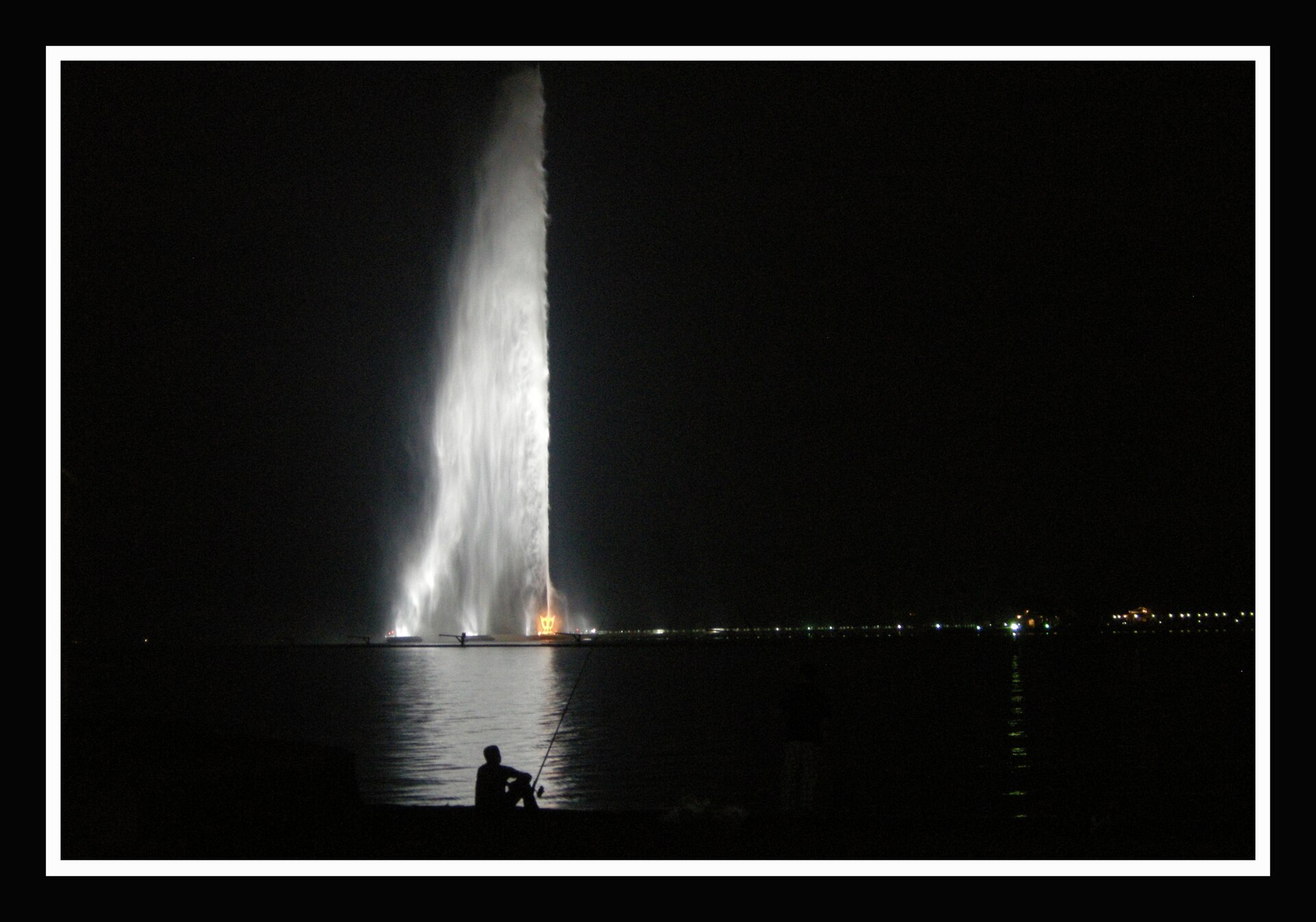
The world’s tallest water fountain, shooting Red Sea water 312 metres into the air. Best viewed from the Jeddah Corniche at night, when it’s illuminated against the dark sea. The 30 km Corniche promenade itself — lined with sculptures, parks, and waterfront cafes — is one of the best public spaces in Saudi Arabia for an evening walk.
Al Rahma Mosque (The Floating Mosque)
Built on stilts over the Red Sea, Al Rahma appears to float on the water at high tide. It’s one of the most photographed buildings in Jeddah and a working mosque — non-Muslim visitors should check locally for access times.
Red Sea Diving and Snorkelling
Jeddah is one of the best shore-accessible diving destinations in the Middle East. Over 300 coral species and more than 1,000 fish species inhabit the offshore reefs. Boat trips to sites like the Cable Wreck (24 m depth, beginner-friendly) and Ann Ann Wreck (32 m, the largest wreck in Jeddah waters) run daily from the marina. For a full breakdown, see our Saudi Arabia diving and snorkelling guide.
Food Scene Compared
Both cities eat exceptionally well, but the flavour profiles differ.
Riyadh
The capital has attracted an influx of international chef-driven restaurants. Zuma Riyadh took Time Out’s 2025 Restaurant of the Year award for its Japanese robata and sushi counter. Benoit, Alain Ducasse’s French bistro in the King Abdullah Financial District, and Chotto Matte (Japanese-Peruvian Nikkei) both opened in 2025 to strong reviews. Bujairi Terrace at Diriyah clusters over 20 restaurants in a heritage setting — it’s the single best dining destination in Riyadh for a special evening. For everyday eating, Riyadh’s shawarma scene and the traditional Najdi restaurants in the old city centre offer excellent value.
Jeddah
Jeddah has the deeper culinary roots. Authentic Hijazi cuisine — mutabbaq (stuffed fried bread), masoub (banana and bread pudding), mugalgal (spiced tomato meat) — is a genuine regional cuisine distinct from anything you’ll find in Riyadh. Restaurants like Najat serve these traditions without pretension. On the international side, Kuuru ranked 30th on MENA’s 50 Best Restaurants in 2025 for its Nikkei fusion, and Sofia’s Bistro in the Hayy Jameel arts complex is a late-night favourite. Jeddah runs later than Riyadh — peak dinner is at 10 PM and midnight seatings are normal.
Verdict: Riyadh for international fine dining with global chef brands. Jeddah for authentic regional cuisine and a more organic late-night food culture.
Cost Comparison
Jeddah is slightly cheaper for daily expenses, though the gap isn’t dramatic. Here’s a snapshot based on current data:
| Expense | Riyadh (SAR / USD) | Jeddah (SAR / USD) |
|---|---|---|
| Budget meal | 30 SAR / $8 | 25 SAR / $6.70 |
| Mid-range dinner for two | 200 SAR / $53 | 167 SAR / $44 |
| Coffee (cappuccino) | 16 SAR / $4.25 | 13 SAR / $3.50 |
| Taxi (5 km ride via Uber) | 18–25 SAR / $5–7 | 15–22 SAR / $4–6 |
| Budget hotel (per night) | $17–50 | $40–60 |
| Mid-range hotel (per night) | $80–150 | $80–150 |
| Luxury hotel (per night) | $200–500 | $160–400 |
Watch out: Jeddah hotel prices spike dramatically during Hajj and Umrah peak season. If you’re visiting during Ramadan or Dhul Hijjah, expect rates to double or triple. Riyadh prices can also inflate during major events like Riyadh Season or the Formula E Grand Prix. For accommodation tips, see the Saudi Arabia hotels guide.
Getting Around Each City
Riyadh has a major advantage here: the Riyadh Metro, which opened in late 2024 and became fully operational across all six lines in 2025. With 85 stations across 176 km of track, it’s the world’s largest driverless metro system. Fares run 3–6 SAR ($0.80–1.60) per trip. The King Abdullah Financial District (KAFD) also features 15 km of climate-controlled pedestrian skywalks — a genuine relief in summer.
Jeddah has no metro. A network is under planning but years away from completion. Both cities are well-served by Uber and Careem (the regional ride-hailing app), and these are the default way most visitors get around. Jeddah’s Al-Balad historic district and the Corniche are walkable, but the wider city remains car-dependent with older, more chaotic road layouts than Riyadh’s wide grid.
Shopping
Modern Malls
Both cities have enormous, air-conditioned malls — a Saudi institution. In Riyadh, Kingdom Centre Mall (inside the iconic tower) offers 150+ stores including luxury brands, while Boulevard Riyadh City combines shopping with entertainment at an enormous scale. In Jeddah, Mall of Arabia (261,000 sq m, 20+ million annual visitors) and Red Sea Mall are among the largest in the Middle East.
Traditional Souks
This is where Jeddah pulls ahead decisively. The souks of Al-Balad — particularly Souq Al Alawi — have operated for centuries inside the UNESCO district. Spices, gold, handmade crafts, and traditional garments fill narrow covered alleys that feel genuinely unchanged. Riyadh’s Souq al-Zal is atmospheric and historic (trading since 1901) but smaller and less immersive than Jeddah’s labyrinthine markets.
Day Trips
From Riyadh
- Edge of the World (Jebel Fihrayn) — 100 km northwest. Dramatic 300 m cliff face overlooking an endless desert plain. Half-day trip, requires 4×4.
- Diriyah — 20 minutes from city centre. UNESCO heritage site, Bujairi Terrace dining, and Saudi history.
- Ushaiger Heritage Village — ~200 km north. Atmospheric abandoned mud-brick village, excellent for photography.
- Red Sand Dunes — ~90 km east. Dune bashing, camel rides, desert camping under the stars.
- Taif — 2 hours by car into the Sarawat Mountains. Cooler temperatures, rose farms (harvest season: March–April), fruit markets, and a cable car. See our Abha and Asir highlands guide for more on Saudi Arabia’s mountain region.
- Red Sea island trips — Boat trips to offshore coral reefs and islands like Bayada Island (40 minutes from shore) for snorkelling and kayaking.
- Mecca via Haramain High-Speed Railway — 45 minutes at 300 km/h. Note: access to Mecca is strictly limited to Muslims.
- Yanbu — 3–4 hours north along the Red Sea coast. Quieter beaches, diving, and a historic old town.
- Riyadh Travel Guide 2026 — The complete guide to Saudi Arabia’s capital city
- Jeddah Travel Guide 2026 — Everything you need to know about the Red Sea gateway
- Saudi Arabia Hotels Guide — Where to stay across the Kingdom
- Saudi Arabia Diving Guide — Red Sea reefs, wrecks, and marine life
- Saudi Arabia Travel Guide 2026 — The complete guide to visiting the Kingdom
- Saudi Arabia Visa Guide — Every visa type explained
From Jeddah
Verdict: Jeddah offers more variety (sea, mountains, high-speed rail access) while Riyadh delivers dramatic desert landscapes you won’t find anywhere else in the Kingdom.
Entertainment and Nightlife
Neither city serves alcohol — Saudi Arabia is a dry country. But both cities have developed vibrant evening cultures built around dining, cafes, shisha lounges, and increasingly, world-class events.
Riyadh has invested heavily in becoming a global entertainment hub. Riyadh Season (October–March) is a massive annual festival spanning 15+ themed zones with international concerts, immersive experiences, esports tournaments, and street food markets. The Soundstorm Festival in December drew 500,000 attendees across three days in 2025, with 14 stages and 250+ artists. Boulevard Riyadh City operates year-round as a dining and entertainment district. If you want things to see and do every night, Riyadh has the edge.
Jeddah’s nightlife is more organic. The city’s cafe and late-night dining culture runs later and feels more natural — rooftop lounges overlooking the Red Sea with craft mocktails and premium shisha, the Corniche after dark with the fountain illuminated, late seatings at restaurants that don’t even hit peak until 10 PM. Jeddah Season is growing as an annual entertainment event but remains smaller than Riyadh’s. The Saudi Arabia nightlife guide covers both cities in detail.
Culture and Dress Code
Saudi Arabia’s dress code applies in both cities: modest clothing covering shoulders, elbows, and knees for both genders. In practice, Jeddah is noticeably more relaxed — you’ll see a wider range of dress styles, especially in cafes and malls. In Riyadh, particularly in older or more traditional neighbourhoods, conservative dress is more strongly expected (though not legally enforced beyond the modesty basics). Women are not legally required to wear an abaya in either city, but abayas remain much more common in Riyadh than Jeddah. For a full breakdown, see the Saudi Arabia dress code guide.
On the arts and culture front, Jeddah has a head start. The Hayy Jameel arts complex — backed by Art Jameel — hosts contemporary exhibitions, film screenings, and community events. The Corniche doubles as an open-air sculpture museum with works by international artists. Riyadh is catching up with galleries in KAFD and the growing Diriyah arts scene, but Jeddah’s cultural infrastructure is more established.
Which City Is Right for You?
| You Should Visit Riyadh If… | You Should Visit Jeddah If… |
|---|---|
| You want to see Saudi Arabia’s modern transformation in real time | You want to experience centuries of Red Sea trading culture |
| You’re interested in desert landscapes and dramatic geology | You want beach access, diving, and Red Sea water sports |
| You’re visiting during Riyadh Season (Oct–Mar) for events | You prefer a laid-back, cosmopolitan atmosphere |
| You value public transport (metro system) | You love food markets, traditional souks, and street food |
| You want international fine dining and chef-driven restaurants | You want authentic Hijazi regional cuisine |
| You’re interested in Saudi political history (Diriyah, Masmak) | You’re planning to visit Taif, Mecca (Muslims only), or the Red Sea coast |
Can You Visit Both?
Yes — and you should if your schedule allows. Domestic flights between Riyadh and Jeddah run hourly, take under two hours, and start from around 200 SAR ($53) one-way. A 7–10 day Saudi Arabia trip can comfortably cover 3–4 days in each city with day trips from both. Consider adding AlUla (direct flights from both cities) for desert heritage, or Dammam and Al Khobar on the Eastern Province coast for a third dimension to your trip.
If you only have time for one city, the choice comes down to what moves you: the raw ambition and desert scale of the capital, or the layered, sea-swept history of Saudi Arabia’s ancient gateway. Either way, you won’t be disappointed.