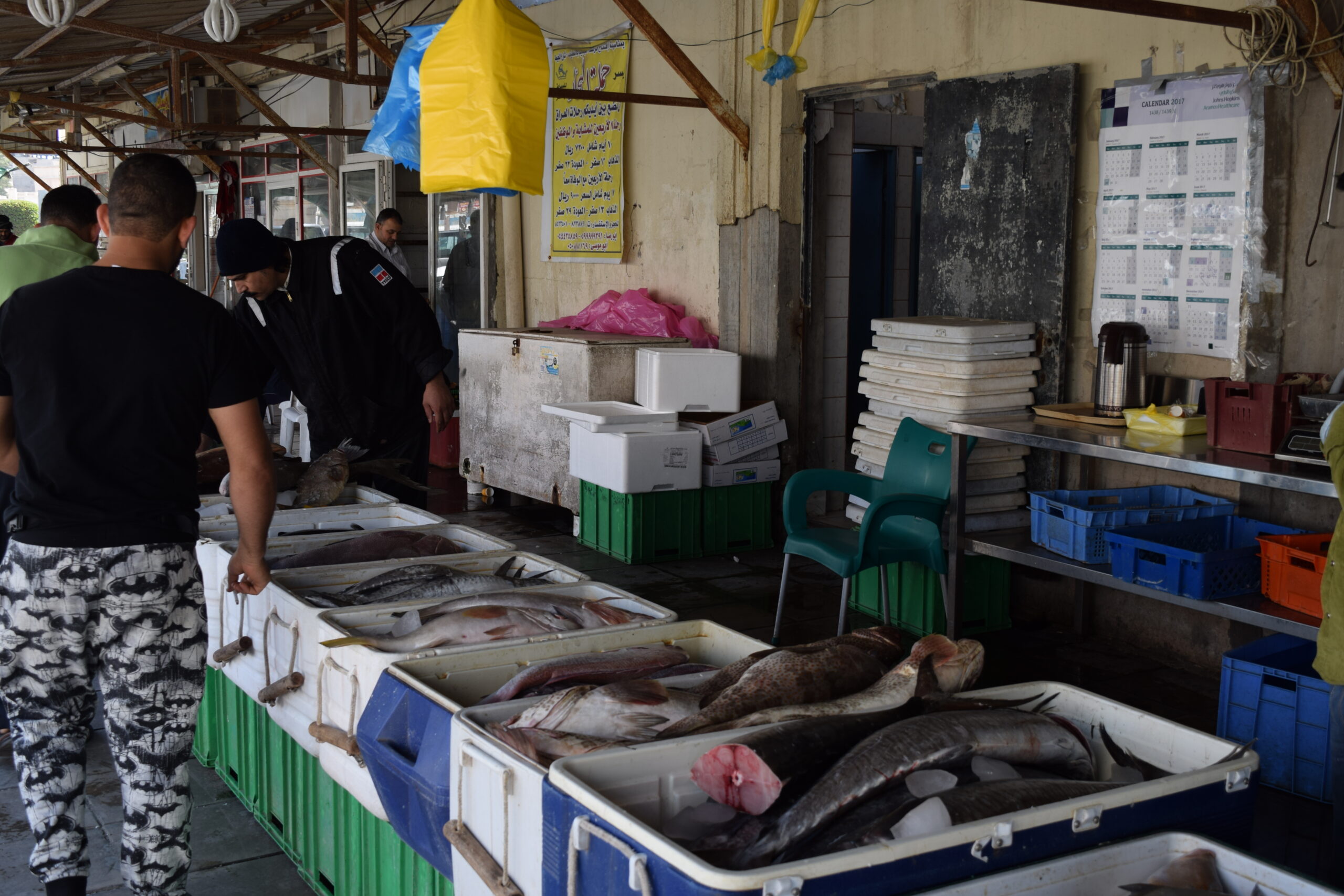

Saudi Arabia has transformed from one of the world’s most closed countries into a tourism destination actively courting international visitors. Since launching the eVisa programme in 2019, the Kingdom has welcomed millions of tourists to its ancient ruins, Red Sea coastline, and futuristic megaprojects. But how much does it actually cost to visit Saudi Arabia in 2026?
The answer depends heavily on your travel style. A budget-conscious backpacker can explore the Kingdom for $55 to $90 per day, while a mid-range traveller will spend $130 to $200 daily, and luxury visitors can easily exceed $500. This guide breaks down every cost category with current 2026 prices, from visa fees and hotel rates to the price of a shawarma on the street.
One thing that surprises most first-time visitors: Saudi Arabia is meaningfully cheaper than Dubai and Abu Dhabi, roughly comparable to Jordan, and significantly more expensive than Egypt. Food prices are 46 percent lower than in the United States, according to Numbeo’s March 2026 data, and petrol costs a fraction of what Europeans and Americans pay at home.
Visa Costs
Most international visitors enter Saudi Arabia on an eVisa, which is available to citizens of 66 countries. The total eVisa fee is approximately SAR 535 (around $142), which includes the visa processing fee, a service charge, and mandatory health insurance coverage.
The health insurance bundled with the eVisa covers emergency medical treatment up to SAR 100,000 and repatriation of remains up to SAR 10,000. While this is sufficient for most travellers, those planning adventure activities or with pre-existing conditions may want supplementary coverage.
| Visa Type | Cost | Validity | Notes |
|---|---|---|---|
| Tourist eVisa | ~$142 (SAR 535) | 1 year, multiple entry | Max 90 days per visit; includes health insurance |
| Visa on Arrival | ~$142 (SAR 535) | 1 year, multiple entry | Available at major airports for eligible nationalities |
| GCC Resident Visa | SAR 300 (~$80) | Single entry, 3 months | For residents of other Gulf states |
| Transit Visa | Free | 96 hours | For Saudia airline passengers transiting through Saudi airports |
The eVisa application is processed online through the official Visit Saudi portal and typically approved within minutes. Payment is accepted via Visa, Mastercard, American Express, PayPal, and Apple Pay.
International Flight Costs
The cost of reaching Saudi Arabia varies enormously depending on your origin, season, and how far in advance you book. Saudi Arabia’s two main international gateways are King Khalid International Airport (RUH) in Riyadh and King Abdulaziz International Airport (JED) in Jeddah, both served by dozens of international carriers alongside the national airline, Saudia.
| Origin Region | Peak Season (Oct–Mar) | Shoulder Season | Off-Season (Jun–Sep) |
|---|---|---|---|
| United States (East Coast) | $900–$1,700 | $750–$1,450 | $650–$1,250 |
| United States (West Coast) | $1,000–$1,900 | $850–$1,600 | $700–$1,350 |
| United Kingdom | $350–$800 | $280–$600 | $230–$500 |
| Western Europe | $350–$850 | $300–$650 | $250–$550 |
| South/Southeast Asia | $250–$600 | $200–$450 | $150–$350 |
| Other Gulf States | $80–$250 | $60–$200 | $50–$180 |
Source: Expedia, Skyscanner, and KAYAK aggregated pricing data, March 2026. All prices are round-trip economy class.
Budget-conscious travellers should consider flying into Jeddah rather than Riyadh, as competition on routes to Jeddah — driven partly by Hajj and Umrah demand — often produces lower fares. Low-cost Gulf carriers like Air Arabia, flydubai, and Jazeera Airways offer competitive alternatives to full-service airlines on routes from Europe and Asia, with one-stop connections through Sharjah, Dubai, or Kuwait.
Booking six to eight weeks in advance typically yields the best balance of price and availability. During Hajj season (the dates shift annually based on the Islamic lunar calendar), flights to Jeddah surge in price and sell out quickly — travellers visiting for tourism should avoid this period unless they are also performing the pilgrimage.
Accommodation Costs by City and Category
Hotel prices in Saudi Arabia vary dramatically by city, season, and standard. Riyadh tends to be the most affordable major city for accommodation, with average nightly rates 26 percent lower than the national average, according to Numbeo’s March 2026 data. Jeddah sits in the middle, while AlUla and the Red Sea coast command premium prices due to limited luxury-focused supply.
| Category | Riyadh (per night) | Jeddah (per night) | AlUla (per night) |
|---|---|---|---|
| Hostels and budget guesthouses | $17–$55 | $30–$65 | $50–$80 |
| Mid-range hotels (3-star) | $55–$130 | $70–$150 | $120–$230 |
| Upscale hotels (4-star) | $130–$250 | $150–$280 | $230–$400 |
| Luxury hotels (5-star) | $250–$600+ | $280–$650+ | $400–$900+ |
| Ultra-luxury (Ritz-Carlton, Four Seasons) | $275–$1,000+ | $300–$1,200+ | $500–$2,000+ |
Seasonal Price Variations
Accommodation prices fluctuate significantly by season. The peak tourist season runs from October to March, when temperatures are comfortable and events like AlUla’s Winter at Tantora festival draw crowds. During peak season, expect to pay 15 to 30 percent more than the prices listed above.
The off-season months of June to September — when daytime temperatures regularly exceed 45 degrees Celsius — bring the lowest hotel rates. Budget travellers who can handle the heat will find prices 15 to 25 percent below shoulder-season rates. According to multiple travel aggregators, booking on a Sunday and travelling in August yields the cheapest accommodation across the Kingdom.
A significant development in Saudi Arabia’s hotel market is the growing investment in midscale accommodation. As reported by Arabian Gulf Business Insight (AGBI) in February 2026, hotel groups are increasingly betting on affordable Saudi tourism, with brands like Premier Inn announcing plans for properties in Riyadh and Jeddah. However, midscale hotels still make up just 5 percent of the country’s future hotel pipeline, meaning budget options remain limited compared to luxury supply.
Accommodation Types Explained
The Saudi accommodation market differs from what many Western travellers are accustomed to. Traditional hostels with dormitory beds are rare outside Riyadh and Jeddah, though the market is growing. The most common budget options are small hotels, furnished apartments, and serviced residences — the latter being particularly popular in Saudi Arabia and often offering kitchenettes, separate living areas, and weekly rates that work out significantly cheaper than hotels.
For families or groups of three or more, furnished apartments represent the best value. A two-bedroom apartment in central Riyadh can be rented for SAR 200 to 400 per night ($53 to $107), effectively halving the per-person accommodation cost compared to individual hotel rooms. Platforms like Booking.com and Airbnb list these properties alongside traditional hotels.
At the luxury end, Saudi Arabia’s hotel pipeline is dominated by five-star properties. The Kingdom is adding thousands of luxury rooms as part of Vision 2030’s target of attracting 150 million annual visits by 2030. Major recent openings and developments include Habitas AlUla (a desert glamping experience from SAR 2,000+ per night), The Red Sea project’s resorts (from SAR 3,000+ per night), and Diriyah Gate’s heritage boutique hotels. For visitors willing to spend, the quality of luxury accommodation in Saudi Arabia now rivals anything available in Dubai or the Maldives.
Food and Dining Costs
Food is one of the areas where Saudi Arabia offers genuine value for money. Street food and local restaurants serve excellent meals at prices well below what visitors from North America, Europe, or Australia would expect. The Kingdom’s cuisine — heavy on grilled meats, rice dishes, fresh bread, and aromatic spices — is both filling and affordable.
| Meal Type | Cost (SAR) | Cost (USD) |
|---|---|---|
| Shawarma or falafel sandwich (street food) | 8–12 SAR | $2–$3 |
| Meal at an inexpensive local restaurant | 25–30 SAR | $7–$8 |
| Fast food combo (McDonald’s, etc.) | 28–30 SAR | $7–$8 |
| Indian/Asian buffet | 25–60 SAR | $7–$16 |
| Mid-range restaurant meal (per person) | 50–90 SAR | $13–$24 |
| Three-course dinner for two (mid-range) | 150–200 SAR | $40–$53 |
| Fine dining (per person) | 200–600+ SAR | $53–$160+ |
| Cappuccino | 14–16 SAR | $3.70–$4.25 |
| Espresso | 10 SAR | $2.65 |
| Bottled water (1.5L) | 2 SAR | $0.53 |
| Soft drink (can) | 2–3 SAR | $0.53–$0.80 |
Source: Numbeo Cost of Living Index, updated March 2026; Hikersbay Saudi Arabia 2026 price data.
Daily Food Budget Estimates
A realistic daily food budget breaks down as follows, depending on your eating style:
| Traveller Type | Daily Food Cost | What This Gets You |
|---|---|---|
| Budget | $12–$20 | Street food for breakfast and lunch, one sit-down dinner at a local restaurant, bottled water and coffee |
| Mid-range | $30–$55 | Hotel breakfast or cafe, mid-range lunch, restaurant dinner with soft drinks |
| Luxury | $80–$200+ | Hotel buffet breakfast, upscale lunch, fine dining dinner, specialty coffees throughout the day |
Saudi Arabia is a dry country — alcohol is not sold or served anywhere in the Kingdom. This removes a significant expense that travellers face in destinations like Dubai, where a single cocktail can cost $20 or more. Non-alcoholic beer is available at restaurants for around 7 SAR ($1.85).
Where to Save on Food
The best value dining in Saudi Arabia is found at small local restaurants and street food stalls serving traditional dishes like kabsa (spiced rice with meat), mandi (slow-cooked meat and rice), mutabbaq (stuffed pancakes), and shawarma. These establishments typically serve generous portions for 15 to 30 SAR. Supermarket chains like Lulu Hypermarket, Carrefour, and Danube offer competitive prices for self-catering travellers, with household grocery spending averaging around SAR 2,783 per person per month according to 2026 forecasts.
Transport Costs
Getting around Saudi Arabia involves a mix of domestic flights, ride-hailing apps, the new Riyadh Metro, and rental cars. The Kingdom is geographically vast — the distance from Riyadh to Jeddah alone is over 900 kilometres — so domestic flights are essential for covering long distances efficiently.
Domestic Flights
| Route | One-Way Price Range | Airlines | Weekly Flights |
|---|---|---|---|
| Riyadh to Jeddah | $47–$100 | Saudia, flynas, flyadeal | 835+ |
| Riyadh to Dammam | $35–$80 | Saudia, flynas, flyadeal | 300+ |
| Jeddah to AlUla | $60–$150 | Saudia, flynas | Varies seasonally |
| Jeddah to Abha | $50–$120 | Saudia, flynas | 150+ |
Source: Skyscanner, KAYAK, and airline booking platforms, March 2026 pricing.
Low-cost carriers flyadeal and flynas offer the cheapest fares, with flyadeal operating out of Jeddah and flynas — Saudi Arabia’s largest low-cost airline — operating over 1,500 weekly flights from hubs in Riyadh, Jeddah, and Dammam. Travellers who book at least five weeks in advance save approximately 22 percent compared to last-minute bookings, according to Skyscanner data.
Riyadh Metro
The Riyadh Metro, which opened in late 2024, is the most affordable way to get around the capital. The system uses a flat-fare, time-based ticketing model with no zones — pay one price and ride anywhere on the network.
| Ticket Type | Standard Class (SAR) | First Class (SAR) |
|---|---|---|
| 2-hour pass (single trip) | 4 SAR ($1.07) | 10 SAR ($2.67) |
| 3-day pass | 20 SAR ($5.33) | — |
| 7-day pass | 40 SAR ($10.67) | — |
| 30-day pass | 140 SAR ($37.33) | — |
| Annual pass | 1,260 SAR ($336) | 3,150 SAR ($840) |
Source: Riyadh Metro official ticketing, as reported by Gulf News and Saudi Gazette, effective January 2026.
All passes cover unlimited rides on both metro and buses. Children aged six and under ride free. For tourists spending a few days in Riyadh, the 3-day pass at 20 SAR represents excellent value.
Taxis and Ride-Hailing
Uber and Careem (a regional ride-hailing service acquired by Uber) are widely available in all major Saudi cities. They are generally cheaper, more reliable, and more comfortable than traditional taxis.
| Service | Cost |
|---|---|
| Taxi base fare | 10–12 SAR ($2.67–$3.20) |
| Taxi per kilometre | 2–3 SAR ($0.53–$0.80) |
| Short Uber/Careem ride (15 min) | 15–25 SAR ($4–$7) |
| Medium Uber/Careem ride (30 min) | 40–50 SAR ($10–$13) |
| Airport to city centre (Riyadh) | 50–80 SAR ($13–$21) |
| Airport to city centre (Jeddah) | 40–70 SAR ($11–$19) |
Car Rental and Fuel
Renting a car is an excellent option for exploring Saudi Arabia beyond the major cities, particularly for visiting AlUla, the Asir Mountains, or the Edge of the World near Riyadh. Petrol is remarkably cheap by international standards.
| Category | Daily Rental Cost |
|---|---|
| Economy/compact car | SAR 85–110 ($23–$29) |
| Mid-size sedan | SAR 130–180 ($35–$48) |
| SUV | SAR 160–220 ($43–$59) |
| Luxury vehicle | SAR 400–700 ($107–$187) |
| Petrol (Gasoline 91, per litre) | SAR 2.18 ($0.58) |
| Petrol (Gasoline 95, per litre) | SAR 2.33 ($0.62) |
Source: KAYAK, momondo, and GlobalPetrolPrices.com, March 2026.
At SAR 2.33 per litre for premium fuel, filling a 60-litre tank costs approximately SAR 140 ($37) — a fraction of what drivers pay in Europe, where petrol prices typically exceed $1.80 per litre. This makes road trips in Saudi Arabia exceptionally affordable for fuel costs, though the vast distances mean you will fill up frequently.
Activities and Attraction Costs
Saudi Arabia’s tourism infrastructure has expanded rapidly under Vision 2030, with a growing list of world-class attractions. Many natural and historical sites are free to visit, while curated experiences at UNESCO sites carry moderate entrance fees.
| Attraction/Activity | Cost | Notes |
|---|---|---|
| Hegra (UNESCO site, AlUla) — guided tour | From SAR 95 ($25) | ~2 hours; Saudi Arabia’s first UNESCO World Heritage Site |
| Hegra Hop-On Hop-Off Tour | From SAR 150 ($40) | Flexible exploration of the site |
| Elephant Rock (AlUla) | Free | Free parking; iconic natural formation |
| National Museum (Riyadh) | SAR 20–55 ($5–$15) | Eight galleries covering Saudi history |
| Al-Masmak Fortress (Riyadh) | Free | Historic mud-brick fort in central Riyadh |
| Diriyah (At-Turaif UNESCO site) | SAR 75–110 ($20–$30) | Often includes guided tour |
| Red Sea snorkelling/diving excursion | SAR 260–675 ($70–$180) | Half-day to full-day trips |
| Desert safari/stargazing tour | SAR 225–675 ($60–$180) | Evening or overnight experiences |
| Edge of the World day trip | SAR 190–375 ($50–$100) | Dramatic cliff edge near Riyadh |
| Cinema ticket | SAR 55 ($15) | Standard screen; IMAX costs more |
Source: Experience AlUla official pricing; Viator and GetYourGuide March 2026 listings; Numbeo March 2026.
Free Things to Do
Many of Saudi Arabia’s most memorable experiences cost nothing. Walking the historic Jeddah Al-Balad district (a UNESCO World Heritage Site), exploring Riyadh’s public parks and the King Abdullah Financial District, wandering the traditional souks, and watching sunset from the Kingdom Tower Sky Bridge viewing area’s adjacent public spaces are all free. During winter months, AlUla’s open landscape and many rock formations outside the ticketed Hegra site can be explored independently at no cost.
SIM Cards and Mobile Data
Staying connected in Saudi Arabia is straightforward and affordable. Three major carriers — STC, Mobily, and Zain — all offer tourist-specific prepaid SIM cards and eSIMs, available at airport kiosks and city storefronts across Riyadh, Jeddah, and Dammam.
| Provider | Plan | Cost (SAR) | Data | Calls |
|---|---|---|---|---|
| Zain | Visitor 40 | 40 SAR ($11) | 6 GB (14 days) | 60 minutes |
| Mobily | Visitors 50 | 57.50 SAR ($15) | Moderate data | Included |
| Mobily | Visitors 150 | 173 SAR ($46) | 40 GB + unlimited social media (30 days) | 600 minutes |
| STC | Sawa Visitor | 150 SAR ($40) | 70 GB | 6 hours |
| STC | Sawa Visitor Gamers 120 | 138 SAR ($37) | 60 GB | Limited |
Source: Carrier official websites and travel SIM comparison guides, 2026 pricing.
For most tourists, the Zain Visitor 40 plan at SAR 40 ($11) provides sufficient data for a one- to two-week trip. Travellers who stream video or use data-heavy navigation apps should consider the STC 70 GB plan. All three carriers also offer eSIM options for compatible devices, which can be activated before arrival.
Shopping Costs
Saudi Arabia offers a range of shopping experiences, from traditional souks selling gold, spices, and textiles to gleaming modern malls with international luxury brands. Understanding typical prices helps travellers budget for gifts and personal purchases.
Gold and Jewellery
Saudi Arabia is one of the world’s most affordable places to buy gold, thanks to lower markups and the absence of import duties on bullion. The gold souks in Riyadh’s Dira district and Jeddah’s historic centre sell 18k, 21k, and 22k gold jewellery priced close to the international gold spot price, with craftsmanship charges (known as “making charges”) typically adding 10 to 25 percent depending on the complexity of the design. This compares favourably to making charges of 30 to 50 percent common in European and American jewellers.
Prices are calculated by weight on the day’s gold rate, displayed prominently in each shop. Always confirm the karat, get a receipt with the weight and purity documented, and negotiate the making charge — it is expected and part of the shopping culture in souks.
Traditional Souvenirs and Goods
| Item | Typical Price Range |
|---|---|
| Arabic coffee set (dallah pot and cups) | SAR 50–300 ($13–$80) |
| Oud (agarwood) perfume oil (small bottle) | SAR 50–500+ ($13–$133+) |
| Bakhoor (incense) | SAR 20–100 ($5–$27) |
| Dates (premium Ajwa, 1 kg) | SAR 80–200 ($21–$53) |
| Dates (standard Sukkari, 1 kg) | SAR 30–60 ($8–$16) |
| Handwoven textile/scarf | SAR 50–200 ($13–$53) |
| Traditional Saudi bisht (cloak) | SAR 200–2,000+ ($53–$533+) |
| Spices (saffron, 10g) | SAR 30–80 ($8–$21) |
| Arabic calligraphy art | SAR 100–1,000+ ($27–$267+) |
Mall Shopping
Major international brands are widely available in Saudi Arabia’s extensive mall culture. Riyadh’s malls — including Kingdom Centre Mall, Riyadh Park, and the KAFD-adjacent Boulevard — carry brands from Zara and H&M to Louis Vuitton and Gucci. Prices for international fashion and electronics are generally comparable to or slightly higher than US prices, but the 15 percent VAT refund for tourists (on purchases over SAR 500) effectively reduces the cost to below US retail for many items.
Electronics — particularly smartphones and laptops — can be competitively priced, especially during Saudi National Day sales (23 September) and Eid shopping periods. Compare prices against your home market before purchasing, and remember that warranty coverage may not extend internationally.
Currency, ATMs, and Payment
The Saudi Riyal (SAR) is pegged to the US dollar at a fixed rate of approximately 1 USD = 3.75 SAR. This peg has held since 1986, meaning there is no currency fluctuation risk for American visitors, and rates remain highly predictable for other nationalities.
ATMs and Cash Withdrawal
Saudi bank ATMs do not charge access fees to foreign cardholders — a welcome surprise for travellers accustomed to ATM surcharges. The daily cash withdrawal limit is SAR 5,000 ($1,333). However, your home bank may charge its own foreign transaction or withdrawal fees, so check before departure.
When using an ATM, always select “Decline Conversion” or “Without Conversion” to avoid dynamic currency conversion markups. This ensures you get the interbank exchange rate rather than the ATM operator’s marked-up rate.
Credit and debit cards (Visa and Mastercard) are widely accepted in hotels, restaurants, shopping malls, and chain stores. Smaller shops, street food vendors, and traditional souks often prefer cash. Apple Pay and Google Pay are increasingly accepted in major retail outlets.
Tipping Customs
Saudi Arabia does not have a strong tipping culture — gratuities are appreciated but not expected in most situations. Many restaurants include a service charge on the bill. Here is a practical guide to tipping norms across different services:
| Service | Suggested Tip | Notes |
|---|---|---|
| Restaurant (no service charge) | 10–15% of bill | Check receipt first; many add a service charge |
| Restaurant (service charge included) | Round up or 5–10 SAR | Optional gesture for good service |
| Hotel porter | 5–10 SAR per bag | 10 SAR if heavy luggage or long distances |
| Housekeeping | 5–10 SAR per night | Leave daily with a note |
| Concierge | 10–30 SAR | For special assistance or bookings |
| Taxi driver | Round up or 10–15% | Not required for ride-hailing apps |
| Tour guide (group, half-day) | 10–20 SAR per person | More for private or full-day tours |
| Tour guide (private, full-day) | 40–80 SAR | Based on service quality |
| Cafe/counter service | Round up or 2–5 SAR | Optional |
| Food delivery | 2–10 SAR | 5–10 SAR in extreme weather or for bulky orders |
Source: Lonely Planet Middle East tipping guide; Hisar Travel Saudi Arabia tipping etiquette; The Basetrip Saudi Arabia guide.
Tip discreetly and, if you wish to add a personal touch, say “Shukran” (thank you) when handing over the gratuity.
Travel Insurance and Health Costs
As noted in the visa section, basic health insurance is included with the Saudi eVisa, covering emergency medical treatment up to SAR 100,000 ($26,667) and repatriation of remains up to SAR 10,000 ($2,667). However, this coverage is minimal by international standards and may not be sufficient for all travellers.
Should You Buy Additional Travel Insurance?
For most visitors on a standard sightseeing trip, the eVisa insurance provides adequate emergency coverage. However, you should consider purchasing supplementary travel insurance if you plan to:
- Engage in adventure activities such as desert driving, diving, or rock climbing
- Travel with pre-existing medical conditions
- Carry expensive camera equipment or electronics
- Want trip cancellation or interruption coverage
According to Squaremouth, the average cost of comprehensive travel insurance for a trip to Saudi Arabia is $350 to $400 for an average trip value of approximately $6,500. Basic medical-only policies start significantly lower, from $30 to $80 for a one-week trip depending on age and coverage level.
Healthcare Costs in Saudi Arabia
Saudi Arabia has a modern healthcare system with well-equipped hospitals in all major cities. Private hospital consultations typically cost SAR 200 to 500 ($53 to $133) without insurance. Prescription medications are generally affordable, with many common drugs available over the counter at pharmacies for SAR 10 to 50. Dental emergencies can be treated at private clinics for SAR 300 to 1,000 depending on the procedure.
Pharmacies are plentiful in all Saudi cities and often stay open late. Many medications that require prescriptions in Western countries are available over the counter in Saudi Arabia, though controlled substances and certain specific medications require a prescription.
VAT Refund for Tourists
Saudi Arabia charges a 15 percent Value Added Tax (VAT) on most goods and services. Since April 2025, foreign tourists have been eligible to reclaim this VAT on purchases over SAR 500 ($133) from registered retailers.
The refund process works as follows:
- At the point of sale, ask for a VAT refund form alongside your tax invoice
- The retailer provides completed documentation
- At departure, present these documents at the VAT refund counter — typically located after immigration at major international airports
- Refunds are processed to your credit card or in cash
As of 2026, over 1,400 retail outlets across the Kingdom are registered for the tourist VAT refund scheme. Eligible items include clothing, electronics, jewellery, and souvenirs. Excluded items include vehicles, tobacco products, and food consumed on premises.
For shoppers planning significant purchases — particularly gold jewellery from Jeddah’s or Riyadh’s gold souks, or electronics — the 15 percent refund represents a meaningful saving that can offset other travel costs.
Costs by City
Prices across Saudi Arabia are not uniform. Each major tourist city has its own cost profile, shaped by supply, demand, and the type of tourism it attracts.
Riyadh
Riyadh, the capital, is surprisingly affordable for a major Middle Eastern city. According to Numbeo’s March 2026 data, hotel room rates in Riyadh average $55 per night — 26 percent below the national average. An inexpensive restaurant meal costs 30 SAR ($8), a three-course dinner for two at a mid-range restaurant runs 200 SAR ($53), and a cappuccino is 15.95 SAR ($4.25). The new Riyadh Metro makes getting around the city exceptionally cheap, with unlimited rides available for as little as SAR 4 per trip. Riyadh is the best-value major city for budget and mid-range travellers.
Jeddah
Jeddah, Saudi Arabia’s cosmopolitan Red Sea port city, runs slightly more expensive than Riyadh for accommodation but offers comparable food and transport prices. The city’s historic Al-Balad district — a UNESCO World Heritage Site — is free to explore, and the Jeddah Corniche provides kilometres of free waterfront walking. Jeddah’s dining scene is the Kingdom’s most diverse, with excellent seafood restaurants along the coast offering fresh catches at moderate prices. Budget travellers should note that Jeddah’s accommodation supply is tighter than Riyadh’s, partly because of year-round demand from Umrah pilgrims passing through to Mecca.
AlUla
AlUla is Saudi Arabia’s premier heritage tourism destination and its most expensive region for visitors. The Royal Commission for AlUla has positioned the area as a luxury destination, and accommodation options are predominantly upscale. Budget travellers can find limited options in the town itself, but the curated tourism experiences — Hegra tours, desert excursions, helicopter flights over the rock formations — carry premium pricing. Plan to spend 30 to 50 percent more per day in AlUla compared to Riyadh. That said, the experience of visiting Saudi Arabia’s first UNESCO World Heritage Site in a landscape of extraordinary beauty justifies the premium for most visitors.
Dammam and the Eastern Province
The Eastern Province, centred on Dammam, Dhahran, and Al Khobar, is Saudi Arabia’s oil country and a business-oriented region. Hotel prices are moderate (comparable to Riyadh), and the Half Moon Bay beaches offer free coastal recreation. The region sees fewer international tourists than Riyadh, Jeddah, or AlUla, which means fewer curated tourism products but also fewer tourist-oriented price markups.
Abha and the Asir Mountains
The southwestern highlands around Abha offer Saudi Arabia’s most affordable tourism region. Cooler temperatures (even in summer), dramatic mountain scenery, and lower development levels translate to budget-friendly accommodation and dining. A mid-range hotel in Abha costs 30 to 40 percent less than equivalent accommodation in Riyadh, and local restaurants serve generous traditional Asiri cuisine at prices well below the national average.
Sample Daily Budgets
Based on the pricing data gathered for this guide, here are realistic daily budgets for three traveller profiles. All figures are per person, per day, and assume shared accommodation for budget and mid-range travellers.
| Category | Budget Traveller | Mid-Range Traveller | Luxury Traveller |
|---|---|---|---|
| Accommodation | $20–$40 | $65–$130 | $250–$500+ |
| Food | $12–$20 | $30–$55 | $80–$200 |
| Transport | $5–$15 | $15–$35 | $50–$100+ |
| Activities | $0–$10 | $15–$30 | $50–$150 |
| SIM/connectivity | $2–$3 | $3–$5 | $5–$7 |
| Miscellaneous | $5–$10 | $10–$20 | $30–$50 |
| Daily Total | $44–$98 | $138–$275 | $465–$1,007+ |
Sample Weekly Budgets (7 Nights)
| Expense | Budget (7 nights) | Mid-Range (7 nights) | Luxury (7 nights) |
|---|---|---|---|
| eVisa | $142 | $142 | $142 |
| Accommodation | $140–$280 | $455–$910 | $1,750–$3,500+ |
| Food | $84–$140 | $210–$385 | $560–$1,400 |
| Internal flights (2 one-way) | $95–$130 | $120–$200 | $200–$440 |
| Local transport | $35–$70 | $105–$210 | $350–$700 |
| Activities | $0–$70 | $105–$210 | $350–$1,050 |
| SIM card | $11–$15 | $15–$40 | $40 |
| Miscellaneous | $35–$70 | $70–$140 | $210–$350 |
| Total (7 nights) | $542–$917 | $1,222–$2,237 | $3,602–$7,622+ |
These estimates exclude international flights, which vary hugely by origin. Round-trip flights from the United States to Saudi Arabia range from $650 to $1,700 depending on season and advance booking, according to 2026 booking data from Expedia and Skyscanner. European travellers typically pay $300 to $800 return, while flights from elsewhere in the Middle East or South Asia are considerably cheaper.
How Saudi Arabia Compares to Dubai and Egypt
Travellers weighing Saudi Arabia against other Middle Eastern destinations will find it occupies a middle ground on cost. Here is how key expenses compare:
| Category | Saudi Arabia | Dubai (UAE) | Egypt |
|---|---|---|---|
| Budget hotel (per night) | $30–$65 | $50–$100 | $15–$35 |
| Mid-range hotel (per night) | $70–$200 | $120–$300 | $40–$100 |
| Inexpensive restaurant meal | $7–$8 | $10–$15 | $3–$5 |
| Mid-range dinner for two | $40–$53 | $60–$90 | $20–$35 |
| Cappuccino | $3.70 | $4.80 | $2.00 |
| Taxi (10 km ride) | $7–$10 | $8–$12 | $3–$5 |
| Petrol (per litre) | $0.62 | $0.75 | $0.32 |
| Tourist visa | $142 | Free (30 days, many nationalities) | $25 |
| Alcohol available? | No | Yes (expensive) | Yes (moderate) |
Saudi Arabia is broadly 20 to 30 percent cheaper than Dubai for accommodation, dining, and transport. It is roughly 50 to 70 percent more expensive than Egypt across most categories. The main cost advantage Saudi Arabia holds over Dubai is the absence of alcohol expenses — visitors to Dubai frequently cite bar and restaurant drink bills as their largest discretionary spend.
The main cost disadvantage relative to both Dubai and Egypt is the Saudi eVisa fee of $142, compared to free entry for most nationalities visiting Dubai and a $25 visa for Egypt.
Money-Saving Tips
Based on the pricing data in this guide, here are the most effective strategies to reduce your Saudi Arabia travel costs:
- Travel in the off-season (July to September). Hotel rates drop 15 to 25 percent and flights are cheaper. The heat is intense but manageable with air-conditioned transport and indoor attractions.
- Book flights five or more weeks in advance. Skyscanner data shows a 22 percent average saving compared to last-minute bookings on Saudi domestic routes.
- Use the Riyadh Metro. At SAR 4 per trip, it is dramatically cheaper than taxis and covers most tourist areas in the capital.
- Eat where locals eat. Street food vendors and small local restaurants serve meals for SAR 15 to 30 that are both more authentic and cheaper than hotel or mall dining.
- Rent a car for regional exploration. At SAR 85 per day for a compact car and SAR 2.18 per litre for fuel, self-driving is far cheaper than guided tours or repeated taxi rides for visiting sites outside city centres.
- Claim your VAT refund. On purchases over SAR 500, the 15 percent refund can return meaningful money — particularly on gold, electronics, or high-end souvenirs.
- Choose Zain’s entry-level SIM. At SAR 40 for 6 GB and 60 minutes, it covers basic connectivity needs for short trips at less than half the price of premium plans.
- Book accommodation on Sundays. Multiple travel aggregators report that Sunday bookings in Saudi Arabia yield the lowest nightly rates.
- Skip the eVisa service for eligible flights. If transiting through Saudi Arabia on Saudia airlines, the free 96-hour transit visa can save the full $142 eVisa cost for a short stopover visit.
- Decline ATM currency conversion. Always choose to withdraw in Saudi Riyals rather than your home currency to avoid dynamic currency conversion markups.
Hidden Costs to Watch Out For
While Saudi Arabia is broadly affordable, several costs catch first-time visitors off guard:
- Mecca and Medina restrictions. Non-Muslims cannot enter Mecca or the holy areas of Medina. If you are a Muslim planning to combine tourism with Umrah, be aware that accommodation near the Grand Mosque in Mecca commands extreme premiums — SAR 500 to 2,000+ per night depending on proximity and season.
- Women’s abaya costs. While Saudi Arabia has relaxed its dress code requirements for foreign women visitors (abayas are no longer legally required), modest clothing covering arms and legs is still expected in public. If you need to purchase appropriate clothing in-country, budget SAR 50 to 200 for basic modest wear from local shops.
- Guided tour requirements. Several attractions, including Hegra in AlUla, can only be visited with an official guided tour — you cannot simply show up and walk around independently. These mandatory tour fees are factored into the attraction costs listed in this guide, but it is worth knowing that “free exploration” is not always an option at major heritage sites.
- Friday closures. Many shops, restaurants, and services close or operate reduced hours on Fridays, particularly during Friday prayer times (roughly 12:00 to 2:00 PM). Planning around this weekly rhythm avoids wasted time and unexpected expenses from limited dining options during closures.
- Photography permits. Some locations, particularly government buildings and certain heritage sites, require photography permits or prohibit photography entirely. While this does not carry a direct cost, violating photography rules can result in confiscation of equipment or fines.
- Parking in malls. Major malls in Riyadh and Jeddah increasingly charge for parking, typically SAR 5 to 15 per visit. Some malls validate parking with a purchase receipt.
- Speeding fines. Saudi Arabia uses extensive speed camera networks. Fines for speeding start at SAR 500 and can reach SAR 2,000 for serious violations. If renting a car, the fine will typically be charged to your rental account. Drive within posted limits — they are strictly enforced.
Best Time to Visit for Value
The cheapest time to visit Saudi Arabia is during the summer months of July, August, and September. Daytime temperatures in Riyadh regularly exceed 45 degrees Celsius during this period, driving down demand and prices across accommodation, domestic flights, and activities. Budget travellers who can tolerate the heat — and who plan their days around early mornings, air-conditioned attractions, and evening outings — will find prices 20 to 30 percent below peak-season rates.
The best overall value — balancing cost savings against comfortable weather — comes during the shoulder months of April, May, and October. Temperatures are warm but not extreme (30 to 38 degrees Celsius), prices have eased from peak-season highs, and major attractions are less crowded than during the winter tourism season.
Periods to avoid for cost-conscious travellers include the winter peak season (November to February), Hajj season (dates vary — check the Islamic calendar), Ramadan (when prices and availability fluctuate unpredictably), and Saudi National Day week (around 23 September, when domestic tourism surges).
What the Numbers Mean for Your Trip
Saudi Arabia in 2026 is a genuinely affordable destination for travellers willing to eat locally and stay in mid-range accommodation. The combination of cheap fuel, no alcohol costs, subsidised public transport, and low food prices means a comfortable week-long trip is achievable for $1,200 to $2,200 per person — excluding international flights.
Budget travellers can manage on under $1,000 for a week, though they will need to be disciplined about accommodation choices and rely heavily on street food. At the other end of the spectrum, the Kingdom’s expanding luxury hotel sector means there is effectively no upper limit — the Ritz-Carlton in Riyadh, for example, lists suites starting at $275 per night and reaching beyond $19,000 for the most exclusive accommodation.
The most important cost factor is timing. Visiting between October and March delivers the best weather but the highest prices. The shoulder months of April, May, October, and November offer a balance of tolerable temperatures and moderate pricing. And for those who can withstand the summer heat, the June to September window presents the lowest prices across every category.
For more on planning your Saudi trip, explore our complete Saudi Arabia travel hub, our city guides to Riyadh and Jeddah, and our AlUla destination guide.
All prices in this guide are based on data gathered in March 2026 from Numbeo, Skyscanner, KAYAK, official carrier and government sources, and verified travel cost databases. Prices are quoted in both Saudi Riyals (SAR) and US dollars (USD) at the fixed exchange rate of 1 USD = 3.75 SAR. Prices may vary by season, availability, and booking platform.