
March is one of the most rewarding — and complex — months to visit Saudi Arabia. The weather across most of the Kingdom sits in a sweet spot between the cool of winter and the punishing heat of summer, with daytime temperatures between 26–30°C in Riyadh and pleasant conditions along the Red Sea coast. But March also carries a significant cultural dimension: in 2026, the final weeks of Ramadan fall through mid-March, followed by the four-day Eid al-Fitr holiday beginning on 20 March. The tail end of Riyadh Season overlaps with early March, the Taif rose harvest begins in the highlands, and desert destinations like AlUla enjoy some of their best conditions of the year. Whether you are planning a first visit as part of a broader Saudi Arabia travel itinerary or returning to explore a new region, this guide covers everything you need to know about travelling to the Kingdom in March.
Best Time to Visit: Early March for cooler weather; late March for Eid al-Fitr celebrations
Getting There: Direct flights to Riyadh (RUH) and Jeddah (JED) from most major international hubs
Visa Required: Yes — tourist e-visa available for 60+ nationalities
Budget: $80–$200/day depending on city and accommodation tier
Must-See: Edge of the World at sunset, AlUla’s Hegra tombs, Eid al-Fitr festivities
Avoid: Booking hotels for 18–23 March without checking Eid availability — prices spike and rooms sell out
March Weather Across Saudi Arabia
March marks the transition from winter to spring, and conditions vary substantially depending on where you travel. The central plateau around Riyadh sees daytime highs climb from about 26°C at the start of the month to 29°C by month’s end, with overnight lows around 12–15°C — cool enough for a light jacket in the evening. Rain is rare, sunshine averages eight hours a day, and humidity stays low. These are near-perfect conditions for outdoor exploration.
The coastal cities tell a different story. Jeddah on the Red Sea coast sees temperatures between 23°C and 32°C with moderate humidity, while Dammam and Al Khobar on the Arabian Gulf hover between 20°C and 30°C. Both coasts are comfortable for beach and waterfront activities, though Jeddah’s humidity starts to build toward month’s end.
Regional Temperature Guide
| Region | Daytime High | Overnight Low | Rain Days | Notes |
|---|---|---|---|---|
| Riyadh | 26–29°C | 12–15°C | 1–2 | Dry, sunny, ideal for desert day trips |
| Jeddah | 28–32°C | 22–25°C | 1 | Warm, moderate humidity, good for diving |
| AlUla | 27–28°C | 10–12°C | 1 | Pleasantly warm days, cool nights — prime visiting window |
| Abha & Asir | 22–28°C | 12–14°C | 7–8 | Coolest region, light rain possible, lush highlands |
| Dammam | 24–30°C | 15–18°C | 2–3 | Pleasant Gulf coast conditions |
| Tabuk & NEOM | 22–26°C | 8–12°C | 2–3 | Cool northwest, possible brief showers |
What to Pack for March
- Layers — mornings and evenings are cool in Riyadh and the north; a light fleece or cardigan is useful
- Sun protection — sunscreen, hat, and sunglasses are essential; UV levels are high even in spring
- Modest clothing — particularly important during Ramadan (early-to-mid March 2026); loose, long-sleeved shirts and trousers covering the knee are expected in public
- Comfortable walking shoes — sandstone sites like Hegra and the Edge of the World require sturdy footwear
- Light rain layer — the Asir highlands receive occasional showers
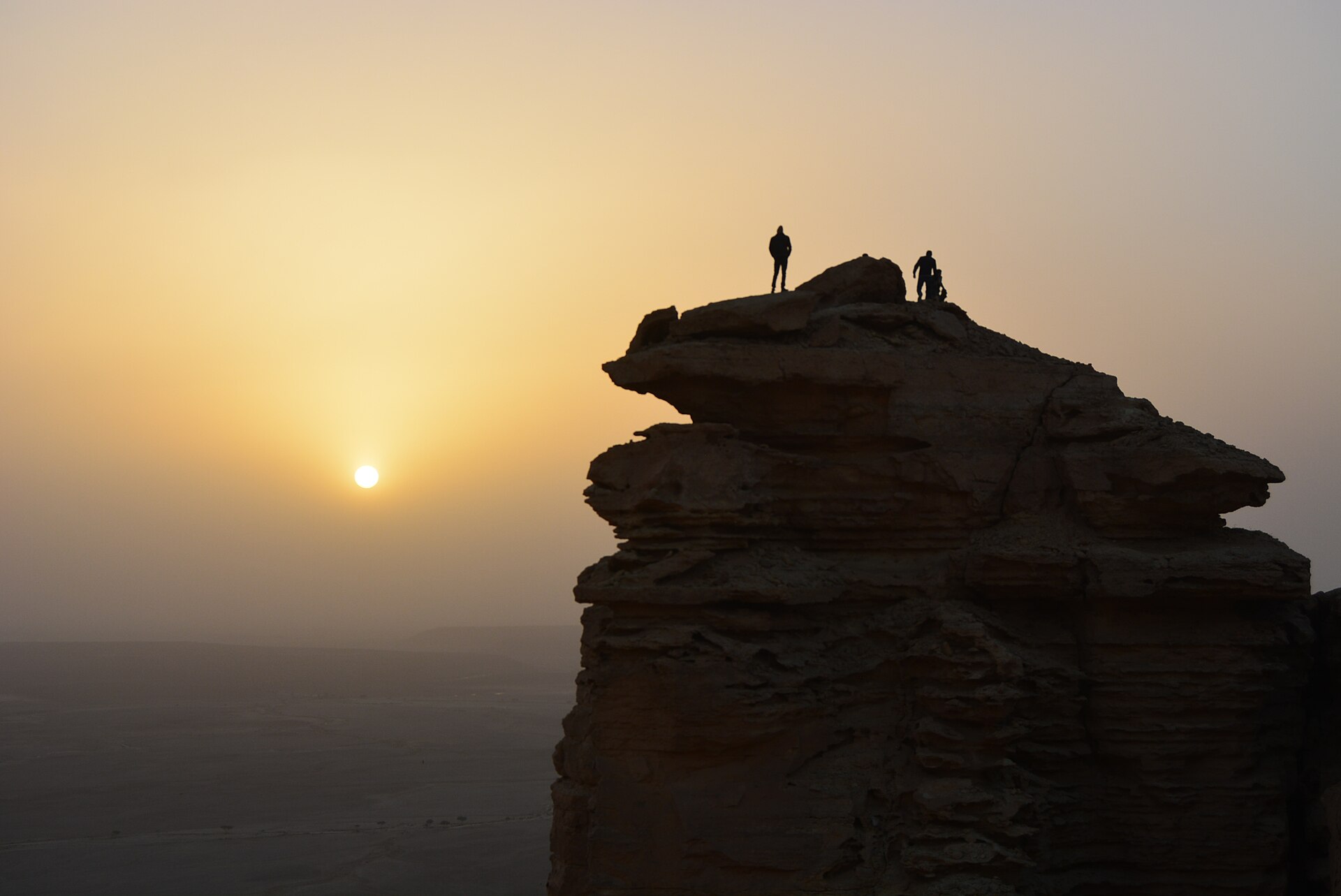
- Edge of the World (Riyadh) — a 90-minute drive followed by an easy 20-minute hike to the cliff edge; best at sunset
- Wadi Lajab (Jizan) — a dramatic slot canyon with waterfalls in the far southwest, accessible only on foot through a stream bed
- Wadi Disah (Tabuk) — a canyon walk through towering red sandstone walls with palm-fringed oases
- Al Souda trails (Abha) — highland paths near the Kingdom’s highest peak, with views stretching to the Tihama coastal plain
- Shada Mountain (Al Baha) — a challenging climb through juniper forests to a 2,200-metre summit
- Ramadan respect: Do not eat, drink, or smoke in public during daylight hours in the first half of March. This applies to all visitors regardless of religion.
- Photography: Always ask before photographing people, particularly during Eid family celebrations. Women in particular should not be photographed without explicit permission.
- Dress code: Modest dress is expected year-round but is especially important during Ramadan. Women are not required to wear an abaya but should cover shoulders and knees. Men should avoid shorts above the knee in public spaces.
- Prayer times: Shops and some attractions close briefly during the five daily prayer times. This is less strictly observed in malls and tourist-oriented venues, but plan for 15–20 minute pauses.
- Days 1–3: Riyadh — National Museum, Al Masmak Fortress, Diriyah and Bujairi Terrace, Souq Al Zal, Edge of the World sunset trip, Riyadh Season events (if visiting early March)
- Day 4: Fly to AlUla — Arrive and explore AlUla Old Town, sunset at Elephant Rock
- Days 5–6: AlUla heritage — Hegra guided tour (book sunset slot), Dadan ruins, Jabal Ikmah open-air library, Maraya concert hall, stargazing safari
- Day 7: Return via Riyadh or Jeddah — morning flight connection
- Days 1–2: Jeddah — Al-Balad walking tour, Corniche evening stroll, Tayebat Museum, floating mosque at sunset
- Days 3–4: Red Sea diving — Day-boat diving or snorkelling trips from Jeddah or Yanbu; options range from beginner reef sites to advanced wreck dives
- Day 5: Day trip to Taif — Drive the scenic Hada mountain road (2 hours), visit the rose farms (if blooming), Shubra Palace, and the Taif cable car
- Saudi Arabia Travel Guide 2026 — The complete guide to visiting the Kingdom
- Best Time to Visit Saudi Arabia — Month-by-month climate and event breakdown
- Saudi Arabia Events Calendar 2026 — Every festival, season, and major event
- Riyadh Season Guide 2025–2026 — Zones, tickets, and what to know
- Saudi Arabia Itinerary: 7, 10 & 14-Day Plans — Structured route options for every trip length
- Saudi Arabia Visa Guide — Every visa type explained
Ramadan and Eid al-Fitr: The Defining Feature of March 2026
In 2026, Ramadan began on 18 February and concluded on 18 March, with Eid al-Fitr falling on Friday 20 March. This means the first two-and-a-half weeks of March are Ramadan, while the final ten days are dominated by Eid celebrations and the four-day public holiday (18–23 March for private sector employees). Understanding this rhythm is essential for planning a March visit.
Travelling During Ramadan (1–18 March)
During Ramadan, the daily rhythm of Saudi Arabia transforms. Restaurants and cafes close during daylight hours (though hotel restaurants typically serve guests discreetly behind screens), and public eating, drinking, and smoking in the open is prohibited from dawn to sunset. Non-Muslims are not required to fast, but are expected to refrain from consuming food and drink in public spaces.
The upside? Ramadan is a deeply atmospheric time to visit. After sunset, cities come alive with iftar — the evening meal that breaks the fast. Streets fill with families, night markets buzz, and many mosques offer communal meals to visitors of all backgrounds. Historic districts in Jeddah’s Al-Balad and Riyadh’s Diriyah host special Ramadan cultural events, including heritage pop-ups, traditional performances, and late-night bazaars that run well past midnight.
Practical tip: Supermarkets and grocery stores remain open during the day throughout Ramadan. Tourist attractions generally operate on reduced hours — many open later (around 10:00 AM) and close earlier (around 3:00 PM), then reopen after iftar until late. Always check specific venue hours before heading out.
Eid al-Fitr (20–23 March 2026)
Eid al-Fitr marks the end of Ramadan and is one of Saudi Arabia’s biggest celebrations. Cities erupt with fireworks, family gatherings, festive markets, and parades. Shopping malls extend their hours, parks fill with families, and there is a palpable sense of joy in the air. For travellers, it is an extraordinary cultural experience — but comes with logistical challenges.
Hotel prices across the Kingdom spike by 30–60% during the Eid holiday, and popular destinations like Abha, Taif, and Al Khobar’s corniche are heavily booked by domestic tourists. Domestic flights sell out weeks in advance. If you plan to visit over Eid, book accommodation and transport at least six weeks ahead.
Events and Festivals in March
Riyadh Season (Final Weeks)
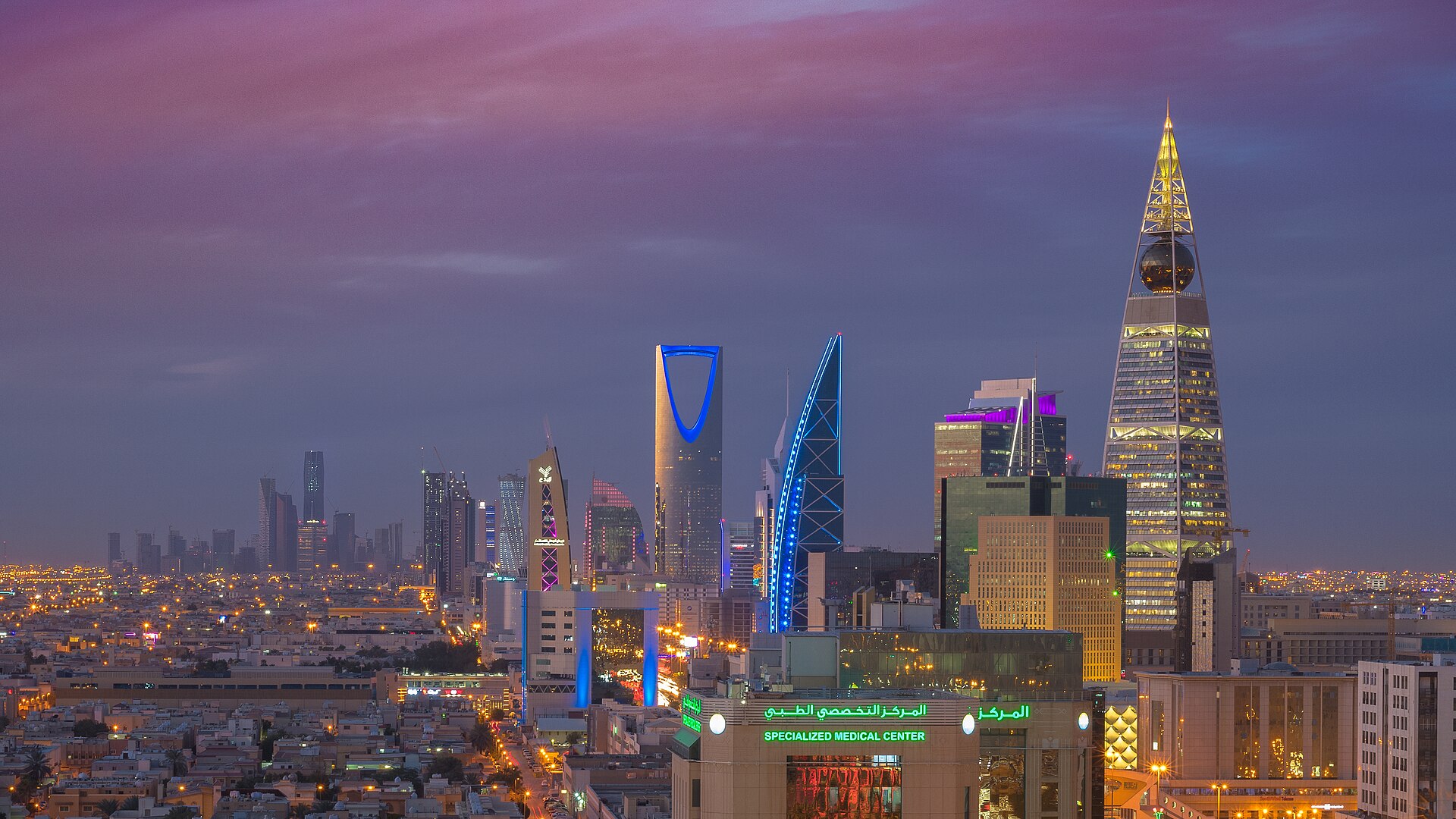
The 2025–2026 Riyadh Season runs from 10 October through 20 March, meaning March catches the final stretch of the Middle East’s largest entertainment festival. Spread across 11 zones in the capital — including Boulevard World, Via Riyadh, and Winter Wonderland — the festival features concerts, international dining, immersive attractions, and world-class sporting events. The closing weeks tend to be less crowded than the peak November–January period, offering a smoother experience with shorter queues.
MDLBeast Soundstorm
MDLBeast Soundstorm, the Middle East’s largest music festival, was held in Banban, Riyadh from 4–9 March 2026. The festival typically features a lineup of international and regional DJs and artists performing across multiple stages in the desert north of Riyadh. Note that in 2026, Soundstorm overlapped with Ramadan, which affected event format and timing — performances shifted to post-iftar hours.
Saudi Flag Day (11 March)
Observed annually on 11 March, Saudi Flag Day commemorates the green flag bearing the shahada and sword that has been the Kingdom’s symbol since 1973. Government buildings and public spaces are decorated with flags, and many cities host cultural displays and patriotic events. It is a regular working day but adds a festive atmosphere.
Taif Rose Harvest (Late March Onward)
The famous Taif Damascus rose begins to bloom in late March and reaches full harvest through April. The highland city of Taif, roughly 1,700 metres above sea level, transforms into a fragrant landscape of pink rose farms. The annual Taif Rose Festival typically launches in April, but the rose farms themselves welcome visitors from late March. Tours of the rose distilleries — where petals are steamed into precious rose water and essential oil — are a unique experience found nowhere else in the Kingdom.
Best Places to Visit in March
Riyadh and Surroundings
March is arguably the best month to explore Riyadh. The capital’s outdoor attractions — which are uncomfortably hot from May through September — are at their most enjoyable. The Edge of the World (Jebel Fihrayn), a dramatic escarpment in the Tuwaiq Mountains about 90 minutes from the city, offers one of Saudi Arabia’s most spectacular sunset experiences. The hour-long drive from Riyadh followed by a 20-minute hike rewards visitors with panoramic views over an ancient seabed stretching to the horizon.
Within the city, the Diriyah district — the UNESCO-listed birthplace of the first Saudi state — is a must-visit. The At-Turaif ruins are beautifully lit after dark, and the adjacent Bujairi Terrace offers high-end dining with views of the historic mud-brick walls. The National Museum, Al Masmak Fortress, and the bustling Souq Al Zal (best visited on Friday mornings) round out a strong Riyadh itinerary.
AlUla
March is one of the best months to visit AlUla. Daytime temperatures of 27–28°C and cool nights of around 10°C make it ideal for exploring the vast open-air heritage sites. Hegra (Mada’in Salih), Saudi Arabia’s first UNESCO World Heritage Site, features over 110 monumental tombs carved into sandstone outcrops by the Nabataeans more than 2,000 years ago. Book a time slot as close to sunset as possible for the most dramatic lighting on the carved facades.
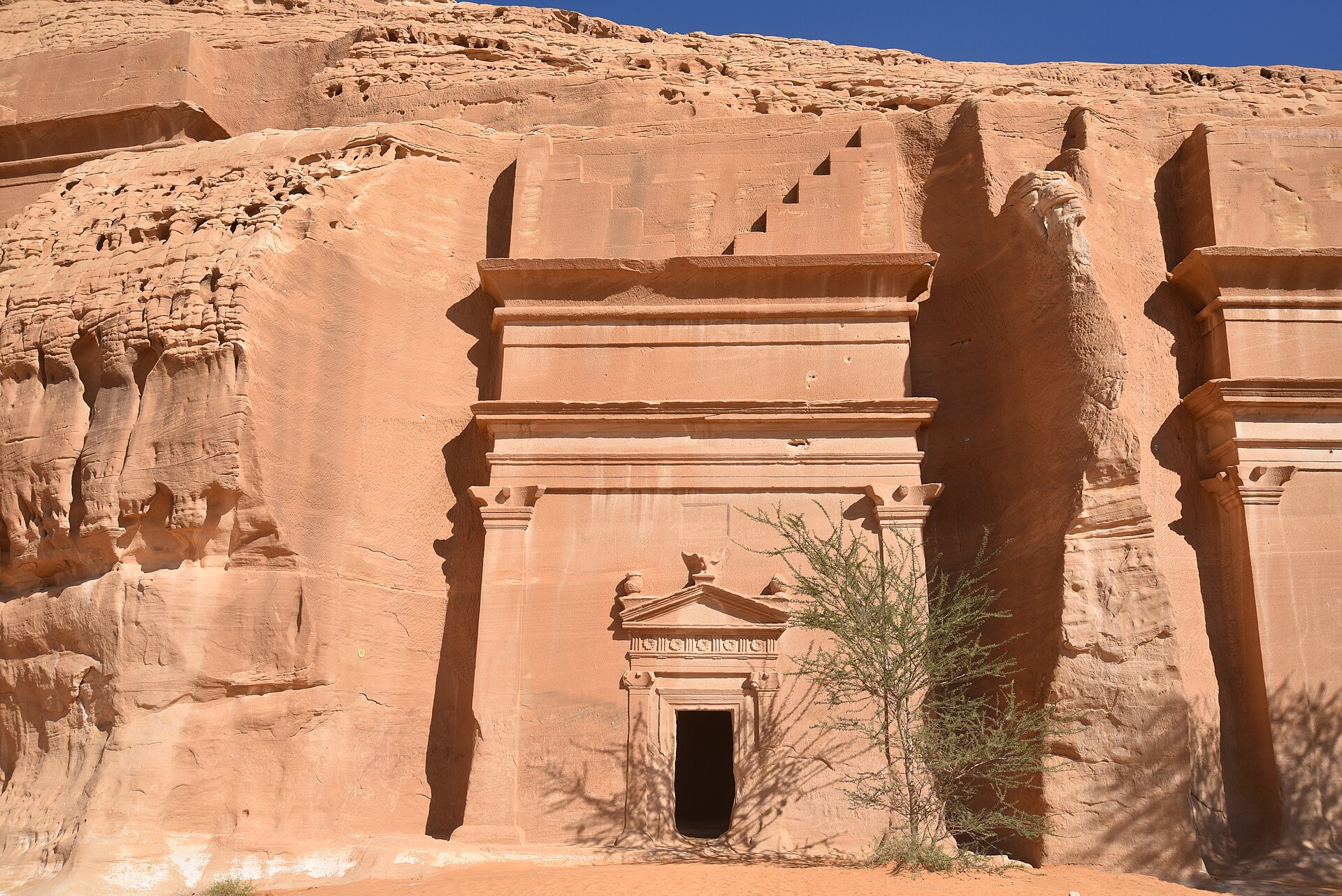
Beyond Hegra, AlUla offers Elephant Rock (Jabal AlFil), the ancient Dadan kingdom ruins, the atmospheric AlUla Old Town, and Maraya — the mirrored concert hall that holds the Guinness record for the world’s largest mirrored building. The Winter at Tantora festival wraps up in early January, but AlUla’s year-round cultural programming means there are typically exhibitions, adventure activities, and heritage experiences running through March.
Jeddah and the Red Sea Coast
Jeddah in March is warm but manageable, with temperatures rarely exceeding 32°C. The historic Al-Balad district — a UNESCO World Heritage Site featuring coral-stone tower houses with ornate wooden balconies (rawasheen) — is best explored on foot in the morning before the midday heat. The Jeddah Corniche, stretching 30 km along the Red Sea waterfront, comes alive in the evenings with families, street food vendors, and the city’s open-air sculpture museum.
March is also an excellent month for Red Sea diving and snorkelling. Water temperatures sit around 24–26°C, visibility is strong, and dive sites along the coast — including reefs near Yanbu and the Farasan Islands further south — are uncrowded compared to peak holiday periods.
Abha and the Asir Highlands
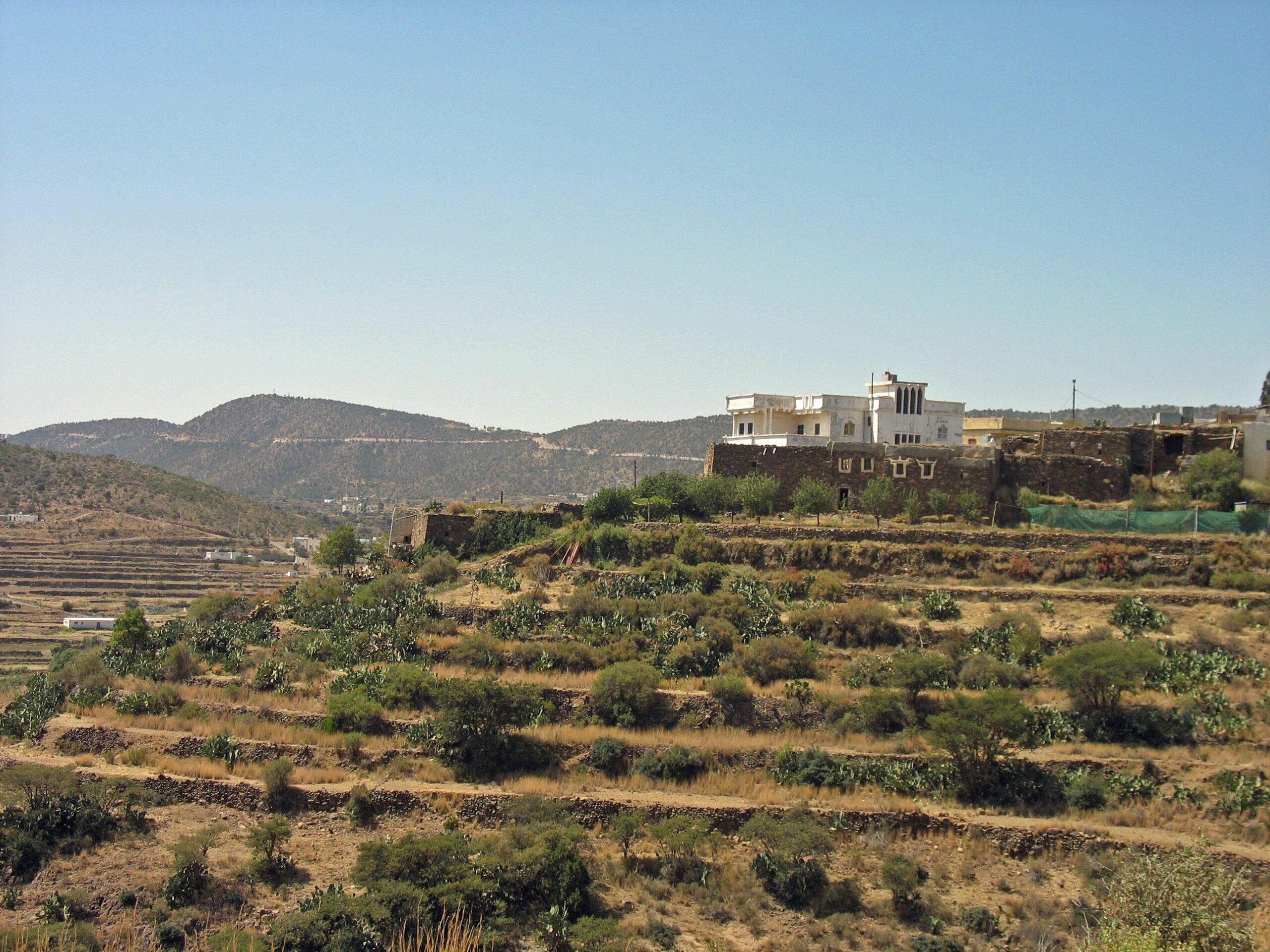
For travellers seeking cooler temperatures, Abha and the Asir region offer a striking contrast to the rest of the Kingdom. Perched at over 2,200 metres, Abha sees March temperatures between 14–28°C with occasional rain showers that keep the highland terraces green. The region’s painted villages — particularly Rijal Almaa, a restored heritage village with colourful stone towers — are among Saudi Arabia’s most photogenic destinations. The cable car from Abha to the nearby hill station of Al Souda (Jabal Sawda, the Kingdom’s highest point at 3,015 metres) offers panoramic views across the Asir Mountains.
Tabuk and the Northwest
The Tabuk region in the northwest is one of Saudi Arabia’s coolest areas in March, with highs around 22–26°C and nights dropping to single digits. The region is home to dramatic landscapes including the red sandstone formations of Wadi Disah (sometimes called the “Grand Canyon of Saudi Arabia”) and the ancient Nabataean ruins at the oasis town of Tayma. Tabuk is also the gateway to the NEOM coastline, where the Red Sea meets temperate mountain climate.
Outdoor Activities in March
Desert Camping and Stargazing
March offers some of the last comfortable weeks for desert camping before summer temperatures make overnight stays impractical. The Empty Quarter (Rub’ al Khali) on the southern border, the red sands of the Dahna desert east of Riyadh, and the volcanic lava fields (harrats) north of Medina all offer extraordinary camping under some of the darkest skies in the Middle East. Guided overnight safaris from Riyadh typically include dune-bashing, camel rides, and a traditional bedouin-style dinner under the stars.
Hiking
March is peak hiking season across Saudi Arabia. Top trails include:
Diving and Water Sports
The Red Sea coast between Jeddah and Yanbu is in prime condition in March. Visibility regularly exceeds 20 metres, and marine life — including whale sharks (seasonal, more common December–March), reef sharks, manta rays, and vast coral gardens — is abundant. The diving scene is still relatively uncrowded compared to Egyptian or Maldivian equivalents, with pristine sites accessible by day boat from Jeddah, Yanbu, and the NEOM coast.
Practical Information for March Visitors
Visa and Entry
Citizens of over 60 countries can obtain a Saudi tourist e-visa online before travel or on arrival at major airports. The e-visa costs approximately SAR 480 (around $128) and is valid for one year with multiple entries, allowing stays of up to 90 days per visit. Processing is typically instant for e-visa applications. GCC residents holding valid residency can enter without a separate visa.
Getting Around
Saudi Arabia is a vast country — Riyadh to AlUla is over 1,000 km by road. Domestic flights on Saudia, flynas, and flyadeal connect all major cities, with one-way fares typically between SAR 200–600 ($53–$160). Car rental is widely available and is the best way to explore regional destinations like AlUla, Abha, and the Edge of the World, which require driving outside city limits. Riyadh’s metro system, which opened in late 2025, connects key districts across the capital.
Accommodation
March pricing follows a two-tier pattern. During Ramadan (early-to-mid March), hotel rates in leisure destinations like Abha and Al Khobar tend to be slightly lower than peak, while rates in the holy cities of Makkah and Madinah rise significantly. During the Eid al-Fitr holiday (20–23 March), prices spike across the board — budget an additional 30–60% above standard rates, and book well in advance. For detailed recommendations, see the Saudi Arabia Hotels Guide.
Food and Dining During Ramadan
The Ramadan dining schedule takes adjustment. During daylight hours (roughly 5:30 AM to 6:15 PM in March), no food or drink is served publicly. Hotel restaurants serve guests behind screens or curtains. After sunset, the culinary scene explodes: iftar buffets at hotels range from SAR 150–400 ($40–$107) per person, while street-side iftar gatherings near mosques are free and open to all visitors. Suhoor — the pre-dawn meal — creates a unique late-night dining culture, with many restaurants serving until 3:00 AM.
Money-saving tip: Many upscale hotels offer Ramadan iftar packages that bundle accommodation with evening meals. These often represent better value than booking room and meals separately, especially in Jeddah and Riyadh.
Cultural Etiquette in March
Sample March Itineraries
7-Day Highlights (Riyadh + AlUla)
For a comprehensive Saudi itinerary structure, see the 7, 10 and 14-day itinerary guide. A focused March version:
5-Day Coastal Escape (Jeddah + Red Sea)
March Travel Costs
| Category | Budget | Mid-Range | Luxury |
|---|---|---|---|
| Accommodation (per night) | SAR 200–400 ($53–$107) | SAR 500–1,000 ($133–$267) | SAR 1,500+ ($400+) |
| Meals (per day) | SAR 80–120 ($21–$32) | SAR 150–300 ($40–$80) | SAR 500+ ($133+) |
| Domestic flight | SAR 200–600 ($53–$160) one-way | ||
| Car rental (per day) | SAR 150–400 ($40–$107) | ||
| Hegra entry ticket | SAR 95 ($25) | ||
| Edge of the World tour | SAR 200–500 ($53–$133) guided | ||
Eid pricing warning: Expect accommodation costs to increase 30–60% during the Eid al-Fitr holiday (around 18–23 March 2026). Domestic flight prices can double. Book early or plan your trip around the holiday dates.
Is March a Good Time to Visit Saudi Arabia?
March is an excellent month to visit Saudi Arabia — with caveats. The weather is close to ideal across most of the Kingdom: warm enough for desert adventures and diving, cool enough to explore heritage sites and hike comfortably. The cultural calendar is rich, from the last nights of Ramadan through the exuberance of Eid al-Fitr. AlUla, the Asir highlands, and the Red Sea coast are all in peak form.
The trade-offs are practical rather than experiential. Ramadan’s daytime restrictions on food and drink require planning (though they add cultural depth), and the Eid holiday brings crowds and price surges to popular domestic destinations. Travellers who time their visit for either the first week of March (tail end of Ramadan with atmospheric evening culture) or the final days of the month (post-Eid, excellent weather, normal pricing) will find an outstanding balance of conditions.
For month-by-month climate comparisons, see the Best Time to Visit Saudi Arabia guide. For event scheduling across the full year, check the Saudi Arabia Events Calendar 2026.