
Saudi Arabia has changed enormously since the Kingdom opened its doors to tourists in 2019, but clothing expectations for men still catch visitors off guard. The rules are less rigid than many assume — you will not be expected to wear a thobe — yet they are more specific than “just dress modestly.” This guide covers every context you will encounter, from business hotels in Riyadh to beachfront resorts on the Red Sea, mosques, shopping malls, entertainment events and desert excursions. Read it alongside our broader Saudi Arabia Dress Code guide, which covers both men and women, and use it as part of your wider Saudi Arabia travel planning.
Default Rule: Cover shoulders and knees in all public spaces
Safest Everyday Choice: Long trousers and a T-shirt with sleeves
Enforcement: Handled by regular police, not religious police; fines from SAR 100–5,000 (~$27–$1,330)
Visa Required: Yes — tourist e-visa for 49 nationalities
Most Relaxed City: Jeddah
Most Conservative City: Riyadh (with Qassim and Hail stricter still)
Avoid: Sleeveless vests, speedos at public beaches, sleepwear in public, clothing with offensive or political slogans
The Legal Framework: Saudi Public Decency Law
Understanding the law gives you a clear baseline. Saudi Arabia’s Public Decency Regulations, first introduced in 2019 and updated in 2024, set out the Kingdom’s expectations for everyone — citizens and visitors alike. Article 4 states that no person shall appear in a public place wearing “indecent clothing or clothing which bears images, shapes, signs, or phrases that violate public decency.”
In practical terms, the law specifically prohibits the following in public:
- Sleepwear and undergarments — including the traditional night thobe (a lighter, looser version of the daytime thobe). In July 2025, Saudi authorities fined a man for wearing his night thobe on a public street, and the video was circulated as a public awareness campaign.
- Clothing with offensive slogans — particularly anything mocking or referencing Saudi Arabia, the government, the royal family, or Islam.
- Clothing with racial emblems or imagery that “promotes depravity.”
- T-shirts are perfectly fine in all public spaces, including malls, restaurants, tourist attractions and city streets.
- Short-sleeved shirts (polo shirts, button-downs, casual cotton shirts) are the most versatile option.
- Long-sleeved shirts are appreciated in more formal or conservative settings and essential for mosques.
- Sleeveless shirts, muscle vests and tank tops should be avoided in all public areas. You will attract unwanted attention and may be refused entry to malls or restaurants.
- Long trousers — jeans, chinos, cotton trousers, cargo trousers — are always the safest choice and appropriate everywhere.
- Knee-length shorts are tolerated in casual settings such as tourist areas, corniche promenades and some malls, particularly in Jeddah. However, many upscale restaurants and malls will turn away men in shorts, even long ones.
- Short shorts (above the knee) are not appropriate anywhere in public.
- If in doubt, wear trousers. They are more respectful to local customs and will never cause a problem.
- Trainers, loafers, sandals and flip-flops are all fine for casual settings.
- For mosques, choose slip-on shoes — you will be removing them frequently.
- Upscale restaurants and hotels may refuse trainers or flip-flops; pack a pair of smart shoes or clean leather sandals.
- Saudi business counterparts may wear either a thobe or a Western-style suit. You should wear your usual business attire — do not try to wear a thobe to a meeting, as it will look out of place.
- During the sweltering summer months, it is acceptable to remove your jacket at the host’s invitation, but bring it with you.
- Formal shoes (lace-ups or polished loafers) are expected. Avoid trainers or sandals in any professional setting.
- For business dinners at upscale restaurants, smart casual is the minimum — collared shirt, pressed trousers and smart shoes.
- Long trousers are mandatory. Shorts are not acceptable, regardless of length.
- Long-sleeved shirts are highly advisable. Short sleeves are technically permitted, but when you bow during prayer, your shoulders may become exposed. Long sleeves avoid this issue entirely.
- Clothing must be clean, modest and loose-fitting. Avoid tight-fitting garments, torn clothing, or anything with slogans or images.
- No headcovering is required for men at mosques, though some choose to wear a kufi (prayer cap).
- Wear slip-on shoes. You will remove your shoes before entering the prayer hall. Racks and bags are usually provided at major mosques.
- You do not need to wear a thobe. Modest Western clothing that meets the above criteria is perfectly acceptable.
- Swim shorts that reach the knee are the standard. Board shorts work well.
- Speedos, short swim trunks and budgie smugglers are not acceptable at public beaches.
- Going shirtless at a public beach is a grey area. Some men do swim without a shirt at public beaches, particularly in Jeddah and along the Red Sea coast. The safest approach is to observe what other men are doing at the specific beach and follow suit. If you are the only person without a shirt, put one on.
- Always cover up when leaving the beach. Walking into a nearby cafe, car park or road in just swim shorts is not acceptable.
- Regular swim shorts and going shirtless by the pool are fine at resort pools and private beach areas.
- Cover up with a shirt or kaftan when moving through the hotel lobby or restaurant areas.
- Each resort may have its own specific rules — check with your hotel when you arrive.
- Long trousers and a T-shirt or polo shirt is the ideal combination for mall visits.
- Knee-length shorts are increasingly tolerated in malls in Jeddah, but many Riyadh malls still frown on them.
- Sleeveless tops are not appropriate in malls.
- For a casual lunch in a mall food court, a T-shirt and trousers is fine. For a sit-down restaurant in a hotel or upscale district, upgrade to a collared shirt.
- Fine-dining restaurants — especially those in five-star hotels and Riyadh’s Diplomatic Quarter — may enforce a smart-casual minimum (collared shirt, long trousers, closed shoes). Some will explicitly refuse entry to men in shorts, even knee-length ones.
- Long trousers and a T-shirt or casual shirt is appropriate for most Riyadh Season zones, concerts and sporting events.
- Avoid sleeveless tops and short shorts, even at entertainment venues.
- Wear comfortable walking shoes. Boulevard World alone covers an enormous area and you will be on your feet for hours.
- Some events (such as WWE, boxing and concerts at Kingdom Arena) publish their own dress standards — check the event booking page before you go.
- For the Jeddah F1 Grand Prix, smart casual is standard in hospitality areas, while general admission is more relaxed — T-shirts and trainers are fine.
- Quick-dry trousers or knee-length shorts, a T-shirt, and hiking boots or sturdy trainers.
- In desert environments, long trousers and long sleeves are practical anyway (sun protection, sand abrasion, thorns).
- A lightweight scarf or buff is useful for dust protection — and doubles as a culturally appropriate covering if you pass through a village.
- The thobe — a white or beige ankle-length robe in summer (cotton or linen) and heavier wool or polyester in darker colours during winter.
- The ghutra or shemagh — the headcovering. A plain white ghutra is worn for daily use; the red-and-white patterned shemagh has become an icon of Saudi identity.
- The agal — a black cord that holds the ghutra/shemagh in place on the head.
- Saudis are generally delighted when tourists show interest in their national dress. Trying on a thobe at a cultural event, heritage village or souk is warmly welcomed.
- However, wearing a thobe to a business meeting as a Westerner will look odd. Stick to your usual business attire.
- Wearing a thobe is obligatory for entering government institutions — but this applies to Saudi citizens and residents, not tourists.
- If you want to buy a thobe as a souvenir, the best places are the traditional souks in Al Balad, Jeddah or the tailors in Riyadh’s Al Batha district.
- Wearing sleeveless vests or tank tops in malls. This is the single most common mistake. Even in casual Jeddah, sleeveless tops will attract disapproving looks and may get you stopped by security.
- Wearing speedos at public beaches. Knee-length board shorts are the minimum. Tight swimwear is for resort pools only.
- Wearing shorts to a restaurant. Many upscale restaurants will simply refuse entry. Even mid-range eateries may ask you to come back in trousers.
- Walking around in gym clothes. Change before you leave the gym or hotel fitness centre.
- Wearing clothing with political or religious slogans. This includes anything referencing alcohol brands, offensive imagery, or political statements about Saudi Arabia, the Gulf or Islam.
- Wearing pyjamas or sleepwear to the corner shop. This applies to Saudi nationals and tourists alike — the 2025 fine case was widely publicised as a warning.
- Assuming everywhere is the same. What flies in a Jeddah beach cafe will not fly in a Riyadh government office or a Qassim town.
- 3-4 lightweight T-shirts (with sleeves, neutral colours)
- 2 polo shirts or button-down casual shirts
- 1 long-sleeved shirt (for mosques and formal settings)
- 2-3 pairs of long trousers (chinos or lightweight cotton)
- 1 pair of knee-length shorts (for Jeddah beach areas and resort pools)
- 1 pair of knee-length swim shorts (no speedos)
- 1 smart-casual outfit (collared shirt + pressed trousers + smart shoes — for fine dining or events)
- Comfortable walking shoes or trainers
- Slip-on shoes or sandals (for mosque visits)
- A lightweight scarf or buff (sun and dust protection in desert settings)
- Sunglasses, sunscreen and a hat (wide-brimmed or baseball cap — both are fine)
- Saudi Arabia Dress Code for Tourists 2026 — Full guide covering both men and women
- Saudi Arabia Customs and Etiquette — What not to do in the Kingdom
- Non-Muslim Travel in Saudi Arabia — What is allowed and what to expect
- Mosque Etiquette in Saudi Arabia — A visitor’s complete guide to mosque visits
- Riyadh Season Guide 2025-2026 — Events, zones, tickets and dress tips
- Saudi Arabia Travel Guide 2026 — The complete guide to visiting the Kingdom
- Saudi Arabia Visa Guide — Every visa type explained
Fines start at SAR 100 (~$27) for a first-time dress code violation and increase to SAR 200 for repeat offences, though Article 8 of the regulations allows fines up to SAR 5,000 (~$1,330) with penalties doubled for repeat offences within a year. Enforcement is handled by regular police, not the Committee for the Promotion of Virtue and Prevention of Vice (the religious police), whose powers were significantly curtailed in 2016 under Vision 2030 reforms.
Practical note: In practice, tourists are extremely unlikely to be fined for a dress code violation. Police will usually ask you to cover up or leave the venue before issuing a fine. But following the guidelines below will ensure you never face that conversation in the first place.
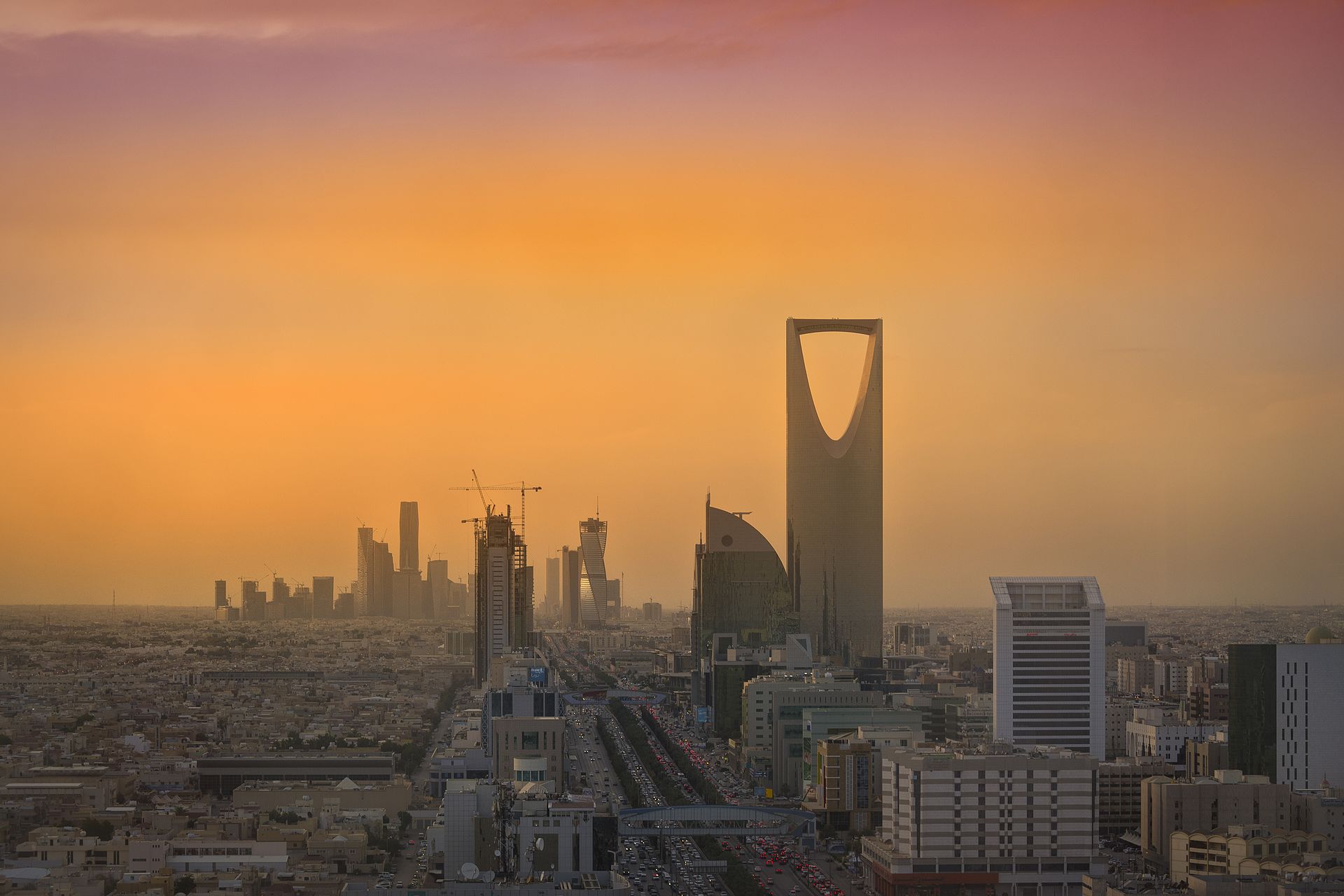
Everyday Casual Wear: What to Pack
The single most important rule for male tourists in Saudi Arabia is straightforward: cover your shoulders and your knees. Beyond that, you have considerable freedom. You do not need to buy any special clothing for a trip to the Kingdom. The following everyday items will see you through almost every situation.
Shirts and Tops
Trousers and Shorts
Footwear
Colours and Fabrics
Saudi Arabia’s climate is extreme. Temperatures in Riyadh regularly exceed 45C (113F) in summer, and even winter days are warm by European standards. Pack lightweight, breathable fabrics — cotton, linen and moisture-wicking synthetics. Light colours (white, beige, pale blue) reflect heat better than dark clothing. That said, there is no rule against dark colours, and you will see Saudi men wearing black or navy bishts over their thobes at formal events.
Business and Formal Dress Code
If you are visiting Saudi Arabia for business meetings, the expectation is clear: a dark suit and tie in conservative colours. Navy, charcoal grey or black suits are standard. A white or pale blue shirt underneath is the safest choice.
Key Business Dress Rules
Tip for conferences and trade shows: Large events such as LEAP, the Future Investment Initiative (FII) and Riyadh Season corporate functions typically publish their own dress guidelines. Check the event’s website before you pack. The general rule is: smart business casual at minimum.
Mosque Dress Code for Men
Mosques in Saudi Arabia have the strictest dress expectations, and rightly so — they are places of worship. If you are visiting a mosque as a tourist (many Saudi mosques welcome non-Muslim visitors outside of prayer times), or if you are a Muslim visitor performing prayers, the requirements go beyond the standard public dress code. For a full guide to visiting Saudi mosques, including behavioural etiquette, see our Mosque Etiquette guide.
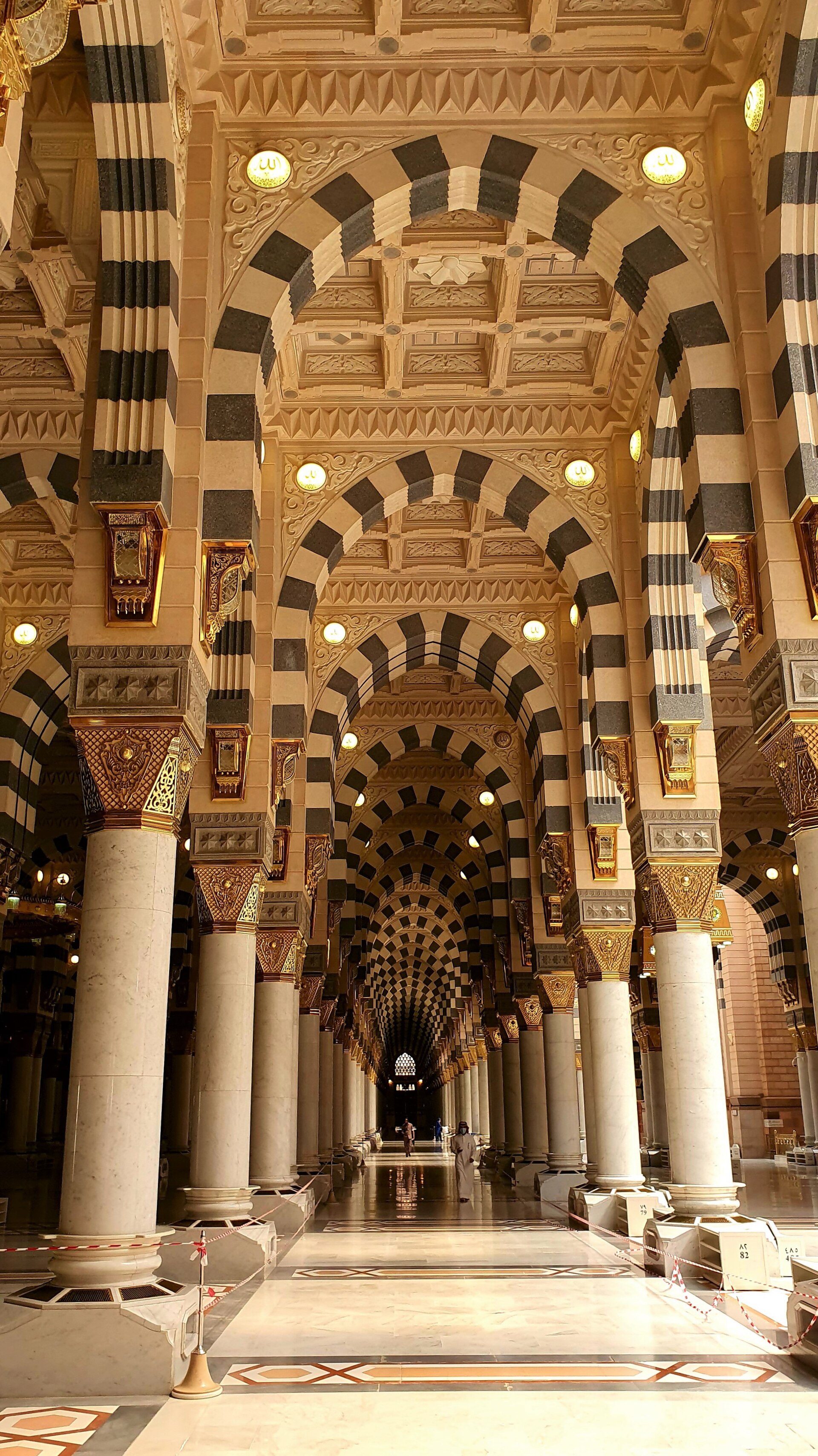
What to Wear at a Mosque
For visits to the Grand Mosque in Mecca or the Prophet’s Mosque in Medina, the same rules apply, though the sheer scale and sacredness of these sites makes conservative dress particularly important. Pilgrims performing Umrah or Hajj wear ihram — two unstitched white cloths — which is a separate and specific requirement covered in those guides.
Beach, Pool and Resort Dress Code
Saudi Arabia’s beaches and resort pools are where the rules split most sharply between public and private settings.
Public Beaches
Resort Pools and Private Beaches
Private resort pools, hotel beaches and beach clubs operate on significantly more relaxed standards. At high-end Red Sea resorts (AMAALA, The Red Sea destination and similar developments), standard Western swimwear is the norm.
For beach and water activity recommendations, see our guides to scuba diving, snorkelling and Red Sea watersports.
Shopping Malls and Restaurants
Saudi malls are social hubs, not just retail spaces, and they have their own unwritten dress code.
Entertainment Events and Riyadh Season
Saudi Arabia’s entertainment sector has exploded since 2019. Riyadh Season, the Kingdom’s flagship entertainment festival, draws over 11 million visitors across six months of concerts, sports events and themed zones. Entertainment events are notably more relaxed than everyday public spaces — you will see younger Saudis in fashion-forward, trendy outfits — but the baseline modesty rules still apply.
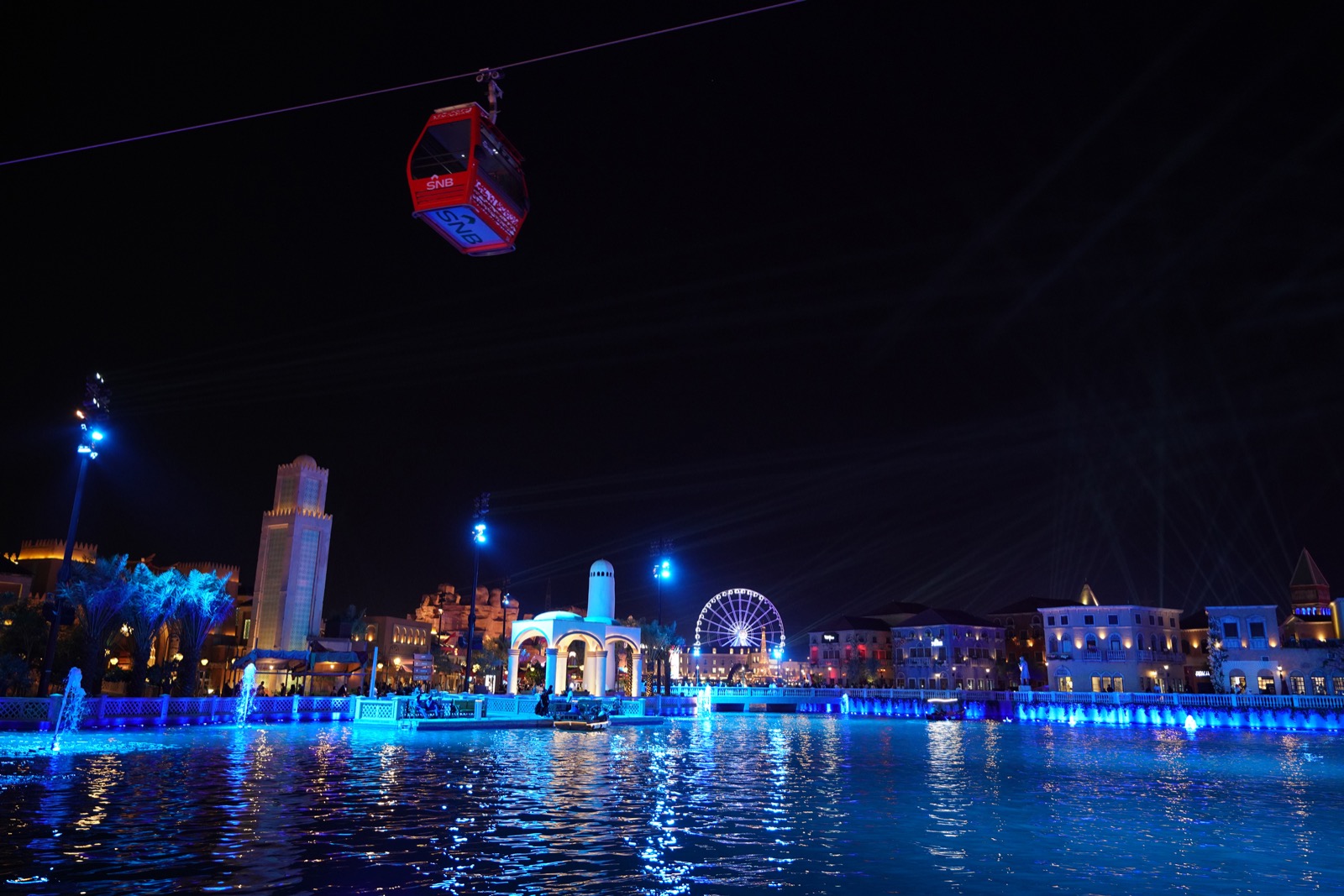
What to Wear at Events
The Gym, Sports and Outdoor Activities
Gyms
Gyms in Saudi Arabia are gender-segregated, which means the dress code within a men-only gym is relatively relaxed. Standard gym clothing — shorts, T-shirts, trainers — is fine. However, avoid wearing gym clothing (especially tight leggings, muscle vests or compression wear) outside the gym. Change before you leave the building.
Outdoor Sports and Desert Activities
For hiking, dune bashing, desert camping and other outdoor activities, standard athletic clothing is appropriate:
Understanding the Thobe: Saudi National Dress for Men
You will see Saudi men wearing the thobe (also spelled thawb) everywhere — a long, loose-fitting white robe made from 22 embroidered pieces that reaches the ankles. The standard Saudi ensemble consists of three elements:
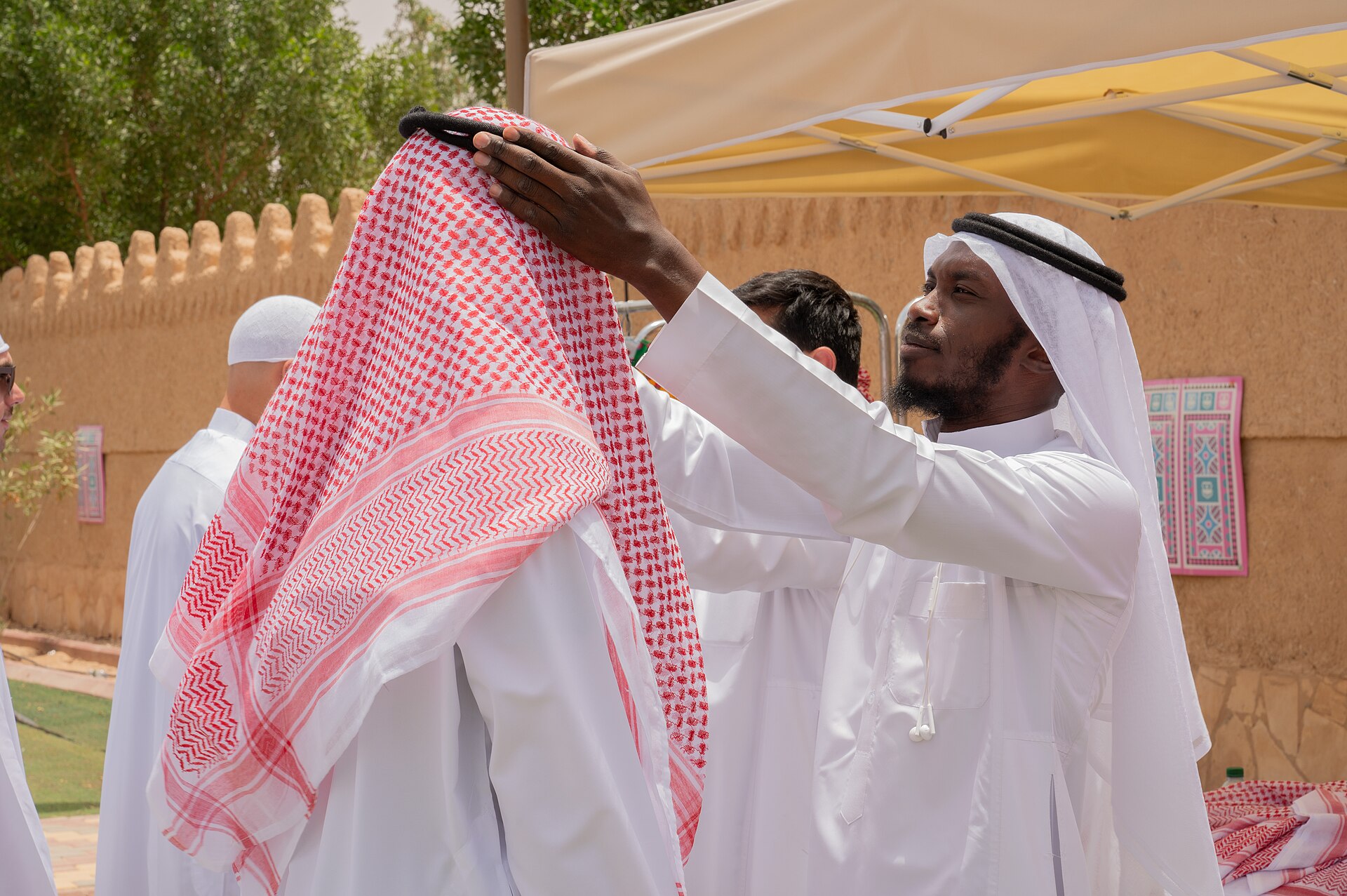
For formal occasions, some men add the bisht — a flowing cloak worn over the thobe, typically in brown, black or gold. The bisht signifies prestige and tradition and is commonly seen on officials, at weddings and during religious holidays.
Should You Wear a Thobe?
This is a common question among travellers. The short answer: you can, but you don’t need to, and you probably shouldn’t in formal or business settings.
City-by-City Expectations
Saudi Arabia is not monolithic. Dress code expectations vary significantly depending on where you are.
| City / Region | Dress Code Atmosphere | What You Can Wear |
|---|---|---|
| Jeddah | Most relaxed city in Saudi Arabia | T-shirts, knee-length shorts widely accepted in malls and tourist areas. Corniche and waterfront very casual. |
| Riyadh | Moderately conservative | T-shirts fine, but long trousers preferred in malls. Shorts tolerated in some areas but not universal. Business district and DQ expect smart dress. |
| Dammam / Al Khobar | Moderate, influenced by expat presence | Similar to Riyadh. Corniche areas more relaxed. |
| AlUla | Tourist-oriented, relaxed | Casual wear fine. Standard modesty rules at heritage sites. |
| Qassim / Hail | More conservative inland regions | Long trousers and sleeved shirts strongly recommended. Avoid shorts entirely. |
| Abha / Asir | Traditional highland culture | Long trousers and shirts. Cooler temperatures make this natural anyway. |
| Medina | Conservative (holy city) | Long trousers, long sleeves preferred. Mosque dress code in and around the Prophet’s Mosque area. |
Common Mistakes to Avoid
These are the most frequent dress-code errors that get male tourists into uncomfortable situations:
What About Tattoos, Jewellery and Grooming?
Visible tattoos are not illegal in Saudi Arabia and will not get you fined. However, in conservative areas and mosques, covering tattoos with long sleeves is a considerate choice. Jewellery — watches, rings, necklaces, bracelets — is fine for men and widely worn by Saudis themselves. There are no restrictions on hairstyles or facial hair. Earrings and piercings are increasingly common among younger Saudi men in Riyadh and Jeddah, though they may draw attention in more traditional areas.
Packing List: What to Bring for a Week in Saudi Arabia
Based on everything above, here is a practical packing suggestion for a one-week trip covering multiple Saudi cities:
For a detailed packing guide covering all essentials including electronics, documents and medications, see our Saudi Arabia Travel Guide. If you are combining your trip with Umrah, our Umrah Packing List covers the specific requirements for pilgrimage clothing.
Frequently Asked Questions
Can men wear shorts in Saudi Arabia?
Yes, but with caveats. Knee-length shorts are legally permitted and tolerated in casual settings, particularly in Jeddah and at tourist attractions. However, long trousers are always the safer and more respectful choice, and many restaurants and malls will not admit men in shorts. Short shorts (above the knee) are not appropriate anywhere in public.
Do I have to wear a thobe?
No. Tourists are not expected to wear a thobe. Modest Western clothing — a T-shirt and long trousers — is perfectly acceptable everywhere. The thobe is Saudi national dress and wearing it is optional even for Saudi citizens in most settings.
Can I wear a vest or sleeveless shirt?
No. Sleeveless shirts, muscle vests and tank tops should be avoided in all public spaces in Saudi Arabia, including malls, restaurants, streets and tourist attractions. The only exception is inside a gym or at a private resort pool.
What should I wear to a mosque?
Long trousers and a long-sleeved shirt (or at minimum a short-sleeved shirt that covers the shoulders completely). Clothing should be clean, loose-fitting and free of slogans or images. Slip-on shoes are practical. For more detail, read our Mosque Etiquette guide.
Is the dress code strictly enforced?
Enforcement is real but proportionate. Regular police handle dress code violations, not religious police. First-time fines start at SAR 100 (~$27). In practice, tourists are almost always warned verbally before any fine is considered. The bigger risk is being refused entry to a mall, restaurant or attraction.
Are there different rules for different cities?
Yes. Jeddah is the most relaxed city, where knee-length shorts and casual T-shirts are widely accepted. Riyadh is more conservative, and inland regions such as Qassim and Hail are more traditional still. Medina, as a holy city, expects particularly modest dress. See the city-by-city table above.