
Saudi Arabia has undergone a dramatic transformation in how visitors are expected to dress. Since the Kingdom opened to leisure tourism in 2019 as part of its wider Vision 2030 tourism strategy, the once-strict dress code has relaxed considerably — but it has not disappeared. Whether you are exploring the souqs of Riyadh, attending a Riyadh Season event, visiting mosques in Madinah, or lounging at a Red Sea resort, what you wear still matters. This guide covers exactly what women and men should pack, what the law actually says, and how expectations differ by city and venue across the Kingdom in 2026.
Key Rule: Modest clothing covering shoulders and knees in all public spaces
Abaya Required? No — not required for tourists since 2018 (MBS statement)
Head Covering: Not legally required for non-Muslim women (carry a scarf for mosques)
Visa Required: Yes — tourist e-visa available online
Best Fabrics: Lightweight cotton and linen in light colours
Avoid: Sleeveless tops, short shorts, tight or transparent clothing in public areas
The Legal Framework: Saudi Arabia’s Public Decency Law
Saudi Arabia’s dress code is governed by the Public Decency Regulations, enacted by the Council of Ministers on 9 April 2019. This law replaced the informal enforcement previously carried out by the religious police (mutawa) with a codified system enforced by regular police officers.
The law identifies 19 offences related to public behaviour and appearance. For dress code, the key requirements are:
- Clothing must be modest and respectful — covering shoulders, upper arms, and knees
- No sleepwear, underwear, or excessively revealing garments in public spaces
- No clothing with provocative slogans, racial emblems, or imagery that offends public morality
- No excessively tight or transparent clothing
- Maxi dresses with sleeves (avoid strapless or spaghetti straps)
- Loose trousers — wide-leg or palazzo style — paired with tunics or long blouses
- Midi skirts (below the knee) with modest tops
- Long-sleeve shirts with modest necklines
- Light cardigans for layering over short sleeves and for aggressive air conditioning
- Jumpsuits — avoid tight fits and excessive chest or shoulder exposure
- Jeans — acceptable; pair fitted styles with tops that cover the hips
- Leggings — permitted when paired with a loose top extending below the lower back
- Slip-on shoes for easy removal at mosques
- Wide-brimmed hat for sun protection
- Always wear a shirt — going shirtless in any public area is unacceptable
- Avoid sleeveless vests and tank tops in public spaces
- Knee-length shorts are tolerated in casual settings, particularly in Jeddah; long trousers are preferred elsewhere and required at upscale venues
- No sleepwear in public — this is actively enforced (see fine table above)
- For mosques: long trousers and a sleeved shirt are required; head covering is welcomed but not mandatory
- Swimming: knee-length or longer swim shorts; avoid speedos and very short trunks at public beaches
- Closed-toe shoes for restaurants and formal settings
- Women: full hair coverage with a headscarf, a full-length loose garment covering wrists to ankles, shoes removed at entrance
- Men: long trousers and a sleeved shirt, shoes removed; head covering is welcomed but not required
- Women: one-piece swimsuits, rash guards, swim leggings, or burkini. Some public beaches have women-only sections where standard swimwear including bikinis is allowed
- Men: knee-length swim shorts; avoid speedos and very short trunks
- Cover up with a sarong or kaftan when leaving the beach for nearby restaurants or shops
- Bikinis and standard international swimwear are generally acceptable within resort grounds
- Cover up with a sarong or kaftan in common areas, restaurants, and lobbies
- Saudi Arabia hosted its first-ever swimsuit fashion show at Red Sea Fashion Week in 2024, signalling the direction of travel for resort zones
- Cover shoulders, elbows, and knees at all times — even in places where slightly less coverage is tolerated outside Ramadan
- Avoid bright or attention-grabbing clothing during daylight hours
- Women should carry a headscarf even in areas where one is not normally needed
- Cotton and linen are the only sensible fabric choices in summer — avoid synthetics that trap heat
- Light colours reflect sunlight; save the dark outfits for evening events
- Loose and flowing fits (even oversized) rather than tight — air circulation is your best ally
- Layer up — bring a light cardigan or jacket for aggressively air-conditioned indoor spaces, which are typically set to 18–20°C
- Pack extra outfits — you may need to change multiple times per day due to sweating
- Sun protection: wide-brimmed hat, SPF 50+ sunscreen, quality sunglasses
- Reusable water bottle — dehydration is a genuine risk, particularly during outdoor sightseeing
- Pre-2016: The mutawa (religious police) actively patrolled public spaces, enforcing strict dress codes including mandatory abayas and headscarves for all women, including visitors. Enforcement was unpredictable and sometimes confrontational.
- 2016: Vision 2030 announced by Crown Prince Mohammed bin Salman, signalling a new direction for the Kingdom including international tourism.
- 2018: MBS publicly declares the abaya is not required — a landmark statement that redefined expectations overnight.
- September 2019: Saudi Arabia launches its tourist e-visa system, opening the country to leisure tourism for the first time. The Public Decency Regulations are enacted, codifying dress rules and shifting enforcement from religious police to regular police.
- 2019–2024: The mutawa are stripped of arrest powers. Enforcement becomes corrective rather than punitive. International events (Formula E, concerts, fashion weeks) bring increasingly diverse dress styles.
- 2024: Saudi Arabia hosts its first-ever swimsuit fashion show at Red Sea Fashion Week. NEOM’s Sindalah luxury island opens in October with international resort standards.
- 2025: The Kingdom welcomes an estimated 122 million visitors, exceeding the Vision 2030 target of 100 million six years early.
- 2026: New digital beach management system requires all operators to be licensed with clearly posted dress code guidelines.
- Abayas: Available from SAR 100 (~$27) at local shops to several thousand riyals at designer boutiques. Riyadh’s Tahlia Street and Jeddah’s Andalus Mall have excellent selections.
- Headscarves: Available at virtually every clothing store and souvenir shop, typically SAR 20–50 (~$5–14).
- International brands: H&M, Zara, Uniqlo, and other international retailers are present in all major malls and carry modest options suitable for the climate.
- Local designers: Saudi Arabia has a growing modest fashion industry. Look for brands that blend traditional elements with contemporary cuts — a practical souvenir that doubles as functional travel clothing.
- Saudi Arabia Travel Guide 2026 — The complete guide to visiting the Kingdom
- Saudi Arabia Visa Guide 2026 — Every visa type explained, including the tourist e-visa
- Hajj 2026 Guide — Planning your pilgrimage, including ihram dress requirements
- Saudi Arabia Hotels Guide — Where to stay across the Kingdom, from luxury resorts to budget options
- Riyadh Travel Guide 2026 — Exploring the capital, from Diriyah to Boulevard City
- Jeddah Travel Guide 2026 — The gateway to the Red Sea and the Kingdom’s most relaxed city
The law applies equally to Saudi citizens and visitors. However, enforcement is deliberately light-touch: police are instructed to ask violators to cover up before escalating to fines.
Fines and Penalties
| Violation | First Offence (SAR) | Repeat Within 12 Months (SAR) | USD Equivalent |
|---|---|---|---|
| Improper or immodest clothing | 500 | 1,000 | ~$133 / ~$267 |
| Wearing sleepwear in public | 100 | 200 | ~$27 / ~$53 |
| Indecent behaviour | 3,000 | 6,000 | ~$800 / ~$1,600 |
| Unauthorised photography of people | 1,000 | 2,000 | ~$267 / ~$533 |
The maximum fine for a first offence is SAR 5,000 (~$1,333), doubled for repeat violations within one year. In practice, tourists who comply when asked to cover up are unlikely to face any fine at all. Deportation is not a standard penalty for dress code violations — that risk applies primarily to non-Muslims attempting to enter Makkah.
Practical tip: In July 2025, Saudi authorities fined a man for wearing his night thobe (sleepwear) on a public street, confirming that the Public Decency Law is actively enforced — not just a paper rule.
What Women Should Wear in Saudi Arabia
Is the Abaya Still Required?
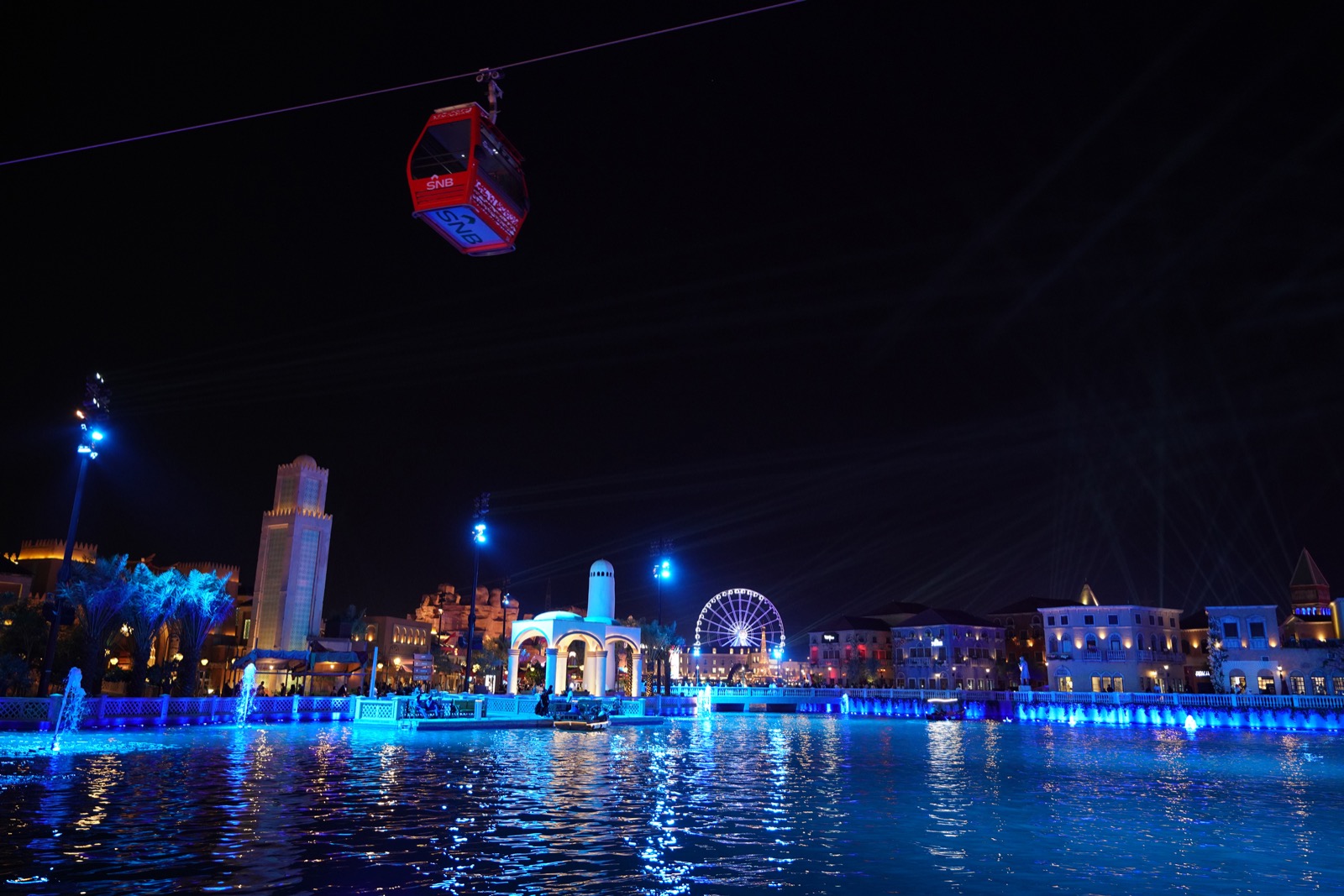
No. Crown Prince Mohammed bin Salman stated in a CBS News interview on 19 March 2018 that women are not required to wear the black abaya. His exact words: “The laws are very clear and stipulated in the laws of Sharia: that women wear decent, respectful clothing, like men. This, however, does not particularly specify a black abaya or a black head cover. The decision is entirely left for women to decide what type of decent and respectful attire she chooses to wear.”
While many Saudi women continue to wear the abaya by choice, tourists are not expected to own one. That said, carrying a lightweight abaya in your bag remains a smart move — it is the simplest way to cover up quickly if you wander into a conservative neighbourhood or are asked to adjust your clothing.
Do Women Need to Cover Their Hair?
Non-Muslim women are not legally required to cover their hair in most public spaces. However, a headscarf is essential when visiting mosques (outside Makkah and Madinah, where non-Muslims are not permitted) and strongly recommended in traditional souqs and conservative rural areas. Pack a lightweight scarf that can double as sun protection.
Recommended Clothing for Women
What to avoid: Sleeveless tops, crop tops, short skirts above the knee, low-cut necklines, transparent or skin-tight clothing, and anything with provocative imagery or slogans.
What Men Should Wear in Saudi Arabia
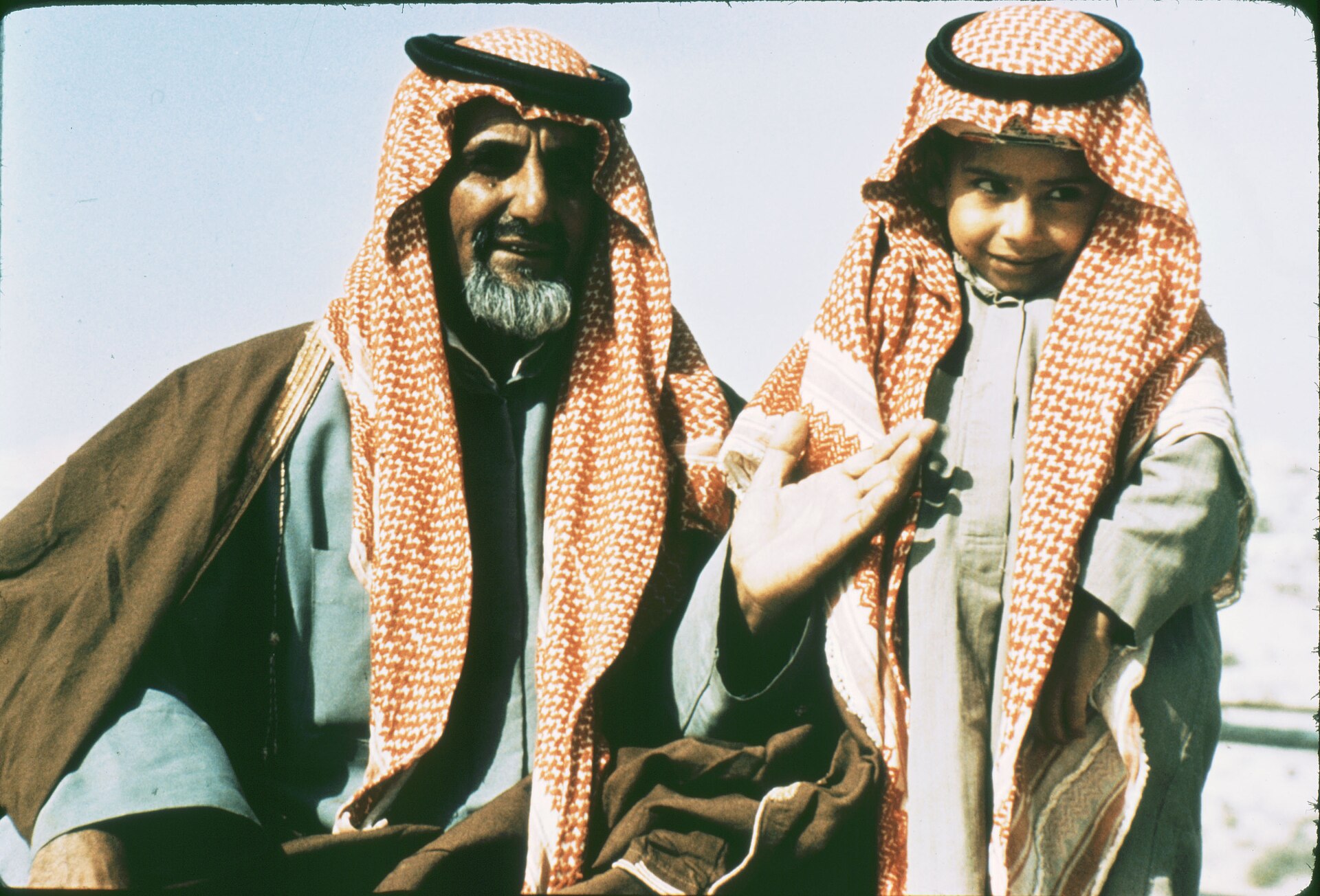
The dress code for men is less discussed but still enforced. The core rules are straightforward:
Saudi men wear the white thobe (full-length robe) and keffiyeh or ghutra (headscarf secured with an igal) as everyday attire. Tourists are not expected to wear these — in fact, doing so may be seen as culturally inappropriate unless specifically invited. Stick to your own modest clothing.
Dress Code by Location
Saudi Arabia is not one dress code — it is several, depending on where you are. Understanding the differences will save you from awkward moments and help you pack efficiently.
Mosques
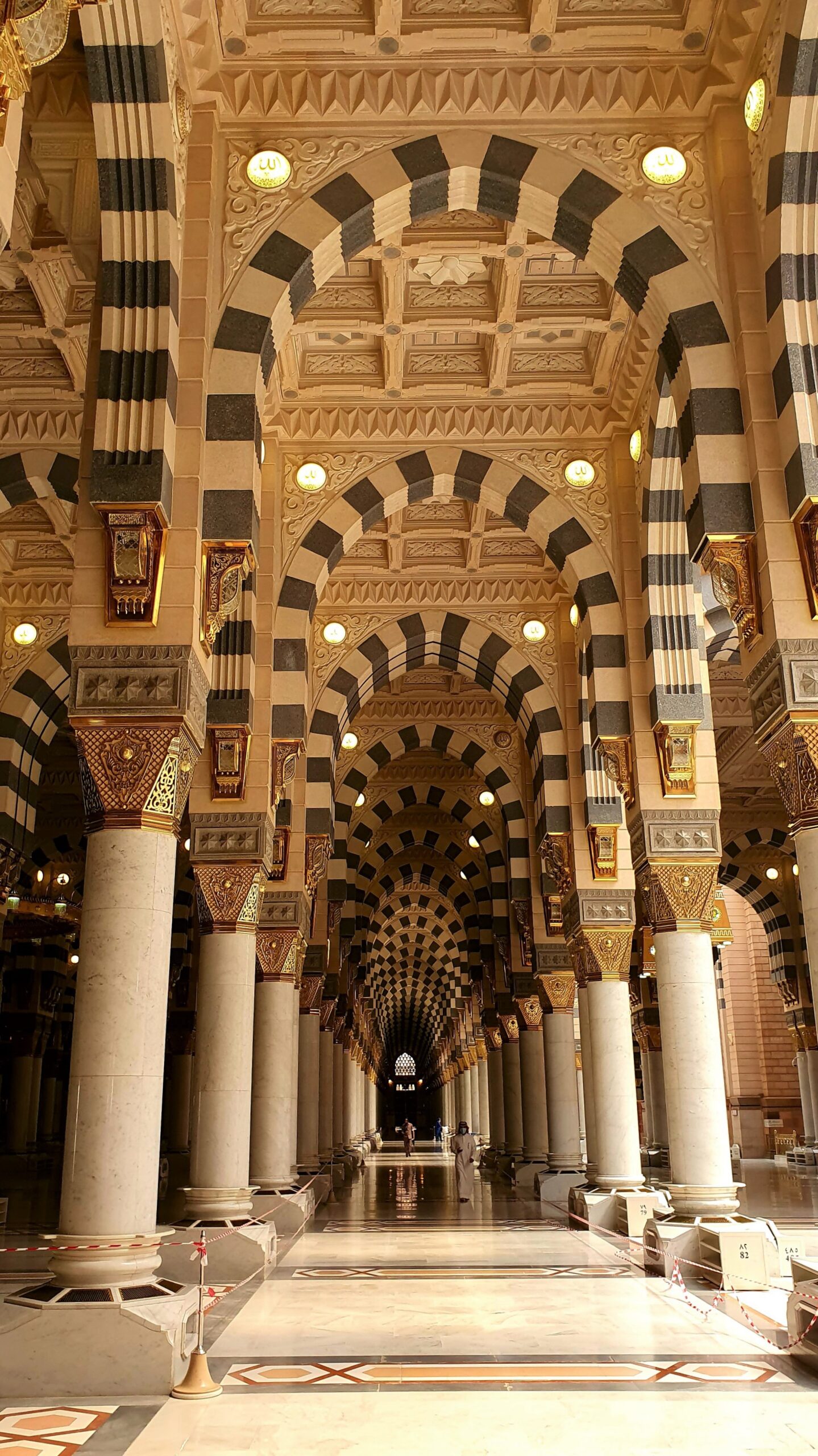
Mosques have the strictest dress requirements in Saudi Arabia. Note that non-Muslims are prohibited from entering Makkah entirely (enforced at checkpoints; violators face detention and deportation) and cannot enter the Prophet’s Mosque in Madinah. However, many other mosques across the Kingdom welcome respectful non-Muslim visitors.
For mosques you can visit:
If you are planning a pilgrimage, the Hajj 2026 guide covers the specific ihram garment requirements in detail.
Shopping Malls
Malls are among the most relaxed public environments in Saudi Arabia. Modest Western clothing is perfectly acceptable — shoulders and knees should be covered. Avoid flip-flops and very short shorts for men. Most malls have air conditioning set to 18–20°C, so bring a light layer.
Restaurants and Cafes
Casual restaurants follow the same standards as malls. Upscale dining requires smart-casual dress: no shorts for men, closed-toe shoes recommended, and women should avoid overly casual clothing like gym wear. Many high-end restaurants in Riyadh and Jeddah have specific dress codes posted at the entrance.
Beaches and Resorts
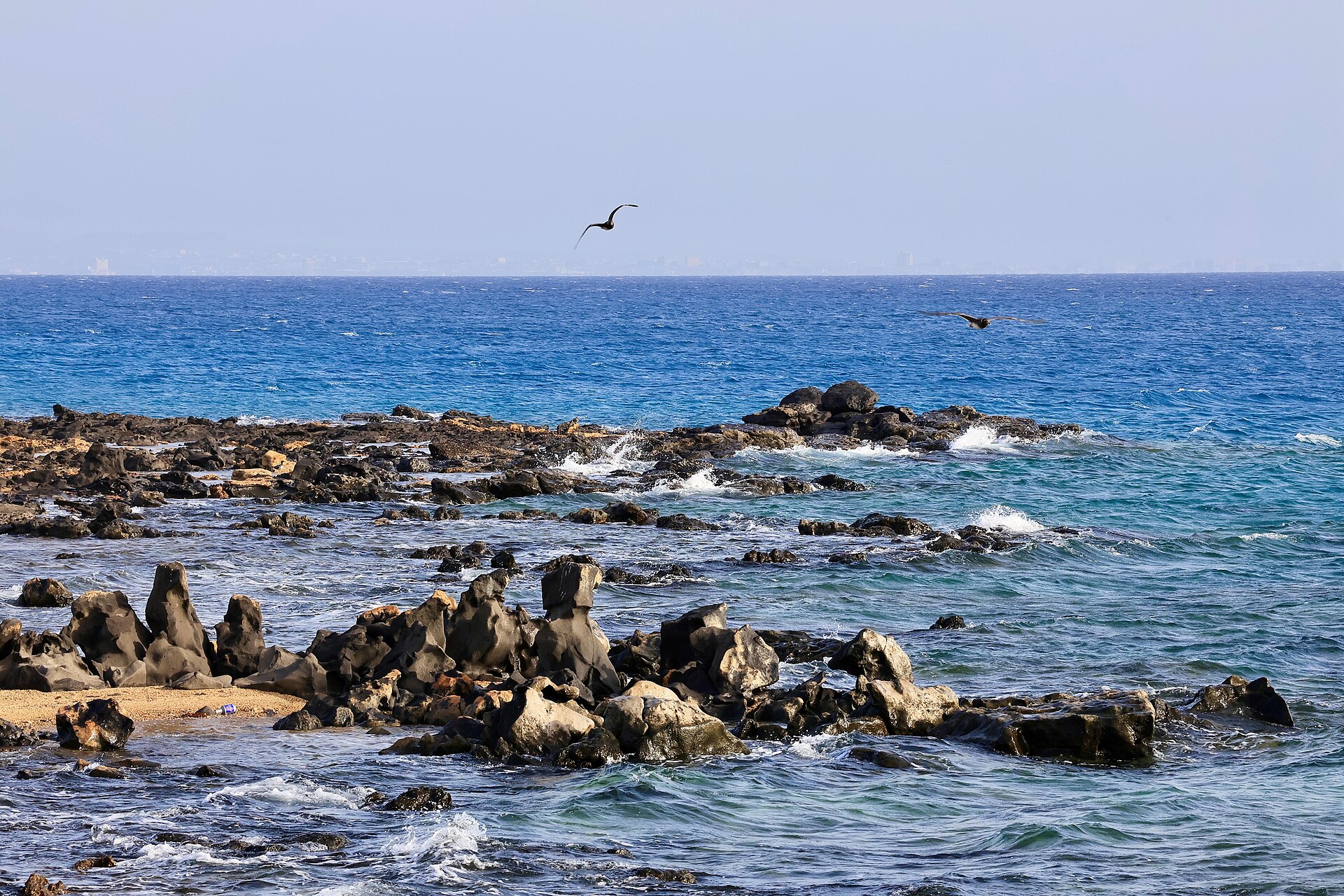
Beach dress codes operate on a two-tier system:
Public beaches:
Private resorts and hotel pools:
In 2026, a new digital beach management system requires all beach operators to be licensed and to clearly display dress code guidelines. Look for posted signs when you arrive. For hotel and resort options that include private beach access, check the latest resort listings.
Entertainment Venues and Events
At Riyadh Season, Jeddah Season, AlUla festivals, and Formula One events, dress codes are relaxed compared to everyday public spaces. Modest Western clothing — trousers or a maxi skirt with a top covering the shoulders — is the standard. The atmosphere at these events is cosmopolitan, and you will see a wide range of styles.
Desert and Outdoor Activities
For desert safaris, hiking, and outdoor excursions, practicality takes priority. Loose-fitting, long-sleeved clothing in breathable fabrics is essential for sun protection. Sturdy closed-toe shoes or hiking boots are recommended. A scarf or buff can serve triple duty: sun protection, dust barrier, and modesty cover if you visit a local community during your excursion.
Regional Differences Across Saudi Arabia
What is acceptable in Jeddah may draw stares in Qassim. The Kingdom’s dress code expectations vary considerably by region:
| Region | Conservatism Level | What to Expect |
|---|---|---|
| Jeddah and the Western Coast | Most relaxed | The most cosmopolitan city in Saudi Arabia. Many women wear coloured abayas or Western clothing. Knee-length shorts for men are widely accepted. This is the most forgiving city for tourists. |
| Riyadh | Moderate to conservative | More conservative than Jeddah but relaxed in tourist areas, malls, and entertainment districts. Traditional areas like Diriyah and old souqs expect more coverage. |
| Eastern Province (Dammam/Khobar) | Moderate | Large expat population. International compounds are relaxed; public areas follow standard modesty rules. A good middle ground for first-time visitors. |
| Madinah | Very conservative | Women should wear abayas and headscarves. Men should wear long trousers and long-sleeve shirts at all times. Non-Muslims cannot enter the Prophet’s Mosque. |
| Qassim and Hail (central highlands) | Very conservative | Full modest dress is essential. Women are strongly encouraged to wear abayas and headscarves. This region follows the most traditional interpretation of dress norms. |
| AlUla and the Northwest | Moderate (tourist zones) | Designed for international visitors. Modest casual Western clothing is appropriate. Lightweight long sleeves and trousers recommended for exploring AlUla’s archaeological sites. |
| Abha and the Asir Region | Conservative | Respect local traditional dress customs. The cooler highland climate makes covering up more comfortable. See the Abha and Asir guide for details. |
| NEOM, Sindalah, and Red Sea Resorts | Relaxed (resort zones) | Resort-standard codes apply within designated zones. Sindalah, NEOM’s luxury island, opened in October 2024 as a private resort with international dress norms within resort grounds. |
What to Wear During Ramadan
During the holy month of Ramadan, social expectations around modesty increase noticeably — even in the most relaxed cities. The same legal rules apply, but the cultural threshold for what is considered appropriate shifts toward more conservative dress.
Critical Ramadan rule: Eating, drinking, and smoking in public during daylight fasting hours (approximately 5:00 AM to 6:30 PM, varying by city) is illegal for everyone, including non-Muslim tourists, with fines of up to SAR 500 (~$133). Most hotels provide discreet dining areas for non-fasting guests.
Dressing for the Heat: Summer in Saudi Arabia
Summer temperatures in Saudi Arabia regularly reach 45–50°C, making fabric choice as important as style. The good news: the same loose, flowing clothing that satisfies modesty requirements also provides the best cooling through air circulation.
Essential Fabric and Style Tips
Riyadh winter evenings (November to February) can drop to 5–10°C, so pack a warm layer if visiting during cooler months. Jeddah stays warm year-round at 20–30°C.
Packing Checklist: What to Bring
Women’s Packing List
| Item | Why You Need It |
|---|---|
| 3–4 maxi dresses or long skirts | Core wardrobe for sightseeing, restaurants, and malls |
| 2–3 loose trousers (linen or cotton) | For active days, desert trips, and hiking |
| 4–5 long-sleeve or three-quarter-sleeve tops | Pair with trousers or skirts; cover shoulders |
| 2 light cardigans | For air conditioning and layering over short sleeves |
| 1 lightweight scarf | Mosque visits, conservative areas, sun protection |
| 1 optional abaya | Available locally from SAR 100; simplest way to cover up quickly |
| Modest swimwear | One-piece or rash guard for public beaches; bikini for resort pools |
| Slip-on shoes | Easy removal for mosque visits |
| Wide-brimmed hat and sunglasses | Sun protection is essential May–September |
| SPF 50+ sunscreen | Available locally but bring your preferred brand |
Men’s Packing List
| Item | Why You Need It |
|---|---|
| 3–4 pairs of long cotton or linen trousers | Primary legwear for most settings |
| 2 pairs of knee-length shorts | For casual areas, especially Jeddah and resorts |
| 4–5 collared or long-sleeve shirts | Core wardrobe; sleeves are essential in conservative areas |
| 1 lightweight jacket | For air-conditioned spaces and evening outings |
| Knee-length swim shorts | For public and private beaches |
| Closed-toe shoes | Required at upscale restaurants; recommended for mosques |
| Slip-on sandals | For easy removal at mosques and casual beach areas |
| Hat and sunglasses | Sun protection |
How Saudi Arabia’s Dress Code Has Changed
Understanding the trajectory helps visitors appreciate both how far the Kingdom has come and why certain expectations remain:
Common Questions About Saudi Dress Code
Can I Wear Shorts in Saudi Arabia?
Men can wear knee-length shorts in casual settings, especially in Jeddah and at resorts. Avoid shorts at mosques, government buildings, and upscale restaurants. Women should stick to below-the-knee lengths in public — shorter shorts are acceptable only at private resort pools.
Can Women Wear Jeans?
Yes. Jeans are widely worn by both local and visiting women. Pair fitted jeans with a top that covers the hips and shoulders. Skinny jeans with a cropped top would attract unwanted attention; skinny jeans with a tunic-length top are fine.
Do I Need to Dress Modestly at My Hotel?
Within your hotel room, of course not. In hotel lobbies, restaurants, and common areas, standard modest clothing is expected. At hotel pools and private beaches, international swimwear standards generally apply — check with your specific hotel on arrival.
What Happens if I Make a Mistake?
If you are dressed inappropriately, you will almost certainly be politely asked to cover up before any formal action is taken. Carry a scarf or light layer in your bag as a quick-fix option. Aggressive enforcement is rare for tourists making a genuine effort to respect local norms.
Can Non-Muslims Wear Saudi Traditional Clothing?
This is a grey area. While not prohibited, wearing the thobe and ghutra may be seen as culturally insensitive unless you are specifically invited to do so — for example, at a cultural experience event or as a guest of a Saudi family. Exercise discretion.
Is the Dress Code Different for Business Travellers?
Business dress in Saudi Arabia follows international standards: suits or smart business attire for men, professional modest dress for women. Long sleeves are recommended for business meetings. In the oil and gas sector in the Eastern Province, smart casual is common at worksites with formal dress for client meetings.
Buying Clothing in Saudi Arabia
If you arrive underprepared, you can buy modest clothing easily throughout the Kingdom: