
Saudi Arabia is one of the most exciting emerging food destinations in the world. From the aromatic kabsa platters of Riyadh to the Hejazi street food stalls of Jeddah’s Al Balad district, the Kingdom offers a culinary landscape as diverse as its geography. This seven-day itinerary takes you across four regions, eating your way through traditional family recipes, Michelin-recognized restaurants, souk snack stalls, and open-fire desert kitchens. Whether you are planning a full Saudi Arabia travel itinerary or a dedicated food trip, this guide will ensure you taste every essential dish the Kingdom has to offer.
Best Time to Visit: October to March (cooler temperatures, outdoor dining season, date harvest in Al-Ahsa)
Getting There: Fly into Riyadh (RUH) or Jeddah (JED); domestic flights connect all cities on this itinerary
Visa Required: Yes — tourist e-visa available for 60+ nationalities
Budget: $50–150/day for food (street food from $2, fine dining mains $30–80)
Must-Try: Kabsa, jareesh, Hejazi mutabbaq, Arabic coffee with dates
Avoid: Eating only in hotel restaurants — the real Saudi food scene is in local neighbourhoods and souks
Why Saudi Arabia for a Food Tour?
Saudi cuisine draws from Bedouin desert traditions, Indian Ocean spice routes, African influences via centuries of Hajj pilgrimage, and Levantine flavours carried by traders across the Arabian Peninsula. Each region has a distinct culinary identity shaped by geography, climate, and history. In 2023, jareesh — a slow-cooked crushed wheat dish — was officially declared Saudi Arabia’s national dish. In 2025, the Michelin Guide launched its inaugural Saudi Arabia edition, recognising 52 restaurants across Riyadh, Jeddah, and AlUla, confirming the Kingdom’s arrival on the global dining stage.
This itinerary covers Riyadh (Days 1–2), Jeddah (Days 3–4), Al-Ahsa in the Eastern Province (Day 5), and AlUla (Days 6–7), giving you the full range of Saudi regional cuisine.
Day 1: Riyadh — Najdi Heartland Cooking
Your food tour begins in the Saudi capital, the heartland of Najdi cuisine. Central Saudi cooking is built around slow-cooked meats, aromatic rice, and wheat-based dishes suited to the desert interior. Riyadh is also where the Kingdom’s modern fine dining scene is most concentrated — the 2025 Michelin Guide selected 26 restaurants in the city alone.
Morning: Tameesa for Breakfast
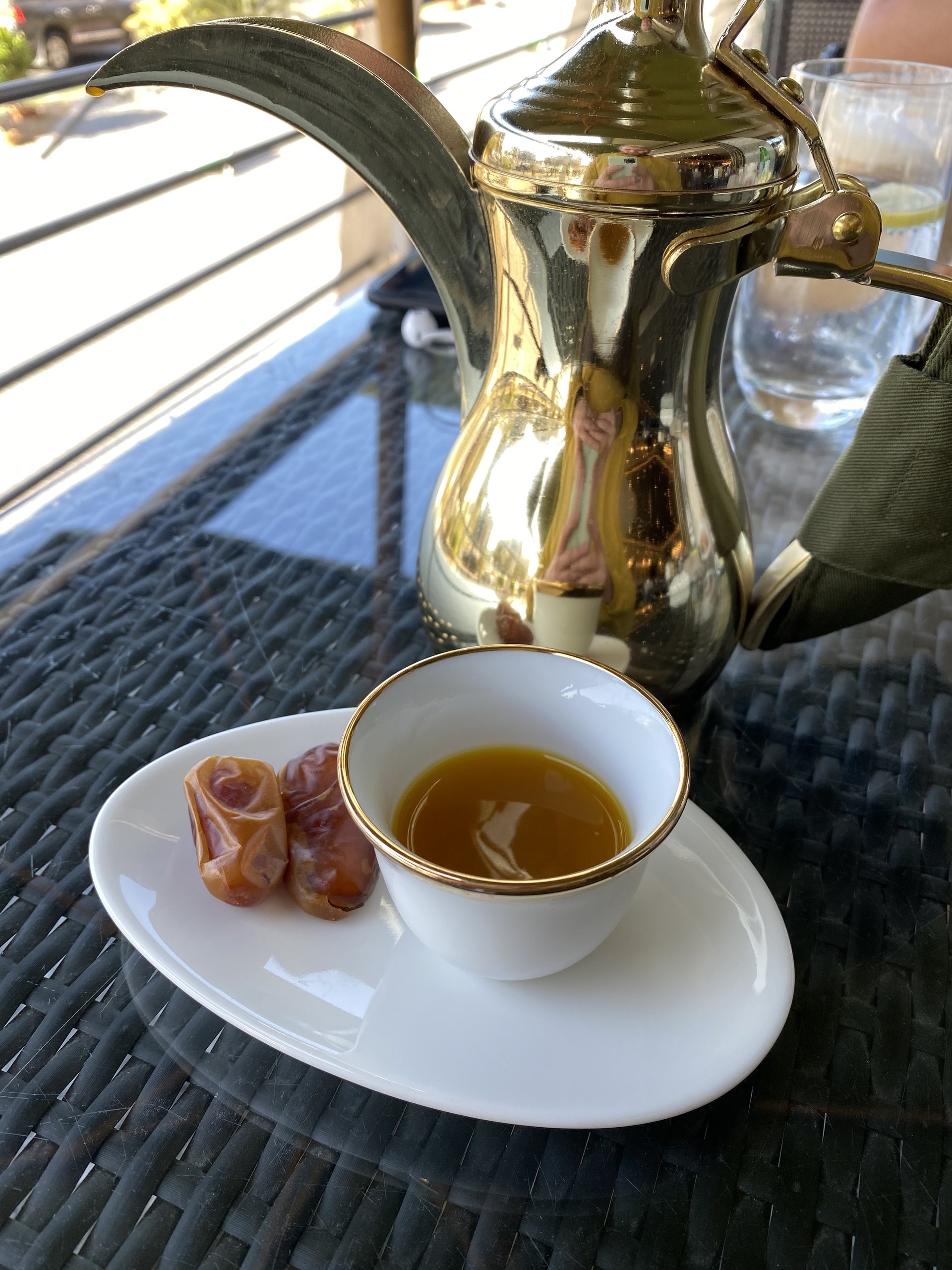
Start at Tameesa, a Riyadh institution awarded a Bib Gourmand by the Michelin Guide. Tameesa specialises in traditional Saudi breakfast: fresh-baked tamees bread (a soft, slightly chewy flatbread baked in a clay oven), served with foul medames (slow-stewed fava beans), eggs, honey, and cheese. Order the tamees with ghee and honey alongside a pot of Arabic coffee (qahwa) — the pale, cardamom-spiced coffee that is Saudi Arabia’s signature drink. In Saudi tradition, qahwa is always served with dates, and accepting a cup signals hospitality and welcome.
Afternoon: Najd Village for Traditional Lunch
Head to Najd Village, described in the Michelin Guide as the place in Riyadh for authentic Saudi cuisine. The restaurant is designed as a reconstructed Najdi village, with mud-brick walls, carved wooden doors, and traditional floor seating. Order the kabsa — Saudi Arabia’s most famous dish. Kabsa is aromatic basmati rice cooked in a spiced meat broth with cardamom, cinnamon, black lime (loomi), cloves, and bay leaves, then topped with slow-roasted lamb or chicken and garnished with fried raisins and toasted almonds. Also try the jareesh — crushed wheat cooked slowly with yoghurt until thick and creamy, served with a meat-topped broth. Najd Village also serves qursan (torn flatbread layered with a vegetable and meat stew) and hashi (tender camel meat), both central Najdi staples.
Evening: Souk Al-Zal and Deera Square
After dark, explore Souk Al-Zal in the historic Al-Dirah district. This 100-year-old market sprawls across 38,000 square metres and comes alive at night. Walk through the spice stalls — mountains of dried loomi, cardamom pods, saffron, and baharat (the all-purpose Saudi spice blend). At the food stalls around the souk, try samboosa (crispy fried pastries stuffed with spiced meat or cheese) and mutabbaq (a savoury stuffed pancake folded and fried on flat griddles). End the evening with luqaimat — golden, bite-sized dumplings drizzled with date syrup, a beloved Saudi dessert.
Day 2: Riyadh — Modern Saudi Dining and Saleeg
Morning: Mirzam for Modern Saudi Brunch
Mirzam, another Bib Gourmand winner, serves modern interpretations of Saudi classics in a relaxed setting. Their brunch menu features reimagined versions of traditional dishes alongside quality coffee. This is where to experience how Riyadh’s younger generation of chefs are building on inherited recipes.
Afternoon: Thara for Elevated Saudi Cuisine
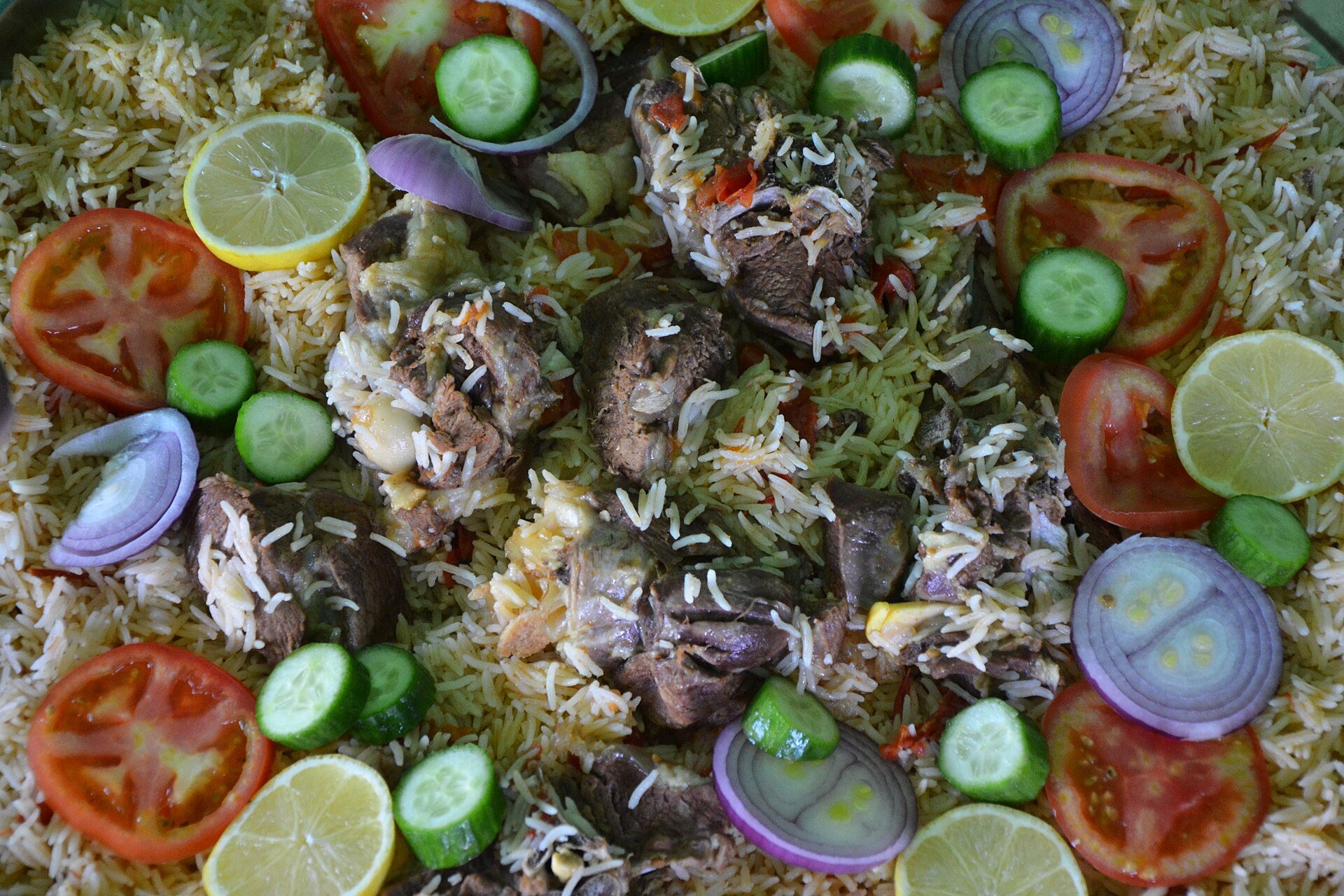
Thara offers a refined take on Saudi food in a space designed to evoke a traditional Najdi home. The menu features elegant presentations of machboos (a spice-heavy rice dish related to kabsa, with a slightly different spice profile), saleeg (a comforting dish of short-grain rice cooked in milk and broth until porridge-soft, topped with roasted chicken — essentially the Saudi equivalent of risotto), and other regional classics. The quality here represents the upper tier of Saudi restaurant cooking.
Evening: Globe at Al Faisaliah
For a different perspective, dine at The Globe at Al Faisaliah, selected in the 2025 Michelin Guide and perched atop one of Riyadh’s most iconic buildings. The menu blends international and Saudi influences with panoramic views of the city. After dinner, stop at a local sweet shop for kunafa — shredded filo pastry layered with soft cheese, soaked in sugar syrup, and topped with crushed pistachios.
Tip: In Riyadh, most traditional restaurants offer floor seating (julsa) alongside regular tables. Sitting on cushions around a communal platter is the authentic Saudi dining experience — request it when booking.
Day 3: Jeddah — Hejazi Cuisine and Al Balad Street Food
Fly to Jeddah — the Red Sea port city whose cuisine is the most cosmopolitan in the Kingdom. Centuries of Hajj pilgrimage brought influences from Africa, South Asia, Southeast Asia, and the Levant, creating a distinct Hejazi culinary tradition that is bolder, spicier, and more seafood-forward than Najdi cooking.
Morning: Tamees House for Hejazi Breakfast
Tamees House in Jeddah, a Michelin-selected restaurant, serves what many consider the best traditional breakfast in the city. The Hejazi breakfast spread typically includes foul (fava beans mashed with tomato, garlic, cumin, and olive oil), shakshuka, tamees bread fresh from the oven, ful with tahini, and masoub — overripe banana mashed with crumbled bread, cream, honey, and crushed biscuit, a Hejazi dessert traditionally eaten at breakfast.
Afternoon: Al Balad Street Food Walk
Spend the afternoon on foot in Al Balad, Jeddah’s UNESCO-listed historic district. The narrow alleys lined with coral-stone houses and carved wooden mashrabiya balconies are home to some of the best street food in the Middle East. Start at Souk Al Alawi, the largest souk in Saudi Arabia, where stalls sell everything from frankincense and oud to fresh spices and roasted nuts.
Your essential Al Balad food stops:
- Mutabbaq vendors — watch as cooks stretch dough paper-thin, fill it with minced meat, eggs, and green onions, then fold and fry it on cast-iron griddles. The Hejazi version is spicier than what you had in Riyadh.
- Foul carts — roadside foul in Jeddah comes with a generous drizzle of olive oil, fresh lemon, and chopped chilli. Eaten with tamees bread, this is the quintessential Jeddah street meal.
- Juice stalls — fresh-pressed pomegranate, sugarcane, and tamarind juices. Sobya, a fermented barley drink, is a Jeddah specialty particularly popular during Ramadan.
- Samia’s Dish — a Bib Gourmand winner tucked into the neighbourhood, celebrated for authentic and affordable Hejazi classics.
Evening: Tofareya for Hejazi Fine Dining
Tofareya, awarded a Bib Gourmand by the Michelin Guide, is a relaxed open-air restaurant in Al Balad. The menu celebrates traditional Hejazi cooking with regional twists: kabsa made with oranges from AlUla’s famed citrus groves, grilled meats seasoned with Hejazi spice blends, and sweet Umm Ali (a bread pudding dessert baked with cream, nuts, and raisins) for dessert. The atmosphere — lanterns, courtyard dining, the historic district visible around you — is as much a part of the experience as the food.
Day 4: Jeddah — Seafood, Souks, and the Corniche
Morning: Fish Market Breakfast
Fish Market, a Michelin-selected restaurant in Jeddah, brings the Red Sea to your table. Jeddah’s fishing heritage means seafood here is exceptional. Try sayadiyah — a fragrant rice dish layered with spiced fish cooked in a rich tomato-and-onion broth. This is Jeddah’s signature seafood dish, and it tells the story of the city’s centuries-old fishing traditions. Also order grilled hammour (grouper) with Saudi spice blends and fresh flatbread.
Afternoon: Souk Al Alawi Spice Shopping
Return to Souk Al Alawi with a shopping agenda. The spice vendors here sell the building blocks of Saudi cuisine:
- Baharat — the Saudi all-purpose spice blend (black pepper, coriander, cumin, cardamom, cinnamon, cloves, nutmeg, and dried lime)
- Loomi (dried black lime) — the tart, slightly bitter citrus that defines the flavour of kabsa and many Gulf stews
- Cardamom pods — essential for Arabic coffee; Saudi Arabia is the world’s largest importer of cardamom
- Saffron — used in rice dishes, desserts, and qahwa
- Oud and bakhoor — not food, but the fragrant incense burned at the end of Saudi meals is part of the dining ritual
Evening: Corniche Seafood
End the day along Jeddah’s Corniche waterfront. Several seafood restaurants line the coast, serving grilled Red Sea fish, shrimp, and lobster with rice and fresh salads. Maritime, a Michelin-selected restaurant, and Karamna both offer excellent options for a final Jeddah dinner with sea views.
Tip: Jeddah’s food scene peaks after 9 PM. Many restaurants and street stalls don’t hit their stride until late evening, especially during summer. Plan your biggest meals for after sunset prayers.
Day 5: Al-Ahsa — The Oasis Kitchen
Fly or drive to Al-Ahsa in the Eastern Province — home to the largest natural oasis in the world (UNESCO-listed) and a culinary tradition shaped by date palm agriculture, freshwater springs, and proximity to the Gulf. Al-Ahsa’s cuisine is distinct from both Riyadh and Jeddah, with Persian Gulf influences and ingredients unique to this fertile pocket of the Kingdom.
Morning: Hasawi Rice and Red Bread
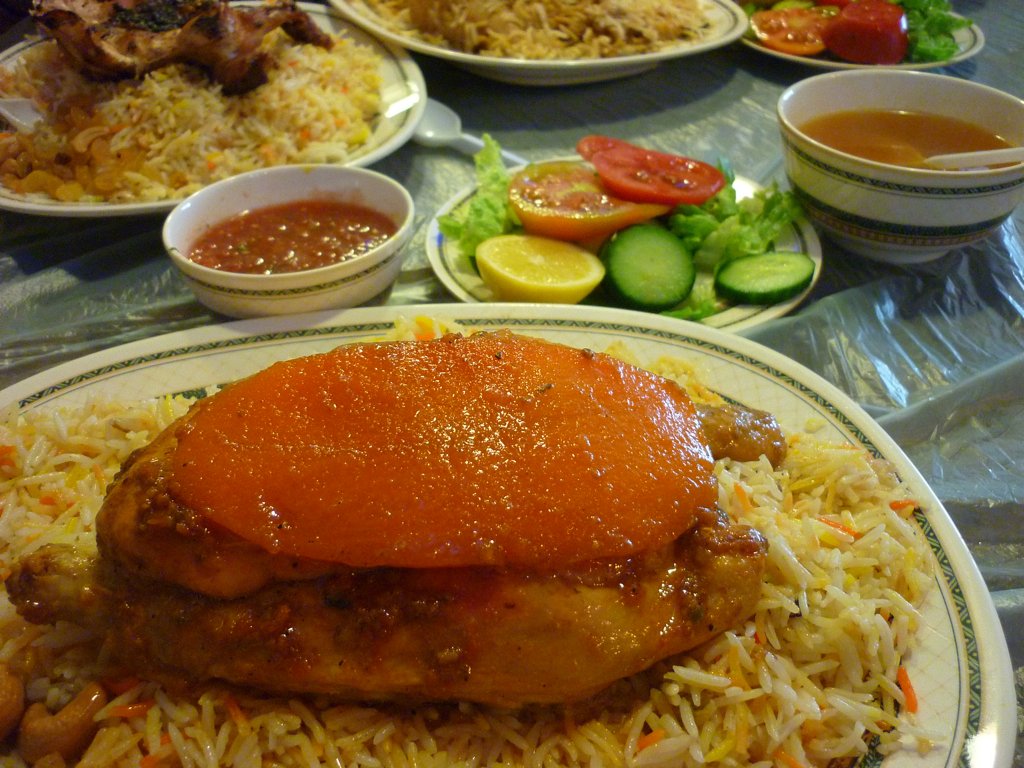
Al-Ahsa is famous for Hasawi rice — a short-grain, reddish-brown rice variety grown in the oasis for centuries using traditional irrigation channels. It has an earthier, nuttier flavour than the basmati used elsewhere in Saudi Arabia. Order Al-Mandi al-Hasawi — mandi made with local Hasawi rice instead of basmati, giving the dish a completely different character. Also try red bread (khubz ahmar), a traditional flatbread made with date syrup that gives it a distinctive dark colour and subtle sweetness.
Afternoon: Date Farms and Qatif Fish
Al-Ahsa produces some of the finest dates in the world, particularly the prized Khalas variety — amber-coloured, caramel-sweet, with a slightly firm texture. Visit one of the oasis date farms or the date souk to taste fresh and dried varieties. The nearby city of Al-Qatif adds another layer to your food tour: Al-Mahmouss al-Qatifi is a historical dish of rice with toasted onions, served with fish, chicken, or meat — a Gulf-coast counterpart to the inland kabsa tradition.
Evening: Eastern Province Dining
Eastern Province cooking also features harees (wheat and meat cooked to a smooth, porridge-like consistency — similar to jareesh but smoother) and machboos with Gulf-style spicing that reflects proximity to Bahrain, Kuwait, and Iran. Look for restaurants in old Al-Ahsa town that serve these dishes in traditional settings alongside the oasis. The combination of Hasawi rice, Khalas dates, and Gulf seafood makes this the most underrated food stop in Saudi Arabia.
Day 6: AlUla — Desert Dining and Ancient Flavours
Fly to AlUla — the ancient Nabataean city in northwest Saudi Arabia that has become one of the Kingdom’s most extraordinary travel destinations. AlUla’s food scene blends deep-rooted oasis agriculture with a growing roster of high-end restaurants catering to the cultural tourism boom around Hegra (Saudi Arabia’s first UNESCO World Heritage Site).
Morning: AlUla Old Town Café
Start with breakfast at AlNakheel Café in AlUla Old Town, where the menu blends Hejazi and Lebanese flavours against a backdrop of centuries-old mudbrick buildings. The AlUla oasis has been cultivated for over 7,000 years, and its citrus groves, date palms, and herb gardens still supply local kitchens. AlUla oranges and lemons are prized across Saudi Arabia — you may have already tasted them in the kabsa at Tofareya in Jeddah.
Afternoon: Heritage Garden and Local Traditions
Heritage Garden Restaurant is the essential stop for traditional Saudi food in AlUla. The menu covers kabsa, mandi, and grilled meats, served either at tables or on the floor in traditional style. What makes AlUla’s food distinctive is the oasis ingredient base: local citrus, dates, aromatic herbs, and slow-cooked meats reflecting the Bedouin and caravan traditions of this ancient trade route. The Nabataeans who built Hegra were spice traders — the same frankincense and myrrh routes that brought wealth to this valley also brought flavours that persist in local cooking.
Evening: Fine Dining Under the Stars
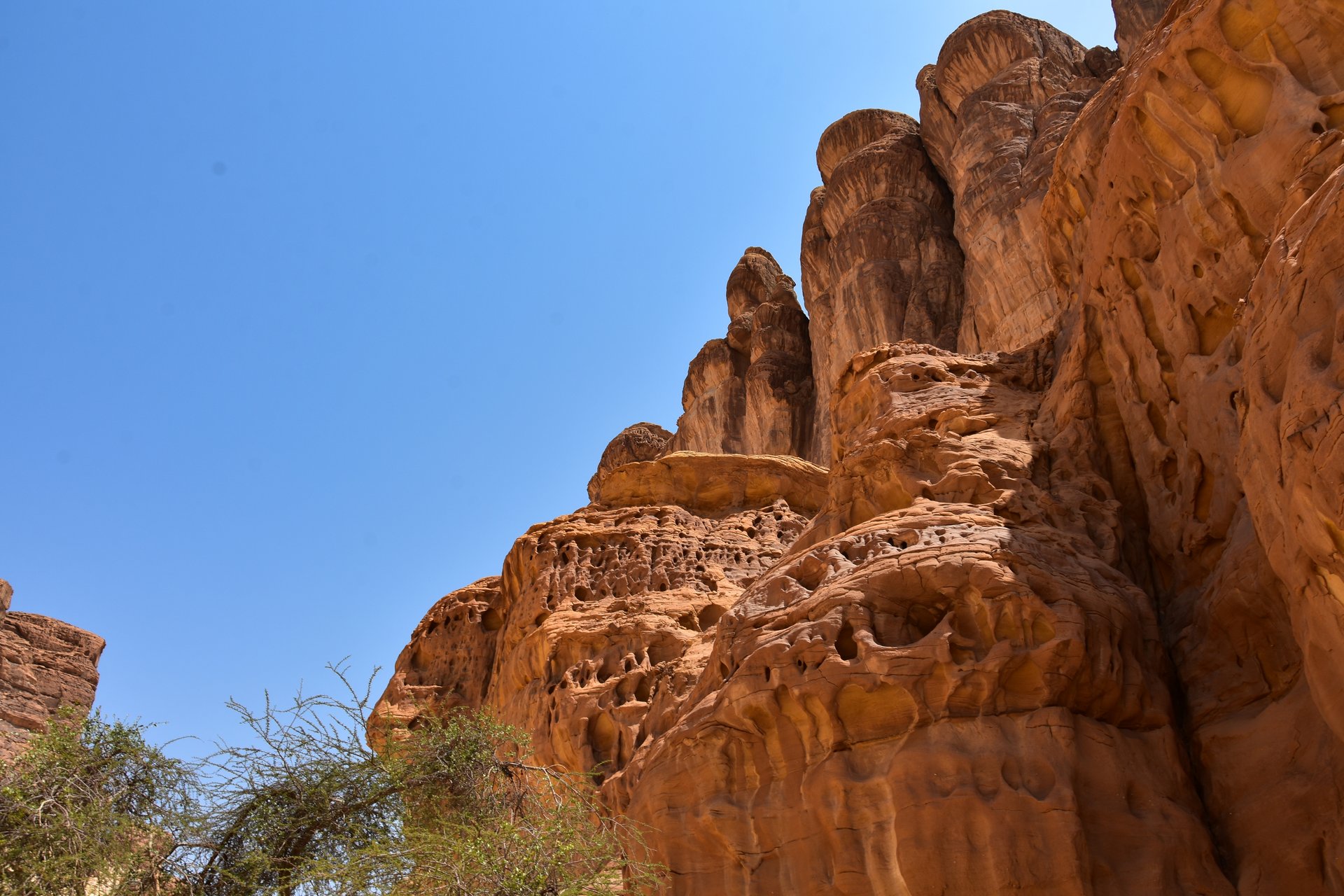
AlUla’s luxury hospitality sector has introduced world-class dining to the desert. JOONTOS at Dar Tantora The House Hotel offers Saudi cuisine modernised with a Spanish touch — dates waffle, reimagined masoub, and contemporary takes on kabsa and flatbreads. During the winter season (October to March), AlUla hosts pop-up dining experiences in the desert, including collaborations with international chefs. The experience of eating under a canopy of stars, surrounded by 2,000-year-old rock formations, is unlike anything else in the Kingdom.
Day 7: AlUla — Final Feasts and Departure
Morning: Desert Breakfast
Several AlUla resorts, including Our Habitas AlUla and Banyan Tree AlUla, offer open-air breakfast experiences with views of Hegra’s sandstone tombs. Expect a spread of fresh flatbreads, local honeys, labneh (strained yoghurt), olive oil, za’atar, and seasonal fruit from the oasis. This is Saudi breakfast at its most elemental — simple ingredients, extraordinary setting.
Afternoon: Farewell Kabsa
End your food tour as you began it: with kabsa. By Day 7, you will understand how this single dish varies across every region you have visited — the Najdi version in Riyadh (heavy on dried lime and cardamom), the Hejazi version in Jeddah (spicier, sometimes with citrus), the Hasawi version in Al-Ahsa (earthier, with local rice), and the AlUla version (fragrant with oasis herbs). A plate of kabsa is a map of Saudi Arabia.
Tip: If visiting during Ramadan (dates shift yearly based on the lunar calendar), the iftar (fast-breaking) meal at sunset is one of the most magnificent communal dining experiences in the Islamic world. Hotels and restaurants serve elaborate iftar buffets, and many mosques offer free communal meals. The food scene intensifies during Ramadan, not diminishes — but expect all restaurants to be closed during daylight hours.
Essential Saudi Dishes: A Quick Reference
| Dish | What It Is | Where to Try It | Region |
|---|---|---|---|
| Kabsa | Spiced rice with slow-cooked meat, raisins, almonds | Najd Village, Riyadh | Nationwide (Najdi origin) |
| Jareesh | Crushed wheat cooked with yoghurt into a thick porridge | Najd Village, Riyadh | Central / National dish |
| Mandi | Tandoor-smoked meat on spiced basmati rice | Heritage Garden, AlUla | Nationwide (Southern/Yemeni origin) |
| Saleeg | Milk-cooked rice (like risotto) with roasted chicken | Thara, Riyadh | Hejaz |
| Mutabbaq | Paper-thin stuffed pastry, fried on griddles | Al Balad street stalls, Jeddah | Hejaz |
| Sayadiyah | Spiced fish on tomato-onion rice | Fish Market, Jeddah | Jeddah / coastal |
| Foul | Slow-stewed fava beans with olive oil, lemon, chilli | Tamees House, Jeddah | Nationwide (Hejazi style best) |
| Masoub | Mashed banana with crumbled bread, cream, honey | Tamees House, Jeddah | Hejaz |
| Harees | Wheat and meat cooked to smooth porridge | Local restaurants, Al-Ahsa | Eastern Province / Gulf |
| Luqaimat | Fried dumplings drizzled with date syrup | Souk stalls, nationwide | Nationwide |
| Qahwa | Cardamom-spiced Arabic coffee, served with dates | Everywhere — every meal begins and ends here | Nationwide |
Practical Tips for Food Travellers
Dining Etiquette
- Eat with your right hand — this is customary across the Kingdom, especially when eating from communal platters.
- Accept coffee graciously — when offered qahwa, take at least one cup. Gently shake the cup side-to-side when you have had enough.
- Communal eating is normal — many traditional restaurants serve food on large shared platters. This is by design, not oversight.
- Tips are appreciated — 10–15% is standard at sit-down restaurants. Street food vendors do not expect tips.
Budget Breakdown
- Street food meal: SAR 10–30 ($3–8)
- Traditional restaurant lunch: SAR 40–80 ($11–21)
- Michelin-selected dinner: SAR 150–400 ($40–107)
- Fine dining (The Globe, JOONTOS): SAR 300–600+ ($80–160+)
- Arabic coffee and dates: Often complimentary; SAR 5–15 in cafés
Getting Between Cities
This itinerary requires domestic flights. Saudia and flynas connect Riyadh, Jeddah, Dammam (for Al-Ahsa), and AlUla. Book AlUla flights in advance during winter season (October–March) — availability is limited. Alternatively, the Riyadh-to-Jeddah drive (roughly 950 km via Highway 40) takes about 8 hours and passes through some spectacular desert landscapes.
Before travelling, ensure your Saudi Arabia e-visa is in order. The tourist e-visa is available online for citizens of 60+ countries and allows stays of up to 90 days.
When to Go
The ideal window is October to March, when temperatures across the Kingdom are comfortable for walking, souk browsing, and outdoor dining. Riyadh can exceed 45°C in summer, and Al-Ahsa is even hotter. AlUla’s outdoor dining experiences operate only during the winter season. Ramadan offers extraordinary iftar experiences but means no daytime dining — plan accordingly.
Explore More Saudi Arabia Travel Guides
- Saudi Arabia Travel Guide 2026 — The complete guide to visiting the Kingdom
- Saudi Arabia Visa Guide — Every visa type explained
- Saudi Arabia Food Guide — Traditional dishes, restaurants, and dining tips
- Riyadh Travel Guide — Explore the Saudi capital’s neighbourhoods and attractions
- Jeddah Travel Guide — Red Sea coast, Al Balad, F1, and the Corniche
- AlUla Travel Guide — Ancient tombs, desert landscapes, and luxury resorts
- Dammam & Al Khobar Travel Guide — Eastern Province essentials
- Saudi Arabia Hotels Guide — Where to stay across the Kingdom