
Saudi Arabia’s culinary scene has emerged as one of the most compelling reasons to visit the Kingdom. From the aromatic kabsa platters of Riyadh to the seafood-laden alleys of historic Jeddah and the farm-to-table dining of AlUla’s oasis, the country offers food experiences that tell stories of trade routes, tribal traditions, and a coastline stretching from the Red Sea to the Arabian Gulf. This guide covers every major food tour available across Saudi Arabia’s key cities — whether you are after a walking tour through a UNESCO-listed old quarter, a hands-on cooking workshop, or a Michelin-recognised tasting menu beneath date palms. If you are building a wider Saudi Arabia travel itinerary for 2026, food should be at its centre.
Best Time to Visit: October to April (cooler weather; Riyadh Season and Winter at Tantora both run in this window)
Getting There: International flights to Riyadh (RUH), Jeddah (JED), or Dammam (DMM); domestic flights connect AlUla, Abha, and Tabuk
Visa Required: Yes — tourist e-visa available for 60+ nationalities
Budget: SAR 200–500 ($53–133) for guided food tours; SAR 150–400 ($40–107) for cooking classes; street food from SAR 5–20 ($1.30–5.30) per item
Must-See: Al Balad food walk in Jeddah, Najd Village dinner in Riyadh, Dadan Culinary Arts Centre in AlUla
Avoid: Booking multiple food tours on the same day — portion sizes are generous and most tours last 3–4 hours
Understanding Saudi Cuisine: A Regional Overview
Before booking a food tour, it helps to understand that Saudi Arabia does not have a single cuisine — it has several, shaped by geography, climate, and centuries of trade. The Najd heartland around Riyadh favours wheat-and-rice dishes cooked slowly with aromatic spices: kabsa, jareesh, marqooq. The Hijaz corridor running through Jeddah and Mecca reflects the cosmopolitan influence of millions of pilgrims: Bukharian plov sits alongside Hijazi maamoul, Yemeni saltah, and Indonesian martabak. Coastal cities bring seafood — najil (grouper) grilled on charcoal in Jeddah, hamour in the Eastern Province, and shrimp pulled from the Gulf waters off Dammam. The southern highlands around Abha and the Asir region produce warming, hearty fare: haneeth slow-roasted in underground tannur ovens, arika drenched in ghee and honey, and miva flatbreads baked over firewood. For a deeper introduction to what to eat and where, read the Saudi Arabia Food and Dining Guide.
This regional diversity is precisely what makes food tours in Saudi Arabia so rewarding. Each city offers a distinct palette of flavours, and the best tours do not merely feed you — they explain why these dishes exist in these places.
Riyadh Food Tours
The capital is the natural starting point for most visitors. Riyadh’s food scene has exploded in recent years, driven by Vision 2030 investment, the rise of Riyadh Season entertainment events, and a new generation of Saudi chefs reinterpreting Najdi classics. A food tour here will range from heritage restaurants with floor-cushion seating to sleek modern concepts in the Olaya District and Diplomatic Quarter.
Secret Food Tours Riyadh
Secret Food Tours, one of the world’s largest food-tour networks, operates a dedicated Riyadh tour led by local guides who live and eat in the city. The tour typically runs for approximately 3.5 hours in the evening and visits 4–6 stops across different neighbourhoods. Expect to taste kabsa, fresh-baked khameer bread, Saudi-style shawarma, and traditional Arabic coffee with dates. Guides weave in cultural context at every stop — the history of the spice trade, how Bedouin cooking methods shaped Najdi cuisine, and why certain dishes are served at weddings versus everyday meals. Tours generally cost between SAR 250 and SAR 400 per person depending on the itinerary, and bookings can be made through secretfoodtours.com.
My Saudi Tours — Riyadh Food Tour
My Saudi Tours runs a popular Riyadh food tour that focuses on authenticity over polish. The itinerary takes participants through local food markets where Saudis shop for fresh vegetables, spices, and livestock, then into neighbourhood restaurants that rarely appear on tourist lists. Highlights include sampling jareesh — a comforting cracked-wheat porridge served savoury with meat — and margoog, a thin-bread stew that is a Najdi staple. The tour also visits a traditional dates market, where you can taste more than a dozen varieties from Sukkari to Ajwa. Expect to pay around SAR 200–350 per person.
Diriyah: Heritage Dining at the Birthplace of the Saudi State
No Riyadh food experience is complete without a visit to Diriyah, the UNESCO-listed mud-brick quarter on the capital’s northwestern edge. Bujairi Terrace, the dining and retail precinct overlooking At-Turaif, now hosts more than 20 restaurants, from the heritage-focused Jareed Samhan at Bab Samhan (a Luxury Collection Hotel) to international names. Jareed Samhan celebrates Saudi culinary depth through dishes like muqalal (thinly sliced liver flash-fried with spices), qursan (layered flatbread with stewed vegetables), and kabsa reimagined with local truffles when in season. The restaurant received a Michelin Guide distinction in the inaugural Saudi Arabia 2026 selection. Pair a Diriyah food stop with a walk through the At-Turaif district for a half-day experience that covers both culture and cuisine.
Najd Village: A Living Museum of Central Arabian Cooking
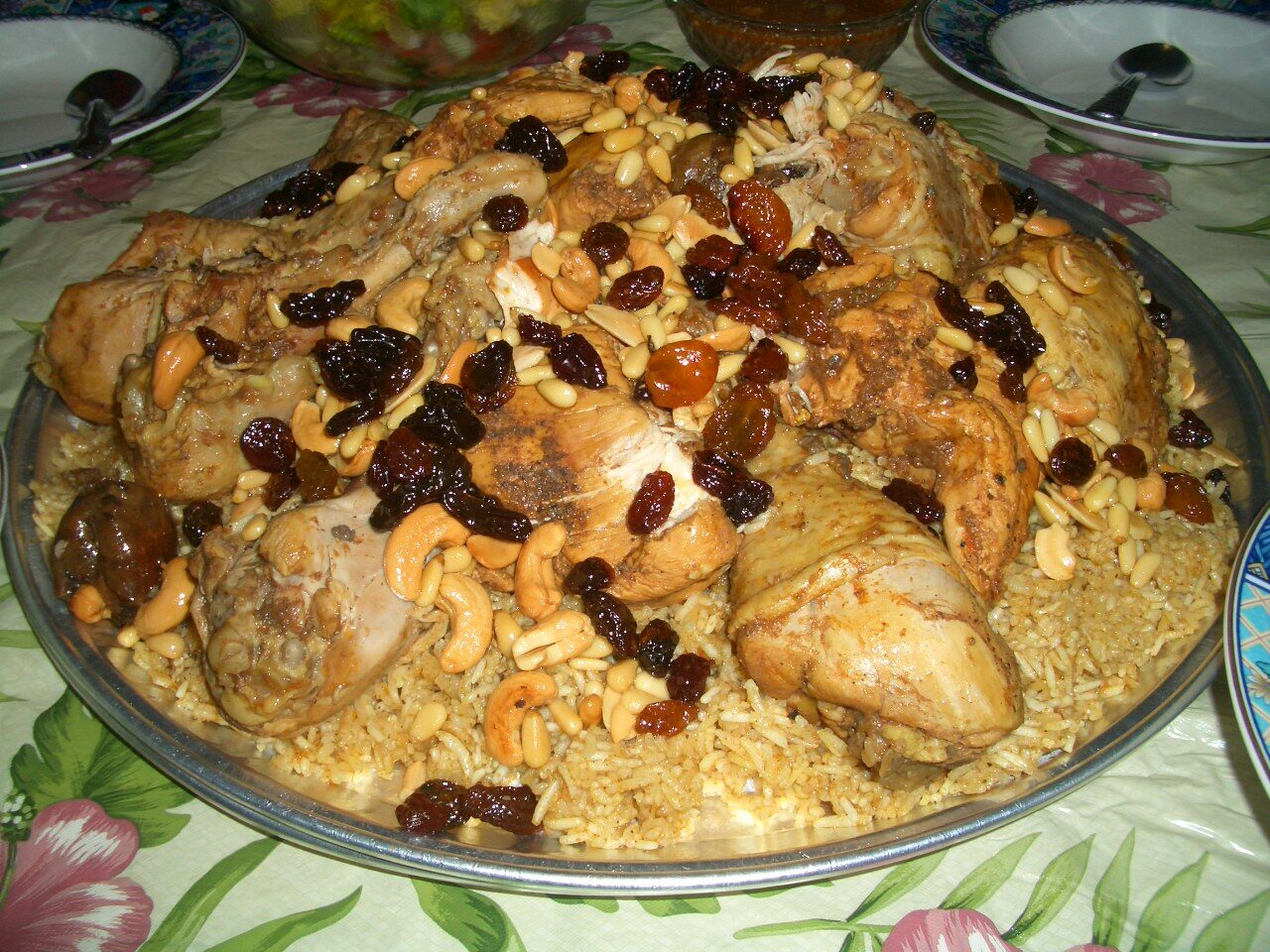
Najd Village in Riyadh is one of the most frequently recommended stops on any food tour of the capital, and for good reason. The restaurant is designed to replicate traditional Najdi mud-brick architecture, with private booths featuring floor cushions arranged in a majlis (sitting-room) style. The menu covers the full range of central Saudi cuisine: kabsa with slow-cooked lamb, jareesh with tomato sauce, saleeg (a creamy rice dish sometimes compared to risotto), and harees (wheat porridge with shredded meat). Najd Village was recognised with a Bib Gourmand distinction in the inaugural Michelin Guide Saudi Arabia 2026 — a nod to its excellent value and authentic flavours. A meal for two typically costs SAR 120–200.
NOMAS at Marriott Diplomatic Quarter
For visitors wanting a refined version of Saudi dining, NOMAS at the Marriott Riyadh Diplomatic Quarter pairs regional dishes with live oud performances and modern plating. The menu travels across Saudi regions — Hail kebiba, ocean sayaadih (a fisherman’s rice dish), Najdi lamb shoulder, and hashi steak (camel). NOMAS is a good choice for visitors who want to sample Saudi hospitality in a hotel setting without sacrificing authenticity.
Boulevard Riyadh City and Seasonal Food Events
During the Riyadh Season (typically October to March), Boulevard Riyadh City transforms into an open-air food festival with dozens of pop-up restaurants, food trucks, and themed dining zones. The Saudi Feast Food Festival, organised under the Ministry of Culture’s culinary programme, periodically brings regional specialties from across the Kingdom to a single location. In 2026, the SaudiFoodShow (15–17 June) and Saudi Food Expo (21–24 June) will both be held at the Riyadh Convention Exhibition and Conference Centre, featuring live cooking demonstrations, product tastings, and workshops led by internationally recognised chefs.
Jeddah Food Tours
Jeddah is arguably Saudi Arabia’s most food-obsessed city. Its position as the historic gateway to Mecca meant that for centuries, pilgrims from Africa, South Asia, Southeast Asia, and the Levant passed through and left culinary fingerprints. The result is a food culture that is unusually diverse for an Arabian city — and walking through Al Balad, the UNESCO-listed old city, with a food guide is one of the best experiences available anywhere in the Kingdom.
Dunes and Dates — Walking Food Tour of Al Balad
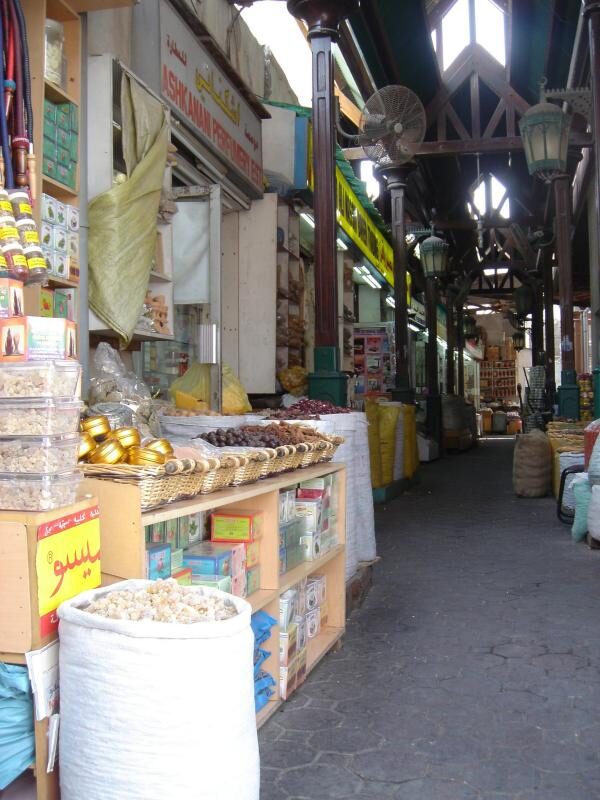
Dunes and Dates is a Jeddah-based tour company that runs the most popular walking food tour in Historic Jeddah. The tour begins at Mecca Gate, the ornate entrance to Al Balad, where you meet your guide — typically a local historian with deep knowledge of Jeddah’s merchant-class food traditions. From there, the group weaves through the narrow alleyways of Al Balad, stopping at family-run bakeries, spice shops, and hole-in-the-wall restaurants.
Typical stops on the tour include:
- Dates tasting — sampling a range of Saudi varieties from different growing regions, with explanations of how soil, altitude, and watering methods affect flavour.
- Mutabbaq and tatima — watching street-food vendors fold and fry these stuffed flatbreads in front of you, a tradition that arrived in the Hijaz via South Asian pilgrims centuries ago.
- Spice shop visit — learning about Saudi Arabia’s role in the ancient spice routes and blending your own baharat mix to take home.
- Oldest bakery in Al Balad — baking and tasting fresh khobz (bread) in a traditional stone oven.
- Najil fish — sitting down at a local restaurant to eat what the guides call “the Rolex of the Red Sea” — grouper grilled on charcoal and served simply with rice and tahini.
- Sobia — a traditional Jeddah drink made from fermented barley, particularly popular during Ramadan.
- Marsoob dessert — learning to make this banana-and-bread dessert from scratch at the final stop.
The tour typically lasts 3–4 hours. Bookings can be made through dunesanddates.com. For visitors interested in combining a food tour with a deeper exploration of the old city, see the Al Balad Jeddah guide.
Samia’s Dish: Michelin-Recognised Hijazi Home Cooking
One of the standout entries in the inaugural Michelin Guide Saudi Arabia 2026, Samia’s Dish earned a Bib Gourmand for its authentic and affordable Hijazi classics. The restaurant specialises in recipes passed down through generations — mandi, saleeg, and layered pastries filled with cheese or spiced meat. It operates on a simple, no-frills model that prioritises flavour over presentation, which is precisely what earned the Michelin inspectors’ attention. Located in Jeddah, it is easily combined with an Al Balad food walk.
Tahlia Street: Jeddah’s Modern Food Corridor
While Al Balad covers heritage, Tahlia Street is where Jeddah’s contemporary food scene lives. This kilometre-long strip in the Al Rawdah district is packed with restaurants ranging from Saudi fine dining to Japanese fusion, Turkish grills, and Lebanese mezze. It is not a guided tour per se, but a self-directed food crawl along Tahlia is an essential Jeddah evening. The Lucky Llama, which received a Bib Gourmand in the Michelin Guide Saudi Arabia 2026 for its Peruvian-Japanese Nikkei cuisine, is located in this part of the city.
Jeddah Corniche Seafood
The Jeddah Corniche stretches for 30 kilometres along the Red Sea, and several sections feature seafood restaurants where the catch is displayed on ice for you to choose before it is grilled, fried, or baked. While not a formal food tour, this is one of the most authentic Jeddah eating experiences — pointing at a slab of hamour or a pile of red shrimp and having it cooked to order with rice, salad, and tahini. Budget SAR 60–120 per person for a generous seafood meal on the Corniche.
AlUla Food Experiences
AlUla has transformed from a little-known archaeological site into one of Saudi Arabia’s most exciting destinations, and its food scene has evolved to match. The Royal Commission for AlUla has invested heavily in sustainable, locally sourced dining that connects cuisine to landscape. Restaurants here source ingredients from the surrounding date-palm oasis, citrus groves, and herb gardens — a genuine farm-to-table approach that is rare in the Gulf region. Combine a food experience with visits to Hegra, Elephant Rock, and AlUla Old Town for a complete trip.
Dadan Culinary Arts Centre
The Dadan Culinary Arts Centre is a flagship project inspired by the Slow Food movement and located near the ancient Dadan archaeological site. It functions as both a restaurant and a culinary education space, celebrating eco-gastronomy and the diversity of local cuisines. Workshops focus on sustainable food practices, traditional AlUla cooking methods, and the agricultural heritage of the oasis. This is one of the most distinctive culinary attractions in all of Saudi Arabia and a must-visit for serious food travellers.
Winter at Tantora: The Old Town Culinary Voyage
During the Winter at Tantora season (December to early January), AlUla hosts a four-stop tasting journey through the Old Town. Guests move between different restaurants and venues, each serving dishes shaped by regional Saudi recipes reinterpreted with contemporary techniques. The experience is designed to mirror a traditional extended Saudi gathering where multiple courses arrive over several hours. The 2025–2026 season ran from 18 December to 10 January, and the format is expected to return for the 2026–2027 season.
Ducasse in AlUla
Legendary French chef Alain Ducasse operates a seasonal pop-up restaurant beneath the canopy of AlUla’s oasis, typically running from December through February. The menu blends French culinary technique with ingredients sourced from the AlUla valley — local citrus, dates, herbs, and desert honey. It is among the most exclusive dining experiences in Saudi Arabia, and reservations should be made well in advance through experiencealula.com.
Tofareya and Joontos: Bib Gourmand Winners
Two AlUla restaurants received Bib Gourmand distinctions in the Michelin Guide Saudi Arabia 2026. Tofareya, set at the foot of AlUla’s ancient fort, preserves home-style cooking traditions with dishes such as kabsa infused with AlUla oranges. Joontos, located in AlUla Old Town, blends Levantine mezze with Iberian tapas using local produce. Both are affordable, distinctive, and deeply rooted in place.
Tama Restaurant at Our Habitas AlUla
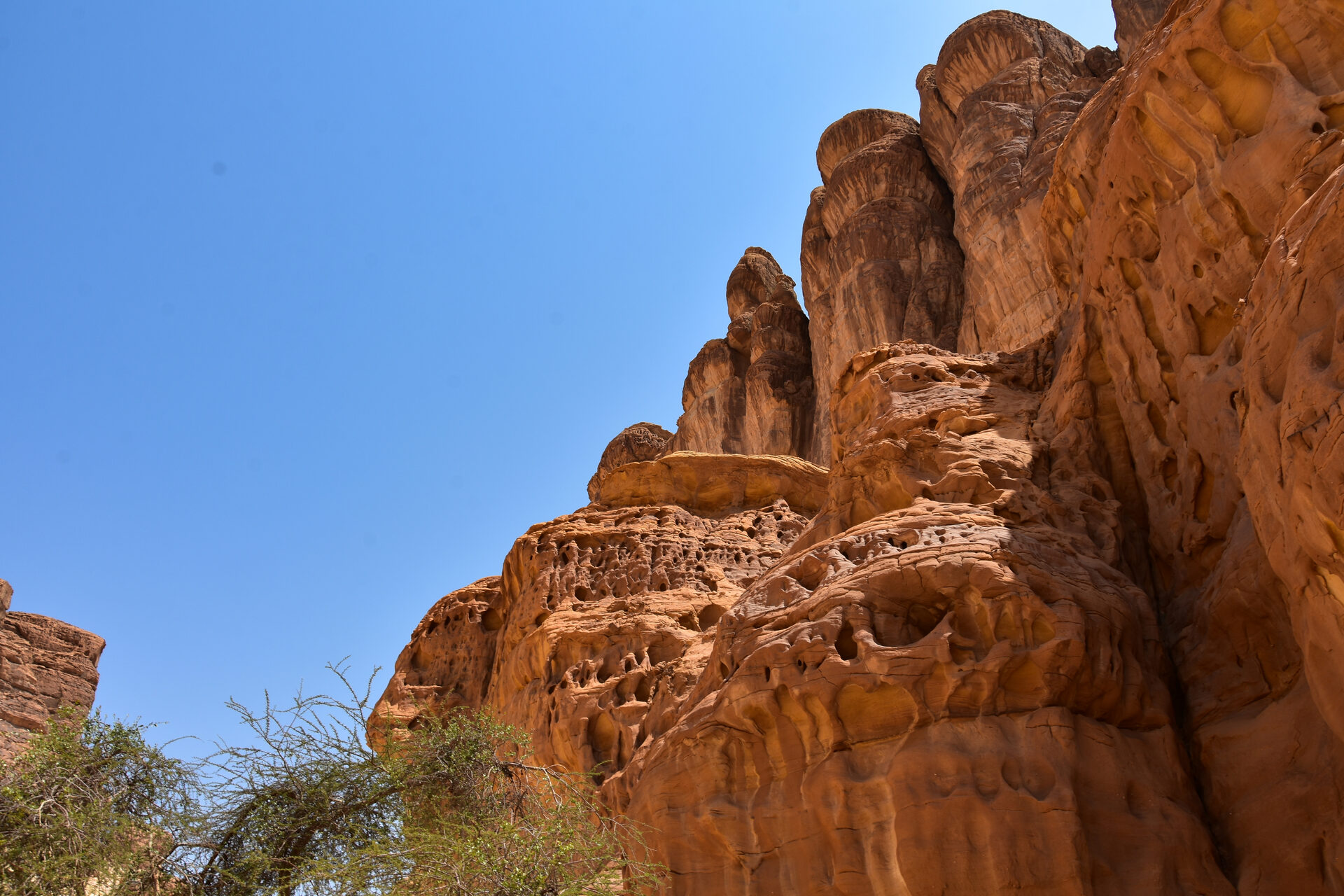
The desert resort Our Habitas operates Tama, an open-air restaurant surrounded by sandstone cliffs. The menu emphasises seasonal, locally foraged ingredients and draws on the culinary traditions of the Hejaz. Dining at Tama after sunset, with the desert cooling around you and the cliffs turning amber under floodlights, is one of the most memorable meals available in the Kingdom.
Eastern Province: Dammam, Al Khobar and Dhahran
The Eastern Province offers a food scene shaped by the Arabian Gulf — seafood is king here, and the influence of Bahrain, India, and Iran adds layers of flavour not found in the Najd or Hijaz. While dedicated food tour operators are less established than in Riyadh or Jeddah, self-guided food exploration is straightforward and rewarding.
Al Khobar Fish Market and Seafood Restaurants
The Al Khobar Corniche is lined with seafood restaurants, and the nearby fish market lets you select your catch for immediate preparation. Shrimp, hamour (grouper), zubaidi (silver pomfret), and crab are the staples. The Shrimp Shack in Dammam is widely regarded as the city’s seafood standout — the menu leans heavily on shrimp in various preparations, but garlic butter mussels and crispy calamari are equally popular. A seafood meal in the Eastern Province typically costs SAR 50–150 per person.
Traditional Village Restaurant, Al Khobar
For visitors wanting to experience traditional Gulf-Saudi cuisine, the Khobar Traditional Village restaurant replicates an authentic Arabic setting with Arabic-style seating, warm hospitality, and a menu built around kabsa, mandi, and machboos (a Gulf-style spiced rice). It is a reliable introduction to Eastern Province flavours and consistently ranks among the top-reviewed restaurants in Al Khobar.
Al Sanbok: Gulf Fusion on the Corniche
Nestled on Corniche Road in Al Khobar, Al Sanbok blends Gulf and international cuisines with dishes like the “Gulf and Turf Grill” and paella alongside more traditional Saudi options. It is a good example of how Eastern Province restaurants merge multiple culinary traditions — the proximity to Bahrain (a 25-minute drive across the King Fahd Causeway) and a large expat community have made the food scene here more internationally varied than in other Saudi cities.
Abha and the Asir Highlands
The mountain city of Abha, capital of the Asir region, sits at approximately 2,200 metres elevation and receives more rainfall than anywhere else in Saudi Arabia. The cooler climate produces distinctly different cuisine — warming, hearty, and deeply flavourful. In 2024, the Asir region was named a World Region of Gastronomy by the International Institute of Gastronomy, Culture, Arts and Tourism (IGCAT), confirming what locals have long known: this is where Saudi Arabia’s most distinctive cooking lives.
Haneeth: The Signature Dish of Asir
Haneeth is meat (traditionally goat, but also chicken or pigeon) slow-roasted for hours in a tannur — an underground clay oven heated with firewood. The result is falling-off-the-bone tender meat served on a bed of spiced rice with toasted nuts, salad, and tahini. In Abha, restaurants like Al-Hosn Al-Turathi and the restaurant of Ali Ramze (who has been making haneeth for over 20 years) serve traditional preparations that you simply cannot find elsewhere in the Kingdom.
Al-Hosn Al-Turathi Restaurant
Housed in a former police station in Al-Basta, one of Abha’s oldest suburbs, Al-Hosn Al-Turathi specialises in Asiri cuisine. The menu includes haneeth, arika (a dessert of bread soaked in ghee and honey), tasabea (finger-food dumplings), and miva bread baked in traditional tannur ovens. The building itself is a cultural experience — thick stone walls, traditional Asiri geometric wall paintings, and a courtyard that fills with the smell of slow-roasting meat.
Miva Bread and Asiri Specialties
Miva (also called mifa) is the flatbread of Asir. Made from fermented dough and baked in a pit oven, it has a slightly sour tang and dense texture that pairs perfectly with honey, ghee, or stewed meat. Other dishes to seek out include aseeda (a thick wheat pudding served sweet or savoury), mahshush (a rich meat stew), and Asiri-style jareesh. Several small bakeries and home-kitchen restaurants in Abha and the surrounding villages of Al Soudah and Rijal Almaa offer these dishes in settings that feel closer to a family meal than a restaurant experience.
Tabuk: Northwest Frontier Flavours
The Tabuk region in northwest Saudi Arabia is less visited than Riyadh, Jeddah, or AlUla, which means its food scene retains a raw, local character. The cuisine here shows strong connections to Jordanian and Levantine traditions — shrak (paper-thin bread cooked on a domed metal plate), mansaf (lamb cooked in fermented dried yoghurt), and alrashoof (a wheat-and-buttermilk dish) are staples that you will not find on menus in the Najd or Hijaz.
Al-Qaryah Al Turathiyah
The most authentically traditional restaurant in downtown Tabuk, Al-Qaryah Al Turathiyah features floor seating on carpets with low walls forming private booths. The menu covers classic Tabuki fare — mansaf, mandi, shrak bread — and the portions are large. This is the kind of place where locals eat on weekends with extended family, and visiting as a tourist gives you a window into how food functions as social glue in Saudi Arabia.
Juzurna: Roots Cuisine
For a more refined take on regional food, Juzurna offers Arabesque cuisine drawing from Maghreb and Levant traditions. The restaurant’s name translates loosely as “our roots,” and the menu is built around dishes that narrate the culinary history of the region — herbed flatbreads, slow-cooked stews, and clay-pot preparations.
Saudi Cooking Classes: Hands-On Culinary Experiences
If watching and tasting is not enough, Saudi Arabia now offers a growing number of cooking classes where you can learn to prepare traditional dishes yourself. These range from casual home-kitchen sessions to professional culinary academy workshops.
Riyadh Cooking Classes
In Riyadh, hands-on cooking experiences typically begin with a welcome of Saudi coffee (qahwa) and dates before moving to the kitchen. Classes cover iconic dishes such as kabsa, jareesh, kleicha (date-filled pastries), and crispy samosas. Most classes include all ingredients and supplies, and you eat what you have cooked at the end. Prices start from approximately SAR 220 ($59) per person for group sessions and rise to SAR 370+ ($100+) for private or luxury experiences. Platforms like Klook and Cozymeal list verified options with reviews.
Jeddah Home Cooking with Local Chefs
Jeddah offers some of the most personal cooking experiences in the Kingdom. Several operators run traditional private cooking classes in local homes, where a Jeddawi chef teaches you to prepare three courses of Hijazi cuisine plus a side dish. The experience often includes closely guarded family recipes passed down through generations. Chef Lulwa Al-Azza, one of Saudi Arabia’s most prominent culinary figures, runs workshops in Jeddah that blend traditional techniques with contemporary presentation. Expect to pay SAR 250–450 per person for a private class including ingredients, cooking, and a sit-down meal.
ZADK Culinary Academy
For visitors with a serious interest in cooking, ZADK Culinary Academy offers professional-level courses. While primarily aimed at aspiring chefs, ZADK also runs short workshops and masterclasses that are open to food-enthusiast travellers. Check their schedule at zadk.com.sa for availability during your visit.
The Michelin Guide Saudi Arabia: What It Means for Food Tourists
In December 2025, the Michelin Guide unveiled its inaugural Saudi Arabia 2026 selection, featuring 52 restaurants across Riyadh, Jeddah, and AlUla. While Michelin Stars will not be awarded until the 2027 edition, the first selection included 11 Bib Gourmand distinctions — a recognition of excellent food at moderate prices. For food tourists, this provides a curated shortlist of verified dining experiences.
Key Bib Gourmand Winners Worth Visiting
| Restaurant | City | Cuisine | What to Order |
|---|---|---|---|
| Najd Village | Riyadh | Traditional Najdi | Kabsa, jareesh, saleeg |
| Fi Glbak | Riyadh | Saudi comfort food | Regional specialties |
| Tameesa | Riyadh | Saudi breakfast | Traditional morning dishes |
| Mirzam | Riyadh | Modern Saudi | Contemporary Saudi plates |
| Samia’s Dish | Jeddah | Hijazi home cooking | Mandi, saleeg, pastries |
| The Lucky Llama | Jeddah | Peruvian-Japanese Nikkei | Fusion small plates |
| Tofareya | AlUla | Heritage Saudi | Kabsa with AlUla oranges |
| Joontos | AlUla | Levantine-Iberian | Mezze and tapas |
The full and updated selection is available at guide.michelin.com. The Michelin Guide Restaurant Celebration Saudi Arabia 2026 ceremony was held in February 2026, with special awards for service, young chef, and sommelier categories.
Essential Saudi Dishes to Know Before Your Food Tour
Walking into a food tour with a basic vocabulary of Saudi dishes dramatically improves the experience. Here are the dishes you will encounter most frequently:
| Dish | Description | Region |
|---|---|---|
| Kabsa | The national dish: basmati rice cooked with meat (chicken, lamb, or goat), tomatoes, and a blend of cardamom, black lime, cinnamon, and bay leaves. Garnished with toasted almonds and raisins. | Nationwide, origin Najd |
| Mandi | Rice and meat slow-cooked in an underground clay oven (tannur), with smoke and steam infusing the grain. Originally Yemeni, now beloved across the south and west. | Hijaz, South |
| Jareesh | Crushed wheat cooked into a thick, porridge-like consistency with meat and spices. In Tabuk it is made with milk and wild ghee; in Hail with tomato sauce. | Najd, North |
| Saleeg | Creamy rice dish cooked in milk and chicken broth, often compared to risotto. Topped with roasted chicken. | Hijaz |
| Mutabbaq | Stuffed, folded flatbread filled with spiced meat or egg, pan-fried until crispy. A street-food staple in Jeddah. | Hijaz |
| Haneeth | Whole goat or lamb slow-roasted in a tannur oven for hours. Served on rice with nuts and salad. | Asir |
| Arika | Bread soaked in clarified ghee and honey, sometimes with date syrup. A highland dessert. | Asir |
| Marqooq | Paper-thin bread layered with vegetable stew (zucchini, carrot, tomato). A Najdi everyday comfort food. | Najd |
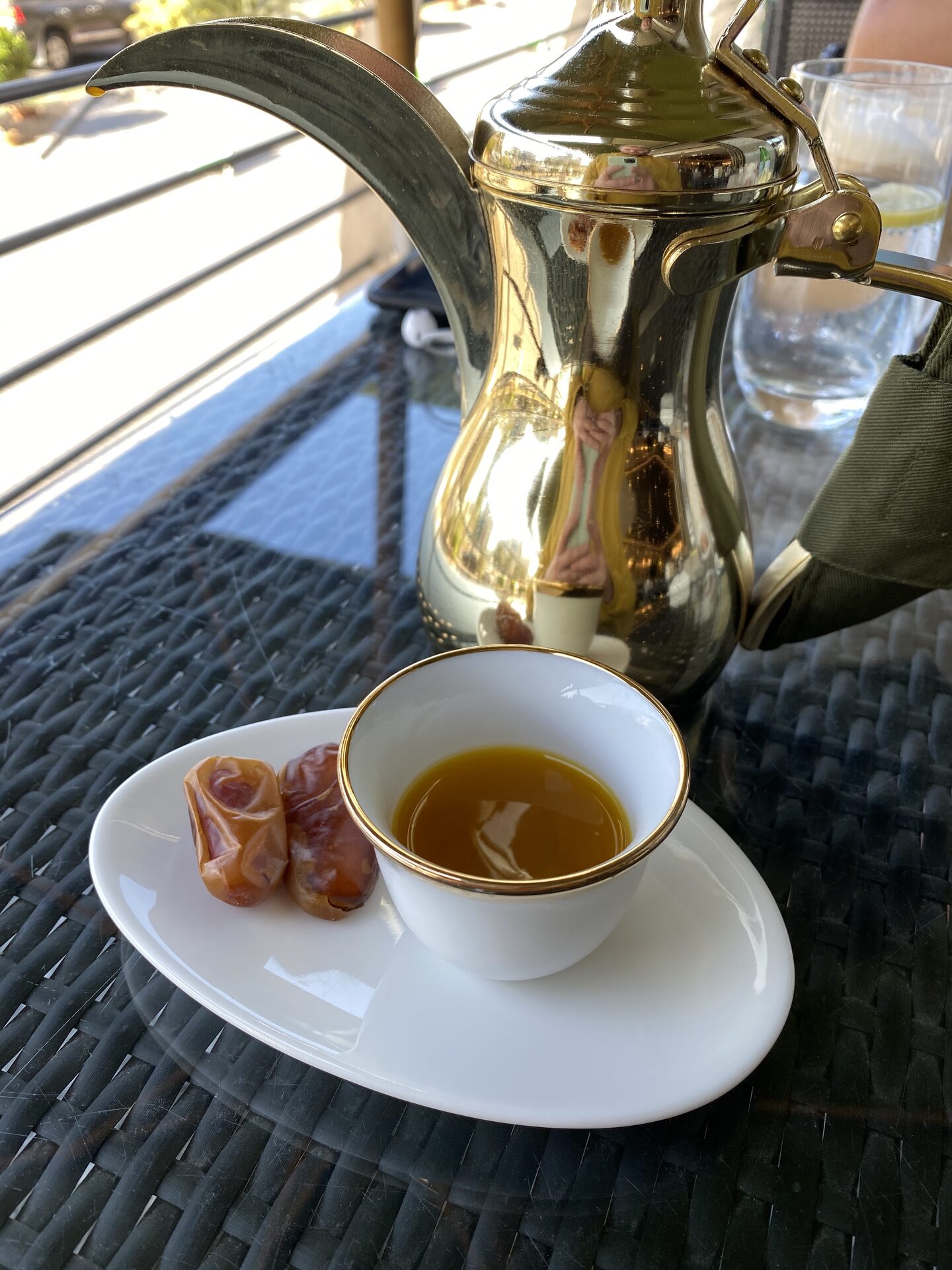
| Qahwa and Dates | Saudi coffee (light-roast, cardamom-infused) served in small cups alongside dates. The universal opening of every Saudi meal and gathering. | Nationwide |
Eating During Ramadan
If your visit coincides with Ramadan, food tours operate differently. During daylight hours, eating and drinking in public is not permitted. However, after the iftar (sunset meal), Saudi cities come alive with food: elaborate buffets, street-food stalls, and night markets spring up across every city. Some of the best food experiences in Saudi Arabia happen during Ramadan evenings, when communal meals and special dishes appear that are not served at any other time of year. In Jeddah, Al Balad transforms into a particularly atmospheric night-food destination during the holy month. For a full guide to navigating food during Ramadan, see Eating in Saudi Arabia During Ramadan.
Practical Tips for Food Tour Visitors
Booking and Timing
- Book ahead: Popular food tours in Jeddah and Riyadh sell out, especially during Riyadh Season (October–March) and school holidays. Book at least one week in advance; two weeks for premium experiences like Ducasse in AlUla.
- Evening tours are best: Saudi Arabia’s dining culture peaks after sunset. Most food tours run from 6 PM to 10 PM, aligning with when restaurants are busiest and street food is freshest.
- Pace yourself: Saudi portions are generous. A typical food tour includes 6–10 tastings across 3–5 hours. Eat lightly on the day of your tour.
Dietary Considerations
- All food in Saudi Arabia is halal by law. Pork is not available.
- Vegetarian options exist but are not always highlighted on menus. Inform your tour operator in advance if you are vegetarian or vegan; most can adjust the itinerary.
- Saudi cuisine uses nuts frequently (almonds, pine nuts, cashews). Notify guides of any nut allergies before the tour begins.
- Dairy and wheat feature heavily in dishes like jareesh, saleeg, and arika. Gluten-free and lactose-free diets require advance planning.
What to Wear
Food tours involve walking — sometimes through old city quarters with uneven surfaces. Wear comfortable shoes. Saudi Arabia has a modest dress code; see the dress code guide for detailed advice. In practice, loose-fitting clothing that covers shoulders and knees is sufficient for both men and women on a food tour.
Costs and Tipping
| Experience | Price Range (SAR) | Price Range (USD) |
|---|---|---|
| Guided walking food tour (3–4 hrs) | 200–500 | 53–133 |
| Cooking class (group, 2–3 hrs) | 150–400 | 40–107 |
| Private cooking class | 350–800 | 93–213 |
| Fine dining (per person) | 200–600 | 53–160 |
| Street food meal | 15–40 | 4–11 |
| Traditional restaurant meal (per person) | 50–150 | 13–40 |
| Ducasse in AlUla (per person, seasonal) | 800–2,500 | 213–667 |
Tipping is not mandatory in Saudi Arabia but is appreciated. A tip of 10–15% at restaurants is common; for food tour guides, SAR 20–50 per person is a generous gesture.
Visa and Entry
Citizens of 60+ countries can obtain a Saudi Arabia tourist e-visa online within minutes. The visa is valid for one year with multiple entries and allows stays of up to 90 days per visit. There is no specific visa requirement for food tours — a standard tourist visa covers all activities described in this guide.
Getting Around
Most food tours include meeting-point instructions; some offer hotel pickup. For self-guided food exploration, ride-hailing apps (Uber, Careem) are the most convenient way to move between restaurants in all Saudi cities. If you plan to explore multiple cities, see the Getting Around Saudi Arabia transport guide. For road trips between food destinations, the car rental guide covers everything you need to know.
Best Food Tour Itineraries by Trip Length
Weekend Food Trip (2–3 Days): Riyadh
- Day 1: Arrive Riyadh. Evening food tour with Secret Food Tours or My Saudi Tours through old Riyadh neighbourhoods.
- Day 2: Morning cooking class (kabsa and jareesh). Afternoon visit to Diriyah; dinner at Jareed Samhan or Bujairi Terrace restaurants.
- Day 3: Lunch at Najd Village. Explore Al Malaz district for its hidden traditional restaurants before your flight.
One-Week Food Journey (5–7 Days): Riyadh, Jeddah, AlUla
- Days 1–2: Riyadh food tour and cooking class (as above).
- Day 3: Fly to Jeddah. Afternoon walking food tour of Al Balad with Dunes and Dates.
- Day 4: Jeddah Corniche seafood lunch. Afternoon at Tahlia Street. Private Hijazi cooking class in the evening.
- Day 5: Fly to AlUla. Lunch at Tofareya. Afternoon at Hegra. Dinner at Tama (Our Habitas).
- Day 6: Morning workshop at Dadan Culinary Arts Centre. Lunch at Joontos in Old Town. Afternoon at Elephant Rock.
- Day 7: Return flight via Riyadh or Jeddah.
Extended Gastronomy Tour (10+ Days): Full Kingdom
Add the Eastern Province (Dammam/Al Khobar seafood, 2 days) and the Asir Highlands (Abha haneeth and highland cooking, 2–3 days) to the one-week itinerary for a comprehensive tour of Saudi Arabia’s regional cuisines. Domestic flights connect all five cities, and the Saudi Arabia itinerary guide provides detailed day-by-day plans.
Food Festivals and Culinary Events Calendar
Saudi Arabia hosts an increasing number of food-focused events throughout the year:
| Event | Location | Typical Dates | What to Expect |
|---|---|---|---|
| Saudi Feast Food Festival | Riyadh | Varies (check Ministry of Culture) | Regional Saudi dishes from across the Kingdom gathered in one venue |
| Winter at Tantora | AlUla | December–January | Old Town culinary voyage, Ducasse pop-up, heritage dining |
| Riyadh Season | Riyadh | October–March | Food trucks, pop-up restaurants, Boulevard dining zones |
| The Saudi Food Show | Riyadh | June 2026 | Industry expo with live cooking, product tastings, chef workshops |
| Saudi Food Expo | Riyadh | June 2026 | Interactive workshops, culinary innovation showcases |
| HORECA Saudi Arabia | Riyadh | Annual | Hospitality and food exhibition with barista competitions, culinary shows |
| Jeddah Season | Jeddah | June–July | Waterfront dining events, international food pop-ups |
Tip: The Saudi Feast Food Festival is the single best event for sampling regional Saudi cuisines in one location. If your travel dates are flexible, plan around it.
Explore More Saudi Arabia Travel Guides
- Saudi Arabia Travel Guide 2026 — The complete guide to visiting the Kingdom
- Saudi Cooking Classes — Learn to make kabsa, mandi, and more with local chefs
- Saudi Arabia Food and Dining Guide — What to eat and where across every region
- Eating in Saudi Arabia During Ramadan — Iftar, suhoor, and navigating food during the holy month
- Al Balad Jeddah Guide — Explore the UNESCO-listed old city where Jeddah’s best food tours begin
- Saudi Arabia Visa Guide — Every visa type explained