
Saudi Arabia has some of the fastest mobile internet speeds in the Middle East, with widespread 5G coverage across major cities and tourist destinations. However, the Kingdom also maintains one of the region’s most comprehensive internet filtering systems, blocking certain websites and restricting VoIP calling apps that many travellers rely on at home. Whether you are visiting Riyadh, exploring AlUla’s ancient ruins, or making the Hajj pilgrimage, understanding what works, what does not, and how to stay connected is essential preparation for any trip. This guide is part of our complete Saudi Arabia travel guide and covers everything from SIM cards and eSIMs to VPN legality, blocked services, and practical workarounds.
Best Mobile Provider for Tourists: STC (widest coverage), Mobily (best value data), Zain (fastest 5G speeds)
Average Mobile Speed: 60–86 Mbps download (5G available in all major cities)
Visa Required: Yes — tourist e-visa available for 60+ nationalities
Budget: SAR 40–120 (USD 10–32) for a tourist SIM with 7–55 GB data
What Works: WhatsApp messaging, Instagram, X (Twitter), Google, YouTube, Zoom, Google Meet
What Is Blocked: VoIP calls (WhatsApp/FaceTime/Skype voice), gambling sites, pornography, some VPN provider websites
How Good Is the Internet in Saudi Arabia?
Saudi Arabia’s internet infrastructure is among the most advanced in the Middle East. The Kingdom has invested heavily in 5G rollout since 2019, and by 2025 all three major carriers — STC, Mobily, and Zain — offer widespread 5G coverage in Riyadh, Jeddah, Dammam, Mecca, Medina, and other major cities. According to Opensignal’s February 2025 report, Zain delivers the fastest average mobile download speeds at 86.4 Mbps, while STC achieves 63.8 Mbps with the most consistent coverage nationwide.
For travellers, this means you will likely experience faster mobile data speeds in Saudi Arabia than in many European countries. Streaming video, video calling (where available — more on that below), navigation apps, and social media all work smoothly on 4G and 5G networks. Coverage extends to tourist destinations including AlUla, Tabuk, and along the main highways connecting cities. Remote desert areas and very rural locations may drop to 3G or lose signal entirely, but these are the exception rather than the rule.

Hotel and Public WiFi
Free WiFi is available at all three major international airports: King Khalid International Airport in Riyadh, King Abdulaziz International Airport in Jeddah, and King Fahd International Airport in Dammam. Quality varies — airport WiFi often requires registration with a local phone number and can be slow during peak hours.
Most hotels from budget to luxury offer complimentary WiFi, though speeds and reliability differ greatly. Four- and five-star hotels generally provide acceptable speeds for streaming and video calls. Budget accommodations may offer slower, less reliable connections.
Cafes, malls, and restaurants in major cities increasingly offer free WiFi. Chains like Starbucks, Tim Hortons, and Costa Coffee provide WiFi access across their Saudi locations. Shopping malls in Riyadh and Jeddah typically have free networks. However, public WiFi in Saudi Arabia frequently requires a local phone number for authentication, making a local SIM card practically essential even for WiFi access.
Practical tip: Do not rely on public WiFi as your primary internet connection in Saudi Arabia. A local SIM card or eSIM with a data plan will be far more reliable and usually faster. Treat hotel and cafe WiFi as a useful backup.
What Is Blocked in Saudi Arabia?
Saudi Arabia operates one of the most extensive internet filtering systems in the world. The Communications, Space and Technology Commission (CST, formerly CITC) maintains the filtering infrastructure, blocking content across more than 90 classification categories. Freedom House’s Freedom on the Net 2025 report scored Saudi Arabia 25 out of 100, classifying it as “Not Free.” For everyday tourists, however, the impact is more limited than these headlines suggest. The vast majority of websites and apps you use daily — including Google, social media platforms, mapping apps, and news sites — work without restriction.
Categories of Blocked Content
The following types of content are systematically blocked:
- Adult content and pornography — the most heavily filtered category, with over 80% of known sites blocked
- Gambling websites — all online gambling and betting platforms
- Drug-related content — sites promoting or providing information about illegal drug use
- VoIP calling features — voice and video call functions within messaging apps (see detailed section below)
- Some VPN provider websites — the download pages of many VPN services are blocked, though the VPN apps themselves generally work once installed
- Political criticism — websites containing criticism of the Saudi government, royal family, or Gulf states
- Content deemed anti-Islamic — material considered offensive to Islam
- Some dating apps and websites — platforms that facilitate casual dating
- WhatsApp — text messaging, photos, voice notes, and document sharing all work. Only voice and video calls are restricted (see VoIP section)
- Instagram, X (Twitter), Snapchat, TikTok — all function normally
- YouTube — works fully, though individual videos may be geo-blocked
- Google services — Search, Maps, Gmail, Google Drive, Google Photos all work
- Netflix, Disney+, Amazon Prime Video — streaming platforms work, though content libraries may differ from your home country
- Spotify and Apple Music — music streaming works normally
- Banking apps and financial services — work normally
- Navigation apps — Google Maps, Waze, and Apple Maps all function well. See our essential apps guide for more
- News websites — most international news sites (BBC, CNN, Reuters, Al Jazeera English) are accessible
- Zoom and Google Meet — work for video and voice calls (these are exceptions to the VoIP restrictions)
- Zoom — both free and paid accounts work for voice and video calls
- Google Meet — works fully for video conferencing
- Microsoft Teams — works for business and personal calls
- Skype for Business — the enterprise version works (consumer Skype does not)
- BOTIM — a government-approved VoIP app offered in partnership with Saudi telecom providers. Free to download and use
- Article 3(4) of the Anti-Cyber Crime Law: Accessing blocked websites can result in fines of up to SAR 500,000 (approximately USD 133,000)
- Using a VPN to commit a cybercrime can carry penalties of up to SAR 1 million in fines and up to 5 years imprisonment
- For non-citizens, violations can result in deportation and permanent entry bans
- Download and install your VPN before arriving. Many VPN provider websites are blocked in Saudi Arabia, making it difficult to download the app once you are in the country. Install it at home and ensure it is working before your flight
- Use it for legitimate purposes. Securing your connection on public WiFi, accessing your work network, or protecting your data are all considered legitimate uses
- Do not use a VPN to access content that is illegal in Saudi Arabia. This is where the legal risk lies — the tool is not the problem, the content is
- Be discreet. There is no need to discuss your VPN usage publicly or draw attention to it
- Corporate VPN users connecting to international business systems face no practical issues. This is routine across the Kingdom
- Visitor 40: 7 GB + 60 minutes, 2 weeks — SAR 40 (~USD 11)
- Visitor 60: 20 GB + 150 minutes, 2 weeks — SAR 60 (~USD 16)
- Visitor 85: 28 GB + 250 minutes, 3 weeks — SAR 85 (~USD 23)
- Visitor 120: 55 GB + 350 minutes, 4 weeks — SAR 120 (~USD 32)
- Visitors 30: 5 GB + 60 minutes, 14 days — SAR 34.50 (~USD 9)
- Visitors 50: 20 GB + 120 minutes, 14 days — SAR 57.50 (~USD 15)
- Visitors 90: 55 GB + 300 minutes, 30 days — SAR 103.50 (~USD 28)
- Visitor 35: 5 GB + 1 hour flex, 2 weeks — SAR 40.25 (~USD 11)
- Visitor 60: 23 GB + 2 hours flex, 2 weeks — SAR 70 (~USD 19)
- Visitor 73: 25 GB + 3 hours flex, 3 weeks — SAR 85 (~USD 23)
- Airalo — Saudi Arabia eSIMs from USD 5.50 for 1 GB up to USD 49 for 20 GB. Partners with Zain and Mobily networks. Data only (no calls)
- Holafly — Unlimited data plans from USD 29 (5 days) to USD 64 (20 days). Speed may be throttled under fair use policy. Data only
- Local carrier eSIMs — STC, Mobily, and Zain all offer eSIM activation, though the process typically requires in-country registration with your passport
- For video calls: Use Zoom or Google Meet. Both are free and work without restriction. Share a meeting link via WhatsApp (messaging works) and call through the meeting platform
- For voice calls: Use Zoom, Google Meet, or BOTIM (the government-approved VoIP app). Alternatively, use your local SIM’s included calling minutes for international calls
- For messaging: WhatsApp, Telegram, iMessage, and all other messaging apps work normally for text, photos, voice notes, and file sharing. Only the calling function is restricted
- Microsoft Teams and Zoom work for all business video conferencing
- Slack, Trello, Notion, Google Workspace — all work normally
- Corporate VPNs — connect normally to your company network
- GitHub, Stack Overflow, cloud services — all accessible
- Hotel WiFi in business-class hotels is generally sufficient for remote work, but consider a local SIM for mobile hotspot backup
- Avoid public WiFi for sensitive transactions. Use your mobile data or a VPN when accessing banking, email, or other sensitive accounts on public networks
- Keep your devices updated. Ensure your phone’s operating system and apps are up to date before travelling
- Be aware of surveillance. Saudi Arabia has been documented using sophisticated surveillance technology. Journalists, activists, and political figures face elevated risk, but ordinary tourists are unlikely targets
- Do not access prohibited content. The legal penalties are severe, and the filtering system logs access attempts
- Secure your devices. Use strong passwords, enable two-factor authentication, and consider limiting the personal data stored on devices you bring into the country
- Saudi Arabia Travel Guide 2026 — The complete guide to visiting the Kingdom
- Best SIM Cards in Saudi Arabia — Detailed comparison of Zain, STC, and Mobily tourist plans
- eSIM for Saudi Arabia — Set up data before you land with Airalo, Holafly, and more
- Essential Apps for Saudi Arabia — Absher, Careem, Tawakkalna, and every app you need
- Phone and SIM Cards in Saudi Arabia — Complete mobile connectivity guide
- Is Saudi Arabia Safe for Tourists? — Honest security assessment and practical advice
- Saudi Arabia Visa Guide — Every visa type explained
What Works Without Restriction
The following popular services and platforms work normally in Saudi Arabia:
VoIP Calls: What Works and What Does Not
The single biggest surprise for most visitors is that voice and video calling through popular messaging apps is blocked. This is arguably the restriction that affects tourists most directly. Saudi telecom operators have historically lobbied to protect their call revenue, and the government has maintained VoIP restrictions accordingly.
Blocked Calling Services
| Service | Text/Messaging | Voice Calls | Video Calls |
|---|---|---|---|
| Works | Blocked | Blocked | |
| FaceTime | iMessage works | Blocked (intermittent) | Blocked (intermittent) |
| Skype (consumer) | Works | Blocked | Blocked |
| Viber | Works | Blocked | Blocked |
| Facebook Messenger | Works | Blocked | Blocked |
| Telegram | Works | Blocked | Blocked |
Note on FaceTime: Some users report that FaceTime calls work sporadically on certain networks, particularly on WiFi connections. However, this is inconsistent and should not be relied upon. Apple devices sold in Saudi Arabia historically had FaceTime removed entirely, though imported devices retain the feature.
Calling Services That Work
Several voice and video calling platforms function without restriction in Saudi Arabia:
If staying in touch with family is a priority, the simplest legal workaround is to use Zoom or Google Meet for voice and video calls instead of WhatsApp or FaceTime. Both are free for personal use and work reliably across all Saudi networks.
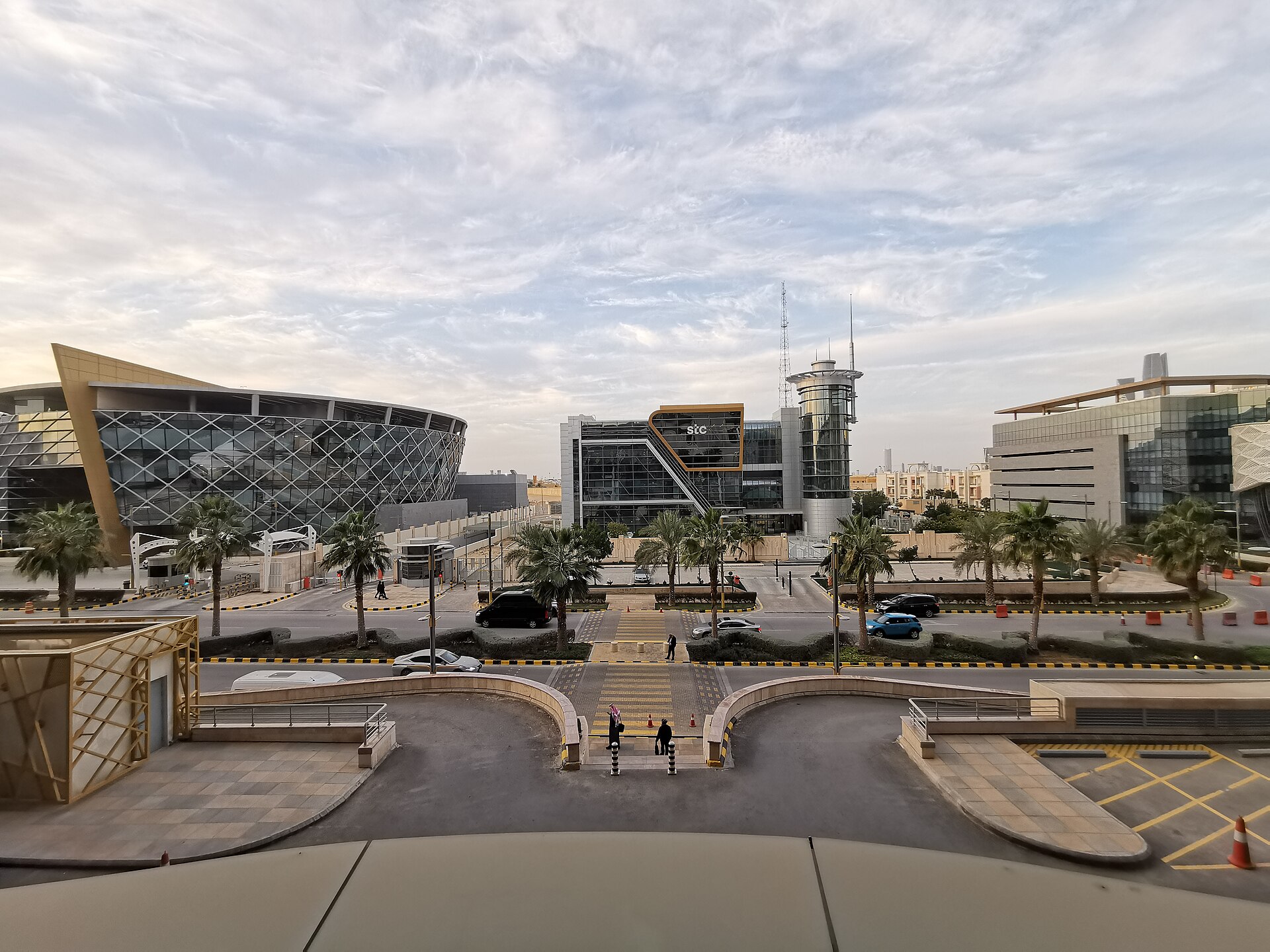
VPN in Saudi Arabia: Legal Status and Practical Advice
This is the question every connected traveller asks: can I use a VPN in Saudi Arabia? The answer is nuanced, and getting it right matters.
Is Using a VPN Legal?
VPN software is not illegal to possess or use in Saudi Arabia. The government recognises VPNs as legitimate security tools for business, remote work, and protecting data on public networks. Companies throughout the Kingdom routinely use VPNs for secure communications, and these corporate applications are standard practice.
However, there is a critical legal distinction. Saudi Arabia’s Anti-Cyber Crime Law of 2007 (Royal Decree No. M/17) does not ban VPNs themselves, but it prohibits using any technical tool — including VPNs — to access content that is illegal in the Kingdom. The enforcement focus is on what you access, not the tool you use to access it.
What the Law Actually Says
The relevant provisions are:
Important context: There are no publicly documented cases of a tourist being prosecuted simply for having a VPN installed on their device, or for using one to access a work email or secure a public WiFi connection. Enforcement is directed at people using circumvention tools to access seriously prohibited content (pornography, terrorism-related material) or to commit fraud. This is not legal advice — it is a factual summary of publicly available information about enforcement patterns.
Practical Guidance for Travellers
If you plan to use a VPN in Saudi Arabia, keep the following points in mind:
Getting Connected: SIM Cards and eSIMs
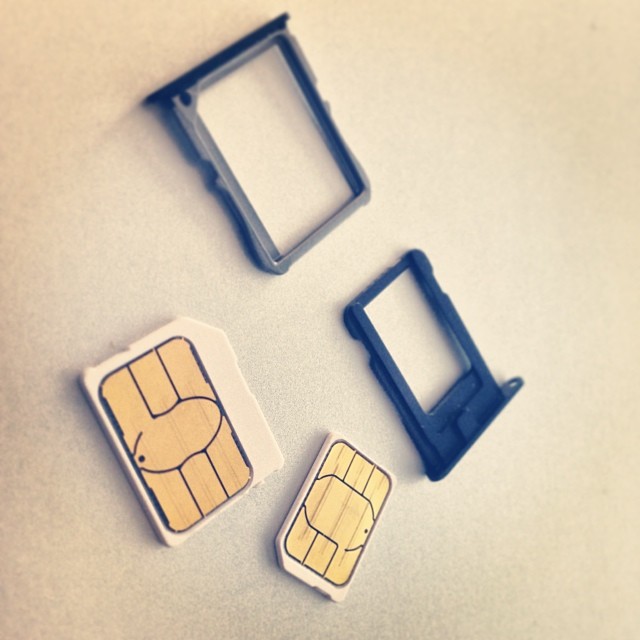
The most reliable way to stay connected throughout your trip is with a local SIM card or eSIM. Saudi Arabia has three major mobile operators, all of which offer dedicated tourist packages. For a more detailed comparison, see our complete SIM card guide and eSIM guide.
The Three Carriers
| Carrier | Strength | 5G Coverage | Best For |
|---|---|---|---|
| STC (Saudi Telecom Company) | Widest overall coverage, especially rural areas | Excellent in cities | Travellers visiting remote areas or driving between cities |
| Mobily | Best value data packages | Strong in major cities | Budget-conscious travellers staying in urban areas |
| Zain | Fastest 5G speeds (86.4 Mbps average) | Excellent in metro areas | Heavy data users who want maximum speed |
Tourist SIM Card Plans (2025–2026 Prices)
All three operators maintain staffed kiosks at Saudi Arabia’s major international airports. You will need your passport to purchase a SIM — registration is mandatory. See our entry requirements guide for the documents you need.
Zain Visitor Plans:
Mobily Visitor Plans:
STC Sawa Visitor Plans:
Best value pick: Mobily’s Visitors 90 plan offers 55 GB and 300 minutes for SAR 103.50 (~USD 28) over 30 days — the most data per riyal for longer stays. For short trips of a week or less, Zain’s Visitor 40 at SAR 40 is the most economical starting point.
eSIM Options
If your phone supports eSIM (most iPhones from the XS onwards, recent Samsung Galaxy and Google Pixel devices), you can skip the airport queue entirely by purchasing an eSIM before you travel. This is increasingly the preferred option for tech-savvy travellers. Our dedicated eSIM for Saudi Arabia guide covers this in detail, but here is a quick summary:
The advantage of international eSIM providers like Airalo is convenience: you activate before departure and land with data already working. The trade-off is that these are data-only plans with no local phone number, which means you cannot receive SMS verification codes from Saudi services that require a local number.
Internet Filtering: How It Works
Understanding how Saudi Arabia’s filtering works helps explain why some services are blocked and others are not. The system operates at the national level, meaning all internet traffic passing through Saudi ISPs is subject to the same filtering rules regardless of your carrier or connection type.
The Filtering Architecture
The Communications, Space and Technology Commission (CST) manages internet filtering through a centralised system. When you attempt to visit a blocked website, you are redirected to a block page at filter.sa explaining that the content is restricted. The system uses a commercial classification list covering more than 90 categories, supplemented by a locally curated block list maintained by a permanent committee headed by the Ministry of Interior.
Anyone — including visitors — can request that a website be blocked or unblocked by submitting a request through the CST’s official portal at filter.sa. Sites related to pornography and circumvention tools are handled directly by the CST, while requests involving other categories are referred to the inter-ministerial committee for review.
DNS and Deep Packet Inspection
Saudi filtering uses a combination of DNS-level blocking and deep packet inspection (DPI). DNS blocking prevents your device from resolving the address of a blocked website. DPI examines the content of internet traffic to identify and block VoIP protocols and other restricted services even when they are encrypted. This is why simply changing your DNS server (to Google’s 8.8.8.8, for example) will not bypass all restrictions — the DPI layer catches VoIP traffic regardless of DNS settings.
Staying Connected: Practical Scenarios
Calling Home
The simplest approach for calling family and friends back home:
Working Remotely
Saudi Arabia is increasingly popular with digital nomads and business travellers. For remote work:
Navigating and Using Travel Apps
All essential travel apps work in Saudi Arabia. Google Maps, Waze, Uber, Careem, Booking.com, Airbnb, and airline apps all function normally. The essential apps guide covers the full list of recommended travel apps, including Saudi-specific ones like Absher (government services) and Tawakkalna (health and event access).
Social Media in Saudi Arabia
All major social media platforms are accessible in Saudi Arabia. X (formerly Twitter) is particularly popular — Saudi Arabia has one of the highest per-capita Twitter usage rates in the world. Instagram, Snapchat, TikTok, YouTube, and Facebook all work without restriction.
However, be mindful of what you post. Saudi Arabia’s cybercrime laws apply to social media activity, and posting content that is critical of the government, the royal family, or Islam can have legal consequences. For tourists, the practical advice is straightforward: share your travel photos and experiences freely, but avoid political commentary about Saudi Arabia while you are in the country. Our photography rules guide covers related restrictions on what you can and cannot photograph.
Internet Safety and Privacy Tips
General internet safety practices apply in Saudi Arabia, with a few local considerations:
Data Roaming: An Expensive Alternative
Most international carriers offer data roaming packages for Saudi Arabia. While convenient — your existing number works immediately upon landing — roaming is significantly more expensive than a local SIM or eSIM. Typical roaming rates from European and North American carriers range from USD 5–15 per day for a limited data allowance (often just 500 MB to 1 GB), compared with USD 10–32 for 7–55 GB on a local SIM that lasts two to four weeks.
The one advantage of roaming is that your data passes through your home carrier’s network before reaching the internet, meaning some of Saudi Arabia’s content restrictions may not apply to roaming connections. However, this is not guaranteed, and roaming packages are not marketed as circumvention tools.
Specific Considerations by Traveller Type
Hajj and Umrah Pilgrims
Mobile networks in Mecca and Medina are robust but experience extreme congestion during Hajj season. The Saudi government deploys temporary cell towers to handle the surge, but expect slower speeds and dropped connections during peak prayer times and at the busiest pilgrimage sites. Purchase a SIM with a generous data allowance (55 GB or more) and download offline maps of the Holy Sites before arriving. See our Hajj 2026 guide for comprehensive pilgrimage planning.
Business Travellers
Saudi Arabia’s business infrastructure is excellent for connectivity. Hotels in Riyadh’s Diplomatic Quarter and Olaya District offer reliable high-speed WiFi. All major video conferencing platforms work. Corporate VPN access is standard and unimpeded. Consider carrying a portable WiFi hotspot loaded with a local SIM as backup for meetings outside your hotel.
Families and Solo Women Travellers
For families with children, be aware that content filtering extends to mobile networks, meaning age-inappropriate content is already filtered at the network level. For women travelling solo, all communication and safety apps (including ride-hailing apps like Uber and Careem) work normally. Consider downloading BOTIM as an additional VoIP option. Our safety guide covers broader security considerations.
Frequently Asked Questions
Can I use WhatsApp in Saudi Arabia?
Yes, for text messaging, photos, voice notes, and file sharing. WhatsApp voice and video calls are blocked. Use Zoom or Google Meet as alternatives for calling.
Will my VPN work in Saudi Arabia?
Most commercial VPN services work in Saudi Arabia once installed, though the VPN provider’s website may be blocked. Download and configure your VPN before arriving. VPN use is not illegal, but using one to access prohibited content is.
Do I need a local SIM card?
Strongly recommended. A local SIM provides the most reliable and cost-effective internet access. Many services, including public WiFi registration, require a local phone number. See our phone guide for details.
Is Netflix available?
Yes. Netflix works in Saudi Arabia, though the content library differs from your home country due to regional licensing agreements.
Can I use Tinder or dating apps?
Some dating apps are restricted or blocked in Saudi Arabia. Tinder and Bumble may work intermittently, but their use carries social and legal considerations. Exercise caution.
Are there internet cafes?
Internet cafes have largely been replaced by cafe WiFi. Most Starbucks, Costa Coffee, Tim Hortons, and independent cafes in major cities offer free WiFi. You may need a local phone number to register.
What happens if I try to access a blocked website?
You will be redirected to a government block page at filter.sa informing you that the content is restricted. The page explains why the content is blocked and provides a mechanism to request unblocking if you believe the restriction is in error.