
Saudi Arabia is one of the world’s great destinations for buying gold and silver jewellery. From the glittering gold souks of Jeddah and Riyadh to the Bedouin silverwork of the southern highlands, the Kingdom offers everything from investment-grade bullion to handcrafted heirloom pieces at prices that consistently undercut European and North American retailers. Whether you are shopping for a bridal set, a traditional hirz amulet, or a simple gold chain, this guide — part of our wider Saudi Arabia travel guide — covers where to shop, how pricing works, what to look for, and how to bring your purchases home.
Best Time to Shop: September (Saudi National Day sales) and post-Eid periods; avoid peak bridal season (Shawwal) when demand inflates making charges
Top Gold Souks: Al-Balad Gold Street (Jeddah), Souq Al-Thumairi (Riyadh), Al-Qaisariyah Souk (Al-Ahsa)
Visa Required: Yes — tourist e-visa
Budget: Gold priced at international spot + SAR 35–200/gram making charge; 15% VAT (reclaimable for tourists)
Must-See: Jeddah’s Al-Dhahab Street, Riyadh’s Dira souk district, Najran jambiya workshops
Avoid: Buying from unlicensed vendors without SASO hallmarks — always check for the three-stamp certification
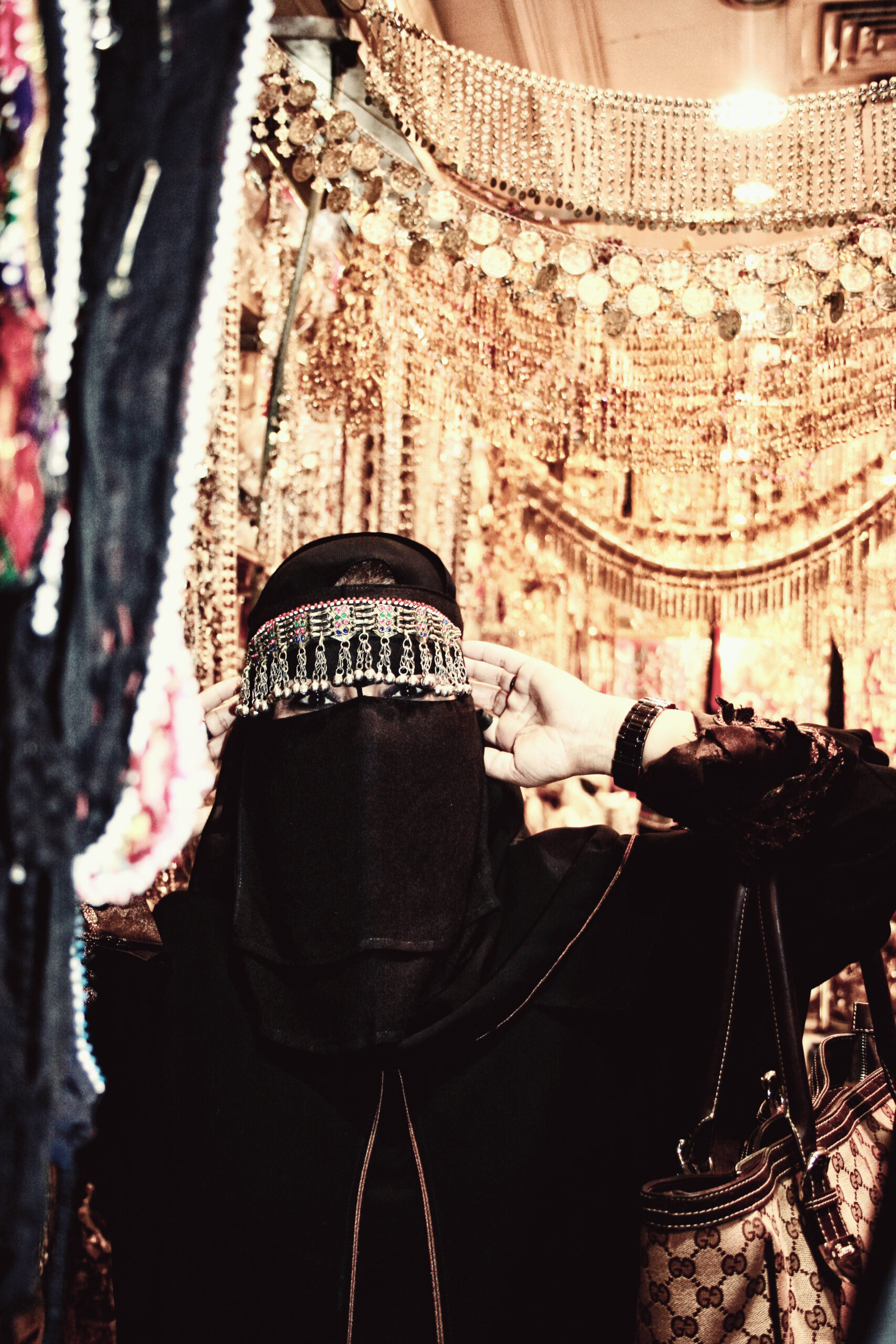
How Gold Pricing Works in Saudi Arabia
Understanding the pricing structure is the single most important thing before you walk into a Saudi gold shop. Unlike fixed-price retail in Western countries, Saudi jewellery is sold using a transparent, two-part formula:
- Gold weight value: Calculated at the daily international spot rate, quoted in Saudi riyals per gram. This price is non-negotiable — it tracks the London Bullion Market in real time, and every reputable shop displays the current rate on an electronic board.
- Making charge (masna’iya): A per-gram fee for the craftsmanship, design, and finishing of the piece. This is where negotiation happens. Simple chains and bangles carry making charges of SAR 35–50 per gram; intricate bridal sets, filigree work, or branded designer pieces can reach SAR 150–200 per gram.
- Fineness stamp — the numeric purity mark (e.g. 916 for 22K, 875 for 21K, 750 for 18K)
- Manufacturer’s registered mark — a unique identifier for the workshop or brand
- SASO certification logo — confirming the piece has been independently assayed
- L’azurde — Saudi Arabia’s own publicly listed jewellery company (Tadawul-listed), headquartered in Riyadh. Known for contemporary diamond and gold collections. Stores in Riyadh Park Mall, Makkah Mall, and across the Kingdom.
- Damas — pan-GCC brand founded in 1907, with around 20 stores in Saudi Arabia including flagships in Riyadh and Jeddah. Strong in bridal and heritage-inspired collections.
- Al Romaizan Gold & Jewellery — founded in 1952 by Sheikh Ali bin Abdulaziz Al-Romaizan, one of the oldest Saudi jewellery houses. National chain offering 18K–22K pieces.
- Malabar Gold & Diamonds — Indian-origin chain with a significant Saudi presence, popular for 22K traditional designs and competitive making charges.
- Hirz (حرز) — cylindrical silver amulet cases, traditionally used to hold Quranic verses or prayer scrolls. Worn as pendants, often on heavy silver chains with decorative metalwork.
- Khuzam (خزام) — traditional nose rings, part of Bedouin bridal adornment, ranging from simple hoops to elaborate coin-fringed designs.
- Melwi — twisted silver bracelets, a hallmark of Najdi (central Arabian) craft.
- Hizam — coin-decorated silver waist belts, worn over traditional dress at celebrations.
- Maria Theresa thaler jewellery — large Austrian silver coins (bearing Empress Maria Theresa, dated 1780) were widely circulated across the Arabian Peninsula for centuries. Bedouin silversmiths incorporated them into necklaces, headpieces, and hirz pendants. Authentic examples are now rare and collectible.
- Najdi (Central Arabia): Bold geometric patterns, heavy twisted silver bracelets, gold pieces with turquoise inlay. The Dira souk in Riyadh is the best place to find Najdi-style work.
- Hijazi (Western/Jeddah): Delicate gold filigree with Ottoman influences, often set with rubies, emeralds, or pearls. Al-Balad’s goldsmiths carry on this tradition.
- Asiri (Southwest Highlands): Brighter colours, coral accents, and designs connected to the Al-Qatt Al-Asiri decorative art tradition (200+ years old). The Asir region — accessible via Abha — produces distinctive mountain-influenced jewellery.
- Compare first. Visit 3–4 shops and ask for the making charge per gram on a similar piece. This gives you a realistic baseline.
- Ask for the breakdown. Always request a written quote showing the gold weight, the spot rate, the making charge per gram, and VAT separately. Reputable shops do this automatically.
- Negotiate the making charge down 20–30%. Start lower and settle in this range. Simpler pieces have more room; complex handcrafted work has less.
- Buy multiple pieces. Jewellers will often reduce the making charge if you buy a set (necklace + earrings + bracelet) or spend above a certain threshold.
- Pay in cash. Some souk retailers offer an additional 2–3% discount for cash payment, though card terminals are now universal.
- Saudi National Day (23 September): Many jewellers run promotions, sometimes waiving making charges entirely on selected pieces.
- Post-Hajj/Eid al-Adha: Demand drops after the pilgrimage season, and shops are keener to deal.
- Avoid: The month of Shawwal (immediately after Ramadan), which is the traditional Saudi wedding season. Bridal demand pushes making charges up and the best pieces get reserved early.
- Morning: 9:00 AM – 12:00 PM
- Afternoon/Evening: 4:00 PM – 10:00 PM (or later on weekends)
- Declaration threshold: Gold, jewellery, and precious metals valued at SAR 60,000 or more (approx. USD 16,000) must be declared at Saudi customs on departure.
- Failure to declare: Fine of 25% of item value (first offence) or 50% (repeat offence).
- Duty-free personal allowance: SAR 3,000 (approx. USD 800) for general personal goods entering your destination country. Jewellery often falls outside this threshold — check your home country’s import limits.
- Certificate of authenticity: Carry the jeweller’s certificate with you. It speeds up customs clearance and proves legitimate purchase for your home country’s customs.
- Dira Souk, Riyadh: The section around Masmak Fortress has vendors selling antique Bedouin silver, old Maria Theresa thaler necklaces, and vintage hirz cases. Bargain hard and inspect closely — reproductions are common.
- Souq Al-Alawi, Jeddah: Adjacent to the main gold souk in Al-Balad, this market stocks vintage Hijazi jewellery, old coins, and traditional headpieces.
- Heritage festivals and exhibitions: The Janadriyah National Heritage and Culture Festival (held annually near Riyadh) and Souq Okaz in Taif (a reconstructed ancient market, 41,000 sq m with 200+ merchants) both feature traditional silversmiths and craft vendors with authenticated pieces.
- Pearls: The Eastern Province (Dammam, Al-Khobar, and the islands off the Gulf coast) was historically one of the world’s great pearl-diving regions. Natural Gulf pearls are now extremely rare and expensive, but cultured pearl jewellery — often set in Saudi-crafted 21K gold — is widely available.
- Coloured gemstones: High-end Jeddah and Riyadh jewellers stock rubies, emeralds, and sapphires, though these are imported. Quality varies — always request a gemological certificate from a recognised lab (GIA, Gubelin, or SSEF).
- Amber and coral: Traditional Asiri and Bedouin jewellery often incorporates amber (kahraman) and red coral. Authentic pieces are found in heritage markets and antique shops rather than modern jewellery stores.
- SASO hallmarking provides traceability for gold purity and manufacturer identity.
- Licensed artisan registration (Heritage Commission) certifies traditional craftspeople.
- Branded retailers (L’azurde, Damas) follow international responsible sourcing standards and are publicly listed companies subject to audit.
- Jeddah (JED): King Abdulaziz International Airport. Al-Balad is a 15-minute taxi ride from the city centre. Jeddah also serves as a gateway for Hajj and Umrah pilgrims who often shop for gold before or after their pilgrimage.
- Riyadh (RUH): King Khalid International Airport. Dira souk is in the old city centre, reachable by Riyadh Metro (under expansion) or taxi.
- Dammam (DMM): King Fahd International Airport serves the Eastern Province. Al-Ahsa’s Souq Al-Qaisariyah is about 90 minutes by car.
- Not checking hallmarks: The three SASO stamps are your guarantee of purity. If a piece lacks them, walk away.
- Confusing total weight with gold weight: Some pieces include gemstones, enamel, or solder. Ask for the net gold weight, not the total weight.
- Assuming all “antique” silver is genuine: The Dira souk has excellent authentic pieces, but reproductions made to look old are widespread. Patina, wear patterns, and construction techniques distinguish originals — if spending serious money, bring a knowledgeable friend or ask for provenance documentation.
- Forgetting the VAT refund: You must request a VAT invoice at the point of sale. Retrospective claims are not possible.
- Ignoring your home country’s import limits: The UK allows GBP 390 duty-free for goods from outside the EU. The US allows USD 800. Above these thresholds, you will pay import duty on your jewellery — factor this into your cost calculation.
- Saudi Arabia Travel Guide 2026 — The complete guide to visiting the Kingdom
- Saudi Arabia Shopping Guide — From souks to supermalls: everything you need to know about shopping in the Kingdom
- Saudi Arabia Food Guide — Traditional dishes, street food, and the best restaurants across the Kingdom
- Saudi Arabia Hotels Guide — Where to stay in every major city, from budget to ultra-luxury
- Saudi Arabia Visa Guide — Every visa type explained, including the tourist e-visa
- Hajj 2026 Guide — Complete pilgrimage planning guide for Makkah and Madinah
On top of both components, 15% VAT is levied on the total price (gold value plus making charge). Since April 2025, non-resident foreign tourists can reclaim this VAT at departure — a significant saving on high-value purchases (see VAT refund section below).
Karat Options Available
| Karat | Fineness | Purity | Common Use |
|---|---|---|---|
| 24K | 999 | 99.9% | Investment bars and coins |
| 22K | 916 | 91.6% | Traditional Gulf jewellery, bridal sets |
| 21K | 875 | 87.5% | Most popular in Saudi souks — balance of purity and durability |
| 18K | 750 | 75.0% | Designer and Western-style pieces, gemstone settings |
Most souk jewellery in Saudi Arabia is 21K or 22K. If you are buying for investment or resale value, 22K and 24K hold their worth best. If you want a piece for daily wear, 18K offers better scratch resistance.
SASO Hallmarking — The Three Stamps
Every piece of gold jewellery sold commercially in Saudi Arabia must carry three stamps, mandated by the Saudi Standards, Metrology and Quality Organization (SASO):
Tip: Always ask to see the hallmarks under a loupe before purchasing. Reputable jewellers will also provide a certificate of authenticity confirming the exact weight and purity — essential for insurance, resale, and customs declarations.
Where to Buy Gold Jewellery
Jeddah — Al-Balad Gold Street
The undisputed heart of the Saudi gold trade is Al-Dhahab Street (literally “Gold Street”) in Jeddah’s Al-Balad historic district, a UNESCO World Heritage Site. Dozens of shops line both sides of the narrow alley, their windows cascading with 22K necklaces, bridal sets, bangles, and earrings. The atmosphere is unmissable — part bazaar, part treasure vault. Jeddah’s souk is especially strong for Hijazi-style gold: intricate filigree work with Ottoman-era influences, often set with gemstones. If you are visiting Jeddah for the broader shopping experience, Al-Balad should be your first stop.
Riyadh — Souq Al-Thumairi (Dira District)
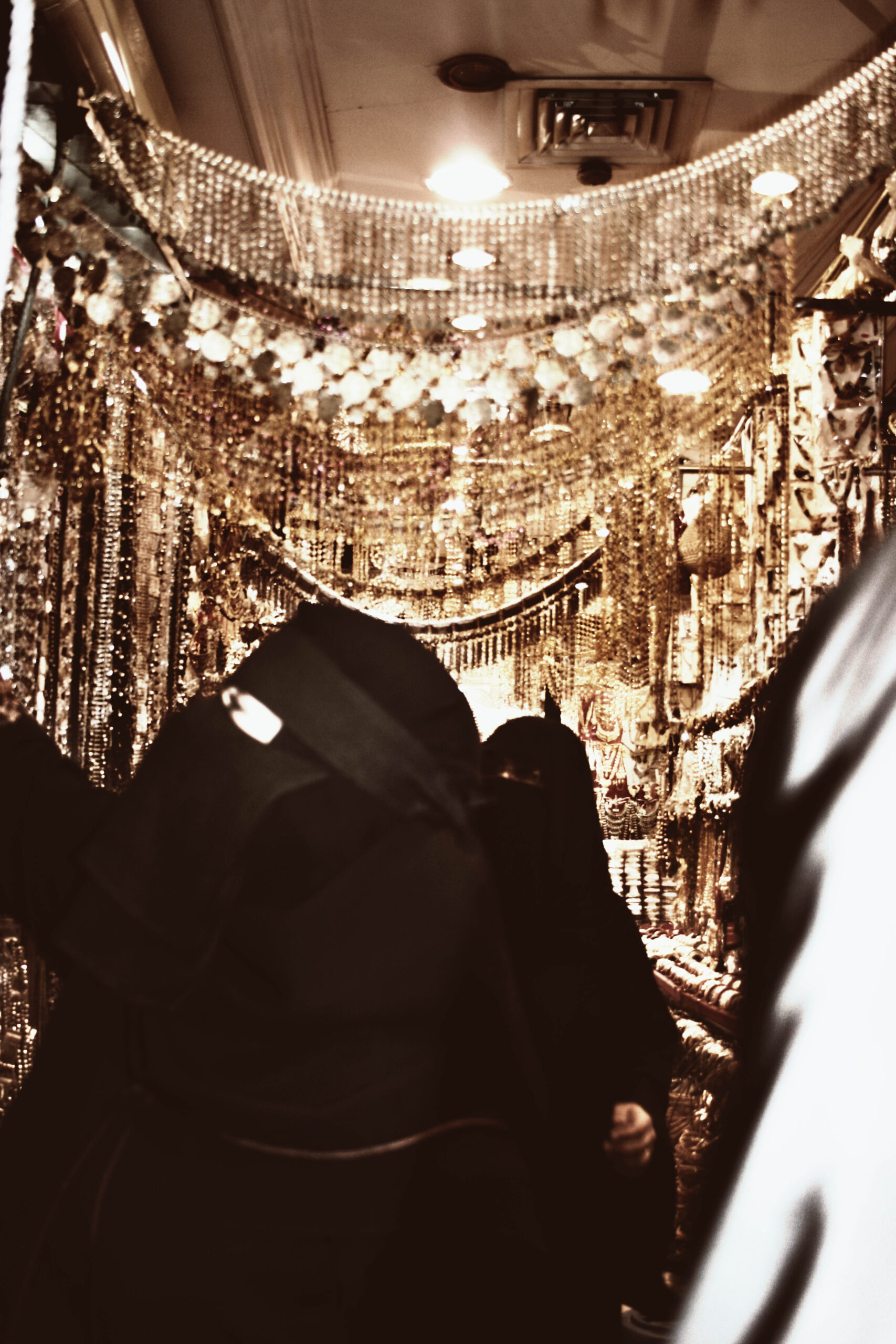
Riyadh’s main gold market is Souq Al-Thumairi, located on Al-Thumairi Street in the Ad-Dirah (Dira) district, directly south of the historic Masmak Fortress. The souk stretches across several blocks, with both traditional stalls and more modern showrooms. English is widely spoken, and making charges tend to be slightly lower than in Jeddah due to higher competition. Dira is also home to the broader Dira Souk, where you can find antique Bedouin silver, old coins, and traditional daggers alongside the gold shops — making it easy to combine a gold purchase with cultural sightseeing.
Al-Ahsa — Souq Al-Qaisariyah
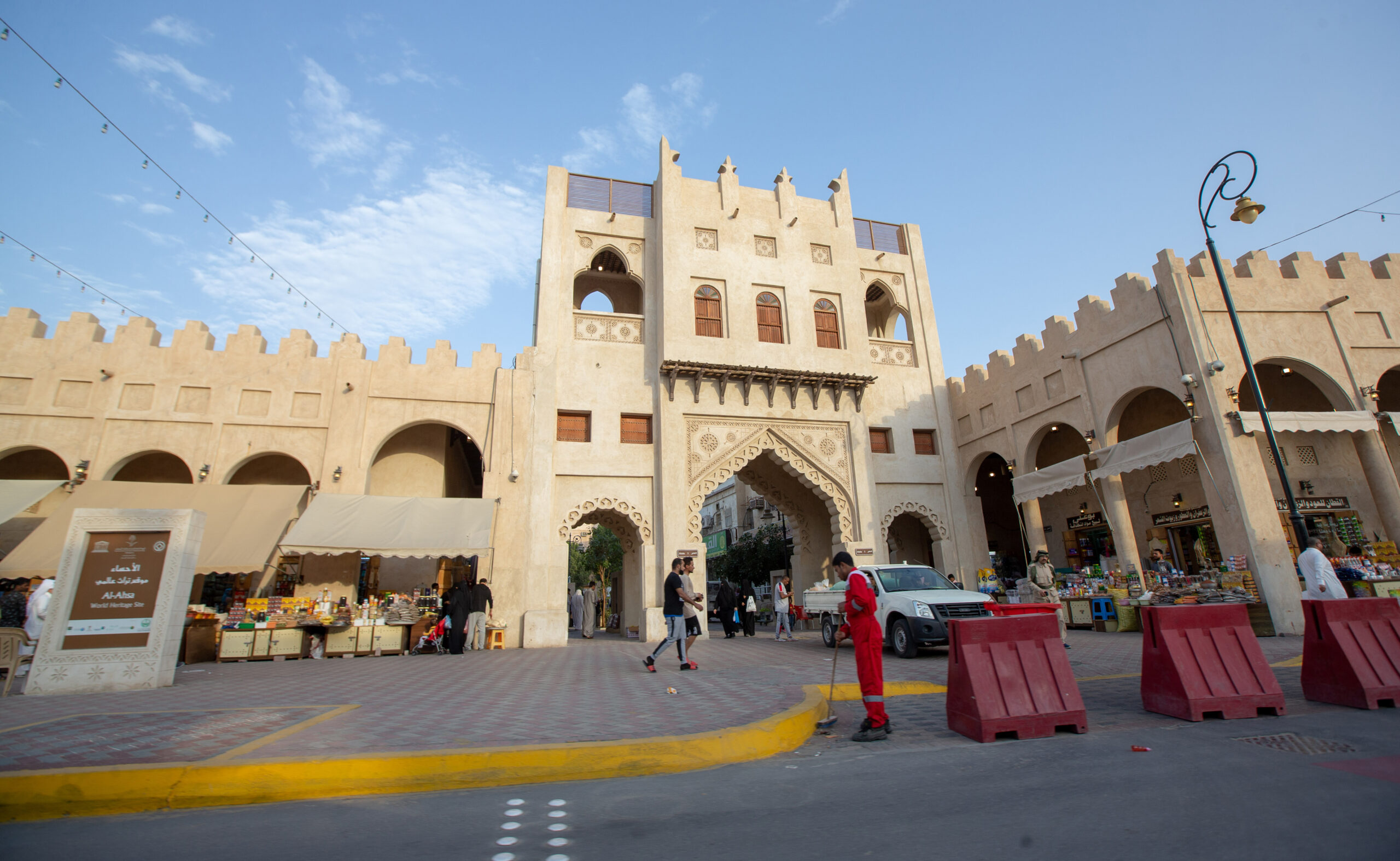
One of Saudi Arabia’s oldest continuously operating markets, Souq Al-Qaisariyah in Al-Ahsa (Eastern Province) is a UNESCO World Heritage-listed covered bazaar. While it sells everything from spices to textiles, its jewellery section specialises in traditional Gulf goldwork and silver crafts. The souk’s architecture alone — arched stone passageways, carved wooden doors — makes it worth the visit. Al-Ahsa is accessible as a day trip from Dammam and Al-Khobar.
Mall-Based Jewellery Retailers
If you prefer air-conditioned shopping with fixed prices and branded guarantees, Saudi Arabia’s major malls host all the leading jewellery chains:
Souk vs. mall: Mall stores offer convenience, warranties, and fixed pricing — but you pay for it. Making charges in branded mall outlets are typically 30–50% higher than equivalent souk pieces. Souks reward negotiation; malls reward certainty.
Traditional Saudi Jewellery — Silver, Bedouin Crafts and Regional Styles
Gold may dominate the modern market, but Saudi Arabia’s silver jewellery tradition is one of the richest in the Middle East. For centuries, Bedouin women carried their wealth in the form of heavy silver adornments — necklaces, bracelets, anklets, and headpieces that served as both decoration and portable savings. Today, antique and reproduction Bedouin silver is sought after by collectors and makes for a far more distinctive souvenir than mass-produced gold.
Key Traditional Pieces
Regional Styles
Saudi jewellery traditions vary sharply by region, reflecting the Kingdom’s geographic and cultural diversity:
Najran — The Jambiya Capital
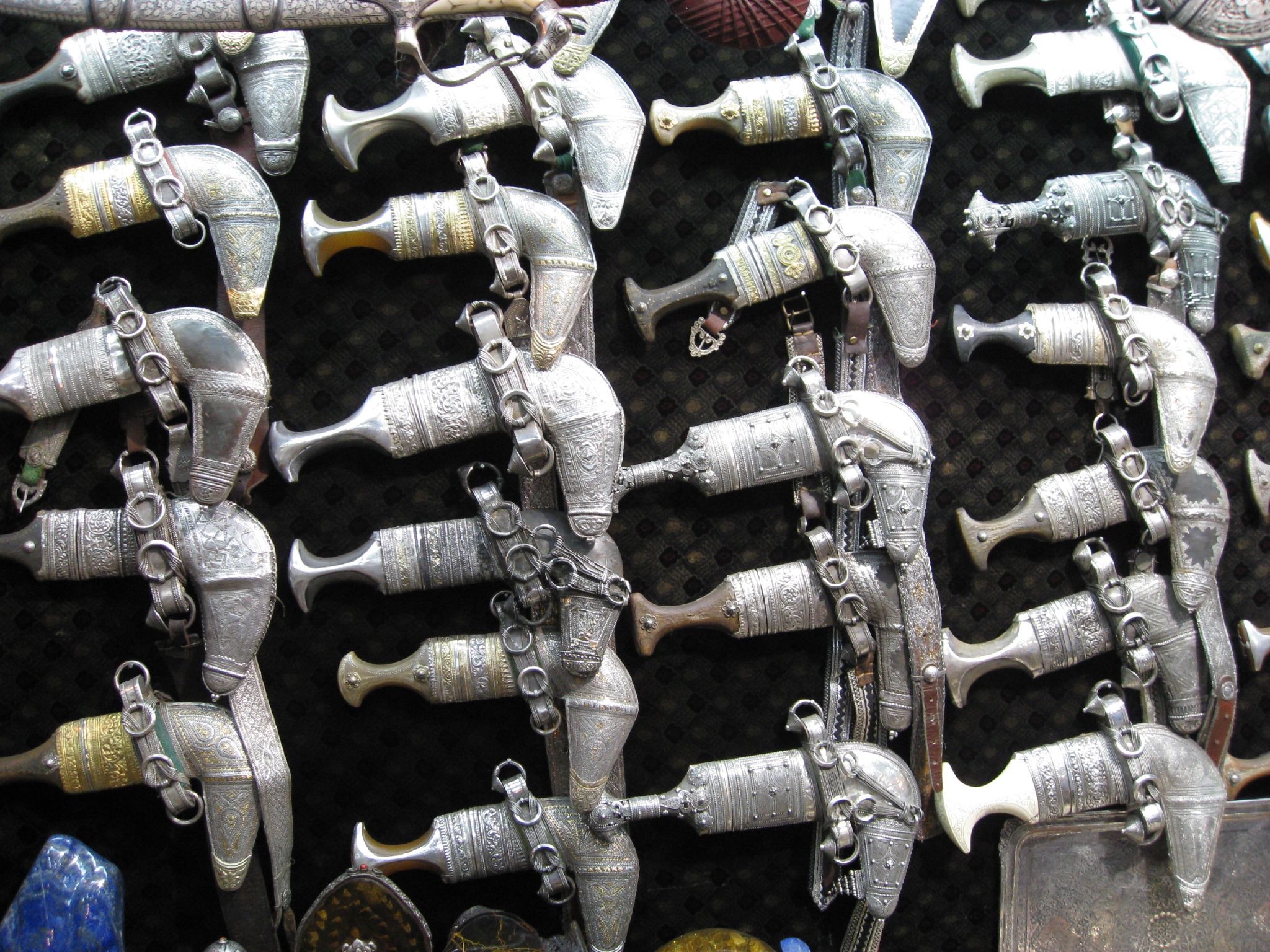
The southern city of Najran is Saudi Arabia’s centre for the jambiya (جنبية) — the curved ceremonial dagger that is a cornerstone of Arabian heritage. Najrani craftsmen produce silver-decorated sheaths and handles ranging from simple pieces at SAR 200 to elaborate heirloom-quality daggers costing SAR 100,000 or more. The jambiya workshops double as silversmiths, and you can watch artisans hammering, engraving, and assembling pieces by hand.
Year of Handicrafts (2025)
Saudi Arabia designated 2025 as the Year of Handicrafts, with the Heritage Commission registering over 4,855 licensed artisans across the Kingdom. This initiative has revitalised traditional crafts including silverwork, leatherwork, and textile weaving, and made it easier for visitors to find authentic, certified handmade pieces through official heritage markets and pop-up exhibitions in Riyadh, Jeddah, and Abha.
Practical Tips for Buying Jewellery
Negotiating Making Charges
The golden rule: the gold price is fixed; the making charge is not. Here is how to get the best deal:
Best Times to Shop
Shopping Hours and Prayer Times
All shops in Saudi Arabia close during the five daily prayers, typically for 20–30 minutes each time. Gold souks usually operate on split hours:
Mall-based jewellers follow standard mall hours (10:00 AM – 11:00 PM) but still close briefly for prayer. The busiest — and most atmospheric — time to visit a gold souk is after Isha prayer (around 8:30–10:00 PM), when families come out to browse and buy.
VAT Refund for Tourists
Since April 2025, non-resident foreign tourists can reclaim the full 15% VAT on purchases made in Saudi Arabia. For jewellery, this represents a substantial saving. Here is what you need to know:
| Requirement | Details |
|---|---|
| Eligibility | Non-resident foreign tourists (not GCC residents) |
| Minimum purchase | SAR 500 (approx. USD 133) per single transaction |
| Documentation | Passport presented at point of sale; VAT invoice issued |
| Claim method | Global Blue kiosks at Saudi international airports |
| Time limit | Must claim within 90 days of purchase |
| High-value items | Jewellery above a certain threshold may require manual ZATCA customs inspection at departure |
Important: Keep all receipts and VAT invoices. For gold jewellery, the combined saving of lower making charges + VAT refund can make Saudi purchases 25–40% cheaper than the same piece in Europe or the US.
Customs Rules and Export Regulations
Before packing your purchases, understand Saudi Arabia’s customs thresholds:
Tip: If you are buying multiple high-value pieces, ask the jeweller for a detailed commercial invoice in English listing each item, its weight, karat, and price. This is required for the VAT refund and simplifies home-country import declarations.
Where to Find Antique and Vintage Pieces
Saudi Arabia’s antique jewellery market is small but rewarding for dedicated collectors:
Gemstones and Pearls
While gold dominates, Saudi Arabia also has a small but notable gemstone market:
Ethical Considerations and Responsible Buying
Saudi Arabia’s jewellery industry is heavily regulated compared to many regional markets:
If you are buying diamond jewellery, ask whether the retailer participates in the Kimberley Process. All major Saudi brands do, but it is worth confirming for independent sellers.
Getting There and Getting Around
Saudi Arabia’s gold souks are in its major cities, all well served by international flights:
You will need a valid Saudi tourist visa (e-visa available online for 50+ nationalities) and a hotel booking to enter the country. The e-visa costs USD 160 and permits stays of up to 90 days.
What to Budget
Jewellery spending varies enormously by taste, but here are realistic ranges for common purchases in Saudi souks (2025–2026 prices, including VAT before refund):
| Item | Weight Range | Approximate Cost (SAR) | Approximate Cost (USD) |
|---|---|---|---|
| Simple 21K gold chain | 5–10g | 1,500–3,500 | 400–930 |
| 21K gold bangle | 15–25g | 4,500–8,500 | 1,200–2,270 |
| 22K bridal necklace set | 30–60g | 10,000–22,000 | 2,670–5,870 |
| Bedouin silver bracelet (antique) | 40–80g | 300–1,500 | 80–400 |
| Silver hirz amulet pendant | 20–50g | 200–800 | 55–215 |
| Najrani jambiya (basic) | N/A | 200–2,000 | 55–535 |
Note: Gold prices fluctuate daily. The figures above are based on spot gold at approximately SAR 280/gram (21K). Always check the live rate on the day you shop.