
Best Dunes: Riyadh Red Sands, An-Nafud (Hail), Tabuk
Best Season: October–March
Visa Required: Yes — tourist e-visa
Board Rental: Often included in desert tour packages
Difficulty: Beginner-friendly
Avoid: Midday summer heat
Saudi Arabia has quietly become one of the world’s most compelling sandboarding destinations — and if you haven’t heard about it yet, that’s about to change. With dunes that rise above 100 metres, a temperate season stretching from October to March, and a booming adventure tourism industry spurred by Vision 2030, the Kingdom now offers everything a sandboarder needs: dramatic terrain, accessible operators, and a landscape so vast it could swallow whole countries. This guide is part of the Saudi Arabia Travel Guide 2026 and covers the best dune regions, how to book a session, what gear to expect, and everything you need to ride the sands like you mean it.
Why Saudi Arabia for Sandboarding?
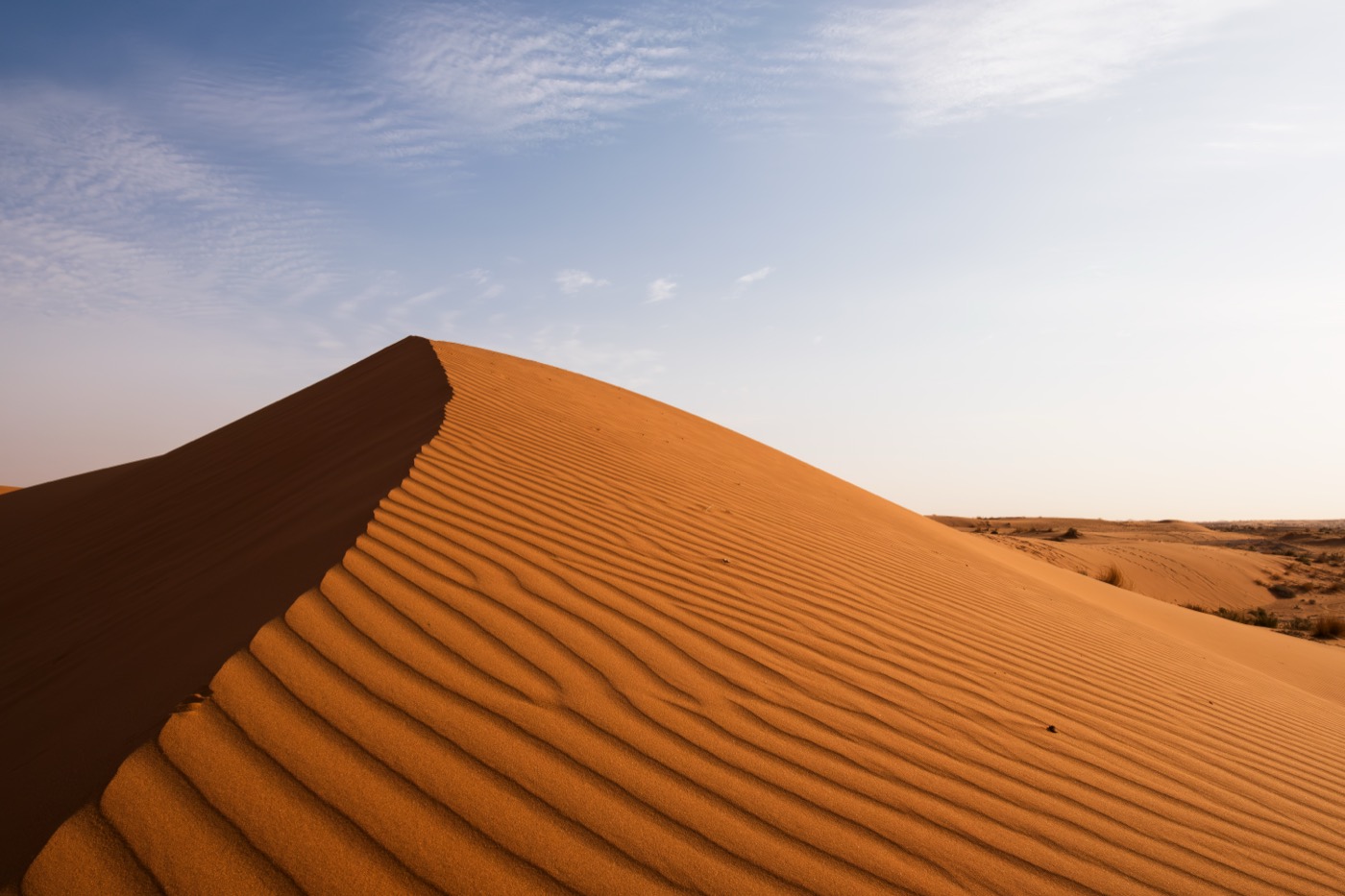
Most people associate sandboarding with Huacachina in Peru or the dunes outside Dubai. Saudi Arabia is a different beast entirely. The Kingdom sits above some of the largest continuous sand seas on the planet — the Rub’ al-Khali (Empty Quarter) alone covers 650,000 square kilometres — and this is before you account for the An-Nafud in the north, the Ad-Dahna corridor that links them, and the red dune fields ringing Riyadh. Dune heights here are measured in dozens of metres rather than tens of feet, and the sand itself — fine-grained, iron oxide–tinted quartz — offers the kind of smooth, fast surface that sandboards were made for.
Before visiting, make sure your paperwork is in order. Saudi Arabia issues tourist e-visas to nationals of 49+ countries via the official portal, and the process typically takes minutes. Full details, costs, and eligibility are in our Saudi Arabia visa guide. Once that’s sorted, read on for the terrain.
Best Dune Regions for Sandboarding
Riyadh Red Sands (Nafud al-Mazhur)
For most visitors to Saudi Arabia, the Red Sands northeast of Riyadh will be the first stop — and for good reason. Located roughly 80 kilometres from the city centre (approximately one hour by road), the Red Sands form part of the Al Thumama desert region and are among the most accessible adventure dune fields in the Middle East. The sands get their distinctive terracotta hue from hematite and goethite — iron oxide minerals that coat the quartz grains — and the resulting colour at sunset is nothing short of extraordinary.
Dune gradients here suit all ability levels: lower slopes are forgiving for first-timers getting their footing, while the upper faces of the larger transverse dunes offer genuine speed and a long run-out. Half-day and full-day tour packages from Riyadh typically include transport in a 4×4 Land Cruiser, sandboard hire, dune bashing, and an evening camp dinner with Arabic coffee, dates, and grilled meat. Prices for a shared group tour start around SAR 225–350 per person; private packages run SAR 600–900.
Operators with a strong presence at the Red Sands include 365 Adventures Saudi Arabia (365adventures.me), Riyadh Hiking (riyadhhiking.com), Ootlah, and Desert Safari Riyadh — all of which run regular evening excursions timed to catch the cooler afternoon hours and the famous red-gold sunset.
An-Nafud Desert, Hail Region
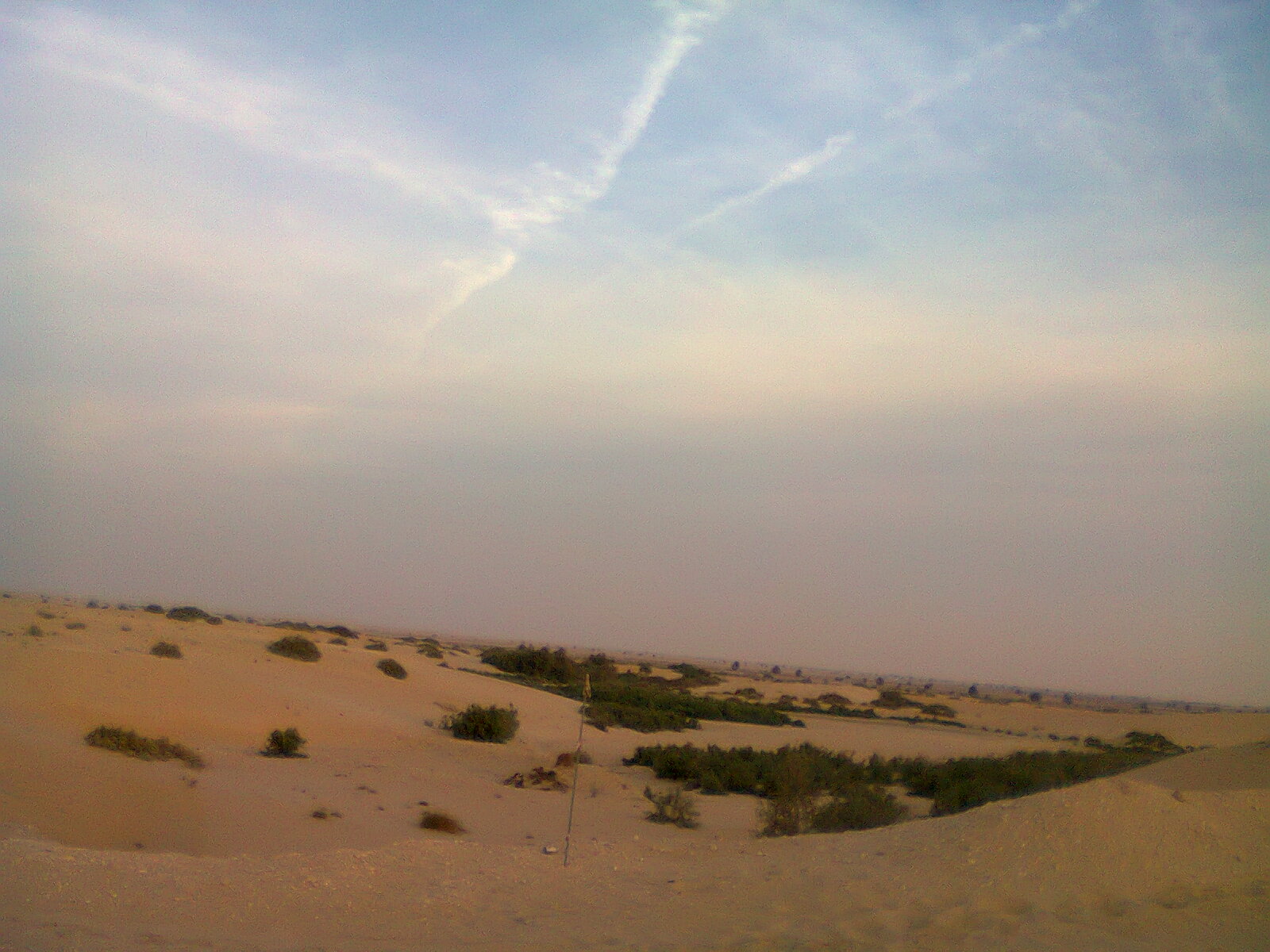
If Riyadh’s Red Sands are the accessible introduction, the An-Nafud in the northwest is the serious expedition. The Great Nafud covers around 65,000 square kilometres of barchanoid and transverse dunes, with individual dune heights reaching 60–120 metres — some of the tallest rideable dunes in Arabia. The sand is a deep reddish-ochre, the horizon is enormous, and the sense of isolation is absolute.
Hail, the gateway city, sits at the southern edge of the Nafud and has been investing heavily in adventure tourism infrastructure as part of Vision 2030’s regional development push. Buggy tours, guided 4×4 expeditions, and sandboarding excursions are offered by operators north of the city, with some packages including overnight desert camping under the Nafud’s notoriously star-filled skies. The dunes here demand respect — height means speed, and the descents are steep — but for experienced riders, or even confident beginners accompanied by a guide, the An-Nafud is the closest thing Saudi Arabia has to a serious sandboarding mountain. Our Hail region guide covers the full range of activities available in this underrated corner of the Kingdom.
Tabuk Province
Northwestern Saudi Arabia is best known for AlUla’s rose-red Hegra tombs and the red sandstone canyons of Tabuk, but the region also holds impressive sand dune formations perfect for sandboarding. The Tabuk area borders Jordan’s Wadi Rum — one of the world’s most celebrated sandboarding destinations — and shares much of the same geology: iron-rich sand, wide dune corridors, and desert floors carpeted in fine grains that accelerate a board beautifully.
Adventure operators in Tabuk and AlUla package sandboarding alongside other desert activities, often combining it with wadi walks, camel trekking, and stargazing. Umluj on the Red Sea coast, roughly 540 kilometres north of Jeddah in Tabuk Province, works as an excellent multi-activity base for travellers combining beach time with inland desert excursions.
The Rub’ al-Khali (Empty Quarter)
For the truly committed, Saudi Arabia’s southeastern corner contains the Rub’ al-Khali — the world’s largest continuous sand desert. Dune heights here can exceed 250 metres, and the scale of the landscape is genuinely planetary. The Empty Quarter is not a day-trip destination: expeditions require specialist operators, multi-day itineraries, and serious logistical preparation. But those who make the journey — and increasingly, Vision 2030 adventure tourism is making this easier — are rewarded with a sandboarding experience unlike anything else on Earth. Select operators from Najran and Sharurah run guided multi-day desert excursions that include sandboarding sessions on the Rub’ al-Khali’s vast dune faces.
How to Sandboard: Techniques for Beginners
Sandboarding is often described as the most accessible board sport on the planet — no skill transfers required, no icy slopes, and falling means landing in soft sand. That said, a few basic principles will transform your first session from a stumbling scramble into something genuinely exhilarating.
Stance and Balance
Start at the bottom. Strap in on flat ground, get comfortable with the board’s weight underfoot, and practice shifting your weight heel-to-toe before climbing a single metre. When you do drop in, keep your knees generously bent — think of sitting into a low chair — and keep your shoulders aligned with the board. Your eyes should be fixed on a point at the bottom of the dune: where you look, your body follows.
Waxing the Board
The base of every sandboard must be waxed before each run. Unlike snowboard wax, sandboard wax is designed to reduce the friction between board and dry sand. Apply a thin, even coat and avoid the instinct to layer it up — more wax does not mean more speed, and excess wax creates drag. Most tour operators in Saudi Arabia apply the wax for you and top it up between runs. A single coat typically lasts two to three descents.
Riding Styles
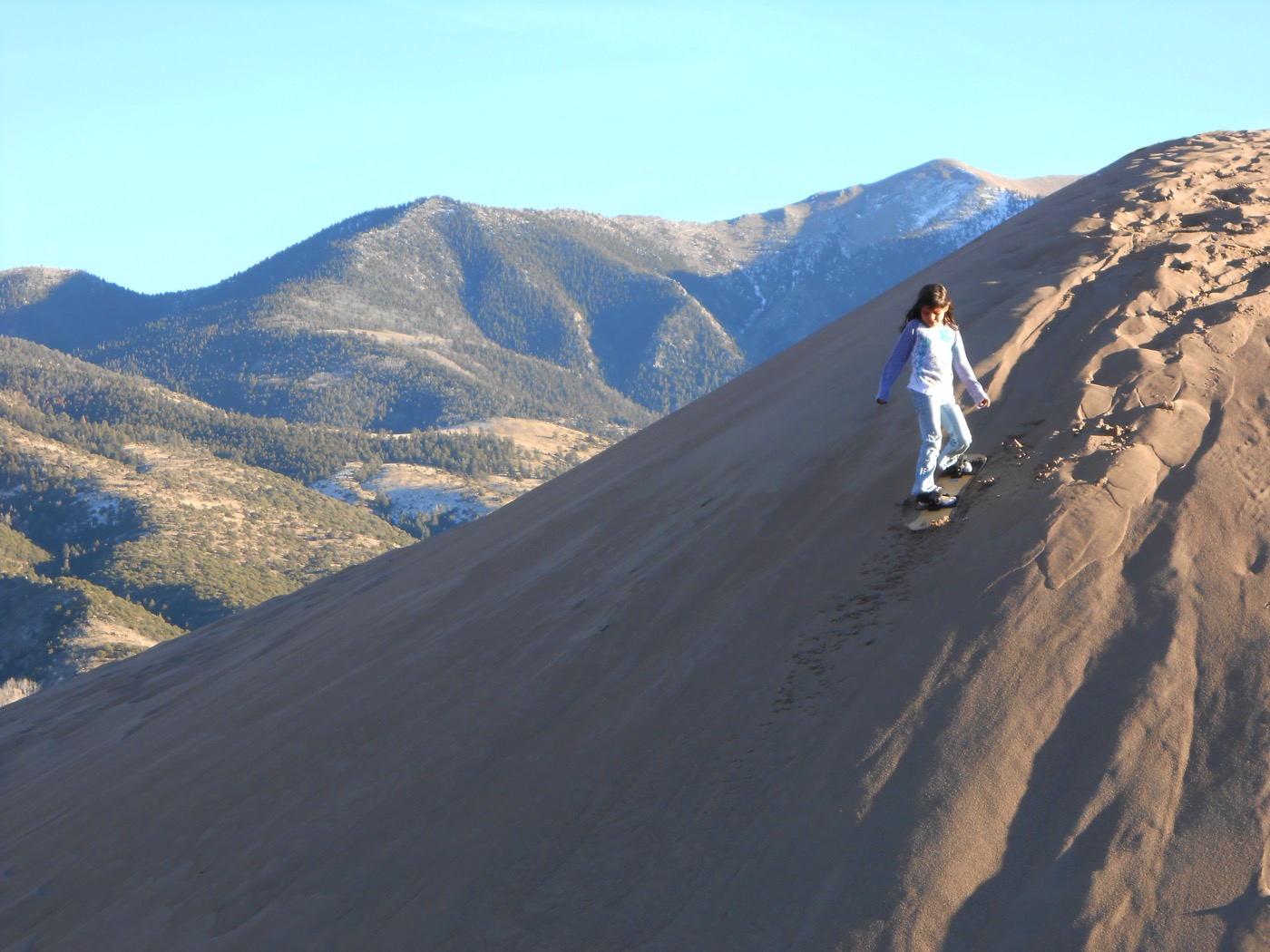
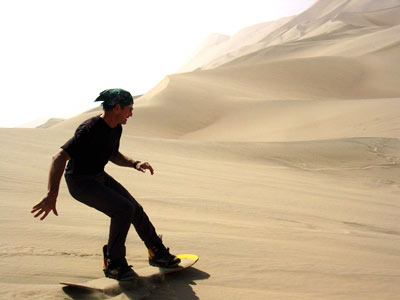
Saudi Arabia’s operators cater to two main riding styles. Stand-up boarding — feet strapped into bindings, upright posture — is the snowboard-equivalent and the more challenging of the two. Prone boarding (lying flat, face-first) requires no balance skill whatsoever and is the recommended starting point for first-timers: you simply lie on the board, hold the front edge, and push off. Speeds on a steep dune can still top 50 km/h in the prone position, so this is not as tame as it sounds.
How to Fall Safely
If you’re going to bail — and everyone does — fall backward onto your bottom and roll into the sand. Never try to catch yourself with your hands or wrists; the torque generated on a steep descent can cause wrist fractures. The soft sand that makes this sport forgiving also makes falling relatively painless, provided you don’t fight it.
Operators and Booking: Who to Use
For Riyadh Red Sands
- 365 Adventures Saudi Arabia — Well-reviewed operator offering evening Red Sands packages that include sandboarding, dune bashing, and traditional camp hospitality. Book at 365adventures.me.
- ROAM Experiences — Premium experiential operator offering sandboarding alongside electric quad bikes and guided cultural experiences. Tailored packages available; contact via experiencesbyroam.com.
- Riyadh Hiking — Budget-friendly Friday morning trips to the Red Sands from SAR 225 per adult, including guided hiking and sandboarding. Book at riyadhhiking.com.
- Desert Safari Riyadh — Full-day and evening packages from SAR 299, covering 4×4 dune bashing, sandboarding, quad bike hire, and BBQ dinner. desertsafari-riyadh.com.
- Viator and GetYourGuide — International booking platforms listing multiple vetted local operators with transparent reviews. Useful for first-time visitors who prefer pre-trip confirmation.
- Dune bashing — High-speed 4×4 driving over dune ridges in deflated-tyre Land Cruisers; the standard opening act of any Saudi desert tour.
- Quad biking — ATV rentals are available at most Red Sands sites, offering a motorised complement to the board-based descent.
- Camel trekking — Walking into the dunes on camelback connects the adventure with a tradition stretching back thousands of years across the same terrain.
- Wadi walking — Saudi Arabia’s canyon and wadi networks often lie close to dune fields, particularly in Tabuk and Hail, making combination itineraries easy to plan.
For Hail and An-Nafud
The An-Nafud is less structured for tourism than the Red Sands, which is part of its appeal. Reputable adventure operators in Hail city can arrange guided sandboarding and buggy excursions into the northern dune fields. Expect to pay SAR 400–700 per person for a half-day guided excursion including transport, equipment, and a knowledgeable local guide. Overnight expedition packages — including desert camping under remarkable star skies — are available from specialist operators and represent exceptional value compared to similar experiences in Gulf neighbour countries.
Equipment: What Boards Are Used
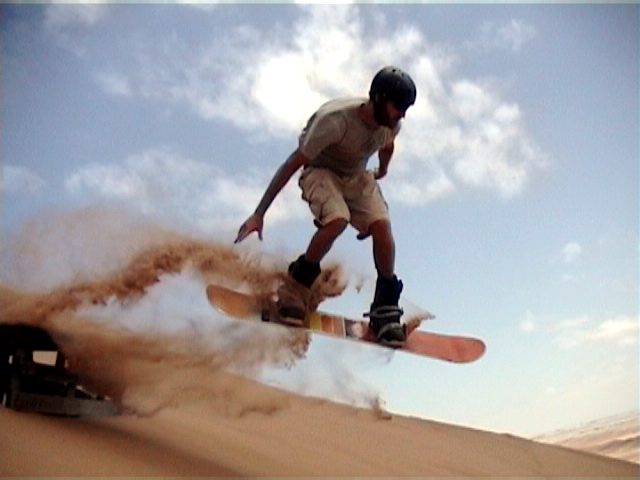
Purpose-built sandboards are distinct from snowboards in several important ways. The base is made from a high-density polyethylene (HDPE) or sintered plastic rather than fibreglass or carbon, because sand is abrasive in a way snow never is. The bindings are generally lower and more forgiving, designed for a wider range of foot sizes and beginner-friendly strap-in. Edges are absent — sand needs no carving edge — which means the board sits flat against the dune face for maximum contact.
For most visitors to Saudi Arabia, renting from a tour operator is the right call. Boards are provided as part of virtually every sandboarding package, and operators maintain their bases and apply wax correctly before each session. Bringing your own board is possible — airlines generally treat sandboards the same as surfboards or snowboards under sports equipment baggage rules — but rarely worth the effort for a first visit.
What to wear: closed-toe shoes (sand can heat to 60°C in summer; even in winter the surface absorbs heat), long trousers to protect against skin abrasion on falls, and sunglasses with a UV rating for desert glare. Gloves are recommended for prone riding. Sunscreen is non-negotiable.
Complementary Desert Activities
Sandboarding rarely exists in isolation on a Saudi desert itinerary. The same dunes and operators that serve sandboarders also offer a suite of complementary activities that together make a full desert day:
Best Season and Practical Timing
The window is clear: October through March. Saudi desert temperatures during this period range from a pleasant 15–28°C, making sustained physical activity comfortable. Morning and late-afternoon sessions are preferred even in winter — the desert light is better for photography and the sand temperature more comfortable underfoot.
Avoid June through August entirely if you can. Summer daytime temperatures regularly exceed 45°C in Riyadh and 50°C in the Rub’ al-Khali, turning sand surfaces into burning hazards and any physical exertion into a genuine health risk. If you do visit in summer, limit outdoor activity to before 9am and after 5pm, and carry at least 2–3 litres of water per person.
Ramadan timing requires consideration. During the holy month (dates shift annually with the lunar calendar), many commercial operators adjust their hours, and desert camps may not serve food before sunset. That said, the desert itself is open and stunning, and some visitors find the pre-dawn hours of Ramadan — before fasting begins — offer some of the best and most uncrowded conditions of the year.
Getting There and Logistics
The vast majority of sandboarding visitors base themselves in Riyadh and join a guided tour to the Red Sands. Riyadh is served by King Khalid International Airport, with direct flights from London, Paris, Frankfurt, Dubai, Doha, and dozens of other cities. From the airport to the Red Sands, most tours provide shared transport; independent travellers can hire a car or arrange a private transfer.
For Hail, regular domestic Saudi Arabian Airlines (Saudia) and flynas flights connect Riyadh with Hail Airport in around 1.5 hours. Tabuk is similarly accessible from Riyadh by air (approximately 2 hours) or by road for those combining it with a longer northwestern Saudi road trip through AlUla and Hegra.
Before any desert excursion — regardless of duration — inform someone of your itinerary, carry a charged mobile phone, and stick with an established operator on your first visit. Saudi desert terrain demands respect; the same conditions that make it spectacular make it unforgiving for those who stray from prepared routes without adequate water and navigation.
What to Expect: A Typical Day on the Dunes
Most visitors to Riyadh’s Red Sands join an afternoon-to-evening package that runs roughly as follows. Pickup from your hotel between 2pm and 3pm in a 4×4, then a one-hour drive northeast out of the city. The convoy deflates its tyres at the edge of the dunes (standard practice for soft sand), and the dune bashing session begins — 30–45 minutes of steep ascents, drop-offs, and sidewall slides that most passengers find terrifying and exhilarating in equal measure. Boards are distributed after the dune bashing; a guide demonstrates waxing and riding technique; then the session is yours. Most people squeeze in six to ten runs in a two-hour window. As the sun drops and the dunes turn amber, the camp fires up: Arabic coffee, tea, dates, and a grilled dinner under the stars. Back in Riyadh by 9–10pm.
For families, the Red Sands is a strong choice. Children take to prone boarding immediately, the camp setup is safe and enclosed, and the sandboarding slopes accessible to beginners ensure that no one watches from the sidelines. Saudi Arabia’s Vision 2030 adventure tourism push has meaningfully improved operator quality and safety standards over the past two years — equipment is well-maintained, guides are trained, and the experiences are genuinely world-class.