
Saudi Arabia is rapidly emerging as one of the Middle East’s most surprising wildlife destinations. From the towering sandstone canyons of AlUla where Arabian oryx roam free, to the flamingo-filled lagoons of the Farasan Islands and the vast dune seas of the Empty Quarter, the Kingdom offers genuine safari-style encounters that most visitors never expect. Whether you are planning a broader Saudi Arabia travel itinerary or a dedicated nature trip, this guide covers every major reserve, the animals you can spot, the best seasons to visit, and how to organise your own wildlife experience.
Best Time to Visit: October to March (cooler temperatures, migratory birds present)
Getting There: Fly into Riyadh, Jeddah or AlUla; domestic flights and car hire reach all major reserves
Visa Required: Yes — tourist e-visa
Budget: USD 80–250 per day depending on guided safari level
Must-See: Sharaan Nature Reserve (AlUla), Farasan Islands, Uruq Bani Ma’arid
Avoid: Visiting desert reserves in June–August when temperatures exceed 50°C
Saudi Arabia’s Wildlife: What You Can Actually See
The Arabian Peninsula supports far more biodiversity than its desert reputation suggests. Saudi Arabia is home to over 900 vertebrate species, including 247 bird species in the Prince Mohammed bin Salman Royal Reserve alone and more than 100 mammal species nationwide. The Kingdom’s conservation programmes — funded under Vision 2030 — have brought several species back from the edge of extinction.
Arabian Oryx
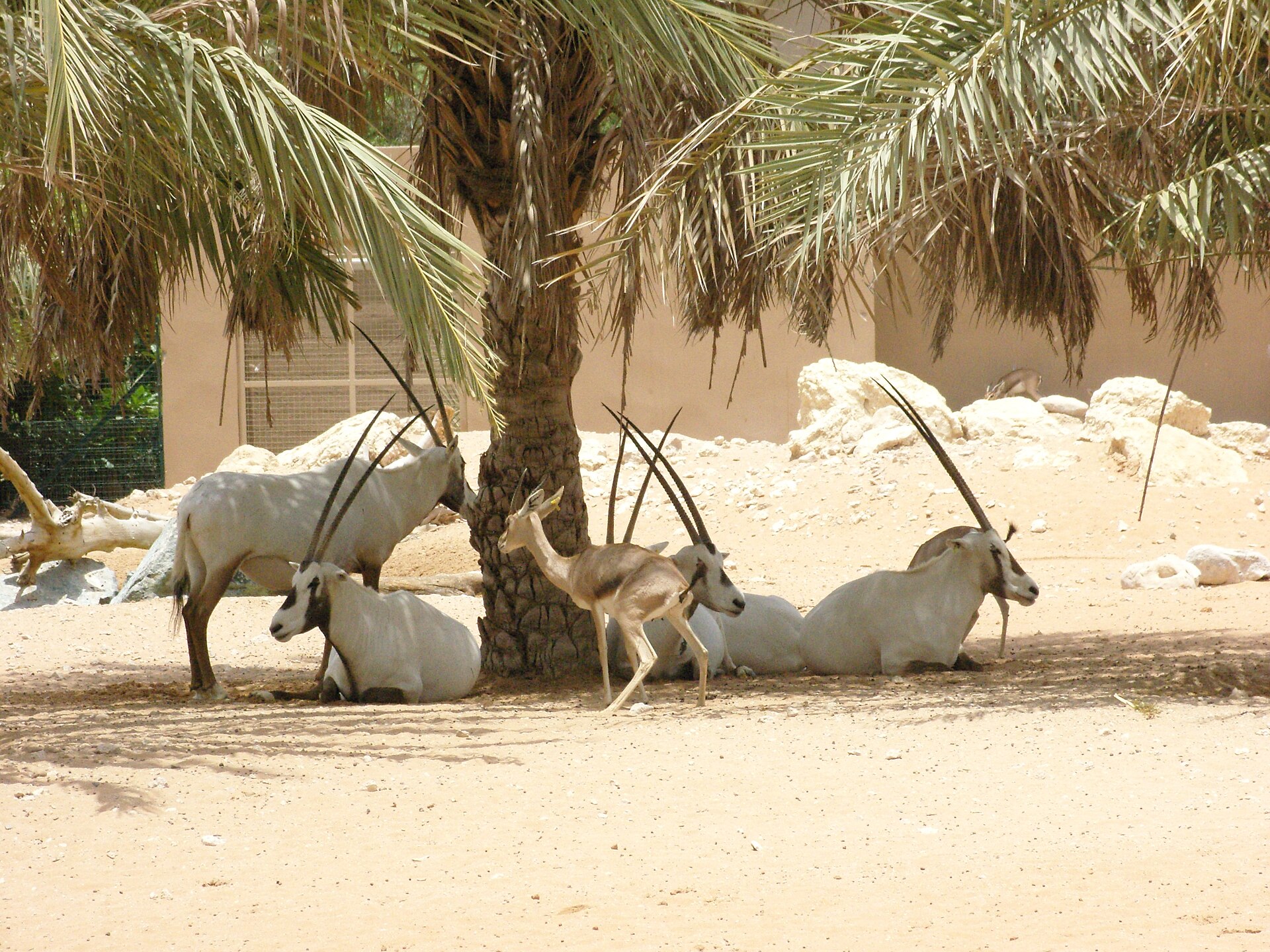
The iconic white antelope with long, straight horns is the symbol of Arabian conservation. Once extinct in the wild by 1972, captive breeding and reintroduction programmes have restored approximately 1,000 Arabian oryx across the peninsula. You can see them roaming free at Sharaan Nature Reserve in AlUla (open-top jeep safaris available), at Uruq Bani Ma’arid in the Empty Quarter (the only place they live in fully self-sustaining wild herds), and at the Imam Saud bin Abdulaziz Royal Reserve north of Taif.
Nubian Ibex
These sure-footed mountain goats with dramatic curved horns are found in the rocky highlands. The Prince Mohammed bin Salman Royal Reserve holds the Kingdom’s largest wild population, with a growing reintroduction programme that recently celebrated its first captive-born kids. You can also spot them in the Asir Mountains and along the escarpments near Tabuk.
Arabian Leopard
The critically endangered Arabian leopard is the Kingdom’s most elusive predator. Fewer than 200 are estimated to survive in the wild across the entire Arabian Peninsula. The Royal Commission for AlUla has established a dedicated breeding centre within Sharaan Nature Reserve, with the long-term goal of reintroducing leopards to the wild. Sightings in the wild are extremely rare, but the Asir and Hejaz mountain ranges remain their historic habitat.
Arabian Wolf
Smaller than its northern relatives, the Arabian wolf survives in pockets of the Hejaz mountains and around AlUla. Sharaan Nature Reserve reports a thriving population alongside red foxes and Cape hares. Wolves are shy and mostly nocturnal, so dawn and dusk drives offer the best chance of a sighting.
Gazelles
Several gazelle species inhabit Saudi Arabia. The sand gazelle (reem) is found across desert reserves including Uruq Bani Ma’arid. The idmi gazelle has its largest Saudi population on the Farasan Islands. The Arabian gazelle inhabits the rocky terrain around AlUla, where 50 were released as part of the rewilding programme in 2022.
Marine Wildlife
Saudi Arabia’s 3,400 kilometres of coastline along the Red Sea and Arabian Gulf teem with marine life. Dolphins, dugongs, whale sharks and sea turtles (green and hawksbill) are all present. The diving and snorkelling sites along the Red Sea coast offer encounters with manta rays, reef sharks and over 1,200 species of fish.
Top Wildlife Reserves and Where to Find Them
Saudi Arabia has designated 15 protected areas covering more than 85,000 square kilometres — roughly 4% of the Kingdom’s total land area. These are the reserves most accessible to visitors.
Sharaan Nature Reserve, AlUla
Named one of TIME Magazine’s World’s Greatest Places in 2024, Sharaan covers 1,500 square kilometres of dramatic sandstone canyons north of AlUla. The reserve runs guided open-top jeep safaris where visitors can spot Arabian oryx, Nubian ibex, idmi gazelles, rock hyraxes, Arabian wolves and red foxes. Birdlife includes bee-eaters, eagles and dappled crested larks nesting in the rocky heights.
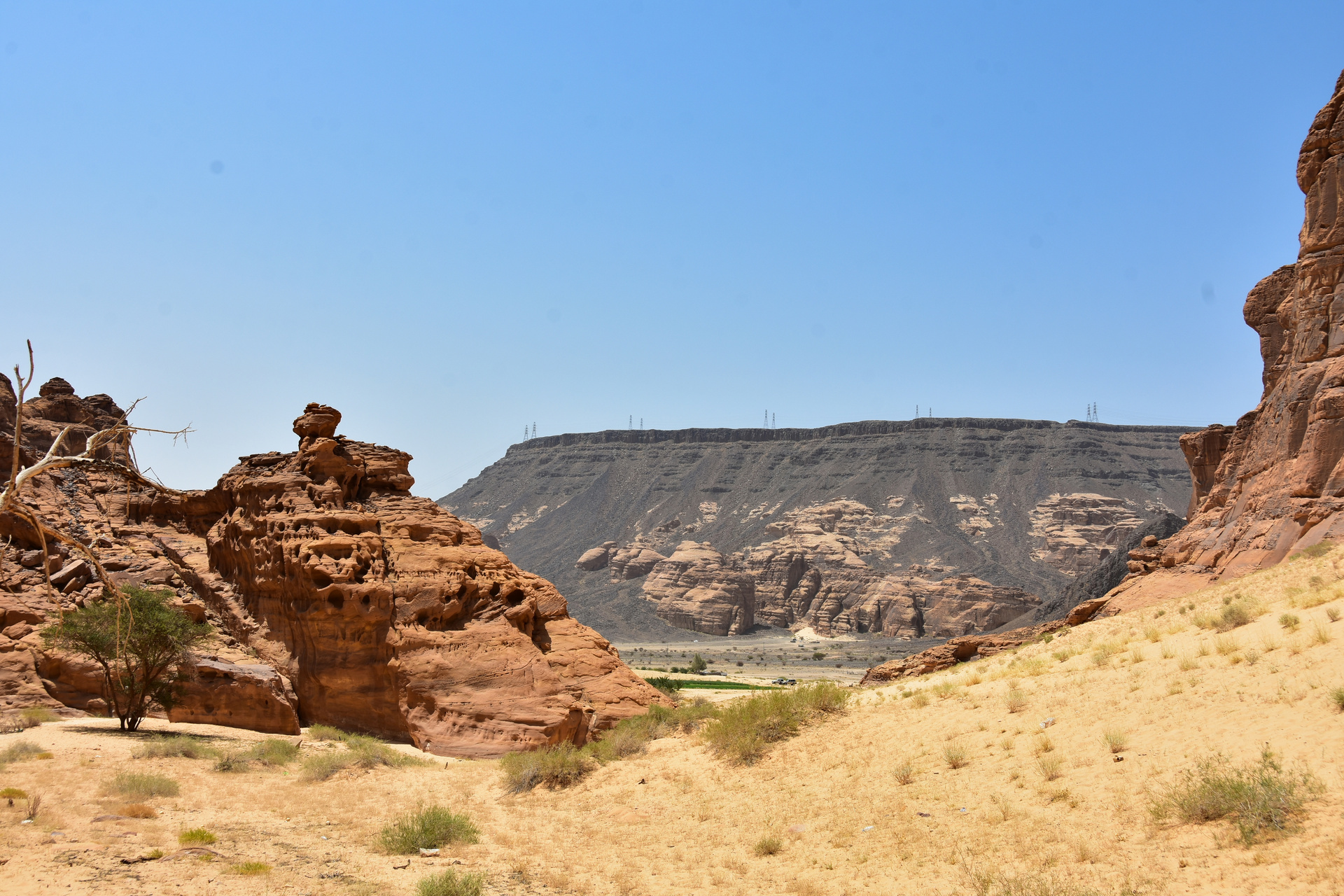
Practical tip: Sharaan safaris run during the AlUla visitor season (October to April). Book through the Experience AlUla website. Expect to pay SAR 250–500 per person for a guided jeep safari lasting 2–3 hours. The Arabian leopard breeding centre is not open to the public.
Uruq Bani Ma’arid, Empty Quarter
Saudi Arabia’s first UNESCO Natural World Heritage Site (inscribed September 2023), Uruq Bani Ma’arid covers 12,760 square kilometres on the western edge of the Rub’ al Khali (Empty Quarter). It is the only place where Arabian oryx live in fully self-sustaining wild herds — the population grew from 81 in 2020 to 116 by 2024. The reserve also supports 104 bird species and 18 reptile species, alongside reem gazelles and red-necked ostriches that have been reintroduced.
Access note: Uruq Bani Ma’arid is remote and requires advance permits from the National Centre for Wildlife. A park ranger accompanies all visits. The nearest gateway city is Najran, with desert tourism infrastructure including guided safari trips and sand-dune activities. This is a serious expedition — not a casual day trip.
Prince Mohammed bin Salman Royal Reserve
Covering 1% of Saudi Arabia’s land area, this mega-reserve in the northwest spans both terrestrial and marine environments along the Red Sea coast. It is the Kingdom’s most biodiverse protected area with 483 plant species, 247 bird species, 52 mammal species, over 260 fish species and 226 coral species. The Nubian ibex population is the reserve’s flagship, with a growing rewilding programme targeting 23 native species.
Farasan Islands, Jazan Region
This archipelago of over 170 coral islands lies 40–90 kilometres off the southern Red Sea coast near Jazan. The Farasan Islands support the largest population of idmi gazelle in Saudi Arabia, along with spectacular birdlife — greater flamingos, pink-backed pelicans, Eurasian spoonbills and ospreys. The surrounding waters are home to dolphins, dugongs, green turtles and hawksbill turtles, with 230 fish species around the coral reefs.
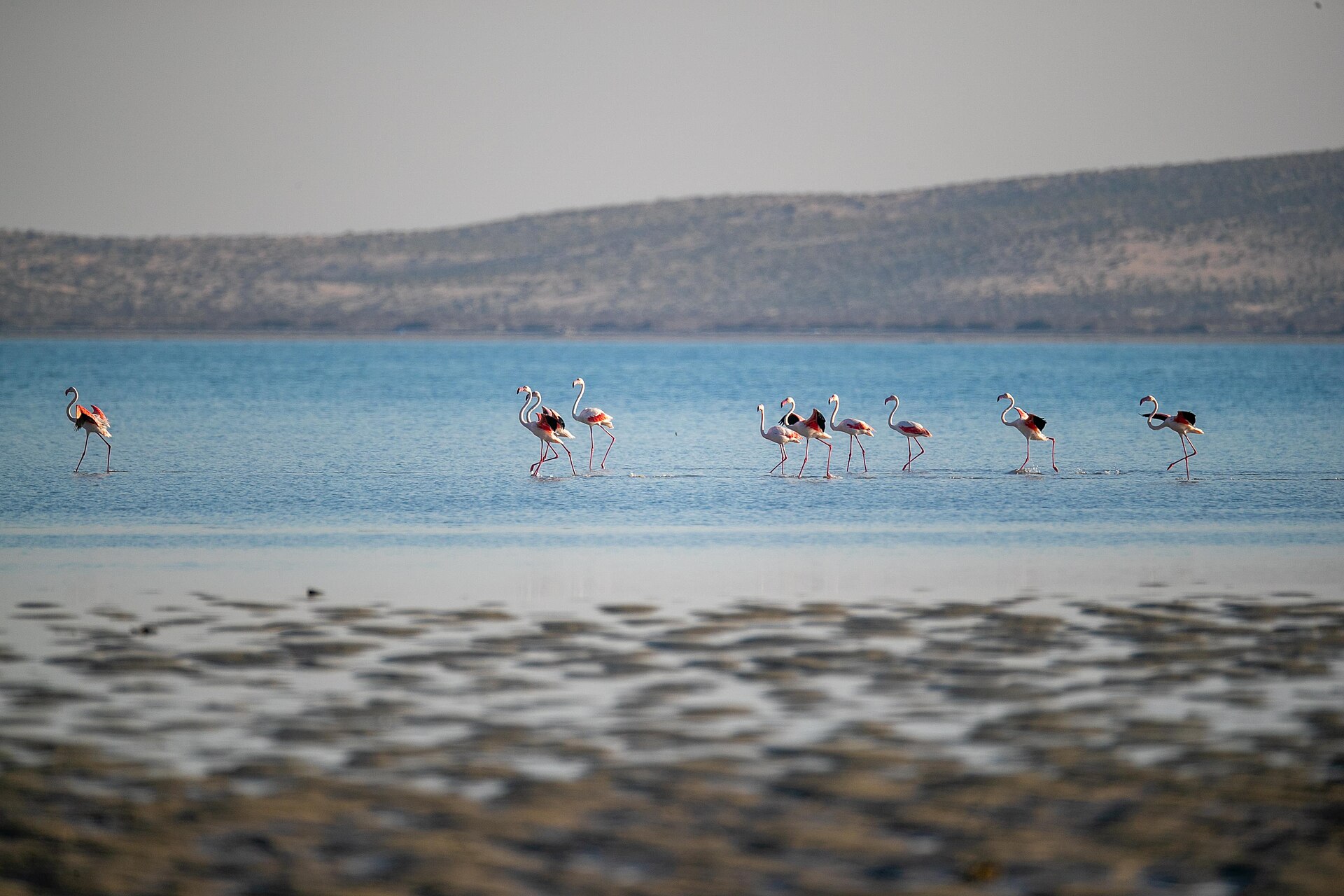
Getting there: Ferries depart from Jazan port (1.5 hours crossing). Fly to Jazan’s King Abdullah bin Abdulaziz Airport from Riyadh or Jeddah. The islands attract over 150,000 visitors annually, with new hotel infrastructure under development. Best visited November to March.
Imam Saud bin Abdulaziz Royal Reserve (Mahazat as-Sayd)
Located north of Taif in the Hejaz region, this reserve is one of the original sites for Arabian oryx reintroduction. Reem gazelles and red-necked ostriches have also been released here. The reserve is primarily a conservation site with limited public access — contact the National Centre for Wildlife for visiting arrangements.
Asir National Park
The misty highlands of the Asir Mountains near Abha rise to 3,000 metres and support a completely different ecosystem from the rest of Saudi Arabia. Juniper forests, baboons (hamadryas baboon troops are common along mountain roads), rock hyraxes, Nubian ibex and an exceptional diversity of birdlife make this the Kingdom’s best high-altitude wildlife destination. The Abha region is the gateway.
Birdwatching in Saudi Arabia
Saudi Arabia sits at the crossroads of three major migratory flyways — the Black Sea–Mediterranean, the East Africa–Asia, and the Central Asian routes. During spring and autumn migration, approximately 320 species pass through the Kingdom, many pausing at wetlands and coastal mudflats.
Best Birdwatching Locations
| Location | Region | Key Species | Best Season |
|---|---|---|---|
| Farasan Islands | Jazan (Red Sea) | Flamingos, pelicans, spoonbills, ospreys | Nov–Mar |
| Sabkhat al-Fasl | Jubail (Arabian Gulf) | Greater flamingos, waders, terns | Nov–Feb |
| Al Ha’ir Wetlands | South of Riyadh | Black-winged stilts, herons, egrets, ferruginous ducks | Oct–Mar |
| Asfar Lake | Al-Ahsa (Eastern Province) | Greater spotted eagle, moustached warbler | Nov–Feb |
| Jeddah Southern Corniche | Jeddah | Gulls, terns, waders, hoopoes, bee-eaters | Oct–Apr |
| Asir Mountains | Abha | Arabian endemics, Philby’s partridge, Asir magpie | Year-round |
| Prince Mohammed bin Salman Reserve | Northwest | 247 species including raptors and seabirds | Oct–Mar |
Tip for birders: The Asir Mountains are the only place to find several Arabian endemic species, including the Asir magpie (one of the world’s rarest corvids). Join a specialist birding tour from Abha for the best access to highland habitats.
Desert Safari Experiences
Beyond formal nature reserves, Saudi Arabia offers a range of desert safari experiences that combine wildlife spotting with adventure.
Guided Jeep Safaris
Open-top 4×4 safaris are the standard format at Sharaan Nature Reserve in AlUla, where trained guides drive through canyon landscapes spotting oryx, ibex and birdlife. Similar guided experiences are developing at other reserves under the National Centre for Wildlife’s ecotourism plan. Expect 2–4 hour excursions, typically at dawn or late afternoon when animals are most active.
Camel Safaris and Desert Camps
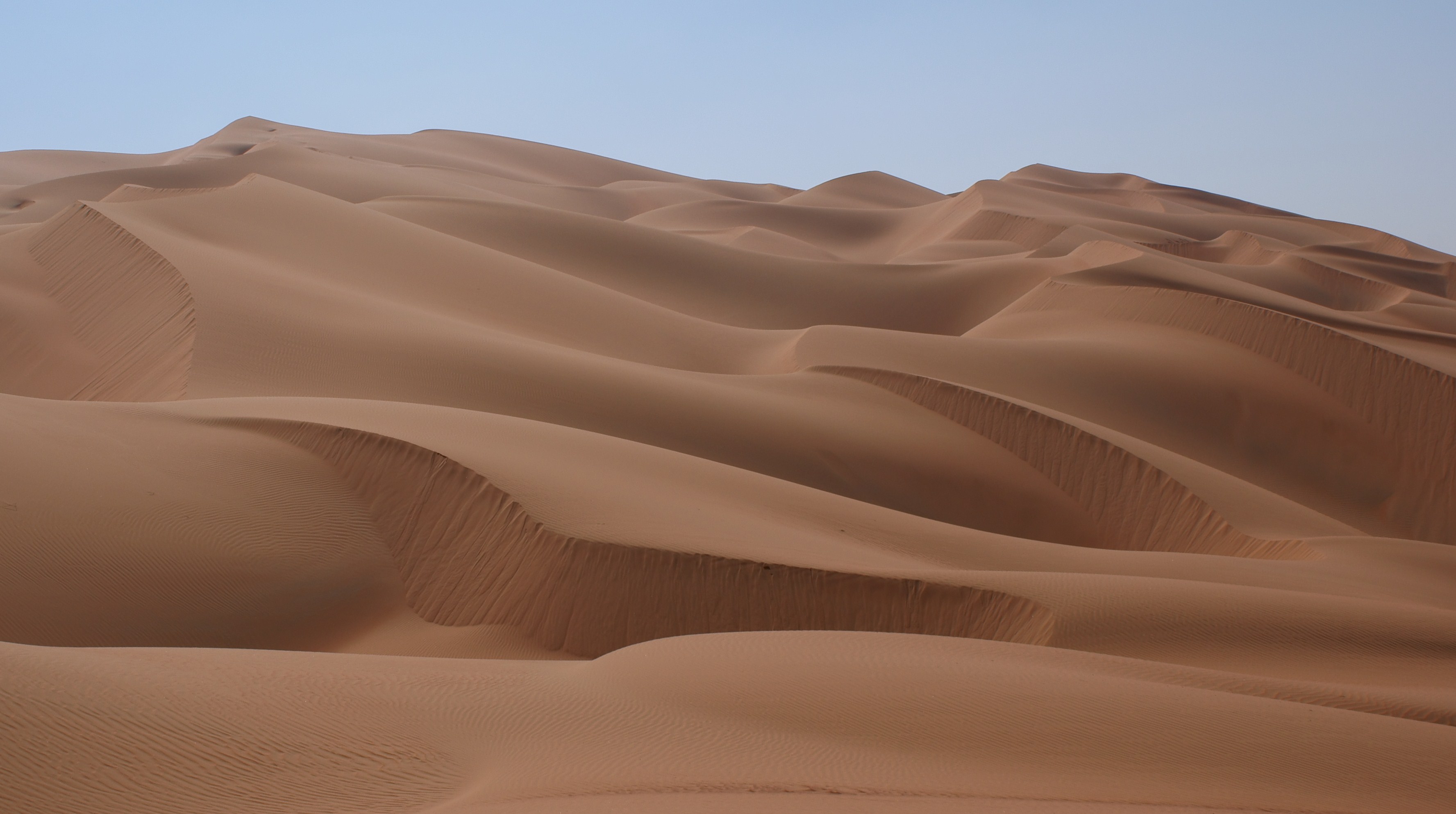
Multi-day camel treks through the Empty Quarter offer a slower-paced way to experience the desert ecosystem. Several operators based in Riyadh and AlUla run overnight desert camp experiences where you may spot sand foxes, hedgehogs, jerboas and desert monitors around camp at night. The Saudi camel culture is an experience in itself.
Marine Wildlife Excursions
Boat trips from Jeddah, Yanbu and the Farasan Islands offer dolphin watching, sea turtle spotting and whale shark encounters (seasonal, typically October to February off the central Red Sea coast). The Red Sea diving sites also provide marine wildlife encounters including manta rays, reef sharks and moray eels.
Nofa Wildlife Park
Located near Riyadh, Nofa Wildlife Park at Nofa Resort offers a more accessible wildlife experience for families and visitors on shorter itineraries. Walking tours bring you close to birds of prey, ostriches, giant tortoises, porcupines and baboons. It is not a wild reserve but provides a good introduction to Arabian and African species.
Best Time for Wildlife Watching
Saudi Arabia’s extreme climate dictates when and where you should plan a wildlife trip.
| Season | Months | Conditions | Best For |
|---|---|---|---|
| Peak season | November–February | Mild days (18–28°C), cool nights | Desert safaris, birdwatching (migrants present), marine wildlife |
| Shoulder season | October, March–April | Warm (25–35°C), spring wildflowers in March | AlUla safaris (season runs Oct–Apr), nesting turtles (Farasan) |
| Off season | May–September | Extreme heat (40–52°C in deserts) | Mountain wildlife in Asir only (cooler at altitude), marine diving |
Important: The AlUla visitor season — and Sharaan Nature Reserve safaris — runs from October to April only. Desert reserves in the Empty Quarter and central Saudi are effectively inaccessible in summer.
Conservation and Vision 2030
Saudi Arabia’s wildlife conservation is undergoing a transformation under Vision 2030 and the Saudi Green Initiative. The National Centre for Wildlife (NCW) oversees 15 protected areas and a network of rewilding programmes. Key milestones include:
- Uruq Bani Ma’arid inscribed as Saudi Arabia’s first UNESCO Natural World Heritage Site in September 2023
- Arabian oryx reintroduction across multiple reserves — from extinction in the wild (1972) to approximately 1,000 animals today
- AlUla rewilding: 80 oryx, gazelles and ibex released in 2022, with 23 target species for the restoration programme
- Arabian leopard breeding centre established at Sharaan, aiming for eventual wild reintroduction
- Marine protection: the Red Sea coast designated as one of the world’s largest marine protected zones under the NEOM and Red Sea Project developments
- AlUla (Sharaan Reserve): Fly into AlUla Airport (ULH) from Riyadh or Jeddah. Book safaris through Experience AlUla.
- Farasan Islands: Fly to Jazan (GIZ), then take the ferry from Jazan port (1.5 hours). Ferries run daily.
- Empty Quarter (Uruq Bani Ma’arid): Fly to Najran. Arrange permits and guided access through the NCW.
- Asir Mountains: Fly into Abha (AHB). Asir National Park is a short drive from the city.
- Nofa Wildlife Park: 90-minute drive from Riyadh.
- Binoculars — essential for birdwatching and scanning desert terrain for wildlife
- Telephoto camera lens (200mm minimum for meaningful wildlife photography)
- Sun protection: wide-brimmed hat, SPF 50+, sunglasses
- Sturdy closed-toe hiking boots for rocky terrain in mountain reserves
- Layers for desert evenings (temperatures drop sharply after sunset, especially November–February)
- Water — carry at least 3 litres per person for any reserve visit
- Stay on designated tracks and paths in all reserves
- Never approach, feed or attempt to touch wild animals
- Follow all instructions from guides and rangers
- Do not use flash photography near animals — it causes stress and can trigger flight responses
- Take all litter out with you — desert ecosystems are extremely fragile
- Report any illegal hunting activity to the NCW (the Kingdom has enacted strict hunting laws with heavy fines)
- Saudi Arabia Travel Guide 2026 — The complete guide to visiting the Kingdom
- Saudi Arabia Nature Reserves — All 15 protected areas, how to visit each one
- Asir National Park Guide — Hiking, wildlife and visitor information for the highlands
- Rub al Khali Empty Quarter — Can you visit, and how to plan a desert expedition
- Saudi Arabia Camel Markets — Where to experience camel culture first-hand
- Saudi Arabia Visa Guide — Every visa type explained
For visitors, this means the wildlife experience is improving year on year. New ecotourism infrastructure — guided safaris, ranger-led walks, and purpose-built observation facilities — is being developed across several reserves. The Saudi Arabia nature reserves guide covers all 15 protected areas in detail.
Planning Your Wildlife Trip
Getting There
Most wildlife destinations require flying into a regional airport and driving or arranging local transport:
What to Pack
Visa and Entry
All wildlife reserves are open to international visitors holding a valid Saudi tourist e-visa. The e-visa allows multiple entries over one year and is issued online in minutes. Some reserves (particularly Uruq Bani Ma’arid) require additional permits from the National Centre for Wildlife — apply at least two weeks in advance.
Guided Tours vs Independent Visits
Sharaan Nature Reserve and Nofa Wildlife Park can be visited through official booking platforms. For remote reserves like Uruq Bani Ma’arid, a guided ranger experience is mandatory. Several international operators (Birdquest, Panorama Travel, Zooothera Birding) run specialist birding and wildlife tours of 10–14 days covering multiple regions. Independent visits to Asir National Park and the Farasan Islands are straightforward with a hire car and basic planning.
Responsible Wildlife Tourism
Saudi Arabia’s wildlife is recovering after decades of habitat loss and overhunting. Visitors can support this recovery by following basic guidelines: