
Every spring, the terraced mountain farms above Taif erupt in pink. For roughly 35 to 45 days between late March and early May, more than 900 farms across the Al Hada and Al Shafa highlands harvest the ward taifi — a 30-petalled damask rose whose fragrance has perfumed Arabian courts for three centuries. The Taif Rose Season is one of Saudi Arabia’s most distinctive seasonal experiences, drawing roughly one million visitors each year to watch dawn harvests, tour copper-pot distilleries, and shop for some of the world’s most expensive rose oil. Whether you are planning a broader trip through Saudi Arabia’s highland regions or timing a visit specifically around the bloom, this guide covers everything you need to know — from exact harvest windows and farm access to distillery tours, the annual Taif Rose Festival, and what to buy before you leave.
Best Time to Visit: Late March to late April (peak bloom and festival)
Getting There: Fly to Taif Regional Airport (TIF), or drive 1.5 hours from Taif city centre to Al Hada rose farms; 2 hours from Jeddah via the scenic Al Hada mountain road
Visa Required: Yes — tourist e-visa available for 63 nationalities
Budget: $60–180 per day (budget to mid-range); rose oil souvenirs can run $100+
Must-See: Al Gadhi Rose Factory, dawn rose harvest, Taif Rose Festival
Avoid: Arriving after mid-May — the harvest is over and farms close to visitors
What Is the Taif Rose?
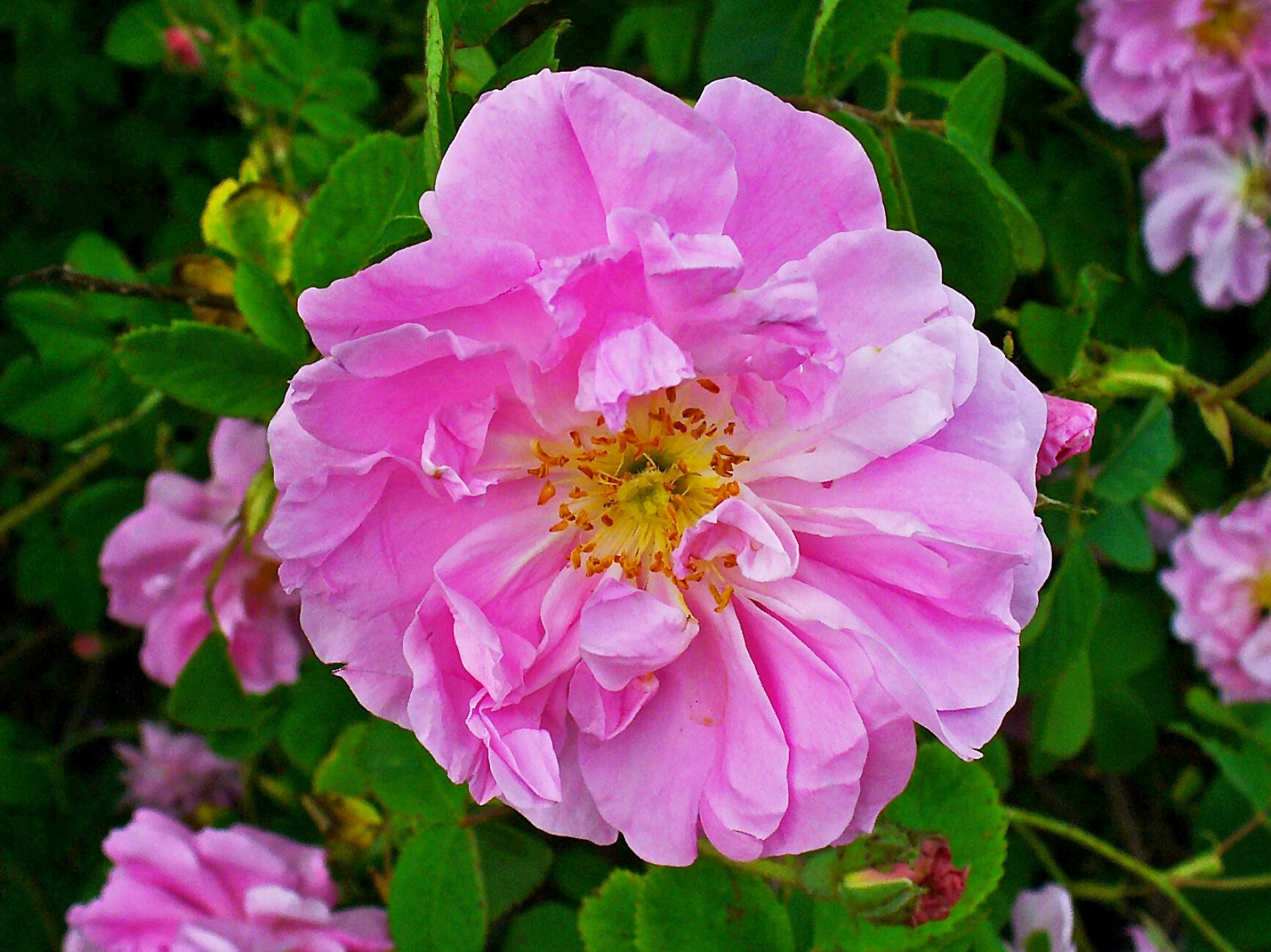
The Taif rose (Rosa damascena trigintipetala) is a damask rose cultivar distinguished by its 30 petals and an intensely complex, spicy fragrance that perfumers prize above almost every other rose variety on earth. Botanically, it is virtually identical to the Bulgarian kazanlik strain — both descended from the Persian damask roses of Shiraz and Kashan — and it likely arrived in the Hijaz Mountains during the Ottoman period in the early sixteenth century. The high altitude of the Al Hada and Al Shafa valleys, sitting between 1,800 and 2,200 metres above sea level, gives the ward taifi a concentration of essential oils that lowland roses cannot match.
Taif’s rose-growing heritage spans more than 300 years. What began as small family plots has scaled into a governorate-wide industry: the Taif region now contains more than 910 farms and roughly 1.14 million rose shrubs, which together produce an estimated 550 million roses per season. The entire harvest is still done by hand, and the oil extracted from these blooms commands extraordinary prices — a single tolah (11.7 grams) of pure Taif rose oil can sell for $800 or more, because approximately one million roses are needed to yield just one litre of oil.
When Is Rose Season? Exact Timing and What to Expect Each Week
The rose harvest is governed by altitude, temperature, and rainfall — not a fixed calendar date. In most years, the season follows this pattern:
| Period | What Happens | Visitor Experience |
|---|---|---|
| Late March | First buds open on lower-altitude farms around Al Hada | Early bloom; some farms open for visits but harvest volume is low |
| Early–mid April | Peak bloom across most farms; Taif Rose Festival typically launches | Best two weeks for visitors: full-scale dawn harvests, distilleries running day and night, festival events |
| Late April | Higher-altitude Al Shafa farms at peak; lower farms winding down | Still excellent visiting; fewer crowds than festival week |
| Early–mid May | Final harvests on the highest terraces; season tapers off | Last chance to see harvesting; some distilleries still operating |
Tip: The first two weeks of April are the sweet spot for most visitors — the bloom is at its densest, the festival is running, and the distilleries are working around the clock. If you prefer fewer crowds, the last week of March or the last week of April are excellent alternatives. Check the best time to visit Saudi Arabia guide for broader seasonal planning.
Time of Day Matters
Rose petals are picked exclusively at dawn, typically between 4:00 and 7:00 AM, before the morning sun causes volatile oils to evaporate. If you want to witness the harvest itself — lines of workers moving through terraced rows, filling baskets with pink blooms — you must arrive at the farms before sunrise. By mid-morning, the picking is finished and the petals are already in the distilleries. Most farm tours and distillery visits begin between 5:00 and 9:00 AM.
The Harvest: How Taif Roses Are Picked
Unlike mechanised flower operations elsewhere, the Taif rose harvest remains entirely manual. Workers — many from families that have farmed these terraces for generations — walk the rows in the pre-dawn darkness, selecting only fully opened blooms and leaving buds for the following morning. Each worker picks roughly 70,000 roses per day across the governorate’s 910-plus farms. The petals are collected in large woven baskets, weighed at the farm gate, and transported immediately to nearby distilleries, because the essential oils begin degrading within hours of picking.
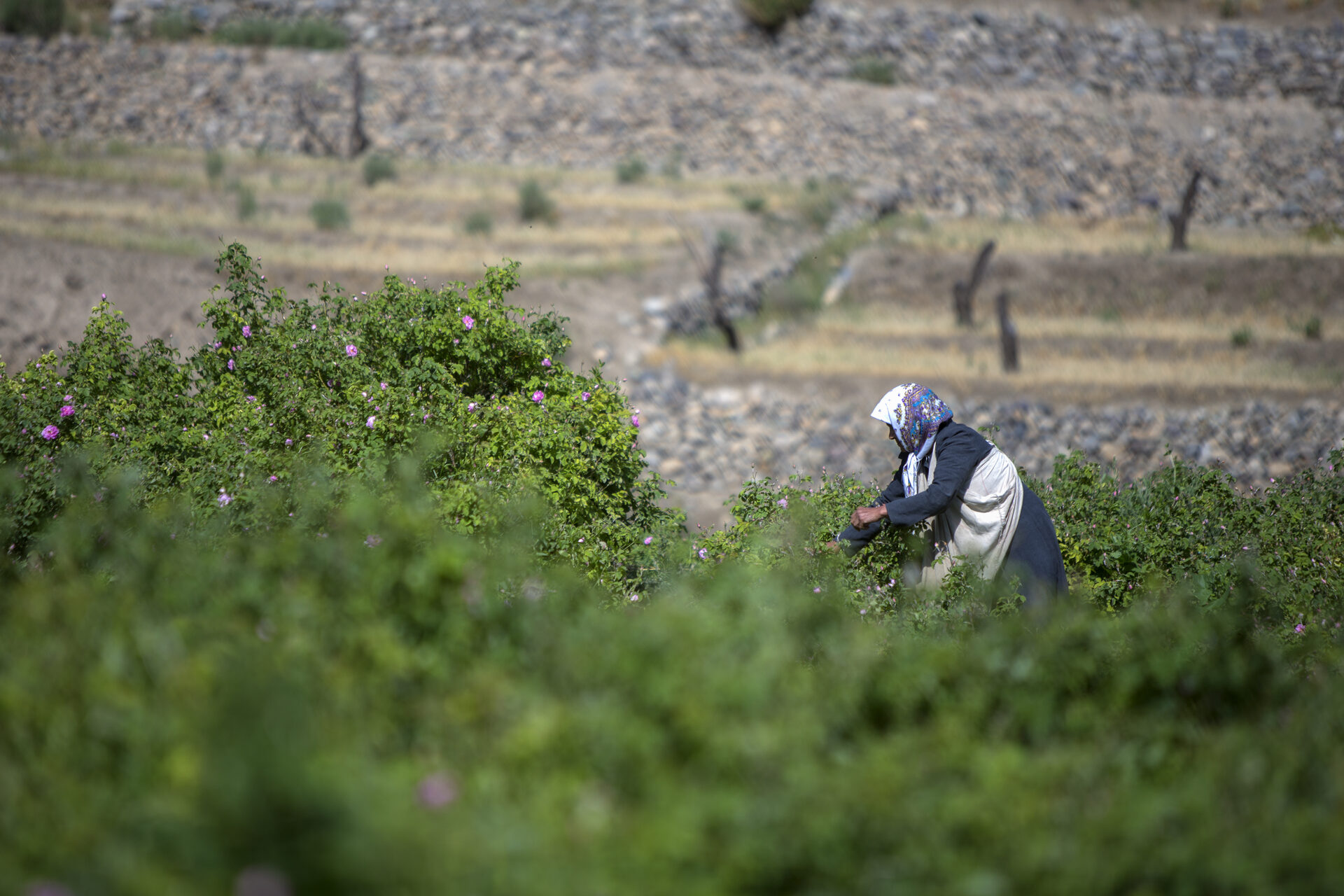
The terraced geography of the Al Hada and Al Shafa mountains is part of what makes this harvest so visually striking. Stone-walled terraces step down volcanic slopes, each row dense with waist-high rose bushes backed by olive and pomegranate trees. For photographers, the combination of early-morning light, pink blooms against dark volcanic soil, and mist rolling through the mountain valleys makes this one of the most photogenic agricultural landscapes in the Middle East.
Inside a Taif Rose Distillery
The distillation process has changed remarkably little over the centuries. Here is what happens inside a traditional Taif rose distillery — locally called a ma’sara — and what you will see on a visit:
The Traditional Copper-Pot Method
- Loading: Approximately 13,000 fresh rose petals are placed into a large copper vessel along with a measured volume of water.
- Sealing and heating: The pot is sealed tightly and heated over a moderate flame, kept below 90°C to avoid destroying the delicate oils. This slow distillation runs for 5 to 7 hours.
- Condensation: Aromatic vapour rises through a pipe in the lid and enters a cooling vessel filled with water, where it condenses into droplets collected in a receiving vessel called al-talqieh.
- First distillation (al-arus): The initial liquid, known as al-arus (“the bride”), contains rose water with dispersed oil but is too dilute to extract pure oil.
- Cohobation: The bride water is poured back over a fresh batch of petals and redistilled — a process called cohobation — to concentrate the essential oil enough for separation.
- Oil separation: After multiple cohobation cycles, a thin film of pure rose oil (attar) floats on the surface and is carefully drawn off.
The yield is vanishingly small: roughly 26,000 roses produce just 6 millilitres of pure oil. This scarcity is the reason Taif rose oil commands prices comparable to fine oud — and why visiting a working distillery during the season feels like witnessing alchemy rather than agriculture.
Practical note: During peak season, large distilleries like Al Gadhi operate around the clock. The fragrance near a working distillery is extraordinary — you will smell it before you see it. Visitors are generally welcome to watch the process, ask questions, and purchase products directly.
Where to Visit: Rose Farms and Distilleries
Al Gadhi Rose Factory
The most famous rose distillery in Taif, Al Gadhi has been operating for more than 120 years and remains one of the largest traditional rose factories in the region. Located not far from the centre of Taif, it opens around the clock during harvest season and welcomes visitors to observe the full distillation cycle, from petal delivery to oil extraction. The factory sells rose water, rose oil, and rose-infused products directly from its shop at wholesale-level prices — considerably cheaper than buying the same products in Jeddah or Riyadh souqs.
Al-Kamal Taif Rose Factory
Situated in the Al Hada area, Al-Kamal is another well-known factory that opens its doors during the season. It offers a more intimate experience than Al Gadhi, with guided explanations of each distillation step and the chance to handle freshly picked petals. The drive to Al-Kamal takes you through some of the most scenic rose-farm terraces in the governorate.
Independent Farm Visits
Many smaller family farms in the Al Hada and Al Shafa valleys welcome visitors during the harvest, though access is informal — there are no ticket offices or fixed schedules. The best approach is to drive the farm roads early in the morning (before 6:00 AM), look for farms where harvesting is underway, and ask politely. Most families are proud of their heritage and happy to show visitors around. A small purchase of rose water or dried petals is customary and appreciated.
Guided Tours
Several tour operators in Taif offer half-day rose farm and factory tours, typically running from 5:00 AM to 9:00 AM. These tours handle transport from your hotel to the farms and distilleries, and guides provide context on the botany, history, and economics of the rose industry. Expect to pay SAR 200–400 ($55–110) per person for a 4-hour tour with transport included.
The Taif Rose Festival
Launched in 2005, the Taif Rose Festival (Mahrajaan al-Ward al-Taifi) is held annually during the peak bloom, typically for 10 to 14 days in April. Supervised by the Ministry of Culture in partnership with Taif Municipality, the festival has grown into one of the Kingdom’s signature seasonal events.
What to Expect
- Rose market: Dozens of vendors sell fresh-cut roses, rose water, rose oil, rose-scented perfumes, cosmetics, and sweets.
- Flower displays: In 2022, the festival featured a flower carpet made from 800,000 roses and a giant rose basket measuring 12.1 metres long and 8 metres wide — breaking the previous Guinness World Record held by Singapore.
- Cultural performances: Traditional Hijazi music, poetry readings (Taif was named “Capital of Arabic Poetry” in 2022), theatre performances, and regional dance.
- Rose-decorated vehicles: A parade of vehicles adorned with thousands of fresh roses.
- Fragrance of Kings Exhibition: A special exhibit exploring the historical connections between Taif roses and Arabian royalty.
- Food and Roses: Culinary events featuring rose-infused dishes, desserts, and beverages.
The festival grounds span approximately 560,000 square metres and attract around one million visitors during its run. Entry is typically free. Exact dates shift slightly each year depending on the bloom — check Visit Saudi or the Taif Season social media accounts for confirmed dates as March approaches.
Planning tip: The festival concentrates most events in the late afternoon and evening, so you can combine a dawn farm visit with an afternoon at the festival grounds. If you are building a broader Saudi Arabia itinerary, Taif makes an ideal 2–3 night stop between Jeddah and the Asir highlands.
What to Buy: Rose Products and Souvenirs
Taif is the place to buy Saudi rose products — prices are lower and quality is higher than anywhere else in the Kingdom. Here is what to look for:
| Product | Price Range (SAR) | Notes |
|---|---|---|
| Rose water (ma’ al-ward) | 15–50 per bottle | Used in cooking, cosmetics, and religious rituals; widely available from any farm or factory |
| Rose oil (attar al-ward) | 500–3,000+ per tolah (11.7 ml) | Price depends on purity; first-press oil from a single harvest commands the highest premiums |
| Dried rose petals | 20–80 per bag | For tea, potpourri, or cooking; lovely lightweight souvenir |
| Rose-infused perfumes | 100–1,500 | Blended with oud, musk, or amber; Abdul Samad Al Qurashi is the most prestigious brand |
| Rose jam and sweets | 25–100 | Turkish-delight-style confections; available at the festival and souq |
| Fresh-cut roses | 10–30 per bundle | Obviously perishable; buy at the end of your Taif visit |
Buyer’s tip: If you are buying rose oil, ask to see the distillation grade. “First-press” or daraja ula oil is the most concentrated and expensive. Lower grades are perfectly suitable for personal use and cost considerably less. Avoid vendors who cannot tell you the grade or source farm — counterfeit Taif rose oil diluted with cheaper Bulgarian or Turkish oil is a known issue in Jeddah and Riyadh markets.
Beyond the Roses: What Else to Do in Taif
Rose season is the headline, but Taif offers enough to fill several days. Here are the top experiences worth combining with your rose-season visit:
Shubra Palace
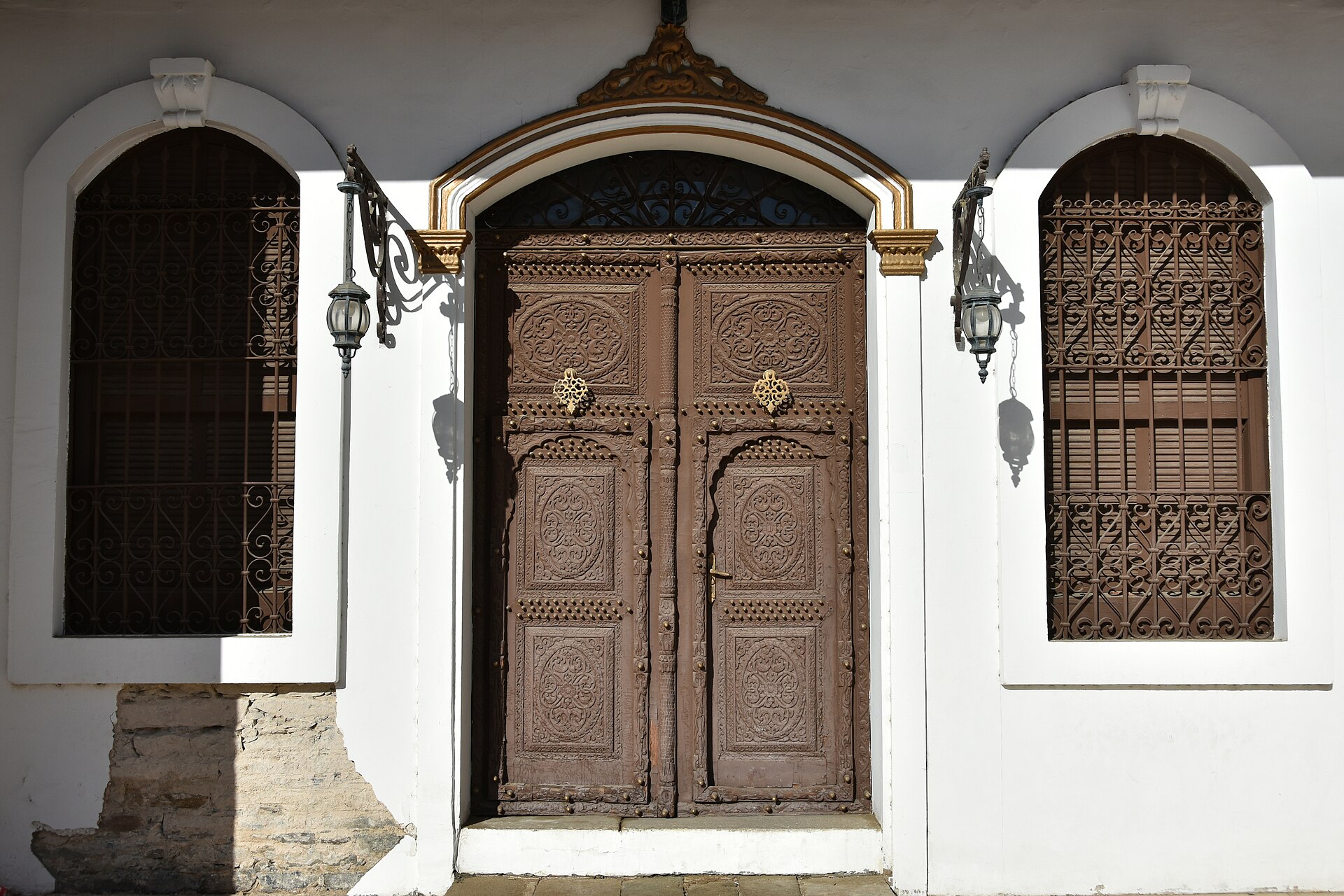
Built in 1905, Shubra Palace is a striking blend of Hijazi and Ottoman architectural styles. Now operating as the Taif Regional Museum, it chronicles the city’s history from its pre-Islamic literary heritage through its role as the summer capital of the Kingdom. The ornately carved wooden doors and cool marble interiors provide welcome relief from the midday heat.
Souq Okaz
One of the most famous marketplaces in pre-Islamic Arabia, Souq Okaz has been reconstructed as a cultural heritage site southeast of Taif. In its original form, it was a gathering point for poets, traders, and tribal leaders from across the peninsula. Today, the site hosts seasonal cultural festivals and offers a window into the literary and commercial traditions that shaped Arabian identity. Poetry competitions held here echo a tradition dating back 1,500 years.
Al Hada Mountain and Cable Car
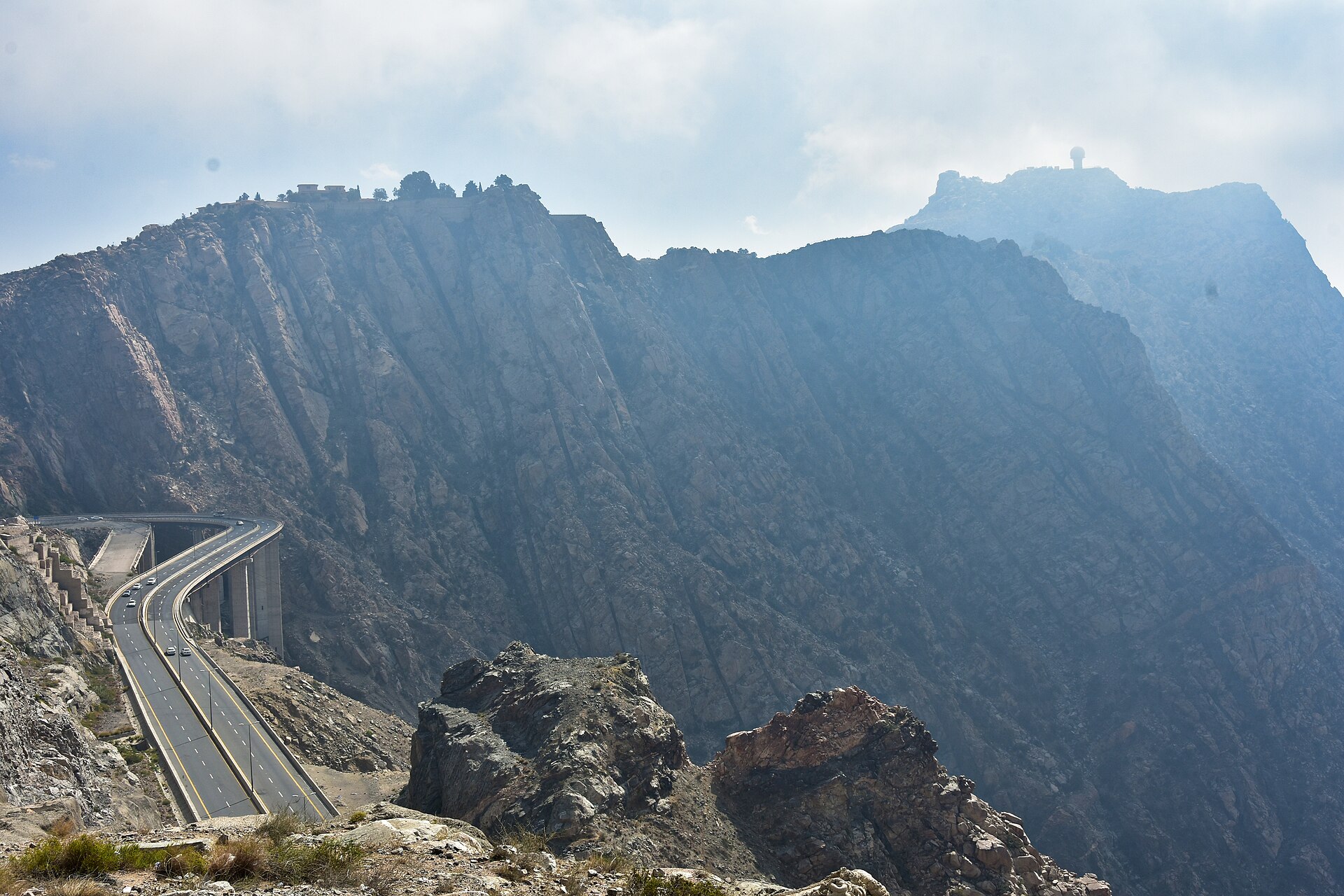
The Al Hada cable car (telefrik) connects the lowlands to the summit and offers sweeping views of the Hijaz escarpment. The drive up the Al Hada mountain road is itself one of the most scenic routes in Saudi Arabia — a series of switchbacks carved into sheer cliff faces, popular with road cyclists and motorcyclists. For hikers, the trails around Al Hada connect to broader routes covered in the Saudi Arabia hiking guide.
Al Shafa Village and Fruit Farms
Higher and cooler than Al Hada, Al Shafa is known for its fruit orchards — figs, pomegranates, grapes, and apricots — and its wild honey. During rose season, the higher-altitude farms here bloom later than Al Hada, so Al Shafa extends the harvest window for visitors arriving in late April or early May. The village also offers some of the best stargazing in western Saudi Arabia thanks to minimal light pollution.
Local Honey
Taif honey — particularly the dark, aromatic sidr honey harvested from jujube trees — is considered among the finest in the Arab world. Many rose farms also keep beehives, and you can buy fresh honey directly from farmers during your rose-farm visit.
How to Get to Taif
By Air
Taif Regional Airport (TIF) receives domestic flights from Riyadh (1 hour 40 minutes), Dammam, and occasionally Jeddah. Saudia and flynas operate most routes. During rose season and summer, flight frequency increases. The airport is approximately 30 minutes by car from the city centre and 45 minutes from the Al Hada rose farms.
By Road from Jeddah
The most popular approach is the 2-hour drive from Jeddah via the Al Hada mountain road (Route 15). This spectacular highway climbs from sea level to nearly 2,000 metres through a series of hairpin turns with views over the Tihama coastal plain. An alternative route via the Taif–Al Sail highway is less dramatic but slightly faster. Car rental is available at Jeddah airport and in Taif city.
By Road from Mecca
Taif is approximately 90 minutes from Mecca via Route 15. Non-Muslim travellers should note that the road passes through the outskirts of the Haram boundary — the route is accessible to all, but the Mecca city centre is restricted. Visitors combining Umrah with a Taif rose-season trip can easily add a 2–3 day Taif extension.
Where to Stay During Rose Season
Taif offers accommodation across all budget levels. During rose season and the summer months, demand is higher than the rest of the year, so booking ahead is advised.
| Category | Notable Options | Price Range (per night) |
|---|---|---|
| Luxury | InterContinental Taif, Awaliv International Hotel | SAR 600–1,200 ($160–320) |
| Mid-range | Boudl Taif (near Al Rudaf Park), Zaman Homeland Hotel | SAR 250–550 ($65–150) |
| Budget | OYO properties, Gardens View Aparthotel | SAR 120–250 ($33–65) |
Where to base yourself: If your priority is the rose farms, consider staying in or near Al Hada rather than Taif city centre. Several small hotels and holiday apartments along the Al Hada road put you within minutes of the farms for those crucial pre-dawn starts. For a broader selection of restaurants and evening activities, Taif city centre is the better base. For general accommodation advice, see the Taif travel guide.
Practical Tips for Rose Season Visitors
- Dress for the cold. Taif sits at nearly 1,900 metres and dawn temperatures during March and April can drop to 8–12°C. Bring a warm jacket for early-morning farm visits.
- Bring a car. The rose farms are spread across a wide area with no public transport connections. A rental car or private driver is essential.
- Go before sunrise. The harvest happens between 4:00 and 7:00 AM. Arriving at 8:00 AM means missing the picking entirely.
- Charge your phone. Rose farms have no charging facilities and you will be taking hundreds of photos.
- Buy at the source. Rose products are markedly cheaper at the farm gate and factory shop than in Taif’s souqs, and cheaper still than in Jeddah or Riyadh.
- Respect farm workers. Ask before photographing people. Most are happy to be photographed but courtesy costs nothing.
- Check your visa. The Saudi tourist e-visa is valid for Taif and all non-restricted areas. Processing takes minutes online.
- Combine with the weather window. April is one of the most comfortable months across western Saudi Arabia — warm but not yet hot, with minimal rainfall.
Rose Season and Saudi Culture
The ward taifi is not merely agricultural — it occupies a special place in Saudi and Islamic culture. Rose water has been used to wash the Kaaba in Mecca for centuries, and the finest Taif rose water is reserved for this purpose. Arabian perfumery, one of the oldest olfactory traditions in the world, considers Taif rose oil a noble ingredient alongside oud and amber. The rose also appears throughout Arabic poetry — fitting for a city that held the legendary Souq Okaz, where pre-Islamic Arabia’s greatest poets competed.
For Saudi families, visiting Taif during the rose season is a longstanding tradition, particularly for families from Jeddah and the wider Hijaz region. The season overlaps with school holidays in some years, making it a popular family destination. Expect the festival and farms to be busiest on Thursday and Friday (the Saudi weekend).
Explore More Saudi Arabia Travel Guides
- Abha and the Asir Region — Saudi Arabia’s mountain escape, from Abha to Rijal Almaa
- Taif Travel Guide 2026 — The complete guide to the City of Roses, mountains, and Souq Okaz
- Best Time to Visit Saudi Arabia — Month-by-month climate planning for every region
- Saudi Arabia Hiking Guide — The best trails, mountains, and canyons across the Kingdom
- Saudi Arabia Itinerary: 7, 10 & 14-Day Plans — Build the perfect route through the Kingdom
- Saudi Arabia Visa Guide 2026 — Every visa type, cost, and requirement explained