
Ramadan transforms Saudi Arabia like nothing else on the calendar. The holiest month of the Islamic year reshapes daily life across the Kingdom — business hours shift, cities quiet during the day, and then burst alive after sunset with communal iftar feasts, glowing night markets, and a warmth of hospitality that tourists rarely experience at other times. Whether you are a Muslim planning Umrah during Ramadan, a culture-curious traveller hoping to witness the spiritual pulse of the Kingdom, or a visitor whose trip simply coincides with the holy month, this guide to travelling in Saudi Arabia during Ramadan covers everything you need to plan a respectful, rewarding, and well-prepared visit.
Best Time to Visit: The last ten days of Ramadan for spiritual intensity, or the first week for fewer crowds
Getting There: Fly into Riyadh (RUH), Jeddah (JED), or Dammam (DMM) — domestic flight frequencies drop ~20% during Ramadan
Visa Required: Yes — tourist e-visa available for 63 nationalities
Budget: $80–$200/day depending on city and hotel tier
Must-See: Iftar at a heritage tent in Riyadh, night markets in Historic Jeddah, Tarawih prayers at Masjid al-Haram
Avoid: Eating, drinking, or smoking in public during daylight hours — fines up to SAR 500 ($133)
When Is Ramadan in 2026?
Ramadan 2026 began on Wednesday, 18 February and runs through Thursday, 19 March, with Eid al-Fitr officially starting on Friday, 20 March. The exact dates are confirmed each year by the Saudi authorities after the crescent moon of Sha’ban is sighted — the Islamic Hijri calendar means Ramadan shifts roughly 10–11 days earlier each Gregorian year.
For travellers, this timing matters. February–March in Saudi Arabia brings mild, pleasant weather across most of the Kingdom — daytime temperatures in Riyadh average 22–26°C, while Jeddah hovers around 27–30°C. It is one of the more comfortable periods to visit, especially compared with the scorching summers.
Planning tip: Fasting hours during February–March Ramadan run from approximately 5:05 AM (Fajr) to 6:00–6:20 PM (Maghrib) in Riyadh. That is about 13 hours of fasting — shorter than summer Ramadans, which can stretch past 15 hours. The shorter fast means an earlier sunset and an earlier start to the evening festivities.
The Rules: What Tourists Must Know
Saudi Arabia enforces public observance of Ramadan by law, and these rules apply to everyone — Muslim and non-Muslim alike. Understanding them is not optional; it is essential.
Public Eating, Drinking, and Smoking
Eating, drinking, or smoking in public during daylight hours is prohibited. This includes on streets, in parks, in malls, and in vehicles with windows down. Fines can reach SAR 500 (approximately $133 USD). While enforcement has softened in recent years compared with the era of active religious police patrols, it remains the law and is taken seriously. Carry a water bottle discreetly and consume food and drinks in your hotel room or in designated private dining areas.
Playing Music in Public
Loud music in public spaces is discouraged during Ramadan, particularly during daylight hours. Keep car stereos low, and be mindful in shared spaces. Many venues switch to ambient or traditional music after sunset.
Dress Code
Saudi Arabia already expects modest dress from visitors year-round, but during Ramadan the expectation intensifies. Women should ensure shoulders, knees, and midriffs are covered — loose-fitting clothing is best. An abaya is no longer legally required for non-Muslim women, but wearing one during Ramadan is a respectful gesture, especially when visiting mosques or traditional markets. Men should avoid sleeveless shirts and very short shorts.
Alcohol
Alcohol is prohibited throughout Saudi Arabia at all times, not only during Ramadan. There are no exceptions for tourists during the holy month.
How Daily Life Changes During Ramadan
The most important thing to understand about Ramadan in Saudi Arabia is that the entire rhythm of life inverts. Days are slow; nights are electric. Plan accordingly, and you will have an extraordinary experience.
Business and Government Hours
Government offices operate reduced hours, typically 9:00 AM to 2:00 PM instead of the usual 7:30 AM–2:30 PM. Private businesses often run 10:00 AM to 4:00 PM, though many shops and smaller businesses may not open until midday or later. Banks typically close by 1:00 PM. Expect a slower pace for any administrative tasks — visa processing and government services may take longer than usual.
Restaurants and Cafés
Most street-level restaurants and cafés close during daytime fasting hours. However, many international hotels operate discreet private dining rooms or screened-off areas where non-fasting guests can eat during the day — brands like Hilton, Marriott, Radisson, and InterContinental typically offer this service. These are curtained or separated from public view and available to hotel guests and, sometimes, outside visitors.
After sunset, restaurants reopen for iftar and stay busy deep into the night. Many establishments offer special Ramadan menus. Saudi Arabia’s food scene reaches its peak during the holy month, with iftar buffets, pop-up dining experiences, and family gatherings dominating the evenings.
Shopping and Malls
Shopping malls typically open late morning or early afternoon with reduced daytime hours, but extend their evening hours dramatically — staying open until 1:00–2:00 AM or later. The shopping experience after iftar is vibrant, with families filling malls, special Ramadan sales, and seasonal products on display. Traditional souks come alive after sunset, often staying open past midnight.
Tourist Attractions and Museums
Many museums and cultural sites operate shortened daytime hours or close entirely during Ramadan. Always check ahead. Some major attractions shift to evening-only schedules. Outdoor sites like AlUla and Diriyah often offer special nighttime experiences during Ramadan that are not available at other times of year.
Transport
Airlines including Saudia and Flynas reduce domestic flight frequencies by roughly 20% during Ramadan. Book flights early, confirm schedules closer to your travel date, and factor in longer airport wait times around iftar and Eid. Ride-hailing apps like Uber and Careem operate normally but may see surge pricing during iftar rush. For more on getting around Saudi Arabia, see our dedicated transport guide.
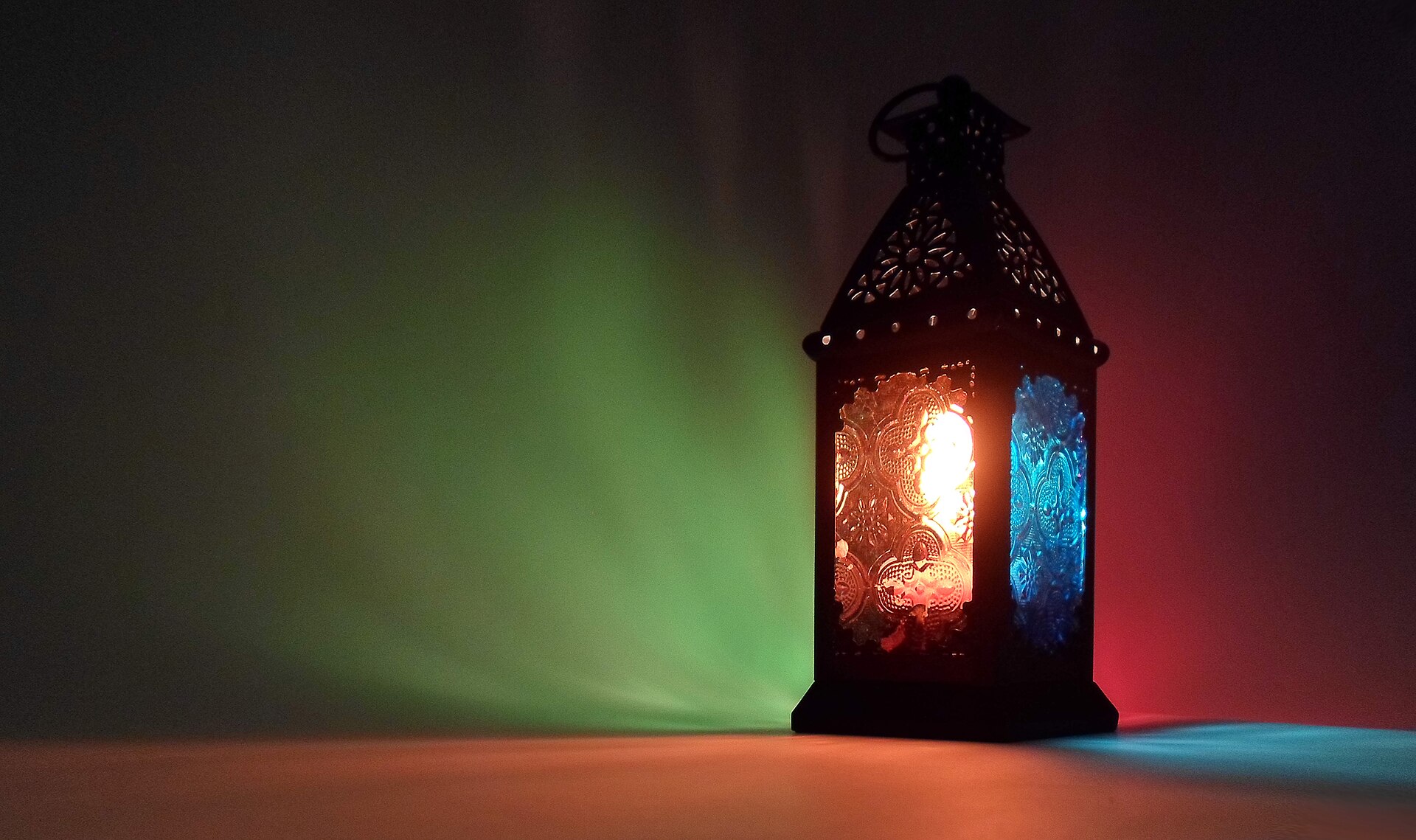
The Iftar Experience: Breaking the Fast
Iftar — the meal that breaks the daily fast at sunset — is the centrepiece of Ramadan social life, and experiencing it in Saudi Arabia is one of the most memorable things a visitor can do. The moment the call to Maghrib prayer echoes across the city, the entire Kingdom sits down to eat together.
Traditional Saudi Iftar Foods
Every iftar begins with dates and water, following the Prophetic tradition. What follows is a feast of traditional dishes that vary by region:
- Sambusa — Deep-fried pastries stuffed with spiced meat, lentils, or vegetables. A staple across the Kingdom, especially in Makkah and Madinah provinces.
- Harees — Slow-cooked wheat and meat blended into a thick, creamy porridge. The Eastern Province is particularly famous for this dish.
- Jareesh — Crushed wheat cooked with yoghurt and meat, popular in the Najd region around Riyadh.
- Luqaimat — Small, golden dough balls deep-fried and drizzled with date syrup or honey. The quintessential Ramadan sweet.
- Marqouq — Thin, paper-like bread served with a stew of meat and vegetables.
- Shorba — Lentil or vegetable soup, served as a gentle start to the meal after a day of fasting.
Each of Saudi Arabia’s regions brings its own iftar traditions to the table — the Hijazi iftar in Jeddah features foul medames and tamees bread, while the Najdi spread in Riyadh centres on jareesh and kabsa. Exploring these regional differences is one of the culinary highlights of a Ramadan visit.
Where to Experience Iftar as a Tourist
Luxury hotel tents: Major hotels create elaborate Ramadan tents and iftar experiences. In 2026, the Four Seasons Riyadh offers its “Hikayat Ramadan” (Stories of Ramadan) experience with a redesigned Ramadan tent, live oud music, and an oriental-inspired majlis. Maritime at The Edition Hotel in Jeddah hosts a waterfront iftar with live cooking stations. These tend to cost SAR 200–500 per person.
Community iftars: Many mosques and charitable organisations set up free communal iftar tables — particularly along major roads and in mosque courtyards. Joining one is a powerful cultural experience and is open to anyone, including non-Muslims. No reservation is needed; simply arrive before sunset and sit down.
Cultural venues: Beast House in Riyadh transforms into a living Saudi majlis during Ramadan, hosting communal iftars alongside poetry readings, film screenings, and workshops. Check Saudi Arabia’s events calendar for other pop-up iftar experiences.
Etiquette tip: If you are not fasting, it is still polite to wait for the call to prayer before eating when dining in a communal iftar setting. Join in the experience respectfully, and you will be warmly welcomed.
Ramadan Night Markets and Evening Events
After iftar, Saudi Arabia’s cities transform. Streets fill with families, souks glow with lantern light, and the energy is festive and communal. Ramadan evenings — from roughly 7:00 PM through 2:00 AM — are the best time to explore.
Riyadh
Souq Al Zal — One of Riyadh’s oldest traditional markets, Souq Al Zal comes alive during Ramadan nights. Narrow lanes lit by lanterns, stalls selling oud, spices, and antiques, and the aroma of Arabic coffee create an atmospheric evening experience in the heart of the old city.
Souq Al Thumairi — Near Riyadh’s historical centre, this market offers traditional stalls with spices, textiles, and handcrafted souvenirs. Grilled kebabs, fresh dates, and Arabic coffee fill the air after dark.
Boulevard City — Riyadh’s modern entertainment hub transforms into a Ramadan festival after sundown, with themed tents, light displays, shopping, dining, and cultural events. Ideal for families seeking a mix of tradition and modern entertainment.
Jeddah
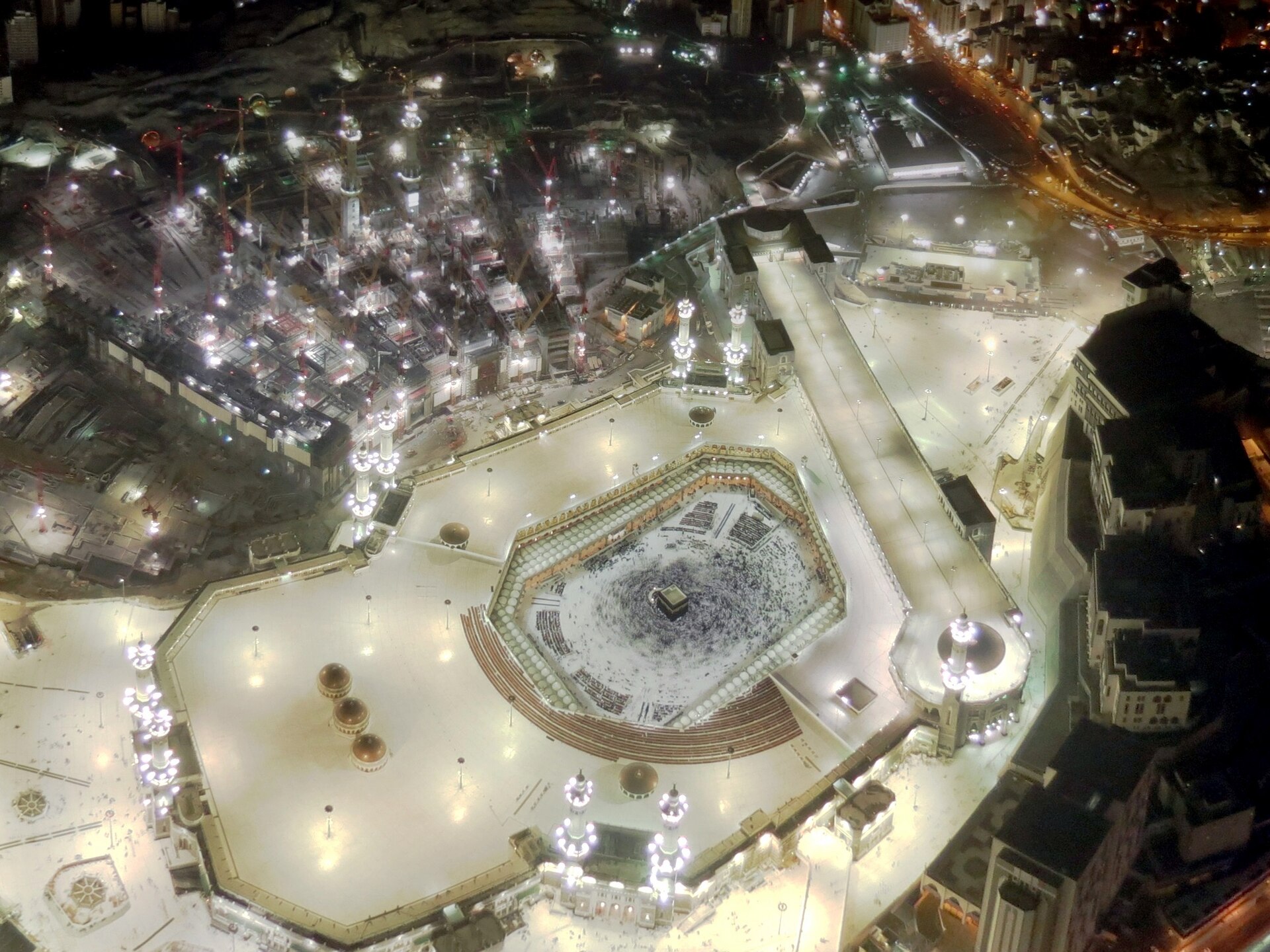
Al-Balad (Historic Jeddah) — The UNESCO-listed district is magical during Ramadan. In the first half of Ramadan 2026 alone, Historic Jeddah welcomed over 2 million visitors. Coral-stone buildings and intricately carved wooden balconies (rawasheen) frame narrow streets lined with market stalls, traditional food vendors, and cultural performances.
Ramadaniyat Promenade — Stretching along the Jeddah Corniche, this waterfront promenade hosts over 90 shops, restaurants, and attractions during Ramadan. Sunset over the Red Sea provides the backdrop for iftar, followed by live music, cultural performances, and late-night strolling.
AlUla
AlUla offers a unique guided nighttime heritage walk through its Old Town by torchlight during Ramadan. Led by a local Rawi (storyteller), the 45-minute walking tour shares customs associated with Ramadan in the region, set against the atmospheric backdrop of mudbrick architecture. Check the AlUla travel guide for booking details.
Umrah During Ramadan
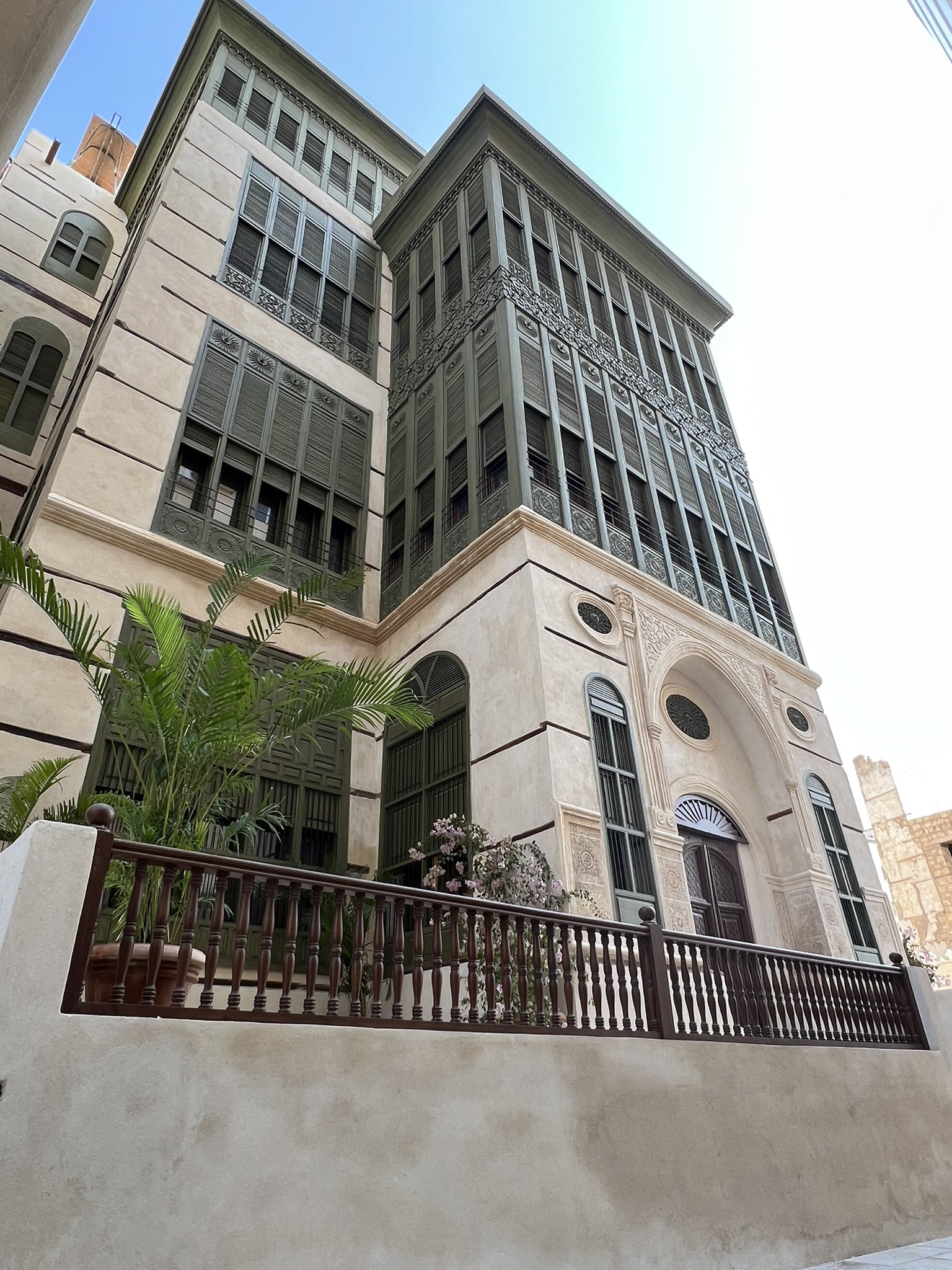
For Muslim travellers, performing Umrah during Ramadan holds special significance — the Prophet Muhammad (PBUH) said that Umrah performed during Ramadan is equivalent in reward to Hajj. Millions of pilgrims travel to Makkah for this purpose, and the experience is intense, crowded, and deeply spiritual.
Key Rules for Ramadan Umrah 2026
- Nusuk app required: All Umrah permits must be booked through the official Nusuk app. An electronic entry code is issued after booking, and you will receive time alerts for your appointment.
- One Umrah per Ramadan: Each pilgrim may perform Umrah only once during the month of Ramadan using the official permit system.
- Last Umrah visa date: The final date for issuing Umrah visas in 2026 is 19 March. International pilgrims must arrive by 2 April and depart by 18 April.
- Rawdah appointments: Prayer appointments in the Rawdah al-Sharifah at the Prophet’s Mosque in Madinah can also be booked through Nusuk.
Crowds and Timing
The last ten nights of Ramadan see the heaviest crowds, particularly on the odd nights (21st, 23rd, 25th, 27th, and 29th) when Muslims seek Laylat al-Qadr (the Night of Power). The area around Masjid al-Haram becomes extremely congested before and after prayer times. If you prefer a calmer experience, the first two weeks of Ramadan are significantly quieter.
For comprehensive pilgrimage planning, see our Hajj 2026 guide and first-time Umrah guide.
Important: Umrah and Hajj are restricted to Muslims. Non-Muslims cannot enter the holy cities of Makkah or the central area of Madinah around the Prophet’s Mosque. See our guide for non-Muslim visitors for alternative spiritual and cultural experiences across the Kingdom.
Tarawih Prayers: A Nightly Spectacle
Tarawih are the special nightly prayers performed only during Ramadan, held after the Isha (night) prayer. For Muslim visitors, attending Tarawih at one of Saudi Arabia’s grand mosques is an unforgettable experience — hundreds of thousands of worshippers pray in unison under the open sky, with the Quran recited by some of the world’s most renowned reciters.
The most famous Tarawih experiences include:
- Masjid al-Haram, Makkah — The holiest mosque in Islam, where Tarawih draws over a million worshippers nightly during the last ten days.
- Al-Masjid an-Nabawi, Madinah — The Prophet’s Mosque, where the serenity of Tarawih is matched by the beauty of the recitation.
- Imam Turki bin Abdullah Grand Mosque, Riyadh — Riyadh’s largest mosque, with powerful Quran recitations that echo through the minarets.
Non-Muslims are welcome to observe from outside or in open public areas of mosques (except in Makkah and the restricted zone of Madinah). Read our mosque etiquette guide for detailed advice on respectful visits.
Eid al-Fitr: The Grand Celebration
Eid al-Fitr marks the end of Ramadan and the beginning of three to four days of celebration. In 2026, Eid began on Friday, 20 March, with the public holiday running through Saturday, 21 March (though many private-sector employees received from Wednesday 18 March onwards — a four-day break).
What Happens During Eid
- Eid prayer: A special congregational prayer held in the morning at mosques and open prayer grounds across the Kingdom.
- Zakat al-Fitr: Obligatory charity given before Eid prayer, ensuring everyone can partake in the celebration.
- New clothes: Saudis traditionally wear their finest or brand-new clothes. Expect malls and tailors to be extremely busy in the days before Eid.
- Family gatherings: Elaborate meals, home visits, and gift-giving — especially for children (Eidiya, cash gifts for youngsters, is a beloved tradition).
- Public celebrations: Fireworks, parades, concerts, and cultural festivals take place across major cities. Entertainment venues and parks operate at full capacity.
Travelling During Eid
Be warned: Eid is one of the busiest travel periods in Saudi Arabia. Domestic flights, trains, and roads between major cities are packed. Hotel prices spike, particularly in Makkah and Madinah. Book accommodation and transport well in advance. On the positive side, the festive atmosphere is infectious, and many attractions offer special Eid programming.
City-by-City Ramadan Guide
Riyadh
The capital offers the widest range of Ramadan activities. Key experiences include the heritage night markets at Souq Al Zal, the modern Ramadan programming at Boulevard City, luxury iftar tents at the Four Seasons and Ritz-Carlton, and the powerful Tarawih prayers at the Imam Turki bin Abdullah Grand Mosque. Riyadh’s entertainment scene — already the strongest in the Kingdom thanks to Riyadh Season infrastructure — adapts seamlessly to the Ramadan schedule.
Jeddah
Jeddah is the gateway to Makkah and Madinah, making it a natural hub for Ramadan travellers combining tourism with Umrah. The Al-Balad historic district is the standout experience — its Ramadan programme drew over 2 million visitors in the first two weeks of Ramadan 2026. The Corniche’s Ramadaniyat Promenade and the city’s world-class seafood restaurants (serving special Ramadan menus after sunset) make Jeddah arguably the most atmospheric city to spend Ramadan.
Makkah and Madinah
These cities are fully focused on worship during Ramadan. Makkah is the epicentre of Umrah activity, and Madinah offers a calmer but deeply spiritual atmosphere. Both cities are Muslim-only in their core zones. Hotels near the Haram can cost three to five times their off-peak rates during the last ten nights of Ramadan — book months in advance.
AlUla, Abha, and Beyond
Smaller cities and regions offer quieter Ramadan experiences. AlUla runs its torchlight Old Town walks; Abha in the Asir highlands is cool and atmospheric, with traditional highland iftar traditions; and Taif, the city of roses, provides a gentler alternative to the intensity of the major cities. These destinations suit travellers who want to experience Ramadan authentically without the crowds.
Practical Tips for Ramadan Travel
Accommodation
Book hotels well in advance, especially in Makkah and Madinah. Choose hotels that offer private daytime dining for non-fasting guests — most international chains do, but confirm when booking. Budget accommodation options narrow during Ramadan in pilgrimage cities but remain available in Riyadh, Jeddah, and elsewhere.
What to Pack
In addition to standard travel gear, Ramadan-specific packing suggestions include:
- Modest clothing that covers shoulders and knees (see our dress code guide)
- A refillable water bottle — you will need to hydrate discreetly indoors during the day
- Snacks for your hotel room (shops may close during parts of the day)
- Comfortable walking shoes for extended evening outings
- A light layer for air-conditioned malls and cooler evening temperatures
Budget Considerations
Ramadan travel costs can be higher or lower depending on your choices. Hotel rates in Makkah and Madinah spike significantly, especially in the last ten days. However, community iftars are free, many Ramadan events have no entry fee, and daytime activities are limited — meaning you may spend less on attractions and dining during daylight hours.
| Expense | Normal Season | During Ramadan |
|---|---|---|
| Hotel (Makkah, per night) | SAR 400–800 | SAR 800–3,000+ |
| Hotel (Riyadh/Jeddah, per night) | SAR 300–600 | SAR 300–700 |
| Iftar buffet (luxury hotel) | N/A | SAR 200–500 |
| Community iftar | N/A | Free |
| Domestic flights | SAR 200–500 | SAR 300–800 |
Health and Hydration
February–March temperatures are mild by Saudi standards, but dehydration remains a risk — especially if you are walking extensively during the day. Drink plenty of water in your hotel before heading out. Pharmacies operate during Ramadan but may have reduced hours. If you have medical conditions requiring regular food or medication intake, carry documentation — medical exemptions from public observance rules are understood and respected.
Connectivity
A local SIM card is especially useful during Ramadan for checking live opening hours (which change frequently) and booking iftar reservations or Umrah permits through the Nusuk app. Grab one at the airport on arrival.
Getting There
International flights to Saudi Arabia run normally during Ramadan, but Jeddah’s King Abdulaziz International Airport and Madinah’s Prince Mohammad bin Abdulaziz Airport see heavy Umrah traffic. Arrive early for check-in. For flight options, see our Saudi Arabia flights guide. For visa requirements and the e-visa process, check our complete visa guide.
Is It Safe?
Ramadan is one of the safest times to visit Saudi Arabia. Crime rates are low year-round and drop further during the holy month. The main risks are logistical — crowds during the last ten nights in Makkah and traffic congestion around iftar time. For a full safety overview, see Is Saudi Arabia Safe?
Should You Visit Saudi Arabia During Ramadan?
The honest answer depends on what kind of traveller you are. If you value cultural immersion, communal experiences, and witnessing a society at its most spiritually focused, Ramadan is one of the best times to visit. The evening atmosphere is unlike anything you will experience at other times of year, and the hospitality is extraordinary — Saudis go out of their way to welcome guests during the holy month.
If your priority is sightseeing at your own pace, unrestricted dining, and full access to daytime attractions, you may find Ramadan limiting. Museums and sites operate on reduced schedules, daytime options are thin, and the rules around public eating require adjustment. For alternative timing advice, see our guide to the best time to visit Saudi Arabia.
For non-Muslim travellers specifically, we have written a dedicated companion guide: Travelling During Ramadan as a Non-Muslim, which addresses the specific etiquette and practical concerns for visitors who are not observing the fast.
Explore More Saudi Arabia Travel Guides
- Saudi Arabia Travel Guide 2026 — The complete guide to visiting the Kingdom
- Ramadan Travel Guide for Non-Muslims — Specific etiquette and tips for non-Muslim visitors during Ramadan
- Best Time to Visit Saudi Arabia — Month-by-month breakdown of weather, events, and crowds
- Saudi Arabia Food Guide — The Kingdom’s culinary landscape from kabsa to luqaimat
- Umrah Guide — Everything you need to know about the lesser pilgrimage
- Saudi Arabia Visa Guide — Every visa type explained, including tourist e-visa and Umrah visa
- Saudi Arabia Events Calendar 2026 — Festivals, seasons, and cultural events across the year
- Saudi Arabia Dress Code — What to wear and what to avoid