
Rising from the Red Sea like a pillar of white light, King Fahd’s Fountain is the single most recognisable landmark in Jeddah. Holding the Guinness World Record as the tallest fountain on earth, it launches saltwater over 300 metres into the sky at speeds that would overtake a Formula One car. The fountain is free to visit, visible from virtually everywhere along the Jeddah Corniche, and at its most spectacular after dark, when 500 spotlights turn the plume into a towering column of colour. Whether you are passing through Jeddah on the way to Mecca or spending a week exploring the city, the fountain is the one attraction nobody misses. This guide covers everything you need to know: how to get there, the best viewing spots, the engineering behind the record, and what else to see nearby.
Best Time to Visit: October to March (cooler evenings); the fountain is most dramatic after sunset
Getting There: Jeddah Corniche, Al Hamra district — 20 minutes by taxi from King Abdulaziz International Airport
Visa Required: Yes — tourist e-visa available for 60+ nationalities
Budget: Free entry; a Corniche evening costs USD 0–30 for food and transport
Must-See: Night-time illuminated display, Corniche waterfront walk, nearby Al Rahma Floating Mosque
Avoid: Visiting in midday summer heat (40°C+); the fountain may also stop during strong southerly winds
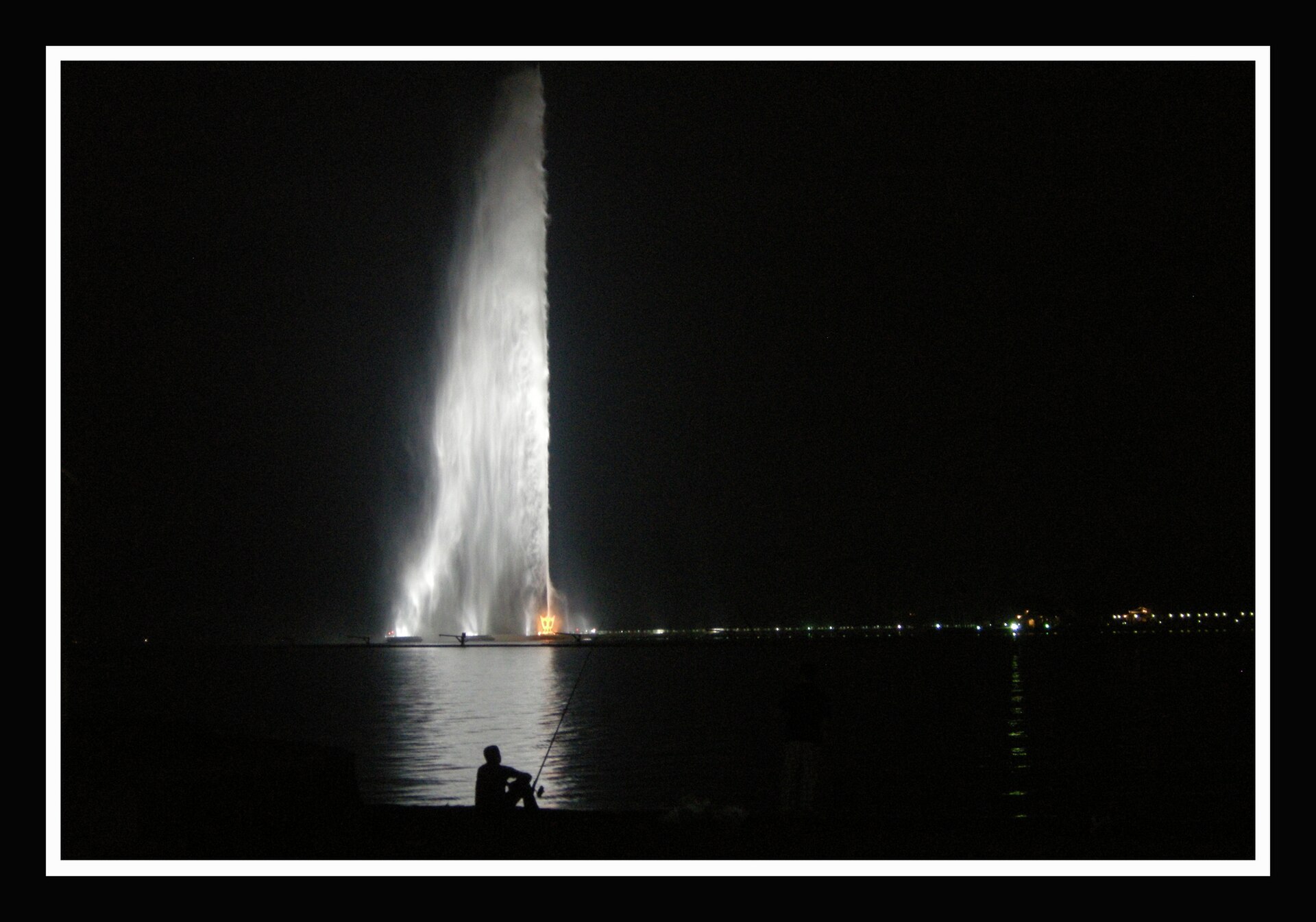
Why King Fahd’s Fountain Matters
Jeddah has always been Saudi Arabia’s gateway to the sea. For centuries, pilgrims arrived at its port on their way to the holy cities. When the Kingdom’s oil wealth reshaped the skyline in the late twentieth century, the city needed a landmark that matched its ambition. King Fahd bin Abdulaziz Al Saud donated the fountain to Jeddah in the early 1980s, commissioning a structure that would surpass Geneva’s famous Jet d’Eau and put the city on the global map.
The fountain was constructed between 1980 and 1983 by SETE Technical Services, a French-Greek engineering firm within the Latsis Group. After two years of testing, it was officially launched in 1985 and has operated almost continuously since. It was immediately certified by the Guinness World Records as the highest water fountain in the world — a title it still holds more than four decades later.
For visitors exploring Saudi Arabia in 2026, the fountain is both a free attraction and an essential piece of the Jeddah experience. It defines the city’s waterfront in the same way the Sydney Opera House defines its harbour.
Engineering: How the World’s Tallest Fountain Works
Unlike most ornamental fountains, King Fahd’s Fountain does not use freshwater. It draws directly from the Red Sea, making corrosion resistance the central engineering challenge. Every component that touches the water — from the nozzle to the pump housings — is built with salt-resistant alloys and coatings.
The Pumps
Three high-capacity centrifugal pumps manufactured by Sulzer of Switzerland power the fountain. Each pump is rated at 3.5 megawatts and can deliver 625 litres of water per second. During normal operation, two pumps run simultaneously, producing a combined flow rate of 1,250 litres per second, while the third pump stands by as a backup. An additional 18 auxiliary pumps support the system.
Height and Speed
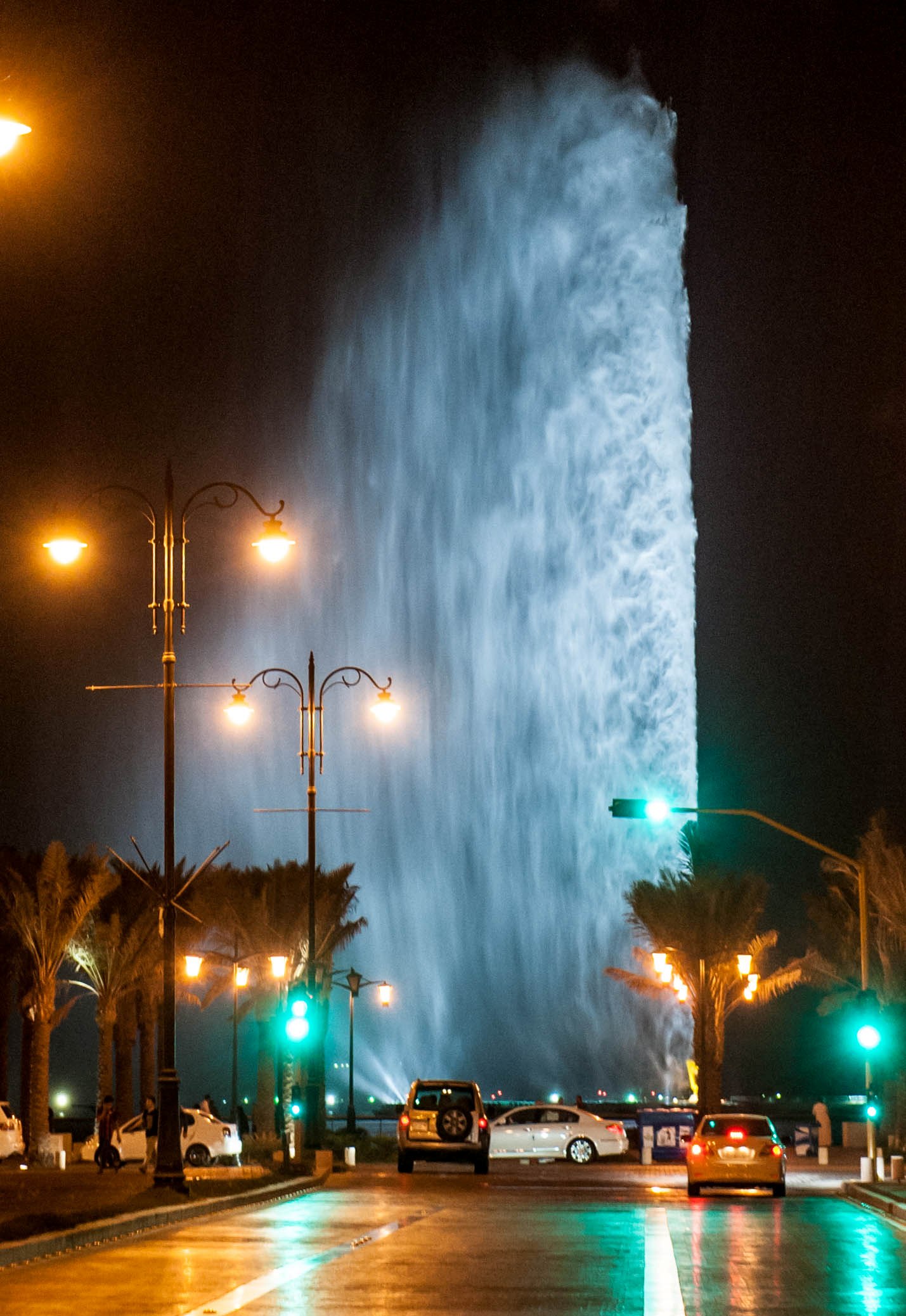
Water exits the nozzle at up to 375 km/h (233 mph) — faster than the top speed of most commercial aircraft at takeoff. At maximum power, the jet reaches approximately 312 metres (1,024 feet), though the actual height on any given evening depends on wind conditions. On calm nights, the plume can exceed 300 metres; during moderate wind, it typically settles around 240–260 metres. The airborne mass of water at any moment is over 16 tonnes.
Filtration and Maintenance
Before reaching the pumps, Red Sea water passes through multiple filtration stages that remove sand, sediment, and plankton. The fountain undergoes a full maintenance shutdown of roughly three weeks each year, and it is also switched off whenever strong southerly winds could push the spray toward nearby buildings and roads.
The Mabkhara Base
The fountain’s base platform sits offshore in the Red Sea and is designed in the shape of a traditional mabkhara — the incense burner that is a staple of Saudi hospitality. The design is a deliberate nod to the Kingdom’s cultural heritage, connecting the fountain’s modern engineering to an ancient custom. From the Corniche, the mabkhara silhouette is most visible during daylight hours.
How to Visit King Fahd’s Fountain
Location
King Fahd’s Fountain is located offshore in the Red Sea, midway along the Jeddah Corniche in the Al Hamra district. The Corniche is a 30-kilometre waterfront promenade that runs along Jeddah’s western coast. The fountain is approximately 20 minutes by car from King Abdulaziz International Airport (JED) and about 15 minutes from the Al-Balad historic district.
Entry and Tickets
There is no entry fee and no ticket required. The fountain is a public landmark visible from the entire Corniche. You do not need to enter any venue or pass any gate — simply walk along the waterfront and find a spot with a clear view.
Operating Hours
The fountain typically begins operating around 6:00 PM and runs until midnight. It operates daily except during its annual maintenance window and on days when southerly winds make operation unsafe. There is no fixed schedule for wind shutdowns, so if the fountain is your primary reason for visiting, allow at least two evenings in Jeddah to be safe.
Tip: The fountain occasionally runs during late afternoon on weekends and holidays. Ask your hotel concierge or check local social media for same-day updates on operating status.
Getting There
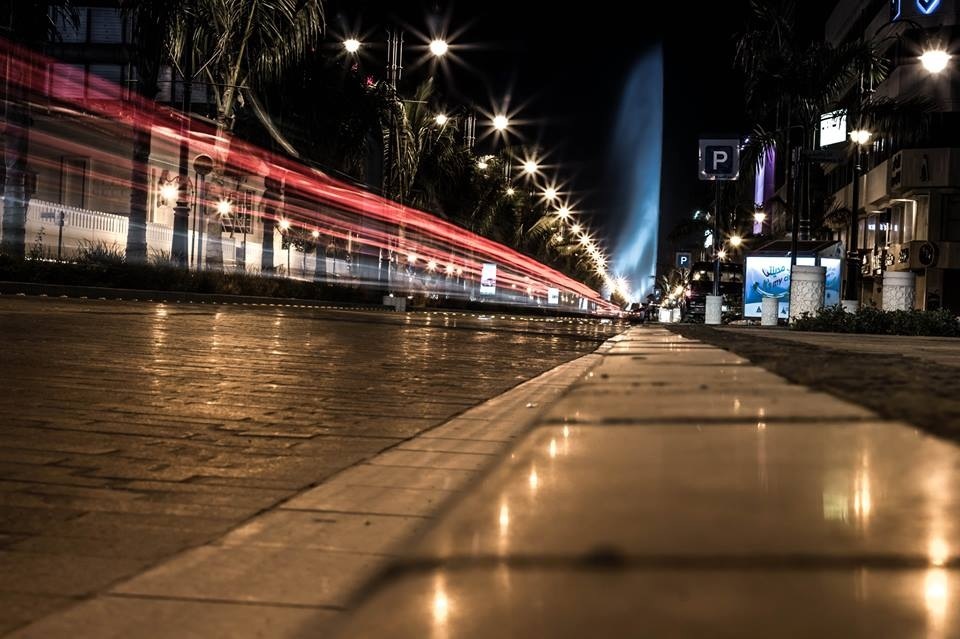
The easiest way to reach the fountain is by taxi or ride-hailing app (Uber and Careem both operate in Jeddah). Tell the driver “King Fahd’s Fountain, Corniche Road” or drop a pin at the Al Hamra section of the Corniche. If you are driving a rental car, follow Sari Street north until it meets Corniche Road, then turn left. Parking is available in lots along the Corniche, though spaces fill up quickly on Thursday and Friday evenings.
For broader transport options across the Kingdom, see our guide to getting around Saudi Arabia. You will need a valid Saudi tourist visa to enter the country.
Best Viewing Spots
The fountain is visible from much of Jeddah, but certain vantage points offer dramatically better views.
Northern Corniche Promenade
The stretch of Corniche directly north of the fountain offers unobstructed sightlines across the water. Wide paved pathways, benches, and grassy areas make this the most popular viewing zone for families and photographers. Arrive before sunset to secure a good spot.
Southern Corniche and the Floating Mosque
The park areas near the Al Rahma Mosque (the Floating Mosque) provide a unique perspective, with the mosque’s white minaret framing the fountain in the background. This is one of the most photographed compositions in Jeddah.
From the Water
Traditional dhow cruises depart from several points along the Corniche and pass close to the fountain. Seeing the water jet from sea level, with the Jeddah skyline behind you, is a completely different experience from the shore-based view. Evening cruises typically last one to two hours and cost SAR 100–200 per person.
Corniche Hotels and Restaurants
Several waterfront hotels and restaurants along the Corniche have outdoor terraces with direct views of the fountain. If you want to combine dinner with the display, look for restaurants between the Jeddah Hilton and the Park Hyatt Jeddah along the northern Corniche stretch. For accommodation recommendations, check our Saudi Arabia hotels guide.
Photography Guide
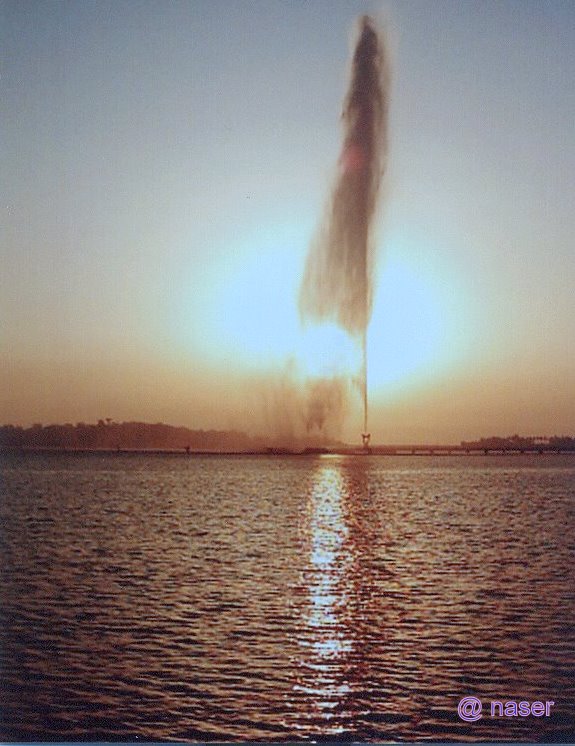
King Fahd’s Fountain is one of the best photography spots in Saudi Arabia. The combination of water, light, and the Red Sea backdrop offers creative possibilities at every skill level.
Best Time to Shoot
Arrive 30 minutes before sunset. The transition from golden hour to artificial illumination is the single best window for photography. The sky shifts through oranges and purples while the fountain’s 500 LED spotlights gradually take over, creating a layered composition that is impossible to replicate at any other time of day.
Camera Settings for Night Shots
| Setting | Recommended Value | Notes |
|---|---|---|
| ISO | 100–400 | Keep low to minimise noise |
| Aperture | f/8–f/11 | Smaller aperture for starburst effect on lights |
| Shutter Speed | 1–10 seconds | Longer exposure for silky water; shorter for frozen spray |
| Tripod | Essential | Any exposure over 1/30s will blur handheld |
| ND Filter | Optional | Useful during golden hour for longer exposures |
Smartphone Tips
Most modern smartphones handle the fountain well in Night Mode. Hold the phone steady against a railing or wall, or use a phone tripod. Avoid using digital zoom — the fountain is large enough that you can frame it well without zoom from most Corniche positions. Portrait mode can produce interesting effects with the illuminated spray as a background.
What to See Nearby
The Jeddah Corniche area around King Fahd’s Fountain is packed with attractions. Plan a full evening to combine the fountain with these nearby sights.
Al Rahma Mosque (The Floating Mosque)
Located along the Corniche south of the fountain, Al Rahma Mosque appears to float on the surface of the Red Sea at high tide. Its white marble exterior and single minaret make it one of Jeddah’s most beautiful buildings. Non-Muslims can admire the exterior — for guidance on visiting mosques in the Kingdom, see our mosque etiquette guide.
Fakieh Aquarium
Jeddah’s Fakieh Aquarium sits along the Corniche and houses over 200 marine species drawn from the Red Sea and beyond. It is particularly popular with families thanks to its dolphin and sea lion shows. If you are travelling Saudi Arabia with children, pair an afternoon at the aquarium with an evening at the fountain.
Jeddah Corniche
The Corniche itself is an attraction. Stretching over 30 kilometres along the Red Sea coast, it features open-air sculptures, landscaped gardens, cycling paths (4.2 km paved route), picnic areas, and waterfront cafes. On weekend evenings, the entire Corniche comes alive with families, joggers, and street food vendors. The area around the fountain is the liveliest section.
Al-Balad Historic District
A 15-minute drive south of the fountain, Al-Balad is Jeddah’s UNESCO World Heritage old town. Coral-stone merchant houses with carved wooden balconies (rawashin) line narrow streets that have been traded through for centuries. Al-Balad comes alive after dark with galleries, cafes, and restored buildings, making it a natural second stop after watching the fountain.
Red Sea Mall
If you want air-conditioned shopping before the fountain’s evening start time, Red Sea Mall is nearby on King Abdulaziz Road. It has hundreds of stores, a food court, and family entertainment.
King Fahd’s Fountain vs Other Famous Fountains
How does Jeddah’s fountain compare to the world’s other iconic water features?
| Fountain | Location | Height | Water Source | Year Built |
|---|---|---|---|---|
| King Fahd’s Fountain | Jeddah, Saudi Arabia | 312 m (1,024 ft) | Red Sea (saltwater) | 1985 |
| Jet d’Eau | Geneva, Switzerland | 140 m (459 ft) | Lake Geneva (freshwater) | 1886 / 1951 |
| Dubai Fountain | Dubai, UAE | 152 m (500 ft) | Burj Khalifa Lake (freshwater) | 2009 |
| Bellagio Fountains | Las Vegas, USA | 76 m (250 ft) | Artificial lake (freshwater) | 1998 |
| Banpo Bridge Moonlight Rainbow | Seoul, South Korea | 43 m (141 ft) | Han River (freshwater) | 2009 |
King Fahd’s Fountain is more than double the height of its nearest competitor. Unlike Geneva’s Jet d’Eau, which inspired its design, the Jeddah fountain pumps seawater and is located offshore rather than at a lake outlet.
Practical Tips for Visitors
What to Wear
Jeddah’s coastal humidity can be intense, even after dark. Wear light, breathable clothing. Saudi Arabia’s dress code for tourists requires modest dress in public — shoulders and knees covered for both men and women. The Corniche is an outdoor public space, so standard modest dress applies.
When to Visit
The best time to visit Jeddah is between October and March, when evening temperatures drop to a comfortable 20–28°C. During summer months (June–September), daytime temperatures regularly exceed 40°C and humidity is brutal, though the fountain’s evening hours remain manageable. If you are planning a trip around the Jeddah F1 Grand Prix, the fountain is an easy addition to your race-weekend itinerary.
How Long to Spend
Most visitors spend one to two hours at the fountain and surrounding Corniche area. If you combine it with a dhow cruise, dinner, and a walk to the Floating Mosque, allow three to four hours for a full evening.
Safety
The Corniche is well-lit, patrolled, and very safe. Families with children are everywhere on weekend evenings. The main hazard is traffic on Corniche Road — use designated pedestrian crossings rather than jaywalking across the multi-lane highway.
Budget
The fountain itself is free. A typical evening budget along the Corniche might look like this:
| Item | Cost (SAR) | Cost (USD) |
|---|---|---|
| Taxi from central Jeddah | 20–40 | 5–11 |
| Corniche street food / tea | 15–40 | 4–11 |
| Dhow cruise (optional) | 100–200 | 27–53 |
| Restaurant dinner (optional) | 80–200 | 21–53 |
For a full breakdown of travel costs across the Kingdom, see our Saudi Arabia cost guide.
History and Cultural Significance
King Fahd’s Fountain is more than an engineering feat. It was deliberately conceived as a symbol of Saudi Arabia’s transformation from a desert kingdom into a modern state. King Fahd bin Abdulaziz Al Saud, who reigned from 1982 to 2005, commissioned the fountain during a period of rapid national development. Jeddah was the Kingdom’s commercial and cosmopolitan heart, and the fountain gave it a landmark to match its status.
The choice of Geneva’s Jet d’Eau as inspiration was significant. Switzerland’s fountain had long been a symbol of civic pride and engineering excellence. By building one that was more than twice as tall and powered by seawater rather than a lake, Saudi Arabia signalled both respect for the original and confidence in its own capabilities.
Today the fountain remains one of the most-visited free attractions in the Middle East and a fixture of Jeddah’s identity. It appears on postcards, tourism campaigns, and in the skyline of every photograph taken along the Corniche. For Jeddawis, the fountain is not a tourist gimmick but a genuine source of local pride — an everyday reminder of their city’s place in the world.
Visiting with Children
King Fahd’s Fountain is a hit with kids. The sheer scale of the water jet is dramatic enough to hold the attention of even the most screen-addicted child, and the Corniche area around it is family-friendly by design. Wide open grassy areas provide space to run, picnic spots are plentiful, and the Fakieh Aquarium is a short walk away. Street vendors sell popcorn, cotton candy, and ice cream along the promenade. For more ideas, see our complete Saudi Arabia with kids guide.
Where to Eat Near the Fountain
The Corniche area around King Fahd’s Fountain has dining options at every price point. Street food vendors offer shawarma, falafel, fresh juice, and Saudi coffee for under SAR 30. Sit-down restaurants along the waterfront serve traditional Saudi cuisine alongside international options. Popular spots include waterfront seafood restaurants where you can watch the fountain while eating freshly grilled Red Sea fish. For a more upscale experience, several five-star hotel restaurants along the northern Corniche offer terrace seating with direct fountain views.
Combining the Fountain with a Jeddah Itinerary
King Fahd’s Fountain fits naturally into any Saudi Arabia itinerary that includes Jeddah. Here is a suggested full-day plan:
- Morning: Explore Al-Balad historic district — the coral-stone houses, Nassif House Museum, and traditional souks
- Afternoon: Visit the Fakieh Aquarium or browse Red Sea Mall; rest during peak heat
- Sunset: Head to the Corniche 30 minutes before sunset for golden-hour photography
- Evening: Watch the fountain illuminate after dark, walk the Corniche, stop for dinner at a waterfront restaurant
- Night: Optional dhow cruise for a sea-level view of the fountain and Jeddah skyline
If you are in Jeddah for the Formula One Grand Prix, the fountain is a natural pre-race or post-race activity — the Jeddah Corniche Circuit is just a few kilometres south along the waterfront.
Explore More Saudi Arabia Travel Guides
- Jeddah Travel Guide 2026 — The complete guide to Jeddah: Al-Balad, diving, F1, food, and gateway to Mecca
- Jeddah F1 Grand Prix — Tickets, travel, and everything you need for Saudi Arabia’s night race
- Islamic Heritage Sites of Jeddah — Mosques, history, and a walking tour of the old city
- Saudi Arabia Beaches — The Kingdom’s best coastal escapes on both coasts
- Saudi Arabia Travel Guide 2026 — The complete guide to visiting the Kingdom
- Saudi Arabia Visa Guide — Every visa type explained