
Most visitors to Saudi Arabia gravitate toward Riyadh’s skyscrapers, Jeddah’s Red Sea corniche, or the ancient tombs of AlUla. But the Kingdom’s northernmost frontier city, Arar (Arabic: عرعر), offers something altogether different: a raw, unhurried look at a Saudi Arabia that few outsiders ever see. Capital of the Northern Borders Region (منطقة الحدود الشمالية), Arar sits on a vast limestone plain roughly 60 kilometres from the Iraqi border and 1,100 km northwest of Riyadh. It is a city born from an oil pipeline, shaped by Bedouin traditions, and now quietly opening to a new generation of curious travellers. Whether you are crossing overland from Iraq, exploring the archaeological wealth of the northern desert, or simply chasing the novelty of snowfall in Saudi Arabia, this guide — part of our wider Saudi Arabia Travel Guide 2026 — covers everything you need to plan your trip to Arar.
Best Time to Visit: November to March (mild days, cool nights, occasional snowfall)
Getting There: Arar Domestic Airport (RAE) with daily flights from Riyadh and Jeddah via Saudia and Flyadeal; or ~9 hours by road from Riyadh on Route 85
Visa Required: Yes — tourist e-visa available for 63 nationalities
Budget: USD 50–100 per day (Arar is one of Saudi Arabia’s most affordable cities)
Must-See: Wadi Arar valley, Arar Tower, Trans-Arabian Pipeline (Tapline) heritage corridor
Avoid: Visiting June–August, when temperatures routinely exceed 40 °C (107 °F)
Why Visit Arar?
Arar is not a typical tourist destination, and that is precisely the point. This is frontier Saudi Arabia — a place where the Bedouin culture of the northern steppe remains a living tradition rather than a museum exhibit. The city anchors a region containing 285 registered archaeological sites, with Safaitic and Thamudic inscriptions dating back well before the Islamic era. It is also the gateway to the Jadidat Arar border crossing, the main land port connecting Saudi Arabia and Iraq, reopened in November 2020 after a 30-year closure. For travellers exploring Saudi Arabia’s north — perhaps combining a visit with Sakaka and Al Jouf or the Hail region — Arar adds a distinctive chapter that few other visitors will share.
History: The City the Pipeline Built
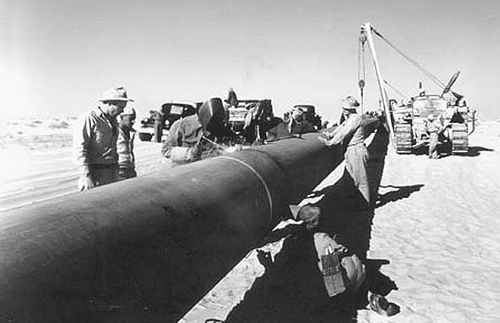
Unlike Saudi Arabia’s ancient oasis settlements, Arar is a modern creation. The city was founded in 1951 after the completion of the Trans-Arabian Pipeline (Tapline), which carried crude oil 1,648 km from Abqaiq on the Arabian Gulf to the Mediterranean port of Sidon in Lebanon. When the pipeline began operations in 1950, it was the world’s largest oil pipeline system, with a capacity of 300,000 barrels per day that eventually rose to 500,000 bbl/d.
Arar grew around the Badanah pumping station, one of six stations along the Tapline route in Saudi Arabia (the others were at Nariya, Qaisumah, Rafha, and Turaif in Saudi Arabia, plus Qaryatain in Jordan). Initially, the settlement consisted of little more than worker housing, a health centre, and an airfield. By the mid-1960s, the Tapline communities had expanded to include mosques, schools, shops, leisure facilities, and theatres — home to more than 5,000 people.
From Pumping Station to Provincial Capital
As the oil industry evolved and the Tapline gradually wound down operations (it ceased operating fully in 1990), Arar had already become the administrative capital of the Northern Borders Region. The city grew steadily, reaching a population of 202,719 in the 2022 Saudi census — accounting for 54.3% of the entire province. In December 2020, Saudi Arabia’s Ministry of Culture designated the Tapline as the Kingdom’s first industrial heritage site, with surveys underway to propose it for UNESCO World Heritage status. Sections of the original pipeline are still visible near Arar, making the city an essential stop for anyone interested in the industrial archaeology of the Middle East’s oil era.
Climate and Best Time to Visit
Arar’s climate is classified as BWh (subtropical desert) under the Köppen system, but its northerly latitude and elevation of approximately 536 metres (1,759 feet) above sea level give it a more extreme temperature range than much of Saudi Arabia. This is one of the few places in the Kingdom where you can wake up to frost and occasional snow.
Seasonal Breakdown
| Season | Months | Temperature Range | Notes |
|---|---|---|---|
| Winter | Dec–Feb | 3 °C to 15 °C (37–59 °F) | Coldest period; sub-zero lows recorded as low as -6.3 °C; sporadic snowfall possible |
| Spring | Mar–May | 12 °C to 30 °C (54–86 °F) | Ideal visiting season; wildflowers in Wadi Arar; lowest hotel prices |
| Summer | Jun–Aug | 26 °C to 41 °C (78–106 °F) | Extremely hot and arid; no rainfall; avoid unless essential |
| Autumn | Sep–Nov | 13 °C to 32 °C (55–90 °F) | Temperatures cooling; pleasant from late October onward |
Annual rainfall averages just 96 mm (3.8 inches), falling almost entirely between October and April. July through September are typically bone-dry. The best months are November, March, and April — warm enough for comfortable outdoor exploration, cool enough to enjoy the desert landscape without heat exhaustion.
Winter tip: Arar is in Saudi Arabia’s snowfall belt, alongside Tabuk, Turaif, and Rafha. If you visit between December and February, pack layers and a warm jacket for evening temperatures that can drop below freezing. This is not the Saudi Arabia of popular imagination.
Getting to Arar
By Air
Arar Domestic Airport (IATA: RAE) is located 17 km southeast of the city centre. It handles daily flights operated by Saudia and Flyadeal, connecting Arar to Riyadh (approximately 1 hour 40 minutes) and Jeddah. Flight frequency is modest — typically one or two departures per day to each destination — so book in advance, especially during the Hajj season when the Jadidat Arar land port sees heavy pilgrim traffic from Iraq. Check current schedules on the Saudia and Flyadeal websites. You will need a valid Saudi tourist e-visa before arrival.
By Road
Arar is well connected by Saudi Arabia’s highway network, though distances are considerable:
- From Riyadh: ~1,060 km via Route 6262 and Route 85 (approximately 9 hours)
- From Hail: ~550 km via Routes 65 and 80 (approximately 5 hours)
- From Sakaka (Al Jouf): ~173 km via Route 80 (approximately 1 hour 45 minutes)
- From Rafha: ~300 km (approximately 3 hours)
- From Turaif: ~330 km via Route 80 (approximately 3.5 hours)
A practical northern Saudi road trip might link Hail, Sakaka and Al Jouf, Arar, and Tabuk into a multi-day circuit. The highways are well-maintained dual carriageways with regular fuel stations, though services thin out in the most remote stretches. Always carry extra water.
By Land from Iraq
The Jadidat Arar border crossing, located approximately 50 km north of the city, is the primary land crossing between Saudi Arabia and Iraq. Reopened in November 2020 after 30 years of closure, it now handles both commercial freight and passenger traffic. During Hajj season, the crossing operates around the clock to process Iraqi pilgrims heading to Mecca. The crossing is also a growing trade corridor, with Saudi Arabia and Iraq working to expand bilateral economic ties through this gateway.
What to See and Do in Arar
Arar Tower
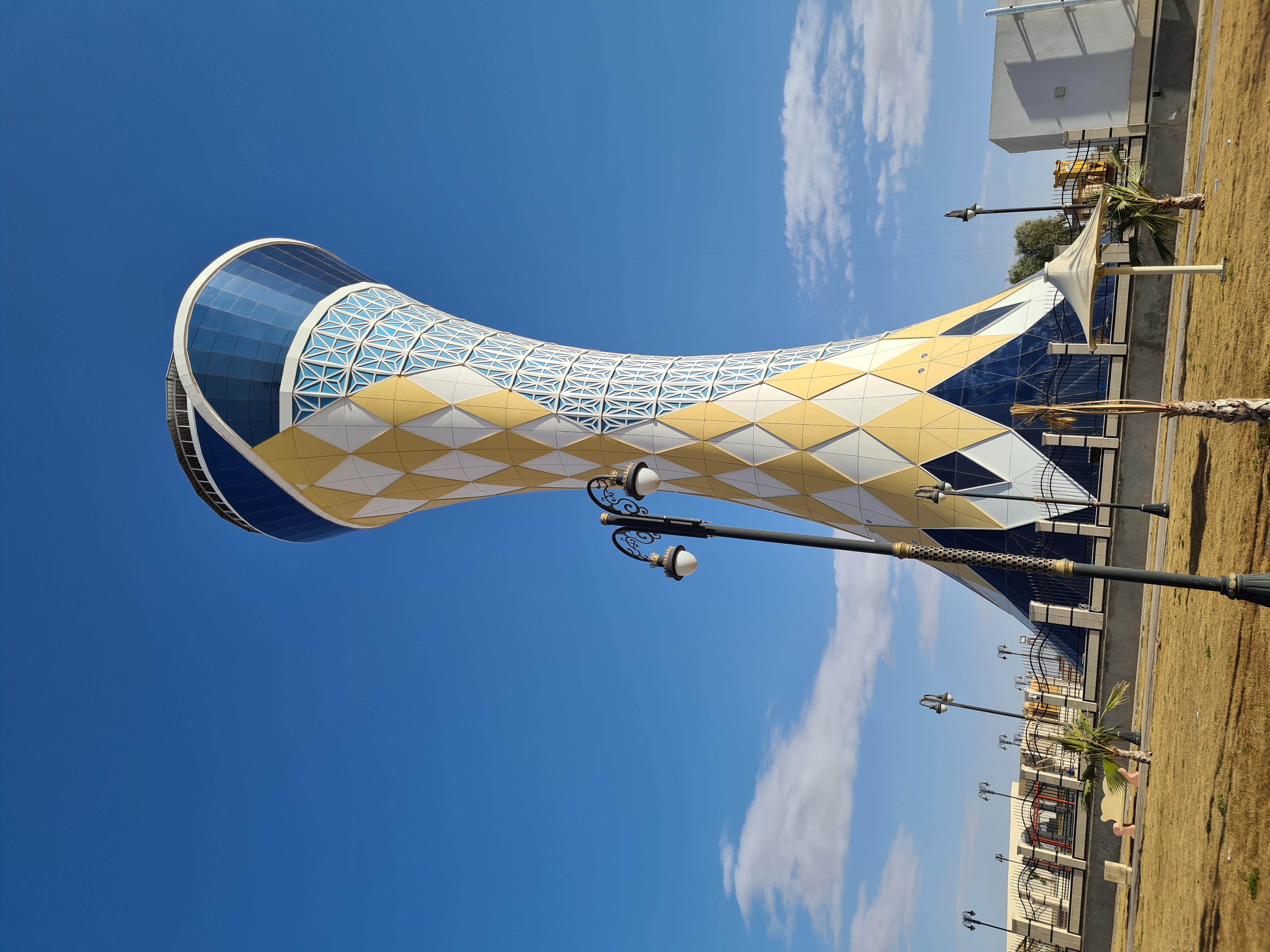
The city’s most recognisable modern landmark is the Arar Tower, a striking hourglass-shaped observation structure clad in geometric gold-and-white panels. The tower offers panoramic views across the city and the surrounding limestone plain — particularly photogenic at sunset, when the desert light catches the glass and metalwork. It serves as both a civic landmark and a symbol of Arar’s aspirations as a modern Saudi city.
Wadi Arar
Wadi Arar (وادي عرعر) is the natural feature that gave the city its name. This seasonal watercourse originates approximately 125 km southwest of the city, flows northeast through Arar, and eventually crosses into Iraq where it feeds into the Euphrates drainage system. The wadi covers roughly 190 square kilometres and was once lush with almond trees and acacia — scientific surveys have recorded 196 plant species across 31 botanical families in the wadi system.
Within the city, the valley is landscaped with walking paths, stairs descending to the wadi bed, and areas of planted greenery. When winter rains arrive, locals flock here to enjoy the rare sight of flowing water in the desert. Even in dry months, the wadi is a pleasant spot for an evening walk, surrounded by mature trees that soften the harshness of the surrounding steppe.
The Tapline Heritage Corridor
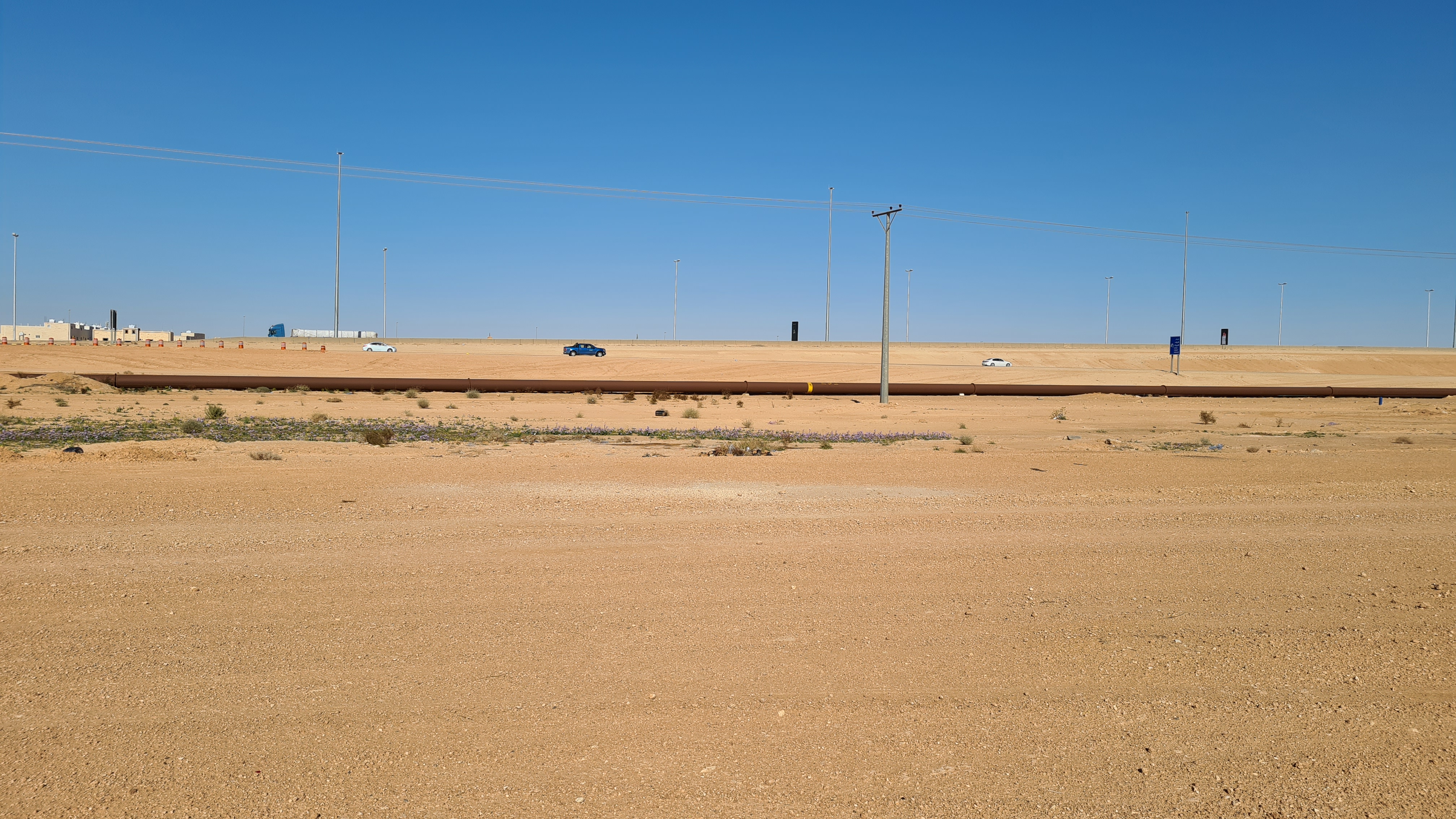
Sections of the Trans-Arabian Pipeline remain visible around Arar and across the Northern Borders Region. Since the Ministry of Culture designated the Tapline as Saudi Arabia’s first industrial heritage site in 2020, there has been growing interest in preserving and interpreting these remnants. The rusting pipes, pumping station foundations, and associated infrastructure tell the story of the Kingdom’s oil age in a way that no museum can replicate. Look for exposed pipeline sections along the road between Arar and Turaif — the scale of the engineering, stretching to the horizon across empty desert, is genuinely impressive.
Arar Museum (Alkhalij)
The Museum Arar, located in the Alkhalij district, offers a window into the cultural heritage of the Northern Borders region. Exhibits cover pre-Islamic archaeological finds from the surrounding desert, traditional Bedouin material culture, and the history of the Tapline era. It is a small institution, but one of the few museums in Saudi Arabia that tells the story of the Kingdom’s northern frontier communities.
Parks and Public Spaces
Arar has invested in several well-maintained parks that serve as gathering points for families, especially during the cooler months:
- AlMusaidiyah Park — the largest green space in the city, popular for family picnics and evening walks amid landscaped gardens
- Al-Bari Park — a quieter retreat with scenic walking paths and mature plantings
- The Garden Walk — a linear park featuring vibrant flora and peaceful pathways, ideal for morning exercise
- Safforiland — an amusement park with rides and games for children, one of the few dedicated entertainment venues in the city
Abdullah Bin Abdul Aziz Bin Musaed Mosque
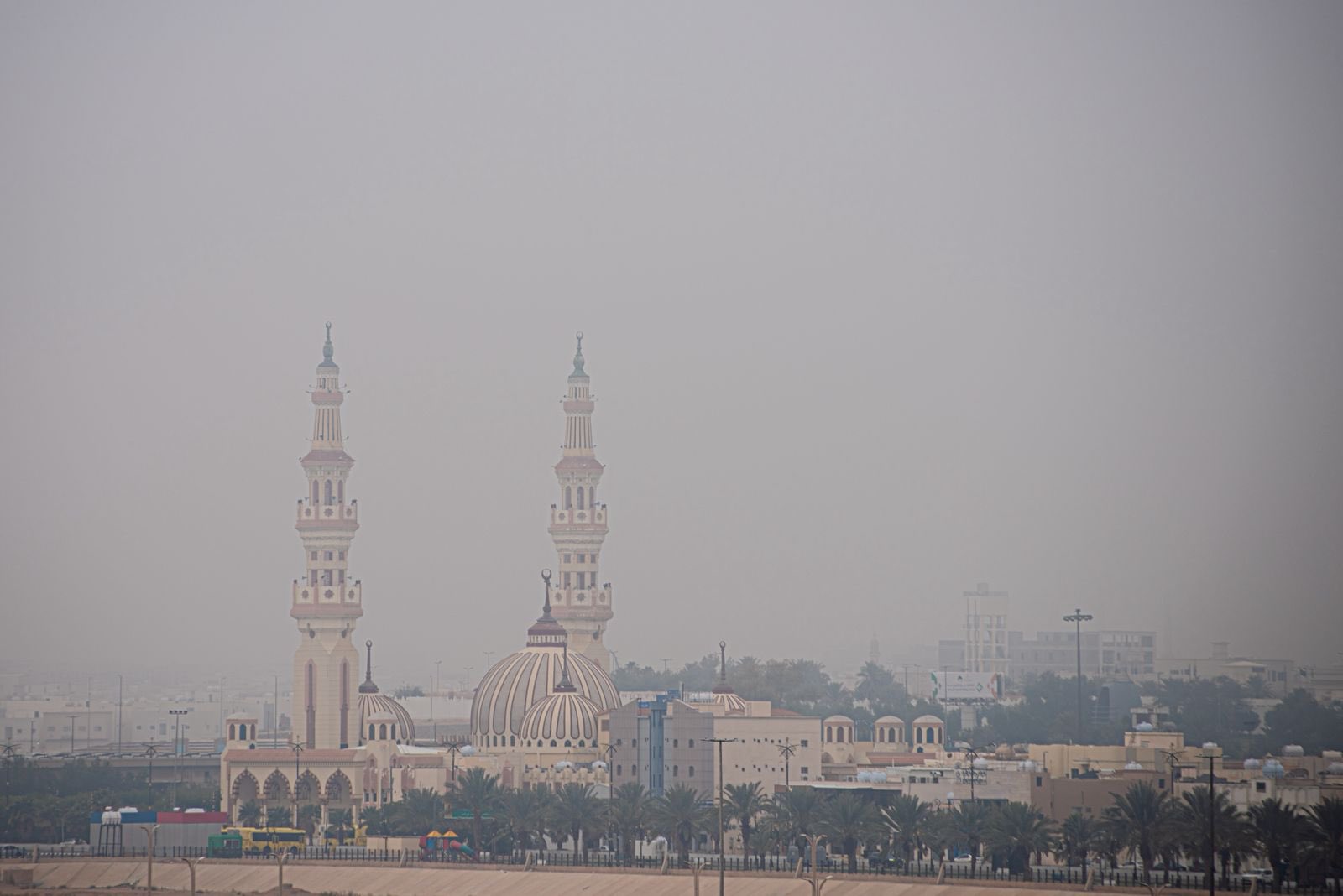
Arar’s principal mosque is an architectural standout, with elegant Islamic geometric patterns, calligraphy, and a design that reflects the broader Northern Borders building tradition. The mosque’s twin minarets are visible from across the city — one of the first landmarks you see when approaching Arar by road. Non-Muslim visitors should respect prayer times and dress codes but can appreciate the exterior architecture freely.
Archaeological Sites Around Arar
The Northern Borders Region is one of Saudi Arabia’s most archaeologically significant areas, containing 285 registered sites across its governorates — 61 in Arar alone, plus 50 in Rafha, 119 in Turaif, and 55 in Al-Uwayqilah. For context, that density of pre-Islamic sites rivals much better-known destinations like Al Jouf.
The Ancient City (30 km from Arar)
In 1968, archaeologists discovered the remains of an ancient settlement approximately 30 km from Arar. The site yielded finely crafted sculptures and statues of aquatic creatures — turtles and fish — along with around 200 inscriptions in Safaitic and Thamudic scripts. Safaitic script, used by ancient North Arabian nomadic peoples, has been found across a wide arc from southern Syria to northern Saudi Arabia. These inscriptions provide invaluable evidence of pre-Islamic trade routes, tribal movements, and daily life across the northern Arabian steppe.
Umm Khansar Heritage Village
Located within reach of Arar, the Umm Khansar Heritage Village preserves traditional architecture and material culture of the region’s semi-nomadic communities. It offers a glimpse into how people lived in this harsh environment before the oil age transformed the landscape.
Archaeological note: Most sites around Arar are open desert locations without visitor facilities. If you plan to explore them, arrange a local guide through the Arar municipality or the Northern Borders branch of the Saudi Commission for Tourism and National Heritage. Do not remove or disturb any artefacts — Saudi antiquities law carries severe penalties.
Day Trips from Arar
Sakaka and Al Jouf (173 km)
The most rewarding day trip from Arar is the short drive south to Sakaka, capital of Al Jouf Region. Sakaka offers the remarkable Qasr Zabal fortress, the stone pillars of Rajajil (Saudi Arabia’s answer to a Stonehenge-like megalithic site), and the Dumat Al-Jandal archaeological area with its ancient Marid Castle and the Omar Bin Al-Khattab Mosque — one of the oldest mosques in northern Arabia. The drive takes under two hours on the well-maintained Route 80.
Rafha (300 km)
Rafha is the Northern Borders Region’s second-largest city and another Tapline town. It shares Arar’s frontier character and has its own desert landscapes, archaeological sites, and local markets. The town lies near the Iraqi border and was historically significant as a staging point during the 1991 Gulf War. The drive from Arar takes approximately three hours.
Turaif (330 km)
Turaif lies near the Jordanian border in the northwestern corner of the Northern Borders Region. It has the highest concentration of archaeological sites (119) of any governorate in the province and sits at the western terminus of the Tapline’s Saudi segment. From Turaif, travellers can continue west toward Tabuk to connect with Saudi Arabia’s northwestern tourism circuit.
Desert Excursions
The flat, open desert surrounding Arar offers straightforward off-road access to sand flats and low dune fields. Locals use these areas for family camping trips, sunset drives, and seasonal falconry outings. The desert landscape is particularly striking after winter rains, when patches of green appear across the otherwise austere steppe. No specialist 4WD experience is required for most accessible desert areas — but always travel with at least two vehicles and carry sufficient water and fuel.
Food and Dining
Arar’s food scene is unpretentious and rooted in traditional Saudi and Bedouin cuisine. Do not expect international fine dining — come here for authentic northern Saudi flavours.
What to Eat
- Kabsa — Saudi Arabia’s national dish of fragrant spiced rice with chicken, lamb, or goat. In Arar, kabsa is typically served communally from a large platter, with diners gathered on the floor in the traditional manner
- Jareesh — a porridge-like dish made from crushed wheat, popular across the northern regions
- Mutabbaq — thin stuffed pastry filled with spiced meat or egg, a common street snack
- Dates — the Northern Borders Region produces its own date varieties; look for them at Arar Central Souq
- Arabic coffee (qahwa) — northern-style coffee with cardamom, often lighter in colour than the southern variety, served with dried dates
Where to Eat
Most dining in Arar revolves around local restaurants along the main commercial streets. Look for Al Romansiah, a Saudi chain with branches nationwide known for reliable kabsa and traditional dishes. The Arar Central Souq area has several simple eateries serving kebabs, shawarma, and fresh bread. For a more authentic experience, accept any invitation to a local home — northern Saudi hospitality is legendary, and guests are invariably treated to a lavish spread of traditional food.
Where to Stay
Arar’s accommodation options are limited compared to major Saudi cities, but adequate for the purpose. There are no international luxury chains here — expect mid-range hotels and serviced apartments.
| Category | Price Range (per night) | What to Expect |
|---|---|---|
| Budget | SAR 100–200 (USD 27–53) | Basic furnished apartments; clean rooms, limited amenities; available on Booking.com and local platforms |
| Mid-range | SAR 200–400 (USD 53–107) | Business-style hotels; air conditioning, Wi-Fi, parking, restaurant; the standard choice for most visitors |
| Upper mid-range | SAR 400–600 (USD 107–160) | Arar’s best hotels; modern fitout, pool, gym; limited availability — book ahead |
Booking tip: Hotel prices in Arar drop significantly between March and May, making spring the best value season. During Hajj, demand spikes as Iraqi pilgrims transit through the city — book well in advance if your visit coincides with the pilgrimage calendar. For accommodation options across the Kingdom, see our Saudi Arabia Hotels Guide.
Culture and Traditions
Arar’s cultural identity is rooted in the Bedouin traditions of the northern Arabian steppe. While the city itself is modern, the surrounding region preserves customs that have been practised for centuries:
- Poetry (nabati) — oral poetry remains a living art form in the Northern Borders; regional poetry gatherings draw large audiences
- Camel breeding — the Northern Borders is a centre of Saudi Arabia’s camel culture; regional competitions and beauty contests draw participants from across the north
- Falconry — a traditional hunting practice that retains deep cultural significance; the Northern Borders’ open desert terrain is ideal falcon habitat
- Hospitality customs — the region follows deeply held Bedouin hospitality traditions, where offering coffee and dates to a guest is not optional but a social obligation
Arar also hosts cultural festivals that celebrate the region’s heritage, typically held during the cooler months. These events feature traditional music, dance, local handicrafts, and food — check with the local municipality or the Northern Borders tourism board for current schedules.
Practical Information
Money and Costs
Arar is one of Saudi Arabia’s most affordable destinations. A budget traveller staying in furnished apartments and eating at local restaurants can manage comfortably on SAR 200–300 (USD 53–80) per day, including accommodation. ATMs are available at major banks in the city centre (Al Rajhi, NCB, Riyad Bank). Credit cards are accepted at hotels and larger shops, but carry cash for the souq, smaller restaurants, and fuel stations in remote areas.
Language
Arabic is the primary language, and English proficiency is lower than in Riyadh, Jeddah, or the Eastern Province. Download Google Translate’s Arabic offline pack before you arrive. Learning a few basic Arabic greetings will go a long way — locals genuinely appreciate the effort.
Connectivity
Mobile coverage is reliable within Arar city (STC, Mobily, and Zain all operate), though signal can be patchy in remote desert areas between towns. Wi-Fi is available at most hotels. Pick up a local SIM at the airport or from phone shops in the city centre.
Safety
Arar is a safe city with a low crime rate. The main practical concerns are desert-related: extreme heat in summer, cold in winter, and the remoteness of the surrounding area. If you are driving between towns, ensure your vehicle is in good condition, carry extra water, and inform someone of your route and expected arrival time. Arar’s proximity to the Iraqi border means there are occasional military checkpoints on roads heading north — carry your passport and visa documentation at all times.
Women Travellers
As with the rest of Saudi Arabia, Arar is safe for women travellers, though the city is more conservative and traditional than cosmopolitan centres like Riyadh or Jeddah. Dress modestly (loose-fitting clothing covering shoulders and knees at minimum), and an abaya is still common locally though not legally required for tourists. Solo female travellers will attract curiosity but not hostility — the local culture places enormous value on treating guests well.
Northern Border University
The campus of Northern Border University, located south of the airport, is the cultural and intellectual hub of the city. It features modern Saudi architecture, a central mosque, landscaped grounds, student cafes, and occasional public lectures or cultural events open to the wider community. If you are in Arar for an extended stay, it is worth checking the university’s public programming.
Getting Around Arar
Arar is a spread-out city designed for cars. There is no public transit system. Your options are:
- Rental car — the best option for exploring both the city and surrounding region; available at the airport and in the city centre. Budget brands offer rates from SAR 100–150/day
- Taxi/ride-hailing — Uber and Careem operate in Arar, though availability is limited compared to major cities; expect longer wait times
- Walking — feasible within the city centre and along Wadi Arar during cooler months, but the city’s spread and summer heat make walking impractical for most journeys
When to Visit: Month-by-Month Guide
| Month | Avg. High / Low | Verdict |
|---|---|---|
| January | 15 °C / 3 °C | Cold but clear; possible frost or light snow; good for archaeological sites |
| February | 18 °C / 5 °C | Still cool; last chance for snowfall; desert beginning to green up |
| March | 22 °C / 9 °C | Excellent — warm days, cool nights; wildflowers in Wadi Arar; lowest hotel prices |
| April | 28 °C / 14 °C | Very good — comfortable before the heat arrives; ideal for road trips |
| May | 34 °C / 20 °C | Getting warm; mornings still pleasant; last comfortable month |
| June–August | 38–41 °C / 24–27 °C | Extreme heat; avoid unless essential; zero rainfall |
| September | 36 °C / 21 °C | Still very hot; not recommended |
| October | 30 °C / 15 °C | Cooling down; reasonable for short visits |
| November | 22 °C / 8 °C | Excellent — clear skies, pleasant temperatures; cultural events begin |
| December | 16 °C / 4 °C | Cold but atmospheric; possible snow; pack warm layers |
Arar for Specific Travellers
History and Archaeology Enthusiasts
Arar punches well above its weight for archaeological interest. The 61 registered sites in Arar Governorate alone, plus the broader 285 sites across the Northern Borders Region, represent one of Saudi Arabia’s most concentrated pre-Islamic heritage landscapes. Combine Arar with Sakaka’s Rajajil standing stones and Marid Castle for a multi-day northern archaeology itinerary. The Tapline heritage corridor adds an industrial-age layer that is unique in the Kingdom.
Overlanders and Road Trippers
Arar is a natural waypoint on any northern Saudi road trip. A rewarding circuit might run: Hail → Sakaka → Arar → Turaif → Tabuk → Tayma, covering roughly 1,500 km of diverse northern landscapes. Each leg is a manageable 3–5 hours of driving on good highways. The Jadidat Arar border crossing also makes the city a logical entry or exit point for travellers combining Saudi Arabia with Iraq.
Budget Travellers
Arar is easily one of the cheapest destinations in Saudi Arabia. Accommodation starts under SAR 150 per night, local food is inexpensive, and there are no entrance fees for most attractions. Fuel is cheap by international standards. The main expense is getting there — domestic flights and car rental add up — but once in the city, daily costs are minimal.
Explore More Saudi Arabia Travel Guides
- Saudi Arabia Travel Guide 2026 — The complete guide to visiting the Kingdom
- Sakaka and Al Jouf Travel Guide — Ancient fortresses, standing stones, and desert oases in the neighbouring region
- Hail Region Guide — Rock art, desert heritage, and the gateway to northern Saudi Arabia
- Tabuk Travel Guide — Saudi Arabia’s northwest frontier, from mountain snow to Red Sea beaches
- Tayma Oasis Guide — One of Arabia’s oldest settlements, with inscriptions spanning 3,000 years
- Saudi Arabia Visa Guide — Every visa type explained, from tourist e-visa to transit permits