
Hafar Al-Batin is one of Saudi Arabia’s most intriguing frontier cities — a desert settlement where ancient pilgrimage routes, Bedouin heritage, and modern military history converge just 74 kilometres from the Iraqi border. Most visitors to the Kingdom skip this remote corner of the Eastern Province entirely, but those who make the journey discover a city with a personality all its own: traditional souqs that have traded for half a century, two museums preserving pre-oil heritage, parks carved from barren landscape, and a dramatic desert valley — Wadi al-Batin — that gave the city its name and later became a theatre of the 1991 Gulf War. If you are planning a broader trip across the Kingdom, start with our Saudi Arabia Travel Guide 2026 for an overview of every region.
Best Time to Visit: November to March (highs of 18–26 °C; summer peaks above 44 °C)
Getting There: Qaisumah–Hafar Al-Batin Airport (AQI) with Saudia flights from Riyadh and Jeddah; 430 km drive north of Riyadh
Visa Required: Yes — tourist e-visa available for 63 nationalities
Budget: USD 50–120 per day (budget to mid-range; no luxury resorts)
Must-See: Al Suira Museum, King Sultan Park, Hafar Al-Batin Public Market
Avoid: Visiting June to September — daytime temperatures regularly exceed 44 °C
Why Visit Hafar Al-Batin?
Hafar Al-Batin is not on any influencer’s bucket list, and that is exactly the point. This is a city of approximately 382,000 people (2025 estimate) that functions as the commercial and administrative hub for Saudi Arabia’s remote northeastern desert. Travellers who visit get an unfiltered look at Saudi life beyond the mega-projects and the tourist trail — real families living in a real desert city that has survived by digging wells, herding camels, and trading across borders for centuries.
The city offers four compelling reasons to visit:
- Living Bedouin heritage: The souqs, museums, and annual camel festivals preserve traditions that have all but vanished from Saudi Arabia’s larger cities.
- Gulf War history: King Khalid Military City, the Battle of Wadi al-Batin, and the Scud missile strikes of 1991 all unfolded within an hour’s drive. Military history enthusiasts find the landscape deeply resonant.
- Desert landscapes: Wadi al-Batin is a 550-kilometre ancient river valley — a geological curiosity that stretches from here across Kuwait and into Iraq. The surrounding desert offers dune driving and stargazing with zero light pollution.
- Authentic travel: Few foreign tourists come here. You will be met with genuine curiosity and hospitality rather than tourist-industry polish.
- Kabsa: The national dish — fragrant rice cooked with lamb or chicken, tomatoes, and a blend of cardamom, cloves, cinnamon, and black lime. Every restaurant serves its own version.
- Mathbi: Whole chicken or lamb slow-cooked over hot stones — a Bedouin specialty that reflects the city’s desert heritage.
- Jareesh: Crushed wheat cooked with meat and yoghurt, served as a thick porridge. Popular in winter.
- Dates and Arabic coffee (gahwa): The default greeting at any home or shop. The dates from northern Saudi Arabia are excellent.
- Grilled lamb: Lamb prepared over charcoal with minimal seasoning, allowing the quality of the meat to dominate. Often served with flatbread and hummus.
- Budget: SAR 180–250 / day (USD 50–65) — basic hotel, local restaurants, self-drive
- Mid-range: SAR 350–450 / day (USD 95–120) — four-star hotel, restaurant meals, guided excursion
- Military history enthusiasts drawn to Gulf War sites and the story of the wadi feint
- Off-the-beaten-path travellers who want to see Saudi Arabia beyond the tourist corridor
- Desert lovers seeking wide-open spaces, camping, and stargazing
- Cultural travellers interested in Bedouin heritage, traditional markets, and local museums
- Photographers — the desert light, the empty roads, and the market scenes offer striking compositions (see our Saudi Arabia Photography Guide)
- Morning: Visit Al Suira Museum (allow 1–1.5 hours), then walk to the Hafar Al-Batin Public Market for handicrafts and spices
- Lunch: Kabsa at a local restaurant near the market
- Afternoon: Explore King Sultan Park; visit Abu Musa Park and its monuments
- Evening: Drive out to the desert edge for sunset views, then dinner at your hotel restaurant
- Morning: Drive to Al Qaraa Heritage Museum (30–45 minutes outside the city)
- Mid-morning: Continue to the Wadi al-Batin area — walk along the dry river valley and take in the scale of the landscape
- Lunch: Pack a picnic or eat at a roadside grill
- Afternoon: Optional desert safari with dune bashing and camel rides (book through hotel)
- Evening: Depart toward Dammam, Al Ahsa, or Riyadh, or return to the city for one more night
- Dammam & Eastern Province Travel Guide — The complete guide to Saudi Arabia’s Eastern Province coastline
- Dammam City Guide — Beaches, heritage, and gateway to the Eastern Province
- Al Khobar Travel Guide — The Eastern Province’s most cosmopolitan coastal city
- Dhahran Travel Guide — From oil capital to cultural hub, home of the Ithra centre
- Al Ahsa Oasis Guide — UNESCO World Heritage Site and the world’s largest oasis
- Arar Travel Guide — Saudi Arabia’s northern frontier city near the Iraqi border
- Saudi Arabia Travel Guide 2026 — The complete guide to visiting the Kingdom
- Saudi Arabia Visa Guide — Every visa type explained
History of Hafar Al-Batin
Ancient Origins and the Pilgrim Route
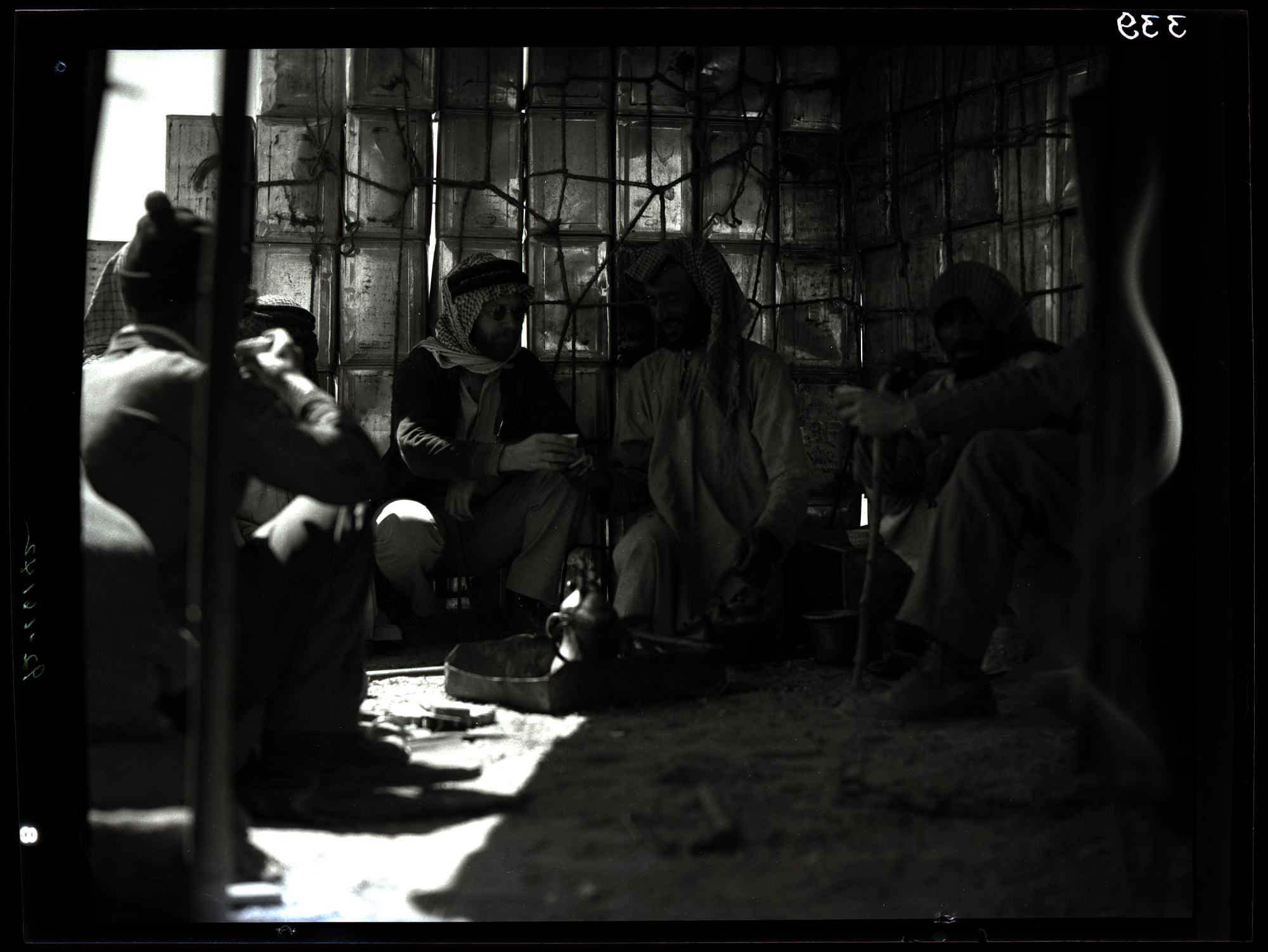
The name “Hafar Al-Batin” translates to “the digging of Al-Batin” — a reference to the water wells that were excavated here centuries ago. According to local tradition, Abu Musa al-Ash’ari, a companion of the Prophet Muhammad (peace be upon him), ordered the digging of new wells after pilgrims travelling from Iraq and Kuwait to Mecca complained of the waterless terrain. These wells transformed a barren waypoint into a permanent settlement and gave the city its name.
For centuries, Hafar Al-Batin served as a critical stop on the pilgrimage route connecting Iraq to Mecca. Trade caravans carrying spices, textiles, and livestock also passed through, turning the settlement into a modest but enduring market town.
The Uqair Protocol and Saudi Sovereignty
The modern borders in this region were drawn by the Uqair Protocol of 1922, brokered by Sir Percy Cox. The agreement established the Saudi-Kuwaiti and Saudi-Iraqi frontiers, placing Hafar Al-Batin firmly within the new Kingdom. The city’s proximity to three countries — Saudi Arabia, Kuwait, and Iraq — has shaped its character ever since, making it a crossroads of trade and, at times, conflict.
Operation Desert Storm and the Battle of Wadi al-Batin
Hafar Al-Batin entered the global consciousness in 1990–1991. When Iraq invaded Kuwait in August 1990, Kuwait’s retreating forces regrouped at Hafar Al-Batin, some 230 kilometres from Kuwait City. The nearby King Khalid Military City (KKMC) became a massive coalition staging ground, housing tens of thousands of American, British, and Arab soldiers.
On 15–20 February 1991, the Battle of Wadi al-Batin was fought just north of the city. The 1st Cavalry Division of the US Army launched a feint attack up the wadi — a natural invasion corridor — to convince Iraqi commanders that the main coalition assault would come from the south. The deception worked: Iraq reinforced its southern positions with at least seven divisions, leaving the western flank exposed for the VII Corps’ devastating “left hook” that began on 24 February. Three American soldiers were killed and nine wounded in the wadi fighting; 40 Iraqi prisoners were taken and five tanks destroyed.
On 21 February 1991, Iraq launched three Scud missiles at King Khalid Military City. Patriot missile batteries engaged them. One Scud struck near an auto parts shop in Hafar Al-Batin while soldiers from TF 1-32 Armor were at a nearby shower point.
Getting to Hafar Al-Batin
By Air
Qaisumah–Hafar Al-Batin International Airport (IATA: AQI) sits approximately 20 kilometres southeast of the city centre. Following a major expansion completed in 2022, the airport can now handle over 700,000 passengers annually, with upgraded international and domestic arrival halls and a departure area expanded by 238 percent.
Regular flights include:
| Airline | Route | Frequency |
|---|---|---|
| Saudia | Riyadh (RUH) | Daily |
| Saudia | Jeddah (JED) | Multiple weekly |
| flydubai | Dubai (DXB) | Year-round |
| Nile Air | Cairo (CAI) | Seasonal (2 h 35 min) |
Since early 2026, Jazeera Airways has also been operating flights from the airport following the temporary closure of Kuwait International Airport, making AQI a transit point for Kuwait-bound travellers. Check our Saudi Arabia Airport Guide for tips on navigating the Kingdom’s airports.
By Road from Riyadh
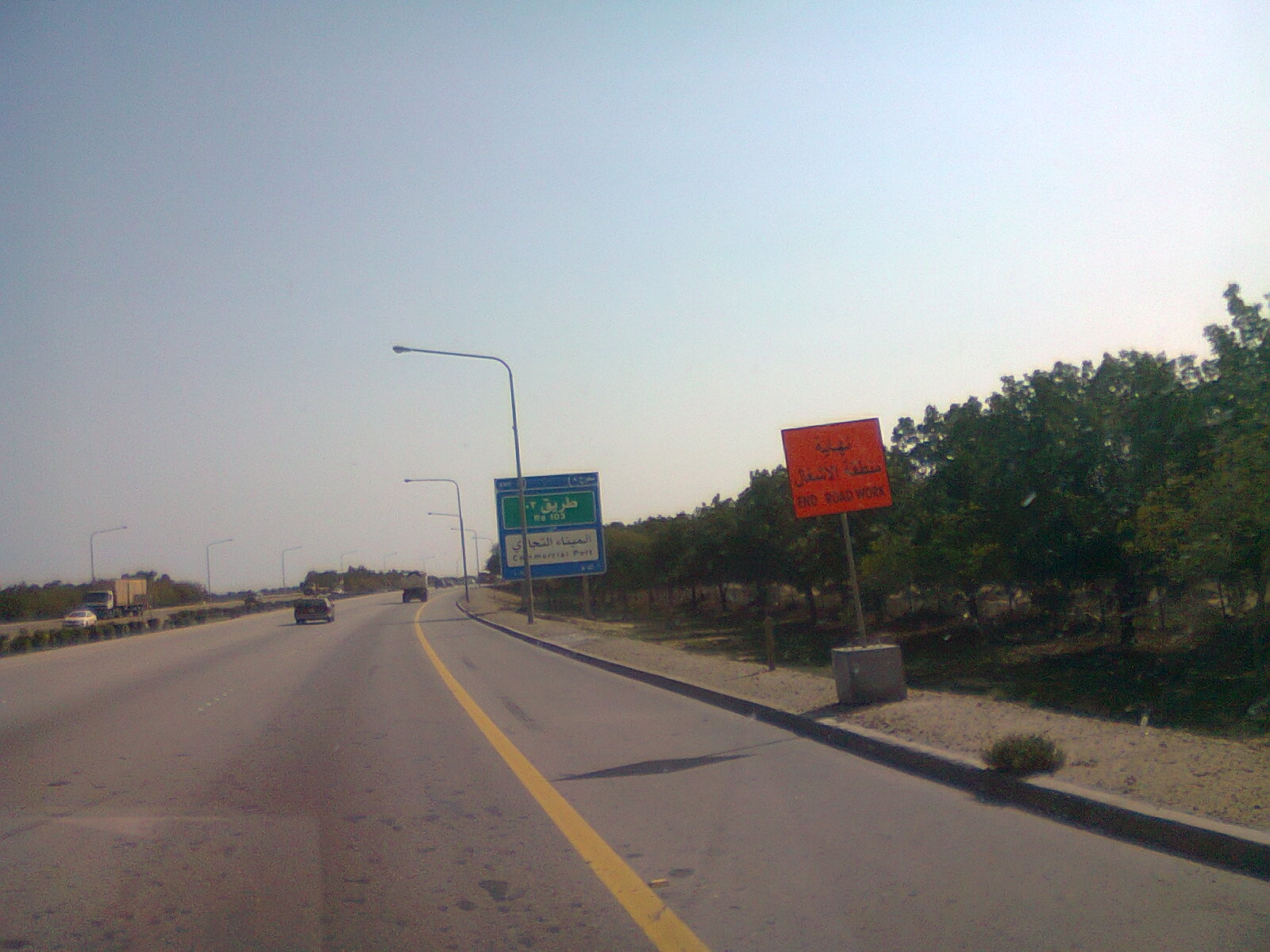
The drive from Riyadh is approximately 430 km via Route 85 (the Riyadh–Hafar Al-Batin Highway), taking around 4 to 4.5 hours on well-maintained dual carriageway. The road is flat, straight, and monotonous — ensure your vehicle is fuelled and your tyres are sound before departing. Petrol stations are spaced at reasonable intervals but become sparser in the final 100 km. For advice on renting a car, see our Saudi Arabia Car Rental Guide.
By Road from Dammam
From Dammam, the drive is approximately 400 km (roughly 3.5–4 hours) heading northwest via Route 615 and then Route 85. This route passes through Al Nairiyah and the open desert of the Dibdibah gravel plain.
By Bus
SAPTCO (Saudi Public Transport Company) operates intercity bus services to Hafar Al-Batin from Riyadh and Dammam. Journey times are long — roughly 6–7 hours from Riyadh — but fares are inexpensive. The SAPTCO station in Hafar Al-Batin is centrally located. Check the Getting Around Saudi Arabia guide for transport options across the Kingdom.
Where to Stay
Hafar Al-Batin has no five-star international chains, but it offers a solid range of three- and four-star hotels and serviced apartments that are clean, comfortable, and very reasonably priced. Budget hotels start at around USD 32–40 per night, while the best four-star properties top out at roughly USD 80–100.
Recommended Hotels
| Hotel | Stars | Highlights | Approx. Price (USD/night) |
|---|---|---|---|
| Braira Hafar Al-Batin | 4 | Full-service restaurant, modern rooms, air conditioning | 70–100 |
| Le Park Concord Hotel | 4 | Superior amenities, business facilities | 65–90 |
| SAS Hotel | 4 | Fitness centre, terrace, restaurant, free Wi-Fi | 55–80 |
| Boudl Al Maidan | 3 | Popular with Saudi families, good value | 45–65 |
| Aber City Center | 3 | Central location, 24-hour front desk, room service | 40–55 |
| Luluat Al Sharq Serviced Apartments | 3 | Garden, kitchen facilities, family-friendly | 35–50 |
Tip: If you are planning a broader Eastern Province road trip, consider basing yourself in Hafar Al-Batin for one or two nights and continuing south to Al Ahsa or east to Al Khobar. Hotel prices drop significantly during summer (June–August), but the heat makes sightseeing miserable.
Things to Do in Hafar Al-Batin
Al Suira Museum
The Al Suira Museum is the city’s most important cultural institution, offering visitors a window into the pre-oil heritage of northeastern Saudi Arabia. The museum is divided into three main halls, each displaying a carefully curated collection of artefacts: traditional household items, hand-woven textiles, antique swords and daggers, and old vehicles that once belonged to the museum’s founder. It is a private collection rather than a government museum, which gives it a personal, almost familial atmosphere.
The museum provides genuine insight into how Bedouin communities in this region lived before petroleum transformed the Kingdom. Allow at least an hour for a thorough visit.
Al Qaraa Heritage Museum
Located in a small village on the outskirts of the city, surrounded by open desert, the Al Qaraa Museum preserves some of the oldest tools and implements used to build the foundations of Hafar Al-Batin. The collection focuses on early construction, farming, and well-digging equipment — fitting for a city that owes its existence to water wells. The isolated desert setting adds to the atmosphere.
King Sultan Park
The largest park in Hafar Al-Batin, King Sultan Park offers sprawling gardens, paved walking paths, a children’s play area, fountains, and food stalls. In the cooler months, it becomes the social heart of the city — families picnic on the lawns, children run through the fountains, and vendors sell fresh juice and shawarma. It is an excellent place to observe everyday Saudi family life.
King Faisal Park
Known locally for its towering mature trees — an achievement in this arid climate — King Faisal Park provides shaded walking areas and a playground. The park is smaller and quieter than King Sultan Park, making it a good choice for a peaceful morning walk.
Abu Musa Park
Named after Abu Musa al-Ash’ari, the companion of the Prophet who is credited with ordering the digging of the city’s original wells, Abu Musa Park is a green space with monuments commemorating the city’s founding story. It connects Hafar Al-Batin’s modern identity to its ancient origins.
Hafar Al-Batin Public Market
The city’s public market (souq) has been operating for nearly half a century and remains the best place to experience local commerce. Dozens of kiosks sell traditional folk products, local handicrafts, spices, dates, and textiles. Unlike the polished souqs of Riyadh or Jeddah, this is a working market that serves the community — prices are low, bargaining is expected, and the atmosphere is authentically Saudi. If you enjoy shopping in traditional markets, also see our guide to shopping across Saudi Arabia.
Boudl Entertainment Park
Boudl Entertainment Park is the city’s main family recreation venue, offering green spaces, games, and organised events and competitions. It is particularly popular during school holidays and national celebrations.
Jumpoline Amusement Park
For families travelling with children, Jumpoline offers trampolines, electric games, and small thrill rides. It is an indoor option useful during the extreme summer heat or as an afternoon activity for restless younger travellers.
Desert Excursions and Outdoor Activities
Wadi al-Batin
The Wadi al-Batin is a vast, ancient river valley — now dry — that extends some 550 kilometres from near the city northeastward across the Al-Dibdibah gravel plain into Kuwait and Iraq. Geologically, it represents a Neogene-age alluvial fan formed during Quaternary pluvial periods when rainfall was sufficient to sustain flowing rivers across the Arabian Peninsula. Today, the wadi is a broad, shallow depression of sand and gravel, but its sheer scale is impressive when viewed from ground level or satellite imagery.
The wadi also marks the approximate line of the Saudi-Kuwaiti-Iraqi border tripoint and is historically significant as the site of the 1991 Battle of Wadi al-Batin. While there are no formal visitor facilities, driving along the wadi’s edge at sunset offers a hauntingly beautiful desert experience.
Desert Camping and Stargazing
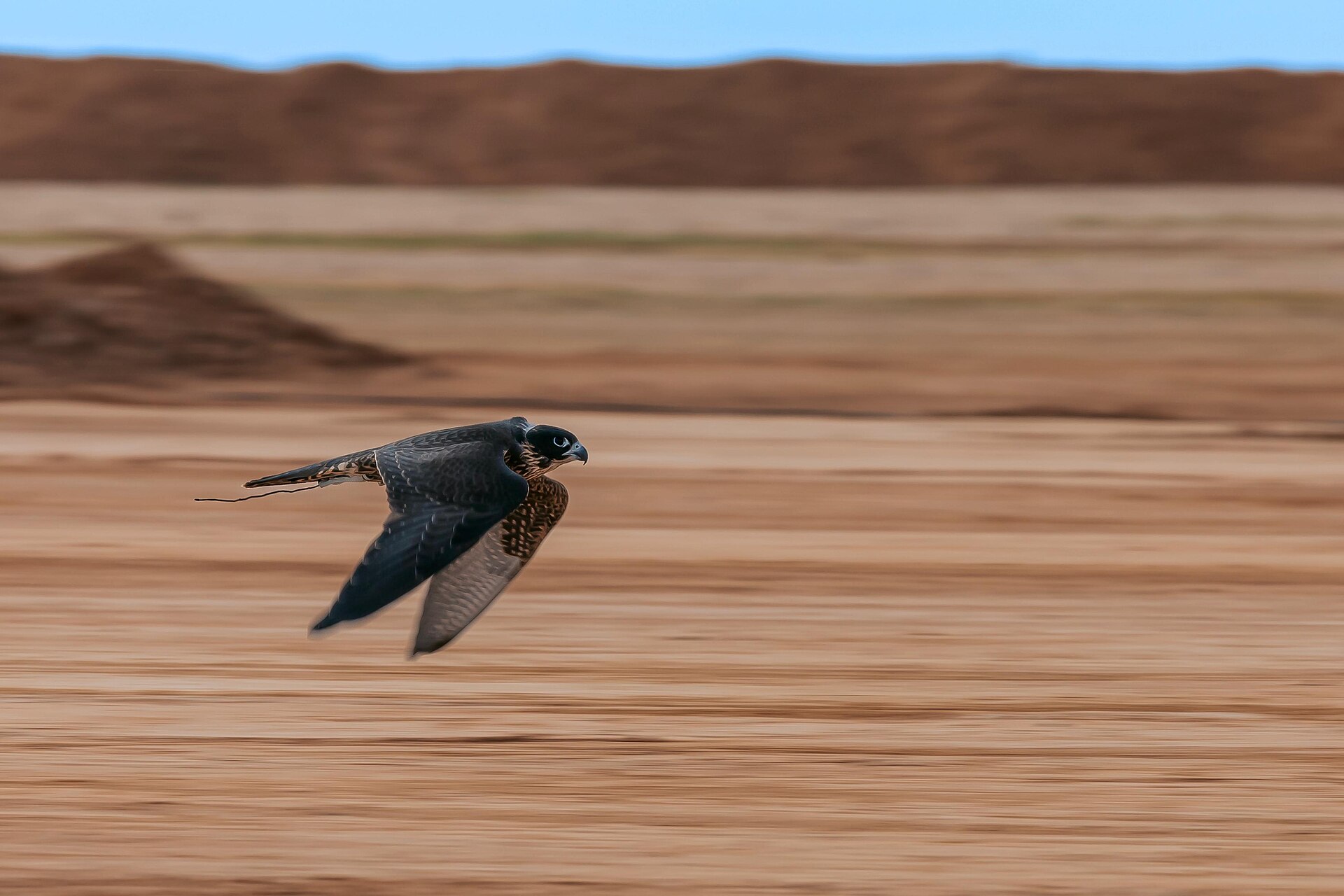
The desert around Hafar Al-Batin is flat, open, and almost completely free of light pollution. During the cooler months (November to February), desert camping is superb. Bring your own equipment or hire a local guide through your hotel. The silence is extraordinary — on clear winter nights, the Milky Way is visible in vivid detail.
For more ideas on desert adventures, read our Saudi Arabia Desert Safari Guide.
Dune Bashing and Camel Rides
While Hafar Al-Batin does not have the towering dunes of the Empty Quarter, the surrounding desert offers excellent dune driving on smaller sand formations. Local operators offer 4×4 excursions that combine dune bashing with traditional Bedouin tea and sometimes camel rides. Ask at your hotel for current operators and expect to pay SAR 200–400 per person for a half-day trip.
King Khalid Military City
King Khalid Military City (KKMC) lies approximately 60 kilometres south of Hafar Al-Batin and is one of the most remarkable military installations in the Middle East. Built between 1975 and 1986 under a US-Saudi military assistance programme, the cantonment was engineered to house over 70,000 troops in an innovative octagonal layout spanning 1.7 miles in diameter.
KKMC features a dual-level central plaza, with all vehicular traffic on the lower level and common facilities surrounding a central pool and fountain on the upper level. It was designed as a forward-operating base to deter invasion from the north — a role it fulfilled dramatically during Operation Desert Storm, when it housed thousands of coalition soldiers and its airport became one of the busiest in the theatre.
Today, KKMC has a minimal foreign presence. The base is a restricted military installation and not open to civilian tourists, but its historical significance is immense, and knowledgeable guides can point out the general location from the highway.
Food and Dining
Hafar Al-Batin’s dining scene is unpretentious and focused on hearty Saudi and Gulf cuisine. Do not expect Michelin aspirations — expect generous portions, strong flavours, and very affordable prices.
What to Eat
For a broader overview of Saudi cuisine, see our Saudi Arabia Food Guide.
Where to Eat
Most dining options cluster along the main commercial streets in the city centre. Hotel restaurants (especially at Braira and Le Park Concord) offer reliable meals. For authentic local food, look for small restaurants near the public market — the ones packed with Saudi families at dinner time (after 8 PM) are usually the best.
Tip: Hafar Al-Batin observes conservative dining customs. Many restaurants have family sections (for mixed groups) and singles sections (for men dining alone). Dinner is the main meal and restaurants are busiest between 8 PM and midnight.
Weather and Best Time to Visit
Hafar Al-Batin has a subtropical desert climate (BWh) with extreme temperature variation between summer and winter. Rainfall is negligible year-round.
| Season | Months | High / Low (°C) | Notes |
|---|---|---|---|
| Cool winter | December–February | 18–22 / 4–8 | Best time to visit; pleasant days, cold nights |
| Spring | March–April | 26–33 / 12–18 | Warm but manageable; occasional sandstorms |
| Hot summer | May–September | 40–45 / 24–30 | Extreme heat; avoid outdoor activity midday |
| Autumn | October–November | 30–35 / 15–20 | Temperatures falling; good for short visits |
The optimum visiting window is November through March. January and February are particularly pleasant, with daytime highs around 18–22 °C and clear skies. Summer temperatures can exceed 44.5 °C (112 °F) — outdoor sightseeing becomes dangerous without adequate water and shade.
Warning: Sandstorms (known locally as toz) can occur in spring, reducing visibility dramatically. If you are driving, pull over and wait for the storm to pass. Keep windows closed and air conditioning on recirculate.
Practical Information
Visa Requirements
International visitors need a valid visa to enter Saudi Arabia. Citizens of 63 countries can obtain a tourist e-visa online in minutes, valid for one year with multiple entries of up to 90 days each. See our comprehensive Saudi Arabia Visa Guide for full details on eligibility, costs, and the application process.
Currency and Costs
The Saudi Riyal (SAR) is the local currency, pegged to the US dollar at approximately 3.75 SAR to 1 USD. Hafar Al-Batin is one of the most affordable cities in Saudi Arabia for travellers:
For more on budgeting, see How Much Does It Cost to Visit Saudi Arabia?
Mobile Connectivity
4G coverage is reliable throughout Hafar Al-Batin city, though signal can drop in remote desert areas outside town. Prepaid SIM cards from STC, Mobily, or Zain are available at shops in the city centre and at the airport. See our Saudi Arabia SIM Card Guide for comparisons.
Safety
Hafar Al-Batin is a safe city by any standard. Petty crime is rare, and violent crime against tourists is essentially unheard of. The main risks are environmental: extreme heat in summer, occasional sandstorms, and the remoteness of the surrounding desert. Always carry plenty of water, inform someone of your plans if venturing into the desert, and keep your vehicle’s fuel tank above half. For more context, read Is Saudi Arabia Safe to Visit?
Language
Arabic is the primary language and English proficiency is limited outside hotels. Learning a few Arabic phrases — as-salamu alaykum (peace be upon you), shukran (thank you), kam (how much?) — will go a long way. Hotel reception staff generally speak basic English.
Dress Code
Hafar Al-Batin is more conservative than Riyadh or Jeddah. Men should wear long trousers and sleeved shirts. Women should dress modestly with loose-fitting clothing covering arms and legs; a headscarf is not legally required but will be appreciated in this traditional community. Read our full Saudi Arabia Dress Code Guide for specifics.
Day Trips from Hafar Al-Batin
Al Ahsa Oasis (380 km south)
A long but rewarding drive south takes you to Al Ahsa, Saudi Arabia’s UNESCO-listed oasis — the largest in the world, with over 2.5 million palm trees. It works best as an overnight trip paired with stops in the Eastern Province’s coastal cities.
Dammam and Al Khobar (400 km southeast)
Continue south to the Dammam and Al Khobar corniche, the King Fahd Causeway to Bahrain, and the Ithra cultural centre in Dhahran. These cities offer a complete contrast — modern, cosmopolitan, and seaside.
Buraydah (500 km southwest)
The capital of the Qassim region, Buraydah, is home to the world’s largest camel market and date farms that stretch to the horizon. A full day’s drive, but it pairs well with a larger northern Saudi road trip.