
Saudi Arabia has transformed from one of the world’s most restricted travel destinations into an increasingly open one, yet the rules governing entry remain firm and occasionally unforgiving. Whether you are arriving on a tourist e-visa, a business visa, a Hajj or Umrah permit, or crossing by land from Bahrain, this guide covers every document, health requirement, and customs rule you need to know. For full details on visa types, eligibility, and how to apply, see our Saudi Arabia Visa Guide 2026 — this page focuses specifically on what to prepare before you arrive, what happens at the border, and what you can and cannot bring into the Kingdom.
Passport validity required: Minimum 6 months from date of entry
Visa: Tourist e-visa available online for 60+ nationalities — valid 1 year, up to 90 days’ stay
Customs allowance: Personal gifts up to SAR 3,000 duty-free; 200 cigarettes or 500g tobacco
Health requirements: Yellow fever certificate if arriving from endemic area; meningitis ACWY and COVID-19 vaccination mandatory for Hajj/Umrah pilgrims
Currency limit: Declare cash, precious metals, or negotiable instruments worth SAR 60,000 or more (~US $16,000)
Avoid: Carrying any amount of alcohol, pork products, or controlled medications without SFDA pre-clearance — all are seized at customs
Passport Requirements
Your passport must be valid for at least six months from the date you enter Saudi Arabia. This is a hard rule enforced by airlines at check-in and by immigration officers on arrival. A passport with five months and 29 days of remaining validity will be refused.
Additional Passport Rules
- Blank pages: At least one blank visa page is needed for the entry stamp. Two blank pages are recommended if you are also transiting through another country.
- Damaged passports: Any passport with torn pages, a damaged cover, water damage, or illegible text may be refused at check-in or immigration.
- Temporary and emergency travel documents: These are generally not accepted for Saudi entry. Contact the nearest Saudi embassy in advance if you hold only an emergency passport.
- Dual nationals: You must enter and leave Saudi Arabia on the same passport used to obtain your visa. Presenting a different passport at exit can trigger delays or an overstay investigation.
- Valid passport — minimum 6 months’ validity remaining at date of entry
- Approved visa — printed copy of your e-visa confirmation or visa sticker in your passport
- Return or onward ticket — immigration may request proof that you plan to leave within your permitted stay
- Proof of accommodation — hotel booking confirmation or a letter from your Saudi host
- Travel insurance — mandatory for tourist e-visa holders; the insurance premium is included in the e-visa fee and provides coverage of up to SAR 100,000
- Hajj/Umrah pilgrims: Vaccination certificates (meningitis ACWY, COVID-19, polio, yellow fever if applicable), Hajj or Umrah permit from your authorised operator, and proof of group booking
- Business visitors: Invitation letter from the Saudi host company, chamber of commerce attestation in some cases
- Families with children: If a child is travelling with one parent, carry a notarised consent letter from the other parent. Saudi authorities may request this
- Medication carriers: SFDA electronic clearance for controlled drugs (see Health section below)
- Drivers: International Driving Permit (IDP) alongside your national licence — see our Saudi Arabia driving guide for full rules
- Fingerprint scan: All ten fingers are scanned at immigration. Your prints are compared against existing databases and enrolled for tracking your entry and exit.
- Facial photograph: A digital photograph is taken at the immigration counter.
- Iris scan: In some ports of entry, iris scans are also captured for additional biometric verification.
- Exit scan: When you leave Saudi Arabia, your fingerprints are scanned again to record your departure and confirm you have not overstayed.
- Pain medications: Codeine, tramadol (Ultram), hydrocodone/acetaminophen (Vicodin), morphine, oxycodone
- Anxiety and sleep medications: Alprazolam (Xanax), diazepam (Valium), clonazepam (Klonopin), zolpidem (Ambien), lorazepam (Ativan)
- ADHD medications: Methylphenidate (Ritalin, Concerta), amphetamine-based drugs (Adderall)
- Nerve pain: Pregabalin (Lyrica), gabapentin in higher doses
- Other: Methadone, buprenorphine, and any medication containing a narcotic or psychotropic substance
- Visit cds.sfda.gov.sa and create an account
- Submit your valid prescription or medical report (issued within the last 6 months is safest)
- Upload a copy of your passport
- List each medication, its dosage, and the quantity you are carrying
- Only quantities matching your stay duration (up to a one-month supply) are permitted
- Submit at least 2-3 weeks before departure — SFDA may request additional documentation
- Saudi riyals or foreign currency in any denomination
- Bearer negotiable instruments (traveller’s cheques, promissory notes, money orders)
- Gold bullion or precious metals
- Precious stones
- Fine jewellery
- Alcohol: All alcoholic beverages and products containing alcohol at any intoxicating ratio. This includes beer, wine, spirits, and any food or confectionery made with alcohol. See our Alcohol in Saudi Arabia guide for the full picture.
- Narcotics and illegal drugs: All categories. Saudi Arabia enforces the death penalty for drug trafficking. Even residual traces in luggage have led to detention.
- Pork and pork products: Including gelatin-based products derived from pork, pork-flavoured items, and any food containing pork derivatives.
- Pornographic material: Books, magazines, films, digital media, or any material considered sexually explicit or morally offensive under Saudi law.
- Weapons and ammunition: Firearms, knives beyond standard pocket knives, swords, crossbows, and ammunition of any kind without specific prior authorisation from Saudi security authorities.
- Distillery or brewing equipment: Any equipment that could be used to manufacture alcohol.
- Religious materials for proselytising: Bibles and religious texts for personal use are generally permitted in reasonable quantities. Large quantities of non-Islamic religious literature intended for distribution are prohibited.
- Drones: Cannot be imported without prior approval from the General Authority of Civil Aviation (GACA). Drones must have their serial number registered with GACA and cleared by customs in advance. Unregistered drones are held at customs for 10 days before disposal. As of 2025, only Saudi residents with a national ID can register drones — tourists generally cannot obtain flight permission.
- Telecommunications equipment: Satellite phones, high-powered radio transmitters, and radio-controlled model aircraft require clearance.
- Pharmaceutical products: Controlled medications require SFDA clearance (see above). Large quantities of any medication may be questioned.
- Books, periodicals, and media: Content is subject to review. Materials deemed politically subversive, religiously offensive, or morally inappropriate may be confiscated.
- Agricultural products: Seeds, live animals, and certain plant materials require phytosanitary certificates and approval from the Saudi Ministry of Environment.
- Chemicals and hazardous materials: Require advance clearance from multiple Saudi agencies.
- Valid passport and visa (or GCC national ID)
- Vehicle registration documents if driving your own car
- Valid driving licence — Saudi Arabia recognises international driving permits and licences from many countries
- Vehicle insurance valid in Saudi Arabia — this can sometimes be purchased at the border
- Customs declaration for any goods above the duty-free allowance
- Hajj permit: Must be obtained through a licensed Hajj operator in your home country. Independent Hajj travel is not permitted for international pilgrims.
- Mandatory vaccinations: Meningococcal meningitis (ACWY), COVID-19, polio (if from endemic countries), yellow fever (if from endemic countries), and seasonal influenza (strongly recommended).
- Group travel: International pilgrims must travel as part of an organised group with accommodation, transport, and guide services arranged in advance.
- Biometric pre-registration: Many countries now require pilgrims to submit fingerprints at a Saudi embassy or visa application centre before departure.
- Health declaration: Pilgrims must complete a health declaration form confirming they are free from communicable diseases.
- Passport validity too short: The single most common reason for denied boarding. Check the 6-month rule against your actual entry date, not your departure date from home.
- Carrying controlled medication without SFDA clearance: Since November 2025, this triggers automatic referral to the customs investigation unit. Even common prescriptions like Xanax or codeine cough syrup require advance clearance.
- Alcohol in luggage: Some travellers transferring from duty-free shops at other airports forget to remove alcohol purchases. All alcohol is confiscated and may result in a fine.
- Undeclared currency over SAR 60,000: Penalties are 25-50% of the undeclared value. Declare everything proactively.
- No proof of accommodation: Budget travellers planning to “figure it out on arrival” may be questioned. Have at least the first night’s booking confirmed.
- Expired e-visa: The e-visa is valid for one year from issue, and your total days in the Kingdom cannot exceed 90 within that year. Travellers who obtained a visa 11 months ago and plan a two-week trip may find their visa has expired.
- Drones in luggage: Without GACA pre-registration, your drone will be confiscated at customs. There is no process to register at the airport.
- Pork-containing snacks: Packaged foods containing pork gelatin (some sweets, marshmallows, certain crisps) are technically prohibited. Check ingredients before packing food items.
- Biometric exit scan: Your fingerprints are scanned at departure to record your exit and confirm you have not overstayed.
- Overstay penalties: Remaining beyond your visa’s permitted stay results in fines starting at SAR 15,000 for the first offence, potential detention, deportation, and a re-entry ban of varying duration.
- Exit visa (work visa holders): Workers on employer-sponsored visas historically needed an exit visa from their employer. Reforms have eased this for many categories, but it is advisable to confirm exit clearance with your employer before travelling to the airport.
- Customs on departure: If you are carrying currency, precious metals, or negotiable instruments worth SAR 60,000 or more, you must declare them on exit as well as entry. Saudi archaeological artefacts, certain coral items, and protected wildlife products cannot be exported.
- SFDA medication clearance: Remember that the controlled drug clearance requirement applies to departing passengers too. If you brought medication in with clearance, ensure your clearance also covers your departure.
- Download the ZATCA app before your trip — it allows electronic customs declarations and provides up-to-date information on prohibited items.
- Dress appropriately: While there is no formal dress code at the airport, dressing modestly (shoulders and knees covered) sets the right tone and avoids any potential friction. See our guides on dress code for women and dress code for men for what to expect across the Kingdom.
- Carry printed documents: A printed e-visa confirmation, hotel booking, and return ticket are valuable backup if your phone runs out of battery or airport Wi-Fi is unavailable.
- Arrive prepared for heat: If arriving at Jeddah, Riyadh, or Dammam between May and October, temperatures at the airport exit can exceed 45°C. Have water and light clothing accessible — see our packing list for seasonal recommendations.
- SIM card: Buy a local SIM at the airport arrivals hall for data access. You will need your passport for registration. Our phone and SIM card guide covers the best options.
- ATMs: Available in all arrivals halls. Saudi riyals are pegged to the US dollar at a fixed rate of SAR 3.75 = US $1. See our ATM and banking guide for advice on cards and fees.
- Saudi Arabia Visa Guide 2026 — Every visa type, cost, and requirement explained in detail
- Saudi Arabia e-Visa Guide — Step-by-step online application walkthrough
- Saudi Arabia Visa on Arrival — Which nationalities qualify and how it works
- Saudi Arabia Tourist Visa Cost — Full breakdown of fees, insurance, and what is included
- Health and Vaccinations for Saudi Arabia — Mandatory and recommended vaccines for every traveller
- Is Saudi Arabia Safe for Tourists? — Honest security assessment for 2026
- Saudi Arabia Travel Guide 2026 — The complete guide to visiting the Kingdom
GCC Nationals
Citizens of Bahrain, Kuwait, Oman, Qatar, and the United Arab Emirates do not require a visa to enter Saudi Arabia. A valid GCC national identity card is sufficient — no passport is needed, though carrying one is recommended for smoother processing. GCC nationals receive a 90-day entry permission on arrival.
Israeli Stamps and Travel History
Saudi Arabia’s official e-visa website states there are no restrictions based on countries previously visited. Israel stopped stamping passports several years ago, issuing a separate entry card instead. In practice, having evidence of travel to Israel in your passport is unlikely to cause a problem when entering on a tourist visa, though bureaucratic discretion exists. If concerned, apply for your e-visa online before travelling — approval confirms your eligibility.
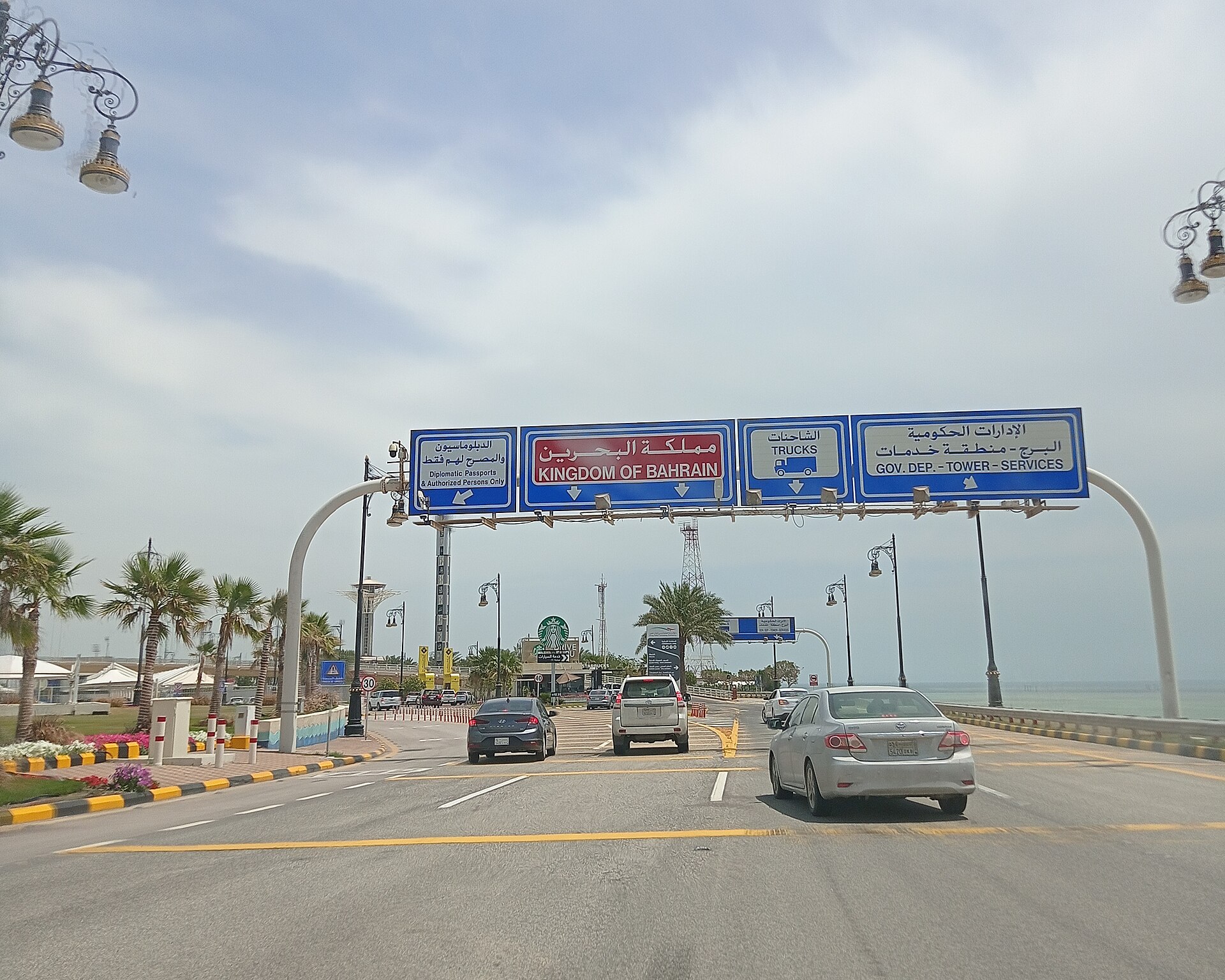
Visa Types for Entry
The visa you hold determines your entry conditions, length of stay, and what activities you are permitted to undertake. Our e-Visa step-by-step guide covers the online application in detail, and the visa on arrival page explains which nationalities qualify for stamps at the airport. Below is a summary of the main categories relevant to entry requirements.
| Visa Type | Validity | Max Stay | Entries | Notes |
|---|---|---|---|---|
| Tourist e-Visa | 1 year | 90 days total | Multiple | Available online for 60+ nationalities; includes Umrah outside Hajj season |
| Visa on Arrival | 1 year | 90 days total | Multiple | Same as e-visa but issued at airport kiosk; same eligible countries |
| Hajj Visa | Hajj season only | ~30-45 days | Single | Must be obtained through authorised Hajj operator; mandatory meningitis ACWY + COVID-19 vaccination |
| Umrah Visa | 90 days | 90 days | Single | Outside Hajj season, tourist e-visa holders can perform Umrah without a separate visa |
| Business Visit Visa | Varies | 90 days per entry | Single or multiple | Requires invitation letter from Saudi host company |
| Work Visa (Iqama) | 1-2 years | Duration of contract | Multiple | Employer-sponsored; medical clearance required |
| Transit Visa | 96 hours | 96 hours | Single | For travellers connecting through Saudi airports with a layover of 8+ hours |
For a full breakdown of costs, see our Saudi Arabia Tourist Visa Cost guide covering all fees, insurance charges, and what is included.
Nationality Restrictions
Until June 2025, nationals of Algeria, Bangladesh, Egypt, Ethiopia, India, Indonesia, Iraq, Jordan, Morocco, Nigeria, Pakistan, Sudan, Tunisia, and Yemen faced a suspension on visit visas. That suspension was lifted on 30 June 2025, and single-entry visas are now being issued for these nationalities, allowing stays of up to 90 days. However, only single-entry visas (not multiple-entry) are currently available for these nationals. Israeli passport holders cannot obtain a Saudi visa.
Documents to Carry
Preparation before departure prevents problems at the immigration counter. Assemble the following documents before you leave home.
Essential Documents — Every Traveller
Additional Documents — Specific Situations
Practical tip: Keep both digital and printed copies of every document. Wi-Fi at Saudi airports can be unreliable during peak hours, and immigration officers will want to see your visa confirmation — not a loading screen. Save your e-visa PDF to your phone’s offline storage before boarding.
Biometric Procedures at the Border
Saudi Arabia operates a comprehensive biometric border system at all international airports and land crossings. Be prepared for the following on arrival.
The biometric process takes approximately 2-5 minutes per person. It is applied uniformly to all nationalities except GCC citizens using national ID cards at certain land crossings.
Health and Vaccination Requirements
Saudi Arabia enforces health requirements that vary depending on your purpose of visit and country of origin. Our dedicated Health and Vaccinations for Saudi Arabia guide covers every vaccine in detail — the summary below focuses on what is checked at the border.
Yellow Fever
If you are arriving from (or have recently transited through) a country with risk of yellow fever transmission — primarily countries in Sub-Saharan Africa and South America — you must present a valid International Certificate of Vaccination against yellow fever. The vaccine must have been administered at least 10 days before arrival. The certificate is valid for life under current WHO regulations. Without it, you may be denied entry or quarantined.
Meningococcal Meningitis (ACWY)
A quadrivalent meningitis vaccine (covering serogroups A, C, W, and Y) is mandatory for all Hajj and Umrah pilgrims, seasonal workers entering Hajj zones, and residents of the meningitis belt arriving for any purpose. The vaccine must have been given no fewer than 10 days and no more than 3 years (polysaccharide) or 5 years (conjugate) before arrival. Saudi immigration officers actively check for this certificate during Hajj and Umrah seasons.
COVID-19
As of 2026, COVID-19 vaccination is still required for Hajj and Umrah pilgrims. Pilgrims must show proof of full vaccination with a Saudi-approved vaccine, with the most recent dose administered between 2021 and 2025 and at least two weeks before travel. For ordinary tourists on e-visas, COVID-19 vaccination is no longer checked at the border, though carrying your certificate is prudent.
Polio
Travellers from countries where polio remains endemic or at high risk (including Afghanistan, Pakistan, and parts of Sub-Saharan Africa) must show proof of polio vaccination. Pilgrims from these countries receive an additional dose of oral polio vaccine on arrival.
Recommended Vaccinations
The Saudi Ministry of Health recommends (but does not mandate for tourists) the following: hepatitis A, hepatitis B, typhoid, and routine boosters for tetanus, diphtheria, and measles. Start your vaccination schedule at least 2-3 months before departure to allow for multi-dose regimes and the 10-day yellow fever activation period.
Important: If you are arriving for Hajj in 2026, the Saudi Ministry of Health publishes specific health instructions each year — typically released 3-4 months before Hajj. Check the Hajj 2026 Guide for the latest requirements once published.
Prescription Medications and Controlled Drugs
This is the area where unprepared travellers encounter the most serious problems. Saudi Arabia classifies many commonly prescribed Western medications as controlled substances, and carrying them without advance clearance can result in arrest, detention, or deportation.
The SFDA Controlled Drug System
Since 1 November 2025, the Saudi Food and Drug Authority (SFDA) requires all travellers carrying controlled medications to obtain electronic clearance in advance via the Controlled Drug System (CDS) at cds.sfda.gov.sa. This applies to both arrivals and departures.
Medications That Require Pre-Clearance
The following commonly prescribed drugs are on the SFDA’s controlled list and require advance electronic clearance:
How to Apply
Warning: Amphetamine-based drugs (including Adderall) and certain other substances are completely prohibited in Saudi Arabia regardless of prescription. Even with a valid prescription from your home country, these may not be approved. Check the SFDA’s prohibited list before applying. Arriving with prohibited controlled substances can result in criminal prosecution under Saudi narcotics law, which carries severe penalties including imprisonment.
Customs Allowances and Duty-Free Limits
Saudi customs are managed by the Zakat, Tax and Customs Authority (ZATCA). Understanding the rules before you arrive saves time, money, and potential legal trouble.
Personal Allowances
| Category | Duty-Free Allowance | Notes |
|---|---|---|
| Personal effects | Reasonable quantity for personal use | Clothing, electronics, toiletries for your own trip |
| Gifts | Up to SAR 3,000 (~US $800) in value | Commercial quantities require an import licence |
| Cigarettes | 200 cigarettes | Updated SFDA regulation — reduced from earlier 600 limit |
| Other tobacco | 500 grams | Includes cigars, pipe tobacco, shisha tobacco |
| Perfume | Reasonable quantity for personal use | Alcohol-based perfumes are permitted for personal use |
| Food supplements | Up to 15 kg per person per month | Commercial quantities require SFDA approval |
| De minimis threshold | SAR 1,000 (~US $267) | Items below this value enter duty-free |
Currency and Valuables Declaration
You must declare any of the following if their combined value equals or exceeds SAR 60,000 (~US $16,000):
The declaration can be completed electronically via the ZATCA smartphone app or website before arrival. However, if declaring currencies or negotiable instruments worth SAR 60,000+, you must also visit the declaration office physically at the airport — located after passport control and baggage collection.
Failure to declare or providing false information carries penalties of 25% to 50% of the undeclared value, with potential seizure of the items.
Prohibited Items — What You Cannot Bring
Saudi Arabia enforces some of the strictest import prohibitions in the world. Ignorance of the law is not a defence, and violations are taken seriously. The following items are absolutely prohibited from entering the country.
Strictly Prohibited
Items Requiring Special Approval
Vaping note: E-cigarettes and vaping devices are legal in Saudi Arabia as of 2025. You may bring your vaping device and a reasonable supply of e-liquid for personal use. However, certain flavours are banned — cocoa, vanilla, coffee, tea, spices, candy, chewing gum, cola, and alcohol flavours are all prohibited. Only fruit and menthol flavours (or combinations) are permitted.
Arriving by Air — Step by Step
The majority of international visitors arrive at one of Saudi Arabia’s four main international airports. Our individual airport guides cover each in detail — King Khalid International Airport Riyadh, King Abdulaziz International Airport Jeddah, King Fahd International Airport Dammam, and Prince Mohammad Bin Abdulaziz Airport Madinah — but the entry process is broadly the same at all four.
Step 1 — Before You Land
Complete your customs declaration electronically via the ZATCA app if you have items to declare. Ensure your e-visa confirmation, passport, return ticket, and hotel booking are readily accessible — either printed or saved offline on your phone.
Step 2 — Immigration
Follow signs to passport control. Lanes are divided into Saudi citizens, GCC nationals, and foreign passport holders. Present your passport and visa. Biometric data (fingerprints, photo, possibly iris scan) will be collected. The officer may ask your purpose of visit, length of stay, and accommodation details. Processing typically takes 5-15 minutes depending on queue length.
Step 3 — Baggage Collection
Collect your checked luggage from the carousel. If luggage is delayed or lost, report to the airline’s service counter in the arrivals hall before leaving the baggage area.
Step 4 — Customs
Pass through the customs screening area. Most airports use X-ray scanning for all checked luggage. If you have nothing to declare and your bags clear the scanner, you proceed through the green channel. If the scanner flags something, or if you have items to declare, you will be directed to the red channel for inspection. The customs declaration office for currency/valuables is located in this area.
Step 5 — Arrivals Hall
Once through customs, you enter the public arrivals hall. Here you will find currency exchange, SIM card vendors (see our phone and SIM card guide), ATMs, car rental desks, and taxi ranks. Ride-hailing apps Uber and Careem work at all Saudi airports — see our Uber and Careem guide for details.
Arriving by Land
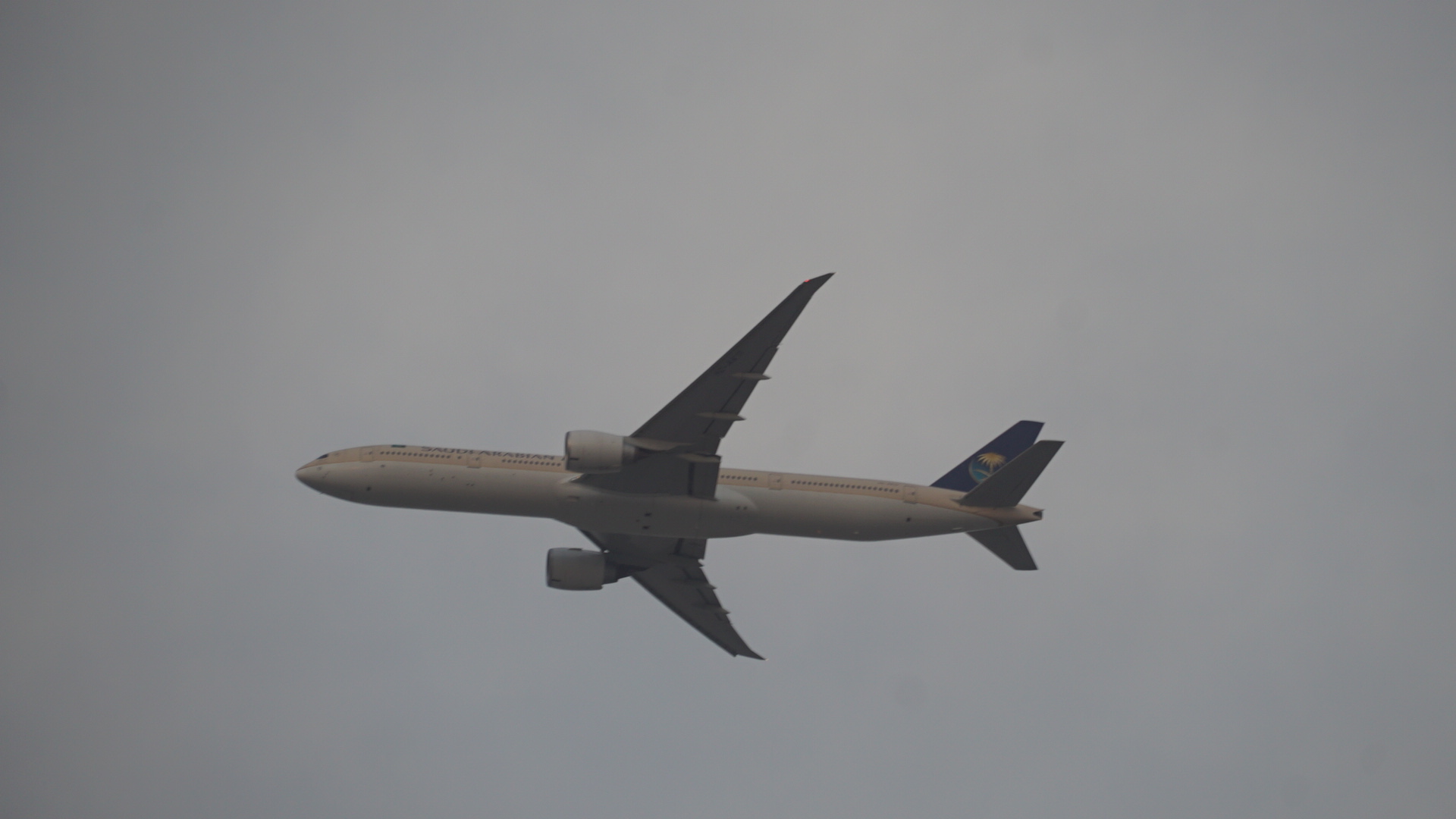
Saudi Arabia has land borders with seven countries: Jordan, Iraq, Kuwait, Bahrain (via the King Fahd Causeway), Qatar, the UAE, and Oman. The busiest land crossing for tourists is the King Fahd Causeway connecting Saudi Arabia’s Eastern Province to Bahrain — a 25 km bridge that sees millions of crossings annually.
Land Border Process
The entry process at land borders follows the same broad pattern as airports: passport and visa check, biometric collection, and customs inspection. However, land borders also inspect your vehicle if driving. You will need:
Processing times at land borders vary enormously. The King Fahd Causeway can take 30 minutes during quiet periods and 3-4 hours during Thursday/Friday weekends and public holidays.
Entry for Hajj and Umrah Pilgrims
Pilgrims face additional requirements beyond the standard entry process. The Saudi government publishes detailed health and logistical requirements for each Hajj season through the Ministry of Hajj and Umrah and the Nusuk platform.
Hajj-Specific Requirements
For tourist visa holders: you may perform Umrah outside the Hajj season without a separate Umrah visa. However, the tourist e-visa does not permit entry during Hajj season for the purpose of performing Hajj. See our Hajj 2026 Guide for the complete pilgrimage preparation checklist.
Common Mistakes That Cause Problems at Entry
Saudi immigration and customs officers encounter the same mistakes repeatedly. Avoid these and your arrival will be smooth.
Exit Requirements
Leaving Saudi Arabia also involves checks. Be aware of the following.