
Saudi Arabia has transformed itself into one of the Middle East’s most ambitious tourism destinations, and American visitors are arriving in growing numbers. Whether you are drawn by the ancient Nabataean tombs of AlUla, the futuristic skyline of Riyadh, the Red Sea coastline, or the sheer novelty of a country that only began issuing tourist visas in 2019, this guide covers everything a US passport holder needs to plan a smooth, safe and rewarding trip. For a broader overview of the Kingdom’s regions, seasons and logistics, start with our Saudi Arabia Travel Guide 2026.
Best Time to Visit: November to February (mild temperatures, peak events season)
Getting There: Direct flights on Saudia from JFK, IAD and LAX; one-stop options on Emirates, Qatar Airways and Turkish Airlines
Visa Required: Yes — tourist e-visa or visa on arrival
Budget: $100–250 per day (mid-range), $300+ (luxury)
Must-See: Riyadh’s Diriyah district, AlUla’s Hegra tombs, Jeddah’s Al-Balad old town
Avoid: Packing alcohol, posting critical social media content, travelling during peak summer heat (June–August)
US Travel Advisory — What Americans Should Know
The US State Department currently rates Saudi Arabia at Level 3: Reconsider Travel. This advisory, updated in March 2026, cites the risk of Iranian drone and missile strikes following the onset of hostilities between the United States and Iran on 28 February 2026, as well as ongoing concerns about terrorism, exit bans and local laws governing social media activity. On 8 March 2026, the State Department ordered non-emergency US government employees and their families to depart the country.
This does not mean Saudi Arabia is closed to American tourists. Flights continue to operate, the e-visa system remains open, and millions of residents go about daily life in the Kingdom’s cities. However, you should read our dedicated Saudi Arabia safety guide before booking, monitor the State Department’s Saudi Arabia page, and enrol in the Smart Traveler Enrollment Program (STEP) at step.state.gov so the US Embassy in Riyadh can reach you in an emergency.
Practical step: Before departure, save the US Embassy Riyadh emergency number (+966-11-488-3800) and the local emergency numbers: 999 for police in cities, 911 for general emergencies, and 997 for ambulance services.
Visa Options for US Citizens
Americans have two straightforward ways to enter Saudi Arabia as tourists, both providing the same one-year, multiple-entry visa that allows stays of up to 90 days per visit. For a full breakdown of every visa category, see our Saudi Arabia Visa Guide.
Tourist e-Visa (Recommended)
The fastest option. Apply at visa.visitsaudi.com before your trip. You will need:
- A US passport valid for at least six months beyond your entry date, with two blank pages
- A recent passport-style digital photo (taken within six months)
- A credit or debit card for payment
- New York JFK → Jeddah — approximately 11.5 hours
- Washington Dulles (IAD) → Jeddah — approximately 12 hours
- Los Angeles (LAX) → Jeddah — approximately 16 hours
- Abaya no longer required by law — but you must cover shoulders, chest and knees in public
- Loose-fitting clothes are best: maxi dresses, wide-leg trousers, long-sleeve blouses, tunic tops
- A headscarf is not required in public, but you should carry one for mosque visits (where it is mandatory)
- Swimwear is fine at hotel pools, private beaches and resorts — cover up before returning to public areas
- Trousers or long shorts that cover the knee, plus a shirt with sleeves
- No shirtless walking in public, even in extreme heat
- Smart casual is the norm for restaurants and malls
- Women can drive and rent cars — the ban was lifted in 2018. Our guide to women driving in Saudi Arabia covers licences and practical tips.
- Women can travel independently — there is no requirement for a male guardian to accompany female tourists
- Use Uber or Careem for transport, especially after dark — both apps are widely available and allow trip sharing for safety. See our Uber and Careem guide.
- Hotels do not require a male companion for check-in — solo female guests are routine
- Avoid deserted streets at night, as you would in any unfamiliar city
- Check the Saudi Food and Drug Authority’s list of controlled substances
- Register your medications at the Controlled Drug System (CDS) website — approval can take several weeks, so start early
- Carry your prescription in its original pharmacy-labelled container, along with a doctor’s letter
- Bring only the quantity you need for your trip
- eSIM (recommended): Airalo offers Saudi Arabia data plans starting at $5 for 1 GB, using the Zain 5G network. Buy and install via the app before you fly — you will have connectivity the moment you land. Holafly offers unlimited data plans from around $19 for five days.
- Local SIM card: stc (Saudi Telecom Company) sells Sawa Visitor prepaid packages at airport kiosks and stores nationwide. You will need your passport to register. Zain and Mobily are also good options.
- Wi-Fi: Widely available in hotels, malls, and cafés. Quality is generally good in cities.
- Eating, drinking, and smoking in public during daylight hours is prohibited for everyone, including non-Muslim tourists
- Many restaurants close during the day and open at sunset for iftar
- Working hours are reduced and the pace of life slows
- After sunset, cities come alive — Ramadan nights are festive, with markets, food stalls, and gatherings
- Emergency medical evacuation (medical flights out of Saudi Arabia can exceed $100,000)
- Trip cancellation coverage (especially given the current regional security situation)
- Coverage for adventure activities if you plan to dive, hike, or do desert sports
- Assuming it is like Dubai: Saudi Arabia is more conservative, less commercial, and culturally richer than the UAE. Adjust your expectations.
- Not checking social media: Review your posts before travelling. Content that seems routine in the US can trigger legal problems in Saudi Arabia.
- Underestimating distances: You cannot “pop over” from Riyadh to Jeddah. Budget for domestic flights or full-day road trips.
- Forgetting medication approvals: Register controlled prescriptions weeks in advance. Arriving with unapproved medications can mean confiscation or worse.
- Trying to visit Makkah: If you are not Muslim, you will be turned away at checkpoints. Do not attempt it.
- Dressing for the US, not the Kingdom: Pack modest clothing. Tank tops, short shorts, and crop tops will draw unwanted attention outside of resort pools.
- Ignoring prayer times: Plan your meals and shopping around the five daily prayers. Arriving at a restaurant during prayer means waiting outside.
- ☐ Passport valid for 6+ months with 2 blank pages
- ☐ E-visa approved at visa.visitsaudi.com (or plan for visa on arrival)
- ☐ STEP enrollment at step.state.gov
- ☐ Controlled medications registered via CDS (allow 2–3 weeks)
- ☐ Travel insurance purchased with medical evacuation coverage
- ☐ eSIM purchased via Airalo or Holafly app
- ☐ Social media accounts reviewed and set to private
- ☐ International Driving Permit obtained (if renting a car)
- ☐ Modest clothing packed — including a headscarf for women
- ☐ No alcohol in luggage
- ☐ Cash under $16,000 or declaration form prepared
- ☐ US Embassy Riyadh number saved: +966-11-488-3800
- Saudi Arabia Travel Guide 2026 — The complete guide to visiting the Kingdom
- First Time in Saudi Arabia — Everything you need to know for your first visit
- Is Saudi Arabia Safe for Tourists? — Honest security assessment for visitors
- Saudi Arabia Customs and Etiquette — Cultural dos and don’ts
- Saudi Arabia e-Visa Guide — Step-by-step application walkthrough
- Saudi Arabia Visa Guide 2026 — Every visa type explained
The fee is 402.21 SAR (approximately $107 USD), which includes mandatory medical insurance for your stay. Most applications are approved within 24 hours. Rush processing is available for an additional fee. For a step-by-step walkthrough, see our e-Visa application guide.
Visa on Arrival
US passport holders can also obtain a tourist visa upon landing at any Saudi international airport. The cost and validity are identical to the e-visa. However, queues at immigration can be long — particularly during Hajj season and major events — so applying online in advance saves time. Our Riyadh airport guide covers what to expect at King Khalid International.
Important: Your passport must show at least six months of remaining validity from the date you enter Saudi Arabia. If your passport expires sooner, renew it before applying. US passport renewals currently take 6–8 weeks through standard processing.
Getting There — Flights from the United States
Several airlines connect American cities to Saudi Arabia’s three main international airports: King Khalid (Riyadh), King Abdulaziz (Jeddah) and King Fahd (Dammam).
Direct Flights
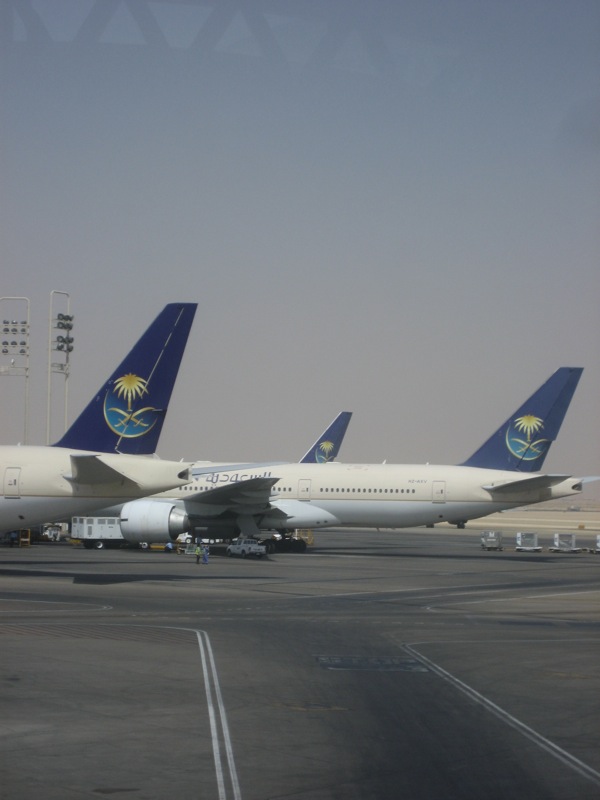
Saudia (Saudi Arabian Airlines) is the only carrier currently operating non-stop service between the US and Saudi Arabia. Routes include:
Delta Air Lines has announced non-stop service from Atlanta (ATL) to Riyadh beginning 23 October 2026, operating three times weekly on an Airbus A350-900.
One-Stop Options
Many Americans fly via a Gulf hub, which often offers competitive fares and premium cabin products:
| Airline | Connection City | US Gateways | Total Travel Time |
|---|---|---|---|
| Emirates | Dubai (DXB) | JFK, LAX, IAD, SFO, ORD, DFW, BOS, IAH, SEA, EWR, MIA, FLL | 16–20 hours |
| Qatar Airways | Doha (DOH) | JFK, LAX, IAD, ORD, DFW, IAH, ATL, PHL, MIA | 16–20 hours |
| Turkish Airlines | Istanbul (IST) | JFK, LAX, IAD, ORD, SFO, IAH, ATL, MIA, BOS, SEA | 17–22 hours |
| Lufthansa | Frankfurt (FRA) | JFK, LAX, ORD, IAD, SFO, IAH, DEN, BOS | 16–20 hours |
| British Airways | London (LHR) | JFK, LAX, ORD, IAD, SFO, BOS, MIA, DFW, PHL | 16–20 hours |
Expect round-trip fares in the range of $600–1,200 in economy and $2,500–6,000 in business class, depending on season and how far in advance you book. Prices spike during Hajj (late May–June 2026) and Ramadan.
Money and Costs
The Saudi Riyal (SAR) is pegged to the US dollar at a fixed rate of 3.75 SAR to $1 USD. This peg has held since 1986, so there is no currency fluctuation to worry about — a significant advantage for American travellers. For detailed information on ATMs, cards and exchange, see our ATM and banking guide.
Daily Budget Estimates
| Category | Budget ($50–100/day) | Mid-Range ($100–250/day) | Luxury ($300+/day) |
|---|---|---|---|
| Accommodation | $30–60 (hostels, budget hotels) | $80–150 (4-star hotels) | $200–600+ (5-star resorts) |
| Food | $10–20 (street food, shawarma, local restaurants) | $25–50 (mid-range restaurants) | $60–150+ (fine dining) |
| Transport | $5–15 (metro, buses) | $15–40 (Uber/Careem rides) | $50–100+ (car rental, private drivers) |
| Activities | $5–10 (free attractions, parks) | $20–50 (guided tours, entry fees) | $100–300+ (desert safaris, private tours) |
Tipping: Not obligatory but appreciated. In restaurants, 10–15% is standard if no service charge is included. Round up taxi fares. Hotel porters typically receive 5–10 SAR per bag.
Cash declaration: If you enter Saudi Arabia carrying more than SAR 60,000 (approximately $16,000 USD) or its equivalent in foreign currency, you must declare it at customs.
Laws Americans Must Know
Saudi Arabia’s legal system is based on Sharia law, and the rules differ significantly from what Americans are accustomed to at home. Ignorance of the law is not a defence. The following are the most critical areas where US visitors encounter problems.
Alcohol Is Completely Prohibited
There are no bars, liquor stores, or duty-free alcohol purchases in Saudi Arabia. You cannot bring alcohol into the country — not even in checked luggage. Penalties for possession, manufacture, or consumption include heavy fines, imprisonment, flogging and deportation. Do not attempt to test this. Read our full alcohol in Saudi Arabia guide for more detail.
Social Media Activity Can Lead to Arrest
This is the single most important legal risk that catches Americans off guard. Saudi authorities actively monitor social media and have arrested US citizens for posts deemed critical of the government, royal family, religion, or public order — including posts made while outside Saudi Arabia before your trip. Punishments have included prison sentences of up to 45 years. Before travelling, review your social media accounts and consider making them private.
Drug Offences Carry Severe Penalties
Drug trafficking is punishable by death. Possession of even small amounts of controlled substances can lead to lengthy prison sentences. This includes substances that may be legal or decriminalised in US states, such as cannabis.
Photography Restrictions
Do not photograph military installations, government buildings, or palaces. Always ask permission before photographing people, particularly women. Photographing someone without consent can lead to legal trouble.
Exit Bans
Saudi authorities can impose exit bans that prevent you from leaving the country. These may arise from unpaid debts, business disputes, visa overstay fees, or family legal matters. Some US citizens have been detained for months or even years. If you are doing any business in the Kingdom, ensure all contractual and financial obligations are settled before attempting to depart.
Dress Code for Americans
Saudi Arabia still expects modest dress in public, though the rules have relaxed considerably since the tourism push began. Our detailed guides cover dress code for women and dress code for men separately.
For Women
For Men
For a complete packing guide tailored to Saudi Arabia’s climate and customs, see our packing list.
Safety for American Women
Saudi Arabia is generally safe for female travellers, including solo women. The Kingdom is ranked among the safer destinations in the Middle East for tourists, and the government has actively invested in making public spaces welcoming to international visitors.
LGBTQ+ Travellers — An Honest Assessment
Saudi Arabian law criminalises same-sex relations, with penalties that can include imprisonment, flogging, deportation and, in the most extreme cases, the death penalty. This applies to both men and women. Anything perceived as promoting or endorsing LGBTQ+ identities — including social media posts, clothing, or displayed media — can also result in prosecution.
In 2023, the Saudi Tourism Authority stated that “everyone is welcome” to visit. In practice, this means the government wants tourist spending but expects discretion. There is no public LGBTQ+ scene, and no legal protections exist. LGBTQ+ Americans must weigh these realities carefully. If you choose to travel, the universal advice is to exercise extreme caution regarding any public expression of sexual orientation or gender identity.
Culture Shock — What Surprises Most Americans
Saudi Arabia is a genuinely different cultural environment from the United States. Understanding a few key differences will prevent awkward moments and help you connect with locals. For a deeper dive, read our customs and etiquette guide.
Prayer Times Shape Daily Life
Five daily prayers (Fajr, Dhuhr, Asr, Maghrib, Isha) still structure the rhythm of life. Some shops and restaurants close briefly during prayer times, typically for 20–30 minutes. The call to prayer (adhan) is broadcast from mosques across every city. You do not need to pray, but you should be respectful — lower your voice, do not walk in front of someone praying, and plan restaurant visits around prayer times.
Hospitality Is Deeply Ingrained
Saudis are famously generous hosts. If offered Arabic coffee (qahwa) and dates, accept with a smile — refusing can seem rude. Use your right hand for greetings, eating, and passing items. If invited to a Saudi home, remove your shoes at the door and bring a small gift.
The Weekend Is Friday–Saturday
The Saudi working week runs Sunday to Thursday. Government offices, banks, and many businesses close on Friday and Saturday. Friday is the holy day, and most activity pauses until after Friday prayers (around 1:30 PM). Plan your errands and business for Sunday–Thursday.
Segregation Has Eased — but Exists
Most public spaces, restaurants, and attractions are now mixed-gender and welcoming to international tourists. However, some traditional restaurants still have separate family and singles (men-only) sections. Mosque visits are always gender-segregated.
Non-Muslims Cannot Enter Makkah
The holy city of Makkah (Mecca) is strictly off-limits to non-Muslims. This is enforced with checkpoints on all roads into the city. Madinah (Medina) is open to non-Muslims for general sightseeing, though they cannot enter the Prophet’s Mosque (Al-Masjid an-Nabawi) or its immediate courtyard.
Prescription Medications — Check Before You Pack
Many common American prescription medications are controlled or banned in Saudi Arabia. This includes certain ADHD medications (amphetamine-based drugs like Adderall), some painkillers, sleep aids, and anti-anxiety medications. Before travelling:
For broader health preparation, including required vaccinations, see our health and vaccinations guide.
Staying Connected — Phones and Internet
Your American phone will work in Saudi Arabia, but international roaming charges from US carriers can be steep. The better options are:
Note that VoIP services (WhatsApp calls, FaceTime) work in Saudi Arabia — the previous ban was lifted in 2017. For more detail, see our SIM card and eSIM guide.
VPN note: VPN usage is not illegal in Saudi Arabia, but using a VPN to access blocked content (pornography, gambling sites) is. Accessing your US streaming services or corporate VPN is fine.
Getting Around Inside Saudi Arabia
Saudi Arabia is a vast country — roughly one-fifth the size of the continental United States. Distances between cities are significant: Riyadh to Jeddah is 950 km (590 miles), and Riyadh to AlUla is about 1,000 km (620 miles).
Domestic Flights
The most practical way to move between regions. Saudia, flynas, and flyadeal operate frequent domestic routes. Fares are reasonable — often $50–150 one-way between major cities. Book on the airlines’ apps or through Google Flights.
Car Rental
An International Driving Permit (IDP) is recommended alongside your US licence. Major rental companies (Hertz, Budget, Avis) operate at airports and in cities. Fuel is cheap by American standards — around $0.62/litre ($2.35/gallon). Roads between cities are modern, well-maintained highways. See our driving in Saudi Arabia guide for rules, speed limits and road conditions.
Ride-Hailing
Uber and Careem (a local competitor now owned by Uber) are the go-to options within cities. Both are affordable and widely available in Riyadh, Jeddah, Dammam, and other urban centres.
Trains
The Haramain High-Speed Railway connects Jeddah to Makkah and Madinah. The Saudi Railway connects Riyadh to Dammam in the Eastern Province. Both are modern and comfortable. See our public transport guide for schedules and tickets.
Where to Go — Top Destinations for Americans
Riyadh
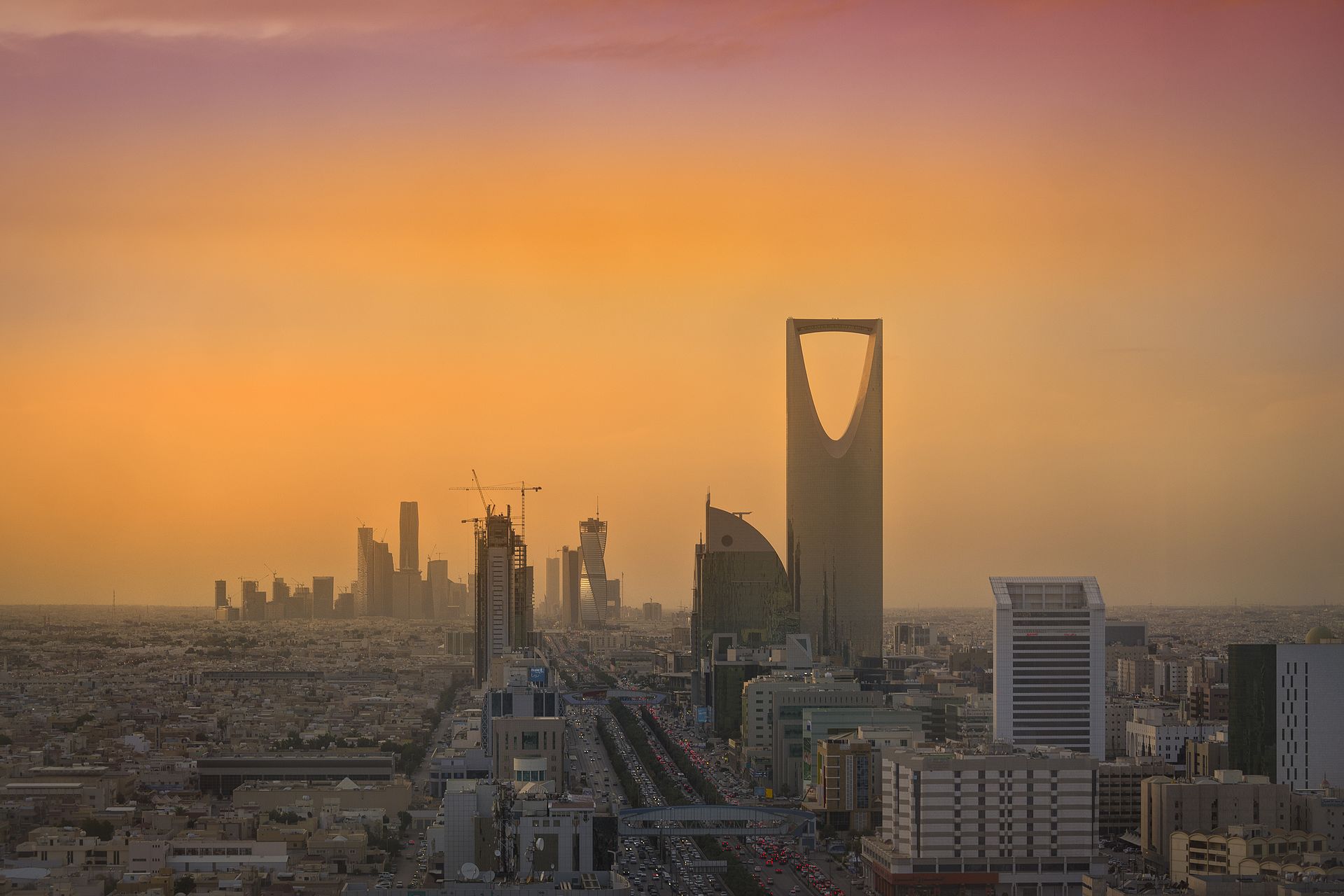
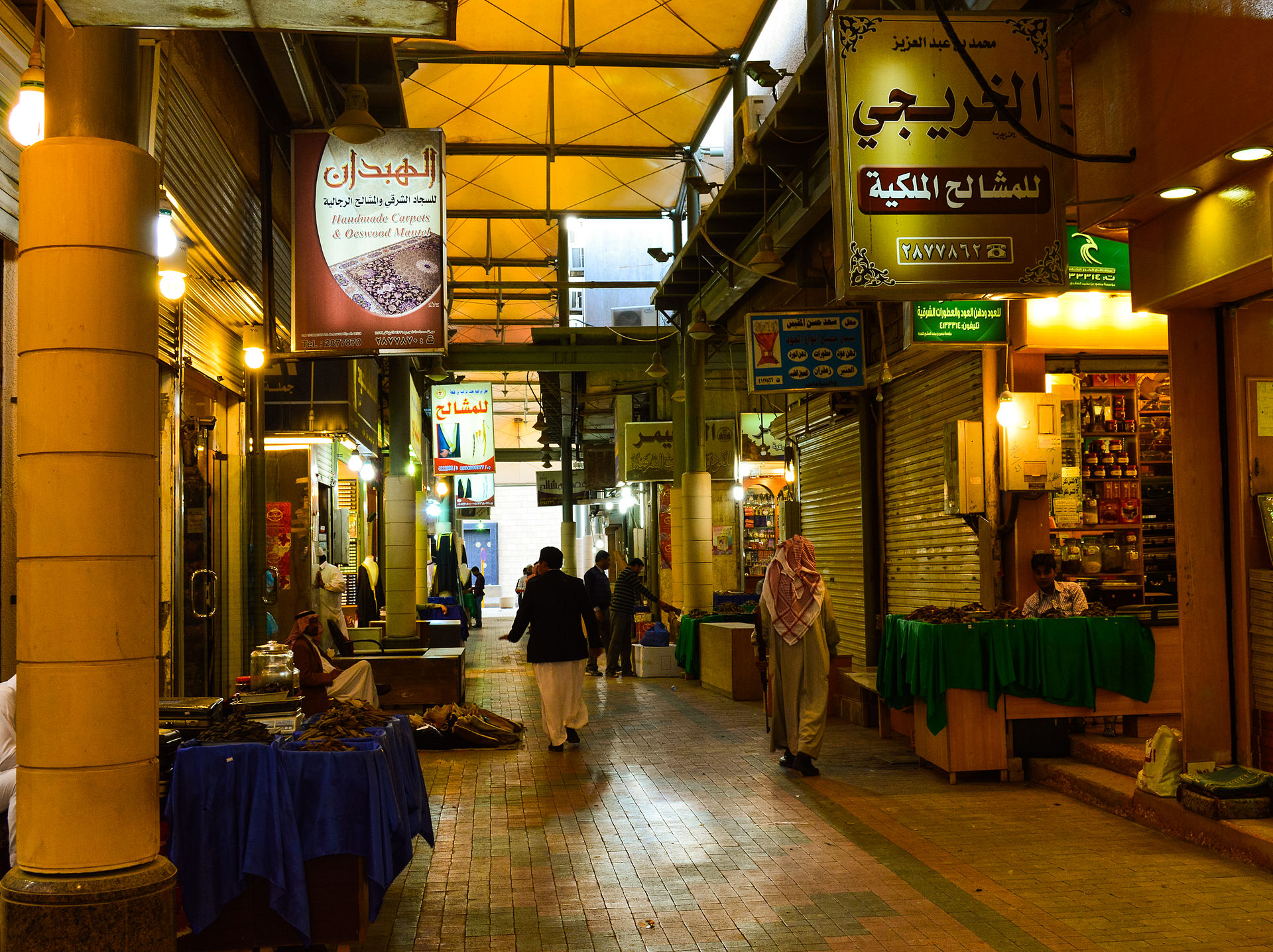
The capital is where old Saudi Arabia meets new. Visit the Diriyah UNESCO World Heritage Site (the birthplace of the Saudi state), explore the National Museum, wander the Souq Al Zal antique market, and experience the futuristic Boulevard Riyadh City entertainment district. Riyadh Season (October–March) packs the city with concerts, sporting events, and cultural festivals.
Jeddah
Saudi Arabia’s most cosmopolitan city hugs the Red Sea coast. The Al-Balad historic district (a UNESCO site) features Ottoman-era coral-stone houses with carved wooden balconies. The Jeddah Corniche stretches for 30 km along the waterfront. And the Saudi Arabian Grand Prix races through the Jeddah Corniche Circuit each year.
AlUla
Often compared to Petra in Jordan, AlUla is Saudi Arabia’s archaeological crown jewel. Hegra (Madain Saleh), the Kingdom’s first UNESCO World Heritage Site, features more than 100 monumental Nabataean tombs carved into sandstone cliffs. Elephant Rock and the Dadan archaeological site are equally stunning.
The Red Sea Coast
For Americans used to Caribbean or Hawaiian diving, the Saudi Red Sea is a revelation — pristine reefs, dramatic walls, and far fewer crowds. The NEOM and Amaala resort developments along the northwest coast are opening in phases.
The Empty Quarter (Rub’ al Khali)
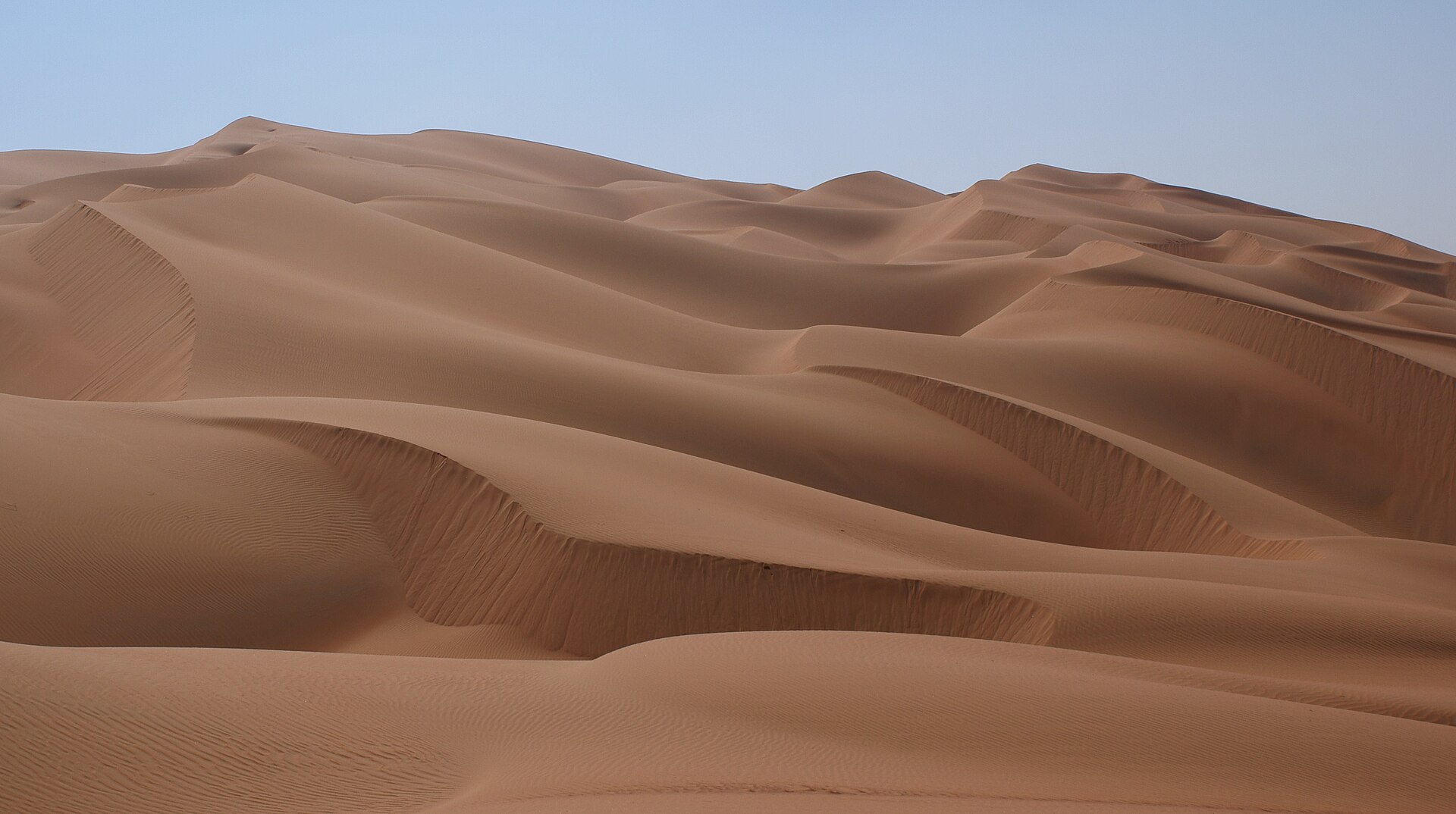
The world’s largest contiguous sand desert. Guided overnight camping trips depart from Riyadh and the Eastern Province. Expect towering dunes, absolute silence, and some of the clearest night skies on Earth.
Ramadan and Religious Holidays
If your trip coincides with Ramadan (dates shift annually — check the Islamic calendar), be aware that:
Travelling during Ramadan can be a unique cultural experience if you plan for it. Avoid it if you want maximum convenience and normal operating hours.
Health and Travel Insurance
The Saudi e-visa includes basic medical insurance, but it covers only emergency care. Americans should strongly consider purchasing comprehensive travel insurance that includes:
Saudi hospitals — particularly in Riyadh, Jeddah, and the Eastern Province — are modern and well-equipped. English is widely spoken in medical settings. However, private hospitals require upfront payment before treatment, so insurance or a high credit card limit is essential.
Useful Arabic Phrases
English is widely spoken in hotels, malls, and tourist areas, but a few Arabic words go a long way in earning local respect. Our essential Arabic phrases guide covers the basics. Here are five to start with:
| English | Arabic | Pronunciation |
|---|---|---|
| Hello / Peace be upon you | السلام عليكم | As-salaam alaykum |
| Thank you | شكراً | Shukran |
| Yes / No | نعم / لا | Na’am / La |
| How much? | بكم؟ | Bi-kam? |
| Where is…? | وين…؟ | Wayn…? |