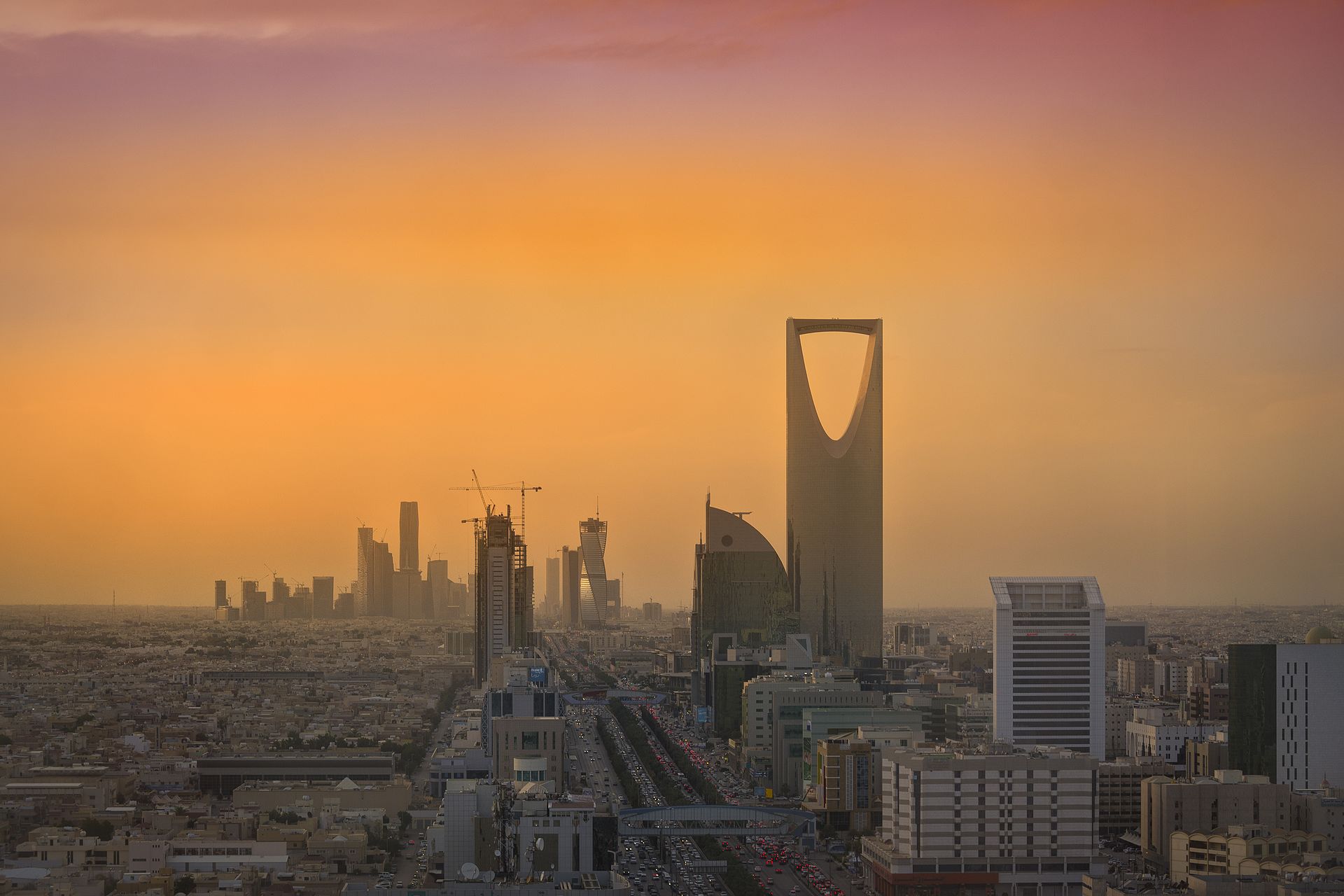

Saudi Arabia has a reputation as an expensive destination, but that reputation is outdated. Since the Kingdom opened to tourism in 2019, a growing network of hostels, a brand-new metro system in Riyadh, and some of the cheapest street food in the Middle East have made it entirely possible to travel Saudi Arabia on a genuine budget. This guide — part of our complete Saudi Arabia travel guide — breaks down exactly how to explore the Kingdom for under $50 (SAR 185) a day, covering accommodation, food, transport, attractions and the budget-friendly habits that make the difference between a $50 day and a $150 one.
Whether you are backpacking through AlUla’s sandstone canyons or spending a long weekend in Riyadh, the strategies here will stretch your riyals further than you thought possible. And the best part: budget travel in Saudi Arabia does not mean roughing it. Free museums, subsidised public transport and generous local hospitality mean a cheap trip here can feel surprisingly comfortable.
Best Time to Visit: October to March (cooler weather, lower summer prices June–August)
Getting There: Budget airlines flynas and flyadeal connect Riyadh and Jeddah to regional hubs from ~$100 one-way
Visa Required: Yes — tourist e-visa (SAR 480 / ~$128 including insurance)
Budget: $35–50 per day (hostel dorm, street food, public transport)
Must-See: National Museum (free), Jeddah Al-Balad (free), Riyadh Metro (SAR 4)
Avoid: Visiting during Hajj season when accommodation prices triple across the western region
What Does $50 a Day Actually Get You?
Before diving into specifics, here is a realistic daily budget breakdown for a backpacker or budget traveller in Saudi Arabia in 2026. All prices are in Saudi Riyals (SAR), with the exchange rate at approximately SAR 3.75 to $1 USD.
| Category | Budget Option | Daily Cost (SAR) | Daily Cost (USD) |
|---|---|---|---|
| Accommodation | Hostel dorm bed | 50–110 | $13–29 |
| Breakfast | Foul and tamees from a bakery | 5–10 | $1.30–2.70 |
| Lunch | Shawarma or local cafeteria plate | 10–20 | $2.70–5.30 |
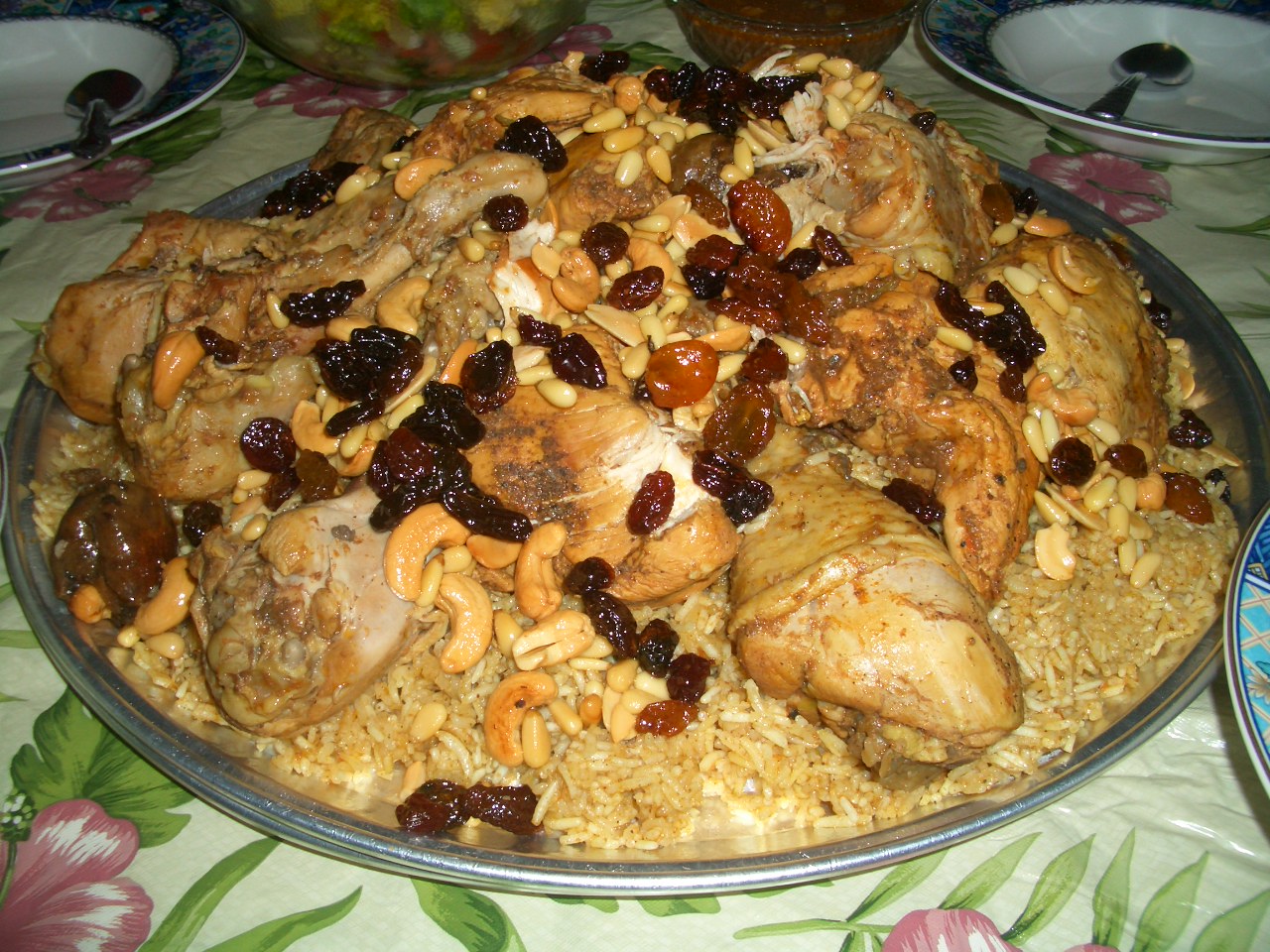
| Dinner | Mandi or kabsa at a local restaurant | 20–35 | $5.30–9.30 |
| Transport | Metro / bus / shared rides | 10–25 | $2.70–6.70 |
| Activities | Free museums, walking, parks | 0–20 | $0–5.30 |
| Total | 95–220 | $25–59 |
The sweet spot for most budget travellers lands around SAR 150–185 ($40–50) per day. You can go lower — particularly if you cook some meals, use Couchsurfing, or travel during summer — but $50 allows genuine comfort without constant penny-counting.
Budget Accommodation: Where to Sleep Cheap
Accommodation is your biggest variable cost. Saudi Arabia’s hostel scene has grown rapidly since 2019, though it remains smaller than Southeast Asia or Europe. Knowing your options — and when to use each one — is key to staying under budget.
Hostels
Hostel dorm beds in Riyadh start from around SAR 50 ($13) per night, with the average closer to SAR 75–110 ($20–29). Jeddah, AlUla and Abha all have hostels now, though selection is more limited. Most Saudi hostels include free Wi-Fi, air conditioning, and some offer free breakfast — which effectively removes one meal from your daily budget.
Book through Hostelworld or Booking.com and look for properties with shared kitchens, which let you prepare your own meals. The best hostel value is in Riyadh, where competition has pushed prices down.
Tip: During Riyadh Season (October–March), hostel prices can spike 30–50%. Book at least two weeks ahead for the best rates. Conversely, summer (June–August) sees the lowest prices, though you will be dealing with 45°C+ heat.
Budget Hotels and Furnished Apartments
Outside major cities, hostels are rare. Your best budget option becomes small hotels and furnished apartments, which start from SAR 100–150 ($27–40) per night. Hotel apartments are particularly good value for pairs or small groups, as you get a private room with a kitchenette for roughly the same price as two hostel dorm beds.
Search for “furnished apartments” (شقق مفروشة) on Booking.com or the local app Gathern. In cities like Tabuk, Abha and Dammam, a clean studio apartment runs SAR 120–180 per night. Check our Saudi Arabia hotels guide for detailed city-by-city recommendations.
Couchsurfing
Saudi Arabia has one of the most generous Couchsurfing communities in the Middle East. Hosts frequently go beyond providing a bed — expect invitations to family dinners, guided city tours, and desert camping trips. The culture of hospitality (known as diyafa) runs deep, and many Saudis are genuinely excited to host foreign visitors.
Couchsurfing works best in Riyadh, Jeddah and the Eastern Province. Send requests well in advance and write personalised messages — generic requests get ignored everywhere, but especially here.
Eating on a Budget: The $10-a-Day Food Plan
Food is where Saudi Arabia genuinely shines for budget travellers. The combination of subsidised staples, a migrant-worker economy that supports cheap eateries, and a street food culture centred on generous portions means you can eat extremely well for SAR 35–50 ($9–13) per day.
Breakfast: Foul, Tamees and Falafel (SAR 5–10)
Skip the hotel breakfast unless it is included free. Instead, find a local bakery or foul shop. Foul medames (slow-cooked fava beans) served with tamees bread costs SAR 5–8 and is the most filling breakfast in the Kingdom. Falafel wraps cost SAR 3–5. Most bakeries also sell samboosa (samosas) for SAR 1–2 each — grab a few for a mid-morning snack.
Lunch: Shawarma and Cafeterias (SAR 10–20)
Lunchtime is where you find the best value. Shawarma — chicken or lamb wrapped in flatbread with garlic sauce — costs SAR 5–8 for a standard wrap, or SAR 10–15 for a large plate with fries and salad. Cafeteria-style restaurants (look for the Arabic word كافتيريا or simply “cafeteria” on signs) serve enormous plates of rice with grilled chicken, machboos or kabsa for SAR 15–25.
These cafeterias are where construction workers, taxi drivers and locals eat. The food is fresh, portions are huge, and you will often struggle to finish. They are also the best places to get a genuine taste of everyday Saudi life.
Dinner: Mandi, Kabsa and Local Restaurants (SAR 15–35)
For dinner, seek out mandi and kabsa restaurants. A half-chicken mandi with rice costs SAR 20–30. Mutabbaq — a stuffed savoury pancake filled with minced meat, egg and onion — costs SAR 8–15 and makes a perfect light dinner. In Jeddah, the Al-Balad historic district has some of the best-value traditional restaurants in the country.
Budget hack: Many restaurants in Saudi Arabia serve huge “family size” portions designed for sharing. Travelling with a companion? Order one large kabsa platter (SAR 40–60) and split it — you will both leave stuffed for SAR 20–30 each.
Groceries and Self-Catering
If your accommodation has a kitchen, supermarkets like Tamimi, Panda and Danube offer excellent value. A litre of milk costs about SAR 5, a loaf of bread SAR 3–5, a kilo of chicken SAR 15–20, and a kilo of rice SAR 6–8. You can assemble a full day of meals from a supermarket for SAR 25–35 ($7–9).
Water is cheap — a 1.5-litre bottle costs SAR 1–2 at any convenience store. Buy in bulk packs of six from supermarkets for even less. Never buy water at tourist-facing cafés, where the same bottle can cost SAR 5–10.
What to Drink
Saudi Arabia does not sell alcohol (see our honest guide to alcohol in Saudi Arabia for the full picture). This is actually a budget advantage — no bar tabs. Fresh juice shops are everywhere and cost SAR 5–10 for a large cup. Arabic coffee (qahwa) is often offered free in traditional settings. Café cappuccinos run SAR 12–18, so if you need a caffeine fix, the local qahwa or instant coffee from a supermarket (SAR 15 per jar) is the budget-conscious choice.
Getting Around on the Cheap
Transport can either break your budget or barely dent it, depending on your choices. Saudi Arabia is a vast country — Riyadh to Jeddah is 950 km — so intercity travel requires planning. Within cities, the arrival of modern public transport has been a game-changer for budget travellers.
Riyadh Metro (SAR 4 per Trip)
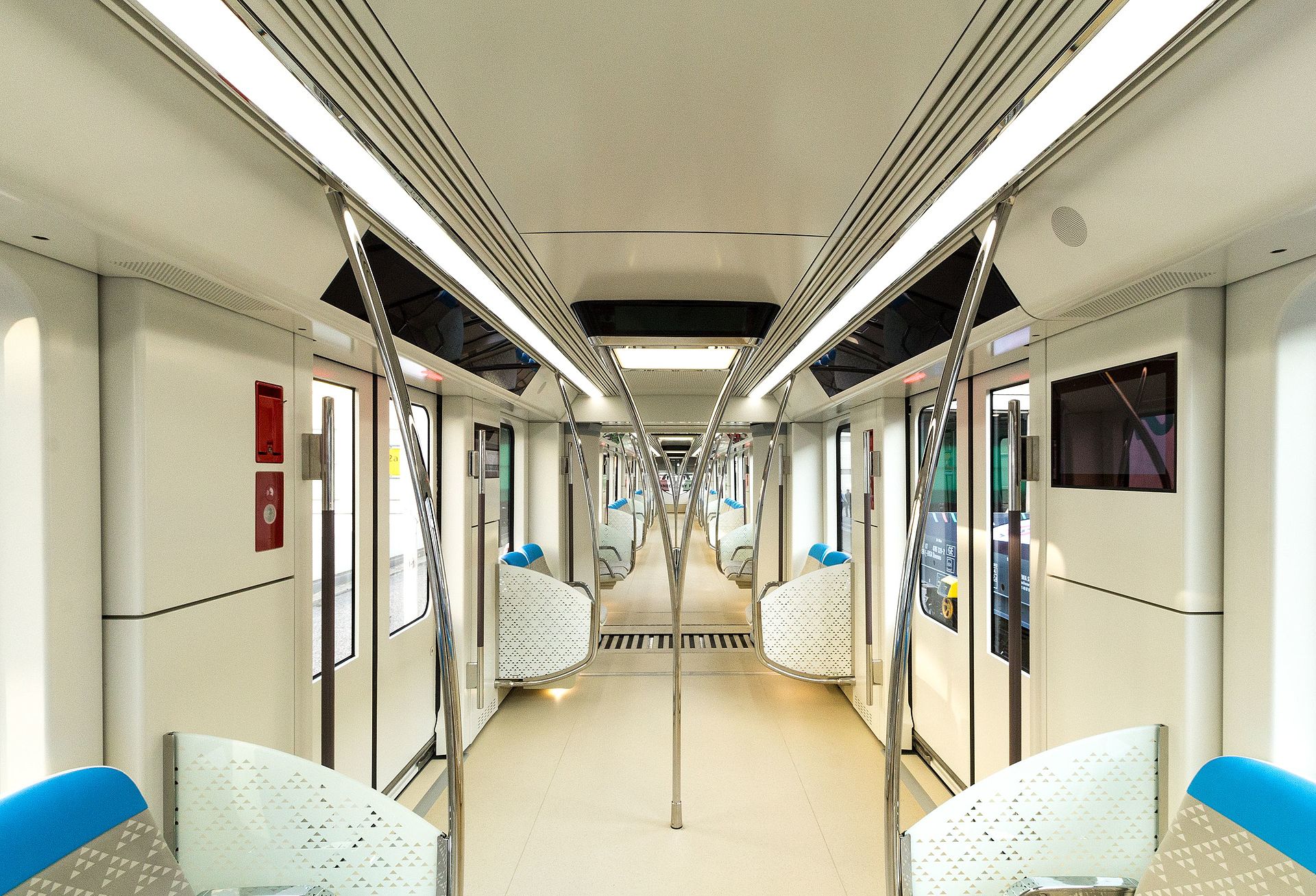
The Riyadh Metro, which opened in late 2024, is the single best budget transport option in Saudi Arabia. Six lines cover 176 stations across the capital, and a single 2-hour pass costs just SAR 4 ($1.07). You can transfer between lines freely within that window. A 3-day pass costs SAR 20, a weekly pass SAR 40, and a monthly pass SAR 140. Students and over-60s get 50% off. Children under 6 ride free.
The metro card itself costs SAR 10 (one-time purchase, valid for five years) and is reloadable at any station. For a budget traveller spending three to four days in Riyadh, the 3-day pass at SAR 20 ($5.30) is unbeatable value.
SAPTCO Intercity Buses
SAPTCO (now branded as SAT) operates intercity buses connecting all major Saudi cities. A one-way economy ticket from Riyadh to Jeddah costs approximately SAR 207 ($55), which is significantly cheaper than flying (typically SAR 300–600). Other sample fares:
- Riyadh to Dammam: ~SAR 80–100 ($21–27)
- Jeddah to Medina: ~SAR 90–120 ($24–32)
- Riyadh to Abha: ~SAR 180–220 ($48–59)
- National Museum of Saudi Arabia (Riyadh) — Eight galleries spanning prehistory to the modern Kingdom. Completely free. Book a timed ticket online. Open Monday to Saturday 9 am–7 pm, Thursday until 10 pm, Friday 2–10 pm.
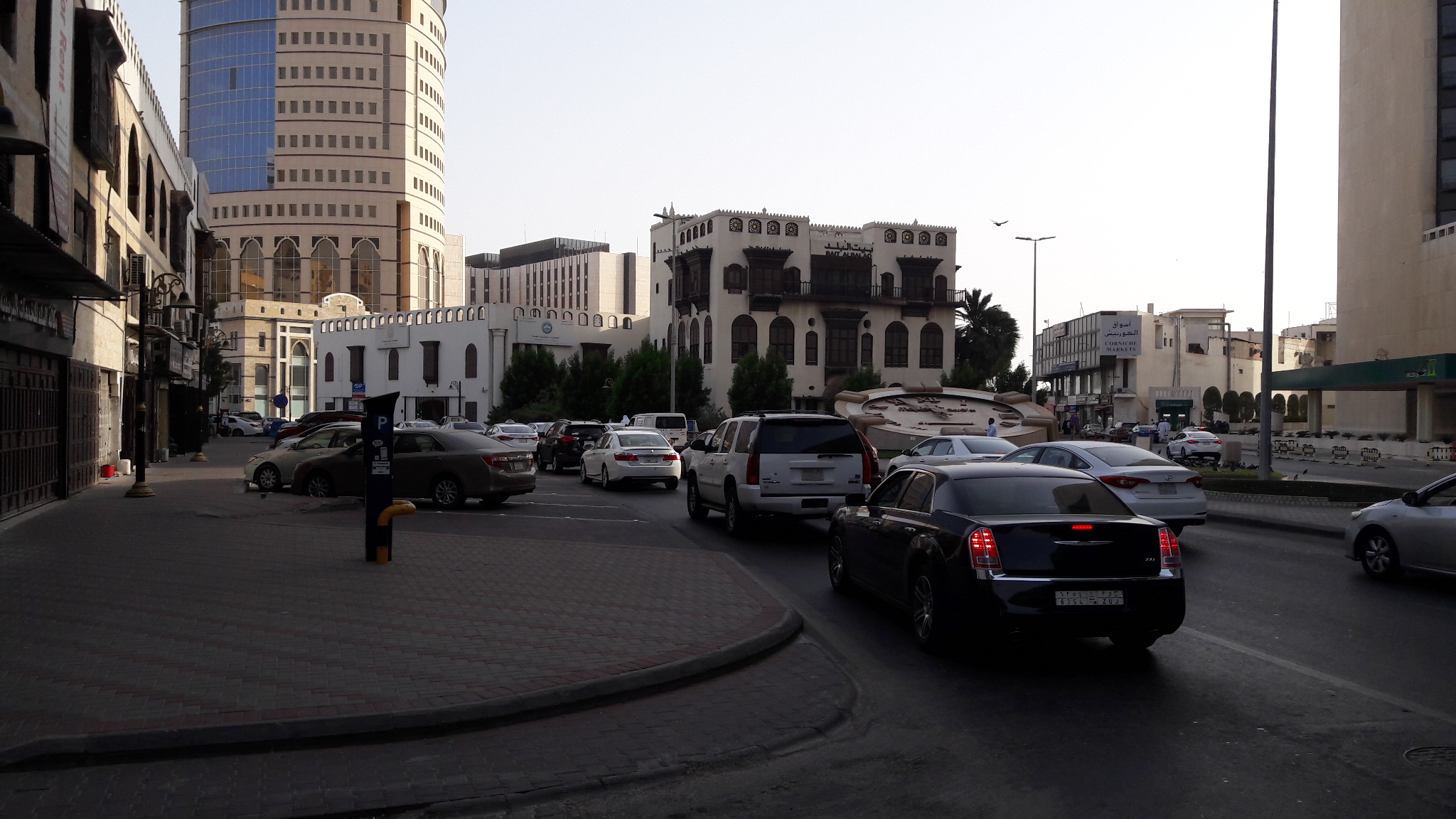
- Al-Balad Historic District (Jeddah) — The UNESCO World Heritage old town with coral-stone tower houses, traditional souks and street art. Free to walk around, and the best time is after sunset when the temperature drops and the cafés open.
- King Fahd Fountain (Jeddah) — The world’s tallest water fountain, shooting 312 metres into the air. Free to view from the Corniche.
- Jeddah Corniche — A 30 km waterfront promenade with public art, playgrounds and views of the Red Sea. Free.
- Diriyah (Riyadh) — The UNESCO-listed birthplace of the Saudi state. The At-Turaif district exterior and Bujairi Terrace area are free to walk, though some interior museum sections have entry fees.
- Edge of the World (Riyadh) — A dramatic cliff face overlooking an ancient seabed, about 90 minutes from Riyadh. Free to visit, though you need a 4WD or a tour to reach it. See our day trips from Riyadh guide.
- Ithra / King Abdulaziz Center for World Culture (Dhahran) — Often has free exhibitions and events. Check their schedule online.
- Hegra (AlUla) — Saudi Arabia’s first UNESCO World Heritage Site. The standard tour starts from SAR 95 ($25). Expensive by budget standards, but worth it — this is Saudi Arabia’s Petra. See our AlUla travel guide for the full breakdown.
- Riyadh Zoo — SAR 10 ($2.70) entry. A surprisingly decent zoo that is great value for families.
- Al Shallal Theme Park (Jeddah) — Rides from SAR 15–30.
- Boulevard Riyadh — Free entry during off-peak periods, paid during Riyadh Season events. Check the Riyadh Season calendar for specific pricing.
- SAT (SAPTCO) — Intercity bus booking
- Riyadh Bus / Riyadh Metro — City transport planning
- Jeeny — Often the cheapest ride-hailing option
- Careem — Ride-hailing with a “Go” budget option
- HungerStation / Jahez — Food delivery apps with daily discount codes (useful if you want a restaurant meal delivered to your hostel cheaper than eating in)
- Gathern — Saudi equivalent of Airbnb, often cheaper for apartments
- Booking hotels near the Haram during Hajj season: Prices in Mecca and Medina — and even Jeddah — surge 200–400% during Hajj. Unless you are performing the pilgrimage, avoid the entire western region during peak Hajj weeks.
- Using taxis instead of the metro in Riyadh: A taxi from the airport to the city centre costs SAR 80–120. The metro costs SAR 4. The maths is simple.
- Eating at mall food courts: Mall restaurants charge SAR 35–60 for the same meal that costs SAR 15–25 at a street-level cafeteria. Malls are for air conditioning, not for eating.
- Buying water at tourist sites: Stock up at convenience stores before you go.
- Not downloading offline maps: Data coverage can be patchy outside cities. Download Google Maps offline for the regions you are visiting — it is free and prevents expensive wrong turns when driving.
- Skipping the e-visa application: Visa on arrival works, but the queue at immigration can be long. Apply online before departure to save time, not money — the fee is the same either way.
- Saudi Arabia Travel Guide 2026 — The complete guide to visiting the Kingdom
- Saudi Arabia Visa Guide — Every visa type explained
- First Time in Saudi Arabia — Everything you need to know before your first visit
- Public Transport in Saudi Arabia — Buses, metro and trains explained
- Uber and Careem in Saudi Arabia — App taxis and ride-hailing guide
- Saudi Riyal Currency Guide — Exchange rates and getting the best deal
- Saudi Arabia Packing List — What to bring and what to leave home
- Is Saudi Arabia Safe? — Honest security guide for tourists
Book through the SAT app or website (satrans.com.sa) at least 2–3 days ahead for popular routes. Buses are air-conditioned and comfortable, with VIP and business options available at higher prices.
Budget Airlines
For longer distances, Saudi budget carriers flynas and flyadeal frequently offer one-way fares between SAR 99–199 ($26–53) if booked 2–4 weeks in advance. The key is flexibility — mid-week flights (Tuesday, Wednesday) are cheapest, and travelling with hand luggage only avoids checked bag fees (SAR 60–100 extra). Compare prices on Wego or Skyscanner with Saudi Arabia as the departure country for the best local deals.
Tip: flynas regularly runs flash sales with domestic one-way fares from SAR 99. Follow their social media accounts and set up fare alerts. A Riyadh–AlUla flight at SAR 99 versus an SAR 207 bus fare makes flying the budget option for that particular route.
Ride-Hailing Apps
Uber and Careem operate throughout Saudi Arabia and are generally cheaper than traditional taxis. For budget travellers, they are most useful for airport transfers or reaching places not served by public transport. A typical 10 km ride in Riyadh or Jeddah costs SAR 15–25 ($4–7). The local app Jeeny often undercuts both on price.
To save further, use the “share” or “pool” option when available. And always compare ride-hailing with bus options — a 30 km Uber ride might cost SAR 40, while the same journey on a city bus costs SAR 4.
Car Rental: When It Makes Sense
Car rental is not typically budget-friendly for solo travellers, but for groups of 2–4 sharing costs, it can be the cheapest way to explore remote areas like AlUla, the Asir highlands or the Tabuk region. Economy cars start from SAR 80–120 ($21–32) per day. Fuel is extremely cheap at approximately SAR 2.33 per litre ($0.62) for 91-octane — filling a small car’s tank costs about SAR 100. For more on driving rules, see our driving in Saudi Arabia guide.
Free and Cheap Things to Do
Saudi Arabia has a surprising number of free and low-cost attractions. Many of the Kingdom’s best experiences — desert landscapes, historic districts, public parks, mosque architecture — cost nothing at all.
Free Attractions
Affordable Paid Attractions
City-by-City Budget Guide
Riyadh on a Budget
Riyadh is the easiest Saudi city to do cheaply, thanks to the metro. Base yourself at a hostel near a metro station in the city centre (Olaya or Al Bathaa districts). Use the metro to reach the National Museum, Diriyah, and major malls. Street food options are densest around Al Bathaa, where the South Asian and Filipino worker communities have created blocks of ultra-cheap eateries — think SAR 8–12 for a heaping plate of biryani.
A comfortable three-day Riyadh budget: SAR 450–550 ($120–147). See the full Riyadh travel guide for neighbourhood details.
Jeddah on a Budget
Jeddah’s main draws — the Corniche, Al-Balad, King Fahd Fountain — are all free. Budget accommodation clusters around Al-Balad and the south Corniche area. Public buses operate on some routes, but you will likely need occasional Uber rides. Food is exceptionally cheap in the old city, where foul and mutabbaq shops have been feeding pilgrims and merchants for centuries.
A three-day Jeddah budget: SAR 400–500 ($107–133). See the Jeddah travel guide for full details.
AlUla on a Budget
AlUla is the trickiest destination for budget travellers. There are limited hostels, and the main attractions (Hegra, Dadan) charge entry fees. However, the AlUla Old Town, Elephant Rock viewing area, and the surrounding landscape are free. If you are travelling in a group, renting a car and a budget apartment can bring costs down significantly. AlUla also has camping options during winter season.
A two-day AlUla budget: SAR 400–600 ($107–160), including one paid heritage tour.
Dammam and Al Khobar on a Budget
The Eastern Province offers some of the cheapest accommodation in the country. The Corniche in both Dammam and Al Khobar is free and lively in the evenings. Half Moon Beach is free to access. Ithra museum often has free exhibitions. Budget food options are plentiful in the Al Khobar souk area.
Abha and the Asir Highlands on a Budget
The Asir region is underrated for budget travellers. Accommodation is cheaper than Riyadh or Jeddah, the mountain scenery is free, and the cooler climate means you can hike and explore without wilting. Habala Village (cable car SAR 25) and the Asir National Park are highlights. Local restaurants serve traditional aseeda and masoob at very low prices.
Money-Saving Strategies That Actually Work
1. Travel in Summer for Rock-Bottom Prices
June through August is Saudi Arabia’s deep off-season. Temperatures in Riyadh hit 45–50°C, and tourist numbers plummet. Hotel and hostel prices drop 30–50%, flights are at their cheapest, and attractions are deserted. If you can handle the heat — sticking to air-conditioned spaces during midday and exploring mornings and evenings — summer delivers the cheapest possible trip. The Asir highlands and Abha stay relatively cool (25–30°C) even in summer.
2. Eat Where the Workers Eat
Follow the construction workers and taxi drivers. The cheapest, most filling meals in Saudi Arabia are found at the cafeterias and hole-in-the-wall restaurants near labour camps and industrial areas in every city. These places serve massive portions of rice and grilled meat for SAR 12–20. They are clean, fast, and the food is honest. Do not be put off by basic décor — the meal quality is often excellent.
3. Use Friday as Your Free Day
Friday is the Islamic holy day and many businesses close or operate reduced hours. But it is also when many paid attractions offer free or reduced entry, and when Saudi families head to public parks and beaches — making it the best day to experience local culture for free. Plan your paid activities for weekdays and keep Friday for free exploration.
4. Download These Apps
5. Avoid the Tourist Tax on Water and Coffee
A bottle of water at a tourist site or hotel minibar costs SAR 5–10. The same bottle at a corner shop costs SAR 1. Buy a reusable bottle and refill from large 5-litre jugs (SAR 3–4 at any supermarket). For coffee, a café cappuccino runs SAR 15–18 ($4–5) — five of those per day adds SAR 75 to your budget. Switch to local qahwa (often free when visiting shops or offered by locals) and save.
6. Negotiate at Souks, Not at Shops
Fixed-price shops and malls do not negotiate. But at traditional souks — the ones in Jeddah’s Al-Balad, Riyadh’s Dira Souk, or Abha’s Tuesday Market — friendly haggling is expected. Start at 40–50% of the asking price and work toward 60–70%. Buying multiple items from the same vendor gives you more leverage.
Connectivity on a Budget
A local SIM card is essential for maps, ride-hailing and booking. The three main operators — STC, Mobily and Zain — all offer tourist SIM packages. Zain’s tourist SIM provides 20 GB of data for 30 days at SAR 75 ($20), which is the best value. STC offers a similar package at SAR 86. Alternatively, an eSIM lets you activate before arrival — useful if your phone supports it.
Free Wi-Fi is available in most malls, many cafés, and all hostels. The Riyadh Metro stations also offer free Wi-Fi.
Visa Costs and How to Minimise Them
The Saudi tourist e-visa costs SAR 480 (~$128), which includes mandatory health insurance. This is a one-year multiple-entry visa allowing stays of up to 90 days per visit. There is no way to reduce this cost — it is a fixed government fee. However, citizens of GCC countries do not need a visa, and certain nationalities qualify for visa on arrival (same fee, paid at the airport).
The visa cost is significant for budget travellers, but spread it over a longer trip and the per-day cost shrinks. A two-week trip puts the visa at $9/day; a month-long trip brings it down to $4/day.
Budget tip: The e-visa is valid for one year with multiple entries. If you are based in a nearby country or plan to return, one visa covers several trips — making that SAR 480 much better value.
Sample Budget Itineraries
7 Days for SAR 1,300 ($347)
| Day | Location | Highlights | Est. Cost (SAR) |
|---|---|---|---|
| 1–2 | Riyadh | National Museum (free), Diriyah, Dira Souk, metro exploration | 300 |
| 3 | Edge of the World | Day trip from Riyadh (shared transport/tour ~SAR 100) | 200 |
| 4 | Travel to Jeddah | SAPTCO bus (SAR 207) or budget flight (~SAR 150) | 200 |
| 5–6 | Jeddah | Al-Balad (free), Corniche (free), snorkelling day trip | 300 |
| 7 | Jeddah | Floating Mosque, souk shopping, departure | 150 |
14 Days for SAR 2,800 ($747)
Add AlUla (3 days — bus from Medina or budget flight from Riyadh), Abha (2 days — bus from Jeddah), and the Eastern Province (2 days — bus from Riyadh). The extra days allow slower travel, more self-catering, and better deals on weekly hostel rates.
Common Budget Mistakes to Avoid
Is Saudi Arabia Safe for Budget Travellers?
Yes. Saudi Arabia has one of the lowest crime rates in the world, and budget travellers — including solo women — report feeling very safe. Petty theft is rare, violent crime targeting tourists is virtually unheard of, and the local population is overwhelmingly welcoming to visitors. Read our full safety guide for detailed advice. For first-time visitors, the Kingdom’s combination of low crime and high hospitality often comes as a pleasant surprise.
What to Wear on a Budget
You do not need to buy expensive modest clothing. Loose-fitting long trousers and a long-sleeved shirt or blouse meet the dress code everywhere outside of beach areas. For women, a headscarf is not legally required (except in mosques) but packing a lightweight scarf is wise for mosque visits and conservative areas. See our guides on women’s dress code and men’s dress code for specifics.