
Saudi Arabia’s coastline stretches more than 2,600 kilometres along two of the world’s richest bodies of water — the Red Sea to the west and the Arabian Gulf to the east. For travellers exploring the Kingdom as part of a wider Saudi Arabia travel itinerary, the seafood alone is reason enough to build coastal stops into any trip. From the chaotic, salt-sprayed stalls of Jeddah’s Central Fish Market to refined waterfront restaurants in Al Khobar, Saudi seafood culture is rooted in centuries of fishing tradition and shaped by the spice routes that passed through the Hejaz and the Eastern Province. This guide covers the essential dishes you need to try, the best coastal restaurants to seek out, and practical tips for eating your way along the Saudi shoreline.
Best Time to Visit: October to April (cooler weather, peak fishing season)
Getting There: Jeddah (Red Sea coast) and Dammam/Al Khobar (Arabian Gulf) are the main coastal gateways, with direct international flights
Visa Required: Yes — tourist e-visa
Budget: SAR 50–150 ($13–$40) per person for a full seafood meal; fine dining SAR 200–400+ ($53–$107+)
Must-Try: Sayadiyah, grilled hamour, shrimp kabsa
Avoid: Skipping the fish markets — buying fresh and having it cooked on-site is the most authentic (and affordable) seafood experience in Saudi Arabia
The Signature Seafood Dishes of Saudi Arabia
Saudi cuisine is often associated with lamb and rice dishes like kabsa, but the Kingdom’s coastal communities have maintained distinct seafood traditions for centuries. The Red Sea coast — running from the Jordanian border down through Tabuk, Yanbu, Jeddah, and the Farasan Islands — yields brightly coloured reef fish, while the warmer, shallower Arabian Gulf produces prized species like zubaidi (silver pomfret) and hamour (grouper). Here are the dishes every visitor should know.
Sayadiyah — The Fisherman’s Dish
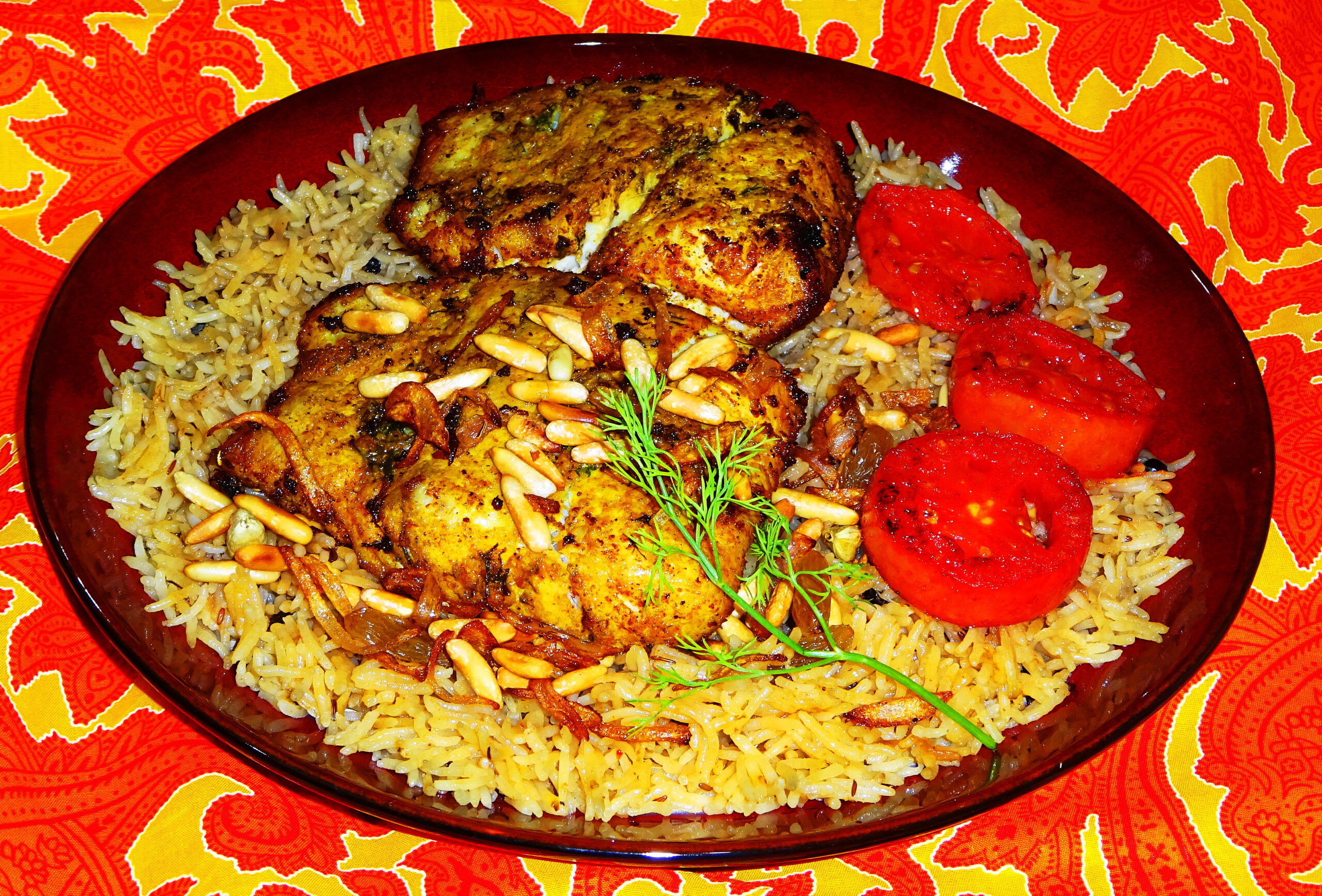
Sayadiyah is arguably Saudi Arabia’s most important seafood dish and its name translates literally as “the fisherman’s catch.” Originating from the western Red Sea coast, particularly around Jeddah and the Hejaz region, sayadiyah features a whole fish — typically najel (red snapper), hamour (grouper), or sometimes haddock — served over deeply golden rice. The rice gets its colour and flavour from fish stock and heavily caramelised onions, cooked down until almost black before being deglazed. The spice profile centres on baharat (a warming blend of cinnamon, cumin, coriander, and black pepper) with turmeric adding the final amber tone. The dish is garnished with toasted pine nuts and fried onion rings.
Tip: In traditional restaurants, sayadiyah is served communally on a large platter. The fish sits atop the rice, and diners eat with their right hand from the shared dish. If you’re not accustomed to this, simply ask for a plate — no one will mind.
Samak Mashwi — Charcoal-Grilled Fish
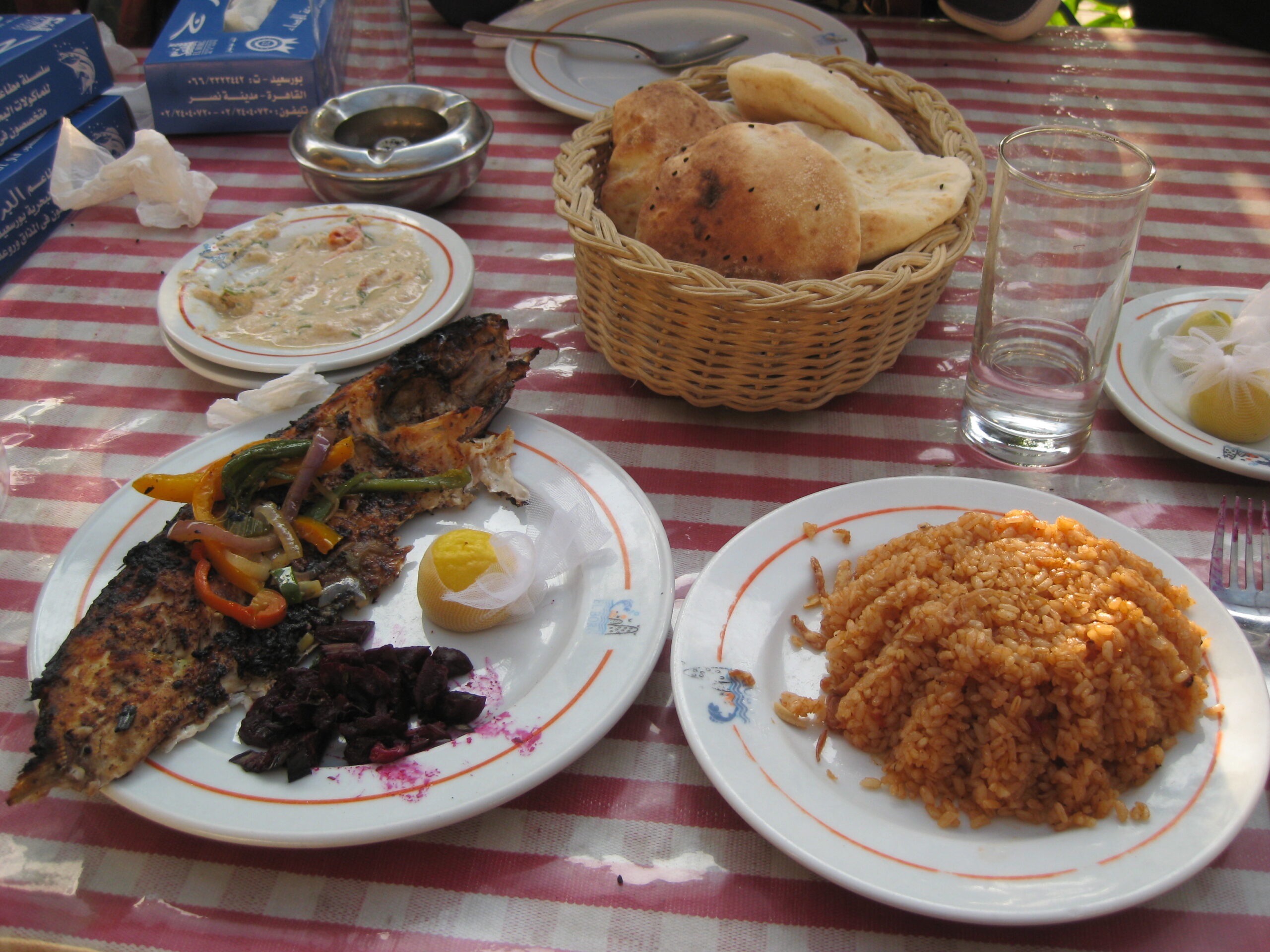
Samak mashwi (grilled fish) is found everywhere along Saudi Arabia’s coasts. The preparation is simple but effective: a whole fish — usually hamour, najel, or shaour (emperor fish) — is scored, rubbed with a paste of garlic, cumin, coriander, turmeric, and lemon, then grilled over charcoal. It arrives at the table with its skin blistered and crisp, the flesh inside moist and fragrant. Accompaniments vary by region but typically include tahini sauce, fresh flatbread, pickled vegetables, and a tomato-onion salad.
Kabsa with Seafood
Kabsa is Saudi Arabia’s national dish, and while it is most commonly made with chicken or lamb, coastal versions substitute shrimp or fish. Shrimp kabsa is particularly popular in the Eastern Province around Dammam and Al Khobar, where the Arabian Gulf’s warm, shallow waters produce excellent prawns. The rice is cooked in a broth infused with loomi (dried lime), cardamom, cloves, and bay leaves, then topped with grilled or fried shrimp. In Jeddah, fish kabsa uses Red Sea catch and incorporates the slightly different Hejazi spice profile — heavier on cumin and black pepper, lighter on the cardamom.
Mutabbaq Samak — Stuffed Fish
Mutabbaq samak is a festive dish in which a large fish is stuffed with a spiced rice filling mixed with herbs, onions, and sometimes dried fruits before being baked in the oven. The word mutabbaq means “folded” or “enclosed,” and the dish is often reserved for celebrations and family gatherings. It is most common in the Hejaz and the southern coast around Jazan.
Samak Mifa — Southern Grilled Fish
Originating in the Jazan and Asir regions of southern Saudi Arabia, samak mifa involves grilling a whole fish over an open flame using a method rooted in Bedouin cooking traditions. The fish is sometimes wrapped in leaves before grilling, which imparts a subtle, smoky flavour. This style of preparation is less common in restaurants but can be found at traditional eateries in Jazan and along the coast near the Farasan Islands.
Makshoun Deerak — Spiced Mackerel
A speciality of the southern Red Sea coast, makshoun deerak features narrow-barred Spanish mackerel (known locally as deerak) stuffed with a rich mixture of parsley, coriander, onions, and Saudi baharat spices, then slow-cooked until the flesh falls apart. The dish reflects the Jazan region’s proximity to the spice routes that connected the Arabian Peninsula with East Africa and South Asia.
Musanqarah — Baked Fish Stew
Popular in the Tabuk region of northwestern Saudi Arabia, musanqarah is a hearty preparation where a whole grouper or white fish is baked or slow-cooked with onions, tomatoes, bell peppers, and sometimes potatoes, all seasoned with cumin, coriander, turmeric, and black pepper. The slow cooking allows the fish to absorb the vegetable and spice flavours, producing a dish somewhere between a baked fish and a stew.
Zubaidi Mashwi — Grilled Silver Pomfret
Zubaidi (silver pomfret) is the prized fish of the Arabian Gulf and a staple of Eastern Province dining. The fish has a delicate, sweet flavour and is typically prepared simply — marinated in local spices, then either grilled over charcoal or pan-fried until crispy. It is served with rice and a side of daqoos (a spiced tomato sauce). Finding good zubaidi is one of the best reasons to eat in Dammam or Al Khobar.
The Key Fish and Seafood Species
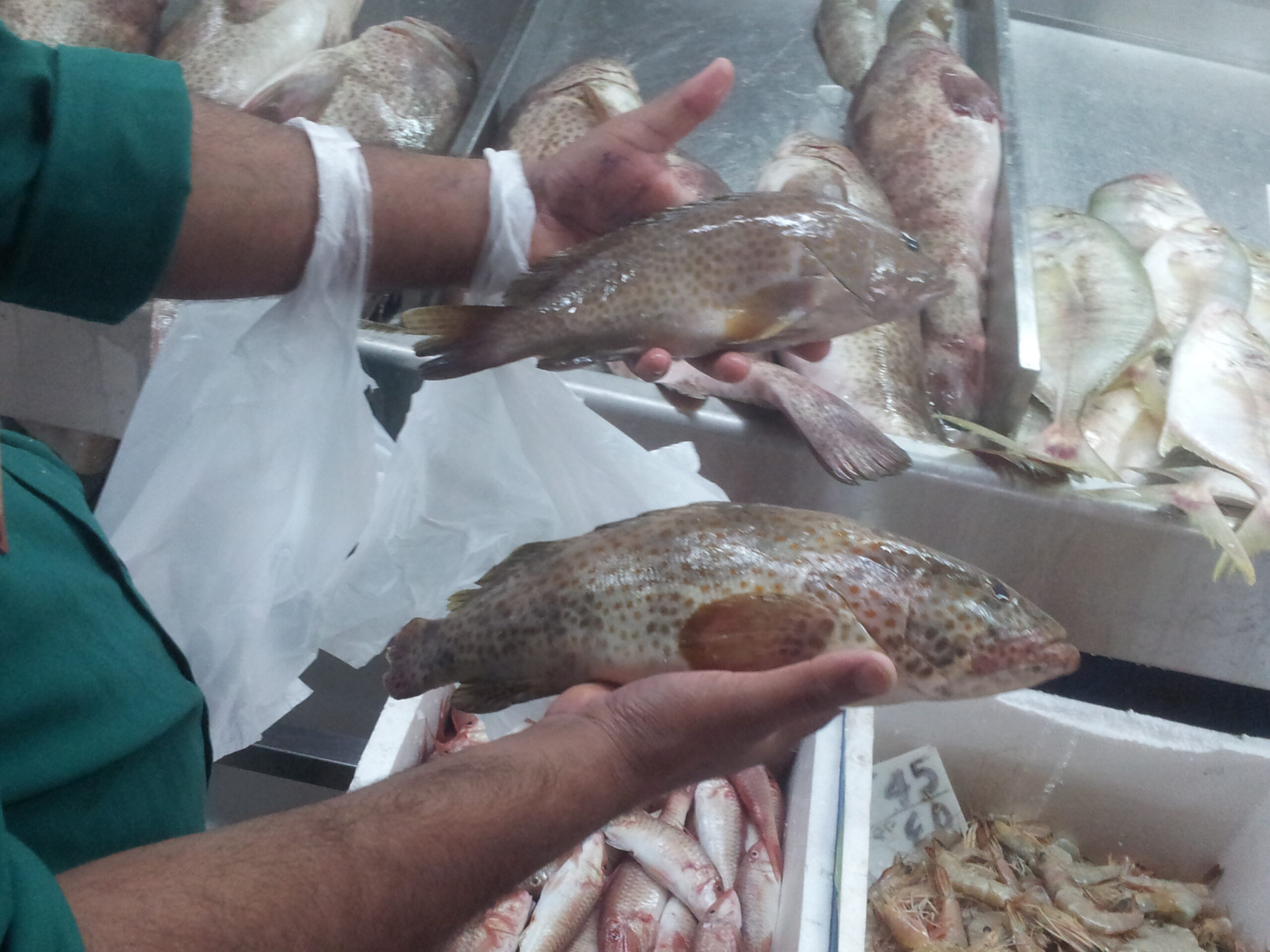
Knowing the local names of fish will help enormously when ordering at markets and restaurants. Here are the species you will encounter most often:
| Local Name | English Name | Coast | Best Preparation |
|---|---|---|---|
| Hamour | Orange-spotted grouper | Both | Grilled, sayadiyah, fried |
| Najel | Red snapper / coral trout | Red Sea | Grilled, sayadiyah |
| Zubaidi | Silver pomfret | Arabian Gulf | Grilled, pan-fried |
| Shaour | Emperor fish | Both | Grilled, baked |
| Deerak | Spanish mackerel | Red Sea (south) | Stuffed, grilled |
| Robyan | Shrimp / prawns | Both | Kabsa, grilled, fried |
| Kanaad | Kingfish | Both | Grilled, fried steaks |
| Safi | Rabbitfish | Arabian Gulf | Fried, grilled |
Ordering tip: At fish markets and market-style restaurants, fish is sold by weight. Point at the fish you want, have it weighed (prices are per kilogram), and specify how you want it cooked — mashwi (grilled), maqli (fried), or fil-furn (baked).
Where to Eat: Jeddah — The Red Sea Capital of Seafood
Jeddah is Saudi Arabia’s undisputed seafood capital. Sitting on the Red Sea coast, the city has been a port and fishing hub for centuries — long before it became the gateway to Mecca for Hajj pilgrims. The high salinity of the Red Sea produces brightly coloured, flavourful fish, and Jeddah’s proximity to coral reefs means the catch is exceptional. Whether you want a no-frills market meal or an upscale waterfront dinner, Jeddah delivers.
Jeddah Central Fish Market
The Central Fish Market, located near the historic Al Balad district, is the essential seafood experience in Saudi Arabia. Open daily from 6:00 AM to 10:00 PM, the market is a sprawling complex of sky-blue warehouse buildings where fishermen and vendors sell the morning’s catch directly to the public. You will find more than 50 species of fish and seafood laid out on ice — from hamour and najel to lobster, squid, and shrimp.
The market operates on a buy-clean-cook system: choose your fish at the wet stalls, take it to a cleaning station where workers will gut and fillet it for a few riyals, then carry it to one of the small restaurants inside the market complex where it will be grilled, fried, or baked to your specification. Fresh bread is available from a bakery on site. A full meal for two — including a kilo of grilled najel with rice and salads — can cost as little as SAR 80–120 ($21–$32).
Best time to visit: Friday mornings are the liveliest but also the most crowded. Arrive before 8:00 AM for the best selection. Weekday mornings are quieter and easier for first-time visitors. The fishermen are friendly and happy to pose for photographs.
Al Basali — Since 1949
Hidden in the lanes of Al Balad, Jeddah’s UNESCO-listed historic quarter, Al Basali has been serving seafood since 1949 — making it one of the oldest continuously operating restaurants in the city. The two-storey, no-frills dining room is always packed with families. The specialities are blistered fried najel and smoky sayadiyah rice, prepared using recipes passed down through three generations. Expect to spend SAR 60–100 per person.
Twina
Perched on Al Kurnaysh Road (the Corniche), Twina blends traditional Saudi seafood recipes with more refined coastal dining. Guests choose from a display of fresh fish, which is then cooked over open flames. The outdoor garden seating overlooks the Red Sea. This is where to go for a slightly more polished experience without losing the authenticity of the food.
Alaaly Seafood Restaurant
Located in the City Yard development, Alaaly offers a modern take on Saudi seafood with sharing platters of lobster, crab, and fresh Red Sea fish. The menu balances tradition and innovation — you will find classic sayadiyah alongside dishes with Asian and Mediterranean influences. Good for groups.
Asmak Tharaa
Founded in 2014 by a collective of fishing enthusiasts, Asmak Tharaa sources its catch directly from Jeddah’s coast. The open-counter format lets diners select exactly which shrimp, fish filet, or mixed platter they want. Spread across three floors, the restaurant caters to solo diners and large family groups alike. The shrimp is particularly good here.
Where to Eat: Dammam and Al Khobar — Arabian Gulf Seafood
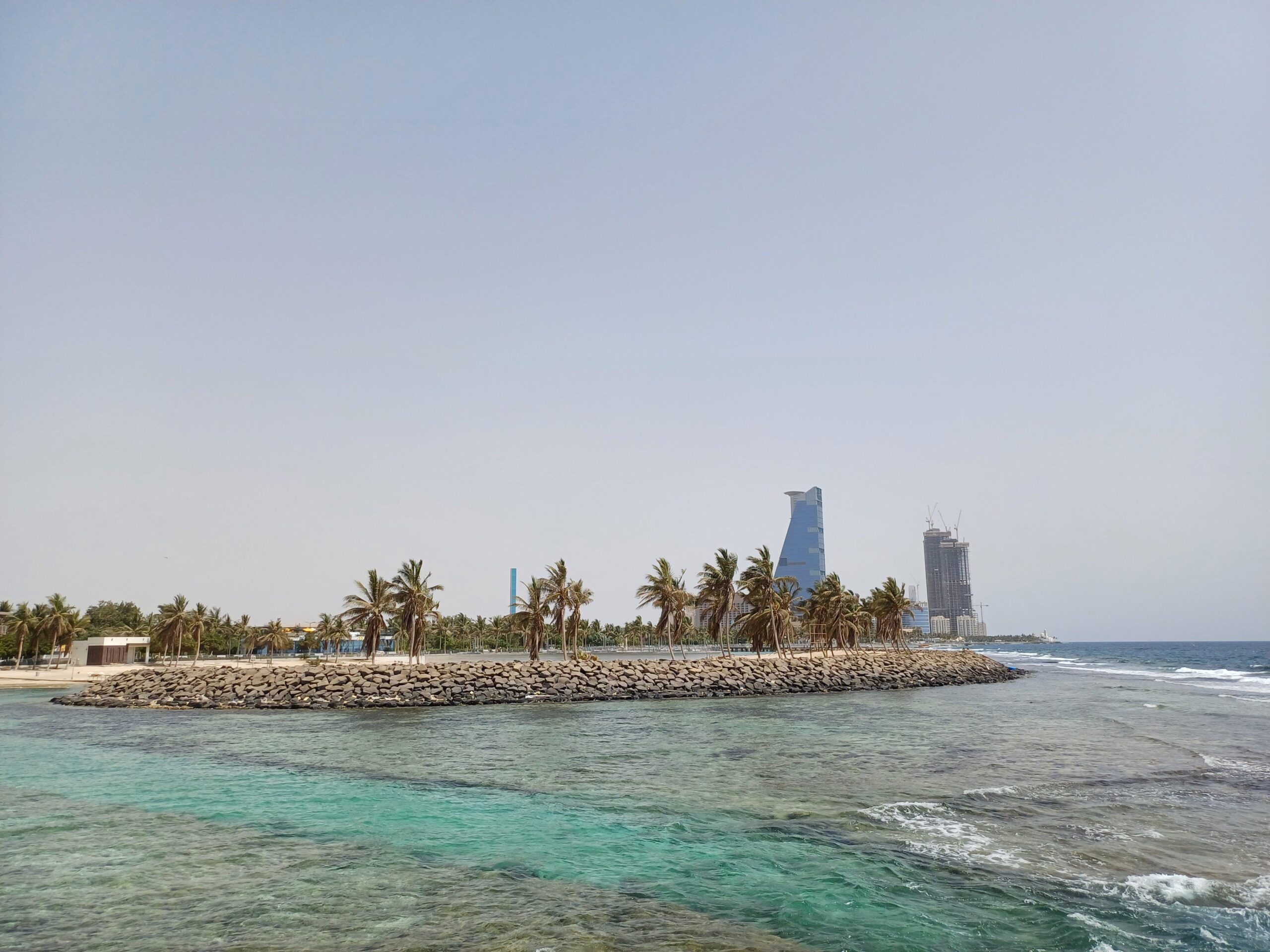
The Eastern Province coast along the Arabian Gulf offers a different seafood character from Jeddah. The Gulf’s warmer, shallower waters produce sweeter-fleshed fish — particularly zubaidi and safi — and the region’s proximity to Bahrain and Kuwait means the culinary influences are distinctly Khaleeji (Gulf Arab). If you are visiting the Dammam and Al Khobar area, seafood should be at the top of your dining list.
Al Sanbok Restaurant — Al Khobar
Nestled on Al Khobar’s Corniche Road, Al Sanbok is where the sea meets fine dining. The menu fuses local Gulf flavours with international technique — signature dishes include the Money Purse Johara, Gulf and Turf Grill, and a rich seafood paella. The waterfront setting, with views across the Gulf, makes it one of the most atmospheric places to eat seafood in the Eastern Province.
Al Banoosh Seafood Restaurant — Al Khobar
Al Banoosh has earned a loyal following for its handpicked fish and extensive seafood menu. The signature seafood chowder is a must-try — a rich, creamy bowl packed with Gulf prawns and fish. The restaurant has become a tradition for many Eastern Province families, and the quality of the raw ingredients is consistently excellent.
Shrimp Shack — Dammam
Shrimp Shack is Dammam’s top-rated seafood restaurant (4.7/5 on Google with nearly 5,000 reviews). The menu leans heavily on shrimp, but the garlic butter mussels and crispy calamari are equally strong. Founded in Riyadh in 2015, this proudly Saudi-owned chain has expanded to several cities and brings a modern, casual energy to traditional seafood dining.
Shrimp Nation — Dammam
Another strong option in Dammam for fresh, well-prepared Gulf seafood. Shrimp Nation focuses on quality ingredients and generous portions. The grilled shrimp platters and fried fish combos are reliable crowd-pleasers.
Where to Eat: Yanbu, Jazan, and the Southern Coast
Beyond Jeddah, the Red Sea coast stretches south through smaller port towns where the seafood is often fresher, cheaper, and more traditional than anything you will find in the big cities.
Yanbu
Yanbu is a port city north of Jeddah with a growing reputation as a diving and coastal tourism destination. The seafood scene reflects the city’s working-port character. Al Marsah Seafood Restaurant, located at the Yanbu Marina near the historic centre, lets diners choose their fish from a display, have it weighed for pricing, and then served grilled with bread, sauces, and rice. Yanbu Al-Balad Fish Restaurant in the old quarter serves traditional preparations in a setting that has not changed much in decades.
Jazan and the Farasan Islands
The Jazan region in Saudi Arabia’s far southwest, near the Yemeni border, is home to some of the Kingdom’s most distinctive seafood traditions. This is where you will find samak mifa (open-flame grilled fish) and makshoun deerak (stuffed mackerel). The nearby Farasan Islands — accessible by a free ferry from Jazan — offer pristine coral reefs and fish that is landed, cooked, and eaten within hours. Restaurants on the islands are simple, family-run affairs, but the freshness of the catch is unmatched anywhere in the Kingdom.
Seafood in Riyadh — Inland but Not Without Options
Saudi Arabia’s capital is 800 kilometres from the nearest coast, but Riyadh’s seafood restaurant scene has grown rapidly alongside the city’s broader dining boom. Daily air freight from Jeddah and Dammam means the fish is genuinely fresh, and the city now hosts outposts of established coastal brands alongside high-end international concepts.
Notable options include Feluka, which originated in Jeddah and serves raw marinated fish platters, fresh crab, and grilled octopus; Twina, another Jeddah transplant known for its fresh fish display and open-flame cooking; and Amo Hamza, a Saudi seafood chain with more than 30 years of experience and multiple Riyadh branches. For something different, The Boiling Crab offers Louisiana-style Cajun seafood boils.
If you are spending most of your time in Riyadh, you can absolutely eat excellent seafood — but the experience of choosing your own fish at a coastal market and having it cooked on the spot is something only the coast can offer.
How to Order Seafood in Saudi Arabia — A Practical Guide
Ordering seafood in Saudi Arabia can be different from what Western visitors expect. Here is how it typically works:
At Fish Markets and Market Restaurants
- Choose your fish: Walk along the stalls, point at what you want. Vendors will weigh it and quote a per-kilogram price.
- Cleaning: Take your fish to the cleaning area (usually adjacent). Workers will gut, scale, and fillet it for SAR 5–10.
- Cooking: Carry your cleaned fish to a market restaurant and tell them how you want it prepared — mashwi (grilled), maqli (fried), or fil-furn (baked). Cooking fees range from SAR 15–30 depending on the size and method.
- Sides: Rice, salad, bread, and tahini are usually included or cost a few riyals extra.
At Restaurants
- Many seafood restaurants display their catch on ice at the entrance. You can choose your fish, discuss the preparation with the waiter, and have it cooked to order.
- Prices in display-style restaurants are typically per kilogram — ask before ordering to avoid surprises.
- Family sections (qism al-a’ilat) are available in most traditional restaurants, with semi-private booths for families and mixed groups.
- Lunch (1:00–3:00 PM) is the main seafood meal. Many fish restaurants close between afternoon and evening prayers and reopen for dinner around 8:00 PM.
Useful Arabic Phrases for Ordering Seafood
| Arabic | Transliteration | Meaning |
|---|---|---|
| سمك مشوي | samak mashwi | Grilled fish |
| سمك مقلي | samak maqli | Fried fish |
| روبيان | robyan | Shrimp / prawns |
| كم الكيلو؟ | kam el-kilo? | How much per kilo? |
| بدون حار | bidoon haar | Not spicy |
| طازج | taazij | Fresh |
Seasonal Considerations and Best Times for Seafood
Saudi Arabia’s fishing seasons affect what is available and how good it is:
- October to April: Peak season. Cooler water temperatures bring fish closer to shore, the catch is abundant, and outdoor waterfront dining is comfortable (temperatures 20–30°C on the coast).
- May to September: Summer heat pushes temperatures above 40°C along both coasts. Fish is still available but some species move to deeper waters. Outdoor dining is only practical after sunset. Many restaurants shift to evening-only service.
- Ramadan: During the holy month, restaurants close during daylight hours. After iftar (sunset), seafood restaurants are busy and many offer special Ramadan menus. Booking ahead is advisable.
- Hajj season: If visiting around Hajj, note that Jeddah and Mecca-area restaurants may be extremely busy. The Eastern Province is unaffected.
Budget Guide: What Seafood Costs in Saudi Arabia
| Experience | Price Range (per person) | What to Expect |
|---|---|---|
| Fish market meal | SAR 40–80 ($11–$21) | Fresh fish, grilled or fried, with rice and bread |
| Casual seafood restaurant | SAR 60–120 ($16–$32) | Sayadiyah, grilled platters, shrimp dishes |
| Mid-range restaurant | SAR 120–200 ($32–$53) | Full seafood spread with starters, drinks, and dessert |
| Fine dining / waterfront | SAR 200–400+ ($53–$107+) | Multi-course seafood tasting, lobster, premium fish |
Value tip: The best value in Saudi seafood is always at the fish markets. A kilo of hamour at Jeddah’s Central Fish Market costs SAR 40–60, plus SAR 15–30 for cooking — far less than ordering the same fish at a restaurant.
Practical Information for Visitors
Getting to the Coast
Jeddah’s King Abdulaziz International Airport (JED) receives direct flights from Europe, Asia, Africa, and the Americas. Dammam’s King Fahd International Airport (DMM) connects to Gulf and Asian destinations. Both cities are also linked by the Haramain High-Speed Railway and the Saudi rail network. You will need a tourist e-visa to enter Saudi Arabia — the process is straightforward and takes minutes online.
Where to Stay
For the best seafood access in Jeddah, stay along the Corniche or near Al Balad — both put you within reach of the fish market and the city’s top seafood restaurants. In Al Khobar, the Corniche Road waterfront area has the highest concentration of seafood dining. Browse our Saudi Arabia Hotels Guide for detailed recommendations in each city.
Dining Etiquette
- Eating with your right hand is traditional, especially in communal settings.
- Alcohol is not served anywhere in Saudi Arabia. Fresh juices, Arabic coffee, and tea are the standard accompaniments to seafood meals.
- Tipping is appreciated but not obligatory — 10–15% is generous by local standards.
- Many traditional restaurants have floor seating on cushions. Request a table if you prefer.
Food Safety
Saudi Arabia maintains high food safety standards. Fish markets are inspected regularly, and seafood restaurants in major cities operate under municipal health regulations. Use common sense: choose fish that looks and smells fresh, eat at busy establishments with high turnover, and avoid anything that has been sitting out in the heat.
Beyond Fish: Other Coastal Foods Worth Trying
While fish dominates the coastal dining scene, several other foods are closely tied to Saudi Arabia’s maritime heritage:
- Lobster: Red Sea lobster is available in Jeddah’s finer restaurants, typically grilled with garlic butter. Expect to pay SAR 150–250 per serving.
- Squid and calamari: Fried calamari is a common starter. Look for it at market restaurants and casual seafood spots.
- Sea cucumber: A delicacy in the Farasan Islands and parts of Jazan, dried sea cucumber is also exported to East Asian markets.
- Samboosa: These fried pastry triangles, similar to samosas, are often filled with spiced shrimp or fish in coastal areas — a popular street snack.
- Ruz bukhari with shrimp: Bukhari rice — fragrant, tomato-tinged, and lighter than kabsa rice — is sometimes served with grilled shrimp along the coast.
Planning a Seafood-Focused Saudi Trip
For travellers who want to build a trip around Saudi Arabia’s seafood, here is a suggested route:
- Days 1–3: Jeddah — Start at the Central Fish Market, eat at Al Basali in Al Balad, explore the Corniche restaurants, and take a sunset dinner at Twina. Combine with a walking tour of the Saudi beaches south of the city.
- Days 4–5: Yanbu — Drive or fly north to Yanbu for fresh-off-the-boat seafood at Al Marsah and the old port quarter. Combine with snorkelling or diving on Yanbu’s coral reefs.
- Days 6–7: Dammam / Al Khobar — Fly east to the Gulf coast for zubaidi, shrimp kabsa, and the waterfront restaurants along Al Khobar’s Corniche. Sample the Khaleeji culinary influence that distinguishes Eastern Province cooking from the Hejaz.
For a deeper dive into Saudi Arabia’s food culture beyond seafood, the Kingdom’s inland regions offer equally rich traditions — from the lamb-and-rice dishes of Najd to the coffee culture of the highlands.
Explore More Saudi Arabia Travel Guides
- Saudi Arabia Travel Guide 2026 — The complete guide to visiting the Kingdom
- Yanbu Travel Guide — Red Sea diving, beaches, and a hidden coastal gem
- Saudi Arabia Beaches — The best stretches of sand along the Red Sea and Gulf
- Saudi Coffee Culture — From qahwa to specialty roasts across the Kingdom
- Farasan Islands Guide — Saudi Arabia’s remote archipelago in the southern Red Sea
- Saudi Arabia Visa Guide — Every visa type explained