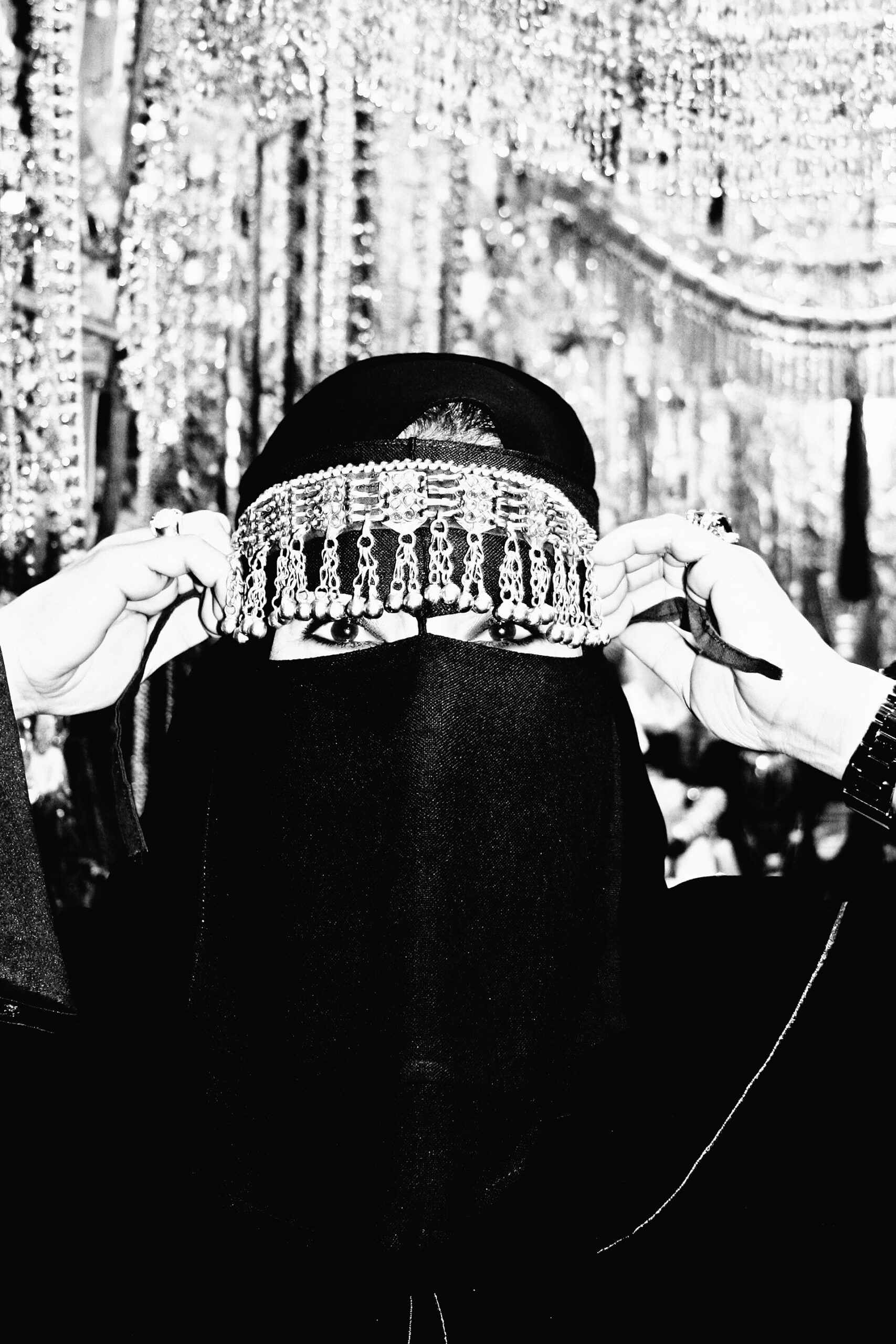

The abaya is far more than a garment in Saudi Arabia — it is a living piece of cultural identity, a canvas for artistic expression, and one of the most meaningful souvenirs a visitor can bring home. Whether you are drawn to a simple black crêpe classic or an embroidered designer piece threaded with gold, shopping for an abaya is one of the most rewarding experiences in the Kingdom. This guide, part of our wider Saudi Arabia travel guide, walks you through the best cities, souks, boutiques and online platforms for buying an abaya, along with the style vocabulary, pricing and practical tips you need to shop with confidence.
Best Time to Visit: October to March (cooler temperatures for souk browsing)
Getting There: Riyadh and Jeddah are the main shopping hubs, served by direct international flights
Visa Required: Yes — tourist e-visa
Budget: SAR 100–600 ($25–$160) for ready-to-wear; SAR 900–5,000+ ($240–$1,300+) for designer
Must-See: Souq Al-Alawi in Jeddah, Olaya district boutiques in Riyadh, online platforms like Namshi and Kaafmeem
Avoid: Buying without trying — sizing varies significantly between Saudi brands
What Is an Abaya? A Brief Cultural Primer
The abaya is a loose-fitting, full-length outer garment traditionally worn by women across the Arabian Peninsula. Its origins stretch back over four thousand years to pre-Islamic Arabia, where both men and women wore flowing robes to shield themselves from the desert sun and sand. The modern abaya evolved from the izar, an 18th-century body wrap made by stitching two rectangular pieces of fabric together.
In Saudi Arabia the abaya carries special significance. For decades it was the mandatory public dress for women, reinforced by the mutawween (religious police). That changed in 2018, when Crown Prince Mohammed bin Salman declared that “the decision is entirely left for women to decide what type of decent and respectful attire she chooses to wear.” Today, while many Saudi women continue to wear the abaya by choice, it has transformed from a uniform into a fashion statement. Designers now experiment with colour, cut, fabric and embellishment, making the contemporary Saudi abaya one of the most dynamic fashion categories in the Middle East.
For visitors planning a trip to Jeddah or Riyadh, an abaya makes a practical and culturally respectful garment to wear during your stay — and a beautiful keepsake to take home.
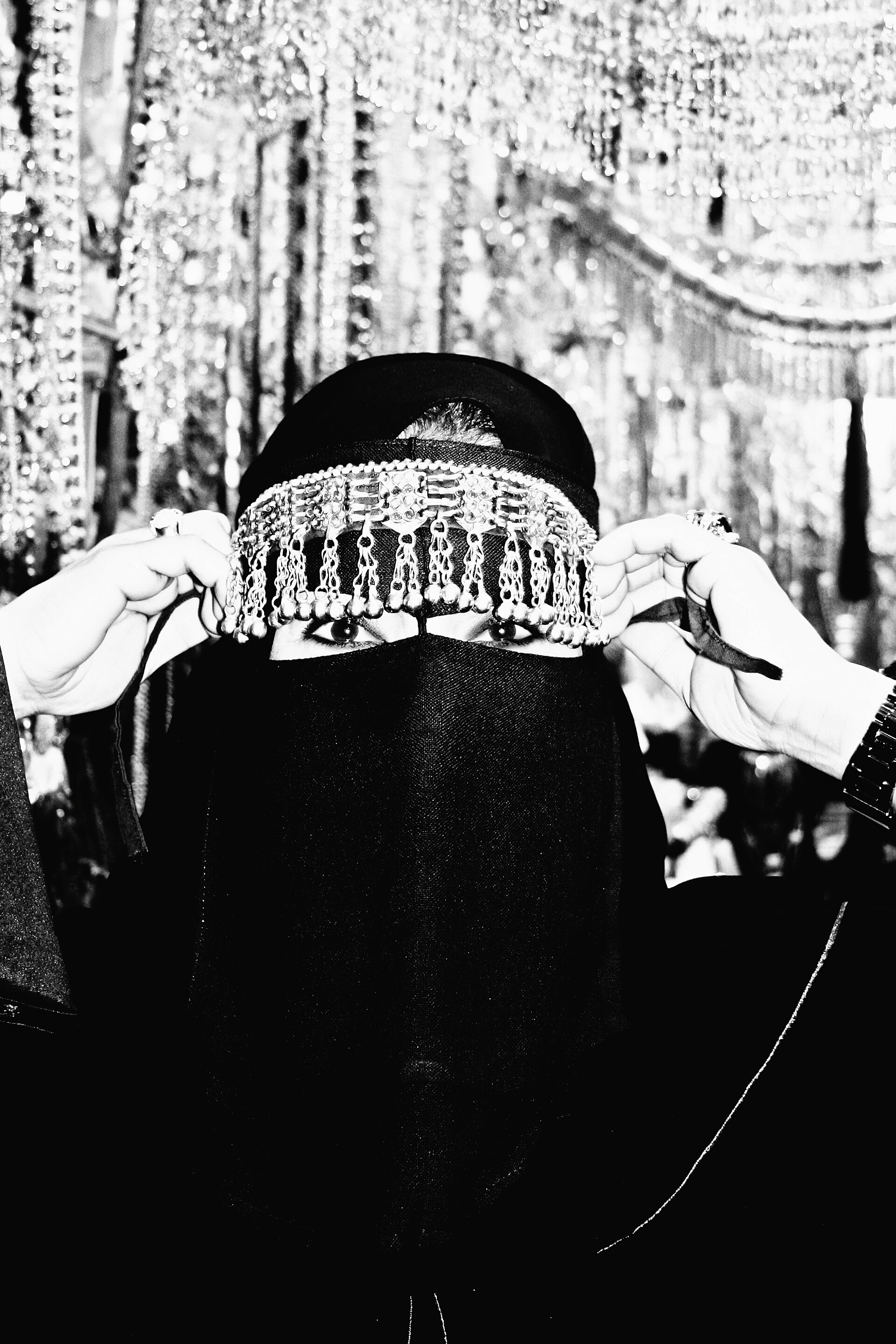
Abaya Styles: A Buyer’s Vocabulary
Walking into a Saudi abaya shop without knowing the basic styles is like entering a wine shop without knowing red from white. Here is the vocabulary you need.
Classic Black Abaya
The traditional Saudi abaya is black, floor-length and made from lightweight crêpe or nida fabric. It typically opens at the front with snap buttons or a zip, and features long sleeves that fall past the wrist. This is the style you will see most often on the street, and it remains the default for conservative occasions, mosque visits, and Hajj and Umrah pilgrimages. Prices start as low as SAR 100 ($25) for a basic unembellished version.
Embroidered and Embellished Abayas
Intricate hand-embroidery, beadwork, sequins and lace appliqué transform the abaya into a statement piece. Gold and silver thread motifs along the cuffs, hem and front panels are a hallmark of Gulf craftsmanship. These abayas are typically made from silk, satin or premium crêpe and are worn at weddings, Eid celebrations and formal gatherings. Expect to pay SAR 500–3,000 ($130–$800) depending on the level of handwork.
Coloured and Printed Abayas
The post-2018 fashion revolution unleashed a wave of colour. You will now find abayas in navy, emerald, dusty rose, ivory and every shade between. Printed abayas with floral, geometric or abstract patterns have become especially popular with younger Saudi women. Brands like Moja Majka and Areebh specialise in colourful, contemporary designs.
Kimono and Open-Front Abayas
Inspired by Japanese and Western silhouettes, the kimono abaya is a relaxed, open-front style that drapes like a coat. It is often belted at the waist and works equally well over jeans and a t-shirt as over a traditional dress. This crossover style is the most popular choice among tourists buying their first abaya.
Sport and Travel Abayas
A newer category designed for active lifestyles, these abayas use breathable jersey or cotton-blend fabrics, feature shorter hemlines (ankle-length rather than floor-length) and sometimes include pockets or zip closures. They are ideal for sightseeing in AlUla or hiking in Abha and Asir.
Bisht-Style Abayas
The bisht is a traditional men’s ceremonial cloak, and its influence has crossed into women’s fashion. Bisht-style abayas feature gold or silver braided trim (zari) along the edges and are typically reserved for formal occasions. They make a striking gift.
Where to Buy Abayas in Jeddah
Jeddah is the undisputed capital of abaya shopping in Saudi Arabia. The city’s blend of old-world souks and modern designer boutiques means you can find everything from a SAR 150 market find to a SAR 5,000 couture piece within a single afternoon. If you are building a wider Jeddah itinerary, set aside at least half a day for abaya shopping.
Souq Al-Alawi, Al-Balad
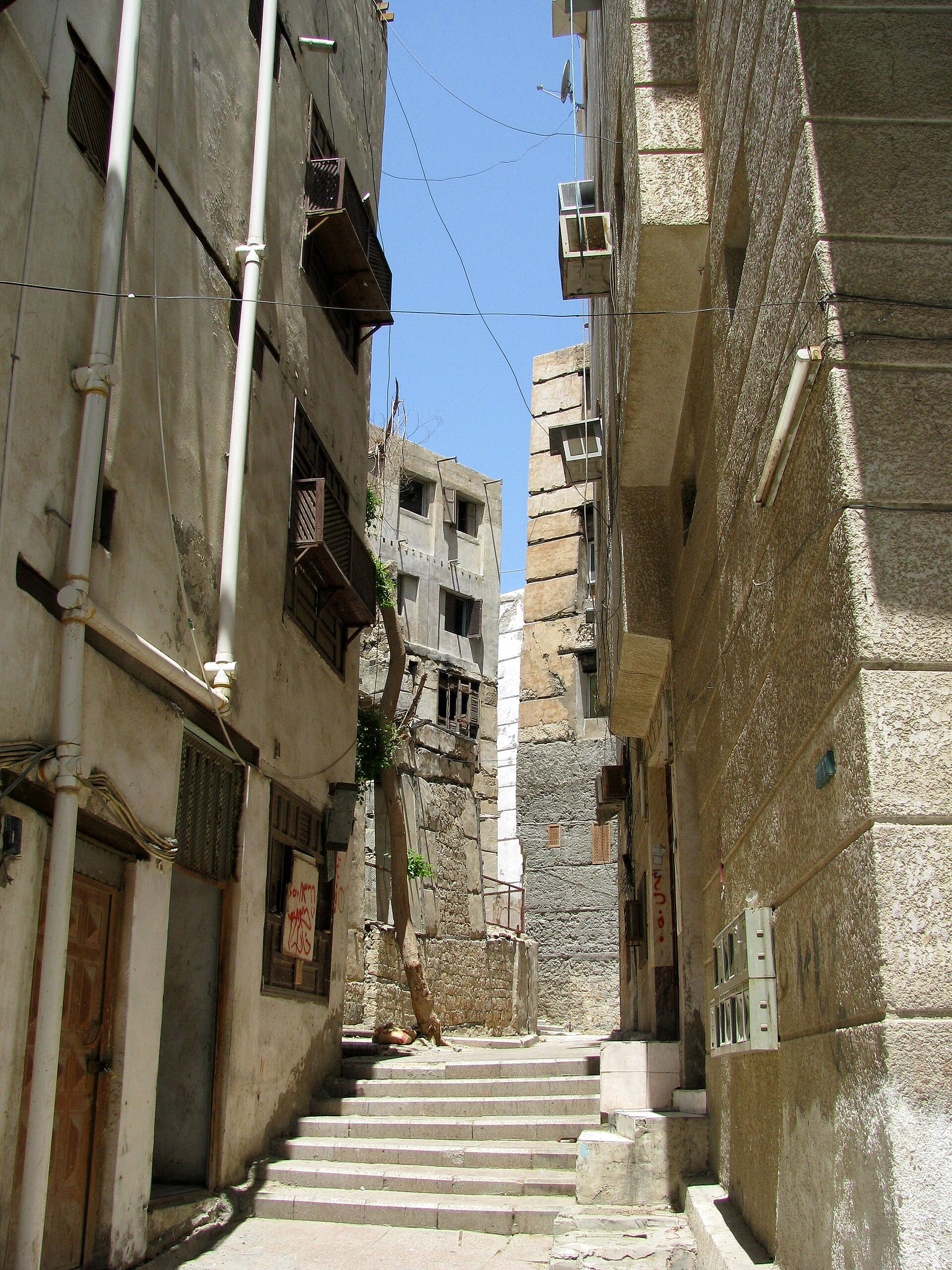
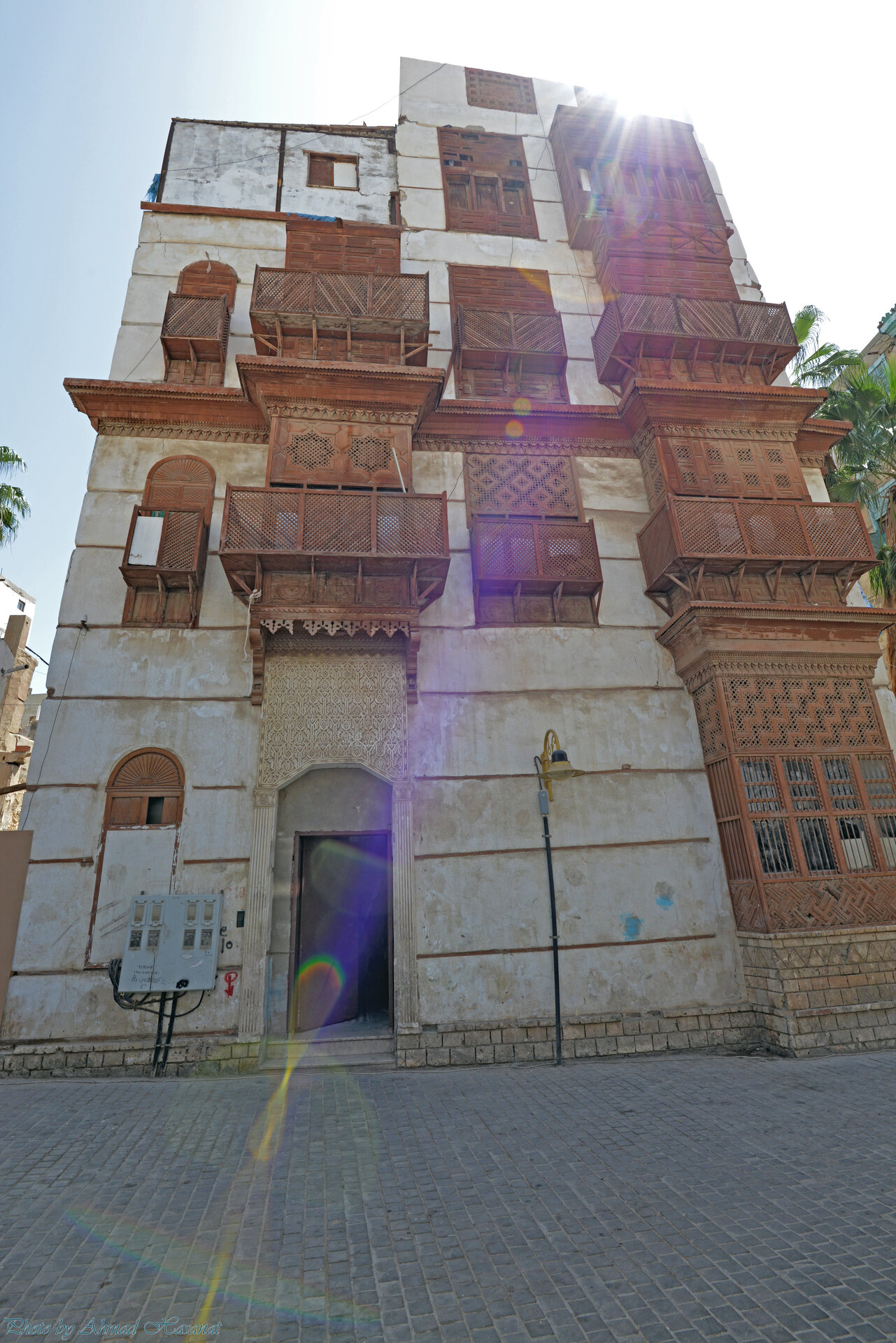
The oldest and most atmospheric place to buy an abaya in Saudi Arabia. Souq Al-Alawi sits in the heart of Jeddah’s UNESCO-listed Al-Balad historic district, where coral-stone townhouses with wooden rawasheen balconies line narrow lanes. The souk sells handmade abayas in classic black styles, often embellished with hand-stitched embroidery and delicate beadwork. Bargaining is expected — start at roughly 60% of the asking price and settle around 70–80%. Prices range from SAR 150 to SAR 800.
Tip: Visit Souq Al-Alawi after sunset when the heat drops and the market comes alive. Combine it with a walk through the restored streets of Al-Balad and dinner at one of the nearby street food stalls.
Walaa Kazem
Founded in 2016, Walaa Kazem is a luxury abaya destination known for unique cuts and high-quality fabrics. The boutique draws fashion-conscious Saudi women looking for pieces that push boundaries while remaining modest. Prices start at SAR 900. Located in central Jeddah.
Nayomi Moda
A favourite among millennial and Gen-Z shoppers, Nayomi Moda offers colourful, modern abayas with contemporary aesthetics at accessible prices starting from SAR 100. This is an excellent first stop for budget-conscious visitors who want something stylish without a designer price tag.
Orange Blossom
Specialising in bold prints and classic designs, Orange Blossom carries a vibrant selection of designer abayas starting from SAR 420. The brand is a good middle ground between souk prices and haute couture.
Homegrown Market, Jeddah
For visitors who want to support local Saudi designers, the Homegrown Market showcases printed abayas by independent labels including House of Kosa, Lzone and Em Studio. Prices start at SAR 600. The market runs periodic pop-up events — check social media for dates.
Where to Buy Abayas in Riyadh
The capital city has emerged as a serious rival to Jeddah for abaya shopping, driven by a boom in Saudi designer brands and the concentration of high-end malls along the Olaya corridor. If your Riyadh travel plans include shopping, these are the places to visit.

Kingdom Mall (Kingdom Centre)
Kingdom Mall, in the base of Riyadh’s iconic Kingdom Centre tower on King Fahd Road, hosts some of the best abaya boutiques in the city. The mall’s upper-floor “Ladies Kingdom” is a women-only section that includes exclusive abaya retailers. Expect designer prices in the SAR 800–4,000 range.
Riyadh Park Mall
One of the largest malls in the capital, Riyadh Park carries a mix of mid-range and premium abaya brands. You should budget SAR 300–600 for a quality ready-to-wear abaya here. The mall also carries tarha (headscarf) and hijab accessories to complete your look.
Nawaem Abaya
Nawaem is one of the oldest and most established abaya brands in the Kingdom, with stores across all regions of Saudi Arabia. Their Riyadh branches on Olaya Street offer a wide range from everyday wear to formal occasion pieces. The brand is known for consistent quality and reliable sizing.
Maha Abaya
Known for its coloured abayas, Maha Abaya has built a following among women who want to move beyond black without sacrificing elegance. They offer a wide range of colours and designs, from simple pastels to richly textured pieces.
Hania
A favourite for many Saudi women due to its large selection of beautiful abayas in different colours and styles. Whether you are looking for something simple for daily wear or more elaborate for a special occasion, Hania carries options across the price spectrum. Branches are located in the Al Olaya district, open Sunday to Wednesday 10am–10pm, Thursday to Saturday 10am–11pm.
Panorama Mall and Al Nakheel Mall
These popular Riyadh malls both carry multiple abaya retailers. Al Nakheel Mall in particular has a dedicated modest-fashion section. For visitors staying near the airport area, Panorama Mall is a convenient option.
Designer Brands Worth Knowing
Saudi Arabia’s abaya industry has produced a wave of homegrown designers who are gaining international recognition. Here are the names to know before you shop.
| Brand | Known For | Price Range (SAR) | Where to Find |
|---|---|---|---|
| Kaafmeem | Modern minimalism, everyday elegance | 400–1,200 | Online + Riyadh/Jeddah stockists |
| Barllina | Luxury abayas, premium fabrics | 1,000–5,000+ | Online + boutique stores |
| Aseel Collection | Exaggerated sleeves, plissé fabric, artisanal embroidery | 800–3,000 | Riyadh + Jeddah boutiques |
| Chador | Trench-inspired, tailored, non-traditional colours | 700–2,500 | Selected malls + online |
| Moja Majka | Colourful, organic fabrics, mother-daughter label | 500–1,500 | Boutiques + online |
| Areebh | Colour-blocking, abstract patterns | 600–2,000 | Online + Saudi pop-ups |
| Elan Abaya | Bold colours, minimalist to glamorous range | 500–2,500 | Online + Riyadh stockists |
Shopping Online: Saudi E-Commerce Platforms
If you prefer to browse from your hotel or want to compare prices before hitting the shops, Saudi Arabia has several strong online platforms for abaya shopping.
Namshi
One of the largest online fashion retailers in the Gulf, Namshi carries abayas from dozens of brands with prices starting around SAR 110. They offer same-day delivery in Riyadh and Jeddah, free returns, and a 20% discount on first app orders. It is the most convenient option for visitors on tight schedules.
Centrepoint (Landmark Group)
The online arm of the Centrepoint retail chain carries a budget-friendly selection of abayas at up to 70% off retail prices. Good for everyday basics and travel abayas.
Amazon.sa
Amazon’s Saudi platform has a growing abaya section with competitive pricing, particularly on unbranded and mid-range options. Delivery to most Saudi cities within 1–3 days.
Noon.com
Noon is a UAE-founded e-commerce platform with a strong Saudi presence. Their abaya category is well-organised by style, colour and price, making it easy to filter for exactly what you want.
Sizing tip: Saudi abaya sizing typically runs large and is based on overall length and shoulder width rather than standard S/M/L. Most brands use a numbering system (52, 54, 56, 58, 60) that corresponds to chest measurements in centimetres. Always check the size chart before ordering online, and when shopping in person, try before you buy.
Price Guide: What to Expect to Pay
Prices vary enormously depending on where and what you buy. Here is a realistic breakdown.
| Category | Price Range (SAR) | Price Range (USD) | Where to Find |
|---|---|---|---|
| Basic black, unembellished | 100–250 | $25–$65 | Souks, budget retailers, online |
| Mid-range, light embroidery | 250–600 | $65–$160 | Malls, mid-tier boutiques |
| Designer ready-to-wear | 600–1,500 | $160–$400 | Brand boutiques, department stores |
| Luxury and couture | 1,500–5,000+ | $400–$1,300+ | Designer ateliers, Kingdom Mall |
| Custom-made / bespoke | 2,000–10,000+ | $530–$2,600+ | Private tailors, atelier commissions |
Bargaining: Prices are generally fixed in malls and branded boutiques. In traditional souks like Souq Al-Alawi, bargaining is expected and part of the experience. In souk settings, vendors typically mark up by 30–50%, so negotiate respectfully but firmly.
Fabrics and Materials: What to Look For
The fabric determines how an abaya looks, feels, drapes and lasts. Here is what to feel for when shopping.
- Nida: The most common everyday abaya fabric. Lightweight, wrinkle-resistant and opaque. Affordable and practical for travel.
- Crêpe (Korean or Japanese): A step up from nida, with a slightly textured surface that drapes beautifully. Japanese crêpe is lighter and more breathable; Korean crêpe is denser and holds its shape better.
- Chiffon: Sheer and flowing, chiffon is used for layered abayas and evening pieces. Usually lined with a second fabric for opacity.
- Georgette: Similar to chiffon but with more body. Popular for embroidered occasion abayas.
- Silk: The premium choice for luxury and couture abayas. Beautiful drape and lustre, but requires careful handling and dry cleaning.
- Linen: Increasingly popular for summer and resort abayas. Breathable and structured, with a natural, relaxed aesthetic.
- Jersey/Cotton blend: Used for sport and travel abayas. Stretchy, comfortable and easy to wash.
Tip: When shopping in souks, rub the fabric between your fingers. Quality crêpe has a smooth, cool feel and doesn’t cling to itself. Avoid fabrics that feel plasticky or generate static — they will be uncomfortable in the Saudi heat.
Accessories: Completing the Look
An abaya is typically worn with several complementary pieces. Most shops that sell abayas also carry these accessories.
Tarha (Headscarf)
A coordinating tarha is often sold as part of an abaya set. They come in matching or contrasting colours and a range of fabrics from cotton to silk. A plain black tarha is the most versatile choice for visitors.
Sheila
Lighter than a tarha, the sheila is a long rectangular scarf draped loosely over the head. It is the most common everyday head covering in Saudi Arabia and is available in every fabric and colour.
Niqab
A face veil that covers everything below the eyes. While visitors are not expected to wear a niqab, some traditional shops in souks will offer them alongside abayas.
Belts and Brooches
A waist belt can transform a simple abaya into a more structured, tailored silhouette. Many modern boutiques sell decorative belts and brooches designed specifically for abaya styling.
Shopping Tips for Visitors
These practical pointers will help you navigate Saudi abaya shopping like a local.
- Try before you buy. Sizing varies significantly between brands. What is a size 56 in one label may be a 54 in another. Most shops have fitting rooms.
- Bring your own underwear/base layer. In souk settings, fitting rooms may be basic. Wearing a fitted long-sleeved top and trousers underneath makes trying on abayas easier.
- Inspect the stitching. Check seams, hems and embroidery attachment points. Hand-embroidered pieces should have neat, even stitches on the reverse side.
- Ask about care instructions. Some embellished abayas require dry cleaning; others are machine-washable. This matters if you plan to wear it regularly at home.
- Negotiate in souks, not malls. Prices in branded stores and malls are fixed. In traditional markets, polite bargaining is expected.
- Check customs allowances. Abayas are clothing and not subject to special export restrictions. However, be aware of your home country’s duty-free allowances for textiles if you are buying in bulk.
- Shop in the evening. Souks come alive after Maghrib prayer (sunset), and many mall boutiques run promotions during evening hours. In Riyadh and Jeddah, shops commonly stay open until 11pm or midnight.
- VAT refund. Saudi Arabia charges 15% VAT. International tourists can claim refunds on purchases over SAR 300 at participating retailers through the Planet tax-free scheme at departure airports.
Dress Code for Tourists: Do You Need to Wear an Abaya?
Since 2019, foreign women visiting Saudi Arabia on tourist visas are no longer required to wear an abaya in public. The official guideline asks visitors to dress “modestly” — loose-fitting clothing that covers shoulders and knees. In practice, most Western tourists in Riyadh and Jeddah wear long trousers or skirts and tops with sleeves without any issues.
However, there are situations where an abaya is either required or strongly recommended:
- Mosques: Women must wear an abaya and headscarf to enter mosques, including the Grand Mosque in Makkah and the Prophet’s Mosque in Madinah.
- Government buildings: Some offices expect modest dress that an abaya satisfies.
- Conservative areas: In smaller towns and rural areas outside the main cities, wearing an abaya helps avoid unwanted attention and shows cultural respect.
- Formal Saudi events: If invited to a Saudi home, wedding or official function, wearing an abaya is a mark of respect.
For details on entry requirements, see our complete Saudi Arabia visa guide.
Bringing Your Abaya Home: Care and Styling
An abaya makes an exceptional travel souvenir because it is genuinely useful. Here is how to care for it and style it at home.
Care
- Basic nida/crêpe abayas: Machine wash cold on a gentle cycle, hang to dry. Iron on low heat or steam.
- Embroidered/embellished abayas: Dry clean only. Hand-sewn beadwork and sequins can snag or detach in a washing machine.
- Silk abayas: Dry clean or hand wash in cool water with silk-specific detergent. Never wring.
- Storage: Hang on a padded hanger to maintain the drape. Fold heavy embroidered pieces with tissue paper between layers.
Styling Outside Saudi Arabia
- Wear a kimono-style abaya as a lightweight summer coat over jeans and a blouse.
- Use a plain black abaya as elegant eveningwear with heels and a statement belt.
- Layer an embroidered abaya over a maxi dress for weddings or formal events.
- Pack a travel abaya as a versatile layering piece for cool evenings abroad.
Other Shopping in Saudi Arabia
If abaya shopping has sparked your interest in Saudi retail therapy, the Kingdom offers much more. Oud and bakhoor (incense) are as culturally significant as the abaya itself — see our Saudi perfume and oud shopping guide for the best shops and scents. Saudi dates make an affordable and universally loved gift, covered in our guide to Saudi dates. And for a taste of the Kingdom’s culinary scene between shopping stops, explore Riyadh’s street food or Jeddah’s street food trail.
Explore More Saudi Arabia Travel Guides
- Saudi Arabia Travel Guide 2026 — The complete guide to visiting the Kingdom
- Saudi Perfume Shopping: Oud, Bakhoor and the Best Shops — The definitive guide to buying fragrance in the Kingdom
- Saudi Dates Guide — Best varieties, where to buy and how to gift them
- Jeddah Travel Guide — Souks, corniche, food and culture in the Red Sea gateway
- Riyadh Travel Guide — The capital’s best sights, restaurants and shopping
- Saudi Arabia Visa Guide — Every visa type explained