
Taif sits at 1,879 metres above sea level in the Hejaz mountains, and its cool altitude, diverse wildflowers and centuries-old beekeeping tradition make it the source of Saudi Arabia’s most prized honey. Whether you are planning a wider Saudi Arabia travel itinerary or a dedicated food pilgrimage, a visit to Taif’s mountain apiaries and honey souks is one of the Kingdom’s most distinctive culinary experiences. This guide covers the honey varieties you will find, the best places to buy, how to tell genuine mountain honey from fakes, and the practical details you need to plan the trip.
Best Time to Visit: March–May (rose and wildflower honey harvest) or October–December (sidr honey season)
Getting There: Taif International Airport (TIF) with domestic flights from Riyadh and Jeddah; 2 hours by road from Jeddah, 1.5 hours from Mecca
Visa Required: Yes — tourist e-visa available for 49+ nationalities
Budget: SAR 150–500+ per kg for premium mountain honey (USD 40–135); daily travel budget SAR 400–800
Must-See: Al Shafa roadside apiaries, Souk Al-Balad honey stalls, weekly honey auctions
Avoid: Buying unlabelled honey from highway petrol stations — adulteration is a documented problem in Saudi Arabia
Why Taif Honey Is Different
Saudi Arabia produces over 5,000 tonnes of honey annually from more than two million beehives tended by 20,000 registered beekeepers. Taif’s share of that production is disproportionately valuable because the city’s elevation — roughly 1,800–2,500 metres across the surrounding Sarawat range — creates a microclimate found nowhere else on the Arabian Peninsula. Cool nights, summer mists and a diverse flora of juniper, acacia, wild lavender and the famous Ward Taifi rose give local bees access to nectar sources that lowland apiaries simply cannot match.
The native honey bee subspecies here is Apis mellifera jemenitica, adapted to Arabia’s climate over millennia. Taif beekeepers still use hollowed-log hives in some mountain apiaries — a method documented at Al Shafa for over 500 years — and harvest with smoke from dried camel skins and hand tools, much as their ancestors did. This is not a heritage performance; it is a living practice passed between generations and one of the reasons traditional-hive Taif honey commands prices several times higher than modern Langstroth-frame honey from the same region.
Types of Taif Honey
Not all Taif honey is the same. The variety you buy depends on which plants the bees foraged and when the honey was harvested. Here are the main types you will encounter in the souks and at roadside stands.
Sidr Honey (Ziziphus)
The most sought-after variety in the Arab world. Sidr honey comes from the nectar of the Ziziphus spina-christi (lote tree), which flowers in autumn after seasonal rains — typically October through December. Authentic sidr honey is thick, dark in colour (ranging from deep amber to near-black), and has a rich, complex flavour with medicinal notes. It is also the most expensive, with premium grades selling for SAR 300–500 or more per kilogram at source. The sidr tree has deep cultural significance in Islam — it is mentioned in the Quran — which adds to the honey’s prestige.
Taif Rose Honey
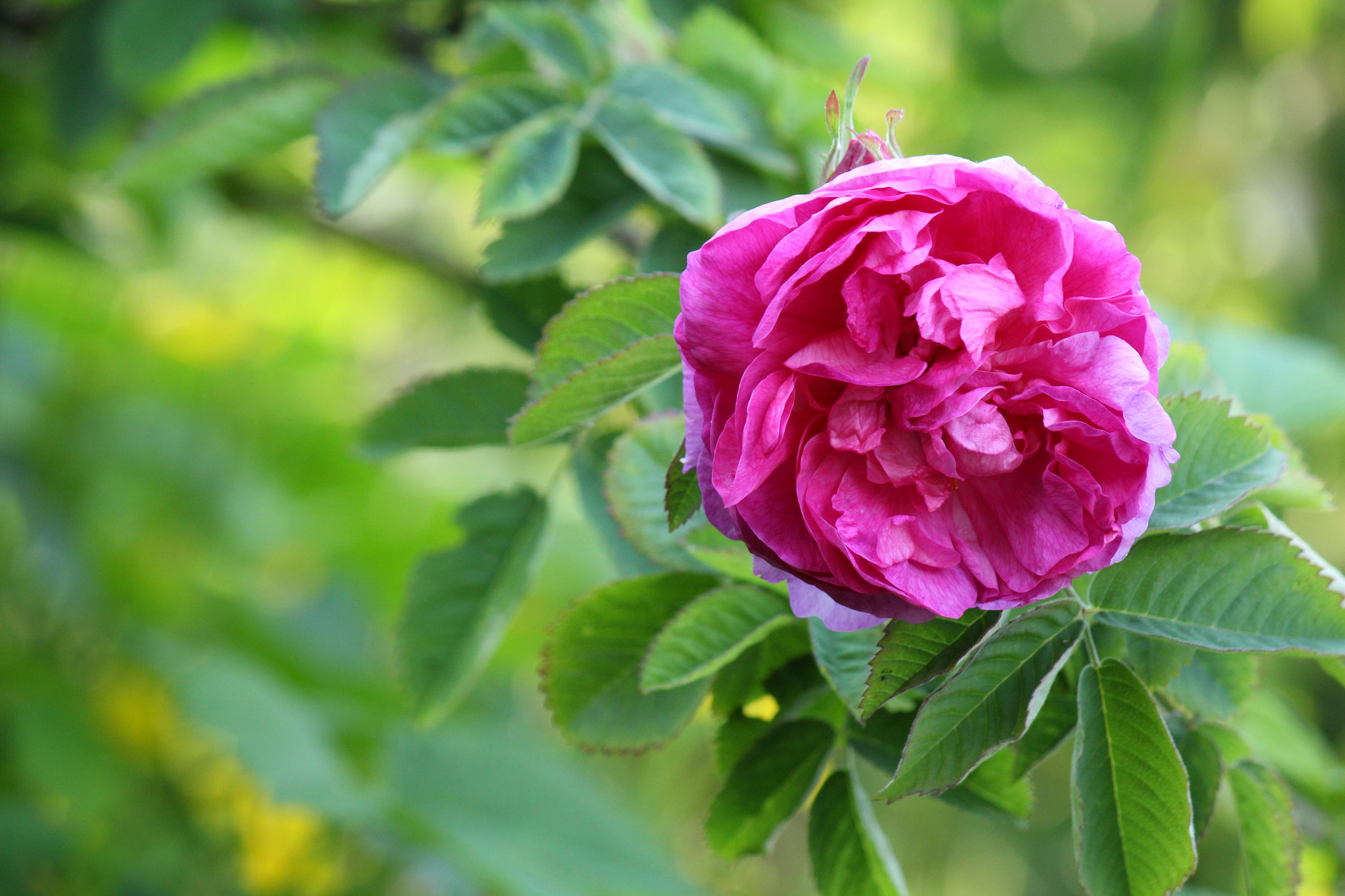
Unique to the Taif region, this variety is produced by bees that forage exclusively on the Ward Taifi — the 30-petalled damask rose (Rosa damascena) cultivated on approximately 2,000 farms in the surrounding highlands. This is genuine monofloral honey, not a honey-and-rose-water blend. The harvest window is narrow: late March through April, coinciding with the annual Taif Rose Festival. Expect floral, fragrant notes and a lighter colour than sidr. Rose honey is rare and commands export prices of SAR 500–700 per kilogram from specialty retailers, though you will find it cheaper at Al Shafa stands during the harvest.
Talh (Acacia) Honey
Produced from Acacia tortilis trees, particularly in the Tihamah Plains below Taif where beekeepers migrate their hives during winter. Talh honey is lighter in colour and milder in flavour than sidr, with a pleasant sweetness and no bitterness. It is more affordable — typically SAR 150–250 per kilogram — and widely available year-round.
Lavender (Dharm) Honey
Wild lavender (Lavandula species) grows across Taif’s highlands and produces a fragrant, medium-bodied honey harvested in spring and early summer. Also known as Seyfi honey, it sits in the mid-price range and is a good choice for visitors who find sidr too intense.
Spring Wildflower Honey
A multifloral blend gathered from the diverse mountain flora between March and May. This is the most accessible Taif honey — affordable, pleasant, and a genuine product of the local terroir even if it lacks the single-source prestige of sidr or rose honey. Expect to pay SAR 100–200 per kilogram.
Where to Buy Taif Honey
Al Shafa Roadside Stands
The most authentic buying experience. Al Shafa is a mountain village roughly 28 kilometres southwest of Taif at an elevation of around 2,500 metres. The road up passes through juniper forest and terraced farms growing figs, pomegranates and apricots. Beekeepers sell honey directly from stands along the road and from their homes. Prices are lower than in city shops because there is no middleman, and you can often see the hives. A rental car is essential — there is no public transport — and the drive itself, through some of the most dramatic landscape in western Saudi Arabia, is worth the trip. If you are combining this with the Riyadh to Abha road trip, Taif makes a natural stopover.
Souk Al-Balad
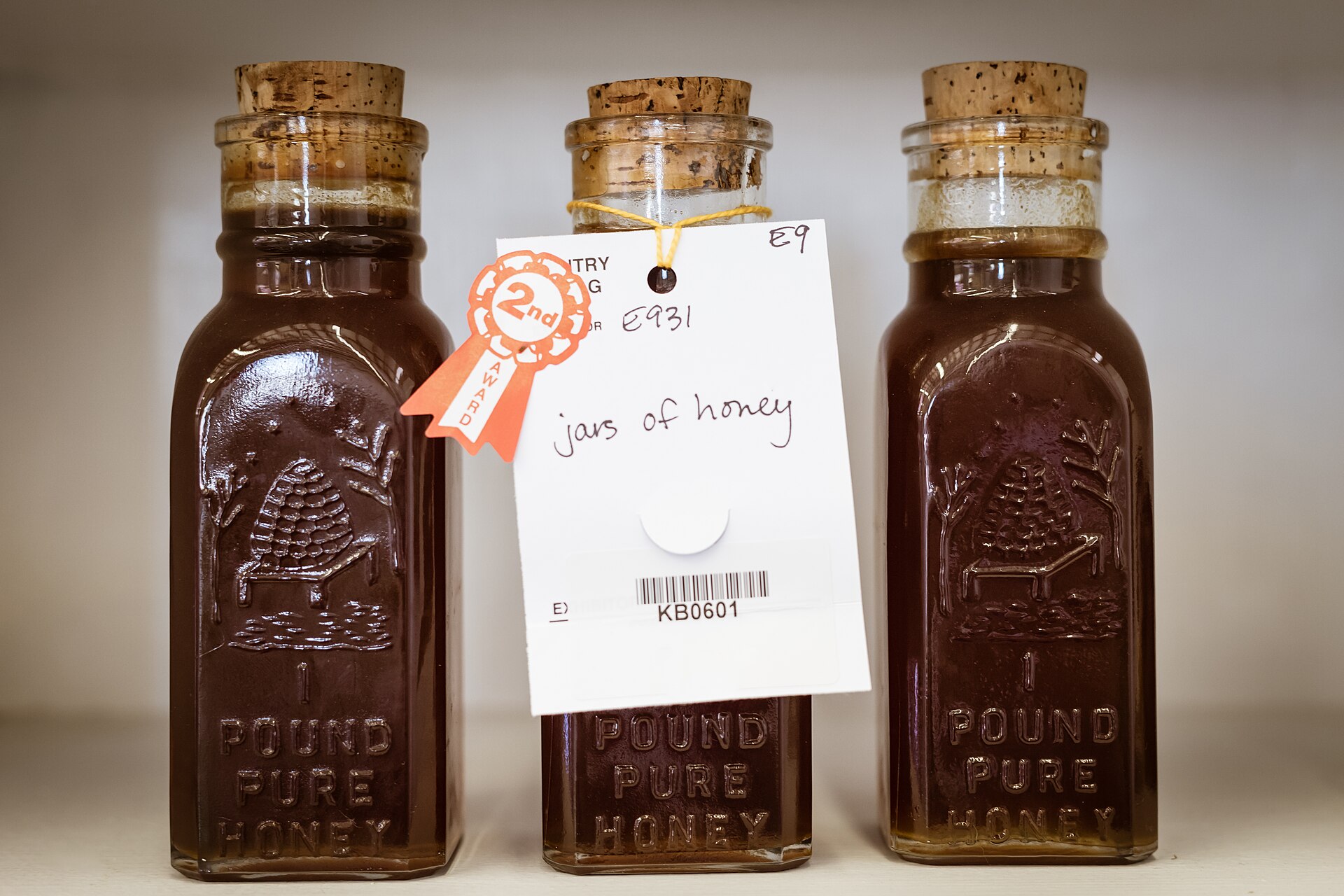
Taif’s oldest market, located on Al Shafa Road in the city centre. The souk is open daily from around 9 AM to 11 PM and sells agricultural products alongside spices, ghee, perfumes and local handicrafts. Several stalls specialise in honey, with jars of sidr, talh and wildflower varieties lined up for tasting. Bargaining is expected. The souk is also the best place to buy Taif’s other famous product — rose water and rose oil — which makes it a good single stop for edible souvenirs.
Taif Central Souq
A larger, more modern market with dedicated sections for honey, perfumes and textiles. The honey vendors here tend to carry a wider range of labelled and graded products, including SFDA-certified options. Less atmospheric than Souk Al-Balad but more convenient for comparison shopping.
Weekly Honey Auctions
Saudi Arabia hosts weekly honey auctions where producers sell directly to buyers. In the Taif region, these auctions connect visitors with beekeepers from Al Shafa, Al Hada and surrounding villages. Ask at your hotel or at the souk for the current auction schedule, as times and locations vary seasonally. The auctions are a good place to find bulk quantities and to taste before buying.
Souk Okaz Festival
If your visit coincides with the annual Souk Okaz Festival — typically held over 10 days in July or August — you will find over 200 stalls selling traditional goods including honey, alongside poetry contests, craft demonstrations and historical re-enactments. The festival revives a pre-Islamic market tradition that dates back over 1,500 years and attracts more than two million visitors. It is the best single event for sampling a wide range of Taif honeys in one place.
How to Spot Authentic Taif Honey
Honey adulteration is a real problem in Saudi Arabia. In recent years, Saudi authorities have shut down unlicensed factories and seized over 30,000 bottles of corn syrup being sold as pure honey. Saudis consume roughly 320 grams of honey per person annually — double the global average — which makes the market a target for fraud. Here is how to protect yourself.
Buy from the Source
The single best defence against fakes is to buy directly from beekeepers at Al Shafa or at the weekly auctions. When you can see the hives and watch the beekeeper work, you know what you are getting. Building a relationship with a trusted producer — even as a one-time visitor — is worth more than any laboratory test.
Simple Checks
- Paper test: Place a drop on paper or a napkin. Genuine honey holds its shape and does not soak through quickly. Adulterated honey with added water or sugar syrup leaves a wet mark.
- Water test: Drop a spoonful into warm water. Pure honey sinks and dissolves slowly without spreading. Diluted honey disperses immediately.
- Crystallisation: Genuine raw honey crystallises naturally over time, especially in cooler temperatures. This is a sign of quality, not spoilage. If honey never crystallises, it may have been heated or adulterated.
- Viscosity: Real mountain honey is thick and heavy. If it pours like water, it is suspect.
- Labels reading “blended,” “honey syrup,” “heat-treated” or “added flavours”
- Too-sweet taste with no floral complexity or aftertaste
- Prices far below the ranges in this guide — genuine sidr honey is never cheap
- Highway petrol station displays with no identifiable producer
- Late March – May: Rose honey and spring wildflower harvest. The Taif Rose Festival runs in April. Mountain wildflowers are in bloom and temperatures are a comfortable 25–28°C. This is the most pleasant time to visit overall.
- June – September: Taif becomes a summer escape for Saudis fleeing the coastal heat. Temperatures reach 30–33°C with low humidity at altitude — far cooler than Jeddah or Riyadh. Souk Okaz Festival falls in July or August. Fresh honey from spring harvests is still available.
- October – December: Sidr honey season. If sidr is your priority, this is when to come. The weather cools further, with nights dropping to 10–15°C. Fewer tourists.
- Rose farms: During the April harvest, many farms welcome visitors to watch the dawn petal-picking and the distillation process that produces Taif rose oil and rose water.
- Shubra Palace: A 19th-century Ottoman-era palace now operating as a regional museum, with exhibits on Taif’s history and the Hejaz region.
- Al Rudaf Park: A large public park with walking trails, picnic areas and mountain views — good for a morning walk before the souks open.
- Fruit orchards: Taif produces grapes, pomegranates, figs, peaches and apricots. Seasonal fruit is sold alongside honey at the roadside stands.
- Traditional cuisine: Highland cooking in Taif features slow-cooked lamb, flatbreads baked on stone, and — naturally — honey drizzled over fresh bread for breakfast. The kabsa restaurants in Taif serve a mountain-influenced version of the national dish.
- Taste before buying. Every reputable honey seller in Taif will let you sample. If they refuse, move on.
- Bring your own containers. If buying in bulk at Al Shafa or at auctions, bringing sealable jars or food-grade containers can save money — some roadside sellers offer discounts for buyers who supply their own packaging.
- Pack carefully for flights. Honey is permitted in checked luggage on Saudi domestic and international flights. Wrap jars in bubble wrap or clothing and place them in a sealed plastic bag in case of leaks. Honey in carry-on must comply with the 100ml liquid rule.
- Customs limits. If flying home internationally, check your destination country’s food import rules. Most countries allow sealed, commercially packaged honey in personal quantities. Raw honeycomb may attract additional scrutiny.
- Bargain respectfully. In the souks, negotiation is expected — a 10–20% discount on the asking price is reasonable. At roadside stands, prices are generally fairer to begin with, and aggressive bargaining with small-scale beekeepers is poor form.
- Ask about the source. Good vendors will tell you which village or apiary their honey comes from, which flowers the bees foraged, and when it was harvested. Vague answers are a warning sign.
- Jeddah: Two hours by road. The Jeddah dining and entertainment scene makes a good contrast to Taif’s mountain calm.
- The Asir highlands: Continue south from Taif toward Abha and Asir National Park for more mountain scenery, terraced villages and the Flowermen cultural tradition.
- Heritage villages: The wider Sarawat range is home to some of Saudi Arabia’s best-preserved traditional stone and mud-brick villages, many within a day’s drive of Taif.
- The incense route: For history-minded travellers, Taif’s honey trade connects thematically with the ancient incense route through Saudi Arabia, another story of Arabia’s long relationship with luxury natural goods.
- Saudi Arabia Travel Guide 2026 — The complete guide to visiting the Kingdom
- Riyadh to Abha Road Trip — The mountain drive that passes through Taif’s honey country
- Best Kabsa Restaurants in Saudi Arabia — Where to eat the national dish, city by city
- Saudi Arabia Heritage Villages — Preserved highland life in the Sarawat mountains
- Asir National Park Guide — Hiking, wildlife and visitor information south of Taif
- Saudi Arabia Visa Guide — Every visa type explained
Red Flags
Tip: Look for the SFDA (Saudi Food and Drug Authority) registration mark on packaged honey. The SFDA regulates all food products including honey, and registered producers are subject to quality inspections. King Khalid University has also launched a Honey Standards Project establishing quality benchmarks. For complaints about suspected fraud, call the consumer hotline on 8001241616.
The Beekeeping Villages
Al Shafa
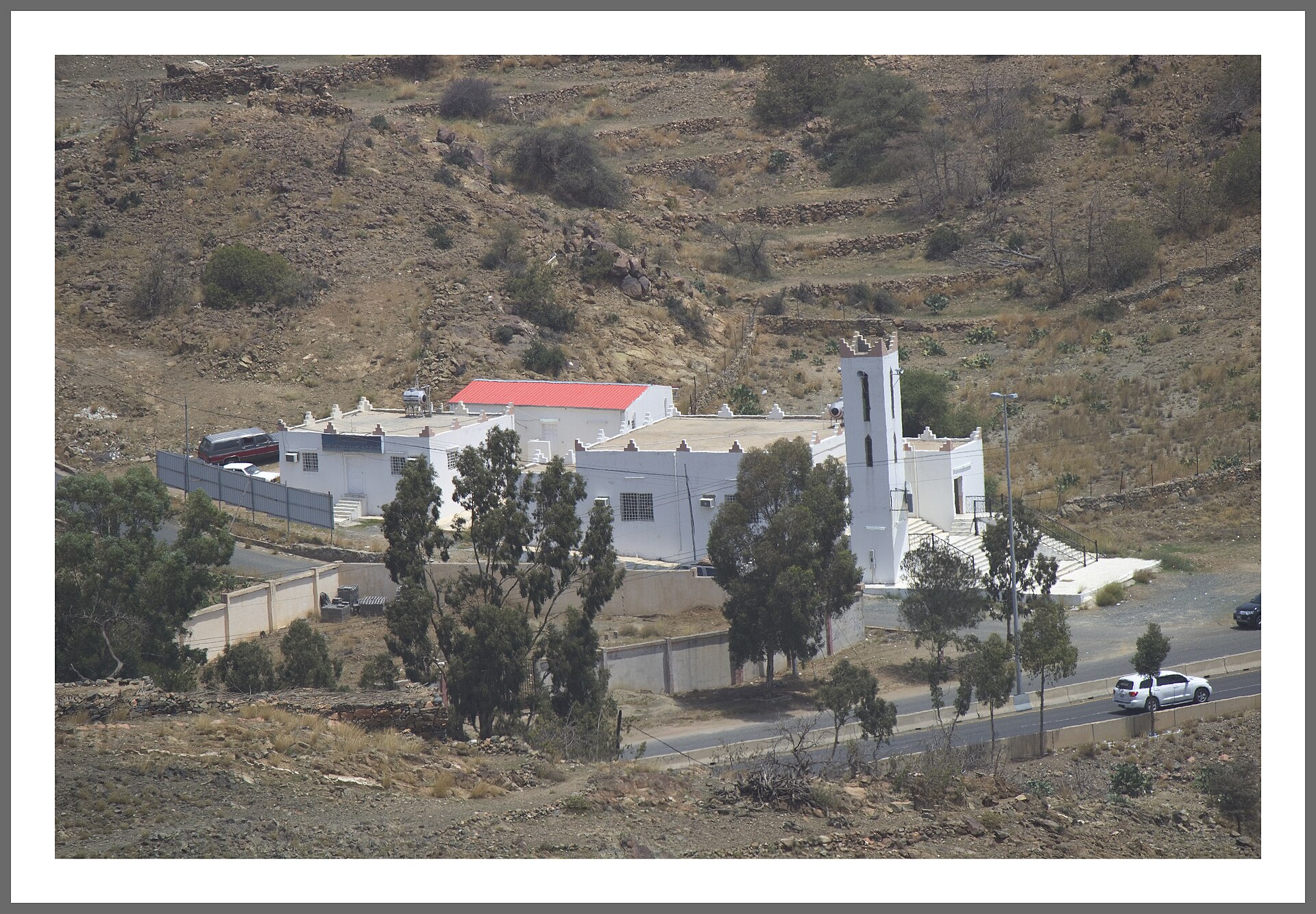
The premier beekeeping area near Taif and the one village every honey enthusiast should visit. At approximately 2,500 metres, Al Shafa is high enough for juniper forest and cool enough for comfortable summer hiking. The oldest apiaries here — hollowed-log hives built into rock faces — are estimated at over 500 years old. The village also produces figs, pomegranates and apricots, and the terraced farmland is beautiful in its own right. If you enjoy walking, the hiking trails around Al Shafa run alongside working apiaries and through wildflower meadows.
Al Hada
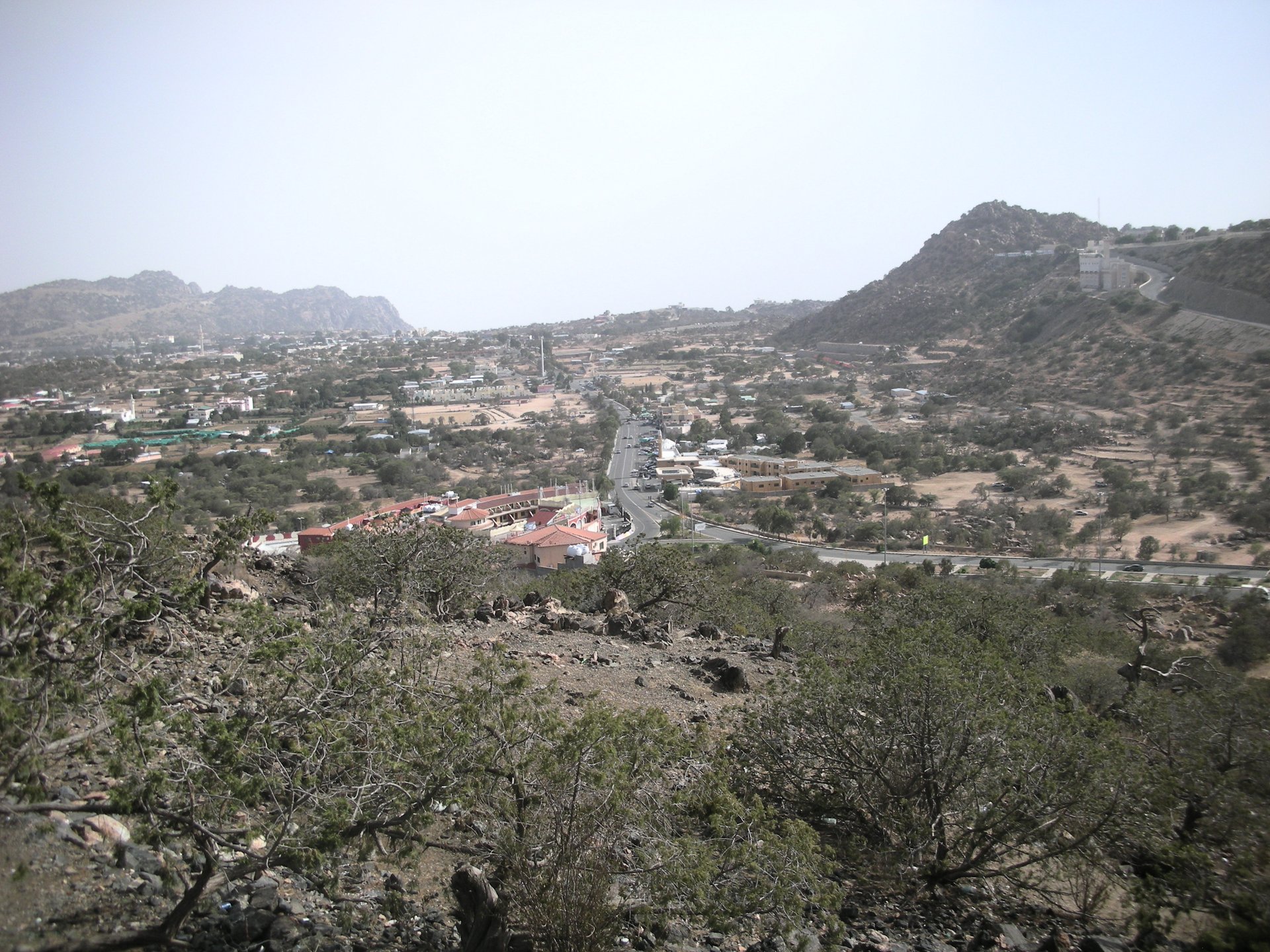
Northwest of Taif, Al Hada is another highland village known for its apiaries and its rose farms. The road between Taif and Al Hada is one of Saudi Arabia’s most scenic drives, with hairpin turns and panoramic views of the escarpment. Several beekeepers here sell directly from their properties, and the village is also home to traditional restaurants serving local highland cuisine — a good lunch stop after a morning of honey shopping.
Maysan (Al-Baha Province)
Slightly further south in neighbouring Al-Baha Province, Maysan is home to beehives believed to be over 1,000 years old. It is worth the detour if you are heading south toward Asir National Park or exploring the wider heritage villages of the Saudi highlands.
The Transhumance Tradition
One of the most distinctive aspects of Taif beekeeping is the seasonal migration of hives. In winter, beekeepers transport their colonies from the mountain peaks down to the Tihamah Plains — the hot, low-lying coastal strip west of the Sarawat range. The plains host different nectar sources, including talh (acacia), dharm (lavender), tabaq, sharam and siha, allowing the bees to produce different honey varieties through the year. In spring, the hives return to the mountains. This transhumance practice is one reason a single Taif beekeeper can offer such a wide range of honey types.
Honey Price Guide
| Honey Type | Price Range (SAR/kg) | Price Range (USD/kg) | Season |
|---|---|---|---|
| Sidr (Ziziphus) | 300–500+ | 80–135+ | October–December |
| Taif Rose | 400–700 | 107–187 | Late March–April |
| Talh (Acacia) | 150–250 | 40–67 | Year-round |
| Lavender (Dharm) | 150–300 | 40–80 | March–June |
| Spring Wildflower | 100–200 | 27–54 | March–May |
Note: Prices at Al Shafa roadside stands are generally 20–30% lower than in city souks. Traditional log-hive honey commands a significant premium — sometimes double — over modern Langstroth-frame honey of the same variety. All prices are approximate and subject to seasonal availability and negotiation.
Best Time to Visit
Your ideal timing depends on which honey you want to buy fresh.
Getting to Taif
By Air
Taif International Airport (TIF) is 30 km northeast of the city. Saudia and flynas operate domestic flights from Riyadh (1.5 hours), Dammam and other Saudi cities. There are no scheduled international flights — international visitors typically fly into Jeddah’s King Abdulaziz International Airport and drive or transfer. You will need a Saudi tourist e-visa before arrival.
By Road from Jeddah
The drive from Jeddah is approximately 170 km and takes around two hours via the Taif–Jeddah Highway. The road climbs dramatically from sea level to nearly 1,900 metres, with several viewpoints along the way. If you are combining Taif with a Riyadh to Jeddah road trip, the Taif detour adds roughly half a day.
By Road from Mecca
Mecca is just 90 km away — about 1.5 hours by car. Many Hajj and Umrah travellers visit Taif as a day trip or short extension, especially during the summer months when the altitude offers relief from Mecca’s heat.
Getting Around
Uber and Careem operate in Taif city, but a rental car is strongly recommended if you plan to visit Al Shafa, Al Hada or the mountain apiaries. The roads are well-maintained but steep and winding.
What Else to Do in Taif
Taif is more than honey. The city has been a summer retreat for Saudi royalty and Hejazi families for generations, and it offers several diversions that pair well with a honey-buying trip.
Practical Tips for Honey Buyers
Storage tip: Store honey at room temperature, away from direct sunlight. Never refrigerate — cold temperatures accelerate crystallisation. Properly stored, pure honey has an essentially indefinite shelf life.
Combining Taif with Other Saudi Destinations
Taif sits at a crossroads of several travel routes. Consider combining your honey trip with: