
Kabsa is the undisputed national dish of Saudi Arabia — a fragrant mound of long-grain rice cooked with tomatoes, onions, and a complex spice blend, crowned with slow-cooked meat. Whether you are building a wider Saudi Arabia travel itinerary or flying in specifically to eat, tracking down the best kabsa restaurants across the Kingdom is one of the most rewarding things a visitor can do. This guide maps the top kabsa restaurants in Riyadh, Jeddah, Dammam, Mecca, Medina, Abha, and beyond — with real names, locations, prices, and the regional differences that make each city’s version distinct.
Best Time to Visit: October to March (cooler weather, peak dining season)
Getting There: Major cities served by Riyadh (RUH), Jeddah (JED), and Dammam (DMM) international airports
Visa Required: Yes — tourist e-visa available for 60+ nationalities
Budget: SAR 25–150 per person ($7–$40 USD) depending on restaurant tier
Must-Try: Najd Village (Riyadh), Al Saddah (Jeddah), Aseeb Najd (Riyadh)
Avoid: Arriving after 1:30 PM on Fridays — peak family lunch hour means long waits
What Makes Kabsa Saudi Arabia’s National Dish
The name kabsa comes from the Arabic verb kabs, meaning to press or squeeze — a reference to the way ingredients are cooked tightly together in a single pot. Bedouin tribes on the Arabian Peninsula developed the dish using what was available: rice traded through Gulf ports, meat from their herds, and spices carried along ancient trade routes. Today kabsa sits at the centre of every major gathering — weddings, Eid celebrations, Friday family lunches, and guest receptions.
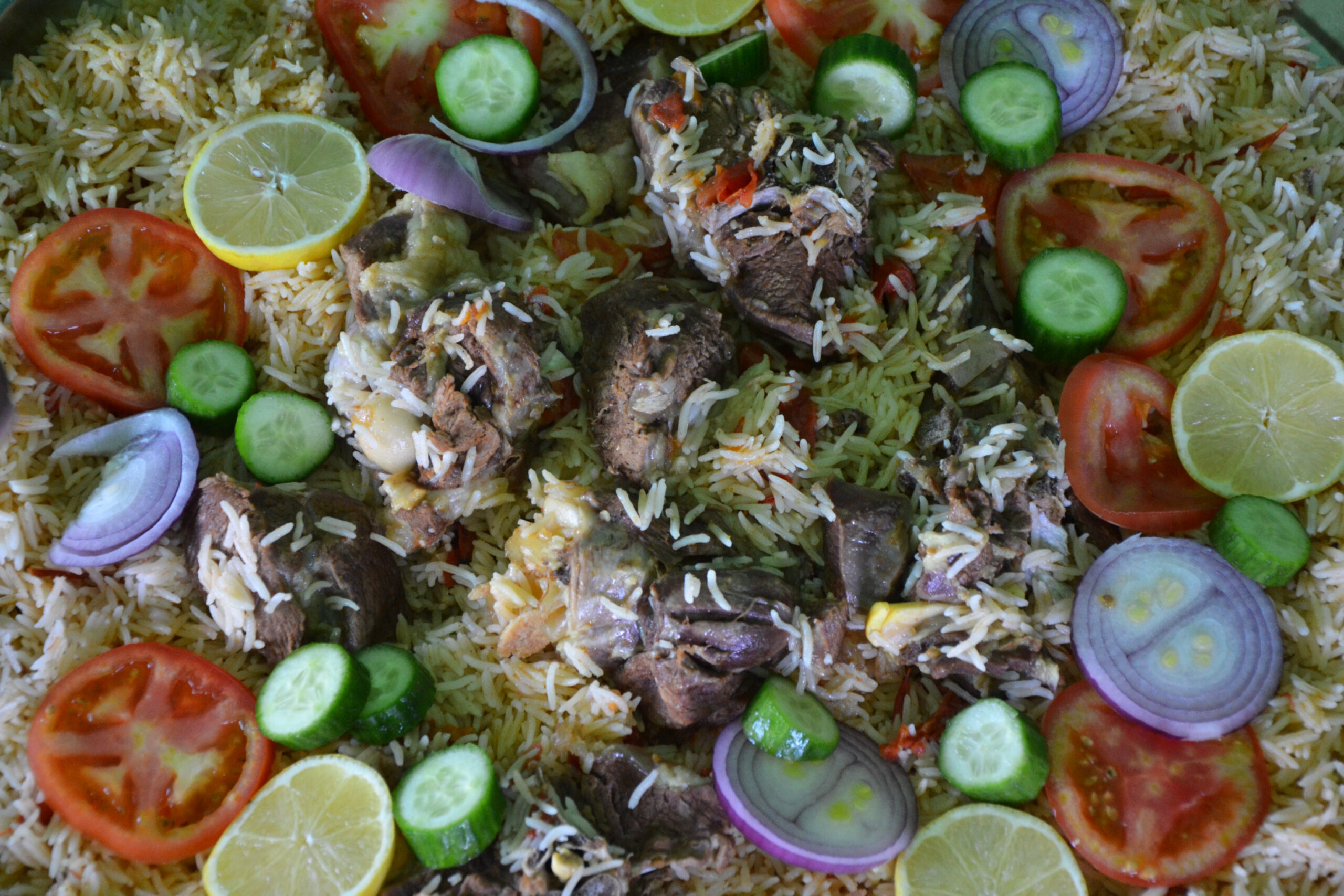
What separates kabsa from similar rice dishes across the Middle East is the spice blend. A proper kabsa uses dried black limes (loomi), cardamom, cinnamon, cloves, nutmeg, bay leaves, and saffron. The meat — chicken, lamb, goat, or camel — is slow-cooked with tomatoes and onions until it falls apart, and the rice absorbs the broth. The result is a dish where every grain carries flavour. Most Saudis eat kabsa daily for lunch, and a visitor who leaves the Kingdom without trying it has missed the entire point.
Types of Kabsa You Will Encounter
Restaurants across the Kingdom serve several variations, and understanding the differences will help you order with confidence.
By Meat
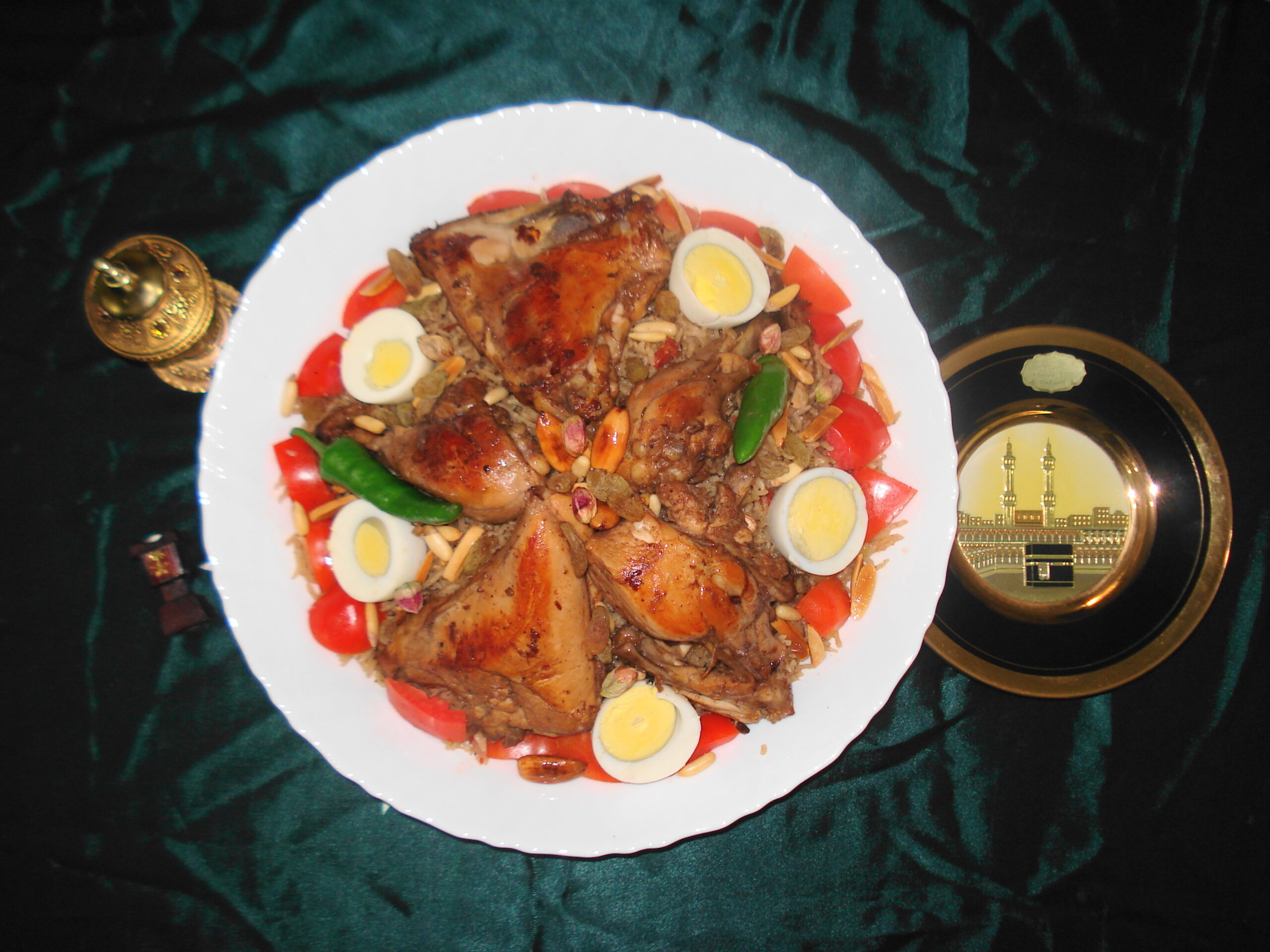
- Kabsa Dajaj (Chicken): The most common everyday version. Bone-in chicken simmered with the spice blend, sometimes pan-fried or grilled separately and placed atop the rice. Available everywhere from SAR 25.
- Kabsa Laham (Lamb or Goat): Richer and bolder. Considered more prestigious and often reserved for special occasions and large feasts. Expect to pay SAR 50–80 per person.
- Kabsa Hashi (Camel): A distinctly Saudi specialty. Baby camel meat is tender with a slightly gamey flavour. Found at specialist restaurants — a must-try for adventurous eaters. SAR 60–90 per person.
- Kabsa Samak (Fish or Shrimp): Common in coastal cities like Jeddah, Dammam, and Yanbu. Seafood replaces the land meat, and the spice profile shifts toward lighter aromatics.
- Najdi Kabsa (Riyadh and Central Saudi): Considered the most traditional version. Heavier on spices, drier rice, typically lamb or camel.
- Hijazi Kabsa (Jeddah, Mecca): More tomatoes and fresh herbs. Slightly more sauce. Influenced by centuries of pilgrimage-route cosmopolitanism.
- Eastern Province Kabsa (Dammam, Al Khobar): Distinguished by generous saffron and dried limes, reflecting Persian Gulf trade influence.
- Southern Kabsa (Abha, Asir): Incorporates local honey and butter, with stronger herbal notes. Often paired with local flatbreads.
- Kabsa Hashi: Specialises in camel meat kabsa. Each meal includes soup and tomato salad. A TripAdvisor-listed standout near the Haram.
- Awal and Tali Restaurant: Represents multiple regions of Saudi cuisine. Known for kabsa, potato balls, and jareesh (crushed wheat porridge).
- Al Romansiah (Mecca): Reliable chain presence with family-sized kabsa portions.
- Medina Kabsa: A small restaurant near Gate 333 of the Prophet’s Mosque. Convenient for pilgrims and surprisingly good for its size.
- Al Romansiah (Medina): The trusted chain with standard kabsa and mandi.
- Al Malaz Restaurant: Authentic Asiri cuisine including kabsa and mandi in an elegant setting. The southern style incorporates local honey and butter.
- Harra Restaurant: Specialises in mandi, meat stew, and haneeth (slow-roasted whole lamb). The regional character is strong.
- Al-Qaryah Al-Turathia Restaurant: The top local recommendation for traditional food including kabsa. A solid introduction to Tabuki cuisine.
- Diyafat Al-Arab: Known for mandi and traditional rice dishes. Featured on TasteAtlas.
- Saudi Feast Food Festival (Riyadh, November–December): The flagship national culinary event. Over 300 dishes from all 13 regions of the Kingdom, featuring 100+ restaurants and themed zones. Kabsa is prominently featured.
- Food Culture Festival (January–February, multiple cities): A Kingdom-wide celebration held in Al Khobar, Riyadh, and Jeddah on successive weekends. Showcases regional kabsa variations alongside other Saudi dishes.
- Ithra Food Festival (Dhahran): Part of the King Abdulaziz Center for World Culture’s winter programme. Features traditional and contemporary Saudi cuisine in the Eastern Province.
- Ask locals. The best kabsa restaurants in any Saudi city are known by word of mouth. Hotel staff, taxi drivers, and shopkeepers will all have opinions — and they are usually right.
- Order the speciality of the house. If a restaurant is known for madfoon, order the madfoon. If it is known for hashi, order the hashi. The kabsa is usually good everywhere, but the signature dish is why people return.
- Bring cash. Budget restaurants and some traditional spots may not accept cards. SAR 100–200 in cash is sufficient for most meals.
- Do not skip the sides. The tomato-and-onion salad, the green sauce (dakous), the shorbah (soup), and the pickled vegetables are not afterthoughts — they are integral to the meal.
- Try camel at least once. Hashi kabsa is not available in most countries. Saudi Arabia is one of the few places where baby camel meat is served fresh. It is milder than you expect.
- Friday lunch is special. If you can arrange to be invited to a Saudi home for Friday kabsa, accept immediately. The home-cooked version is often the best you will ever taste.
- Saudi Arabia Travel Guide 2026 — The complete guide to visiting the Kingdom
- Riyadh Self-Guided Walking Tour — Old Quarter to modern skyline on foot
- Jeddah After Dark — Restaurants, events, and entertainment in the Red Sea city
- Saudi Business Etiquette — Cultural norms every visitor should know
- Saudi Arabia Camel Markets — Where to go and what to expect
- Saudi Arabia Heritage Villages — Preserved life in the mountains
- Saudi Arabia Visa Guide — Every visa type explained
By Region
Do not confuse kabsa with mandi. Mandi uses meat slow-cooked in an underground pit (taboon oven) for a smoky flavour — a different cooking method entirely. Madhbi is charcoal-grilled chicken on rice. Madfoon is pit-buried meat. Zurbian is Yemeni-influenced, closer to biryani. Many restaurants serve all of these alongside kabsa, and they are all worth trying.
Best Kabsa Restaurants in Riyadh
The capital is the heartland of Najdi kabsa — the version most Saudis consider the original. If you are spending time in Riyadh as part of a walking tour of the city, build at least one kabsa lunch into your schedule.
Najd Village (Al Qarya Al Najdiyah)
Location: Three branches — Abu Bakr As Siddiq Road (Al Wahah), Takhassusi Street (Olaya), King Abdul Aziz Branch Road (Al Yasmin)
Najd Village is the restaurant most often recommended to first-time visitors, and for good reason. It has operated for over 17 years, serving authentic Najdi cuisine in traditional majlis-style floor seating inside a recreated Najdi house. The camel-back meat on kabsa rice is a signature dish. Other standouts include margoog (a thin-bread stew), harees (wheat porridge with meat), and majboos. Ranked in the top 35 restaurants in Riyadh on TripAdvisor and listed on the official Visit Saudi website. Expect to pay SAR 50–100 per person.
Aseeb Najd
Location: Anas Bin Malik Road, Al Yasmin District
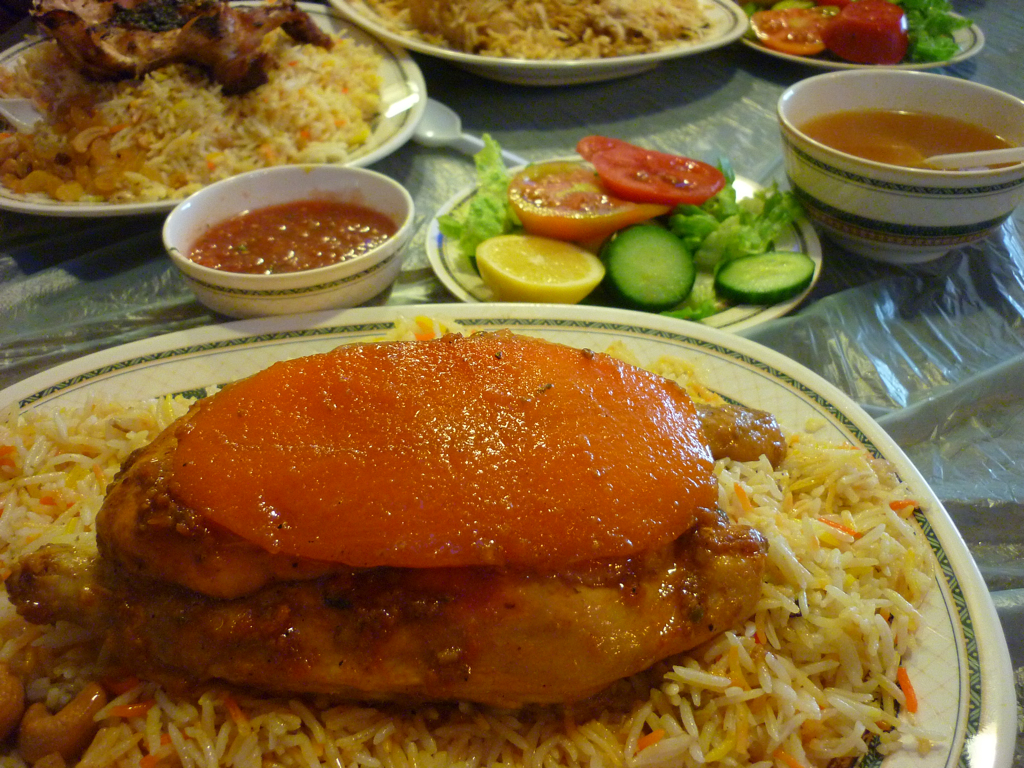
This is where kabsa becomes fine dining. Aseeb Najd earned the 39th spot on MENA’s 50 Best Restaurants 2025 — a serious accolade that puts it alongside the region’s top kitchens. The signature presentation serves kabsa inside a baked pumpkin, which adds a subtle sweetness to the rice. The interior is Najdi-inspired but modern, with cosy floor seating. SAR 80–150 per person. Reservations recommended, especially on weekends.
Al Romansiah
Location: Over 100 branches nationwide, multiple across Riyadh
Founded in 1997, Al Romansiah is the benchmark Saudi restaurant chain. It is not glamorous, but it is consistent, affordable, and trusted by millions of Saudis. Chicken kabsa costs approximately SAR 27, and a family meal for five runs SAR 140–145. They also serve excellent madhbi (charcoal-grilled chicken), madfoon, and zurbian lamb. Open daily from 10:30 AM. If you want to eat what ordinary Saudis eat every day, this is it.
Dr. Kabsa
Location: 4595 Salah Ad Din Al Ayyubi Road
A dedicated kabsa house that specialises exclusively in rice dishes. The chicken madfoon and hashi (camel) makmut are standouts. Straightforward, no-frills, and affordable at SAR 30–60 per person. Open daily 11 AM to 12:30 AM.
Shawaya House
Location: Multiple branches across Riyadh
Shawaya House prioritises food quality over decor. The portions are generous, the chicken kabsa is reliable, and the price is hard to beat at around SAR 30. A solid everyday option.
Al Saudi Restaurant
Location: Multiple branches across Riyadh
Operating since 1994, this is a local institution with over 30 years of service. Known for hashi (camel) kabsa and zorbian. Budget-to-mid range pricing.
Best Kabsa Restaurants in Jeddah
Jeddah’s kabsa carries the influence of the Hijaz — more tomato-forward, slightly saucier, shaped by centuries as the gateway port for millions of pilgrims. If you are exploring Jeddah’s dining and entertainment scene, these restaurants deserve priority.
Al Saddah (Al Seddah)
Location: Hira Street, An Nahdah District (multiple branches)
Widely regarded as the most authentic Saudi food experience in Jeddah. Al Saddah serves kabsa, mathbi, madfoon, and mandi with a signature green sauce and fried onions that regulars swear by. The madfoon — pit-cooked goat — is the standout. The format is order-at-cashier, and you can choose between communal floor seating, private rooms, or table dining. SAR 40–80 per person. Open daily 11 AM to 1 AM.
Khayal Restaurant
Location: Prince Sultan Road, Al Zahra District
Operating since 2005 and open 24 hours a day, Khayal is what multiple reviewers call a “meat lover’s paradise.” The awsal (cubes of grilled meat), lamb chops, and kebabs with cheese are exceptional. While not strictly a kabsa-only restaurant, their rice dishes are strong, and the late-night availability makes it ideal for post-event dining. SAR 70–130 per person.
Nafar
Location: Multiple branches across Jeddah
Only about five years old but already a well-established chain. The Nafar Kabsa Chicken is their signature, but the hashi (camel) kabsa is the reason to visit. Consistent quality, large portions, and straightforward service. SAR 30–60 per person.
Al Romansiah (Jeddah)
Location: Multiple branches
The same trusted nationwide chain. Chicken kabsa from SAR 25. Reliable and familiar if you have already tried the Riyadh branches.
Best Kabsa Restaurants in Dammam and Al Khobar
The Eastern Province has its own kabsa tradition, distinguished by heavier use of saffron and dried limes — a flavour profile shaped by centuries of Persian Gulf trade. If your itinerary includes the Al-Ahsa Oasis or the Dammam Corniche, these restaurants are worth the detour.
Khobar Traditional Village (Al Qarya Al Turathiyah)
Location: Ar Rakah Al Janubiyah, Al Khobar
Consistently praised as the city’s best option for authentic “Dammami kabsa” — the Eastern Province’s own style. Private rooms are available for family gatherings, and the atmosphere is genuinely traditional. SAR 50–90 per person.
Heritage Village
Location: Corniche, Dammam
Located on the scenic Dammam Corniche waterfront, Heritage Village combines kabsa and asida broth with floor seating for the full traditional experience. The setting alone makes it memorable. SAR 45–80 per person.
Al Romansiah (Eastern Province)
Location: Multiple branches across Dammam and Al Khobar
Charcoal-grilled shawaiah, madfoon, madhbi, and zurbian lamb alongside the standard kabsa menu. Most main courses feed two people for under SAR 70.
Kabsa in Mecca, Medina, and the Holy Cities
If you are visiting on Hajj or Umrah, kabsa will be everywhere. The holy cities cater to millions of pilgrims, and restaurants near the Haram offer quick, affordable plates.
Mecca
Medina
Kabsa in Abha, Tabuk, and Beyond
Southern and northwestern Saudi Arabia offer regional spins on kabsa that reflect local ingredients and traditions. Visitors exploring the Asir highlands or the Wadi Disah canyon near Tabuk will find distinctive versions worth seeking out.
Abha (Asir Region)
Tabuk
Kabsa Price Guide
| Category | Price Range (SAR) | Price Range (USD) | What to Expect |
|---|---|---|---|
| Budget / Street-Level | SAR 19–40 | $5–$11 | Half-chicken kabsa, basic sides, no-frills setting |
| Mid-Range | SAR 40–100 | $11–$27 | Lamb or camel kabsa, traditional decor, floor seating |
| Premium | SAR 100–200+ | $27–$55+ | Fine-dining presentation, signature dishes, reservations needed |
| Family Platter | SAR 140–600+ | $37–$160+ | Communal platters for 5–10 people, whole lamb at top end |
All prices include 15% VAT. 1 SAR is approximately $0.27 USD.
How to Eat Kabsa Like a Saudi
Kabsa is not just food — it is a social ritual with etiquette that visitors should understand. Knowing the customs will make the experience richer and earn respect from your hosts or fellow diners. If you are interested in broader cultural norms, the Saudi business etiquette guide covers related ground.
The Right Hand Rule
Always eat with your right hand. This is rooted in Islamic tradition and is considered essential, not optional. Rice and meat are shaped into small balls using the fingertips — it takes practice, and nobody expects a visitor to be perfect. Cutlery is available at most restaurants if you prefer.
Communal Platter Etiquette
Kabsa is traditionally served on a large round metal platter called a sini, placed on the floor or a low table. Guests sit cross-legged around the platter and eat from the section directly in front of them. Do not reach across to someone else’s side. The host will often place the best cuts of meat in front of honoured guests. It is polite to leave a small amount of food on the platter — clearing it completely can imply the host did not provide enough.
Floor Seating (Majlis Style)
Many traditional restaurants offer floor seating on cushions. Remove your shoes before entering the seating area. Sit cross-legged or with legs tucked to the side. Do not point the soles of your feet at others.
Before and After the Meal
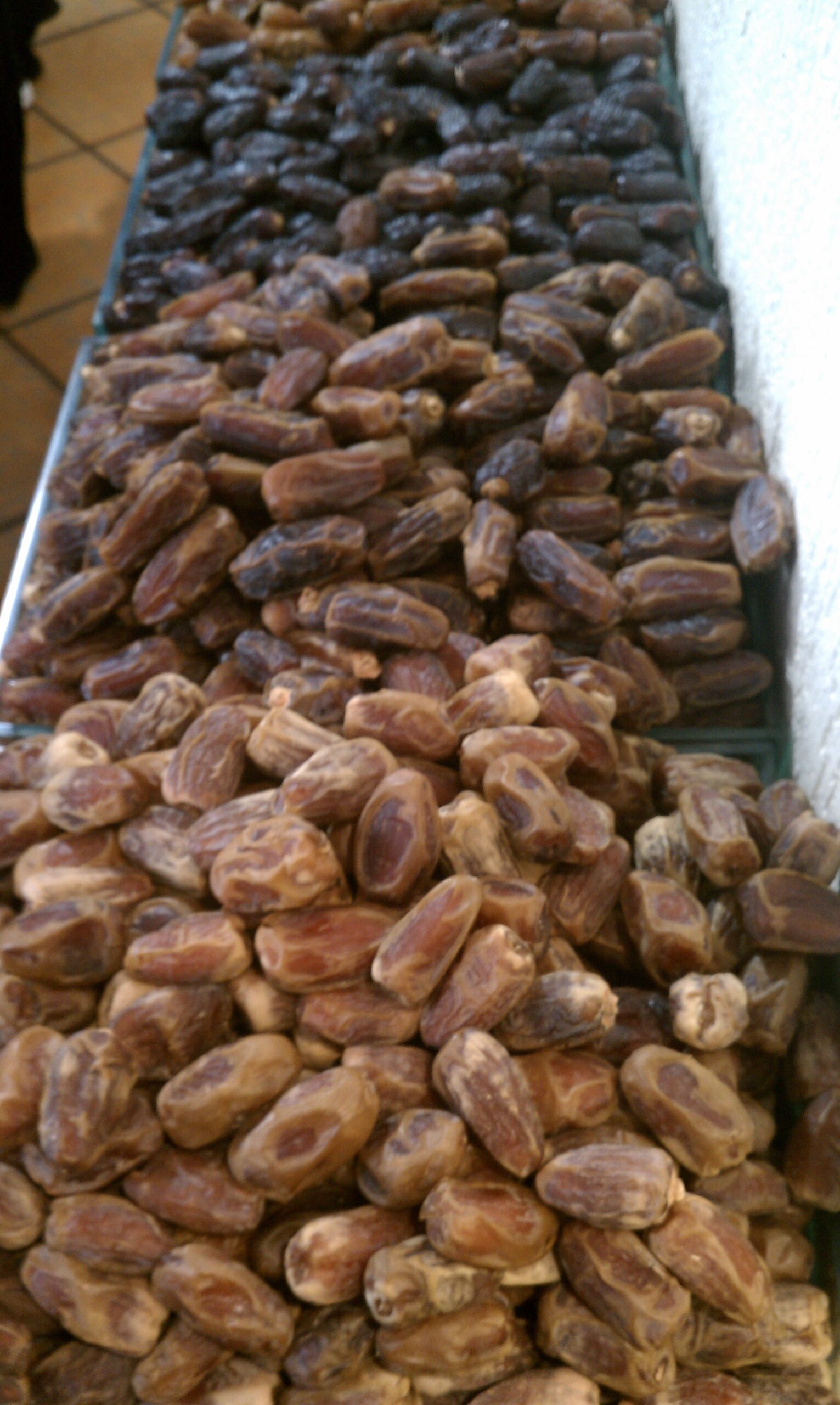
Wash your hands before and after eating — most restaurants provide hand-washing stations or wet towels. Arabic coffee (qahwa) and dates are traditionally served before or after the meal. Saying Bismillah before eating and Alhamdulillah after finishing is customary.
Restaurant Sections
Most traditional Saudi restaurants have separate “singles” (men-only) and “family” sections. Families, couples, and women dine in the family section. Solo male travellers use the singles section. Some newer restaurants in Riyadh and Jeddah have moved to mixed seating following post-2019 social reforms.
When to Eat Kabsa
Lunch is the main meal of the day in Saudi Arabia, and kabsa is the quintessential lunch dish. The window is roughly 1:00 PM to 3:00 PM. Friday lunch after prayers is the most important communal meal of the week — families gather for large kabsa platters, and restaurants are at their busiest.
Kabsa is also served at dinner, though dinner in Saudi Arabia runs late — typically 10:00 PM to midnight. During Ramadan, kabsa is a staple of iftar (the meal breaking the fast at sunset). During Eid al-Fitr and especially Eid al-Adha, kabsa is prepared on a grand scale with sacrificial lamb or whole goat.
Practical tip: For the freshest preparation, arrive at opening (most restaurants open around 11:00 AM). Kabsa restaurants are busiest at lunch (12:30–2:30 PM) and late dinner (9:00–11:00 PM). During Ramadan, restaurants close during daylight fasting hours and reopen at iftar (sunset).
Kabsa Festivals and Food Events
Saudi Arabia’s Culinary Arts Commission, part of the Ministry of Culture, has been actively promoting traditional cuisine as part of Vision 2030’s cultural preservation efforts. Several annual events showcase kabsa alongside other regional dishes.
Beyond formal festivals, the biggest kabsa events are Eid al-Fitr and Eid al-Adha — when restaurants prepare massive quantities and families cook elaborate kabsa for gatherings across the Kingdom.
Practical Tips for Kabsa Hunting
Before planning your trip, check the Saudi Arabia visa guide to confirm your eligibility for the tourist e-visa. Most nationalities can apply online and receive approval within minutes.