
The 85-kilometre journey from Jeddah to Mecca is one of the most-travelled corridors in Saudi Arabia, connecting the Kingdom’s gateway airport with the holiest city in Islam. Whether you are arriving for Hajj 2026, performing Umrah, or making a return visit, your choice of transport between these two cities will shape the first hours of your pilgrimage. This guide covers every option — from the Haramain High-Speed Railway to budget SAPTCO buses, taxis, and ride-hailing apps — with current fares, journey times, and practical tips to help you plan as part of your wider Saudi Arabia travel itinerary.
Distance: ~85 km by road (73 km direct)
Fastest Option: Haramain High-Speed Railway — 35 minutes from Jeddah city station
Cheapest Option: SAPTCO bus — SAR 20–35 (~$5–9 USD)
Getting There: Train, bus, taxi, Uber/Careem, or private car from Jeddah or KAIA airport
Visa Required: Yes — Hajj visa, Umrah visa, or tourist e-visa (Muslim visitors only for Mecca entry)
Budget: $5–160 USD per person depending on transport mode
Must-Know: Non-Muslims are prohibited from entering Mecca — checkpoints enforce this on all approach roads
Avoid: Arriving without a pre-booked train ticket during Hajj season — trains sell out days in advance
Important: Entry to Mecca is restricted to Muslim visitors only. This is enforced at road checkpoints on every approach. Non-Muslim travellers should plan alternative destinations such as Jeddah, Taif, or AlUla. See the section below for details.
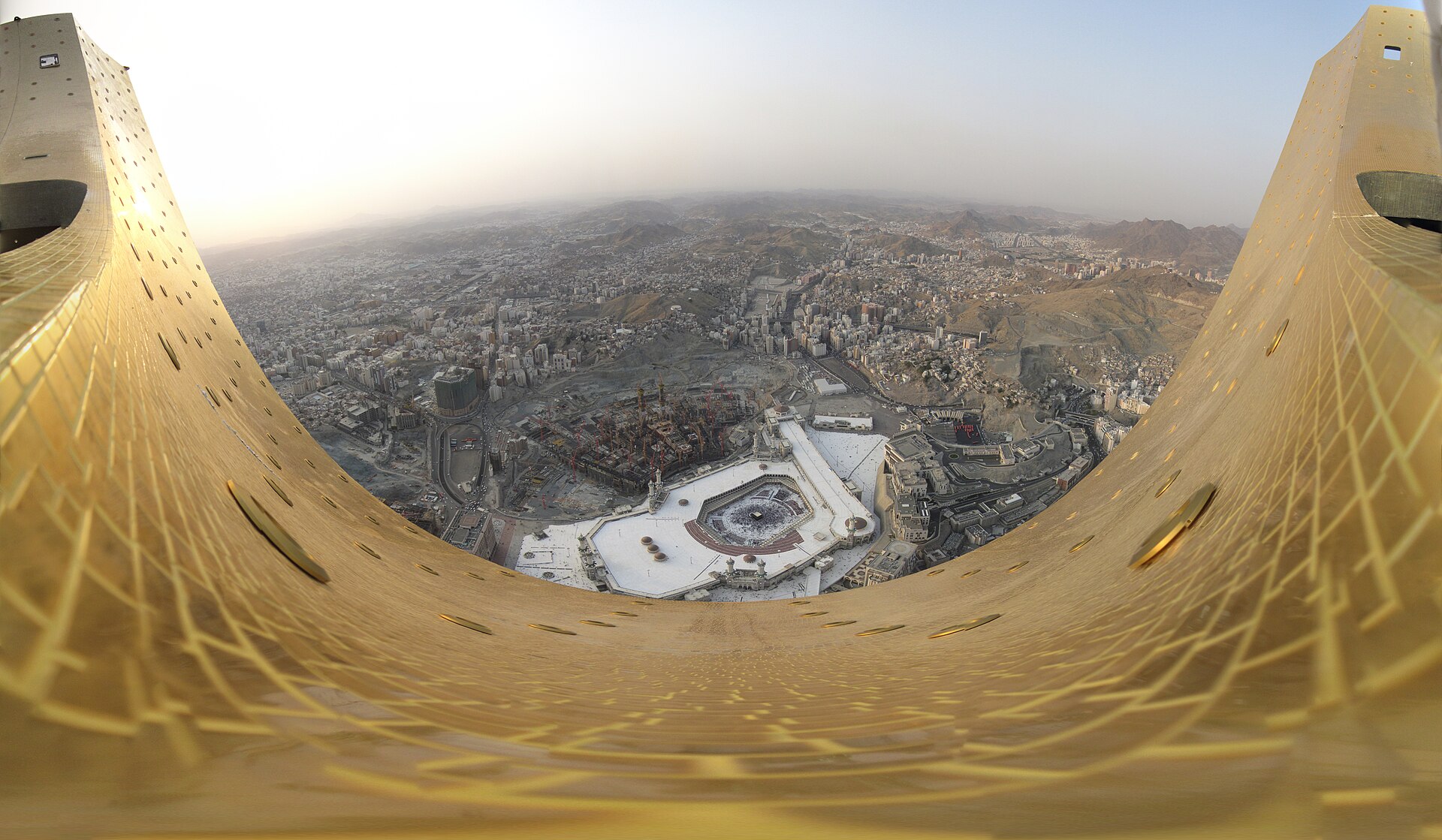
Haramain High-Speed Railway — The Fastest Option
The Haramain High-Speed Railway (HHR) is the flagship transport link between Jeddah and Mecca. Operating Talgo 350 SRO trains at speeds up to 300 km/h, the service connects five stations across the Hejaz region: Makkah, Jeddah City (Al-Sulaimaniyah district), King Abdulaziz International Airport (KAIA), King Abdullah Economic City (KAEC), and Madinah.
Journey Times and Frequency
The train from Jeddah City station to Makkah station takes approximately 35 minutes. If you are connecting directly from the airport, the KAIA to Makkah journey takes around 50–60 minutes including the additional stop. Around 15 daily departures run across the full route, from early morning through late evening. During Hajj, Ramadan, and peak Umrah periods, extra services are added — the railway transported 750,000 passengers across 3,627 trips during Hajj 2023.
Ticket Prices
Fares vary by route segment and class. Each train carries 417 passengers across Economy (304 seats) and Business (113 seats) classes.
| Route | Economy (SAR) | Business (SAR) | Economy (USD) |
|---|---|---|---|
| Jeddah City → Makkah | 40–55 | 70–95 | ~$11–15 |
| KAIA Airport → Makkah | 55–70 | 95–120 | ~$15–19 |
| Makkah → Madinah (full route) | 145–170 | 240–280 | ~$39–45 |
Tip: Fares on third-party booking sites can appear higher. Always check the official operator website at sar.hhr.sa for definitive pricing. Book 3–7 days in advance for the best rates — especially during pilgrimage seasons when trains sell out.
How to Book
- Official website: sar.hhr.sa — available in Arabic and English
- Mobile app: Available on iOS and Android
- Station kiosks: Self-service machines at all five stations
- Payment: Visa, Mastercard, Mada, Apple Pay, STC Pay
- Tickets: Digital QR-coded tickets — no paper ticket needed. You will need your passport or iqama number to book.
- 6 AM – 12 PM: Departures roughly every 2 hours
- 12 PM – 6 PM: Every 90 minutes
- 6 PM – 12 AM: Every 60 minutes
- 12 AM – 6 AM: Irregular, infrequent
- Agree on the fare before departure or insist on the meter. Airport taxis are consistently more expensive than pickups from Jeddah city.
- During Hajj and Umrah seasons, expect a 15–25% surcharge on posted rates.
- Extra or oversized luggage may add SAR 10–20 to the fare.
- Journey time is typically 60–90 minutes, but can double during Hajj when traffic around Mecca is heavily congested.
- If sharing a taxi, clarify whether the quoted price is per person or per vehicle before getting in.
- Payment methods: Visa, Mastercard, Amex, Apple Pay, Google Pay, cash (in Jeddah), and Careem Pay digital wallet
- Tip: Enable location services for accurate pickup, especially in the KAIA arrivals area where GPS can be unreliable under the terminal roof
- Do not set your destination inside the Haram restricted zone — set it to your hotel or a nearby landmark instead
- Book Haramain Railway tickets at least one week in advance during Hajj — trains fill up fast
- SAPTCO switches to an unpredictable “load and go” system during peak periods
- Taxi and Uber fares increase 15–25% during Hajj season
- Road traffic around Mecca can triple normal journey times — allow 2–3 hours by car
- Private vehicles may be banned from certain routes near the holy sites during the five days of Hajj
- Haramain Railway: The KAIA station is integrated into the airport complex. Follow signs for “Train Station” from the arrivals hall — it is a short walk or shuttle ride depending on your terminal.
- SAPTCO Bus: Look for “Public Transport” signs in Terminal 1 arrivals. The SAPTCO counter is where you purchase tickets.
- Taxis: Licensed taxis queue outside the arrivals exit. Agree on the fare before getting in.
- Uber/Careem: Request your ride from the designated ride-hailing pickup area. GPS can be unreliable under the terminal canopy, so drop a pin manually if needed.
- Jeddah — the Red Sea gateway city with the UNESCO-listed Al Balad historic district, the Corniche, and world-class dining
- Taif — the mountain city accessible via a bypass road around Mecca, known for its rose gardens, cool climate, and historic souqs
- AlUla — the UNESCO Hegra archaeological site, Elephant Rock, and dramatic desert landscapes
- Riyadh — the capital, with Diriyah, the National Museum, and the Edge of the World hiking area
- Passport or national ID — required for train tickets and checkpoint verification
- Printed or digital proof of your Hajj/Umrah visa
- Saudi riyals (SAR) — not all taxis accept cards, especially outside peak hours
- Water — temperatures in the Jeddah–Mecca corridor regularly exceed 40°C in summer
- Phone with both Uber and Careem installed — having two apps doubles your chances of finding a ride quickly
- Hajj 2026 Guide — Everything you need to know about performing Hajj this year
- Umrah Plus Holiday — Combining pilgrimage with Saudi tourism
- Best Hotels Near Masjid al-Haram — Where to stay in Mecca for location and value
- Hajj and Beyond — Extending your Saudi trip after pilgrimage
- Best Hotels for Umrah and Hajj Pilgrims — Accommodation near the Holy Mosques
- Jeddah Travel Guide 2026 — The complete guide to Saudi Arabia’s Red Sea gateway
- Saudi Arabia Travel Guide 2026 — The complete guide to visiting the Kingdom
- Saudi Arabia Visa Guide — Every visa type explained
What to Expect on Board
Economy Class offers spacious seating with air conditioning, free Wi-Fi, and charging outlets at every seat. Business Class adds wider seats with enhanced legroom, priority boarding, complimentary snacks, and personal video screens. A dining car operates in the fifth coach.
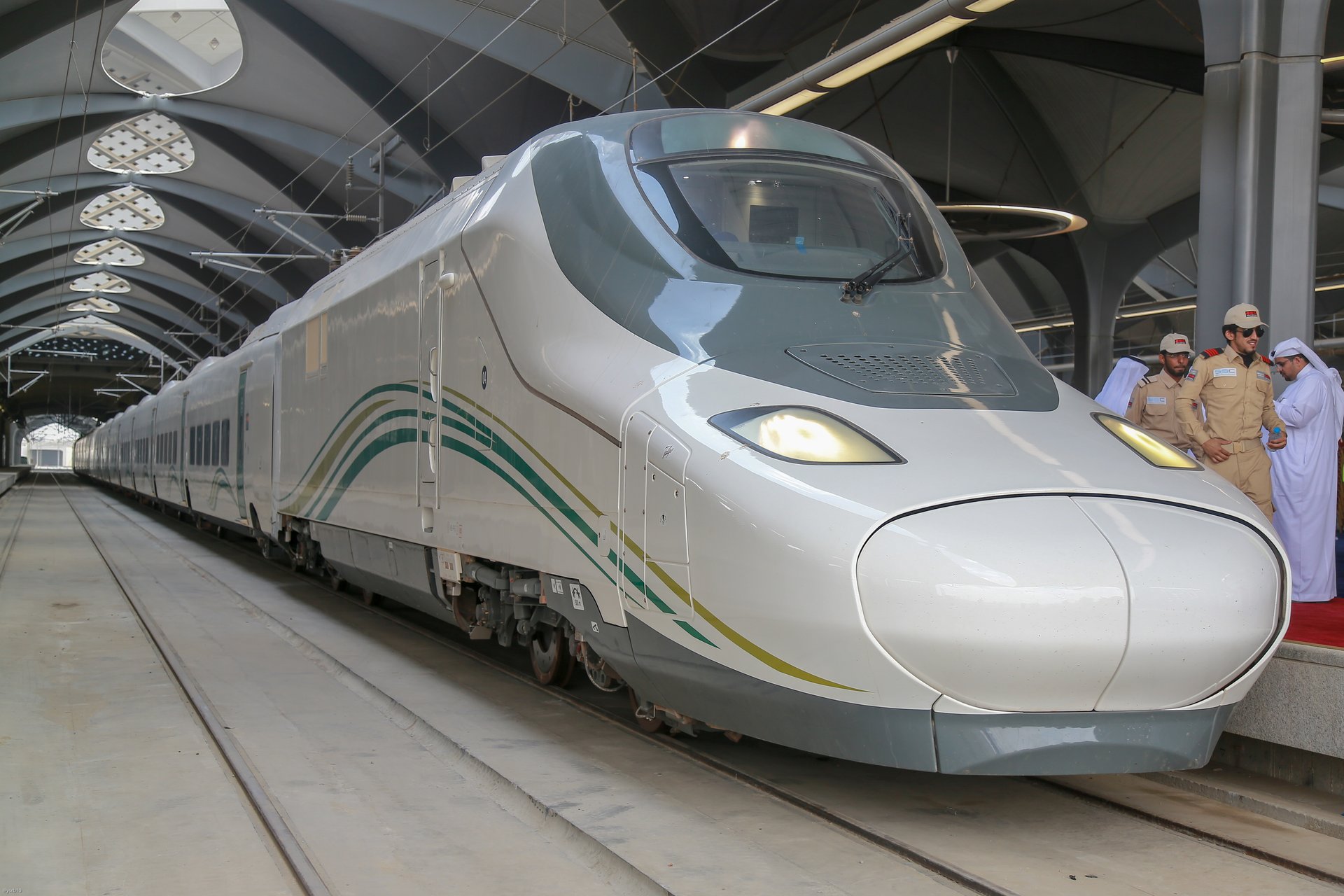
SAPTCO Bus — The Budget Option
The Saudi Public Transport Company (SAPTCO) operates intercity buses from Jeddah Airport to Mecca, making it the cheapest way to complete the journey. It is particularly popular with Umrah and Hajj pilgrims travelling on a budget.
Fares and Route
A single ticket costs SAR 20–35 (approximately $5–9 USD). Children under two travel free. Buses depart from KAIA Terminal 1 — follow the “Public Transport” signs from the arrivals hall. The drop-off point is Jarwal Bus Station in Mecca, located 1.5–2 km from Masjid al-Haram. You will need a short taxi ride (SAR 30–50) from Jarwal to most hotels near the Haram.
Schedule and Waiting Times
SAPTCO buses nominally run 24/7, but the reality is more complex:
In practice, buses depart when full rather than on a fixed timetable. Expect an average wait of 45 minutes before the bus leaves. During Ramadan and Hajj, the normal schedule is suspended entirely for a “load and go” system, which can mean longer or shorter waits depending on passenger volume. The actual driving time is around 2 hours, but total door-to-door time including waiting and the final taxi typically reaches 3–4 hours.
Reality check: If you are arriving late at night or have heavy luggage, the SAPTCO bus may not be the best choice. The uncertain wait times and the need for an onward taxi from Jarwal can make the cost savings marginal compared to a shared taxi or ride-hailing app.
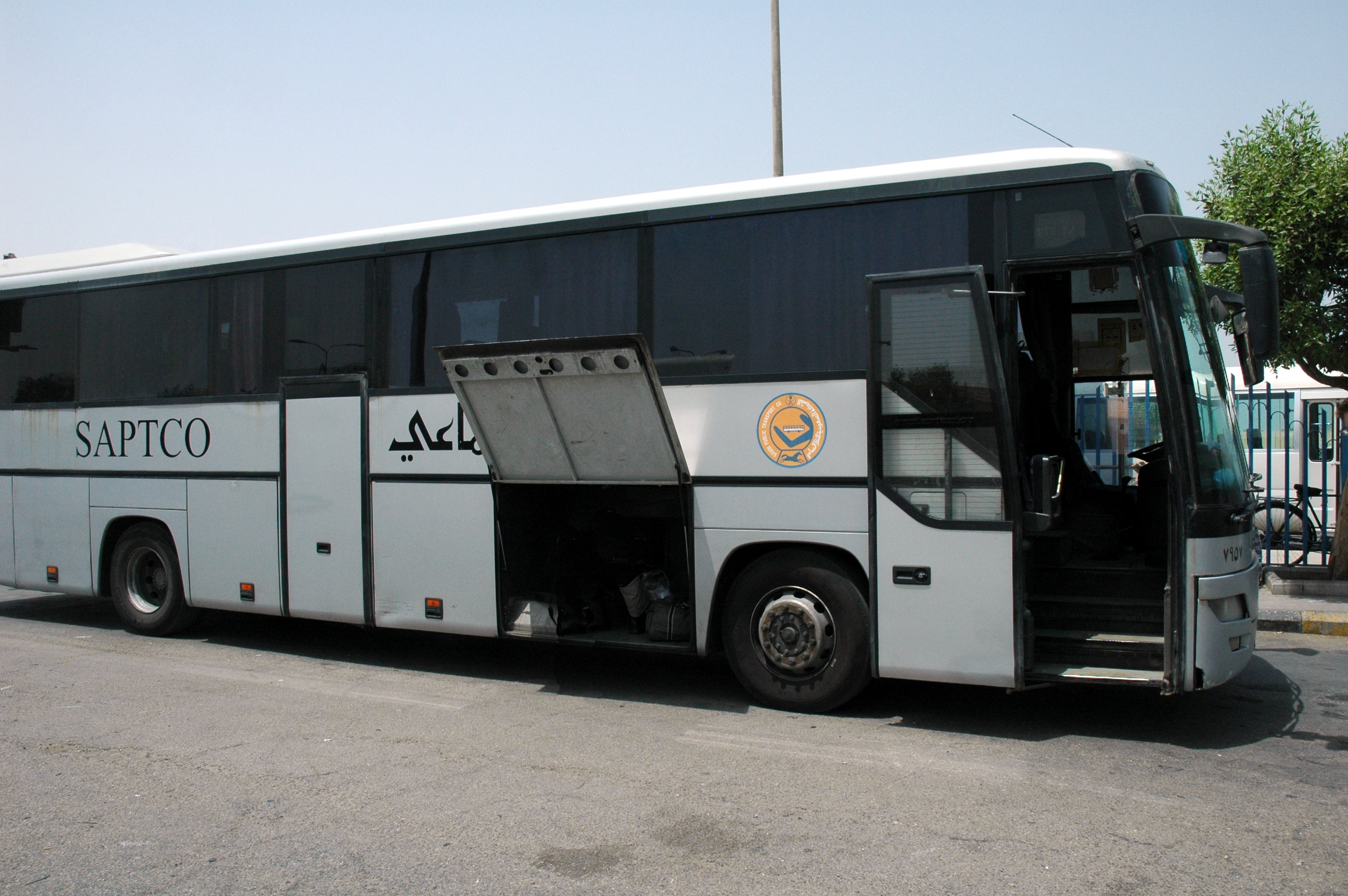
Taxi — Door-to-Door Convenience
Licensed taxis offer the most convenient option for travellers with luggage, families, or those arriving at unsociable hours. Unlike the train and bus, taxis take you directly from Jeddah (city or airport) to your hotel in Mecca.
Typical Fares
| Vehicle Type | Jeddah City → Mecca (SAR) | KAIA Airport → Mecca (SAR) | Airport Fare (USD) |
|---|---|---|---|
| Sedan (Toyota Camry) | 200 | 300 | ~$80 |
| Medium van (Hyundai H1) | 250 | 350 | ~$93 |
| Large SUV (GMC Yukon) | 300–400 | 450–600 | ~$120–160 |
| Minibus (HiAce) | 300 | 500 | ~$133 |
Practical Tips for Taxis
Uber and Careem — Ride-Hailing Apps
Both Uber and Careem operate in Jeddah and Mecca, giving travellers a familiar app-based alternative to negotiating with taxi drivers. Careem, now owned by Uber, sometimes has better driver availability outside the main city centres.
Fares and Booking
Standard ride-hailing fares from KAIA airport to Mecca typically range from SAR 200–350 (~$53–93 USD). Surge pricing during peak times — particularly Friday evenings, Ramadan nights, and Hajj season — can push fares significantly higher. Download both apps before you arrive so you can compare fares in real time.
Driving Yourself — Rental Car
Car rental is available from agencies at KAIA and throughout Jeddah, including international brands like Enterprise and Hertz as well as local firms. You will need an International Driving Permit (IDP) or a Saudi driving licence.
The main route is the Makkah–Jeddah Expressway, a well-maintained multi-lane highway. Under normal traffic conditions, the drive takes 60–90 minutes. However, driving into Mecca during Hajj or peak Umrah periods is strongly discouraged — traffic congestion can be extreme, and parking near Masjid al-Haram is both scarce and expensive. Saudi authorities may impose road closures and vehicle restrictions around the holy sites during the five days of Hajj.
Note: A new Jeddah–Makkah Direct Highway PPP project has been launched under Vision 2030, designed to reduce travel time to 35 minutes. Construction is underway but the road is not yet operational.
Hajj Season Transport — What Changes
Transport between Jeddah and Mecca operates differently during the Hajj period. Understanding these changes is essential for anyone performing the pilgrimage in 2026.
Government-Organised Pilgrim Buses
During Hajj, the Saudi government operates mutawwif buses as the primary transport from KAIA to Mecca. Pilgrims receive travel coupons at the airport for these dedicated services. If you are travelling with an organised Hajj group, your ground transport will typically be pre-arranged through your tour operator.
Free Shuttle Services
Free shuttle buses run from Masjid al-Haram to Jeddah Airport every two hours between 10 AM and 11 PM, with additional trips from noon to midnight. These are particularly useful for departing pilgrims who want to save on the return journey.
The Mashaaer Metro Line
Operating exclusively during Hajj, the Al Mashaaer Metro Line connects the ritual sites of Arafat, Muzdalifah, and Mina across 9 stations. Each of the 16 trains carries up to 3,000 passengers, with a combined capacity of 72,000 passengers per hour. This metro transported 2.13 million passengers during Hajj 2023. It does not run between Jeddah and Mecca but is essential once you are performing the Hajj rites.
Seasonal Tips
Comparison: Which Transport Option Is Best?
The right choice depends on your budget, group size, luggage, and arrival time. Here is how the options compare:
| Mode | Price (SAR) | Price (USD) | Time | Door-to-Door? | Best For |
|---|---|---|---|---|---|
| HHR Train (Jeddah City) | 40–55 | $11–15 | ~35 min | No | Solo travellers, speed |
| HHR Train (KAIA Airport) | 55–70 | $15–19 | ~50–60 min | No | Airport arrivals |
| SAPTCO Bus | 20–35 | $5–9 | 3–4 hrs total | No | Budget travellers |
| Taxi Sedan (City) | 200 | ~$53 | 60–90 min | Yes | Convenience, luggage |
| Taxi Sedan (Airport) | 300 | ~$80 | 60–90 min | Yes | Families, late arrivals |
| Uber/Careem (Airport) | 200–350 | $53–93 | 60–90 min | Yes | App users, fare comparison |
| Private SUV (Airport) | 450–600 | $120–160 | 60–90 min | Yes | Groups, VIP |
Our recommendation: For most pilgrims arriving at KAIA, the Haramain Railway offers the best balance of speed, cost, and reliability. If you have heavy luggage or are travelling with elderly family members, a pre-booked taxi or Careem ride to your hotel door is worth the extra cost.
Arriving at King Abdulaziz International Airport (KAIA)
Most international visitors begin their journey at King Abdulaziz International Airport in Jeddah — Saudi Arabia’s busiest airport for Hajj and Umrah traffic. The airport has two main terminals plus the dedicated Hajj Terminal, which opens seasonally to handle the surge of pilgrims.
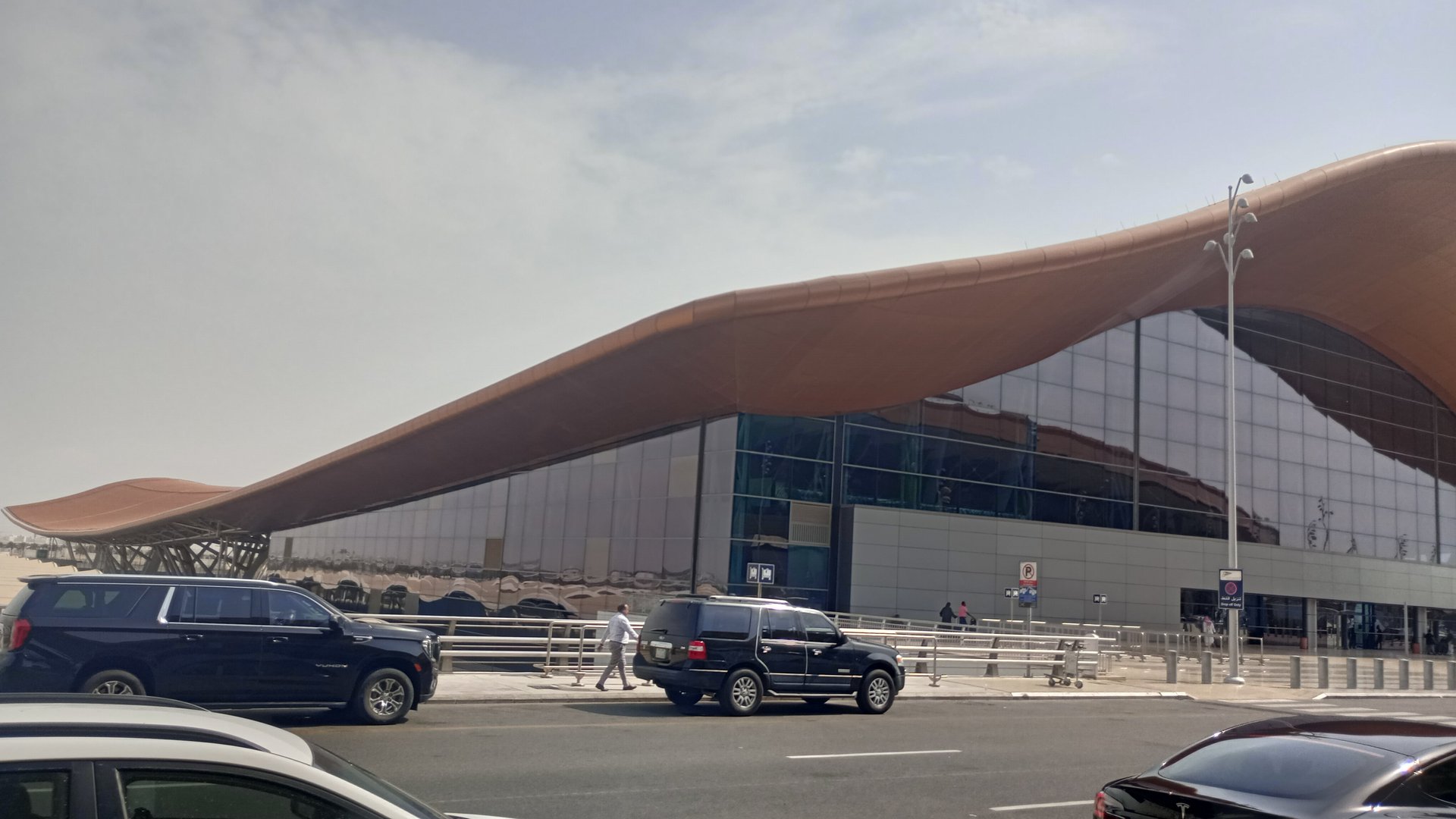
Getting from the Terminal to Transport
If you are arriving on a tourist e-visa, be aware that immigration processing times at KAIA can vary from 30 minutes to over 2 hours during peak season. Factor this into your transport planning — if you have pre-booked a train, build in a generous buffer.
Important: Entry Restrictions for Non-Muslim Visitors
Non-Muslims are prohibited from entering Mecca. This applies to the entire city, not just Masjid al-Haram. The restriction is rooted in Islamic jurisprudence and codified in Saudi law, with no exceptions for any visa type.
How Checkpoints Work
Checkpoints are positioned on all major highways approaching Mecca. The most prominent is the Makkah Gate (Bawabat Makkah) on the Jeddah–Makkah Expressway — a monumental arch featuring a giant open Quran on a book stand, spanning over 135 metres and rising some 26 metres. Signs in Arabic and English direct non-Muslim travellers to bypass routes before the boundary. At the checkpoints, all passengers are checked and asked about their religion. Hajj/Umrah visas and identification documents are verified.
Consequences of Violation
Attempting to enter Mecca as a non-Muslim can result in detention, deportation, significant fines, and a permanent ban from entering Saudi Arabia. Do not attempt to bypass the checkpoints.
Alternatives for Non-Muslim Travellers
If you are visiting Saudi Arabia on a tourist visa but cannot enter Mecca, there is no shortage of rewarding destinations:
Practical Tips for the Journey
What to Carry
Best Time to Travel
If your schedule is flexible, travel between Jeddah and Mecca early in the morning (before 7 AM) or late at night (after 10 PM) to avoid the worst traffic. Friday afternoons are particularly congested due to Jumu’ah prayers. During Hajj season, the days immediately before and after the standing at Arafat see the heaviest transport demand.
Luggage and Accessibility
The Haramain Railway allows two checked bags plus carry-on per passenger. SAPTCO buses have luggage compartments but space is limited during busy periods. If you are travelling with more than two large suitcases or have mobility requirements, a door-to-door taxi or Careem ride is the most practical option.
Connectivity
Saudi SIM cards are available at KAIA arrivals. The three main carriers — STC, Mobily, and Zain — all offer tourist data packages. Having mobile data is essential for ride-hailing apps and for navigating the Makkah station area on arrival. If you are staying in a hotel near Masjid al-Haram, save the exact address in your phone before you leave the airport.
Extending Your Trip Beyond Mecca
Many pilgrims use Jeddah as a base for exploring more of Saudi Arabia before or after their Hajj or Umrah. The Haramain Railway continues from Mecca all the way to Madinah in around 2 hours 20 minutes, making a visit to the Prophet’s Mosque straightforward. Hotels near Masjid al-Nabawi in Medina cater specifically to pilgrims.
For those with more time, consider an Umrah plus holiday itinerary, combining your pilgrimage with beach time on the Red Sea coast or a cultural visit to AlUla. The Hajj and Beyond guide covers how to extend your Saudi trip after completing the pilgrimage rites.
If you are arriving from elsewhere in the Kingdom, a Jeddah to AlUla road trip via Medina is one of Saudi Arabia’s great driving routes — though you will want to complete your Mecca visit before heading north.