
Diriyah is where Saudi Arabia began. Founded in 1446 and seat of the First Saudi State from 1744, this historic district 15 kilometres northwest of central Riyadh is now the site of a $63 billion mega-development that blends UNESCO-listed heritage with world-class dining, luxury hotels, and cultural institutions. Whether you are building a wider Saudi Arabia travel itinerary or spending a dedicated day exploring Riyadh’s most historically significant neighbourhood, Diriyah Gate belongs at the top of your list. The development is a cornerstone of Saudi Arabia’s giga-projects programme, and much of it is already open to visitors — with far more on the way.
Best Time to Visit: October to March (15–25 °C daytime; Diriyah Season runs November–March)
Getting There: 15–20 minutes by taxi from central Riyadh; 35–45 minutes from King Khalid International Airport
Visa Required: Yes — tourist e-visa available online
Budget: $55–270 per person for a half- to full-day visit (entry, dining, transport)
Must-See: At-Turaif UNESCO World Heritage Site, Bujairi Terrace, Wadi Hanifah
Avoid: Visiting June–August without early-morning planning — summer temperatures exceed 45 °C
Why Diriyah Matters: A Brief History
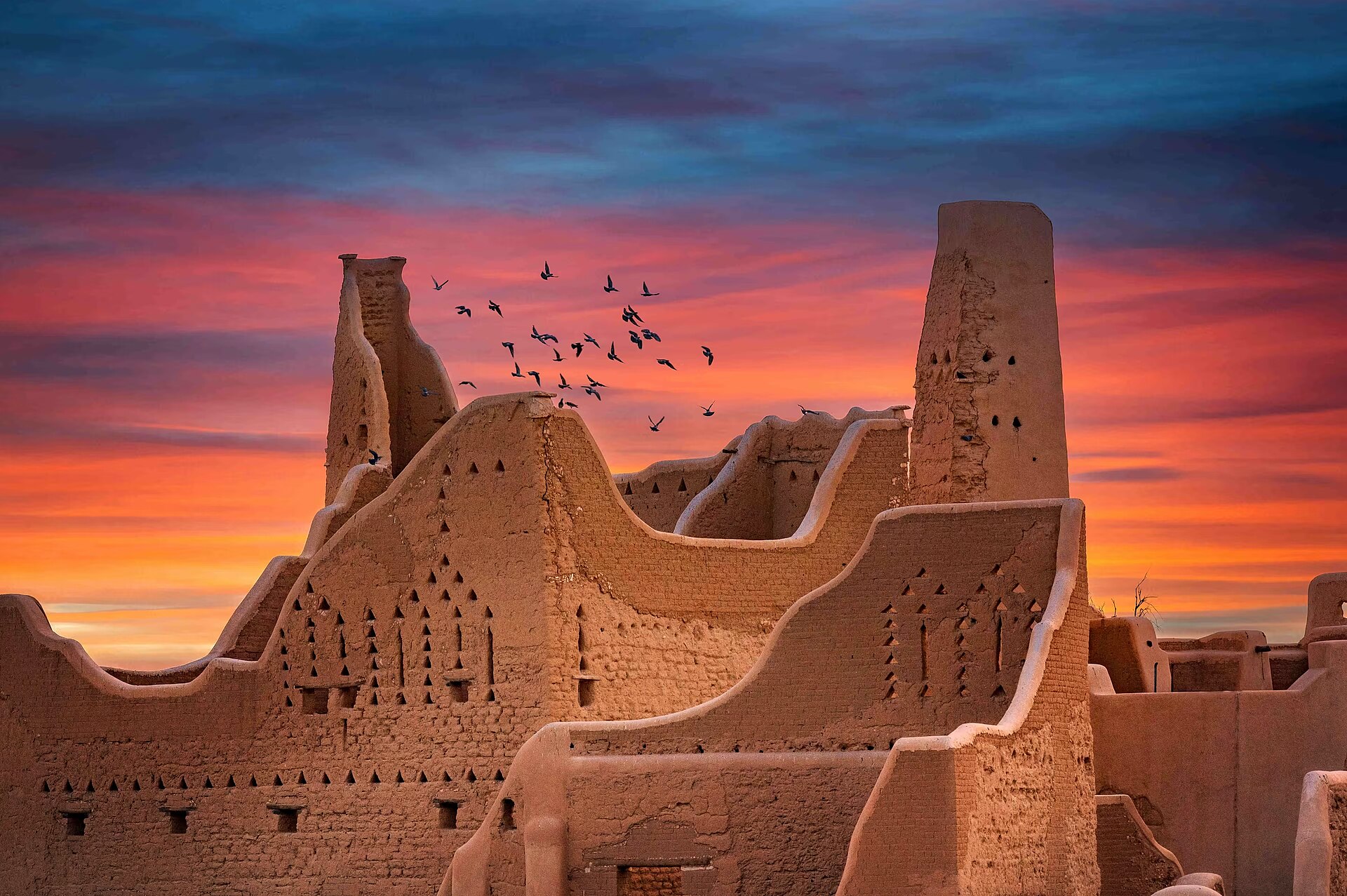
Diriyah’s story begins in 1446 when Mani’ al-Muraidi, an ancestor of the Al Saud royal family, established a settlement on the banks of Wadi Hanifah. By the mid-eighteenth century, Diriyah had become the capital of one of Arabia’s most consequential political experiments. In 1744, Muhammad bin Saud formed an alliance with the religious scholar Muhammad ibn Abd al-Wahhab, founding the First Saudi State — the Emirate of Diriyah — which would control most of the Arabian Peninsula at its peak.
The At-Turaif district served as the seat of power. Its Salwa Palace complex housed the ruling family, while surrounding structures included mosques, bathhouses, guest quarters, and administrative buildings — all constructed in the distinctive Najdi architectural style of thick mud-brick walls, narrow windows for thermal insulation, internal courtyards, and geometric decorative patterns. For a deeper exploration of this founding period, see our dedicated history of Diriyah.
In 1818, Ottoman-Egyptian forces under Ibrahim Pasha besieged and destroyed Diriyah, ending the First Saudi State. The capital shifted to Riyadh, and Diriyah’s ruins lay largely untouched for nearly two centuries. Restoration began in 2000, and on 31 July 2010, UNESCO inscribed At-Turaif on the World Heritage List — recognising it as an outstanding example of Najdi architecture and a site of exceptional cultural significance. King Salman inaugurated the restored district in 2018.
What Is Open Now (2026)
Diriyah Gate is a phased development, and visitors sometimes arrive uncertain about what they can actually see today versus what remains under construction. Here is what is fully operational as of early 2026.
At-Turaif UNESCO World Heritage Site
The centrepiece of any Diriyah visit. At-Turaif opened to the public on 4 December 2022 and is described as the largest open-air museum in the world. Walking through the restored mud-brick palaces and narrow lanes is an experience unlike anything else in Riyadh — or, for that matter, in the Gulf region. The site includes several museums housed within the original structures:
- Diriyah Museum (Salwa Palace) — the main museum, covering the political and cultural history of the First Saudi State within the restored royal palace complex
- Social Life Museum — daily life, customs, and domestic culture in historic Diriyah
- Military Museum — the wars, sieges, and defence of the First Saudi State
- Arabian Horse Museum — the role of horses in Najdi culture and warfare
- Tatel — Spanish fine dining, with locations in Madrid and Ibiza
- Hakkasan — Cantonese cuisine, originally from London’s Michelin circuit
- Long Chim — Thai street food elevated, from David Thompson
- Chez Bruno — French Mediterranean, known for truffle-based dishes
- Flamingo Room by tashas — pan-African flavours in a striking setting
- GRIND — contemporary Saudi cuisine, one of the terrace’s most popular options
- Somewhere — modern Middle Eastern
- Brunch & Cake — Mediterranean all-day dining
- Layali Al-Diriyah — evening entertainment, dining, and live music across the heritage district
- Souq Al-Mawsim — a heritage market featuring a rotating guest country (Japan in 2025)
- Diriyah Storytelling Festival — oral traditions and literary events
- Hal Al-Qusoor Exhibition — seasonal art and heritage exhibition within the palace complex
- Sada Al-Wadi — folk arts programme celebrating traditional music and performance
- Minzal — a glamping experience offering overnight stays in the heritage landscape
- Start at At-Turaif. The heritage site is best experienced in morning or late-afternoon light. Save Bujairi Terrace for lunch or dinner.
- Book a guided tour. At-Turaif’s significance is not immediately obvious from the architecture alone. A guide brings the walls to life with the political and military history behind them.
- Download the Diriyah app. The official app includes maps, audio guides, and event schedules.
- Combine with Wadi Hanifah. A walk along the wadi provides the best photographic angles of At-Turaif from below — particularly striking at sunset.
- Check construction updates. The development is actively expanding. Road access, parking, and walkable areas change as new sections open. Check social media or the official website before your visit.
- Evening visits. At-Turaif and Bujairi Terrace are illuminated after dark, creating a completely different atmosphere. The site stays open until midnight or later.
- Saudi Arabia Travel Guide 2026 — The complete guide to visiting the Kingdom
- Diriyah: The Cradle of the Saudi State — The full history of Saudi Arabia’s founding capital
- Riyadh Self-Guided Walking Tour — Old Quarter to modern skyline in one day
- National Museum of Saudi Arabia — Tickets, exhibits, and visitor tips
- Saudi Giga-Projects Explained — NEOM, Diriyah, Red Sea, and Roshn decoded
- Saudi Arabia Visa Guide — Every visa type explained
Allow at least two hours for At-Turaif. Guided tours (available in Arabic and English, approximately 75 minutes) are worthwhile for understanding the architectural details and historical context. If you are following our Riyadh walking tour, Diriyah makes an excellent half-day extension.
Bujairi Terrace
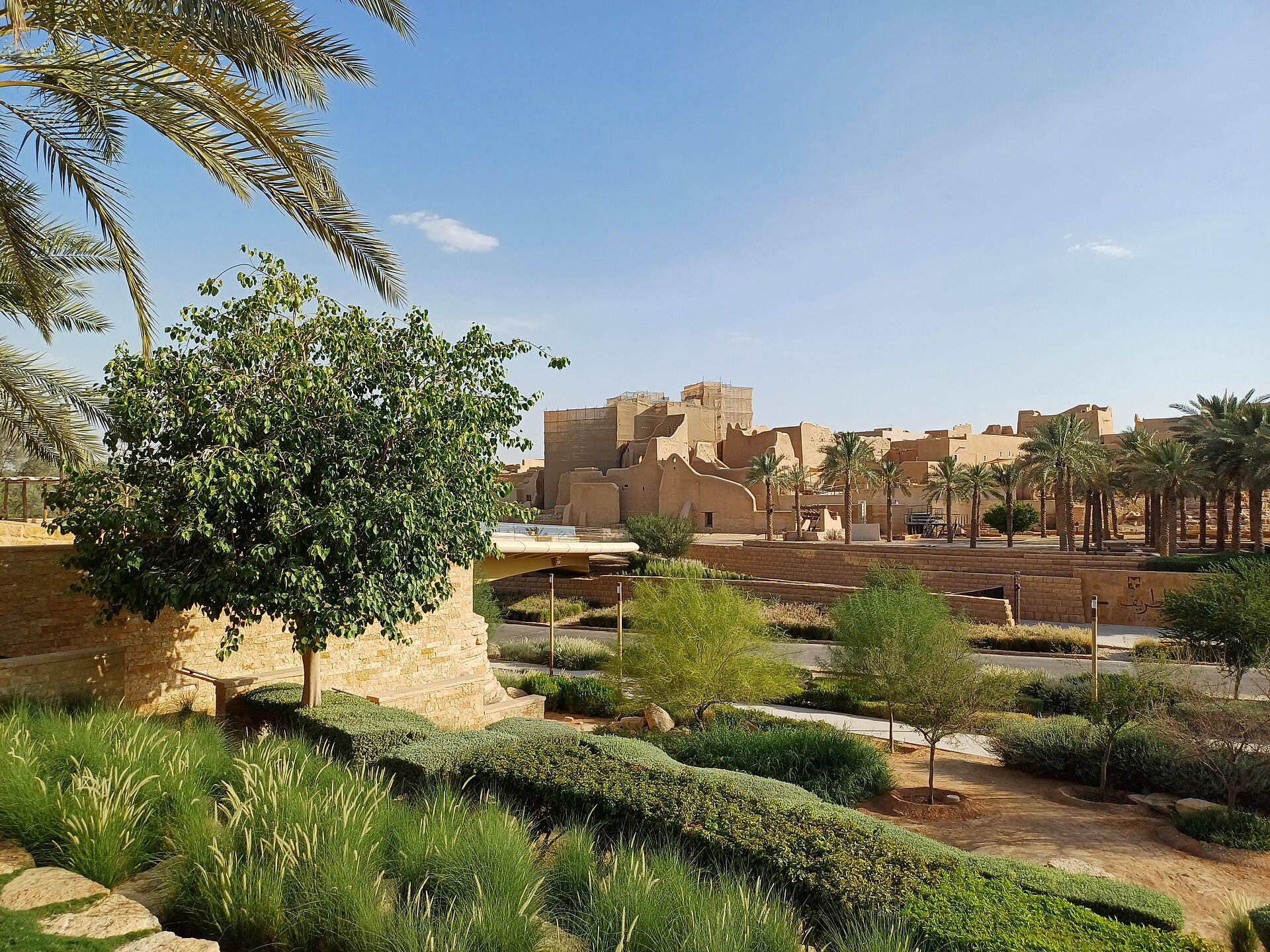
Directly facing At-Turaif across Wadi Hanifah, Bujairi Terrace is Diriyah’s premium dining and leisure destination. The complex is built in traditional Najdi architectural style — low-rise structures in warm earth tones — and houses over 20 restaurants and cafes, several of which hold international acclaim. Notable options include:
Tip: Bujairi Terrace is free to enter before 5 PM. After 5 PM, a SAR 50 ($13) entry fee applies — but it is fully redeemable as credit at any of the terrace’s restaurants. The evening hours, with At-Turaif illuminated across the wadi, are worth the timing.
Bab Samhan Hotel
Diriyah’s first hotel, Bab Samhan opened in January 2025 as part of the Marriott Luxury Collection. The property has 130 rooms designed in Najdi style and sits within walking distance of both At-Turaif and Bujairi Terrace. It is currently the only hotel operating within the Diriyah Gate development — an important detail for those planning an overnight stay rather than a day trip from central Riyadh. Expect rates from SAR 1,500+ ($400+) per night.
Zallal Commercial District
Opened as Diriyah’s first mixed-use commercial zone, Zallal features two low-rise office buildings and 12 retail and food-and-beverage outlets in the Bujairi area. It is a quieter complement to the terrace — useful for coffee or a casual browse without the restaurant-district crowds.
Diriyah Art Futures
A contemporary art centre developed in partnership with the Ministry of Culture, featuring studios and exhibition spaces focused on digital and new-media art. Worth a stop for those interested in Saudi Arabia’s growing contemporary art scene.
Al-Bujairi Heritage Park
A family-oriented space offering workshops, traditional storytelling, and play areas. Useful if visiting with children, and a good break between the museum and dining experiences.
What Is Coming: The Future of Diriyah Gate
The $63 billion masterplan covers 14 square kilometres and is organised into three main phases (DG1, DG2, DG3) plus the Wadi Safar luxury zone. Here is what is under construction or confirmed for the coming years.
Luxury Hotels (2027–2028)
Construction on the first eight luxury hotels began in late 2024. The confirmed brands read like a global hospitality summit:
| Hotel | Expected Opening | Notes |
|---|---|---|
| The Ritz-Carlton Diriyah | 2027 | 195 rooms + 34 suites; $186M construction contract |
| Aman Wadi Safar | 2027–2028 | 78 keys + up to 34 serviced residences |
| Janu Diriyah | 2027–2028 | Aman’s sister brand; first Middle East location |
| Raffles | 2028 | Part of the heritage district cluster |
| Park Hyatt | 2028 | Adjacent to the cultural quarter |
| Rosewood | 2028 | In the Wadi Safar luxury zone |
| Orient Express | TBC | LVMH’s first Saudi property |
| Six Senses (Wadi Safar) | TBC | Wellness-focused resort |
Additional brands confirmed for later phases include Capella, Baccarat, LXR Hotels, Fauchon, Campbell Gray, and Oberoi. When complete, Diriyah Gate will have more than 38 hotels — making it one of the densest luxury hospitality clusters in the Middle East. For accommodation options already available in the capital, see our Saudi Arabia hotels guide.
The Arena
A 20,000-seat multi-purpose venue designed by HKS Architects. Intended for concerts, sporting events, and major entertainment programming. No confirmed opening date, but construction is underway.
Royal Diriyah Opera House
Scheduled to open in 2028, this will be Saudi Arabia’s first purpose-built opera house — a significant cultural statement. The Metropolitan Opera has already performed at Diriyah Season events, suggesting the programming ambitions are serious.
DG2 Boulevard District
Described as “Parisian-scaled,” DG2 features a central boulevard compared to the Champs-Élysées, with 5,000 residential units and extensive retail. Under active construction with no firm completion date.
Time Out Market
The global food hall brand has confirmed a Diriyah location for 2027 — its first in Saudi Arabia.
Infrastructure
Major infrastructure, including 60,000 underground parking spaces and pedestrian networks, is targeted for 2027 completion. A 10,500-space underground parking facility was 55% complete as of mid-2025.
Visitor note: Active construction means some areas are fenced off and access routes change periodically. Prince Abdulaziz Bin Thunayan Road was partially closed from March 2025 for development work. Check the Diriyah Company website or social media channels for current access information before visiting.
Diriyah Season and Events
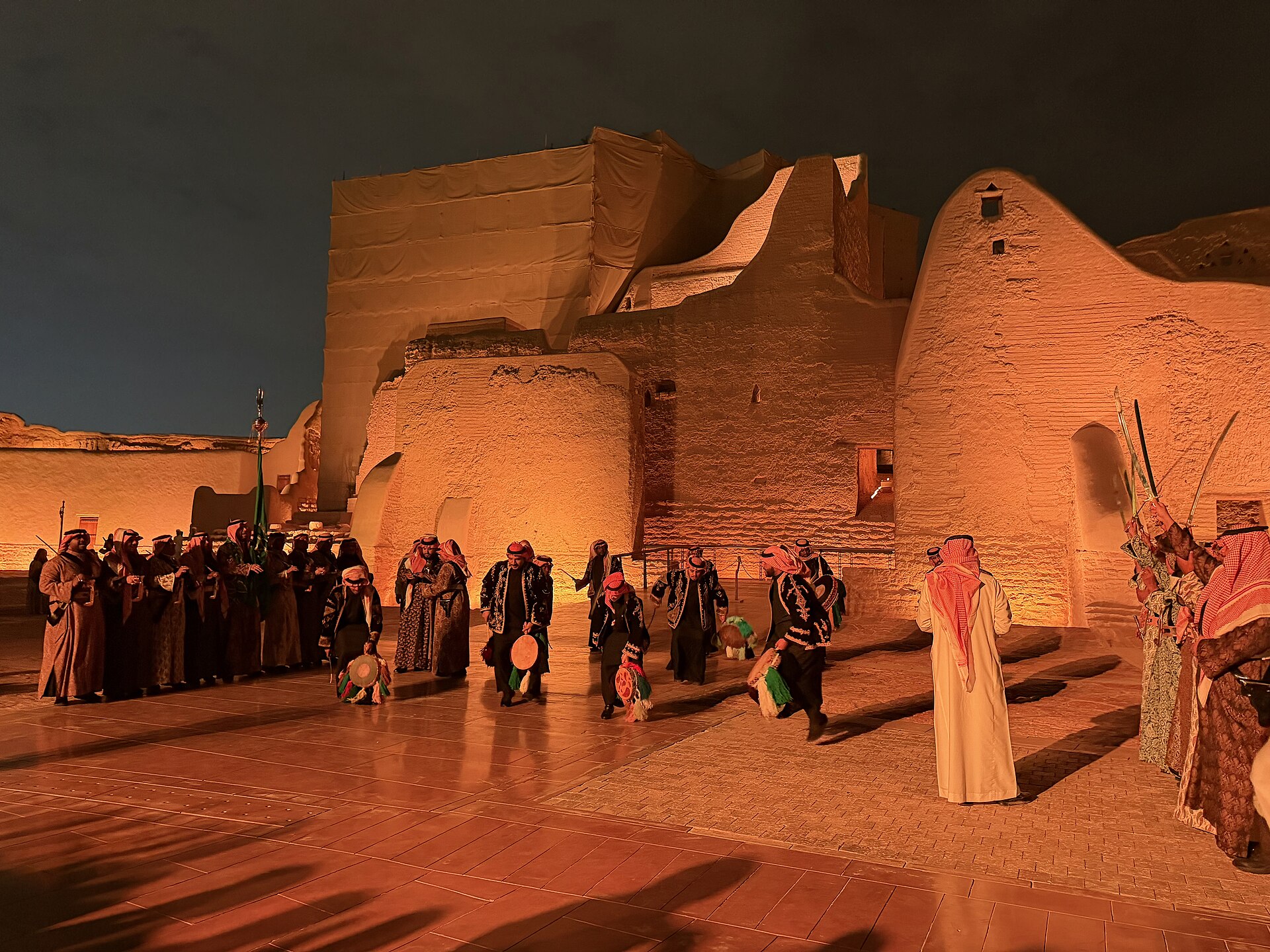
Diriyah Season is an annual cultural and entertainment festival running from November to March each year — perfectly timed to the cooler weather. The 2025–2026 edition (1 November 2025 to 23 March 2026) marked the fifth year of Layali Al-Diriyah, the season’s flagship evening programme of live performances, boutique shopping, and heritage experiences in the Al-Murayih District.
Regular seasonal programming includes:
The next Diriyah Season is expected to begin in November 2026, though dates have not been confirmed. If your travel dates are flexible, timing your visit to coincide with the season significantly enhances the experience.
Formula E: The Diriyah E-Prix was a marquee event from 2018 to January 2024, but has since moved to the Jeddah Corniche Circuit as construction consumed the former street circuit. If you are interested in motorsport, see our Jeddah travel guide for current racing events.
Getting to Diriyah
Diriyah sits 15 kilometres northwest of central Riyadh and approximately 50 kilometres from King Khalid International Airport (RUH).
From Central Riyadh
The easiest option is a taxi or ride-hailing app (Uber and Careem both operate in Riyadh). Expect a 15–20-minute journey via King Khalid Road or King Fahd Road, costing SAR 25–50 ($7–13). There is no direct public transport connection at present, though the Riyadh Metro may improve access as additional lines open.
From the Airport
A taxi from King Khalid International Airport takes 35–45 minutes depending on traffic. If you are arriving on a tourist e-visa — available to citizens of 63 countries through the Saudi e-visa system — Diriyah can comfortably be your first stop before heading into central Riyadh.
Parking
On-site parking is available at Bujairi Parking and Samhan Parking. The fee is SAR 30 ($8) for three hours. Arrive early on weekends (Thursday–Friday) as lots fill quickly during peak season.
Practical Information
Entry Fees
| Ticket | Price (SAR) | Price (USD) | Notes |
|---|---|---|---|
| Diriyah Pass | 50–100 | $13–27 | Varies by season; redeemable at Bujairi Terrace restaurants |
| Children (under 12) | Free | Free | — |
| Guided tour | 200–500+ | $53–133+ | ~75 minutes, Arabic or English |
| Parking (3 hours) | 30 | $8 | Bujairi or Samhan lots |
Opening Hours
| Day | Hours |
|---|---|
| Saturday–Wednesday | 10:00 AM – 12:00 AM |
| Thursday | 10:00 AM – 1:00 AM |
| Friday | 2:00 PM – 1:00 AM |
Hours extend during Diriyah Season and special events. Friday’s late opening reflects prayer times.
What to Wear
Modest clothing is expected throughout Saudi Arabia. At Diriyah, comfortable walking shoes are essential — you will cover significant ground on uneven surfaces at At-Turaif. In cooler months, bring a light jacket for evenings. In summer, sunscreen, a hat, and water are non-negotiable.
How Long to Spend
A minimum of half a day is needed to see At-Turaif and Bujairi Terrace at a reasonable pace. A full day allows for museum visits, a long lunch, Wadi Hanifah, and evening dining. Overnight at Bab Samhan or a future Diriyah hotel turns it into a complete experience.
Nearby Attractions
Wadi Hanifah
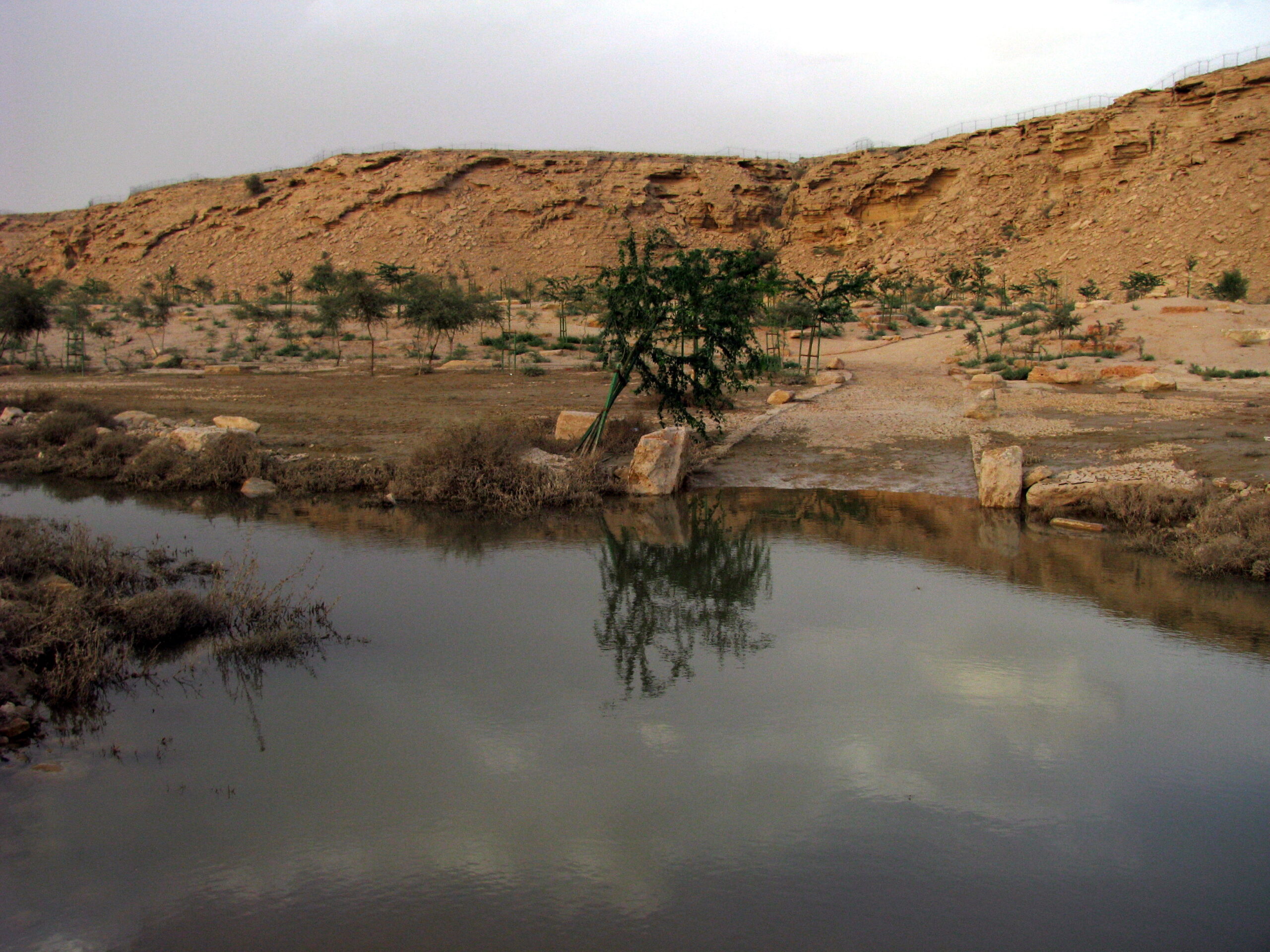
The valley that runs directly through Diriyah is a destination in its own right. After a major beautification project, Wadi Hanifah now features walking and cycling paths, natural pools, picnic areas, and lush vegetation — a surprising green corridor in the middle of the Najd plateau. The wadi’s banks connect the heritage district to the surrounding landscape and offer some of the best views of At-Turaif from below. Access is free.
National Museum of Saudi Arabia
Located 20 minutes away in central Riyadh’s Al-Murabba district, the National Museum provides excellent context for what you see at Diriyah — spanning from pre-Islamic Arabia through the founding of the Saudi state to the modern era. Combining both in a single day makes for a comprehensive historical itinerary.
Masmak Fortress
The 1902 capture of Masmak Fortress by Abdulaziz ibn Saud launched the Third Saudi State and modern Saudi Arabia. The fortress is now a museum in central Riyadh and pairs naturally with Diriyah’s First Saudi State narrative. Part of our recommended Riyadh self-guided walking tour.
Edge of the World (Jebel Fihrayn)
Approximately 90 minutes’ drive northwest of Riyadh, this dramatic cliff formation offers panoramic views across an ancient seabed. It requires a 4×4 and ideally a guided trip, but makes an outstanding day excursion if you have two or more days in the Riyadh area. Best visited October to March.
Budget Planning
| Experience Level | Estimated Cost (SAR) | Estimated Cost (USD) | Includes |
|---|---|---|---|
| Budget half-day | 200–350 | $55–95 | Entry pass, taxi, casual dining at Bujairi Terrace |
| Mid-range full day | 500–1,000 | $135–270 | Entry + guided tour, taxi, mid-range restaurant, Wadi Hanifah |
| Luxury overnight | 2,500–5,000+ | $670–1,350+ | Bab Samhan Hotel, fine dining at Hakkasan or Tatel, private tour |
Tip: The Diriyah Pass fee is redeemable as restaurant credit at Bujairi Terrace. If you plan to dine there — and you should — your entry is effectively free.
Best Time to Visit Diriyah
The optimal window is October to March, when daytime temperatures range from 15–25 °C and outdoor exploration is comfortable. This also coincides with Diriyah Season (November–March), when the cultural programme adds significantly to the experience.
Summer visits (June–August) are possible but demanding — temperatures regularly exceed 45 °C. If you must visit in summer, arrive when the site opens at 10 AM, complete outdoor exploration by early afternoon, and shift to indoor museums and Bujairi Terrace dining for the rest of the day.
Ramadan timing varies each year. During Ramadan, opening hours and restaurant availability change significantly. Check the Diriyah Company’s official channels for adjusted schedules.