BEIRUT — Israeli airstrikes killed 11 people in southern Lebanon overnight on April 12, hitting homes in the villages of Maaroub and Qana while the bodies of 13 Lebanese state security personnel — killed in an earlier Israeli attack — were still being carried through funeral processions. The strikes came hours after 21 hours of US-Iran talks in Islamabad collapsed without a deal, leaving Saudi Arabia’s most publicly staked diplomatic demand — that Lebanon be included in any ceasefire — without a mechanism, a guarantor, or a plausible path forward.
Six civilians died in Maaroub, in the Tyre district, and five more in Qana, according to Lebanon’s National News Agency. The timing is not incidental. Netanyahu has stated openly that Lebanon was never covered by the Iran ceasefire. The White House has confirmed this. And MBS, who used a British proxy to extract Lebanon’s inclusion into a 20-nation joint statement just four days ago, now has nothing to show for it — with Hajj pilgrims from Indonesia and Pakistan beginning to arrive in six days and the ceasefire itself expiring in ten.
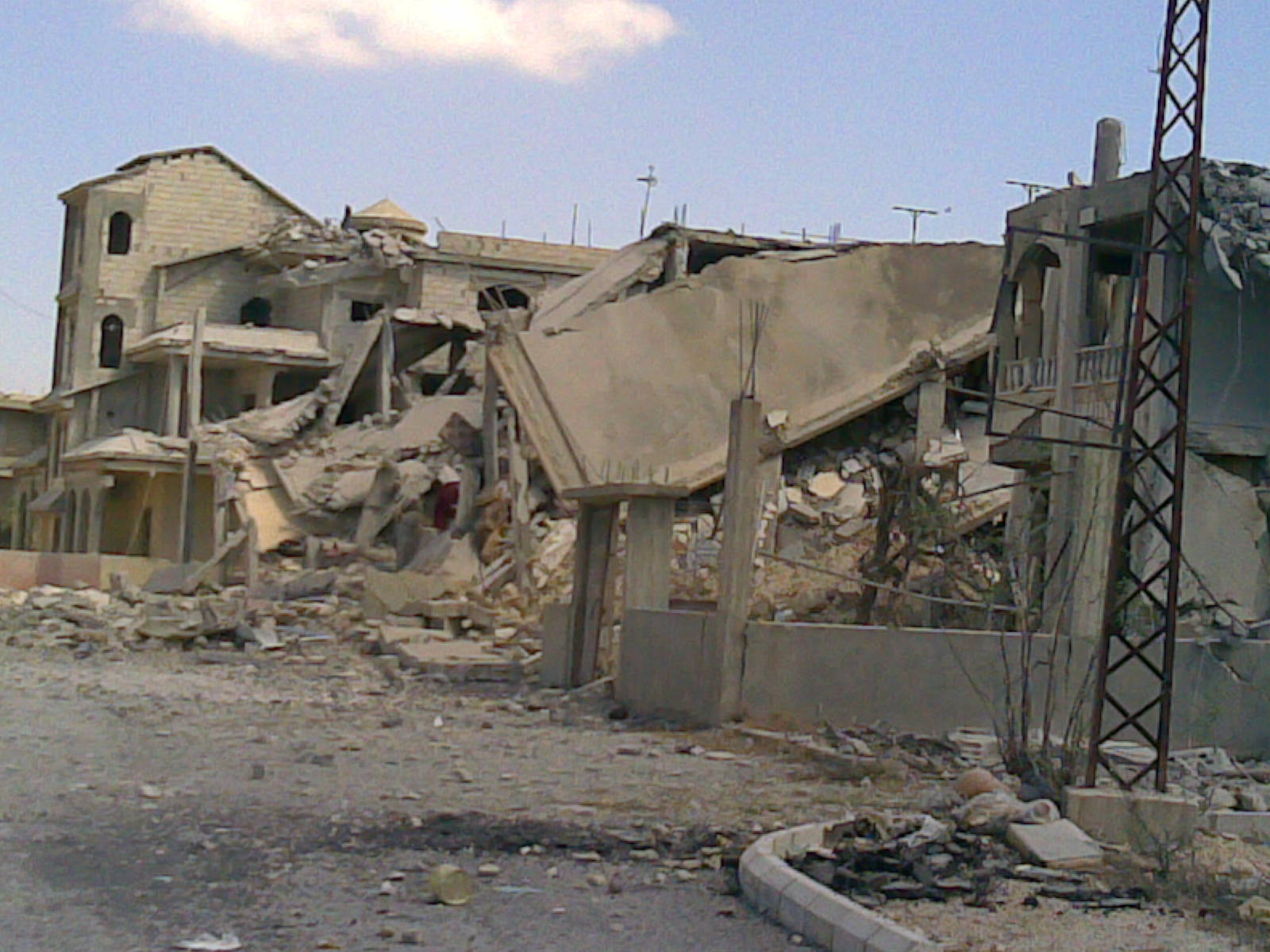
Table of Contents
Maaroub and Qana: What Happened Overnight
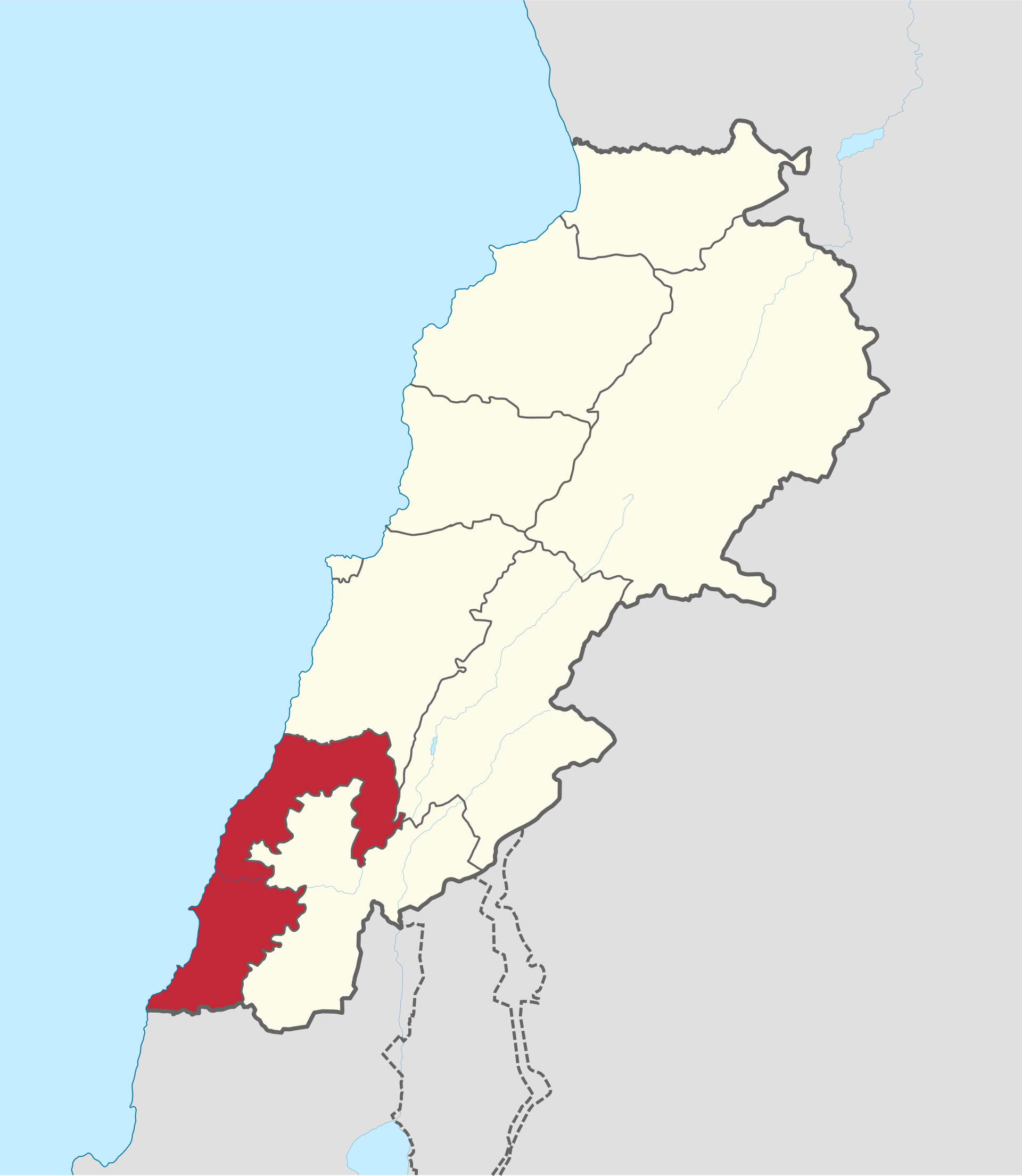
The Israeli Air Force struck a house in Maaroub, a village in Tyre district, killing six civilians. A separate strike on Qana killed five more, according to Lebanon’s state-run National News Agency, as reported by Al Jazeera and The National on April 12. Families in the area had been attending funerals for the 13 Lebanese state security forces killed in a previous Israeli strike, making the timing feel less like tactical necessity and more like a message.
Qana carries a weight in Arab collective memory that few place names can match. It was hit in 1996, when Israeli shelling killed 106 people sheltering in a United Nations compound. It was hit again in 2006, when 28 people died. This is the third time the name has appeared in an Israeli-Lebanese war context, and each repetition compounds the political cost for any Arab government seen as unable — or unwilling — to act.
The strikes were part of a broader intensification. On April 10, Israel hit Lebanese state security forces, killing eight; 14 people died across Lebanon that day. On April 11, 18 were killed in southern Lebanon alone, according to Al Jazeera. Since the November 2024 ceasefire between Israel and Lebanon, Israeli airstrikes have killed approximately 500 people in Lebanon, including 127 civilians, according to data compiled by Wikipedia’s editors from Lebanese government and UN sources. Israel continued strikes in Lebanon “nearly every day” throughout that ceasefire period.
Hezbollah responded on April 12 by firing approximately 20 rockets at northern Israel, all of which were intercepted or fell in open areas, causing no Israeli casualties. On April 10, 70 rockets from Lebanon struck northern Israel, causing what Haaretz described as “heavy damage.” The exchange is escalating in both directions, but the casualty ratio remains overwhelmingly one-sided.
The Middle East briefing 3,000+ readers start their day with.
One email. Every weekday morning. Free.
Why Did the Islamabad Talks Collapse?
The Islamabad talks between US Vice President JD Vance and Iranian Parliament Speaker Mohammad Bagher Ghalibaf lasted 21 hours before ending without agreement on the morning of April 12. Vance departed Pakistan and told reporters: “We leave here with a very simple proposal: a method of understanding that is our final and best offer. We’ll see if the Iranians accept it.” He characterized the failure as worse for Tehran than Washington. “The bad news is that we have not reached an agreement, and I think that’s bad news for Iran much more than it’s bad news for the United States of America,” he told ABC News.
Vance framed the sticking point as nuclear: Iran refused to give “an affirmative commitment that they will not seek a nuclear weapon,” he said. Ghalibaf offered a different reading entirely. “The US has understood Iran’s logic and principles, and it’s time for them to decide whether they can earn our trust or not,” he told Al Jazeera. He had already told CNBC on April 11 that “our experience of negotiating with the Americans has always been accompanied by failure and breaches of commitments.”
Iran’s Foreign Minister Abbas Araghchi sharpened the framing further in a post on X: “The Iran-US Ceasefire terms are clear and explicit: the US must choose — ceasefire or continued war via Israel. It cannot have both.” The binary is deliberate. It forces the Lebanon question — which Washington had successfully quarantined from the ceasefire text — back into the center of the negotiation.
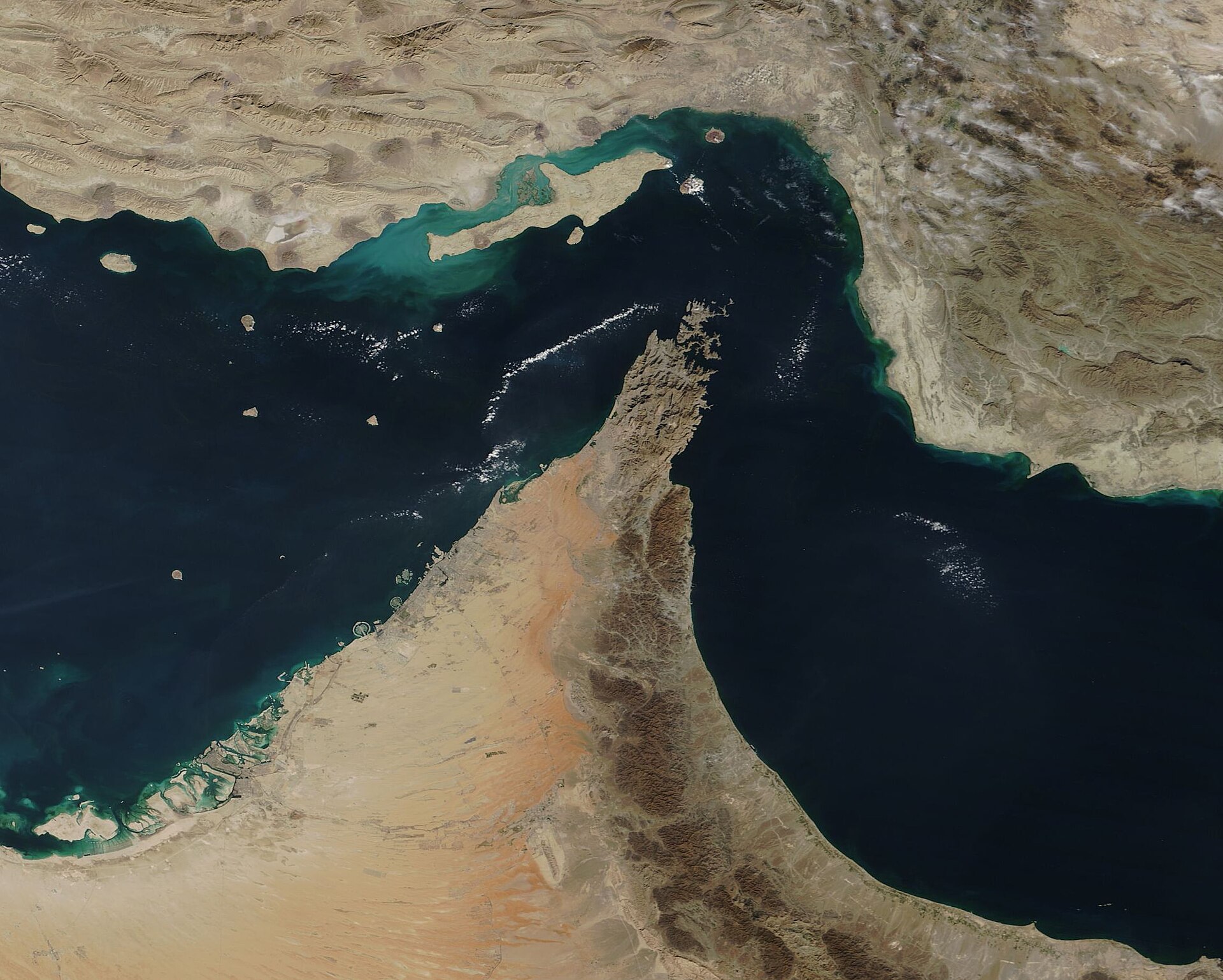
Trump responded to the collapse by ordering a US Navy blockade of the Strait of Hormuz “effective immediately,” according to Euronews, CNN, and the Times of Israel. The IRGC Navy had already declared “full authority” over the Strait in a parallel escalation. Saudi Arabia, which observed the Islamabad talks alongside China, Egypt, and Qatar, issued no formal statement on the collapse as of reporting time.
Saudi Arabia’s Lebanon Demand and the Starmer Proxy
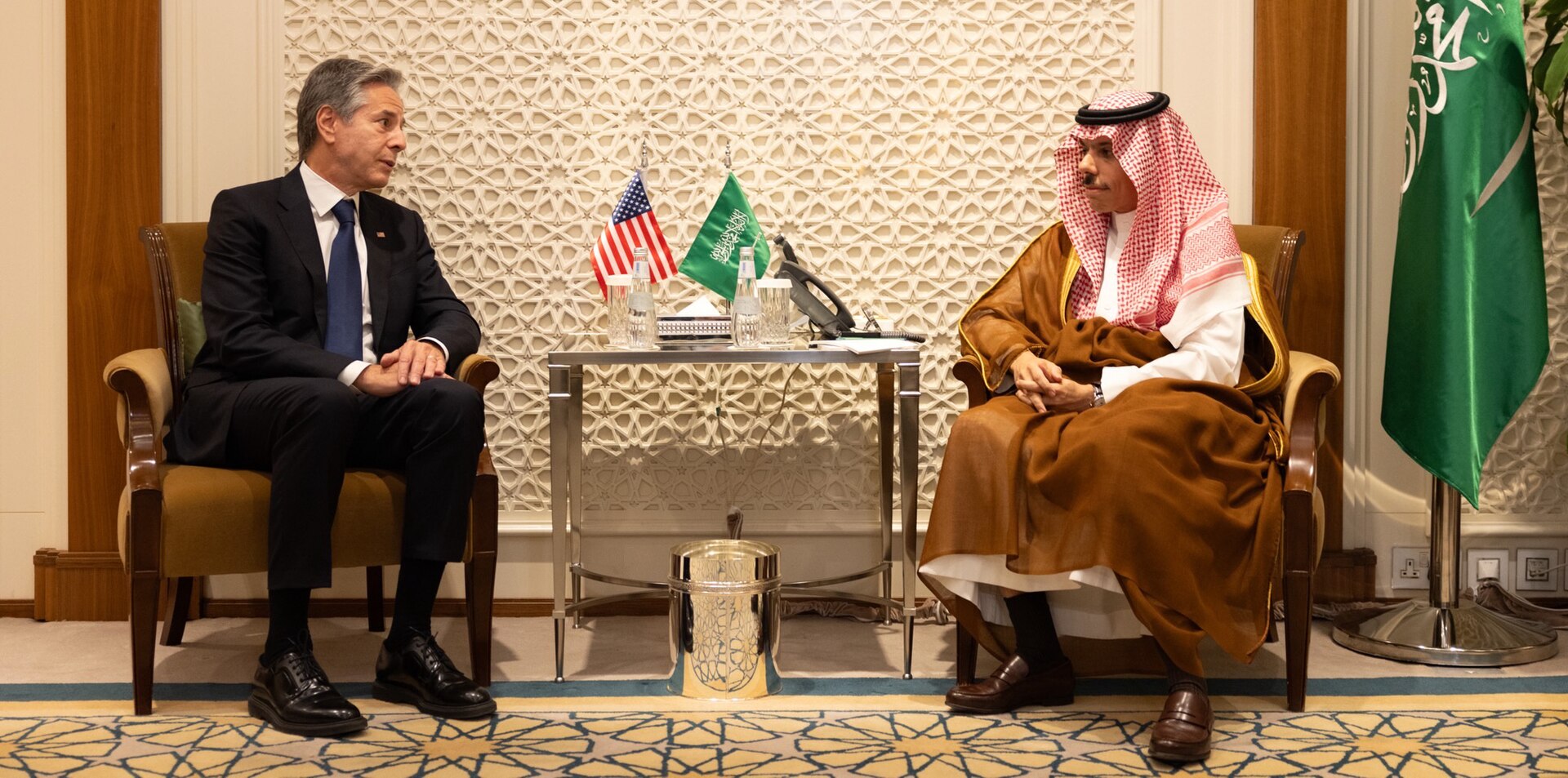
Saudi Arabia’s diplomatic investment in Lebanon inclusion did not happen through Saudi officials making public demands. It happened through the British. When UK Prime Minister Keir Starmer visited MBS in Jeddah on April 8, he called Israeli strikes in Lebanon “wrong” — language Riyadh could not deploy on its own without risking a direct confrontation with both Washington and Tel Aviv. The mechanism was characteristically Saudi: get an ally to say what you need said, then let the statement do the diplomatic work.
UK Defence Secretary John Healey made the demand explicit at Mansion House: “Lebanon must be included…Hormuz must be fully reopened…no place for tolls.” More than 20 Western leaders signed a joint statement that included Lebanon. The extraction looked like a success — the kind of quiet Saudi influence operation that Riyadh has built its post-2017 foreign policy on.
Then Netanyahu’s team worked overnight with the US to strip Lebanon from the statement, according to reporting previously published by House of Saud. The joint statement survived, but without the teeth that Saudi Arabia needed. Pakistani Prime Minister Shehbaz Sharif announced on April 8 that the ceasefire “includes all fronts of the war, including Lebanon” — a position immediately contradicted by both Netanyahu and the White House, according to NBC News.
Saudi Foreign Minister Prince Faisal bin Farhan used the phrase “comprehensive sustainable pacification” on April 9 — a formulation so vague it could mean anything, which was presumably the point. A Saudi-Iranian foreign ministers’ phone call the same day discussed “ways to reduce tension.” Neither side mentioned Lebanon in their readout. The proxy voice had been silenced, and the principal had nothing to say.
How Did Netanyahu Strip Lebanon from the Ceasefire?
Netanyahu’s position has been consistent and public. On April 9, he stated: “There is no ceasefire in Lebanon. We are continuing to strike Hezbollah with force, and we will not stop until we restore your security.” The White House confirmed the two-week truce covers only direct US-Iran hostilities and Strait of Hormuz reopening. Lebanon was never in it.
Israel offered direct talks with Lebanon — but on “peace” and disarmament terms, not a ceasefire. Washington talks between Israeli Ambassador Yechiel Leiter and Lebanese Ambassador Nada Hamadeh Moawad are scheduled for the week of April 14, with a virtual preparatory meeting held on April 12, according to CBS News and NPR. Lebanon’s position is that it demands a ceasefire before any negotiations. Israel’s position is that there is nothing to negotiate a ceasefire about, because there was never a ceasefire to begin with.
The scale of Israeli military action tells its own story. On April 8 — the day the Iran ceasefire was announced — Israel launched its single largest airstrike package of the entire 2026 war, killing more than 300 people across Lebanon, including in central Beirut, according to PBS News and NBC News. The Soufan Center’s Nikkie Lyubarsky documented approximately 100 Israeli airstrikes in 10 minutes across Lebanon on that day, hitting more than 10 locations in Beirut beyond typical Hezbollah strongholds. Carnegie’s Marwan Muasher assessed on April 9 that the military action “has been the most severe since the Iran conflict began on February 28” and reveals “Israel’s real intention: to occupy South Lebanon.”
Netanyahu told Trump he has “no objection to continued Hezbollah strikes.” The statement is less a request for permission than a notification: Israel will continue regardless. Netanyahu’s uranium ultimatum, as House of Saud reported on April 11, effectively gives Israel a veto over the broader ceasefire — the one Saudi Arabia cannot survive without.
The Hajj Clock and April 22
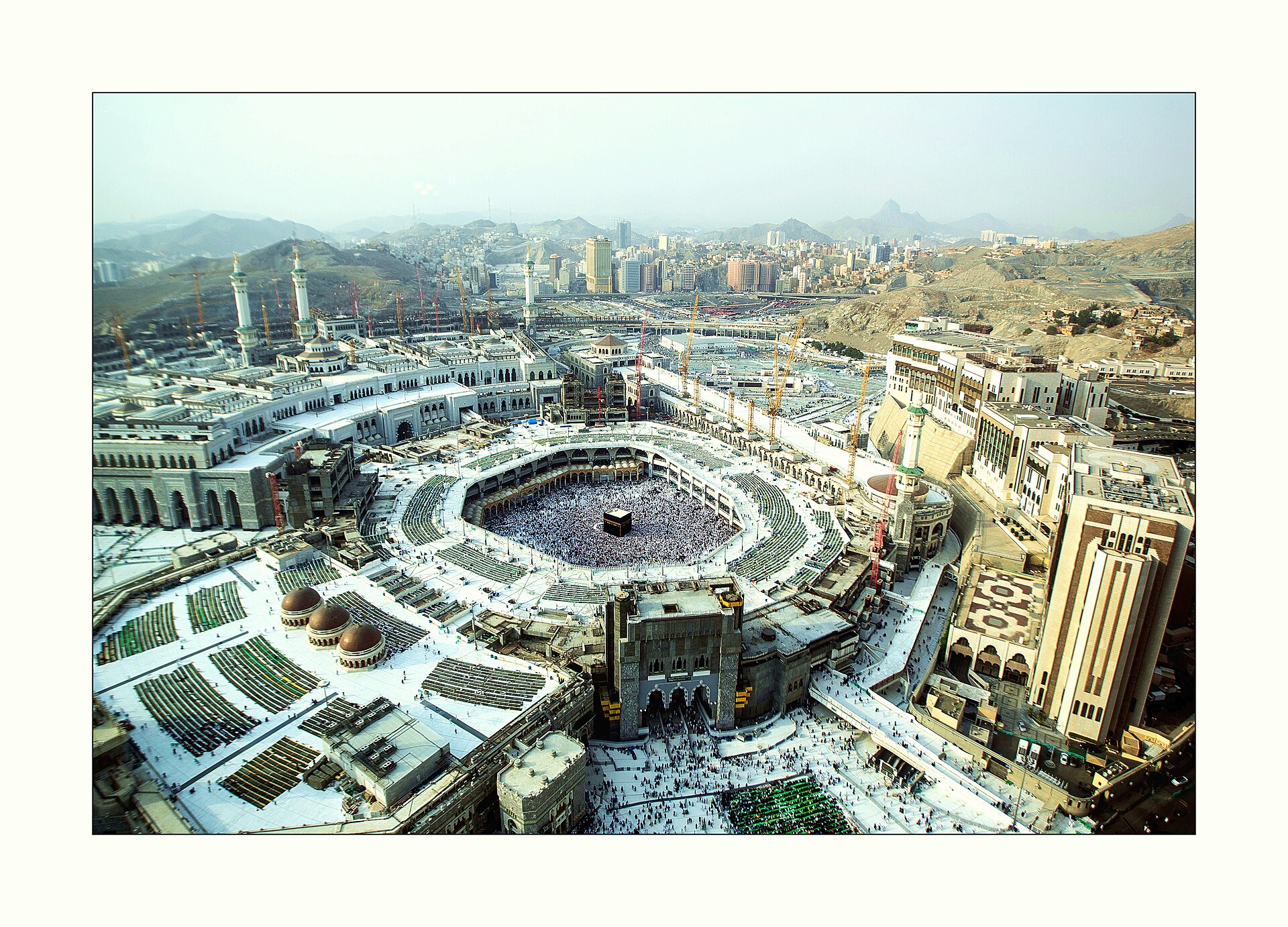
The Iran-US ceasefire expires on April 22. The first Hajj pilgrims — from Indonesia and Pakistan, the two largest national contingents — begin arriving on April 18, four days before expiry. Indonesia’s first charter flight departs on April 22 itself, the exact day the ceasefire lapses. As House of Saud reported on April 12, the Hajj was supposed to deter Iran from escalating during the holiest period in the Islamic calendar. Instead, it binds Saudi Arabia: Riyadh cannot risk military escalation with millions of pilgrims in transit.
Iran has zero pilgrims at Hajj 2026, having been effectively barred since the 2016 Mina stampede dispute. The ceasefire’s lapse costs Tehran nothing in Hajj exposure. The asymmetry is structural. Saudi Arabia bears the full custodial responsibility for 2-3 million pilgrims while possessing, by House of Saud’s previous reporting, approximately 400 PAC-3 MSE interceptor rounds — down 86 percent from the roughly 2,800 it held when the war began on March 3, after intercepting 894 Iranian-launched threats.
The 1987 precedent looms. That year, 402 pilgrims were killed in Mecca during Iran-related unrest. Saudi Arabia cut Iran’s Hajj quota by 87 percent for three years and severed diplomatic relations. The difference in 2026 is that Iran has no quota to cut — it is already absent — and the threat is not from pilgrims but from above.
What Leverage Does Riyadh Actually Have?
The honest answer, based on the evidence available on April 12, is very little. Andrew Leber of the Carnegie Endowment wrote on April 9 that Gulf states “must deploy what influence they have with Trump to push Iranian and American positions toward a fraught (yet workable) peace by convincing him that Israeli aims in Lebanon have to take a back seat to a meaningful ceasefire in the Gulf.” But he also noted that Gulf monarchies “so far have demonstrated little capacity to either restrain Trump or deter Iran.”
Saudi Arabia’s options decompose into three categories, none of them good. It can escalate the Lebanon demand publicly, which risks a direct confrontation with Israel and the United States at a moment when Riyadh depends on both for air defense resupply. It can quietly drop the demand, which means absorbing the domestic and pan-Arab political cost of appearing to abandon Lebanon while bodies are still being pulled from rubble in Qana. Or it can attempt to link Lebanon to the Washington bilateral track opening the week of April 14, betting that the Leiter-Moawad channel produces something before April 22.
The third option is the least bad, but it requires Lebanon and Israel to agree on the terms of a discussion that neither currently wants to have. Lebanon demands a ceasefire as a precondition for talks. Israel refuses any ceasefire. The gap is not a negotiating position — it is a structural incompatibility.
Hezbollah’s Secretary-General Naim Qassem added a further complication on April 11, telling Al-Manar TV: “We will not accept a return to the previous situation, and we call on officials to stop offering free concessions.” Carnegie’s Amr Hamzawy warned on April 9 that continued Israeli aggression risks “Lebanon’s entire political system toward total collapse.” If Lebanon collapses politically while Saudi Arabia is watching from Riyadh, the custodian-of-the-two-holy-mosques narrative takes a hit that no amount of proxy diplomacy can repair.
Background
The Iran-US war began on February 28, 2026. The ceasefire announced on April 8 followed Pakistan-brokered talks in Islamabad, but the truce was always narrow: it covered direct US-Iran hostilities and Hormuz passage, not the broader regional conflict including Lebanon, which Iran treated as a linked front and Israel treated as entirely separate.
Saudi Arabia’s diplomatic strategy since March has relied on proxy voices — the UK for Lebanon inclusion, Pakistan for ceasefire mediation, and the broader Western coalition for legitimacy. That strategy worked as long as the principals (the US, Iran, and Israel) were willing to keep talking. With Islamabad collapsed, Trump ordering a Hormuz blockade, and Netanyahu intensifying strikes in Lebanon, all three pillars have weakened simultaneously. As House of Saud reported, the ten-day window between April 12 and the ceasefire expiry on April 22 now represents the most dangerous diplomatic void since the war began.
Eric Lob of the Carnegie Endowment noted on April 9 that “Tehran probably perceives the ceasefire as a pause in hostilities rather than anything permanent.” If that assessment is correct, then the structure Saudi Arabia built its Lebanon demand on — a ceasefire that would expand to include all fronts — was never going to hold the weight Riyadh placed on it.
FAQ
Why does Qana keep appearing in Israel-Lebanon wars?
Qana sits in the Tyre district of southern Lebanon, within the zone that Israel has repeatedly targeted across multiple conflicts. In 1996, Israeli artillery struck a UN compound in Qana sheltering displaced civilians, killing 106 people in what became one of the most politically damaging incidents of Operation Grapes of Wrath. In 2006, an Israeli airstrike killed 28 people in the village during the July War. The April 12, 2026 strike killed five. Each recurrence amplifies the name’s resonance across Arab media and public opinion, making it progressively harder for Arab governments to remain silent.
What is the Washington bilateral track between Israel and Lebanon?
The Leiter-Moawad channel in Washington is structurally distinct from the Islamabad process in one critical way: it has no mediating party that can bridge the fundamental impasse. The Islamabad framework had Pakistan as an intermediary willing to absorb both sides’ incompatible positions into a single text. Washington is hosting the talks, not mediating them. The US position is that Israel’s Lebanon operations are a separate matter from the Iran ceasefire — which means Washington has no obvious incentive to push Israel toward a ceasefire as a precondition, as Lebanon demands. The talks are therefore more useful to Israel as a legitimacy exercise than to Lebanon as a path toward halting strikes.
Has Hezbollah’s military capacity recovered since the 2024 war?
Partially, but the baseline has shifted. The group’s pre-2024 arsenal was estimated at approximately 150,000 rockets — a figure substantially degraded during the autumn 2024 conflict. Current launch volumes are well below that war’s peak rates. What has changed is organizational: Qassem replaced Hassan Nasrallah after his killing in September 2024 and has pursued a more politically-framed posture, signaling conditions rather than simply escalating. The practical implication is that Hezbollah can sustain exchanges at current rates without exhausting its reconstituted inventory, but it is not in a position to mount the kind of saturation campaign that characterized late 2024.
Could Saudi Arabia use oil production to pressure Washington on Lebanon?
In theory, Saudi Arabia could adjust output to pressure Washington. In practice, the East-West Pipeline to Yanbu — Saudi Arabia’s primary export bypass while Hormuz remains contested — operates at a ceiling of roughly 5.9 million barrels per day against pre-war Hormuz throughput of 7-7.5 million bpd, leaving a structural gap of 1.1-1.6 million bpd. With Aramco’s May Official Selling Price already set at a $19.50 per barrel premium that is now roughly $17 underwater relative to spot, Riyadh’s fiscal position constrains aggressive supply diplomacy. The kingdom’s break-even oil price is $108-111 per barrel (Bloomberg, PIF-inclusive), while Brent trades near $91-94.
What happens if the ceasefire expires on April 22 without renewal?
There is no extension mechanism built into the ceasefire framework, as the Soufan Center has noted. The more granular problem is sequencing: any resumption of Iranian operations against Saudi Arabia would occur while Saudi civil defence and intercept assets are split between protecting Hajj pilgrimage infrastructure — a politically untouchable set of targets — and protecting military and oil facilities that Iran has already struck. Riyadh cannot publicly prioritise one over the other. Iran almost certainly knows this. The ten-day window is not just a diplomatic countdown; it is the period during which Saudi Arabia is most exposed and least able to say so.