
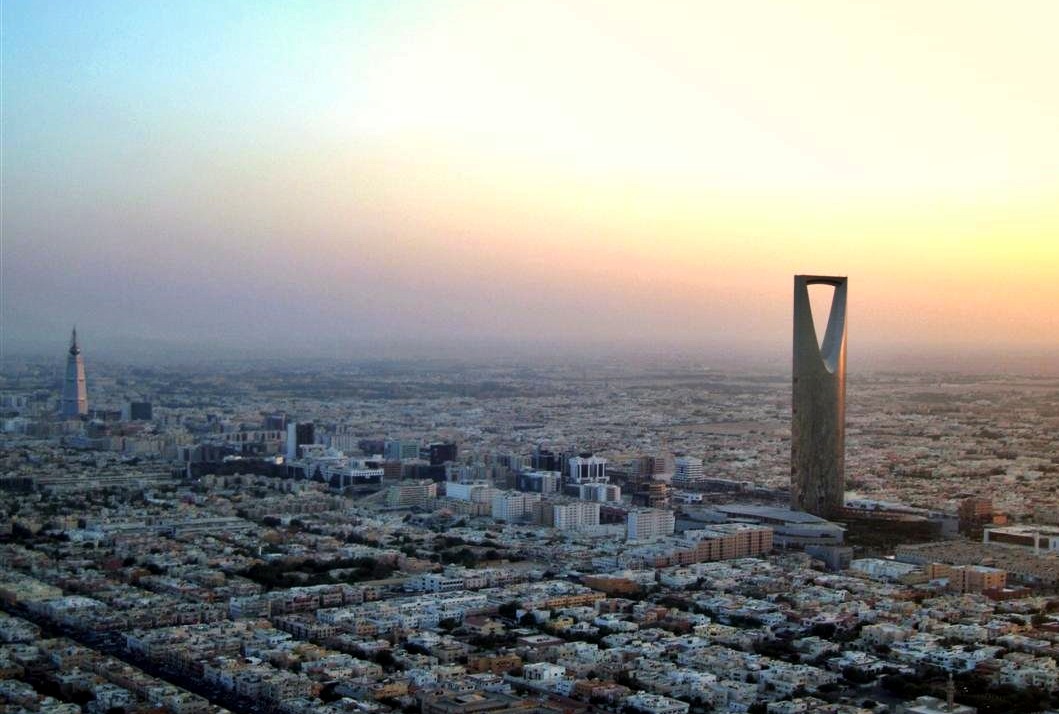
Saudi Arabia has become one of the fastest-growing travel destinations for German tourists, with direct flights from Frankfurt, Munich, and Berlin making the Kingdom more accessible than ever. Whether you are drawn by the ancient Nabataean tombs of AlUla, the futuristic skyline of Riyadh, or the Red Sea diving that rivals the Maldives, this guide covers everything a German traveller needs to plan a trip to Saudi Arabia in 2026. For a broader overview of all destinations, start with our complete Saudi Arabia travel guide, then use this page for Germany-specific visa details, flight routes, cultural tips, and practical advice tailored to the way Germans travel.
Best Time to Visit: October–March (20–28 °C daytime, ideal for sightseeing and desert trips)
Getting There: Direct flights from Frankfurt, Munich, and Berlin to Riyadh and Jeddah (5–6 hours)
Visa Required: Yes — tourist e-visa online, approved in minutes
Budget: €70–180 per day (mid-range); budget travellers can manage €50–80
Must-See: Hegra (AlUla), Riyadh’s Edge of the World, Jeddah Corniche
Avoid: Travelling June–August without serious heat preparation — daytime temperatures regularly exceed 45 °C
Visa and Entry Requirements for German Passport Holders
German citizens are fully eligible for the Saudi e-tourist visa, which can be applied for entirely online at visa.visitsaudi.com. No embassy visit, no sponsor, and no letter of invitation required. Most applications are approved within minutes.
E-Visa Details
- Validity: One year, multiple entry
- Maximum stay: 90 days per entry (up to 180 days total per year)
- Cost: SAR 535 (approximately €130), which includes mandatory medical insurance
- Processing time: Usually instant to 24 hours
- Passport requirement: Your Reisepass must be valid for at least six months beyond your date of entry. A Personalausweis (national ID card) is not accepted — you need the burgundy passport book
- Cards: Visa and Mastercard are accepted almost everywhere in cities. Contactless payment via Apple Pay and Google Pay is widespread.
- Cash: Carry some riyals for markets, small shops, and tipping. ATMs (Geldautomaten) are plentiful, though your German bank may charge €5–10 per withdrawal — check with your Sparkasse, Volksbank, or DKB whether they offer free withdrawals abroad.
- DKB & N26: DKB Visa cards and N26 accounts offer free or low-fee international ATM withdrawals, making them popular choices among German travellers.
- VAT refund: Since April 2025, tourists can reclaim 15% VAT on purchases over SAR 500 (€120) from registered retailers. Look for the “Tax Free Shopping” signs.
- Tipping: Not mandatory but appreciated. Round up restaurant bills by 10–15%, tip hotel porters SAR 5–10.
- Women: The abaya is no longer required for foreign visitors. However, clothing should cover shoulders, upper arms, and knees. Loose-fitting trousers, long skirts, and tops with sleeves are appropriate. Head covering is not required except inside mosques. For a detailed guide, see our dress code page.
- Men: Shorts above the knee and sleeveless shirts are considered inappropriate in most public places outside beach resorts. Long trousers or bermuda shorts below the knee with a collared shirt are safe everywhere.
- Swimwear: Fine at hotel pools, private beaches, and resort facilities. Cover up before returning to public areas.
- Greetings: As-salamu alaykum (“peace be upon you”) works everywhere. Men shake hands with men. A man should not extend his hand to a woman unless she offers hers first.
- Left hand: Avoid using your left hand for eating, passing objects, or greeting — it is considered unclean.
- Public displays of affection: Keep these minimal. Holding hands between couples is accepted, but kissing in public is not.
- Photography: Always ask before photographing people, especially women. Do not photograph military installations, government buildings, or border areas.
- Prayer times: Shops and restaurants may briefly close during prayer times (five times daily, lasting 15–30 minutes each). Malls typically stay open but dim the music.
- eSIM (recommended): Buy before departure from providers like Airalo, Holafly, or Nomad. Plans start from €5 for 1 GB. No passport registration required, activates instantly on landing. Works with any eSIM-compatible phone (iPhone XS and newer, most recent Samsung and Google Pixel models).
- Local SIM: STC’s “Sawa Visitor” prepaid packages are available at airport kiosks. Expect to pay SAR 100–150 (€24–36) for 10–20 GB with 30 days validity. Passport registration required (takes 10–15 minutes).
- German roaming: Telekom, Vodafone, and o2 all offer Middle East roaming packages, but these are expensive (€5–15/day). Only use as a fallback.
- Heat: The biggest health risk for German visitors. Drink at least 3 litres of water daily in winter, 5+ litres in summer. Sunscreen (SPF 50+), a hat, and electrolyte supplements are essential.
- Vaccinations: No mandatory vaccinations for German tourists entering on a tourist visa. Hepatitis A and B and typhoid are recommended by the Robert Koch Institut for the region. Hajj pilgrims require meningitis (ACWY) vaccination.
- Tap water: Safe in cities (desalinated) but most visitors prefer bottled water. A 1.5L bottle costs SAR 1–2 (€0.25–0.50).
- Pharmacies: Well-stocked and open late. Common medications are available over the counter, though some prescription drugs common in Germany (particularly certain ADHS-Medikamente containing amphetamines) are strictly controlled or banned in Saudi Arabia. Carry a prescription letter in English for any regular medication.
- Sun protection: SPF 50+ (hard to find strong European brands locally), UV-blocking sunglasses, a wide-brimmed hat
- Modest clothing: Light, breathable fabrics that cover shoulders and knees — linen trousers and long-sleeve cotton shirts work well
- Adapter: Saudi Arabia uses Type G plugs (same as the UK). Bring a UK-to-Schuko adapter or a universal travel adapter
- Reiseapotheke: Bring your own supply of any prescription medications, plus a basic first-aid kit with electrolyte sachets, insect repellent, and anti-diarrhoeal medication
- Driving licence: Your Führerschein plus an international driving permit (ADAC, €15)
- Copies: Keep digital copies of your Reisepass, visa confirmation, and insurance documents in your email or cloud storage
- Kabsa: The national dish — spiced rice with slow-cooked lamb or chicken, often served on enormous platters for sharing
- Jareesh: Cracked wheat porridge with yoghurt and meat, comfort food in winter
- Mandi: Wood-smoked lamb and rice from the Hadhramaut tradition
- Mutabbaq: Stuffed savoury pancake — crispy and addictive
- Arabic coffee (qahwa): Cardamom-spiced, served with dates. Accepting a cup is a sign of respect.
- Street food / fast food: SAR 15–30 (€3.50–7)
- Mid-range restaurant: SAR 60–120 (€14–28) per person
- Fine dining: SAR 200–500+ (€47–120+) per person
- ☑ Apply for your e-visa online (instant approval)
- ☑ Check the Auswärtiges Amt Reisehinweise for current travel advisories
- ☑ Register with ELEFAND (Krisenvorsorgeliste) at the German Embassy in Riyadh
- ☑ Purchase Auslandskrankenversicherung if your policy does not cover Saudi Arabia
- ☑ Download an eSIM or plan to buy a SIM at the airport
- ☑ Download the Uber and Careem apps for taxi transport
- ☑ Bring a Type G (UK) plug adapter
- ☑ Pack modest, lightweight clothing suitable for heat and cultural norms
- ☑ Carry your Reisepass (valid 6+ months) — Personalausweis is not accepted
- ☑ Leave any alcohol at home — import is strictly forbidden
- German Embassy Riyadh: Diplomatic Quarter, Riyadh. Phone: +966 11 277 3900
- German Consulate General Jeddah: Al-Hamra District. Phone: +966 12 699 6300
- Emergency hotline (after hours): +49 30 1817 0 (Auswärtiges Amt Berlin)
- Saudi Arabia Travel Guide 2026 — The complete guide to visiting the Kingdom
- Saudi Arabia Visa Guide — Every visa type, cost, and requirement explained
- Non-Muslim Travel in Saudi Arabia — What is allowed, what to expect, and how to prepare
- Saudi Arabia Dress Code — What to wear as a tourist in every situation
- Saudi Arabia Packing List — What to bring and what to leave at home
- How Much Does Saudi Arabia Cost? — Daily budgets, hotel prices, and money-saving tips
- Riyadh Travel Guide — The capital city from Edge of the World to Boulevard
- Jeddah Travel Guide — Red Sea corniche, Al-Balad, and the F1 circuit
- AlUla Travel Guide — Hegra, Elephant Rock, and the ancient kingdom of Dadan
Tip for Germans: The e-visa fee includes basic health insurance covering medical emergencies up to SAR 100,000 (~€24,000). For more comprehensive coverage, consider purchasing supplementary Auslandskrankenversicherung through your existing provider (ADAC, DKV, or Allianz all offer annual policies covering Saudi Arabia from €10–25/year). Our full visa guide explains every visa type in detail.
Visa on Arrival
Germans can also obtain a visa on arrival at Saudi international airports by paying the same SAR 535 fee at immigration kiosks. However, applying online before departure is faster and avoids queues, particularly at Jeddah during Hajj and Umrah seasons.
Transit Visa
If you are transiting through Saudi Arabia with a layover of more than 12 hours, you need a transit visa. Layovers under 12 hours do not require one. Saudia Airlines passengers can request a free 96-hour stopover visa on select routes.
Auswärtiges Amt Travel Advisory
The German Federal Foreign Office (Auswärtiges Amt) publishes regularly updated Reise- und Sicherheitshinweise for Saudi Arabia. As of April 2026, the advisory notes elevated regional tensions due to the ongoing Iran conflict, with sporadic attacks affecting parts of the Gulf region. Check auswaertiges-amt.de for the latest assessment before booking, and register your trip with the Krisenvorsorgeliste (ELEFAND) at the German Embassy in Riyadh.
Direct Flights from Germany to Saudi Arabia
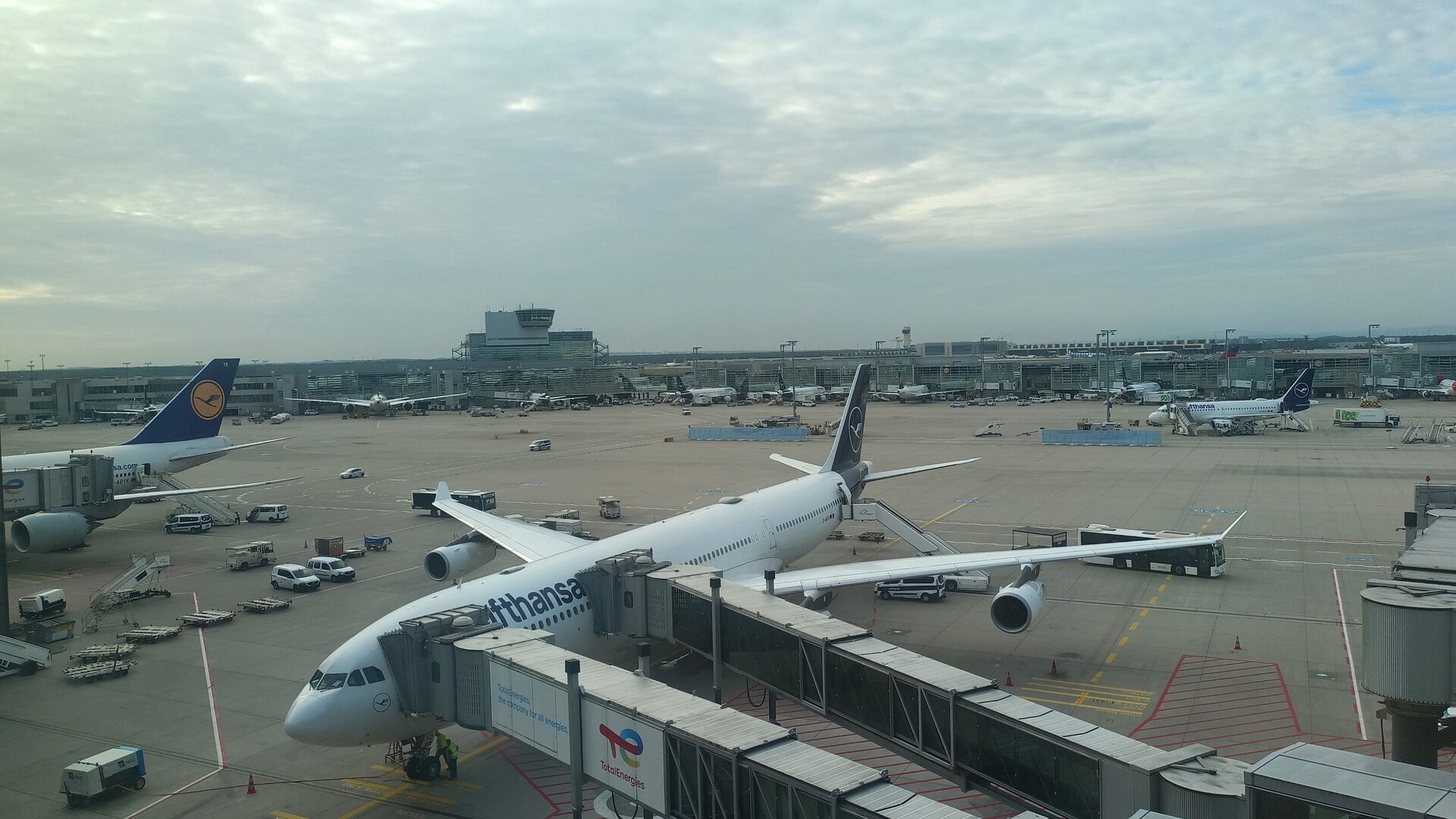
Getting to Saudi Arabia from Germany is straightforward, with multiple airlines operating direct routes. Flight times range from 5 to 6 hours — roughly the same as flying to the Canary Islands.
| Route | Airlines | Frequency | Flight Time | Approx. Return Price |
|---|---|---|---|---|
| Frankfurt → Riyadh | Lufthansa, Saudia | Daily | 5 h 30 min | €350–650 |
| Frankfurt → Jeddah | Saudia | 5–7x/week | 5 h 55 min | €380–700 |
| Munich → Riyadh | Lufthansa | 3x/week | 5 h 15 min | €370–680 |
| Berlin → Riyadh | Saudia, flynas | 2–3x/week | 5 h 40 min | €350–600 |
| Frankfurt → Dammam | Saudia (seasonal) | 2x/week | 5 h 45 min | €400–750 |
Booking-Tipp: Lufthansa’s Munich–Riyadh route uses the Airbus A350-900 with three classes, including Premium Economy — a comfortable middle ground for the overnight flight departing at 21:45 and arriving at 04:50 local time. Saudia frequently offers competitive business-class fares from Frankfurt that undercut Lufthansa by 30–40%. For the latest schedules, Lufthansa and Saudia both publish updated timetables on their websites.
Connecting Flights
If direct flights do not suit your schedule or budget, excellent one-stop connections run through Istanbul (Turkish Airlines), Doha (Qatar Airways), Abu Dhabi (Etihad), and Dubai (Emirates). Turkish Airlines often offers the best fares from smaller German airports like Hamburg, Düsseldorf, and Stuttgart via Istanbul.
Best Time to Visit Saudi Arabia from Germany
Saudi Arabia’s climate is extreme, and timing matters far more than it does for a Mediterranean holiday. The ideal window for German travellers is October through March, when daytime temperatures in Riyadh sit between 20–28 °C — pleasant enough for outdoor sightseeing and desert excursions.
Season-by-Season Breakdown
| Season | Months | Riyadh Temp | Jeddah Temp | Notes |
|---|---|---|---|---|
| Winter (best) | Dec–Feb | 15–23 °C | 24–29 °C | Peak tourist season; desert nights can drop below 5 °C |
| Spring | Mar–Apr | 22–32 °C | 27–33 °C | Comfortable; wildflower season in Asir highlands |
| Summer | Jun–Aug | 38–46 °C | 34–40 °C | Extreme heat; outdoor activity only after sunset |
| Autumn | Sep–Nov | 28–38 °C | 30–36 °C | Heat easing; good shoulder-season value |
Ramadan-Hinweis: During Ramadan, restaurants and cafes close during daylight hours, and the general pace of life shifts dramatically. While non-Muslims are not required to fast, eating, drinking, and smoking in public during fasting hours is prohibited. Ramadan dates shift each year — in 2026 it falls approximately from 17 February to 19 March. Plan around it unless you specifically want to experience Iftar culture, which can be genuinely magical.
What It Costs: Budget Guide for German Travellers
Saudi Arabia is moderately priced compared to the UAE, and significantly cheaper than Qatar. The Saudi Riyal (SAR) is pegged to the US dollar at 3.75 SAR = $1. For a full breakdown, see our Saudi Arabia cost guide. For information on exchange rates and where to change money, read our currency guide.
| Category | Budget (€/day) | Mid-Range (€/day) | Luxury (€/day) |
|---|---|---|---|
| Accommodation | €25–45 | €60–120 | €200–500+ |
| Food | €10–20 | €25–50 | €80–150 |
| Transport | €5–15 | €15–40 | €50–100 |
| Activities | €5–15 | €20–50 | €80–200 |
| Total | €50–80 | €120–180 | €400–900+ |
Payment and Money Tips
Where to Go: Top Destinations for German Visitors
Saudi Arabia is roughly six times the size of Germany, so do not try to see everything in one trip. Here are the destinations that German travellers find most rewarding, with links to our detailed guides.
Riyadh
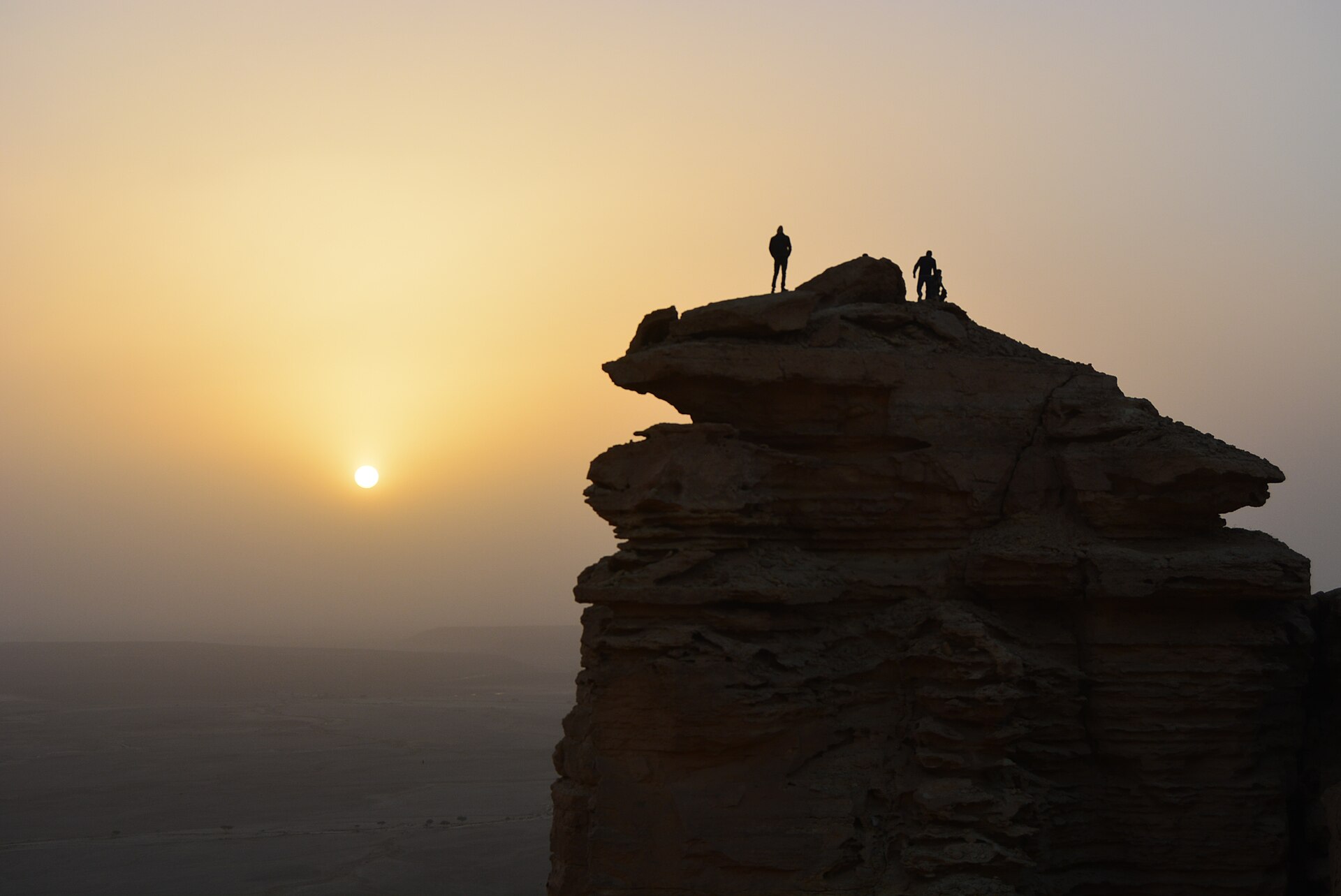
The capital is a city of contrasts — gleaming skyscrapers alongside mud-brick Diriyah palaces. The Edge of the World (Jebel Fihrayn), a dramatic 300-metre cliff edge overlooking an endless desert plain, is the single most popular day trip from Riyadh. The National Museum, Masmak Fortress, and the restored At-Turaif UNESCO World Heritage Site in Diriyah offer a crash course in Saudi history. For dining, Boulevard Riyadh City is the Kingdom’s largest entertainment district. Read our Riyadh travel guide for the full picture.
AlUla and Hegra
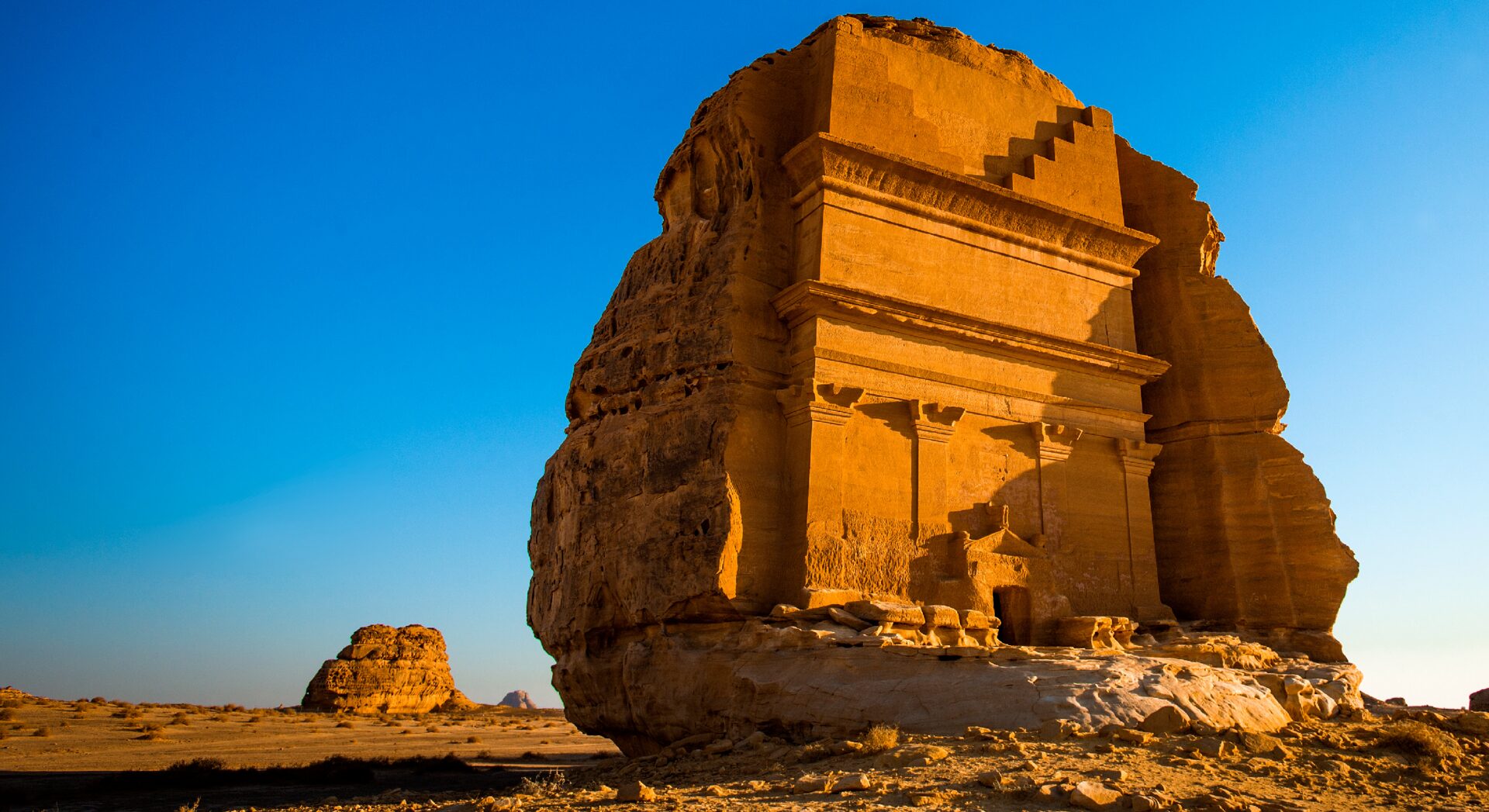
If you know Petra in Jordan, think of Hegra (Mada’in Salih) as its quieter, less-visited sister — a Nabataean city with over 100 monumental tombs carved into sandstone, and Saudi Arabia’s first UNESCO World Heritage Site. The surrounding AlUla valley is stunning: Elephant Rock, the ancient kingdom of Dadan, and the Maraya mirrored concert hall make for a dense 2–3 day itinerary. AlUla is a 90-minute flight from Riyadh or a scenic 3-hour drive from Tabuk.
Jeddah
Jeddah is Saudi Arabia’s most cosmopolitan city, with a 30-kilometre Red Sea corniche, the historic Al-Balad quarter (a UNESCO World Heritage Site with carved coral-stone merchant houses), and King Fahd’s Fountain — the world’s tallest water jet at 312 metres. German F1 fans take note: the Jeddah Corniche Circuit hosts the Saudi Arabian Grand Prix, typically in March. Our Jeddah travel guide has the complete breakdown.
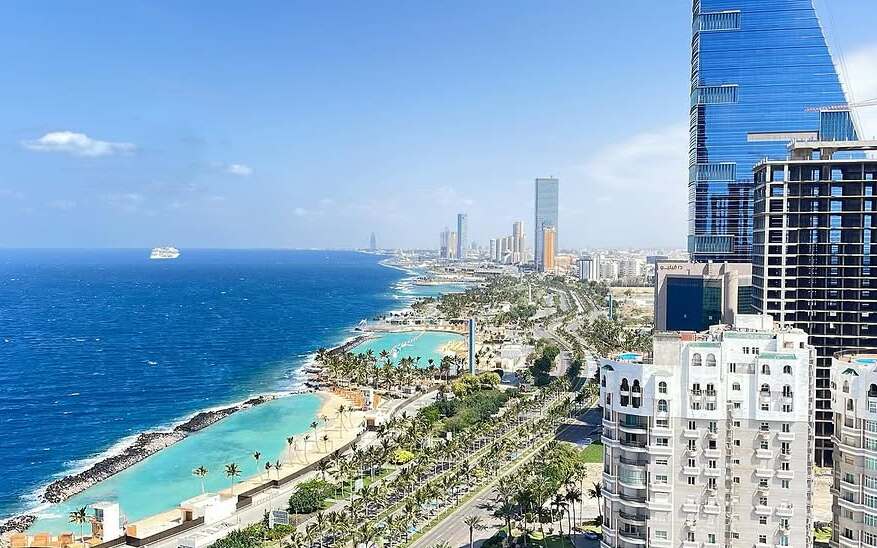
The Red Sea Coast
For diving and snorkelling, the Saudi Red Sea is the region’s best-kept secret. Yanbu and Umluj (dubbed “the Maldives of Saudi Arabia”) offer pristine coral reefs without the crowds of Sharm el-Sheikh or Hurghada. Water temperatures stay above 24 °C year-round. See our diving and snorkelling guide for reef maps and operator recommendations.
Asir Highlands
If you want to escape the heat, Abha and the Asir region in Saudi Arabia’s southwest sit above 2,000 metres. Temperatures rarely exceed 25 °C even in summer, and the terraced villages resemble Yemen more than the Arabian Peninsula. Rijal Almaa, a restored stone village, is a highlight. For hiking, check our Saudi Arabia hiking guide.
NEOM and Tabuk
The northwest corner of Saudi Arabia around Tabuk offers dramatic wadis, clear-sky stargazing, and access to the emerging NEOM / The Line project. While NEOM itself is still under construction, the Tabuk region’s landscapes — think red sandstone canyons and palm-filled oases — are already open and extraordinary.
Culture and Etiquette: What German Visitors Should Know
Saudi Arabia has changed rapidly since opening to tourism in 2019, but it remains a conservative society rooted in Islamic traditions. German directness (Direktheit) is generally appreciated in business, but social interactions follow different rules.
Dress Code
Alcohol
Alcohol is strictly prohibited throughout Saudi Arabia. There are no bars, no hotel minibars, and no licensed restaurants. This is the single biggest adjustment for most German travellers accustomed to a casual beer culture. Do not attempt to bring alcohol into the country — customs enforce this rigorously, and penalties are severe. Non-alcoholic beer (alkoholfreies Bier) is widely available, and Saudi coffee culture — from Arabic qahwa to specialty roasters — is excellent.
Social Customs
Language
Arabic is the official language, but English is widely spoken in tourist areas, hotels, and malls. German is not commonly understood. Basic Arabic phrases go a long way:
| German | Arabic | Transliteration |
|---|---|---|
| Hallo / Guten Tag | السلام عليكم | As-salamu alaykum |
| Danke | شكراً | Shukran |
| Bitte | من فضلك | Min fadlak |
| Ja / Nein | نعم / لا | Na’am / La |
| Wie viel kostet das? | بكم؟ | Bikam? |
| Wo ist…? | وين…؟ | Wein…? |
| Entschuldigung | عفواً | Afwan |
Getting Around Saudi Arabia
Domestic Flights
Saudi Arabia is vast — Riyadh to Jeddah is 950 km, and driving takes 9–10 hours. Saudia, flynas, and flyadeal operate frequent domestic routes, with one-way fares starting from SAR 150 (€35). Book early for the best prices.
Car Rental
Renting a car is the best way to explore outside the cities. Your German driving licence (Führerschein) is valid in Saudi Arabia for up to 90 days — no international driving permit needed, though carrying one (from the ADAC for €15) is recommended as a precaution. Fuel is extremely cheap by German standards: approximately SAR 2.18/litre (€0.52/litre) for 91-octane — roughly a quarter of German prices. Major rental companies (Europcar, Hertz, Budget) operate at all airports alongside local firms like Lumi and Theeb.
Fahrhinweis: Saudi driving culture can be aggressive by German standards. Tailgating, sudden lane changes, and excessive speed are common, particularly on highways. Drive defensively, especially on the Riyadh–Jeddah and Riyadh–Dammam expressways. Always carry water in the car — breakdowns in the desert are serious.
Ride-Hailing Apps
Uber and Careem (owned by Uber) operate in all major Saudi cities and are the most convenient way to get around urban areas. Fares are significantly cheaper than German taxis. A 20-minute ride in Riyadh typically costs SAR 15–25 (€3.50–6). Read our Uber and Careem guide for tips on using these apps effectively.
Trains
The Haramain High-Speed Railway connects Jeddah, the King Abdullah Economic City, and Mecca (for Hajj/Umrah travellers) at speeds up to 300 km/h. The SAR North-South Railway connects Riyadh to Qassim and Ha’il. Riyadh’s new Metro system, which opened in late 2025, has six lines covering 176 km and is transforming urban transport in the capital.
Connectivity: SIM Cards and Mobile Data
Saudi Arabia has excellent 5G coverage in urban areas. German tourists have three options, all covered in detail in our SIM card and eSIM guide:
Health, Safety, and Insurance
Travel Insurance
The e-visa fee includes basic medical insurance covering emergencies up to SAR 100,000 (~€24,000). However, private hospital costs in Saudi Arabia can be high — an emergency appendectomy at a private Riyadh hospital can cost €7,500–14,000. German travellers should purchase supplementary Auslandskrankenversicherung (international health insurance), which is standard practice for any trip outside the EU. Annual worldwide policies from ADAC, Envivas (TK), DKV, or Allianz cost €10–30/year and cover medical repatriation — a critical gap in the visa-included insurance.
Health Precautions
Safety
Saudi Arabia has one of the lowest crime rates in the world. Violent crime against tourists is extremely rare. Petty theft is uncommon but standard precautions apply — do not leave valuables in parked cars. The main safety considerations are road traffic (see driving section above) and heat exposure. For non-Muslim visitors, our non-Muslim travel guide covers what to expect.
Packing Tips for German Travellers
Packing for Saudi Arabia differs significantly from a typical European holiday. Our detailed packing list has the full breakdown, but here are the Germany-specific essentials:
Food and Dining
Saudi cuisine is excellent and largely unfamiliar to German palates. The food scene ranges from lavish hotel buffets to street-side shawarma stands, with a growing specialty coffee culture that rivals Berlin.
Must-Try Dishes
Dining Costs
Tipp für Deutsche: Saudi Arabia has no beer or wine to pair with dinner, but the non-alcoholic alternatives are surprisingly good. Saudi-brewed Barbican and Holsten (yes, the Hamburg brand) non-alcoholic beers are everywhere, and fresh-squeezed juices are a meal staple. The specialty coffee scene — particularly in Riyadh’s Speciality Coffee Association-certified cafes — will impress any German coffee snob.
Practical Checklist Before You Fly
German Embassy and Consulate
In case of emergency, lost passport, or need for consular assistance: